Everything you need to know about replacing eggs, butter, and milk in everyday baking. Get the right swap for the job, avoid gummy cakes and dry cookies, and...
Recipeva
Almond Flour vs. Coconut Flour
Almond flour and coconut flour are both gluten-free favorites, but they behave very differently. Learn taste, texture, moisture needs, measuring tips, substitutions, and the best uses for each.

Maya Reynolds
Maya Reynolds is a passionate home cook, recipe developer, and the creative voice behind Recipeva. With over a decade of experience translating complex culinary techniques into approachable weeknight meals, she focuses on creating dishes that bring joy to the dinner table without the stress.
Created September 21, 2026
Updated September 21, 2026
If you have ever tried swapping almond flour for coconut flour (or vice versa) and ended up with a pan of something that is either oddly soggy or weirdly dry, you are not alone. These two gluten-free staples are both wonderful, but they are not interchangeable cup-for-cup.
In this guide, I will walk you through how each flour behaves, how to substitute more safely when you have to, and which one I reach for depending on what we are baking tonight.

Quick takeaway
- Choose almond flour for a moist, tender crumb and a more classic baked-good feel: cookies, quick breads, pancakes, coffee cake, and many cakes.
- Choose coconut flour when you want higher fiber and are comfortable using more eggs and liquid. It can bake up light in the right recipe, but it can also turn dense or dry when the formula is off.
- For substitutions: Almond flour is less absorbent, so to replace coconut flour you typically need more almond flour and less liquid. Coconut flour is very absorbent, so to replace almond flour you typically need much less coconut flour plus more eggs and liquid. Treat any ratio as a starting point, especially for cookies where spread can change dramatically.
What they are
Almond flour
Almond flour is made from blanched almonds ground into a fine meal. It brings fat, protein, and a naturally sweet, nutty flavor. Because it contains fat, it tends to bake up moist and tender.
Quick note: grind matters. Fine almond flour behaves more predictably in cakes and muffins. Coarser almond meal can absorb a bit differently, brown faster, and give a more rustic texture, which matters if you are trying to swap flours.
Coconut flour
Coconut flour is made from dried coconut meat that is often partially defatted and finely ground. It is very high in fiber and behaves like a sponge, soaking up moisture fast. Coconut flour can make baked goods feel fluffy and cake-like when the recipe is built for it, but it can also bake up dry, dense, or crumbly if the moisture, eggs, and leavening are not balanced.
Taste and texture
Flavor
- Almond flour: mild, nutty, slightly sweet. Usually blends into vanilla, chocolate, cinnamon, and fruit like a dream.
- Coconut flour: lightly coconut-forward. Even when it is subtle, you can often detect it, especially in simple flavors like vanilla or lemon.
Texture
- Almond flour: tender, moist, and rich. Think soft cookie or snack cake vibes.
- Coconut flour: can be fluffy in a well-designed recipe, but it is quick to turn chalky or oddly gummy if it does not have enough liquid, fat, leavening, or the right amount of eggs.
Absorption
If you remember only one thing, make it this: coconut flour absorbs dramatically more liquid than almond flour.
- Almond flour is relatively low-absorption because it is rich in fat.
- Coconut flour is high-absorption because it is high in fiber and very dry.
That is why coconut flour recipes almost always use a higher number of eggs, plus extra liquid (milk, yogurt, pumpkin, applesauce) and often extra fat.

Measuring
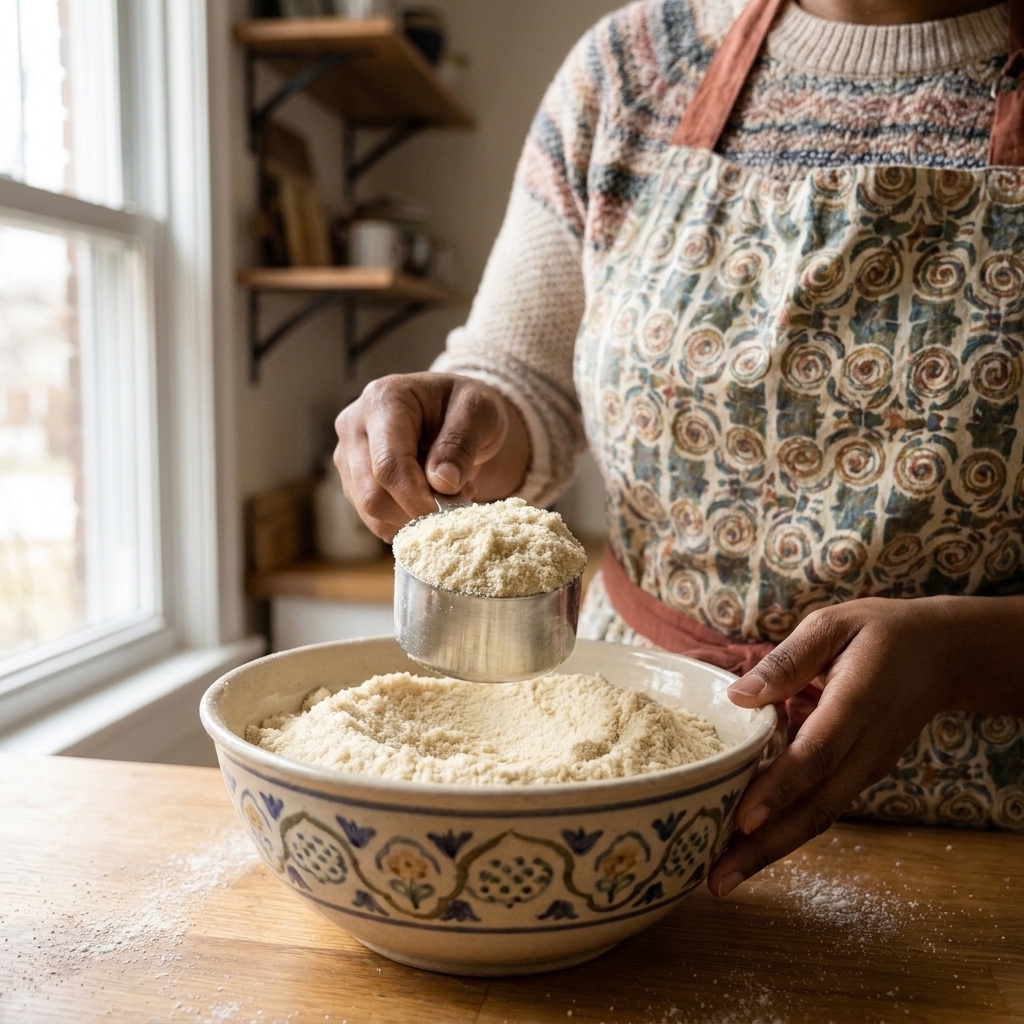
One quiet reason substitutions go sideways: these flours measure very differently by the cup. Coconut flour packs down easily, and almond flour can be fluffy or coarse depending on the brand.
- If you can, use a kitchen scale. Weight is more consistent than cups.
- If you are using cups, scoop and level. Do not pack coconut flour into the measuring cup.
- When you make a substitution, expect to adjust after a rest. Give the batter 3 to 5 minutes to hydrate, then reassess.
Substitution guide
I will be honest, the best gluten-free baking is done by using a recipe written for the flour you have. But sometimes it is 6 pm, you have a craving, and you are working with what is in the pantry. These ratios are common starting points, not guarantees. Outcomes vary a lot by recipe type (cookies versus cakes), flour grind, and brand. You may need more than one round of tweaks.
Coconut flour for almond flour
Use much less coconut flour. A typical starting range is:
- For every 1 cup almond flour, use 1/4 to 1/3 cup coconut flour.
Then you typically need to increase structure and moisture:
- Add 1 to 2 additional eggs per cup of almond flour you are replacing (start with 1, then adjust).
- Add extra liquid as needed (a few tablespoons at a time). Let the batter rest 3 to 5 minutes, then reassess.
- Consider a little more leavening (often 1/4 to 1/2 teaspoon baking powder) if the original recipe was not very leavened. Coconut flour bakes can otherwise turn heavy.
Best for: pancakes, muffins, and quick breads where eggs are already doing a lot of lifting.
Be careful with: cookies. Coconut flour can drastically change spread and can go from dry to gummy with small changes, so plan on a test batch if you can.
Avoid for: delicate cakes, shortbread-like cookies, and anything that relies on a very specific spread.
Almond flour for coconut flour
Use much more almond flour. A typical starting swap is:
- For every 1/4 cup coconut flour, use about 1 cup almond flour.
Then you usually need to reduce moisture and rebalance structure:
- Reduce other liquids slightly (start by reducing by 2 to 4 tablespoons).
- You may be able to use fewer eggs, but do not remove too many or you can lose structure. Consider starting by removing one egg and evaluating batter thickness.
- If the result seems too soft or greasy, add a touch of structure: an extra egg white, 1 tablespoon tapioca starch, or 1 to 2 tablespoons more almond flour.
Best for: muffins, snack cakes, and bars where a moist crumb is welcome.
If you cannot add more eggs
If you are avoiding extra eggs, you can sometimes add structure with psyllium husk, a flax or chia egg, or gelatin. Results vary by recipe, but these can help bind when coconut flour is involved.
Batter look
Because brands vary, I use the batter as my guide:
- Cookie dough: should be scoopable and hold its shape without slumping into a puddle.
- Muffin batter: should be thick and spoonable, not pourable like pancake batter.
- Cake batter: should ribbon off the whisk and level out in the pan within a few seconds.
Best uses
Almond flour shines in
- Cookies: chewy centers, crisp edges, and an overall rich bite
- Brownies and bars: fudgy texture without fuss
- Quick breads: banana bread, pumpkin bread, zucchini bread
- Pancakes and waffles: tender and filling
- Cakes written for almond flour: especially sponge-adjacent or oil-based cakes
Coconut flour shines in
- Muffins: especially when paired with yogurt, mashed banana, or pumpkin
- Snack cakes: lighter on richness, often a bit more structured and sliceable than almond flour cakes
- High-egg bakes: think breakfast-style bakes and protein-forward treats
- Recipes where you want a less rich crumb: when you do not want the richness almond flour brings

Nutrition notes
Both are gluten-free and grain-free, but they are different nutritionally. They are generally lower in refined carbs than many conventional flours, but they are not identical in total carbs and fiber. If you track macros, check labels and serving sizes.
Almond flour
- Higher in fat and calories (from nuts)
- Good source of vitamin E and magnesium
- Not suitable for nut-free households or schools
Coconut flour
- Higher in fiber
- Net carbs: it can be lower in net carbs in some recipes because you typically use less flour, but labels and serving sizes vary by brand
- Coconut is not a tree nut botanically, but it can still trigger a coconut-specific allergy and is sometimes grouped with tree nuts on labels. Follow medical guidance and read labels.
Friendly reminder from your patient kitchen buddy: if you are baking for someone with allergies, do not rely on assumptions. Read labels and ask questions.
Storage
Almond flour
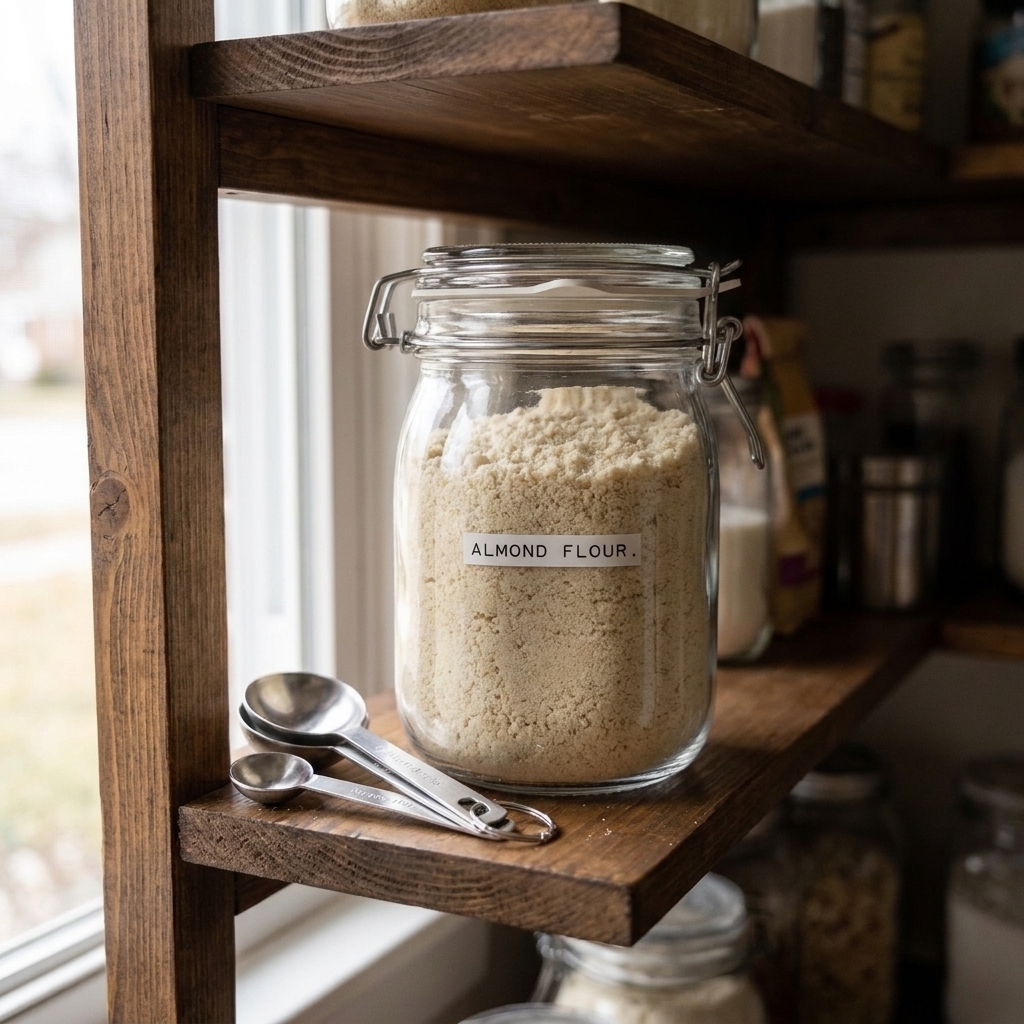
Because of its natural oils, almond flour can go rancid if stored warm for long periods. I keep mine:
- In an airtight container
- In the fridge for regular use
- In the freezer for long-term storage
Coconut flour
Coconut flour is drier and more shelf-stable:
- Store airtight in a cool pantry
- Keep away from humidity (it clumps)
Common problems
If your coconut flour bake is dry or crumbly
- Add more moisture next time: extra egg, yogurt, pumpkin, applesauce, or milk
- Let batter rest 3 to 5 minutes before baking so it can fully hydrate, then reassess thickness
- Check leavening. Coconut flour often needs enough baking powder to avoid heaviness
- Do not overbake. Coconut flour recipes can go from perfect to dry fast
If your coconut flour bake is dense or gummy
- Make sure you did not add extra coconut flour just in case (a little goes a long way)
- Check that your baking powder is fresh and properly measured
- Consider reducing eggs slightly next time or adding a bit more leavening, depending on the recipe
If your almond flour bake is greasy or sunk in the middle
- Check your leavening. Almond flour benefits from enough baking powder or soda plus acid when needed
- Consider adding structure: an extra egg white, a tablespoon of tapioca starch, or a bit more almond flour
- Cool fully before slicing. Almond flour sets as it cools
If cookies will not spread (or spread too much)
- Too little spread: dough may be too dry. Add 1 tablespoon milk at a time
- Too much spread: chill dough 20 to 30 minutes, or add 1 to 2 tablespoons almond flour
Rule of thumb
When I want something that feels like a real bakery treat, I reach for almond flour. When I want something higher-fiber and I am willing to follow a coconut flour specific recipe (or do a little tinkering), I reach for coconut flour.
And if you are baking for picky eaters or kids who are new to gluten-free, almond flour is usually the smoother transition in flavor and texture.
FAQ
Can I replace all-purpose flour with almond flour or coconut flour?
Not 1:1. Both flours lack gluten, so the structure is totally different. Look for recipes designed for almond flour or coconut flour, or use a gluten-free 1:1 baking blend if you want a closer swap for all-purpose flour.
Is almond flour the same as almond meal?
Not exactly. Almond flour is usually made from blanched almonds and is finer. Almond meal often includes skins and is coarser. In many recipes they can swap, but almond meal will taste nuttier, look speckled, brown a little differently, and can make the texture more rustic.
Why do coconut flour recipes use so many eggs?
Coconut flour needs both moisture and structure. Eggs provide liquid plus protein for binding, which helps prevent that crumbly, dry texture.
Which is better for cakes?
Most home bakers get more consistent cake results with almond flour. Coconut flour cakes can be lovely, but they need a recipe developed specifically for coconut flour to avoid dryness or gumminess.
Which one is better for keto or low carb?
Both can fit, depending on your approach. Coconut flour can be lower in net carbs in some recipes because you use less of it, but brands vary. Almond flour is higher in fat and very popular in keto baking. Choose based on your macros and the texture you want.
Recipe ideas
- Almond flour: chewy chocolate chip cookies, banana muffins, lemon loaf, or a simple vanilla snack cake
- Coconut flour: blueberry muffins with Greek yogurt, pumpkin breakfast bars, or lightly sweetened coconut flour pancakes
If you tell me what you are baking and which flour you have, I can help you choose the best path, including how to adjust moisture so you end up with something you actually want to eat.