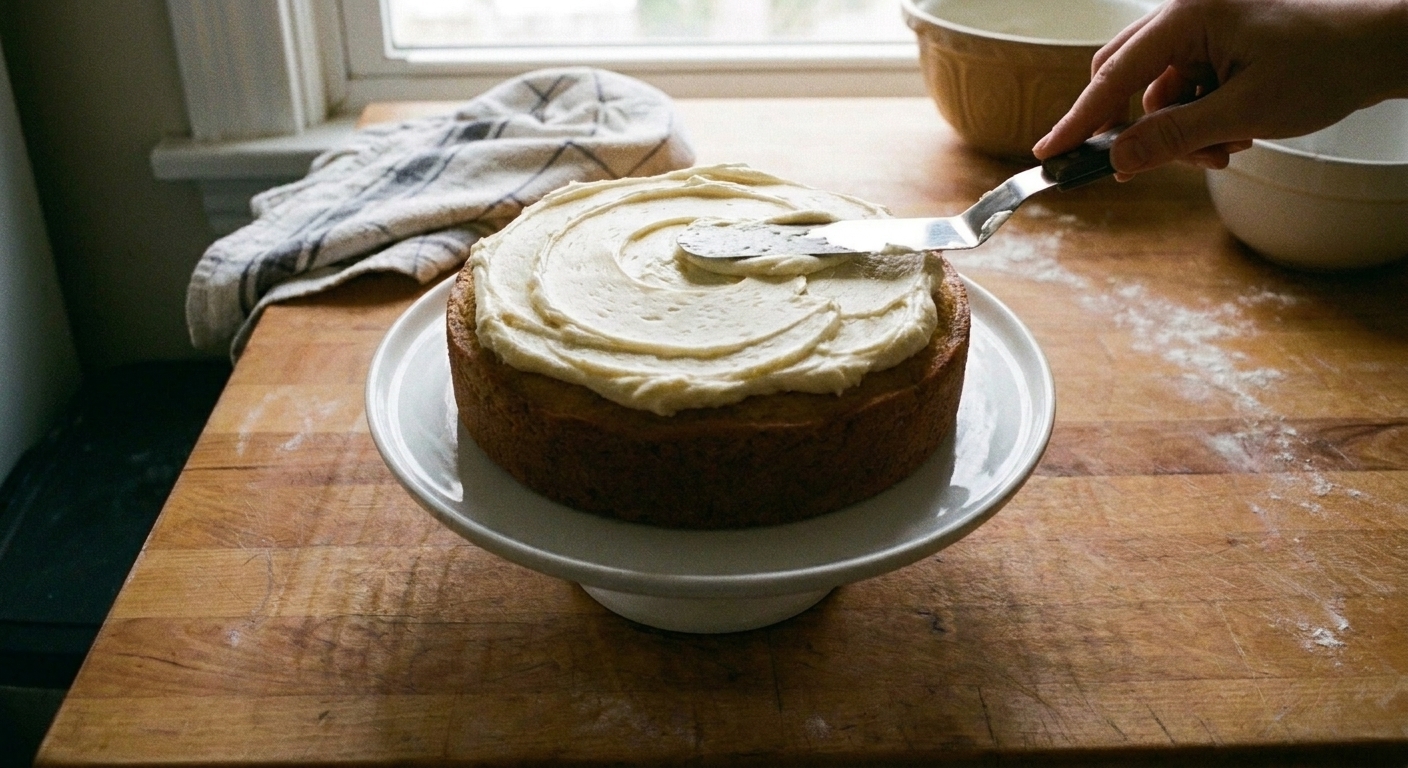

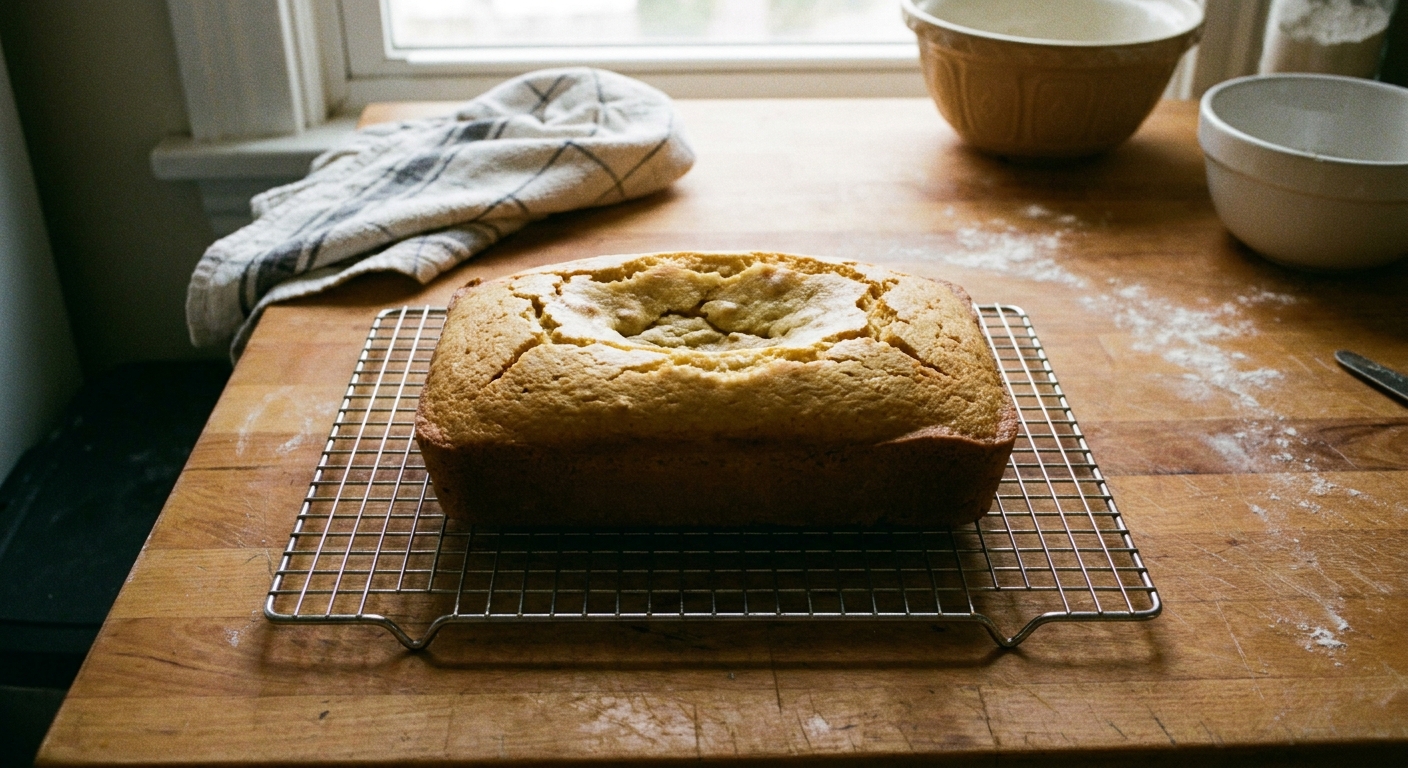
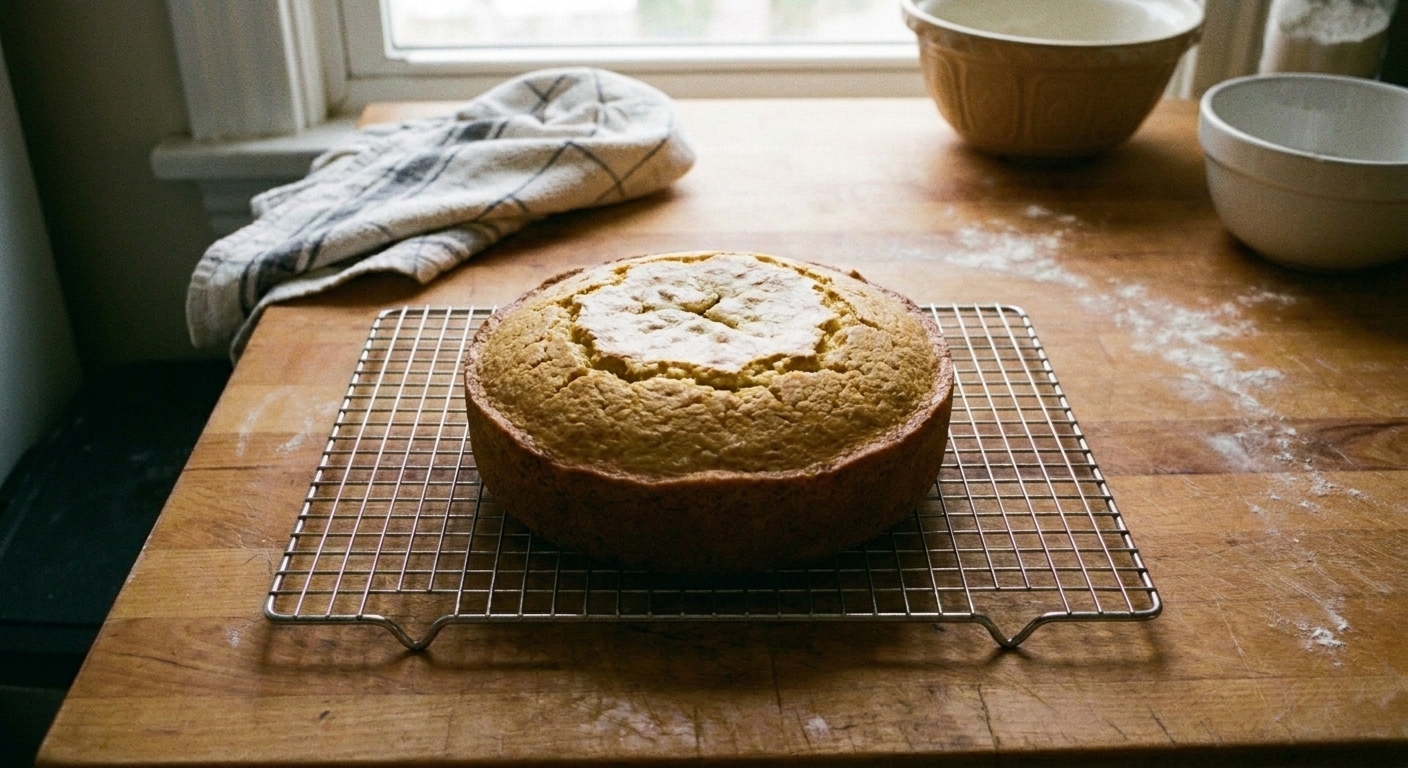
If you have ever pulled a gorgeous cake out of the oven only to watch the center dip like a sad little crater, you are not alone. A sunken cake is one of the most common baking heartbreaks, and the good news is that it is usually caused by a handful of fixable things: temperature, timing, mixing, or a small measuring slip.
Let’s walk through the biggest culprits and the easiest ways to prevent that sink next time. I will also give you a quick checklist you can skim before your next bake, because I love a calm, organized kitchen moment.

What a sunken cake means
Most cakes sink for the same reason: the structure set too late, or it set and then collapsed. Cake batter rises because leaveners create gas and because air and steam expand in the heat of the oven. The cake “sets” when the proteins (eggs and flour) and starches firm up enough to hold that rise.
So when a cake sinks, it is usually one of these:
- It rose too fast and then fell because the middle was not set yet.
- It never fully baked through in the center.
- Its structure was weakened by mixing, measuring, or ingredient temperature issues.
- It got shocked by a temperature change, a draft, or too much door opening.
Common causes and fixes
1) Oven temperature is off
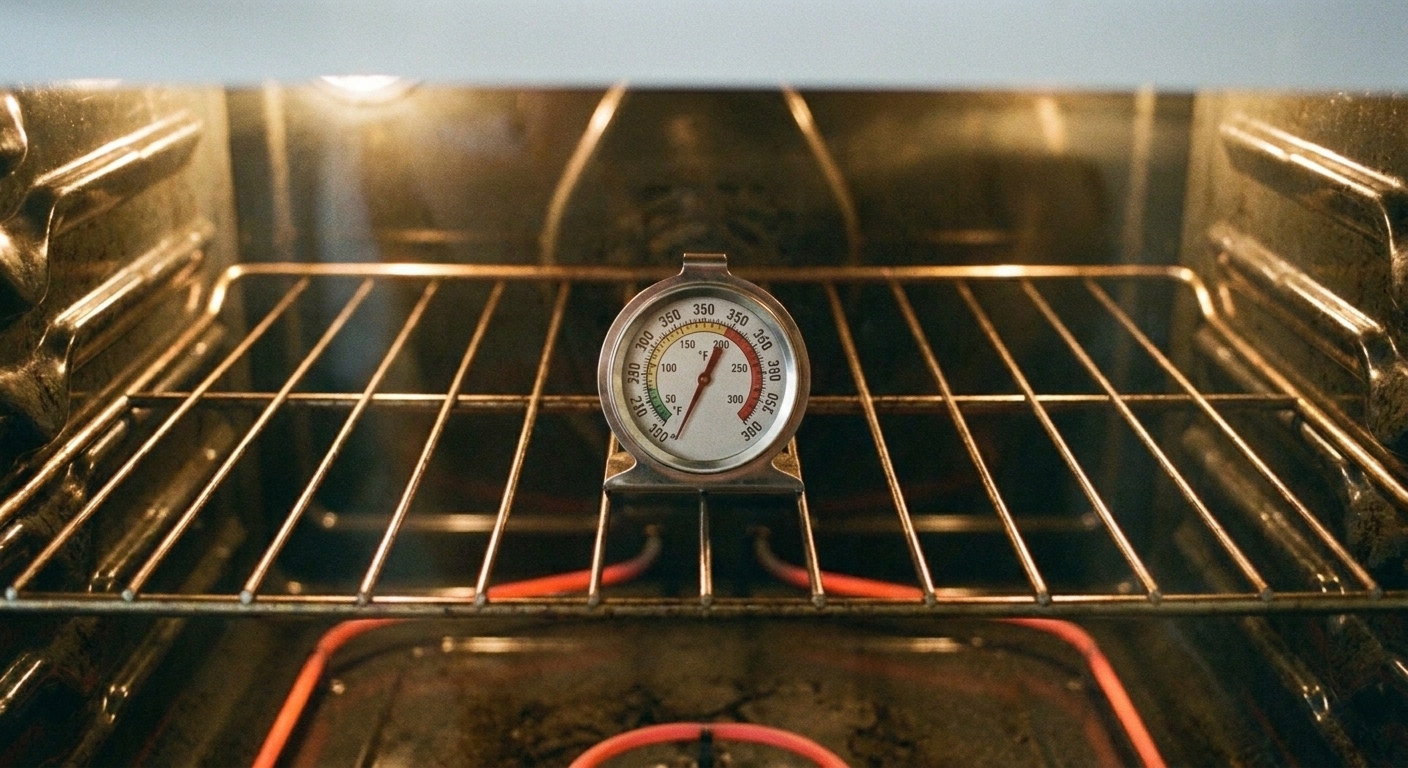
This is the biggest surprise culprit. Home ovens can be off by 25 to 75°F, sometimes more, depending on calibration and hot spots. If the oven runs hot, the edges set quickly and the center rises rapidly, then collapses before it can set. If the oven runs cool, the cake may not set in time and can sink as it cools.
Fix it:
- Use an inexpensive oven thermometer to learn your true temperature.
- Preheat for at least 20 minutes, not just until the beep.
- If your oven runs hot, lower the temp by 15 to 25°F and bake a bit longer.
- If you bake with convection, you often need to reduce the temperature by about 25°F (unless your recipe says it is already written for convection).
2) You opened the oven door too early
Opening the door drops the oven temperature fast. Early in baking, the cake is still liquid in the center. That sudden temp drop (or a long peek) can cause the partially risen middle to fall.
Fix it:
- Keep the door closed for at least the first two thirds of the bake time.
- Use the oven light and window if you have one.
- If you must rotate pans, do it quickly and closer to the end.
3) Underbaking (even slightly)
A cake can look done on top and still be underbaked in the center. The center needs time to set its structure. If you pull it early, it can sink as steam escapes and the crumb collapses.
Fix it:
- Start checking near the end, but do not rush the finish. Most sinking “mysteries” are just a few minutes short.
- Use a skewer or toothpick and look for moist crumbs, not wet batter.
- For extra confidence, use an instant-read thermometer: many butter cakes are done around 200 to 205°F in the center, but treat this as a guideline. Some cakes finish closer to 195 to 210°F depending on formula, pan, and size, so use it alongside visual cues.
4) Too much leavening
More leavening does not mean more lift. Too much can make the cake rise aggressively, then collapse when the bubbles get too large and the structure cannot support them.
Fix it:
- Measure leaveners with measuring spoons, not a random spoon from the drawer.
- If you scaled everything else but eyeballed the leavening, redo it precisely.
- Very rough starting point for many typical layer and loaf cakes: about 1 to 1 1/4 teaspoons baking powder per cup of flour. (High-ratio cakes, oil cakes, self-rising flour, and recipes with strong acids can differ a lot, so defer to your specific recipe.)
5) Overmixing after adding flour
Once flour is in the bowl, mixing develops gluten. Too much gluten can make a cake tough and can also create tunnels and an unstable rise that falls as the cake cools.
Fix it:
- Mix on low and stop as soon as you do not see dry flour.
- Scrape the bowl, then give it just a few final folds by hand.
- If your recipe uses the creaming method, cream butter and sugar well first, then be gentle once flour arrives.
6) Too little or too much aeration (method matters)
Some cakes rely heavily on trapped air for lift. If you do not build enough structure early, the cake may not rise well. If you build a fragile foam and then knock it down, it can rise and fall.
Fix it:
- Butter cakes (creaming method): Cream until light and fluffy, but do not take it so far that it looks greasy or curdled. Add eggs gradually and scrape the bowl so the emulsion stays smooth.
- Sponge, chiffon, and foam cakes: Be gentle when folding. A heavy hand can deflate the foam, and an underbaked center will collapse easily.
7) Ingredients were the wrong temperature
Cold eggs, cold milk, or butter that is too soft can throw off the batter’s emulsion. A broken or uneven batter can bake inconsistently, sometimes rising and collapsing in the center.
Fix it:
- Bring eggs and dairy to room temperature when the recipe calls for it.
- Quick hack: place cold eggs in a bowl of warm water for 5 to 10 minutes.
- Butter should be cool room temp, meaning it dents when pressed but does not look greasy or melty.
8) Too much liquid or too much sugar
Extra liquid can keep the center from setting. Extra sugar weakens structure because sugar holds onto moisture and can slow setting. Both can lead to a cake that rises, looks promising, then sinks.
Fix it:
- Use proper measuring tools: dry cups for flour and sugar, and a liquid measuring cup for liquids.
- If you substitute ingredients (like adding extra banana, zucchini, yogurt, or syrup), expect you may need recipe adjustments.
- When in doubt, stick to a tested recipe for your first bake, then tweak.
9) Leaveners are old or used incorrectly
Old baking powder can lose strength, causing an uneven rise. Baking soda needs an acid to react. Using the wrong one, or swapping without adjustments, can cause unpredictable lift and collapse.
Fix it:
- Store baking powder tightly sealed in a cool, dry spot.
- Replace it if it is past the date, if it has been open a long time, or if you bake infrequently and cannot remember how old it is.
- Quick test: stir a little baking powder into hot water. It should fizz vigorously.
- Do not swap baking soda and baking powder unless you are following a conversion from a trusted source.
10) Pan size, pan material, and overfilling
If the batter is too deep for the pan size, the edges may set while the center lags behind. Dark pans also bake hotter and faster at the edges, which can exaggerate the “set edges, soft middle” problem.
Fix it:
- Use the pan size listed in the recipe.
- Fill cake pans about 1/2 to 2/3 full unless the recipe says otherwise.
- If using dark pans, consider reducing oven temp by 25°F and checking a few minutes early.
11) Rack position and hot spots
Baking too close to the top or bottom element can set the outside too quickly, leaving the center struggling to catch up. Hot spots can also brown the top before the middle is actually done, which can trick you into pulling the cake early.
Fix it:
- Bake on the center rack whenever possible.
- If your oven has a known hot spot, rotate the pan once, quickly, after the cake has started to set (closer to the end of baking).
12) Cooling and handling issues
Some cakes are delicate right out of the oven. A hard countertop thump, moving the pan too soon, or cooling in a draft can encourage collapse, especially if the center is only just set.
Fix it:
- Move the pan carefully and avoid knocking it right after baking.
- Cool on a stable surface, away from strong drafts.
- Let the cake rest in the pan 10 to 15 minutes, then turn out to a rack so steam does not sog the bottom.
13) Altitude and humidity
At higher altitudes, cakes can rise faster and set differently because of lower air pressure. In very humid climates, flour can absorb moisture, which can subtly change ratios.
Fix it:
- If you are above about 3,000 feet, look for high-altitude adjustments for your specific cake type.
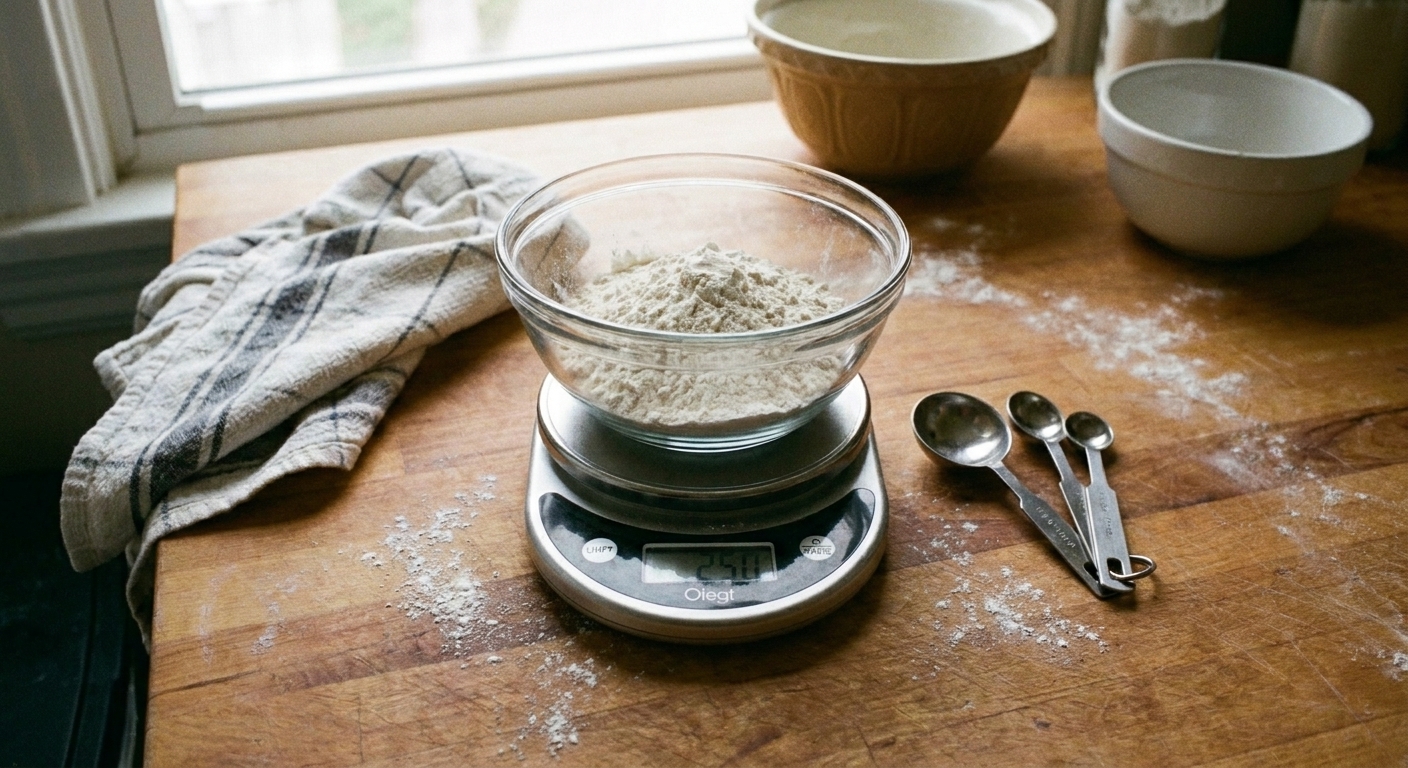
- Measure flour by weight if possible, and store flour in an airtight container.
By cake type
Not all cakes fail the same way. If you want to troubleshoot faster, match the symptom to the style.
- Butter cakes (creamed): Often sink from oven temp issues, underbaking, or creaming and emulsion problems (too little structure built early, or a batter that breaks).
- Oil cakes and very moist cakes: More likely to look done before the center is truly set, especially in deep pans.
- Sponge and chiffon cakes: Sensitive to deflating during folding, and to opening the oven door early. Cooling upside down (when the recipe calls for it) can also be important.
- Cheesecakes and flourless cakes: A dip is common. Big sinks can come from overbaking, overmixing (too much air), opening the door, or cooling too quickly. Gentle baking and gradual cooling help.
Quick checklist
If your cake sinks, run through these in order. In most cases, the answer is here.
- Oven: Did I fully preheat? Do I know my real oven temp (thermometer)? Am I baking with convection?
- Rack: Was the pan on the center rack and not too close to the heating element?
- Timing: Did I open the door early or leave it open too long?
- Doneness: Was the center truly baked, not just browned?
- Leavening: Did I measure baking powder or soda precisely? Is it fresh and stored well?
- Mixing: Did I overmix after adding flour or deflate a foam while folding?
- Ingredients: Were eggs and dairy at the correct temperature?
- Measuring: Did I measure flour correctly (spoon and level, or weigh)?
- Pan: Did I use the right size and avoid overfilling?
- Handling: Did I jostle the pan or cool it in a draft right after baking?
- Changes: Did I substitute anything major (extra fruit, less flour, sugar swap)?
How to prevent sinking
Here are my steady, weeknight-baker habits that keep cakes tall and happy.
- Read the recipe once before starting. It prevents those last-second surprises.
- Set up your mise en place: ingredients measured, pans prepped, oven fully preheated.
- Measure flour carefully: spoon into the measuring cup and level, or weigh it.
- Mix with intention: vigorous creaming early, gentle mixing once flour is added.
- Bake on the center rack for the most even heat.
- Cool with care: let the cake cool in the pan 10 to 15 minutes, then turn out to a rack.
FAQ
Can I still eat a cake that sank?
Absolutely. As long as it is baked through and tastes good, it is safe to eat. You can level it, fill the dip with whipped cream or frosting, or turn it into a trifle. Some of the best desserts start as “oops” cakes.
Why did my cake sink after I took it out?
This usually points to underbaking or a structure issue. If the center had not set fully, it can look fine in the oven and then collapse as it cools. Next time, bake a little longer and confirm doneness in the very center.
My cake sank and is gummy in the middle. What happened?
Gummy centers are most often underbaking, too much liquid, or inaccurate measuring (especially flour). Check your oven temperature, verify pan size, and measure flour carefully.
Can overmixing make cakes sink?
It can, especially after adding flour. Overmixing can create a tighter, less stable structure and contribute to tunneling and collapse. Mix just until combined once the flour goes in.
Why did my cheesecake or flourless cake sink?
These behave differently from sponge or butter cakes. A small dip can be normal. Bigger sinking is often linked to overbaking, overmixing (adding too much air), opening the oven door, or cooling too quickly. Gentle baking and gradual cooling help a lot.
How do I fix a sunken cake for serving?
Easy options: trim the top flat and frost, fill the dip with fruit and whipped cream, dust with powdered sugar, or cube it for parfaits and trifles. Nobody needs to know it was supposed to be taller.