Confused about which leavener to use? Here’s the real difference between baking soda and baking powder, plus smart substitution tips for better cakes, cook...
Recipeva
Why Did My Cake Sink? 7 Baking Mistakes (and Fixes)
Sunken center, dense crumb, dry slices, or a cake that domes too much? Here are 7 common cake mistakes, plus extra causes like weak leavening and altitude, and how to fix them.

Maya Reynolds
Maya Reynolds is a passionate home cook, recipe developer, and the creative voice behind Recipeva. With over a decade of experience translating complex culinary techniques into approachable weeknight meals, she focuses on creating dishes that bring joy to the dinner table without the stress.
Created September 21, 2026
Updated September 21, 2026
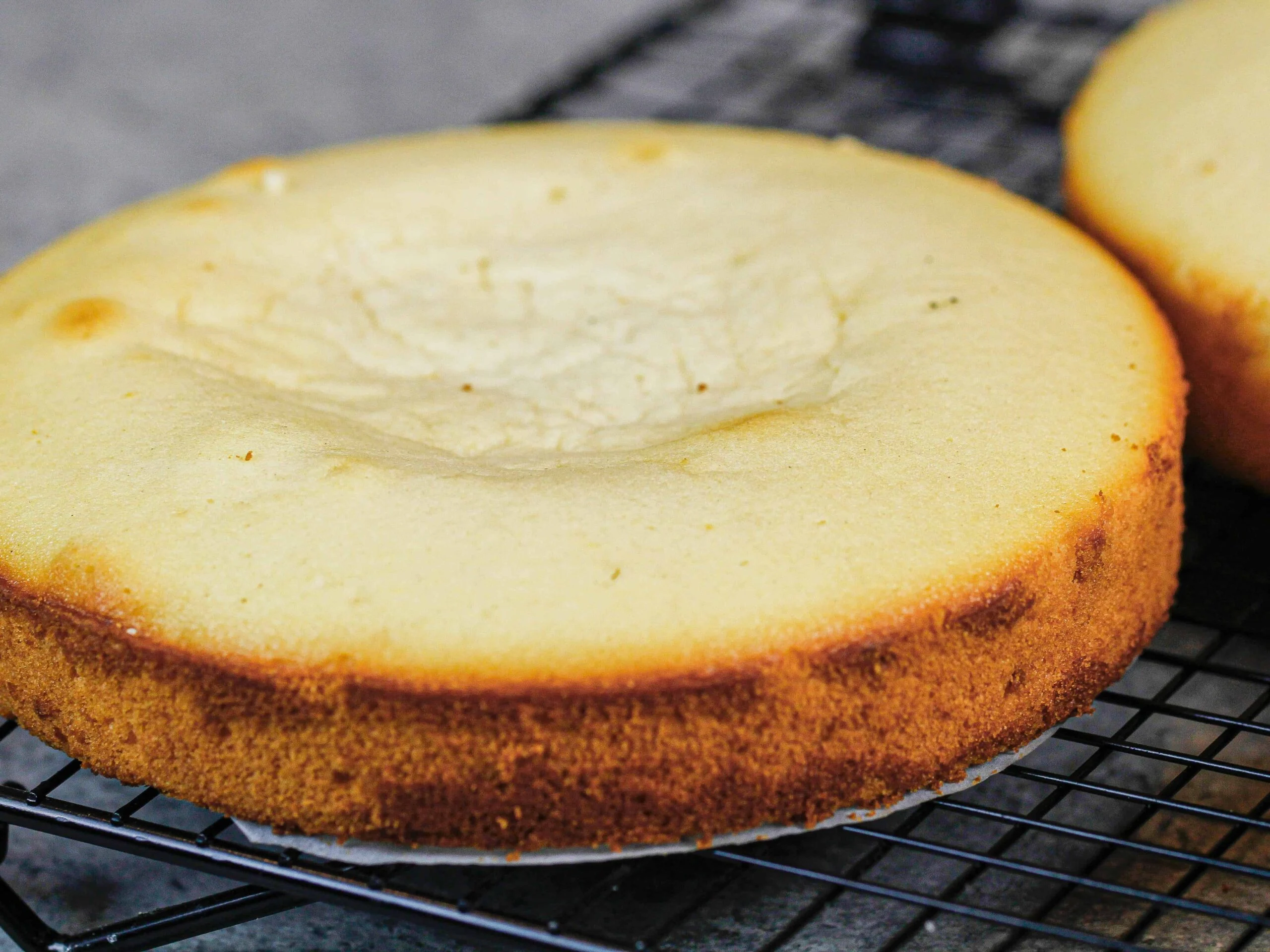
If you have ever pulled a cake from the oven that looked proud and tall, only to watch it sink in the middle like a sad soufflé, you are not alone. Cakes are basically delicious little chemistry projects, and the tiniest misstep can tip the balance.
The good news: sunken cakes (plus dense crumbs, dry slices, and highly domed tops) are usually caused by just a handful of predictable issues. Let’s troubleshoot like we are standing shoulder to shoulder at your kitchen counter, spatulas in hand.
- Quick check: A sinking center often traces back to underbaking, too much leavening, overmixing, or temperature shock, but ingredient ratios, weak leavening, and altitude can play a role too.
- Quick comfort: Even if this cake is not perfect, you can often still serve it. Level it, fill the dip with whipped cream or frosting, and call it “chef’s snack” while you learn for next time.
Fast symptom guide
- Sinks after you pull it out: Usually underbaked, too much leavening, oven temp swings, or too much liquid/sugar for the structure.
- Raw middle, brown edges: Oven too hot, dark pan, pan too high in the oven, or batter too deep for the pan size.
- Dense and low: Overmixing, too much flour, weak or expired leavening, ingredients too cold, or oven running cool.
The 7 most common cake-sinking culprits
Below are the big seven I see most often in home kitchens. Each one includes what it looks like, why it happens, and exactly what to do instead.
1) Underbaking (the #1 cause)
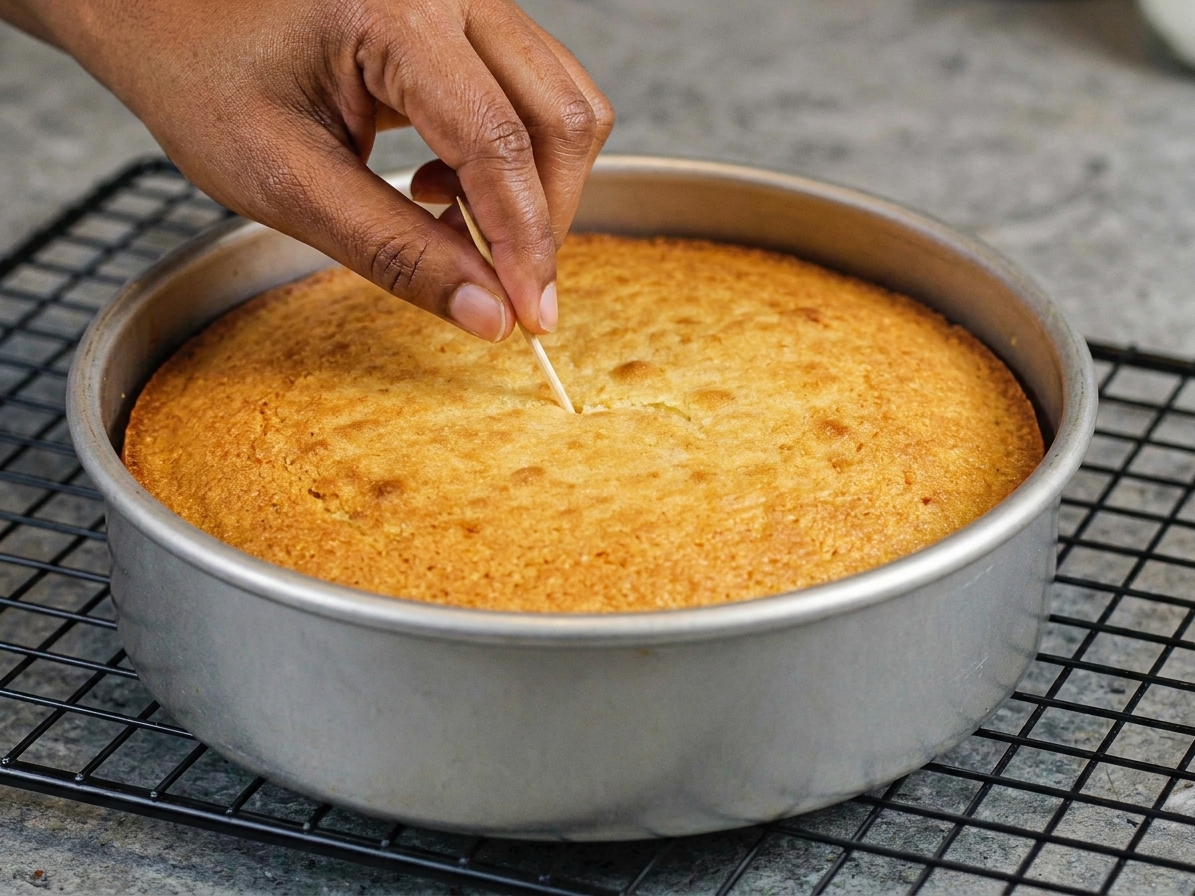
What you see: The center looks set in the oven, but collapses as it cools. The middle may feel gummy or wet even after resting.
Why it happens: The structure has not fully set. In the oven, steam and leavening gases inflate the batter. If the proteins and starches have not finished setting, the cake cannot support itself once it starts to cool.
How to fix it:
- Use doneness cues, not just time. Look for a cake that is lightly golden, pulling just a bit from the sides, and springy in the center.
- Test the center correctly. A toothpick should come out clean or with a few moist crumbs. If you see wet batter, keep baking.
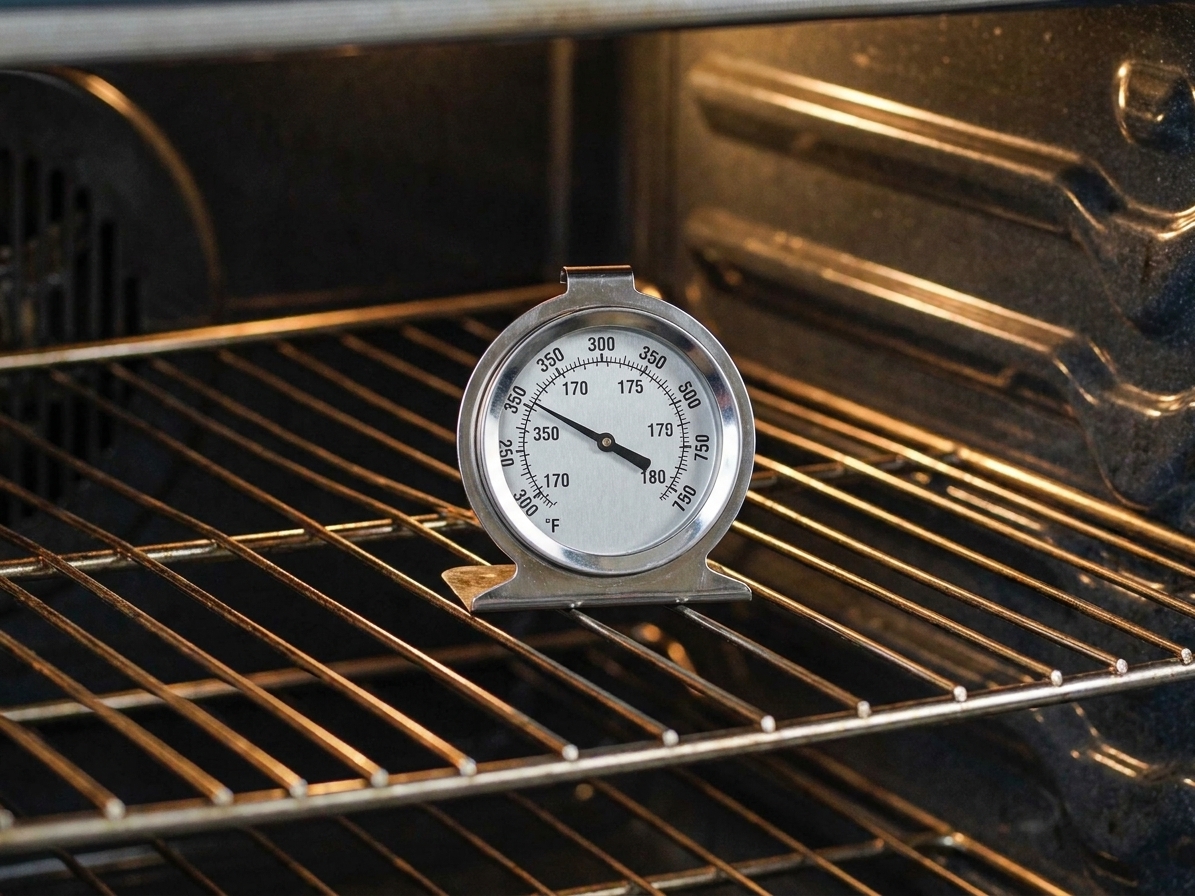
- Confirm oven temperature. A cheap oven thermometer is one of the best baking tools you can buy.
Rescue tip: If the edges are getting too dark but the center needs time, tent the top loosely with foil and keep baking.
2) Oven too hot or too cool
What you see: Too hot can create a tall rise that collapses later. Too cool often leads to a pale, dense cake that sinks because it never sets in time.
Why it happens: Cakes need steady heat. If the oven is hotter than the dial says, the outside sets before the inside, and the center can fall as it finishes cooking. If it is cooler, the batter rises slowly, then loses lift before the structure sets.
How to fix it:
- Check calibration. Use an oven thermometer for a few bakes and learn your oven’s personality.
- Use the center rack. Most cakes do best in the middle of the oven for even heat.
- Avoid frequent door opening. Each peek drops oven temp, and cakes are sensitive while rising.
3) Too much leavening
What you see: The cake rises fast, domes dramatically, then collapses. The crumb can taste slightly bitter or soapy, too.
Why it happens: Extra leavener creates too many bubbles too quickly. The cake inflates beyond what the batter structure can hold, then falls when the bubbles pop and the cake cools.
How to fix it:
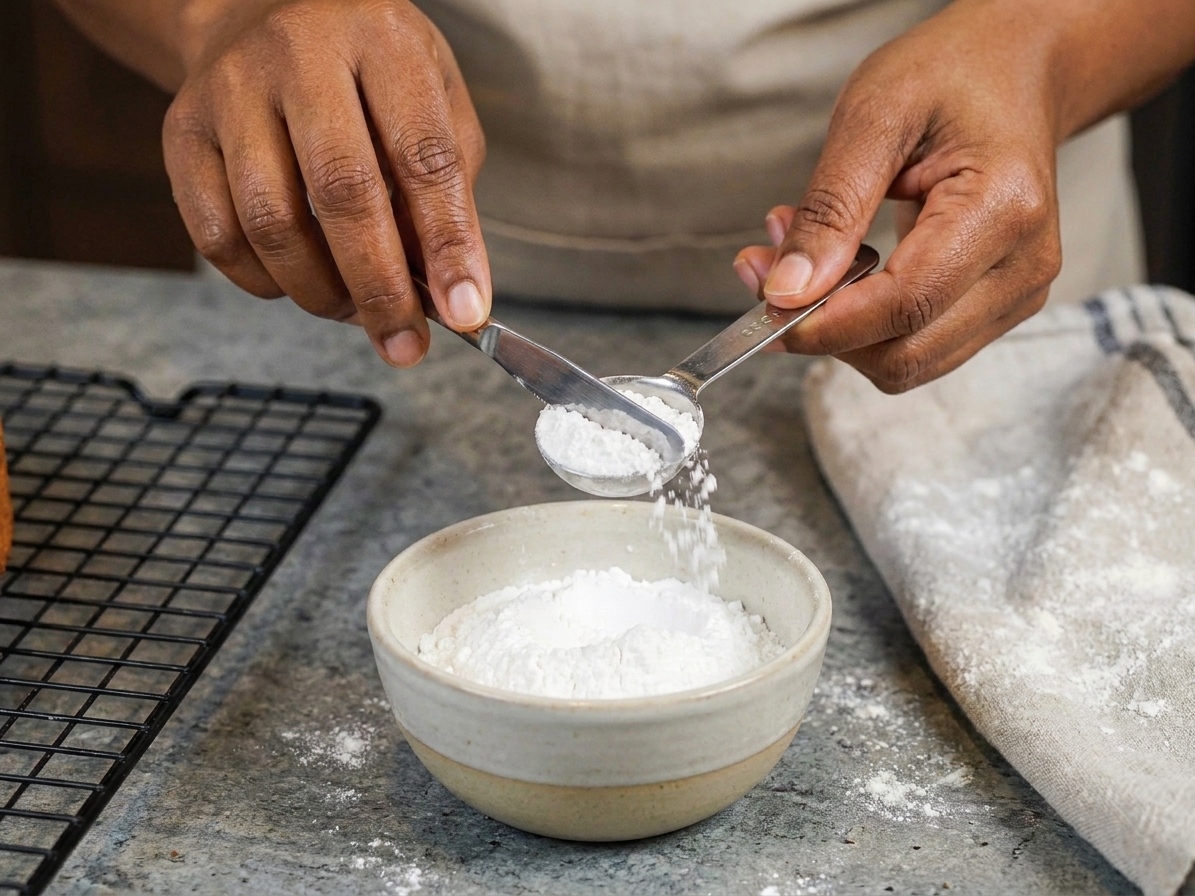
- Measure precisely. Level your teaspoons. Baking is not the place for heaping “just in case” scoops.
- Use rules of thumb as a sanity check only. Many butter cake formulas land somewhere around 3/4 to 1 1/4 teaspoons baking powder per cup of flour, depending on the cake style, pan depth, and whether baking soda and acidic ingredients are also in play.
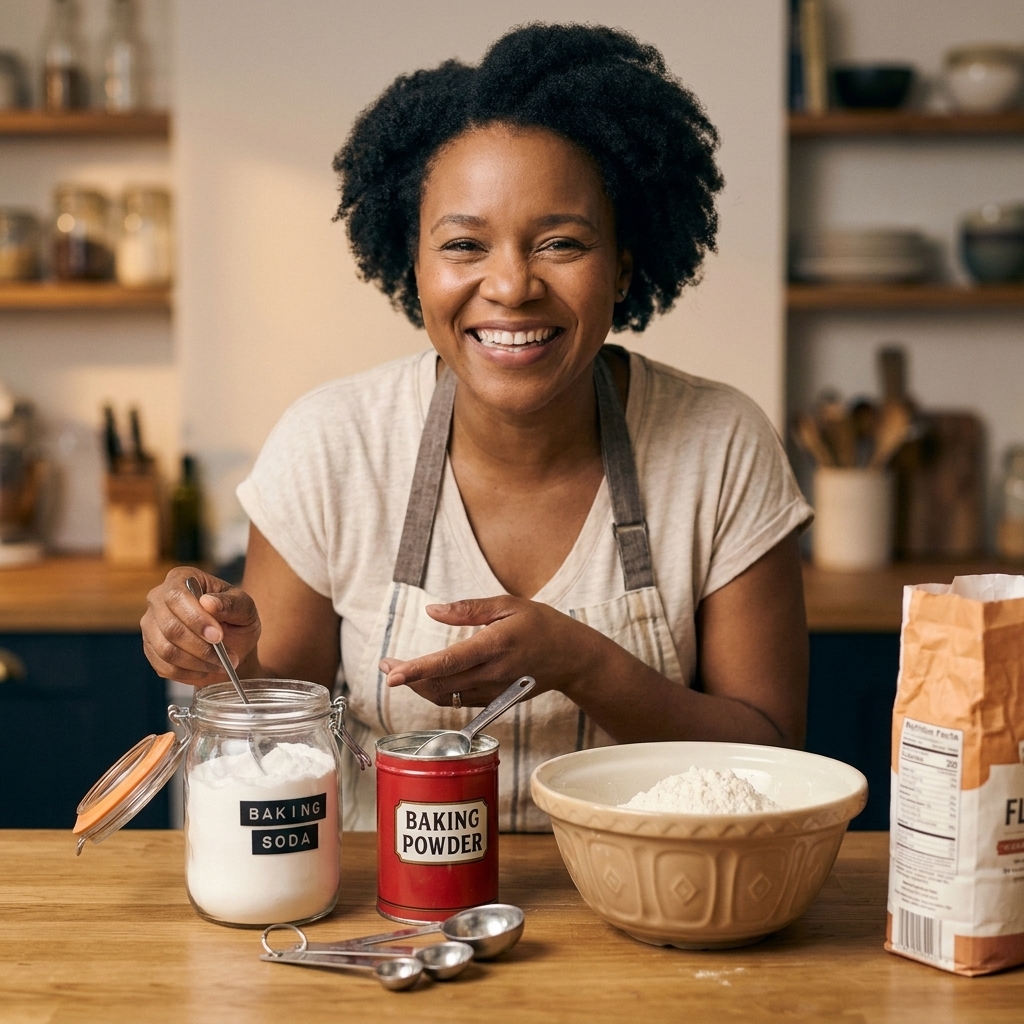
- Do not substitute blindly. Baking soda and baking powder are not 1:1 interchangeable. Soda needs enough acid in the batter to work properly.
4) Overmixing (after flour)
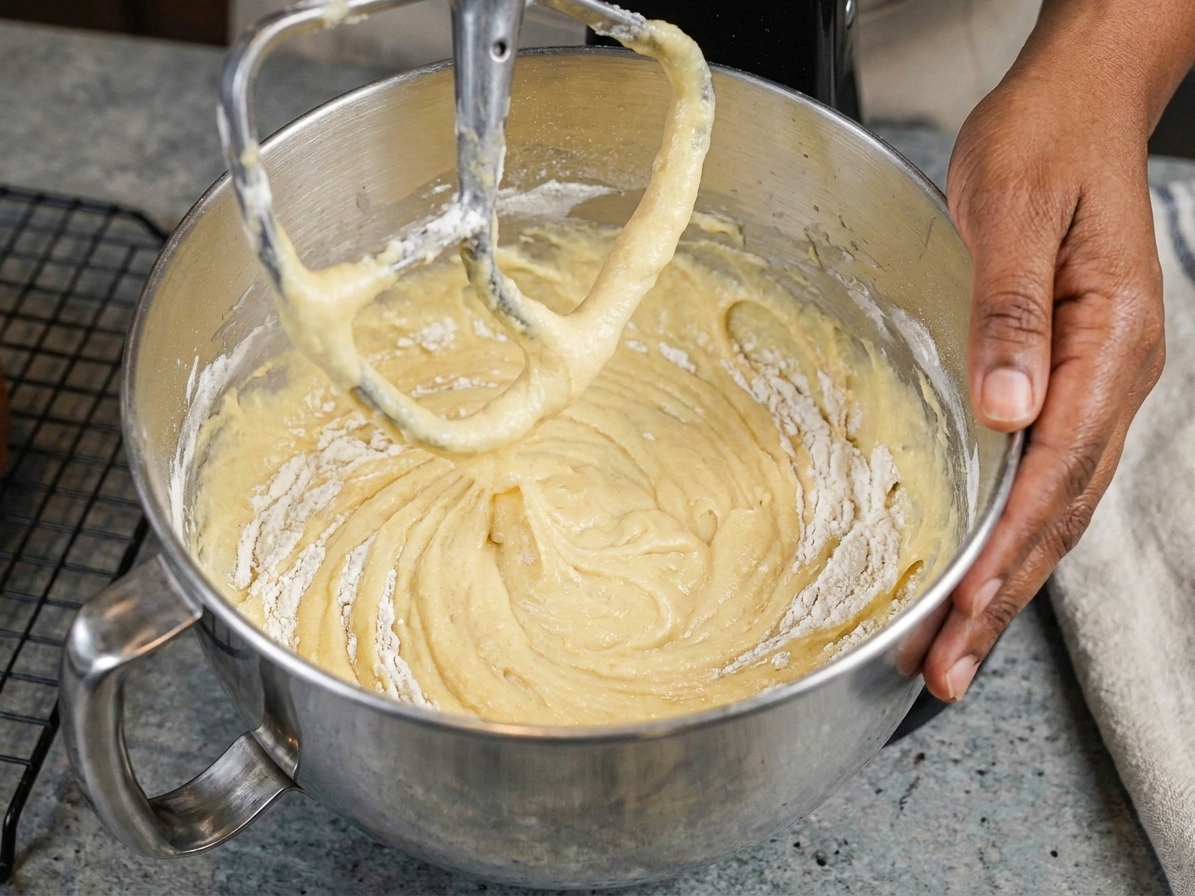
What you see: A tight, dense crumb, sometimes with a sunken center and a tougher bite along the bottom.
Why it happens: Once flour meets liquid, gluten begins to form. Too much mixing develops too much gluten, which can make the cake dense and reduce its ability to rise and hold.
How to fix it:
- Mix in stages. Cream butter and sugar well, but once you add flour, mix only until you see no dry streaks.
- Use low speed. The mixer is powerful. Low speed is plenty for cake batter.
- Finish by hand. I often fold the final few strokes with a spatula to avoid accidental overmixing.
Maya note: This is one of those “boring” tips that changes everything. The most tender cakes are made with restraint.
5) Ingredients at the wrong temp
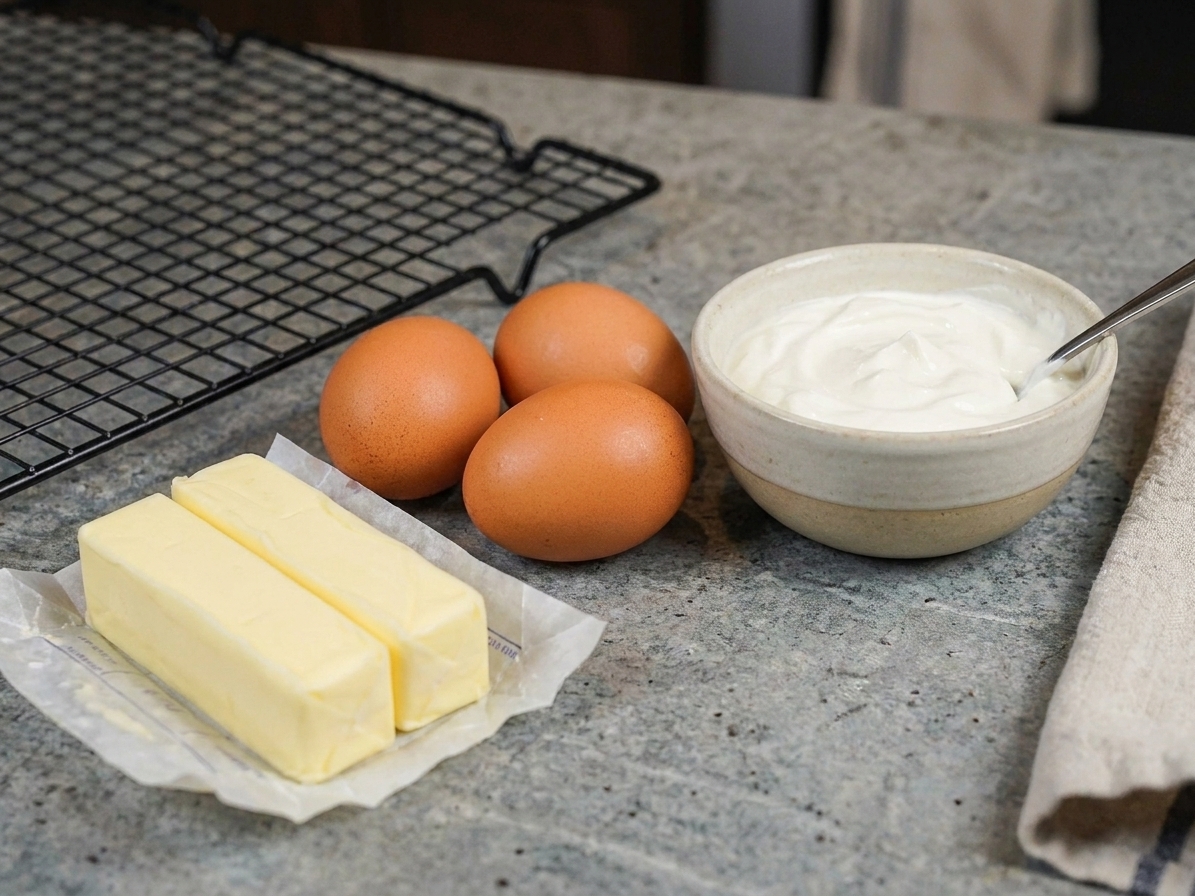
What you see: A batter that looks curdled or broken, uneven rise, tunnels, or a cake that is dense and dips in the center.
Why it happens: Many cakes rely on proper emulsification and aeration. If butter is too cold, it will not cream well. If eggs or dairy are cold, the batter can seize and lose the tiny air bubbles that help the cake rise evenly.
How to fix it:
- Aim for true room temp. Butter should be soft enough to leave a fingerprint, not shiny and melty. Eggs should not feel cold to the touch.
- Quick warm eggs: Place them in a bowl of warm (not hot) water for 5 to 10 minutes.
- If batter curdles: Keep mixing briefly. Often it comes together once the dry ingredients go in. If it looks very broken, add 1 to 2 tablespoons of the flour from the recipe and mix gently.
6) Pan problems (size, color, prep)
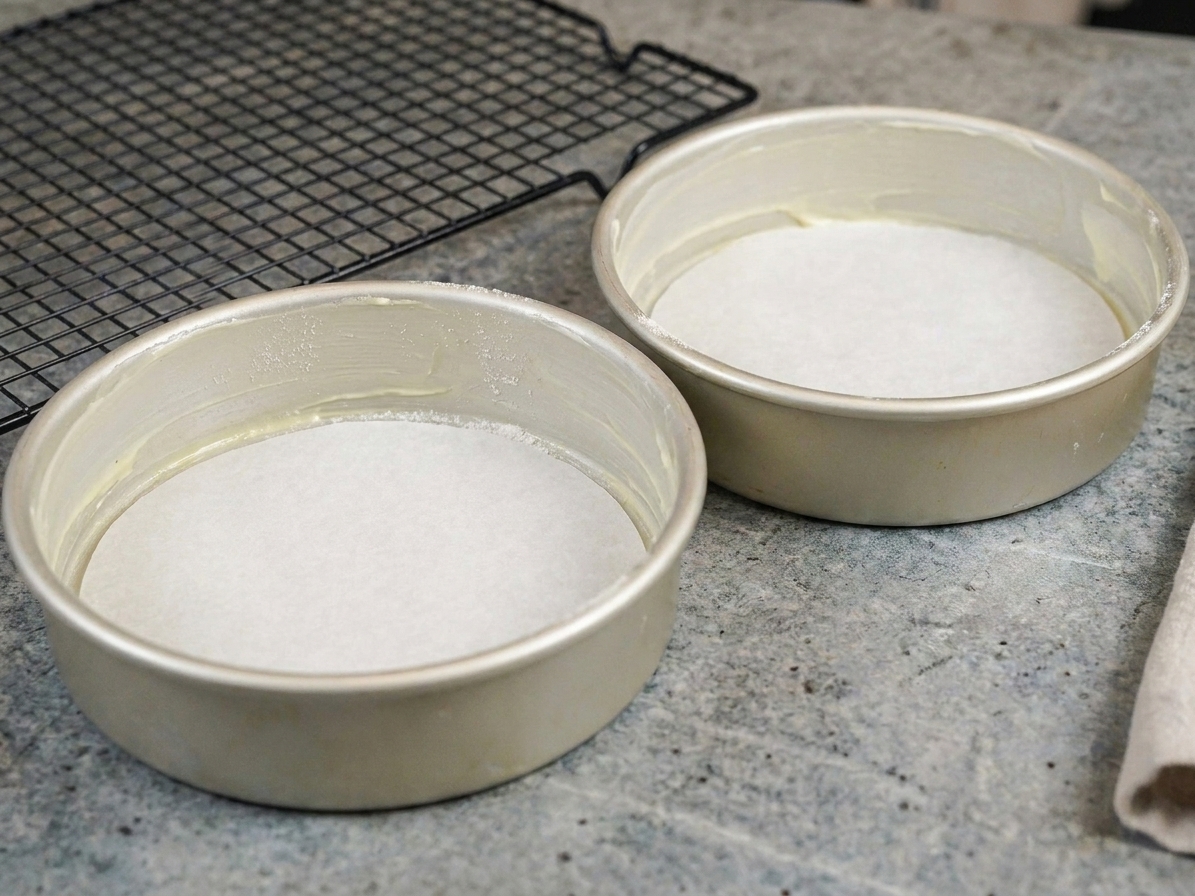
What you see: A cake that rises too high then sinks (pan too small), a thin dry cake (pan too large), or overbrowned edges with an underdone center (dark pan or uneven heat).
Why it happens: Pan size and material control how quickly heat moves into the batter. Even a one-inch difference changes baking time and structure.
How to fix it:
- Use the pan size in the recipe. If you must switch, look up a reliable cake pan conversion and adjust bake time.
- Know your pan color. Dark pans brown faster and can bake more aggressively at the edges. You may often get better results by lowering oven temp by 25°F and baking a bit longer, but let doneness cues be the final judge.
- Prep consistently. For layer cakes: parchment on the bottom, grease the sides lightly, and add a dusting of flour if the recipe calls for it.
7) Door opened too early
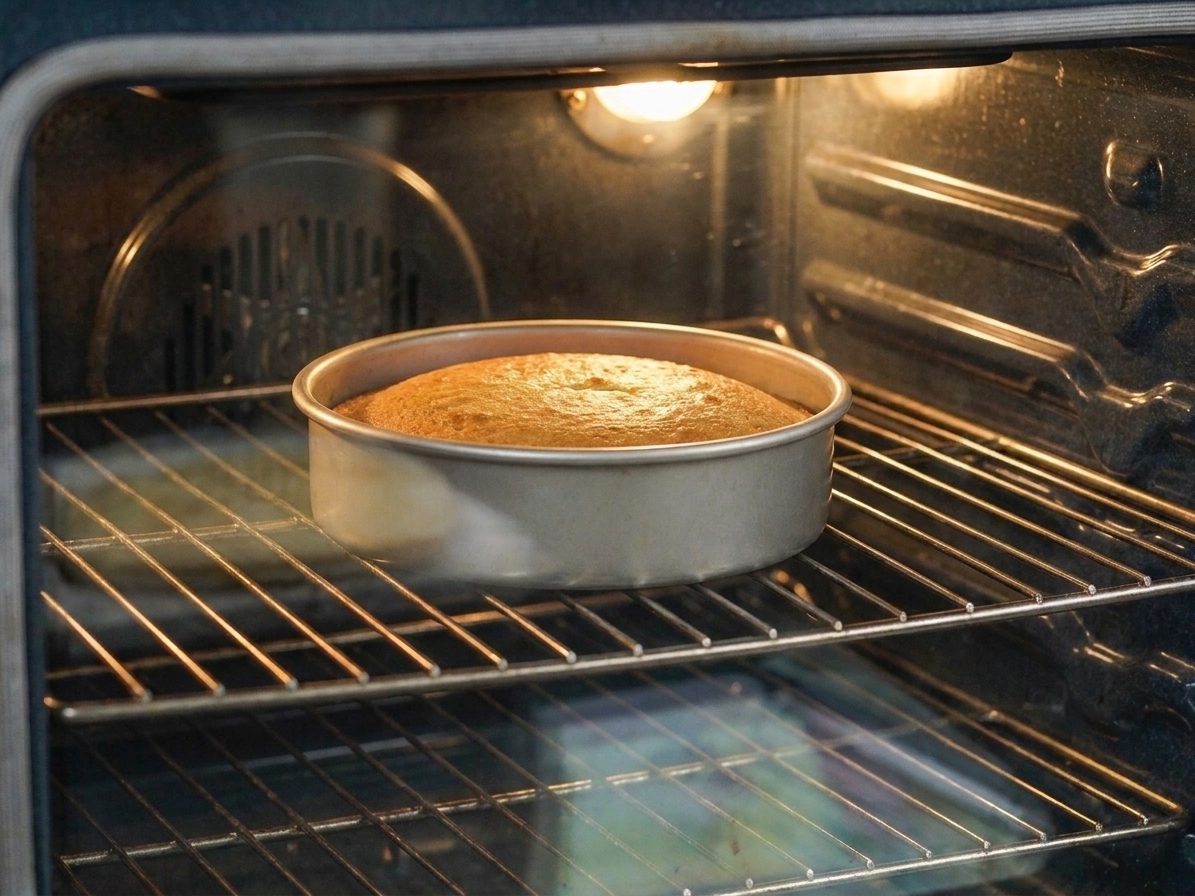
What you see: The cake rises, then collapses suddenly, often with a dip or a wrinkled top.
Why it happens: Early in baking, the cake is still building structure. A rush of cool air can cause the center to fall before it sets. Vigorous movement can also knock out fragile air bubbles.
How to fix it:
- For standard layer cakes, avoid opening the oven for the first 2/3 of baking. If your cake bakes for 30 minutes, wait about 20 minutes before checking. For cupcakes or thinner cakes, you can usually check a little earlier because they set faster (or follow your recipe timing).
- Rotate only if needed. If your oven has hot spots, rotate once near the end, quickly and gently.
- Cool smart. Let the cake rest in the pan 10 to 15 minutes, then turn out onto a rack to finish cooling.
Other causes worth checking
If you have ruled out the big seven and your cake still sinks, these are the next places I look.
Weak or expired leavening
- What it does: Less lift and a tighter crumb, sometimes followed by sinking because the cake never builds enough structure.
- Try this: If your baking powder has been opened for a long time (especially if it has lived near heat or steam), replace it. You can also test baking powder by stirring a small spoonful into warm water. It should fizz vigorously.
Ratio issues (too much sugar or liquid)
- What it does: The cake rises, then the center cannot set firmly enough and collapses.
- Try this: Avoid “a splash more milk” unless the recipe allows it. If you convert to cups from grams, be extra careful with flour and liquids.
High altitude
- What it does: Cakes rise faster and can overexpand, then sink because the structure sets differently in thinner air.
- Try this: If you bake above about 3,000 feet, look for high-altitude adjustments for your specific cake type. Common tweaks include slightly reducing leavening and sugar, and sometimes adding a touch more liquid and baking a little hotter. This is one place where a trusted, altitude-tested recipe is worth its weight in butter.
Foam cakes (sponge, chiffon)
- What it does: These rely heavily on egg foam, so they can sink if the foam is underwhipped, overwhipped, deflated during folding, or if there is grease in the bowl.
- Try this: Use a squeaky-clean bowl, whip to the stage your recipe calls for, fold gently, and for chiffon cakes, cool upside down if the recipe instructs it (it helps the structure set without collapsing).
Dense, dry, or domed cakes
Sunken centers get the spotlight, but these three issues often show up at the same time. Here is how to diagnose them fast.
Dense crumb
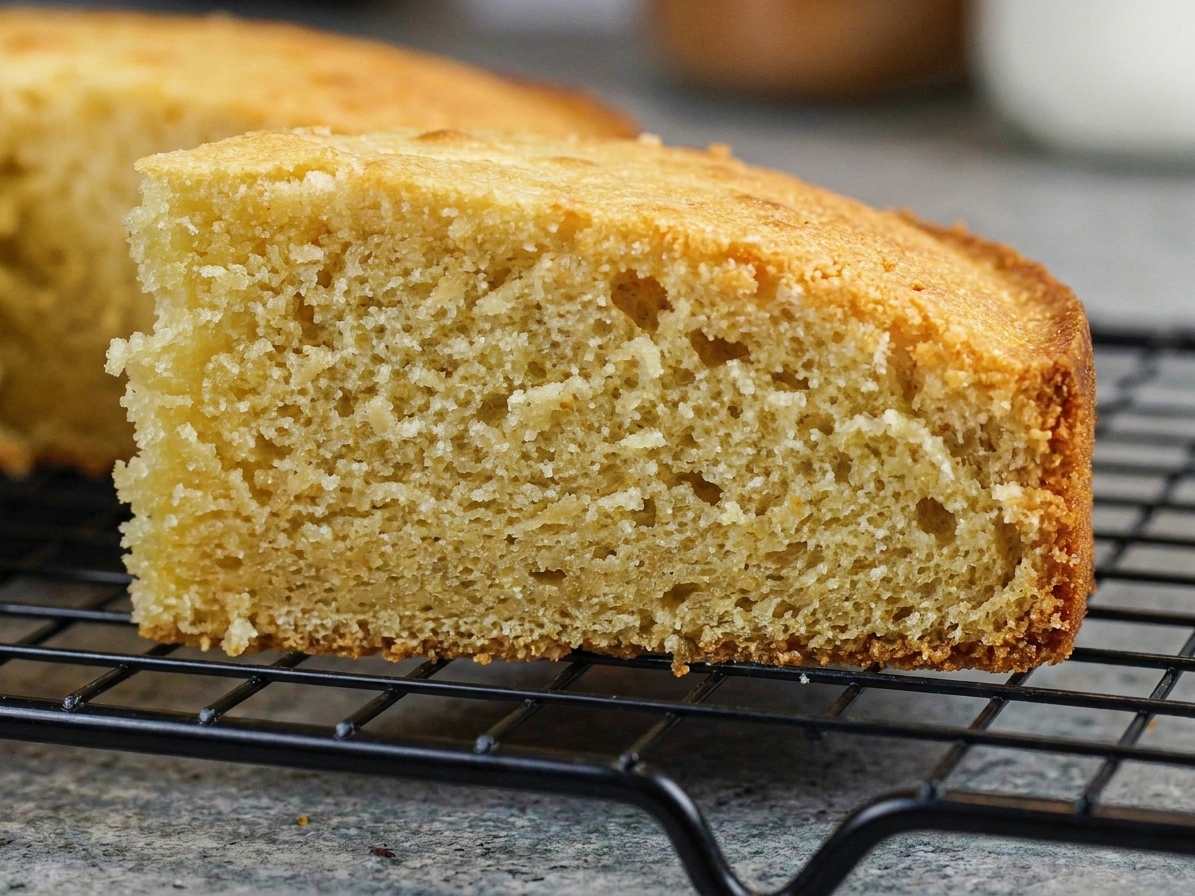
- Most common causes: Overmixing, too much flour, ingredients too cold, weak leavening, oven too cool.
- Fast fix: Weigh flour if you can (a kitchen scale is magic). If using cups, spoon flour into the cup and level it, never scoop and pack.
Dry cake
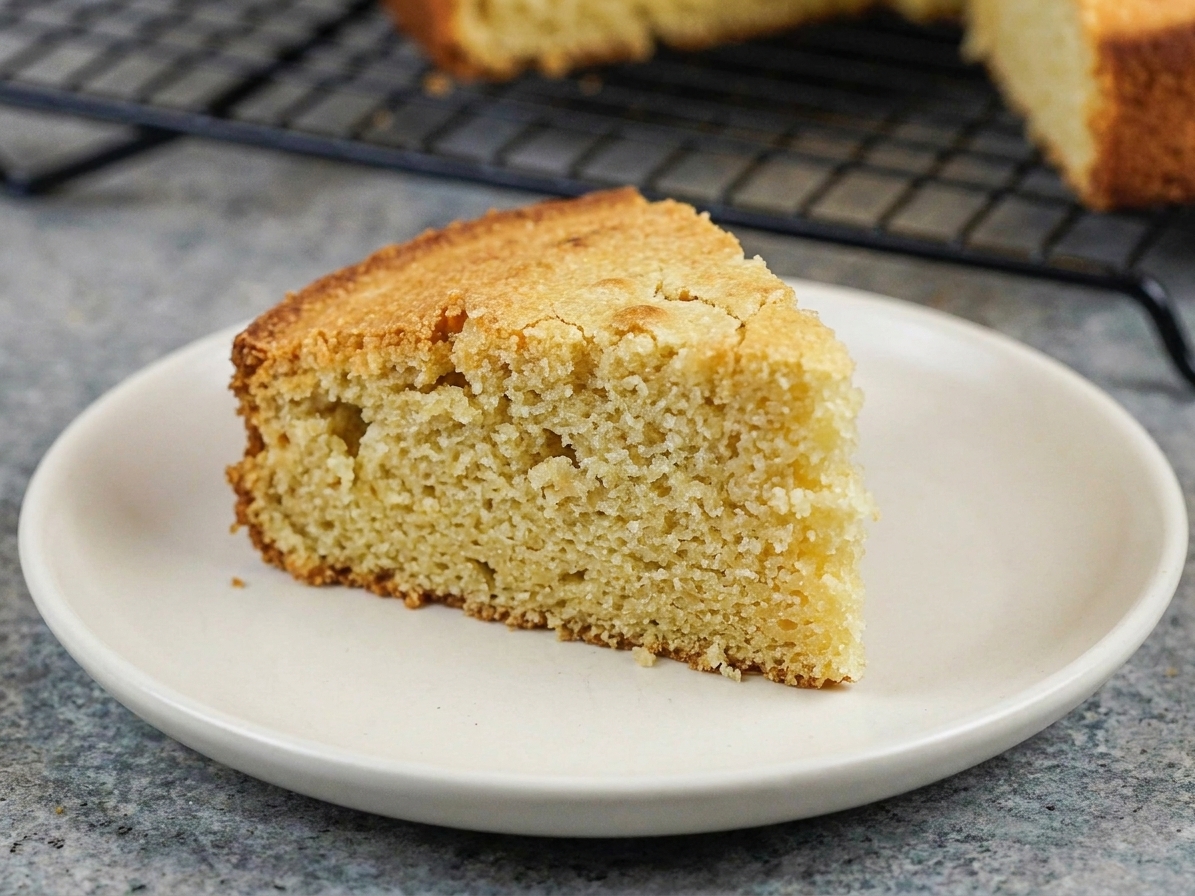
- Most common causes: Overbaking, too much flour, not enough fat or sugar for the style of cake, oven too hot.
- Fast fix: Pull the cake when a few moist crumbs cling to the tester. Residual heat finishes the job.
Highly domed top
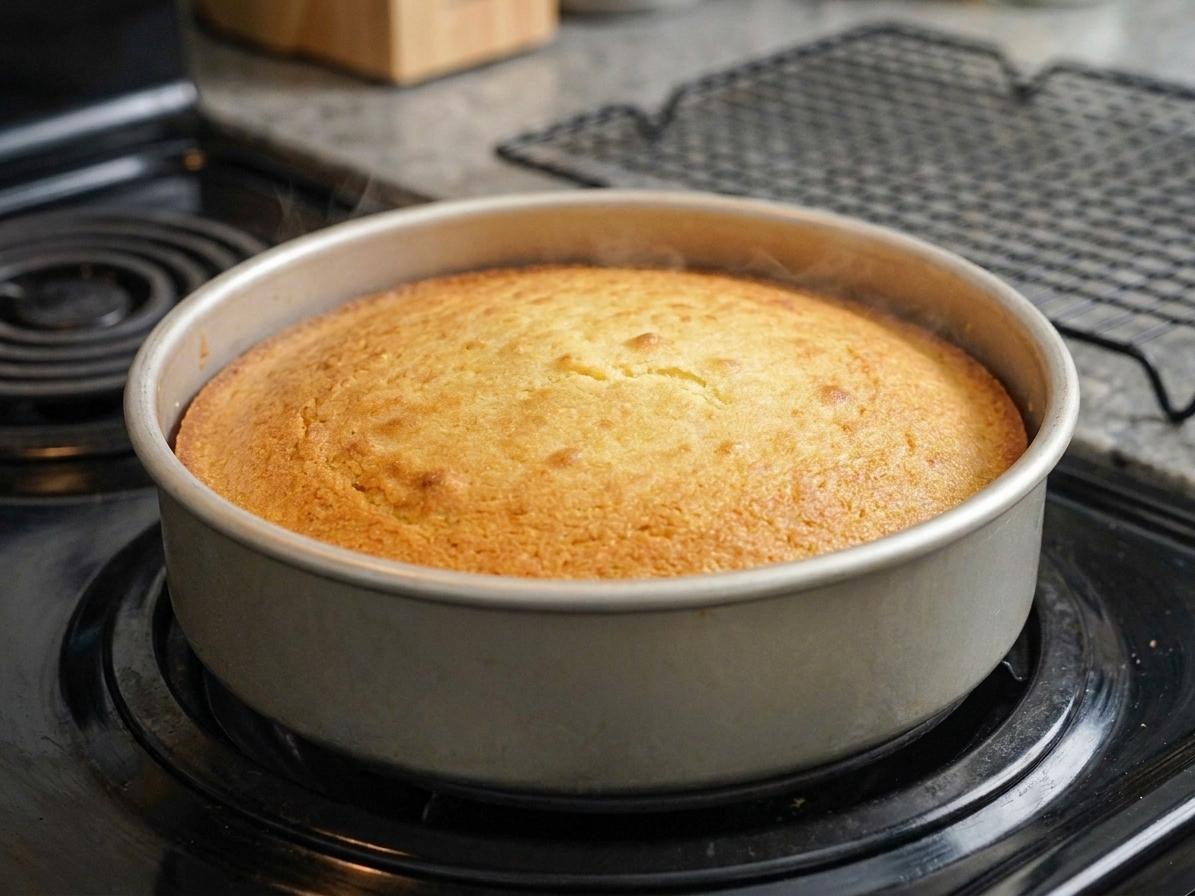
- Most common causes: Oven too hot, pan size too small, batter too thick, pans placed too high in the oven.
- Fast fix: Move to the center rack and confirm oven temp. You can also use cake strips for flatter layers.
My calm cake checklist
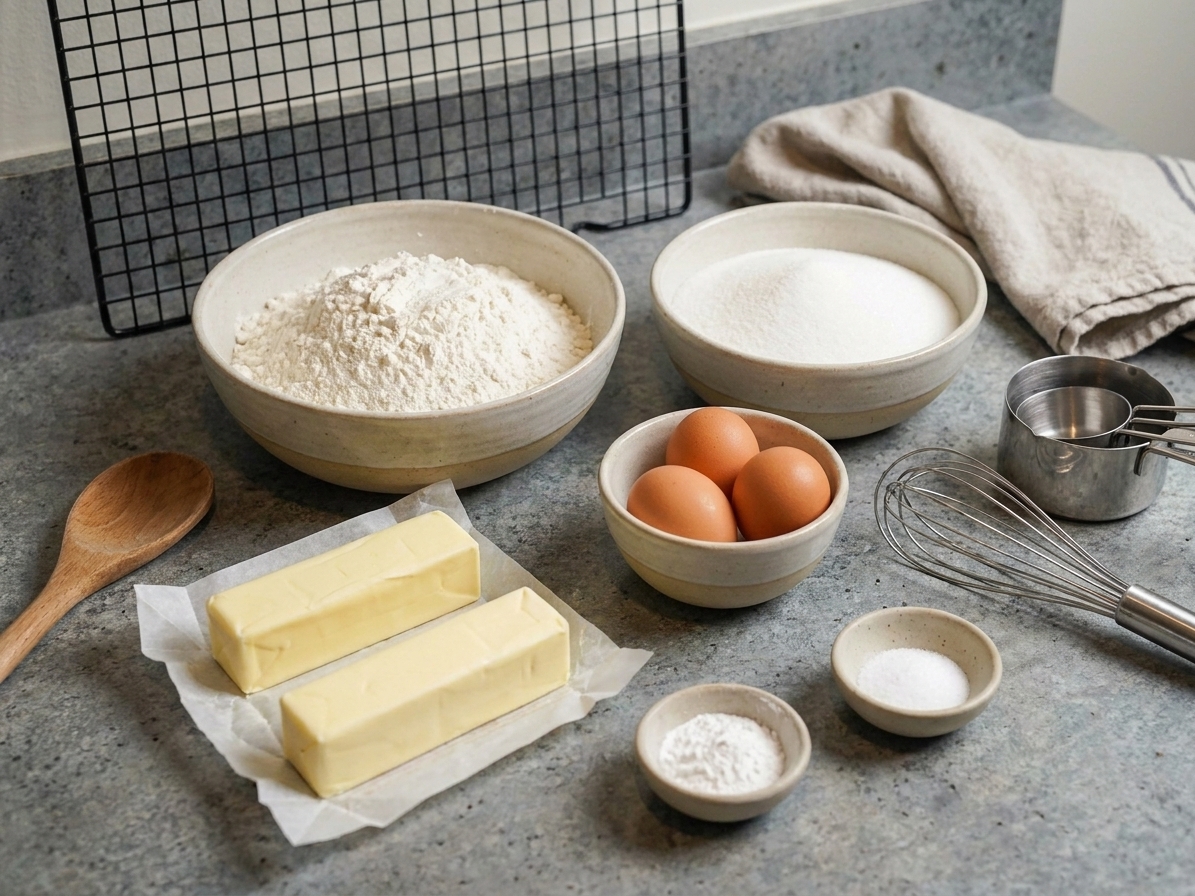
- Read the recipe fully before you preheat. (I know. But it works.)
- Bring key ingredients to room temperature unless the recipe says otherwise.
- Measure flour carefully. Preferably by weight.
- Use active leavening. If your baking powder has been opened for a long time, or you are not sure how it was stored, test it or replace it.
- Preheat thoroughly. Give your oven 15 to 20 minutes after it beeps.
- Do not overmix after flour. Mix just until combined.
- Test doneness in the center and cool on a rack.
FAQ
Can I still eat a sunken cake?
Absolutely. If it is fully baked (no wet batter in the center), it is safe and usually still delicious. Level the top, fill the dip with frosting, fruit, or whipped cream, and no one will complain.
Why did my cake sink after I took it out?
That usually points to underbaking, too much leavening, or an oven temperature issue. The cake looked set while hot, but the internal structure was not strong enough to hold as it cooled. Sometimes it can also be a ratio issue (too much liquid or sugar), especially if you made substitutions.
Why is my cake raw in the middle but done on the edges?
Most often: oven too hot, dark pan, or the cake is placed too close to the top of the oven. Try lowering the rack to the center, using lighter colored pans, and confirming your oven temp with a thermometer.
How do I prevent a sunken cheesecake or sponge cake?
Cheesecake: Some sinking as it cools is normal. The goal is avoiding a dramatic collapse and cracks. Bake gently, avoid overmixing (too much air), and cool gradually. A water bath and slow cooling in the turned-off oven can help.
Sponge or chiffon: Use a grease-free bowl, do not overwhip the whites, fold gently, and follow any instructions about cooling (including cooling upside down for chiffon, if directed).
One last encouragement
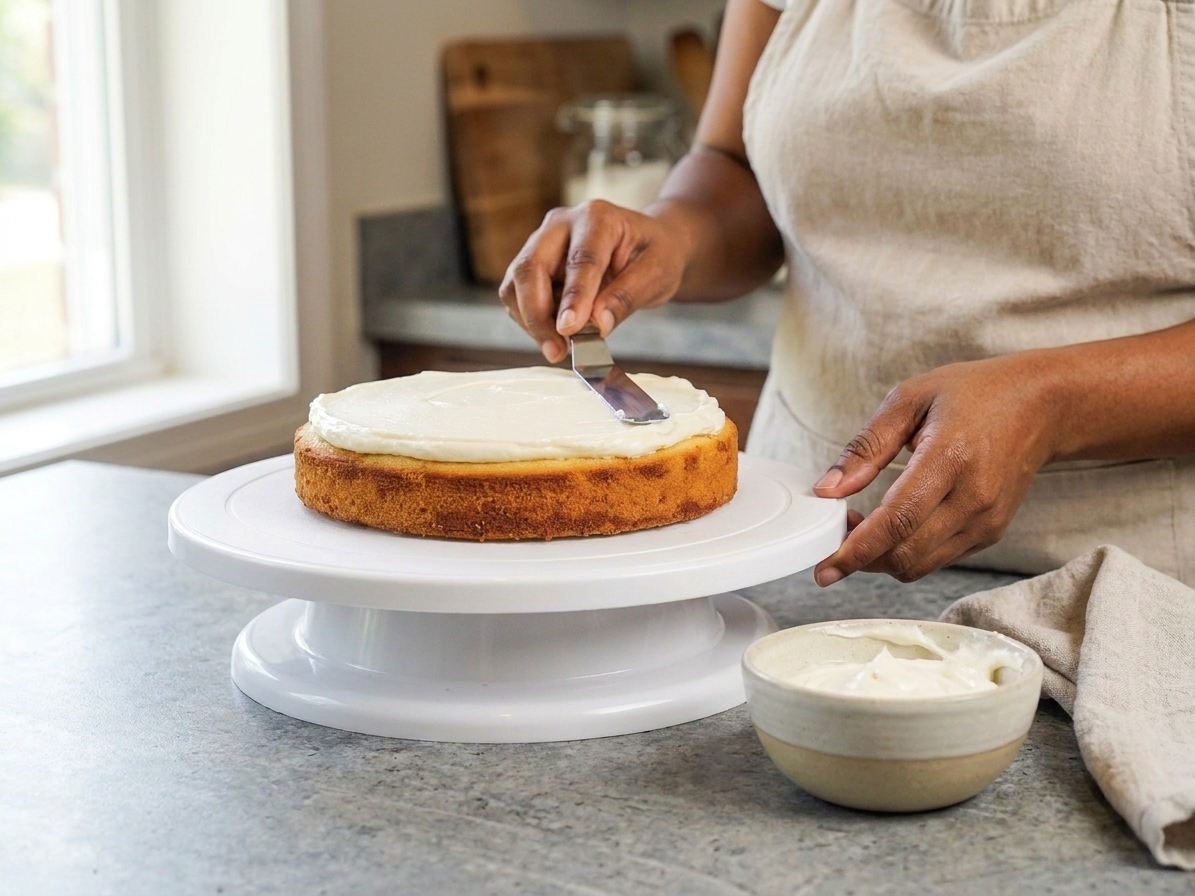
If your last cake sank, please do not take it personally. Cakes are picky, not you. Pick one fix from this list and try again, and keep notes. In my house, we call that “scientific snacking.” And yes, I still add extra garlic to dinner afterward because baking makes me crave balance.