A freezer stash of comforting casseroles makes busy weeknights feel easy. Here are 15 make-ahead favorites plus simple freeze, thaw, and bake tips.
Recipeva
Store and Freeze Baked Goods the Right Way
Keep cakes, cookies, pies, breads, and bars fresh with smart wrapping methods, freezer tips, and storage temperatures. Plus thawing tricks to avoid soggy or stale results.

Maya Reynolds
Maya Reynolds is a passionate home cook, recipe developer, and the creative voice behind Recipeva. With over a decade of experience translating complex culinary techniques into approachable weeknight meals, she focuses on creating dishes that bring joy to the dinner table without the stress.
Created September 21, 2026
Updated September 21, 2026
The big idea: air, moisture, and temperature
If you’ve ever pulled a “perfectly good” brownie out of the freezer and it tasted like the inside of your freezer, you already know the villains: air (staling and freezer burn), moisture swings (soggy crusts and gummy texture), and temperature changes (condensation, especially when thawing).
My rule of thumb is simple: cool completely, wrap tightly, and freeze quickly. Freeze quickly just means: once it’s cooled and wrapped, do not let it sit around on the counter. Get it into the freezer so it locks in that just-baked texture. And yes, I’m going to lovingly remind you that warm baked goods and plastic wrap are not friends. Steam turns into condensation, and condensation turns into sadness.
Best storage temperatures (and where things go)
- Room temperature: Most cookies, unfrosted cakes, muffins, quick breads for short storage. Exact results depend on humidity and the item, but in a normal, comfortable kitchen, the counter is usually best.
- Refrigerator (35 to 40°F): Items with dairy or egg-based fillings or frostings (cream cheese frosting, custard pies, cheesecake). Refrigeration can dry out bread and many cakes, so only use it when you need it for food safety.
- Freezer (0°F or below): The best tool for keeping texture and flavor longer than a couple days. Most baked goods freeze beautifully when wrapped well.
Quick food safety note: Desserts with cream, custard, cream cheese frosting, or cheesecake should not sit at room temperature longer than about 2 hours (less if it’s very warm).
Freezer setting tip: Aim for 0°F. If your freezer has a “quick freeze” or “fast freeze” option, use it when freezing delicate items like frosted cake slices or cream-filled pastries.
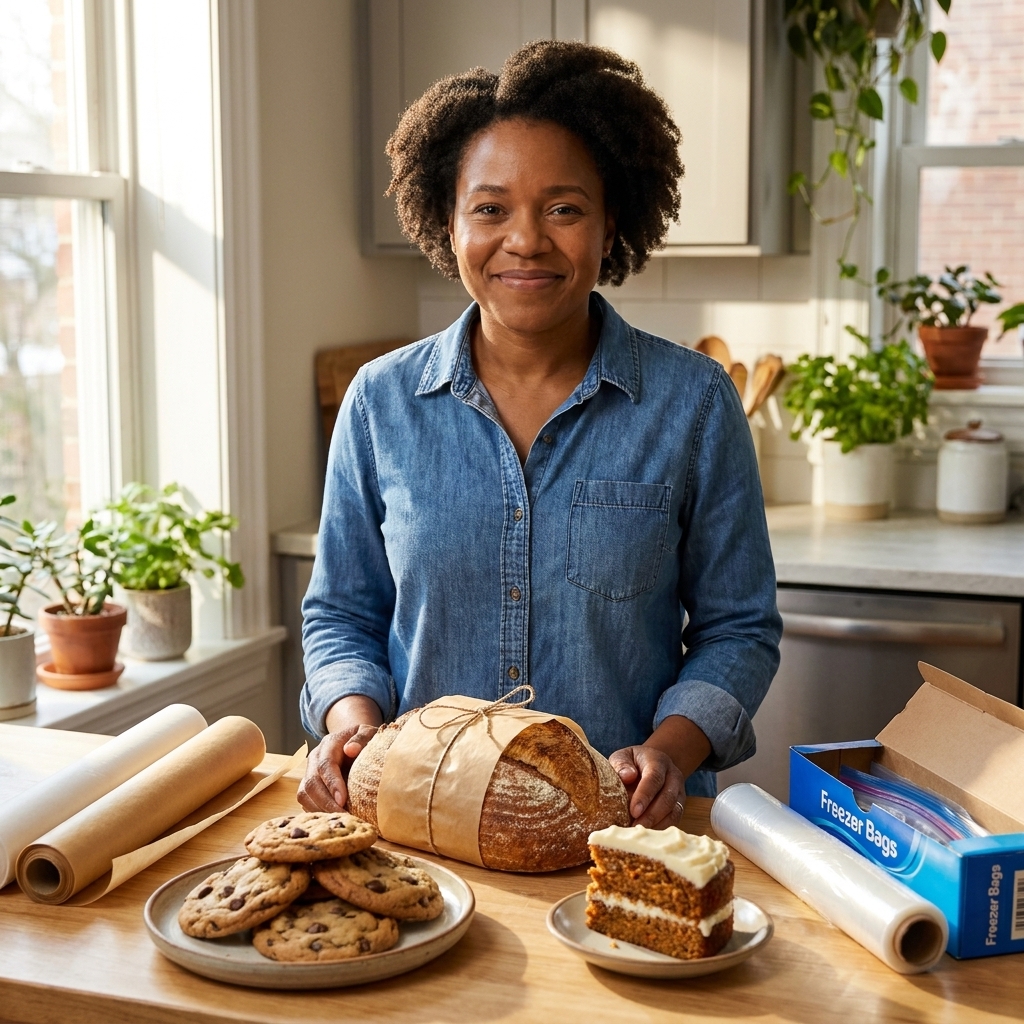
Your wrapping toolkit (what I actually use)
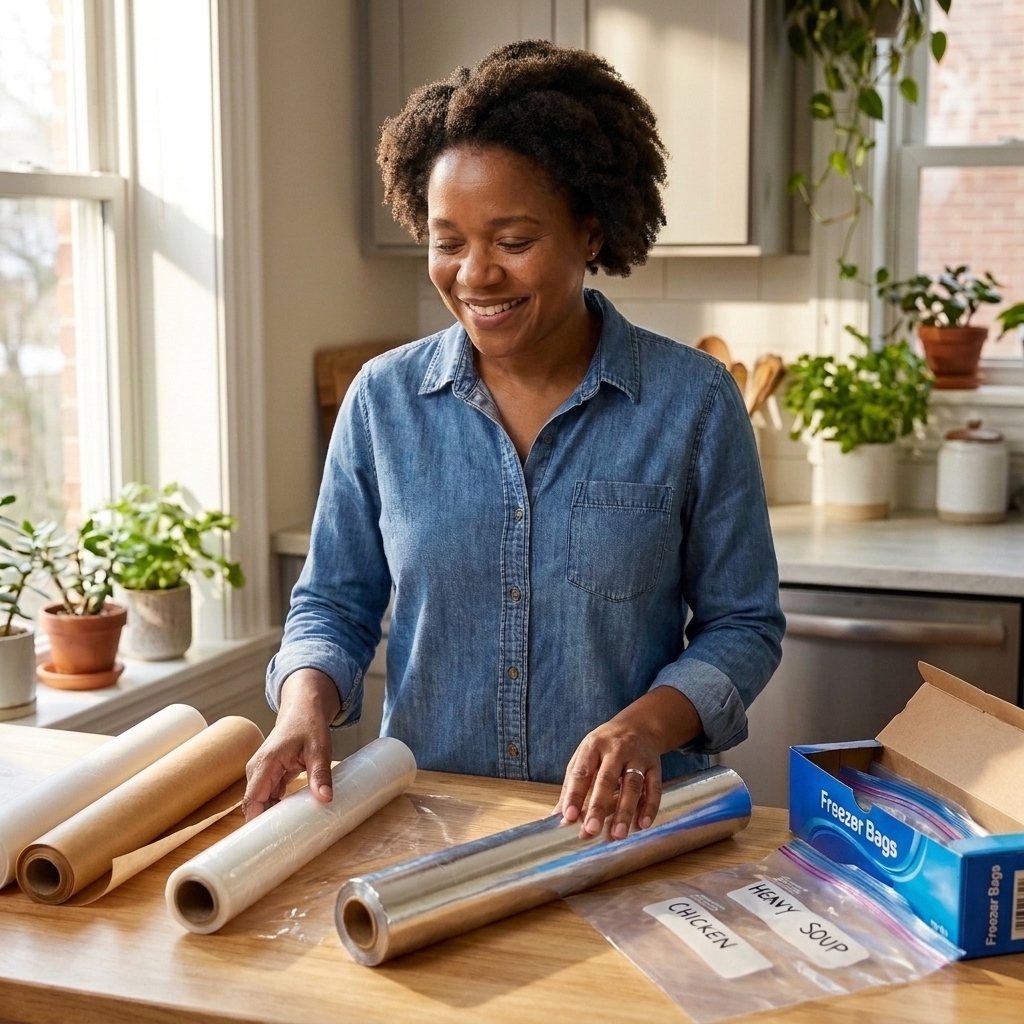
- Parchment paper: Great first layer to prevent sticking and protect soft tops (like frosted bars). It also minimizes direct contact with plastic wrap.
- Plastic wrap: Excellent air barrier. Press it snug to the surface to prevent air pockets.
- Heavy-duty aluminum foil: Adds protection from freezer burn and crushing. I love it as an outer layer.
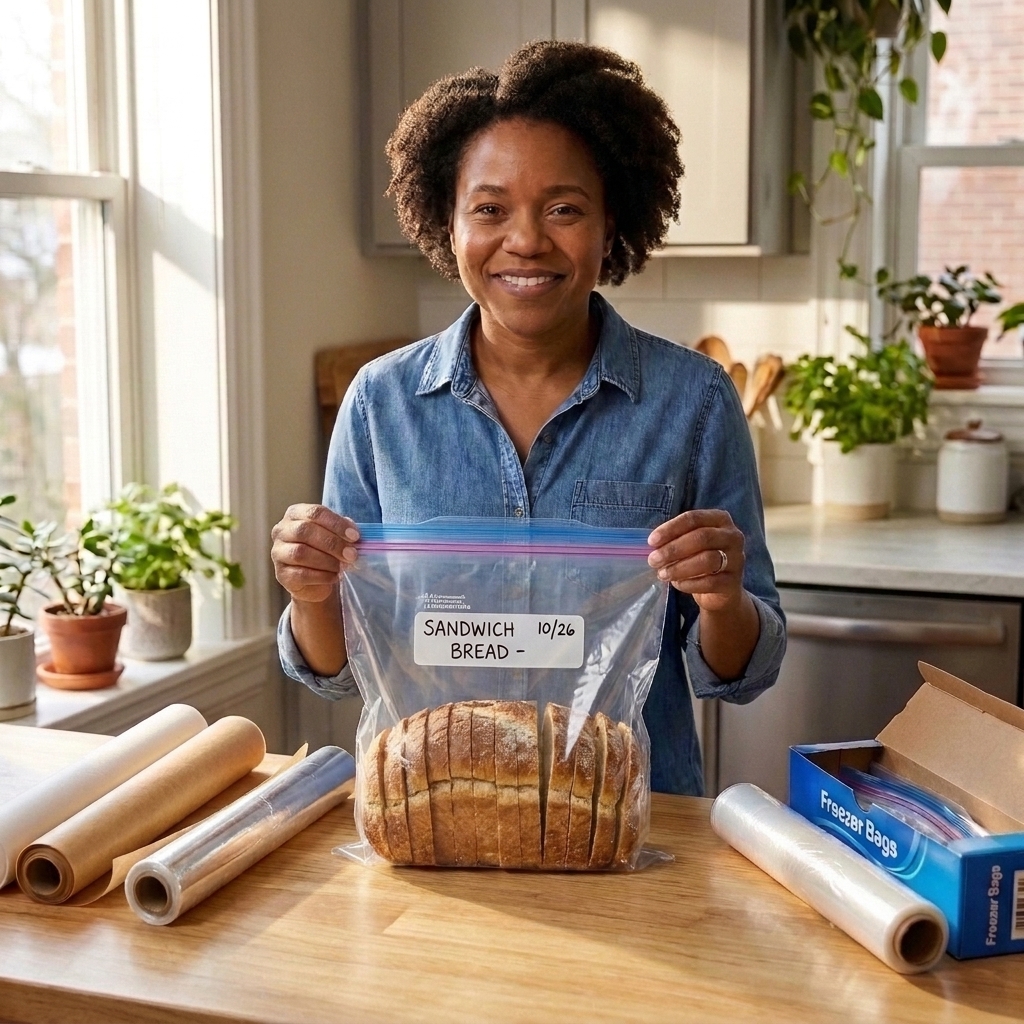
- Freezer bags (zip-top): Choose true freezer bags, not sandwich bags. Squeeze out as much air as possible.
- Airtight containers: Best for fragile cookies and frosted slices that you do not want squished.
- Labels and a marker: Date it. Future-you deserves this kindness.
My go-to method for most things: parchment (optional) → plastic wrap → foil → freezer bag or container.
Before you store or freeze: do this first
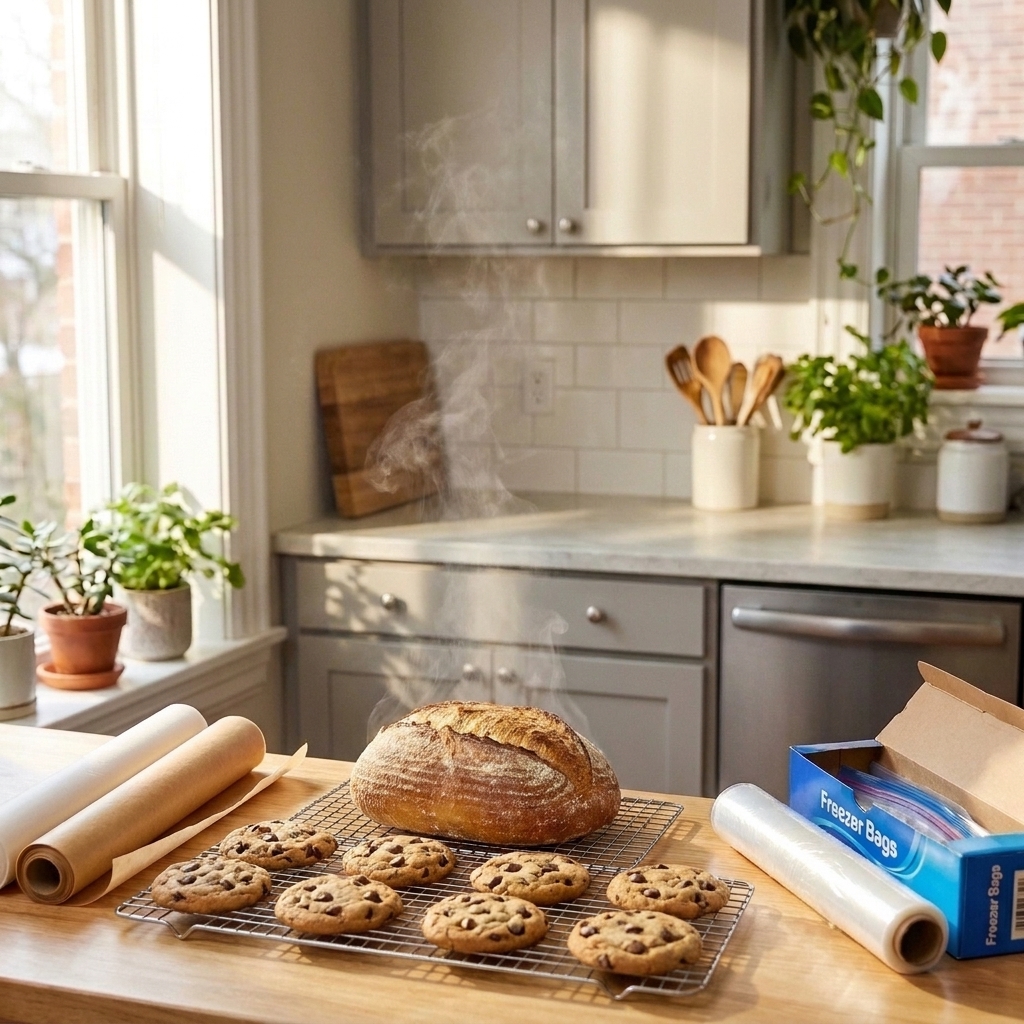
1) Cool completely
Baked goods need to be fully cool to the center. Even slightly warm bread will keep steaming in the wrap, which leads to gummy texture and mold risk at room temperature.
2) Portion smart
Freeze in the size you’ll actually eat. Slices and individual portions thaw faster and stay fresher than repeatedly thawing and refreezing a whole cake.
3) Flash-freeze when needed
For sticky or delicate items (frosted bars, gooey cookies, cream-filled pastries), set them on a parchment-lined sheet pan and freeze uncovered until firm, about 1 to 2 hours. Then wrap and bag.
Cakes: keep them soft, not soggy
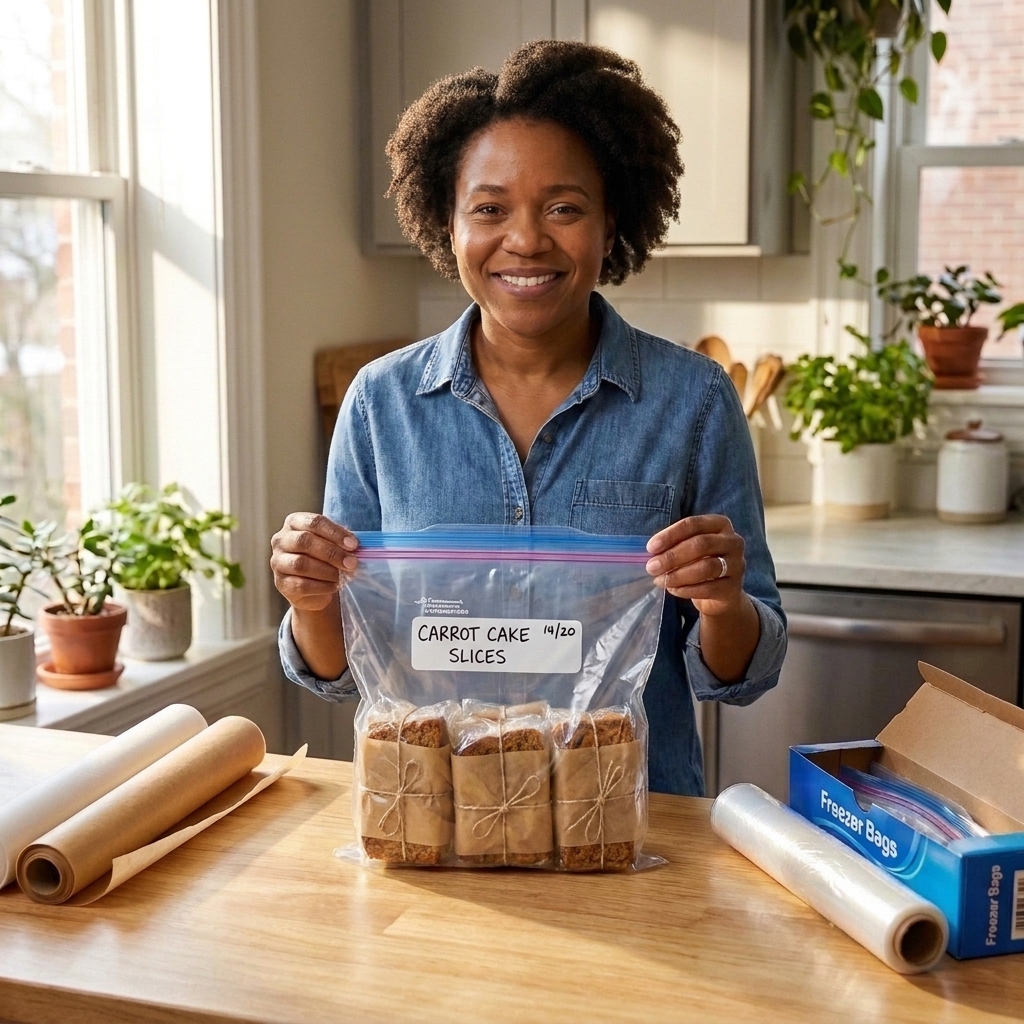
Room temperature (best for unfrosted)
- Whole unfrosted cake: Wrap tightly in plastic wrap. Store 2 to 3 days.
- Cut cake: Press plastic wrap against the cut sides first, then wrap the whole thing. This slows drying dramatically.
Refrigerator (only when needed)
Use the fridge for cakes with perishable frosting or filling. To prevent drying, wrap well or store in a cake keeper, and let slices sit at room temp 20 to 40 minutes before serving for best texture.
Freezer (the cake-saver)
- Unfrosted layers: Wrap each layer in plastic wrap, then foil. Freeze up to 2 to 3 months.
- Frosted cake or slices: Flash-freeze until firm, then wrap. For best results, use an airtight container after wrapping so the frosting stays pretty.
Frosting notes
- Buttercream: Usually freezes very well.
- Cream cheese frosting: Freezes fine, but can soften a little after thawing. Keep it cold until serving if it gets slouchy.
- Whipped cream frosting: More delicate. Freeze only if you know it is stabilized, and expect some texture change.
Thawing tip: Thaw still wrapped (or in the container) at room temperature. Keeping the wrap on prevents condensation from soaking into the cake.
Cookies: keep them crisp or chewy
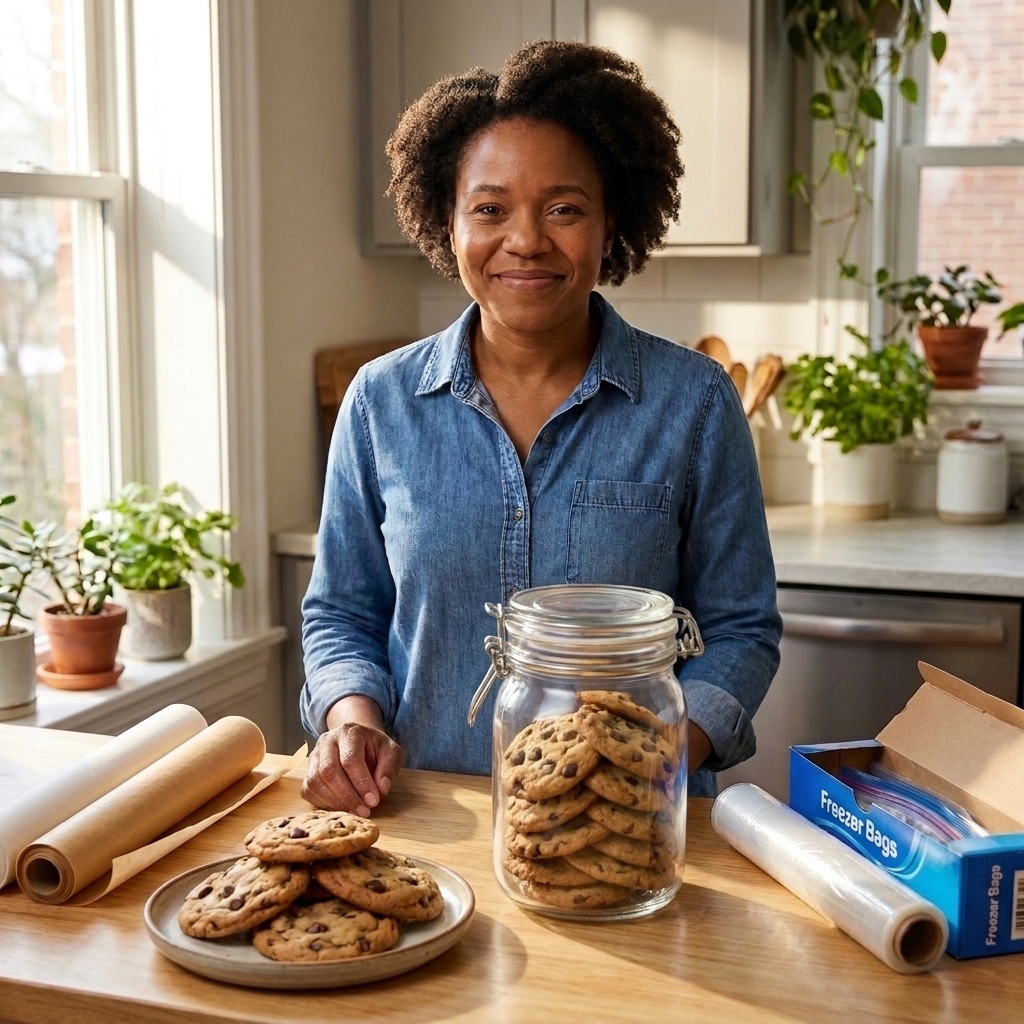
Room temperature storage
- Crisp cookies (gingersnaps, shortbread): Airtight container, add a piece of parchment between layers. Avoid storing with soft cookies or they’ll lose crunch.
- Chewy cookies (chocolate chip, oatmeal): Airtight container. If they start to dry, a quick 5 to 8 seconds in the microwave in short bursts brings back some chew.
Freezing baked cookies
- How to wrap: Freeze in a single layer on a sheet pan until firm, then transfer to a freezer bag. If stacking, separate layers with parchment.
- How long: 2 to 3 months for best flavor.
Freezing cookie dough (my weeknight secret)
Scoop dough into balls, freeze on a sheet pan, then bag. Bake from frozen, adding 1 to 3 extra minutes. This gives you warm cookies on demand, which is basically a public service.
Brownies and bars: freezer-friendly favorites
Brownies, blondies, and dessert bars are some of the easiest things to freeze well, which is a blessing because we all bake a pan “for later” and then mysteriously need it immediately.
- How to freeze: Cool completely, then cut into portions. Wrap each piece in plastic wrap (parchment first if sticky), then bag or container.
- How long: 2 to 3 months for best flavor and texture.
- Thawing: Thaw wrapped at room temp. For a warm, fudgy vibe, microwave briefly in short bursts.
Pies: protect flaky crusts and creamy fillings
Fruit pies
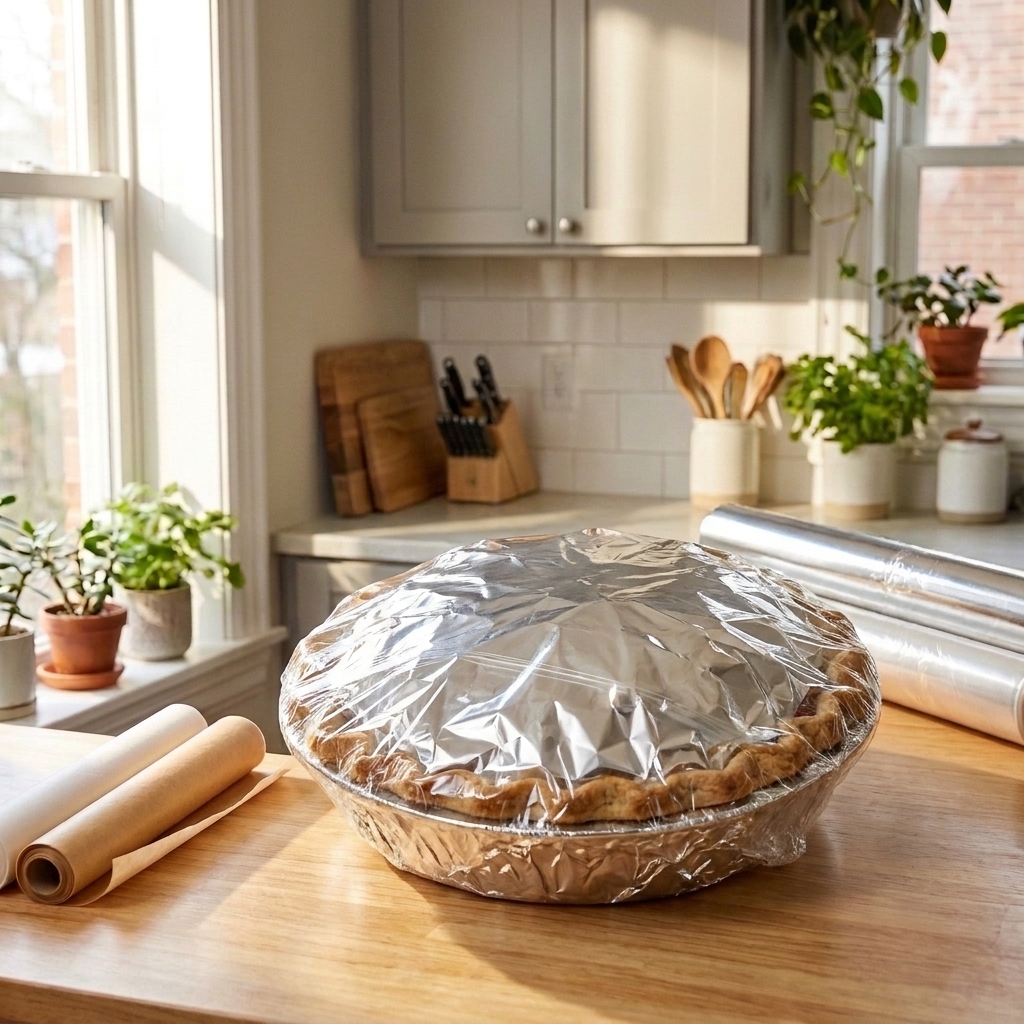
- Room temperature: Lightly cover and serve within 1 to 2 days for the flakiest crust.
- Refrigerator: If holding longer, refrigerate covered. The crust will soften a bit, but a short reheat helps.
- Freezer (baked fruit pie): Cool completely, wrap in plastic wrap, then foil. Freeze up to 3 months.
Reheat tip: To perk up a soft crust, warm slices in a 325°F oven for 10 to 15 minutes (or until heated through). Skip the microwave if crust texture matters to you.
Custard, cream, and cheesecake-style pies
These belong in the refrigerator for food safety. Freezing can change the texture of custards and whipped toppings. Classic custard-style pies (like pumpkin) often weep after thawing.
Pecan note: Pecan pies vary. Some freeze just fine, but the filling can soften a bit after thawing, especially if it’s very syrupy.
If you do freeze cheesecake: freeze uncut or in slices, wrapped tightly, and thaw overnight in the fridge.
Pastries: bring back the crisp
Flaky pastries (croissants, danish, puff pastry turnovers) are happiest when you treat the oven like a time machine.
- Store: Room temp for 1 to 2 days, lightly covered. For longer storage, freeze wrapped airtight.
- Reheat: 325 to 350°F for 5 to 12 minutes to re-crisp and warm through. The microwave will soften layers, so use it only if you do not care about flake.
Breads: avoid the fridge, embrace the freezer
Room temperature
- Yeast breads: Store in a bread box or paper bag for crusty loaves, or a sealed bag for soft sandwich loaves. Use within 2 to 3 days.
- Quick breads (banana bread, zucchini bread): Wrap well and store 2 to 4 days depending on moisture level.
Refrigerator (generally no)
Cold temperatures speed up starch retrogradation, which is the fancy way of saying bread goes stale faster. I only refrigerate bread if the house is extremely warm and I’m fighting mold, and even then I try to slice and freeze instead.
Freezer (best option)
- Whole loaf: Wrap tightly in plastic wrap and foil, or double-bag in freezer bags. Freeze up to 3 months.
- Sliced loaf: My favorite. Freeze in a bag and pull slices as needed. Toast straight from frozen.
- Rolls and buns: Flash-freeze if very soft, then bag. Warm in a 300°F oven until plush.
Thawing without condensation
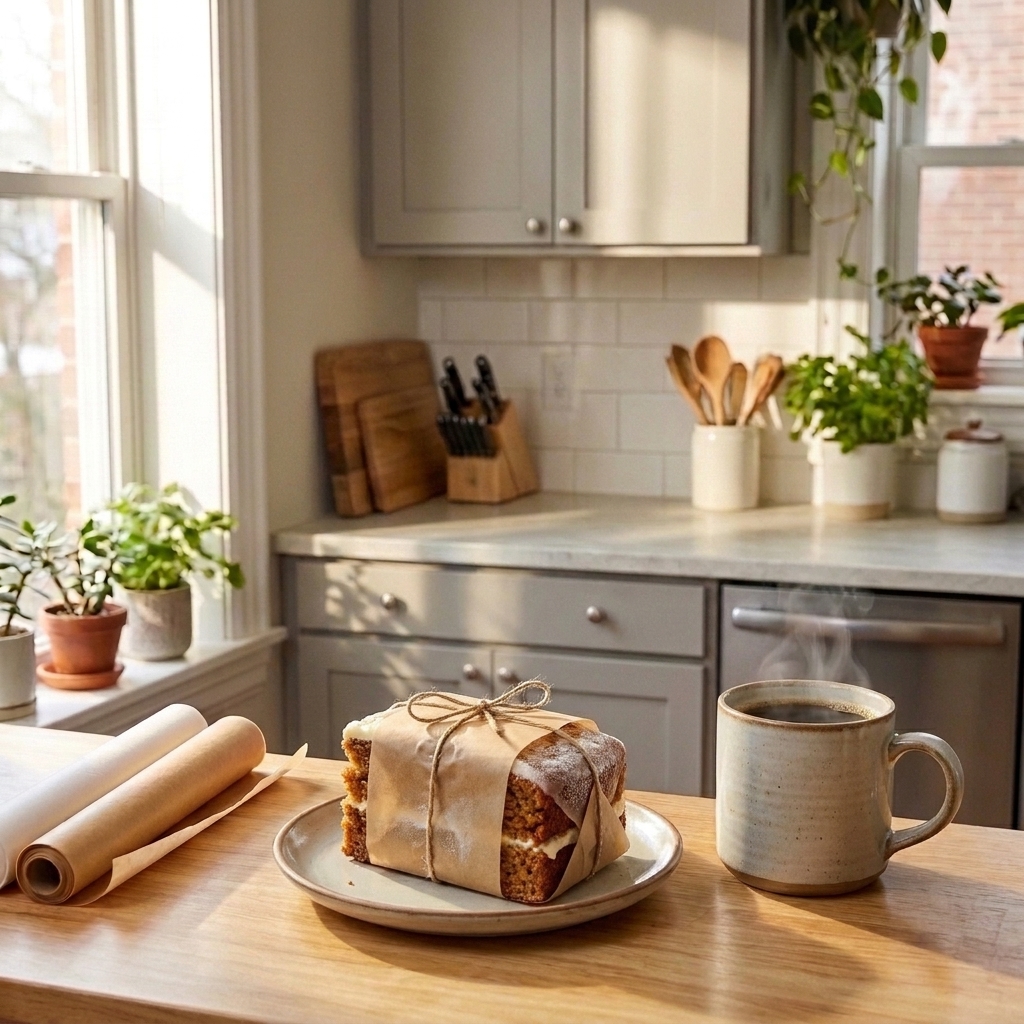
- Thaw while wrapped: This is the single easiest way to avoid a wet surface. Condensation forms on the outside of the wrap, not on your cake.
- Room temp for most items: Cookies and cake slices usually thaw in 30 to 90 minutes.
- Overnight in the fridge for dairy-based desserts: Cheesecake, cream cheese frosted cake, custard-based items. Slow thaw helps texture and safety.
- Refresh in the oven: Bread and many pastries come back to life with 5 to 12 minutes in a 300 to 350°F oven.
How long baked goods keep
- Cookies: 3 to 7 days at room temp (varies by type), 2 to 3 months frozen
- Unfrosted cake: 2 to 3 days room temp, 2 to 3 months frozen
- Frosted cake: 3 to 5 days (fridge if perishable frosting), 1 to 2 months frozen for best texture
- Brownies and bars: 3 to 5 days room temp (depending on mix-ins), 2 to 3 months frozen
- Fruit pie: 1 to 2 days room temp, 3 to 4 days fridge, up to 3 months frozen
- Yeast bread: 2 to 3 days room temp, up to 3 months frozen
- Quick breads: 2 to 4 days room temp, 2 to 3 months frozen
One gentle note: Freezing keeps things safe for longer, but for best flavor and texture, I try to use most baked goods within about 3 months.
Troubleshooting
My cookies went stale overnight
They likely weren’t fully cooled before storing, or the container wasn’t airtight. Cool completely, then seal tight. For chewy cookies, a quick warm-up can help.
My bread tastes dry after freezing
Too much air exposure. Double-wrap or use a true freezer bag and press out air. Also consider freezing sliced and toasting from frozen.
My cake is wet on the outside after thawing
Classic condensation. Thaw while wrapped, then unwrap once it feels close to room temp.
Everything tastes like the freezer
Odor transfer is real. Wrap more tightly, use an airtight container, and keep an open box of baking soda in the freezer if smells linger.
My non-negotiables
- Cool completely
- Choose the right storage spot (counter, fridge only if needed, freezer for long-term)
- Wrap airtight with as little air as possible
- Flash-freeze sticky or frosted items before wrapping
- Label with name and date
- Thaw while wrapped to avoid condensation
If you want, tell me what you’re baking and how far ahead you’re prepping, and I’ll point you to the best method for that specific treat. I’m deeply organized about this stuff in the most loving way possible.