A freezer stash of comforting casseroles makes busy weeknights feel easy. Here are 15 make-ahead favorites plus simple freeze, thaw, and bake tips.
Recipeva
Make-Ahead Freezer Casseroles for Families
A family-friendly guide to make-ahead freezer casseroles, with freezing instructions, baking from frozen, smart substitutions, and 10 reliable casserole ideas that actually reheat well.

Maya Reynolds
Maya Reynolds is a passionate home cook, recipe developer, and the creative voice behind Recipeva. With over a decade of experience translating complex culinary techniques into approachable weeknight meals, she focuses on creating dishes that bring joy to the dinner table without the stress.
Created September 23, 2026
Updated September 23, 2026
If weeknights feel like a relay race, freezer casseroles are your secret teammate. You do the chopping and stirring once, then future-you gets a hot, comforting dinner with almost no effort. This guide is built for real families and real schedules: what freezes well, how to package it, how to bake it later (from frozen or thawed), and easy substitutions for proteins and vegetables you already have.
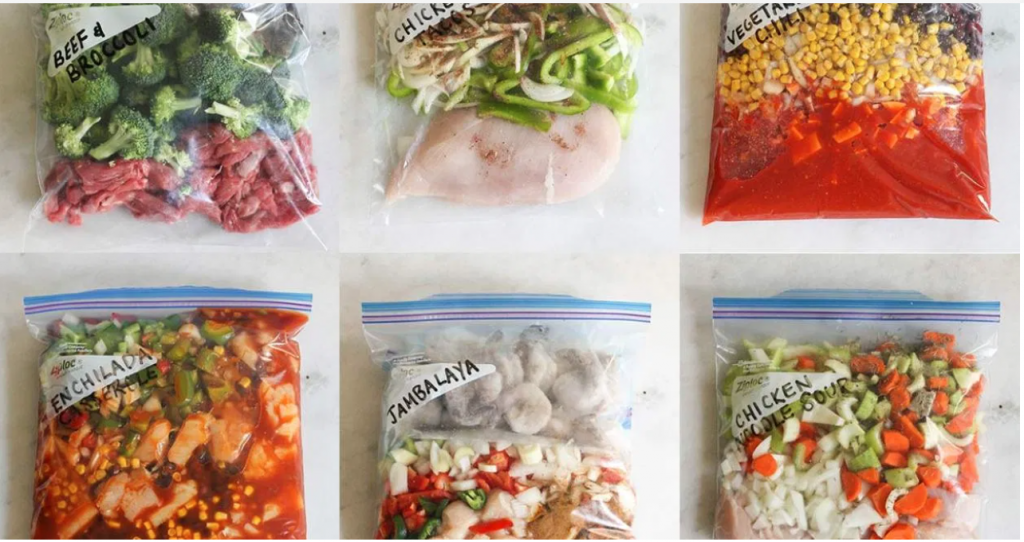
What makes a casserole freezer-friendly
Not every casserole loves the freezer equally. The best candidates share a few traits:
- A sturdy sauce: Tomato-based sauces, gravy-style sauces, and roux-thickened cheese sauces freeze better than super-delicate cream sauces.
- Cooked aromatics: Onions, garlic, and spices taste better after freezing when they are sautéed first.
- Right-size vegetables: Small pieces freeze and reheat more evenly than big chunks.
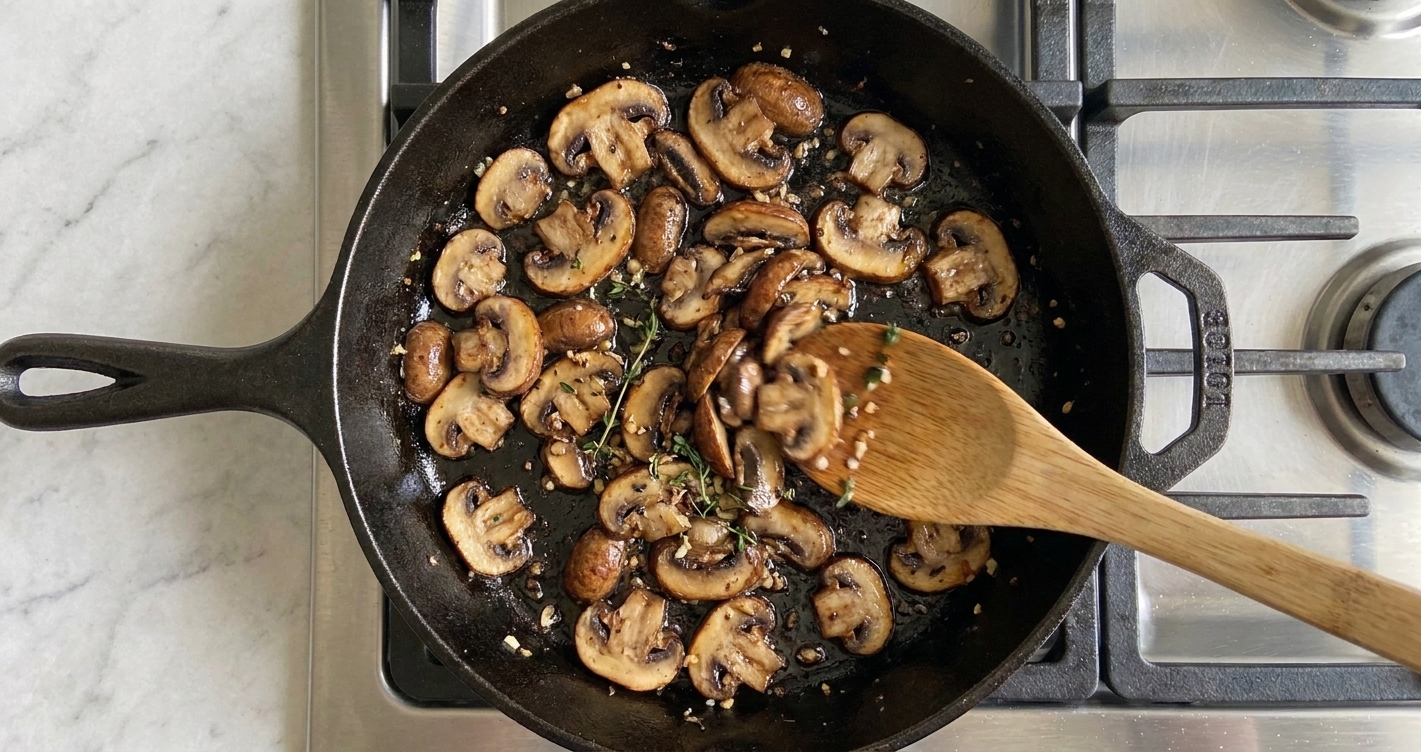
- Moisture control: Too much water becomes icy and can turn the bake soggy. This is why we cook off moisture in mushrooms, zucchini, and other high-water veggies, and squeeze spinach dry.
Skip or adjust: fresh, crisp toppings (add after baking), delicate fresh herbs (add after baking), and super crunchy toppings (add at the end).
Freezer casserole rules I swear by
1) Cool components before assembling (when possible)
Warm fillings create condensation, and that extra moisture can freeze into bigger ice crystals. Translation: worse texture later. If your filling is hot, let it cool about 20 to 30 minutes before you assemble and freeze.
Food safety note: Do not leave cooked food out at room temperature for more than 2 hours total (less if your kitchen is very warm). If you are batch cooking, spread hot filling on a sheet pan to cool faster, then refrigerate promptly.
2) Par-cook pasta and rice
For casseroles that bake later, cook pasta 1 to 2 minutes shy of al dente. For rice, use slightly undercooked rice or increase sauce a touch so it does not dry out.
3) Season a little more than you think
Freezing can dull flavors. I usually add an extra pinch of salt, an extra clove of garlic (no regrets), or a squeeze of lemon after baking to wake everything back up.
4) Freeze flat and tight
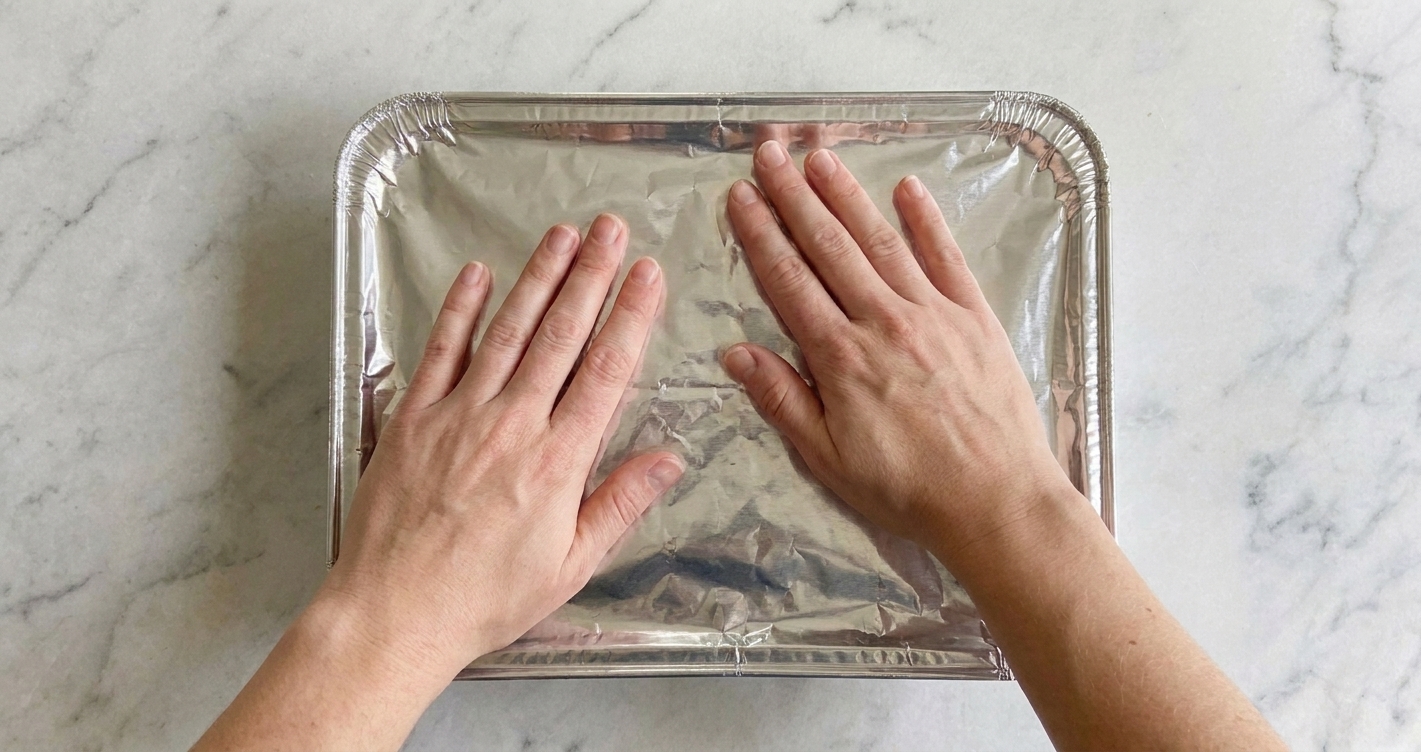
Press plastic wrap directly against the surface (if you are using it), then wrap the whole pan in foil. Less air equals less freezer burn.
Bonus tip: Leave a little headspace if your casserole is very saucy. Liquids expand as they freeze, and nobody wants a marinara glacier creeping up the foil.
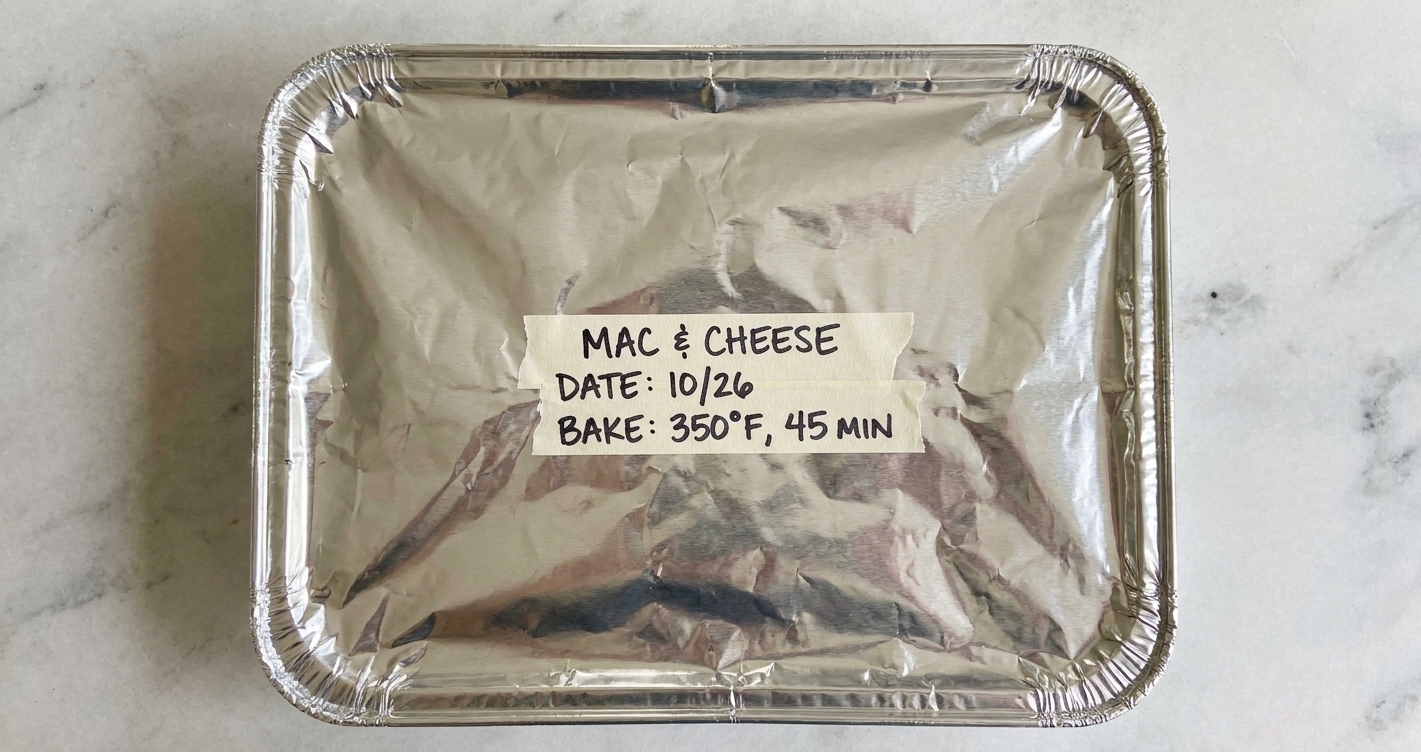
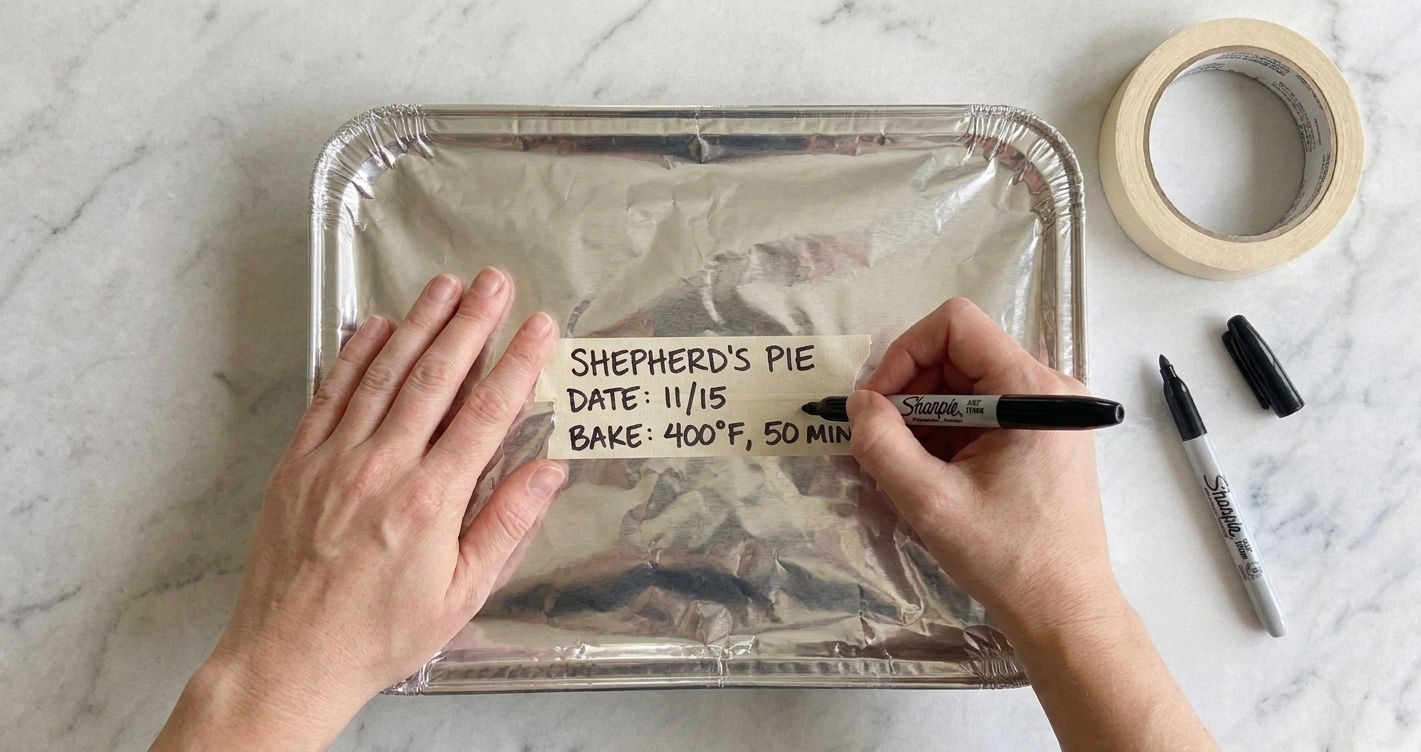
5) Label like a future hero
- Name of casserole
- Date frozen
- Portion size (family-size, mini, etc.)
- Baking instructions (thawed and from frozen)
- Any toppings to add later
- Optional for gifting: allergens like “contains dairy” or “contains nuts”
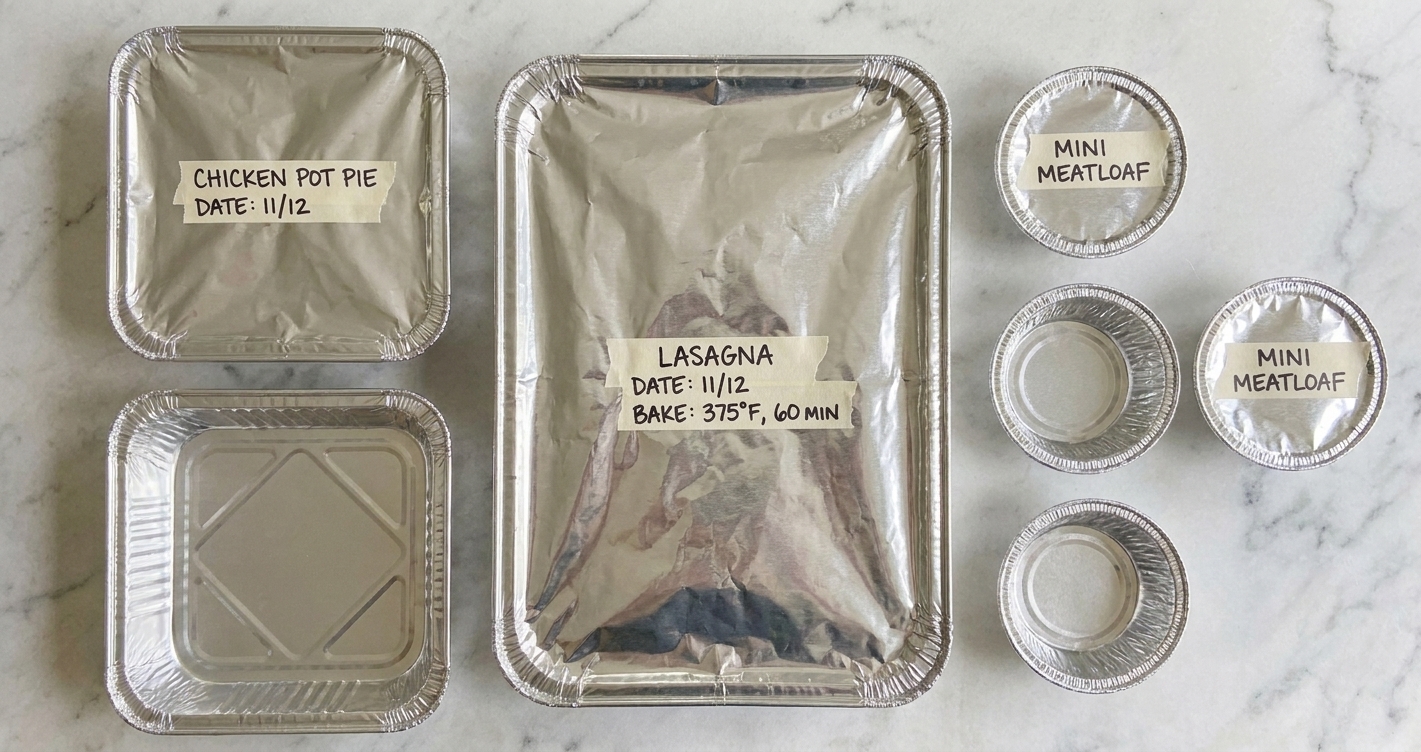
Pans, packaging, and portions
Best pans for freezing
- Disposable foil pans: My go-to for gifting meals and easy storage.
- Metal pans: Freeze and bake great, and they chill quickly.
- Glass or ceramic: Only if they are freezer-safe and you are careful with temperature swings. Never move a frozen glass dish straight into a blazing hot oven. Thaw in the fridge first to reduce cracking risk.
Portion options that save sanity
- Family-size (9x13): Great for bigger crews or planned leftovers.
- Two 8x8 pans: One for now, one for later.
- Mini casseroles: Assemble in 2-cup freezer containers or small foil pans for toddlers, seniors, or split schedules.
How to freeze casseroles (step-by-step)
- Assemble: Build the casserole in a freezer-safe pan, but hold back any crunchy topping (breadcrumbs, cracker topping, tortilla chips) for later.
- Chill: Refrigerate uncovered 30 to 60 minutes if you have time. This sets the top and reduces condensation.
- Wrap: Press plastic wrap against the surface (optional), then wrap tightly in foil. For extra insurance, slide the pan into a large freezer bag.
- Freeze: Set it on a flat shelf until solid, then you can stack.
- Store: Aim to eat within 3 months for best texture.
How to bake a frozen casserole
There are two reliable approaches: bake from frozen or thaw first. I usually thaw when I can because it bakes more evenly and keeps the edges from overcooking.
Heads up: Bake times vary based on pan material, how full the pan is, and how dense the casserole is. Use the times below as a general range, then trust your thermometer and the bubbling edges.
Option A: Thaw in the fridge (recommended)
- Thaw: 24 to 48 hours in the refrigerator, depending on size.
- Bake: Most 9x13 casseroles bake at 350°F for 35 to 55 minutes once thawed, but deeper or very full pans can take longer.
- Cover then uncover: Cover with foil for the first 20 to 30 minutes, then uncover to brown.
Thawing safety: Thaw in the refrigerator, not on the counter.
Option B: Bake from frozen
- Remove plastic: If you used plastic wrap, remove it before baking.
- Cover and bake: 350°F, covered, for 60 to 90 minutes as a general range. Dense casseroles or very full pans can take longer.
- Uncover to finish: Uncover for 10 to 20 minutes to brown the top.
Pan note: Baking from frozen is best in metal or foil. If you used glass, thaw first to avoid temperature-shock cracking.
How to know it is done
- Center temp: Aim for 165°F for casseroles with meat, eggs, or leftovers. For vegetarian casseroles, you can still use 165°F as an easy universal target, or simply make sure it is hot throughout and bubbling.
- Visual cue: Bubbling around the edges and hot in the center.
Tip from my teacher-brain: If the top is browning too fast but the center is still cold, tent loosely with foil and keep going. No shame in a longer bake.
Protein substitutions (and what changes)
One of my favorite things about casseroles is how forgiving they are. Here are easy swaps and how to adjust.
Ground beef, turkey, or chicken
- Swap 1:1 in most recipes.
- Turkey and chicken are lean, so add a tablespoon of oil when browning, or include extra sauce for moisture.
Shredded chicken
- Use rotisserie chicken, slow cooker chicken, or leftover roasted chicken.
- Plan on 3 to 4 cups shredded chicken for a 9x13 casserole.
Sausage
- Italian sausage boosts flavor fast.
- Drain well before assembling, especially if you are using cheese sauce.
Beans and lentils (budget-friendly and freezer-friendly)
- Sub in 2 (15-ounce) cans of beans, drained and rinsed, or 2 to 3 cups cooked lentils.
- Add an extra pinch of salt and a squeeze of lemon after baking for brightness.
Tofu or plant-based crumbles
- Use extra-firm tofu, pressed and crumbled, or a plant-based ground substitute.
- Season assertively before freezing.
Vegetable substitutions that freeze well
These vegetables typically keep good texture after freezing and baking:
- Broccoli, cauliflower, peas, corn: Use frozen straight from the bag.
- Carrots and bell peppers: Dice small for even reheating.
- Spinach: Use frozen spinach, thawed and squeezed dry (or fresh spinach wilted and squeezed).
- Mushrooms and zucchini: Sauté first to cook off moisture.
Avoid (or use sparingly): raw potatoes (can discolor and get grainy), watery tomatoes unless they are cooked down, and delicate greens like arugula (add fresh after baking).
10 make-ahead freezer casserole ideas families love
These are “assembly-first” ideas, meaning they are designed to be built, frozen, and baked later. For each one, I included the key freezer note that makes it work.
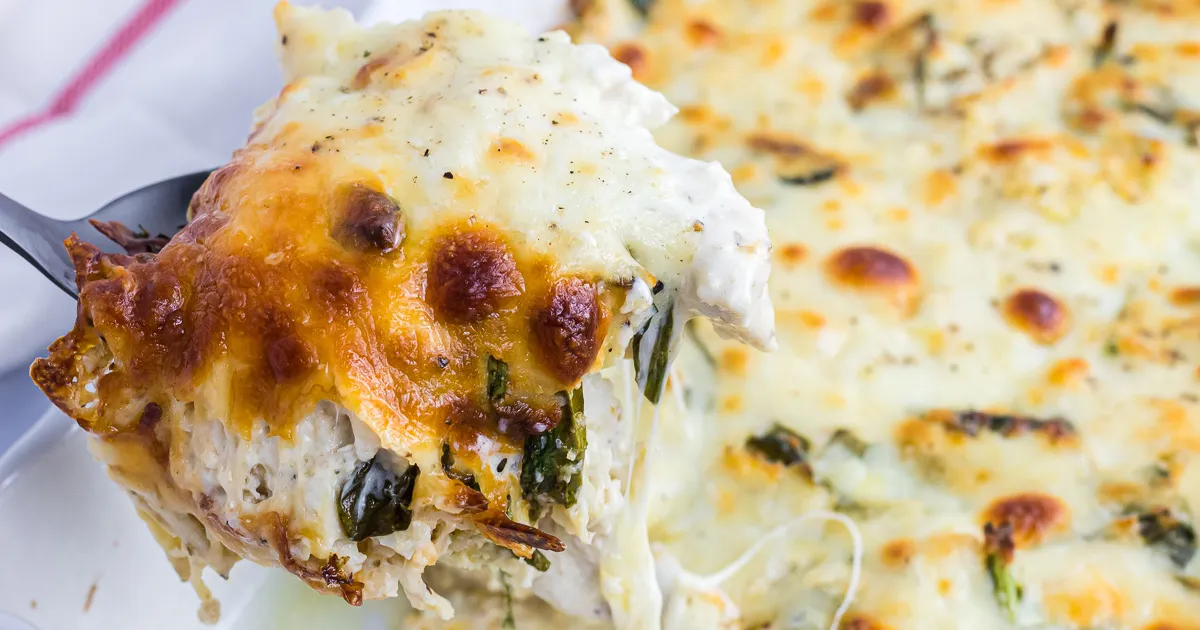
1) Creamy Chicken Broccoli Rice Casserole
- Best for: picky eaters and busy nights
- Freezer note: Slightly undercook the rice and use frozen broccoli florets.
- Easy swap: Use turkey, ham, or white beans instead of chicken.
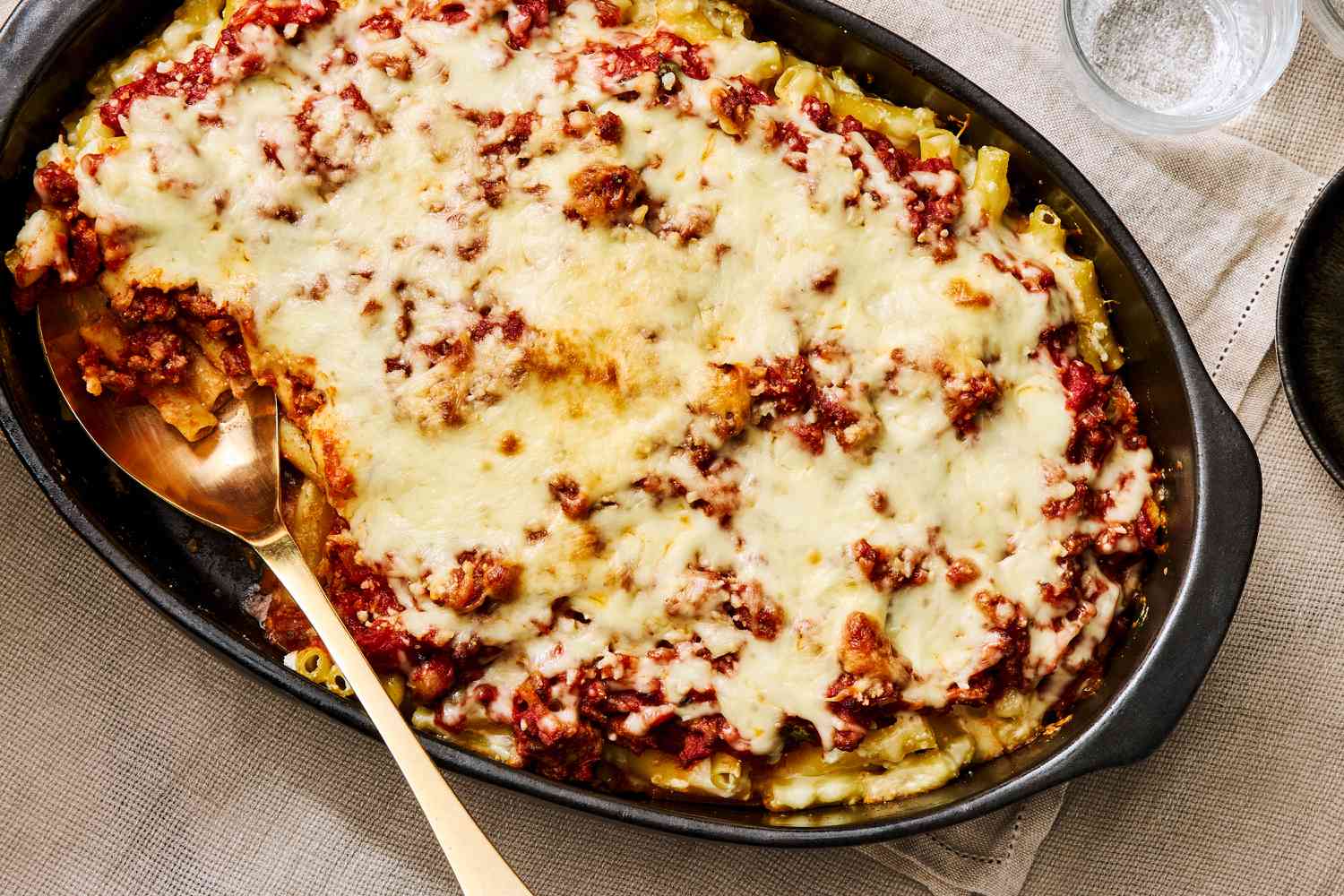
2) Baked Ziti with Hidden Veggie Sauce
- Best for: feeding a crowd
- Freezer note: Par-cook pasta and keep it saucy.
- Easy swap: Ground turkey, Italian sausage, or lentils.
3) Enchilada Casserole (No Rolling Required)
- Best for: weeknights when you want big flavor
- Freezer note: Freeze without chips or crunchy toppings, add after baking.
- Easy swap: Shredded chicken, black beans, or pulled pork.
4) Shepherd’s Pie with Cheesy Cauliflower Mash
- Best for: comfort food cravings
- Freezer note: Cool the filling before topping so the mash does not sink.
- Easy swap: Beef to turkey, or use lentils and mushrooms for vegetarian.
5) Tuna Noodle Casserole (Better Than You Remember)
- Best for: pantry nights
- Freezer note: Use a thicker sauce and undercook noodles slightly.
- Easy swap: Canned chicken, salmon, or peas and chickpeas.
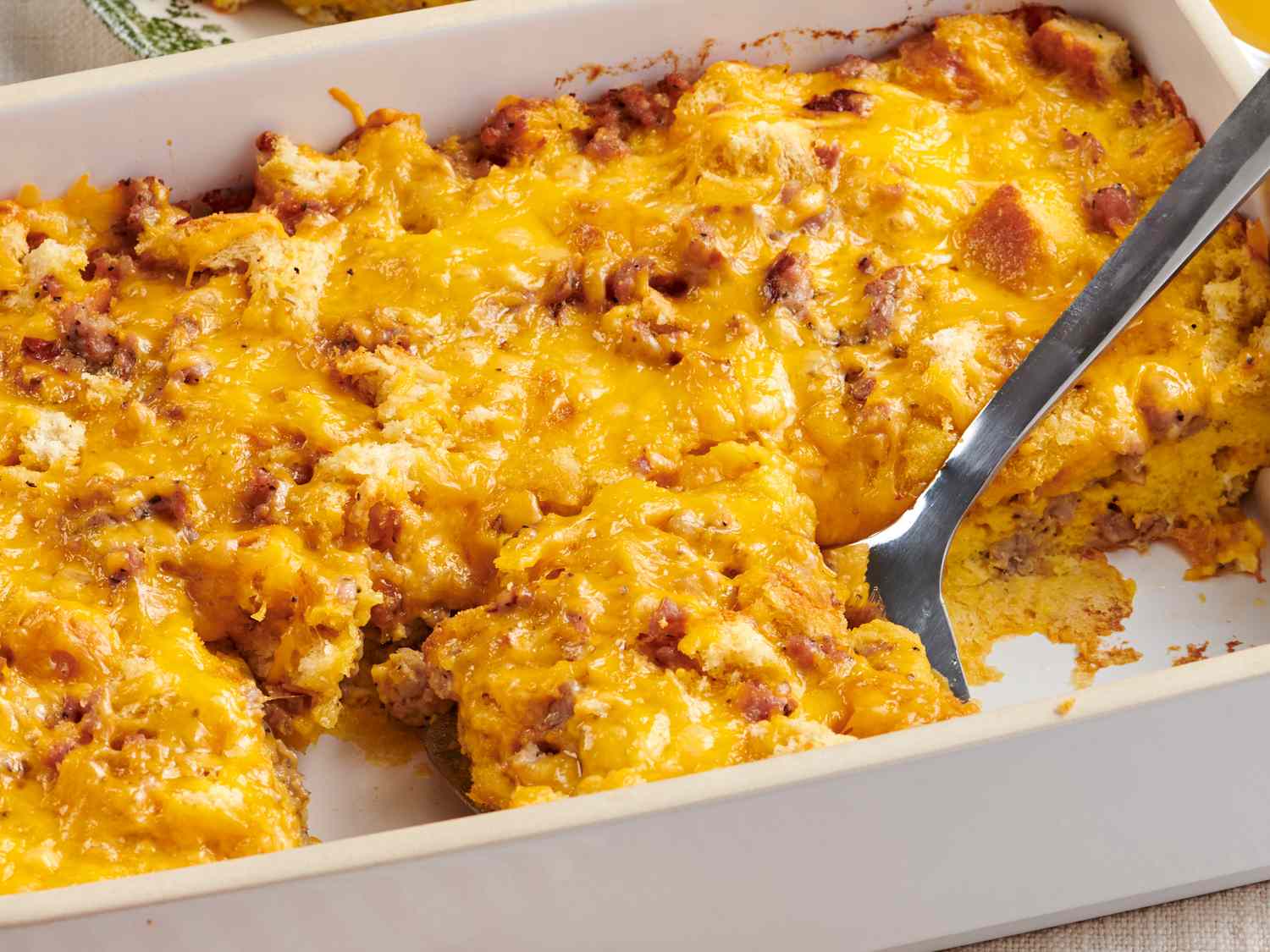
6) Breakfast Casserole with Hash Browns and Sausage
- Best for: holidays and school mornings
- Freezer note: Cool completely before freezing to reduce weepy eggs.
- Easy swap: Bacon, ham, plant-based sausage, or sautéed mushrooms and spinach.
7) Lasagna Soup Casserole (Skillet Flavor, Casserole Ease)
- Best for: cozy dinners without fussy layering
- Freezer note: Freeze the ricotta topping separately if you want the cleanest texture, or bake from thawed.
- Easy swap: Use Italian sausage or a veggie crumbles blend.
8) Mac and Cheese with Roasted Butternut Squash
- Best for: sneaking in veggies without drama
- Freezer note: Use a roux-based cheese sauce (butter, flour, milk) for stability.
- Easy swap: Add ham, broccoli, or peas.
9) Tex-Mex Quinoa Bake
- Best for: gluten-free families
- Freezer note: Quinoa holds up beautifully in the freezer.
- Easy swap: Ground turkey, black beans, or shredded chicken.
10) Meatball Parmesan Sub Casserole
- Best for: fun Friday nights
- Freezer note: Freeze without the final mozzarella layer, add cheese near the end for best browning.
- Easy swap: Use turkey meatballs or veggie meatballs.
Reheating leftovers (so they taste like dinner, not fridge regret)
Oven method (best texture)
- Cover with foil and reheat at 350°F until hot, usually 20 to 35 minutes depending on thickness.
- Uncover for 5 minutes to re-crisp the top.
Microwave method (fastest)
- Reheat in 60 to 90 second bursts, stirring if possible.
- Add a splash of broth, milk, or sauce if it seems dry.
Make-ahead timeline for a low-stress freezer day
- Day before: Grocery shop, shred cheese, chop onions, make one big batch of cooked protein.
- Freezer day (1 to 2 hours): Assemble 2 casseroles, label, and freeze.
- Bake day: Move casserole to the fridge in the morning to thaw, then bake at dinner.
FAQ
How long can you freeze a casserole?
For best texture and flavor, I aim for up to 3 months. Many casseroles are safe longer if stored well, but you will notice more freezer burn and softer texture over time.
Can I freeze a casserole with sour cream or cream cheese?
Yes, but expect a slightly softer texture after baking. Some casseroles may look a little separated or curdled at first, but they usually smooth out as they heat (and especially after a good stir). To improve stability, combine with a thicker base (like a roux-based sauce) and avoid overbaking.
Do I need to thaw before baking?
No, but thawing bakes more evenly and usually tastes better. If you bake from frozen, plan for an extra 30 to 45 minutes (sometimes more for deep pans) and keep it covered for most of the bake.
What is the best way to prevent a watery casserole?
Cook off moisture in vegetables (especially mushrooms, zucchini, spinach), drain cooked meat well, undercook pasta slightly, and do not skimp on thickener in creamy sauces.
Can I freeze casseroles with potatoes?
Mashed potato toppings (like shepherd’s pie) freeze great. Thinly sliced raw potatoes can get grainy after freezing, so I recommend using par-cooked potatoes, frozen hash browns, or a mash instead.
Your easiest next step
If you are new to freezer casseroles, start with one: baked ziti or chicken broccoli rice. Make it once for dinner, then double it and freeze the second pan. You will learn your oven timing, your family’s preferences, and your own “must-have” add-ins in the most delicious, low-pressure way.
And if you need permission to add another clove of garlic, consider it granted.