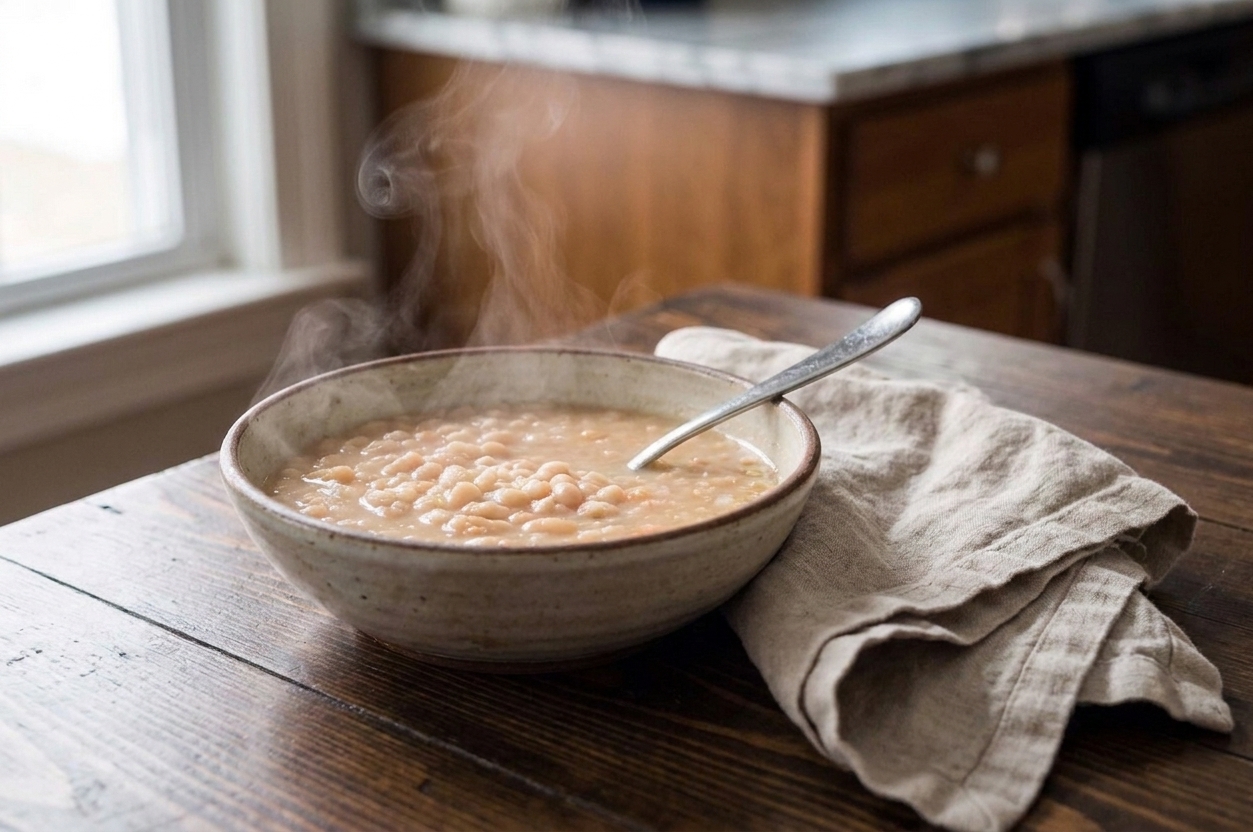

If you have ever pulled a beloved soup out of the freezer only to end up with grainy cream, limp vegetables, or noodles that turned into tiny sponges, you are not alone. The good news is that most soup freezes beautifully with a few small adjustments. I will walk you through how to cool, pack, freeze, thaw, and reheat different types of soup so it stays cozy and delicious.

The key rules
Before we split into creamy vs broth vs noodle soups, there are a few freezer rules that apply to nearly everything.
- Cool it fast, then freeze it fast. For safety and quality, move soup through the temperature danger zone quickly. A common benchmark is cooling from 135°F to 70°F within 2 hours, then down to 41°F within 4 more hours. In a home kitchen, the practical takeaway is simple: get it cooling promptly and into the fridge within 2 hours of cooking (within 1 hour if the room is very warm).
- Leave headspace. Liquids expand as they freeze. Leave about 1 inch of space at the top of jars and containers so you do not end up with cracked glass or popped lids.
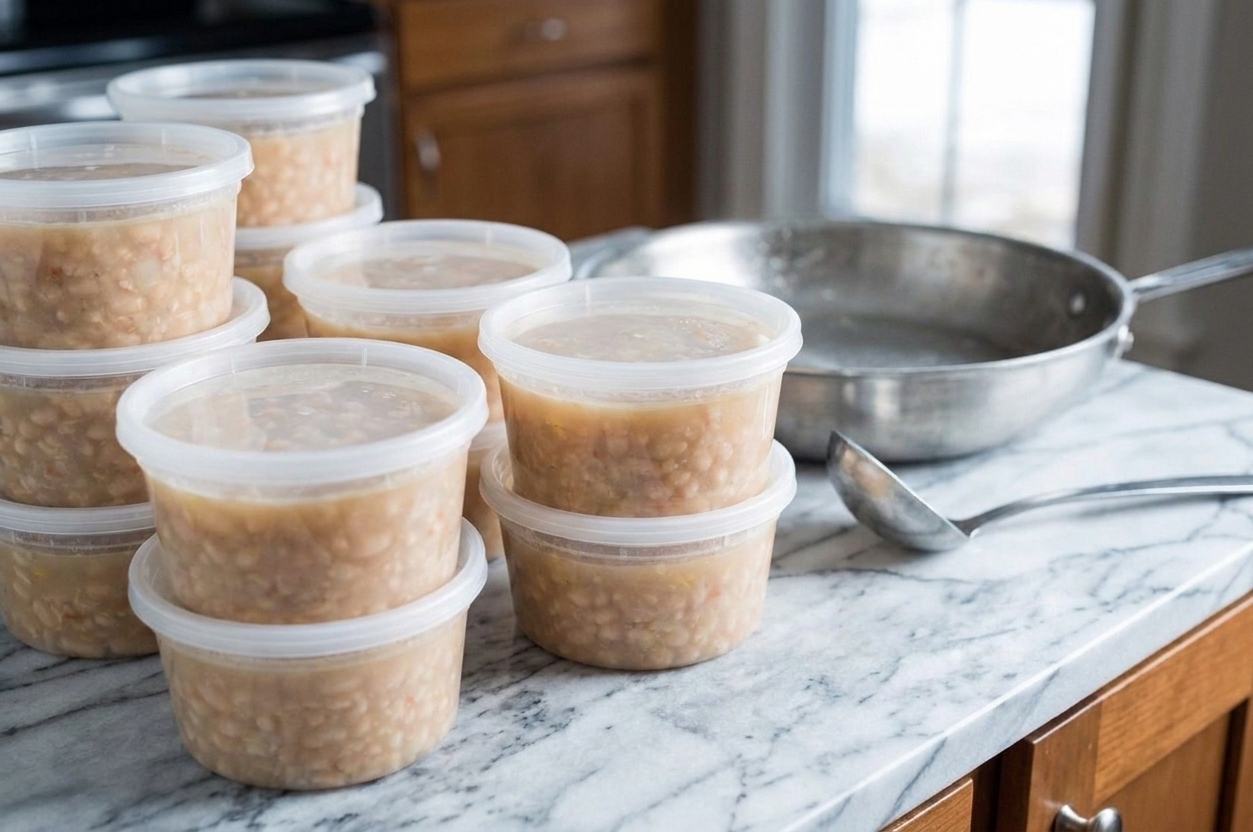
- Portion like your future self will thank you. Freeze in 1 to 2 cup portions for quick lunches, or family portions if you know you will reheat it all at once.
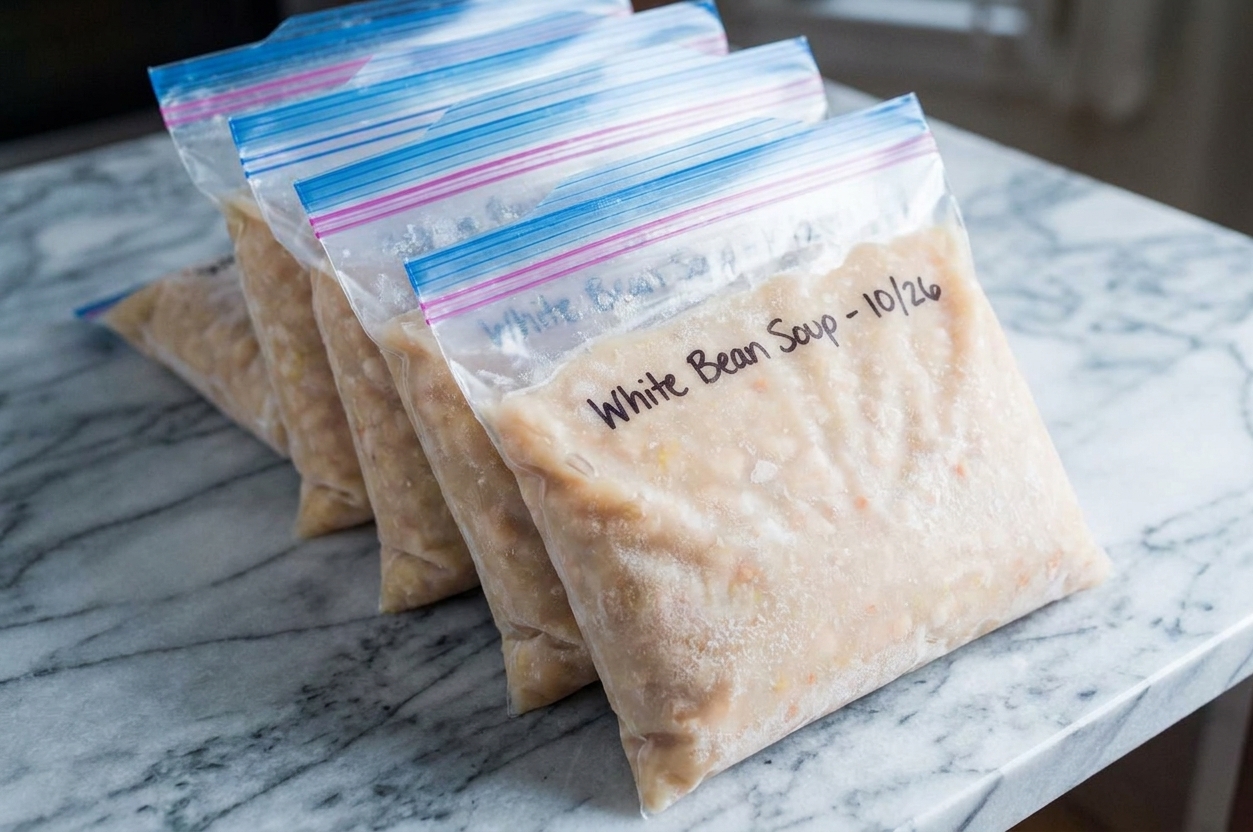
- Label it. Soup looks a lot alike when frozen. Include the soup name and the date.
- Best quality window. Most soups are at their best within 2 to 3 months in a typical home freezer. They will often be safe longer if kept consistently frozen, but texture and flavor slowly fade.
How to cool soup quickly
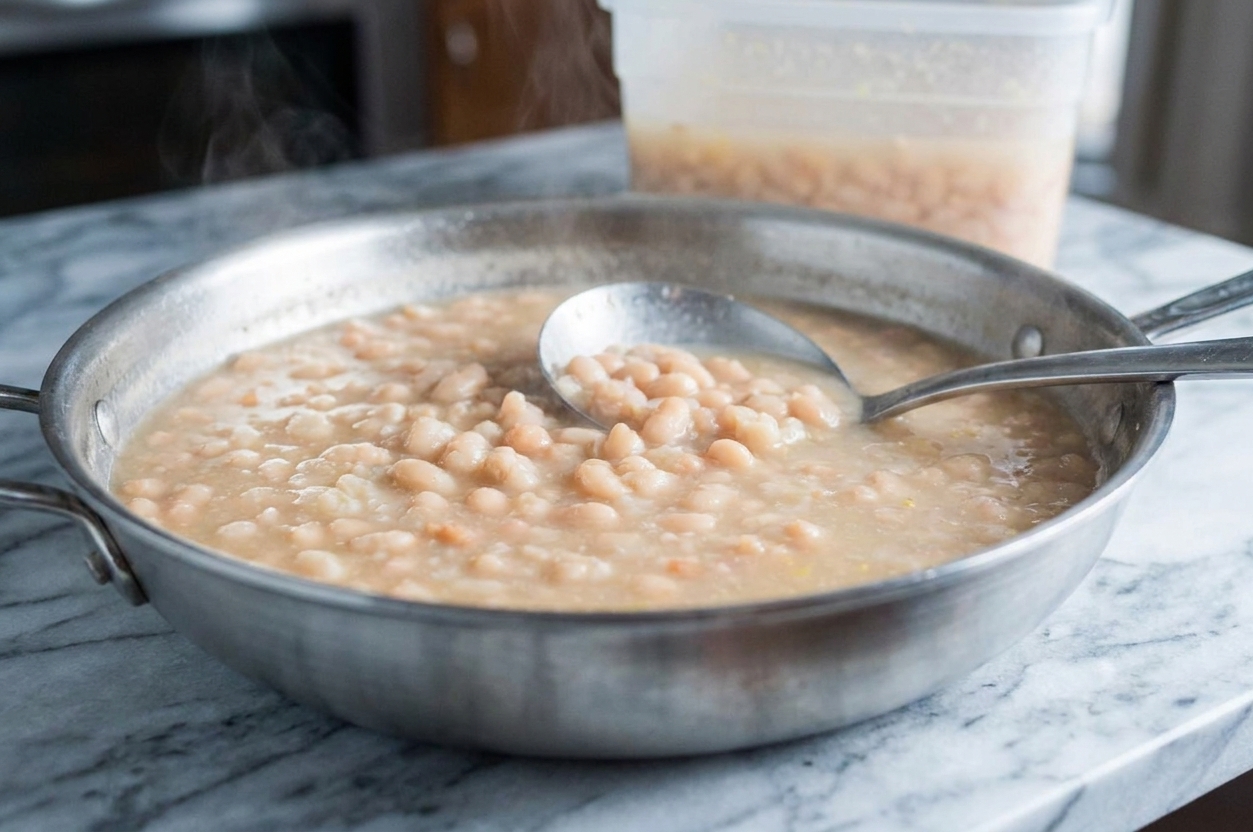
My favorite low-effort method is shallow and wide: pour hot soup into a large metal bowl or a rimmed baking dish so it is only a couple inches deep. Stir occasionally to release heat. Once it stops steaming aggressively, move it to the fridge briefly uncovered (about 15 to 20 minutes) to vent steam, then cover and chill until fully cold.
If you are cooling a big pot, nest the pot in the sink with a few inches of ice water and stir frequently. Stirring is the key because it moves hot soup from the center to the edges. If you are cooling a large volume, splitting it between two shallow containers helps even more and is gentler on your fridge temperature.
Containers
Your container choice affects texture more than you might think because it influences freezing speed and freezer burn.
Great options
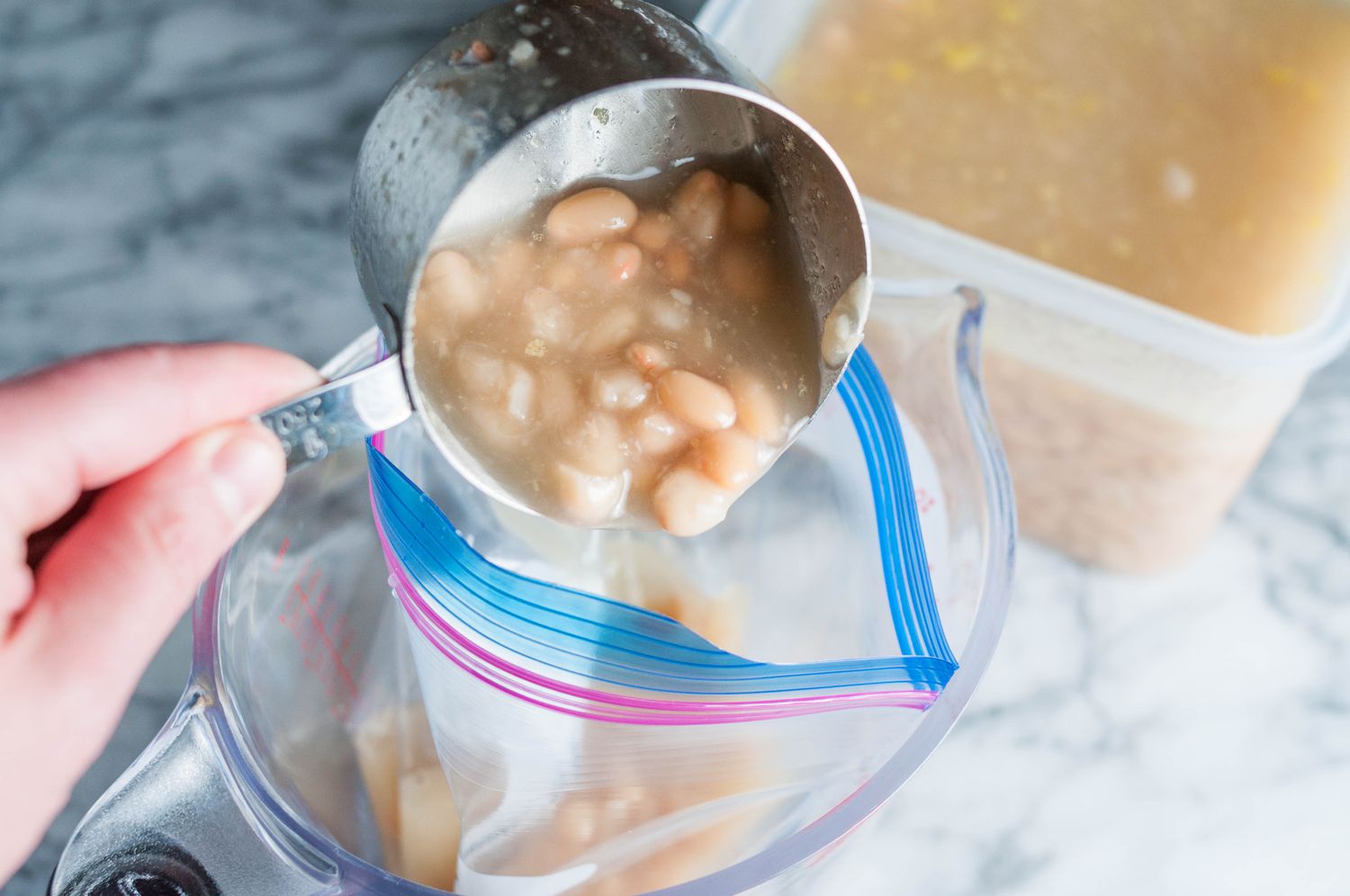
- Freezer bags laid flat: Fast freezing, space-saving, and ideal for broth soups and puréed soups. Freeze them flat on a sheet pan, then store upright like files.
- Deli containers: Affordable, stackable, and reliable. Choose sturdy ones with tight lids.
- Straight-sided freezer-safe jars: Wide-mouth, straight-sided jars work best. Leave headspace and cool completely first.
- Souper cubes or silicone portion trays: Perfect for freezing measured blocks you can pop out and store in a bag.
What I avoid
- Thin takeout containers: They can crack and leak, and they invite freezer burn.
- Filling glass to the brim: This is how jars break, even sturdy ones.
- Huge containers for small households: Reheating a giant block of soup takes longer, and the edges can overcook before the center thaws.
Broth soups
Think chicken soup (without noodles), minestrone, lentil soup, beef and barley, vegetable soup, and most clear soups. These are generally the easiest to freeze, but vegetables can soften more after thawing.
Before freezing
- Cook vegetables just to tender. If they are already very soft in the pot, they will be softer after freezing and reheating.
- Keep potatoes and delicate veg in mind. Russet potatoes can turn mealy or grainy. Waxy potatoes (like Yukon Gold) hold better. Zucchini and green beans soften easily, but are still tasty if you do not mind a softer bite.
- Consider freezing the base, then adding quick add-ins later. For example, freeze the broth, beans, and aromatics, then add fresh spinach or peas during reheating.
How to freeze
- Cool soup quickly, then chill until fully cold.
- Skim excess fat if desired. A fat cap can help limit air exposure, but fats can also pick up stale flavors in the freezer over time, especially in longer storage.
- Portion into freezer bags or containers, leaving headspace.
- Freeze flat (for bags) or freeze containers on a level surface until solid.
How to reheat
- Best method: Thaw overnight in the fridge if you can. It reheats more evenly.
- Pour into a pot and warm over medium-low, stirring occasionally.
- Reheat until the soup is steaming hot throughout. For leftovers with meat, poultry, or seafood, aim for 165°F.
- Taste and adjust salt and acidity. A squeeze of lemon or a splash of vinegar can wake up soup that tastes a little flat after freezing.
My tip: If vegetables are already as soft as you like, stop reheating the moment the soup is hot. Extra simmer time is what turns tender into mushy.
Creamy soups
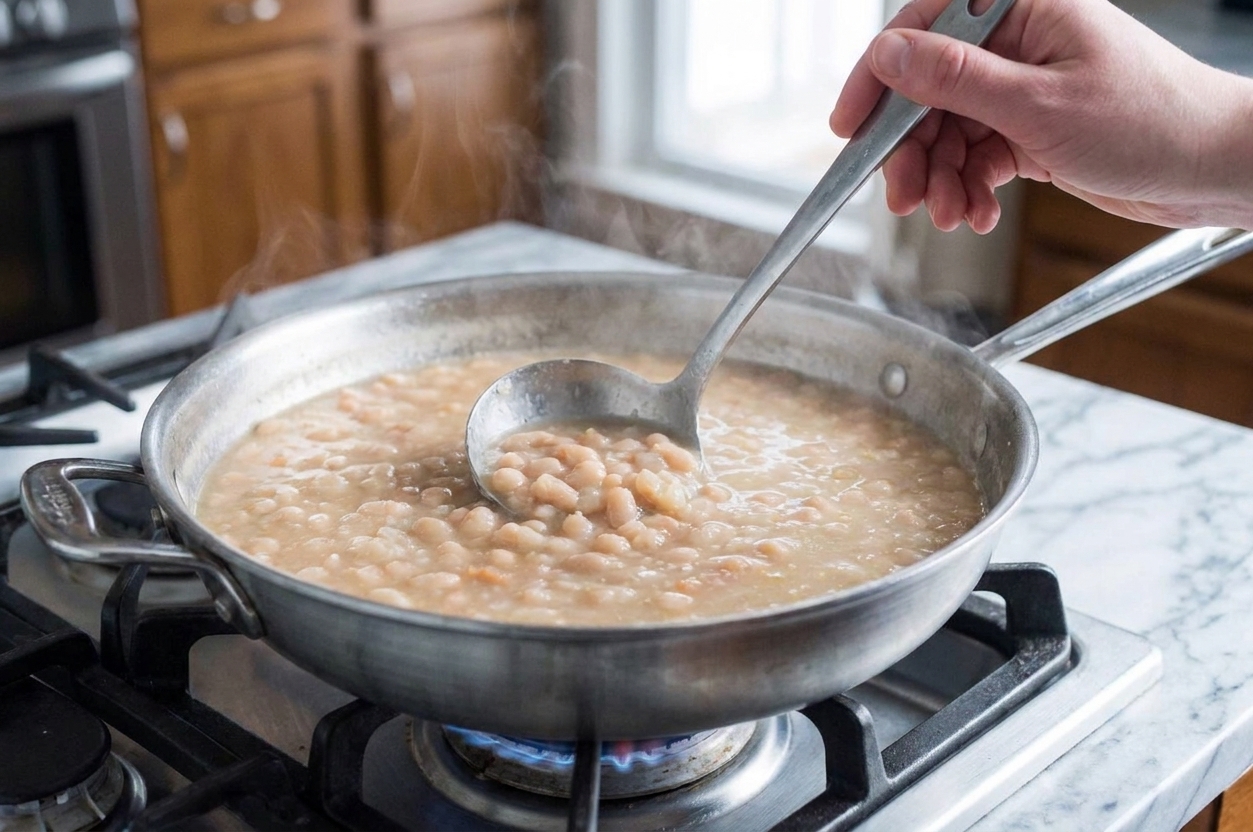
Creamy soups are freezer-friendly, but they do need a softer touch. The main risks are separation, graininess, and curdling, especially when dairy is heated too quickly or paired with acidic ingredients.
Best option: add dairy later
If you are making a creamy soup from scratch, the best trick is to freeze the soup base and stir in cream, milk, sour cream, or yogurt after reheating. This is especially helpful for:
- potato soup
- broccoli cheddar soup
- clam chowder
- creamy mushroom soup
- tomato soup with cream
If it already has dairy
Many creamy soups freeze just fine, especially ones thickened with flour (roux) or blended vegetables. Here is how to improve your odds:
- Cool fully before freezing. Warm dairy is more likely to separate.
- Freeze in smaller portions. Faster freezing and faster reheating means less time in the weird texture zone.
- Avoid boiling on reheat. Boiling is a common path to curdling, especially with milk, sour cream, yogurt, or acidic soups.
Reheating creamy soup
- Thaw overnight in the fridge when possible.
- Warm in a saucepan over low to medium-low heat, stirring often.
- If it looks separated, take it off the heat and whisk vigorously. An immersion blender works beautifully here too.
- Heat until steaming hot throughout, keeping it just below a simmer. For leftovers with meat or seafood, aim for 165°F. Do not boil.
- If needed, add a small splash of milk, broth, or water to loosen, then season again.
Fixing grainy or broken soup
- Whisk off heat for 30 to 60 seconds, then return to low heat.
- Immersion blend until smooth, especially for chowders and potato soups.
- Add a stabilizer if you need it: a spoonful of cream cheese, a little more roux, or a slurry of cornstarch and cold water can help bring the texture back together.
Noodle and rice soups
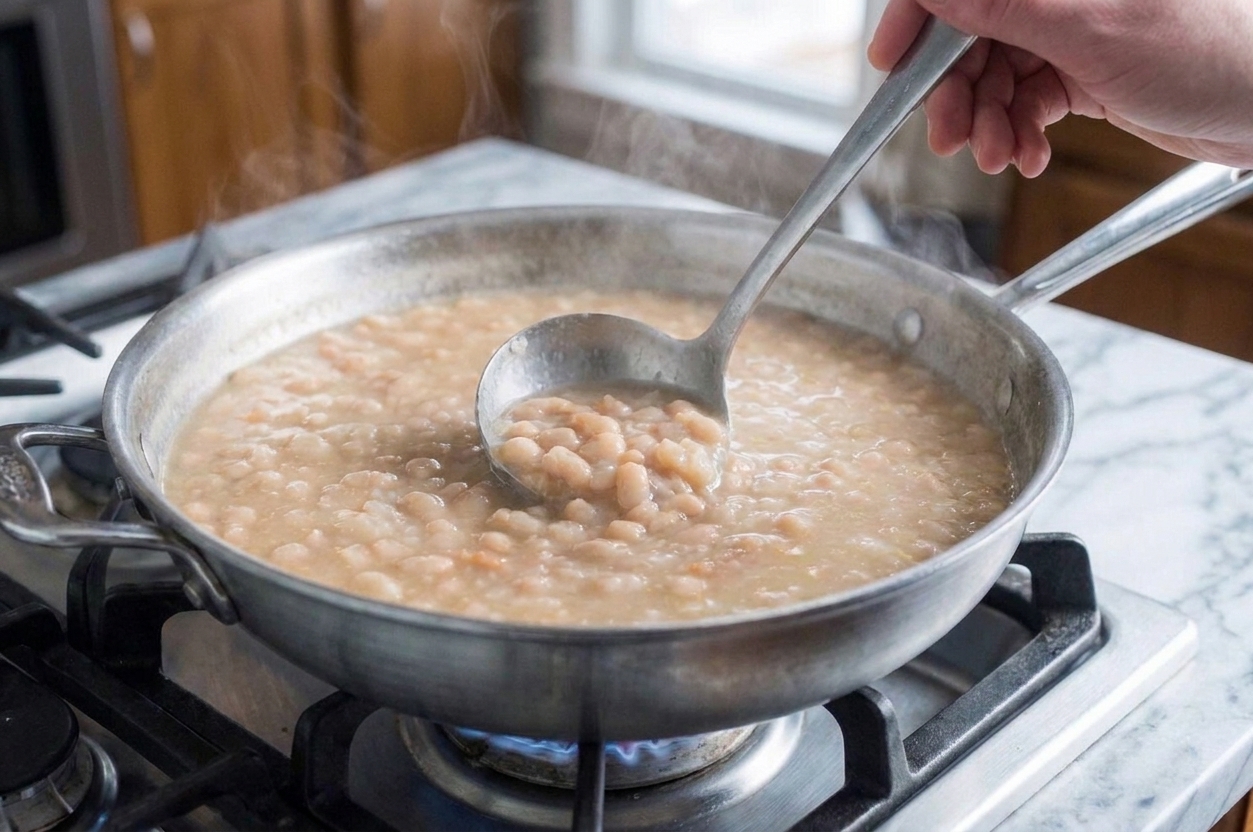
Noodles and rice keep absorbing liquid even after cooking, which means they get soft fast. If you want soup that eats like day one, separate the starch.
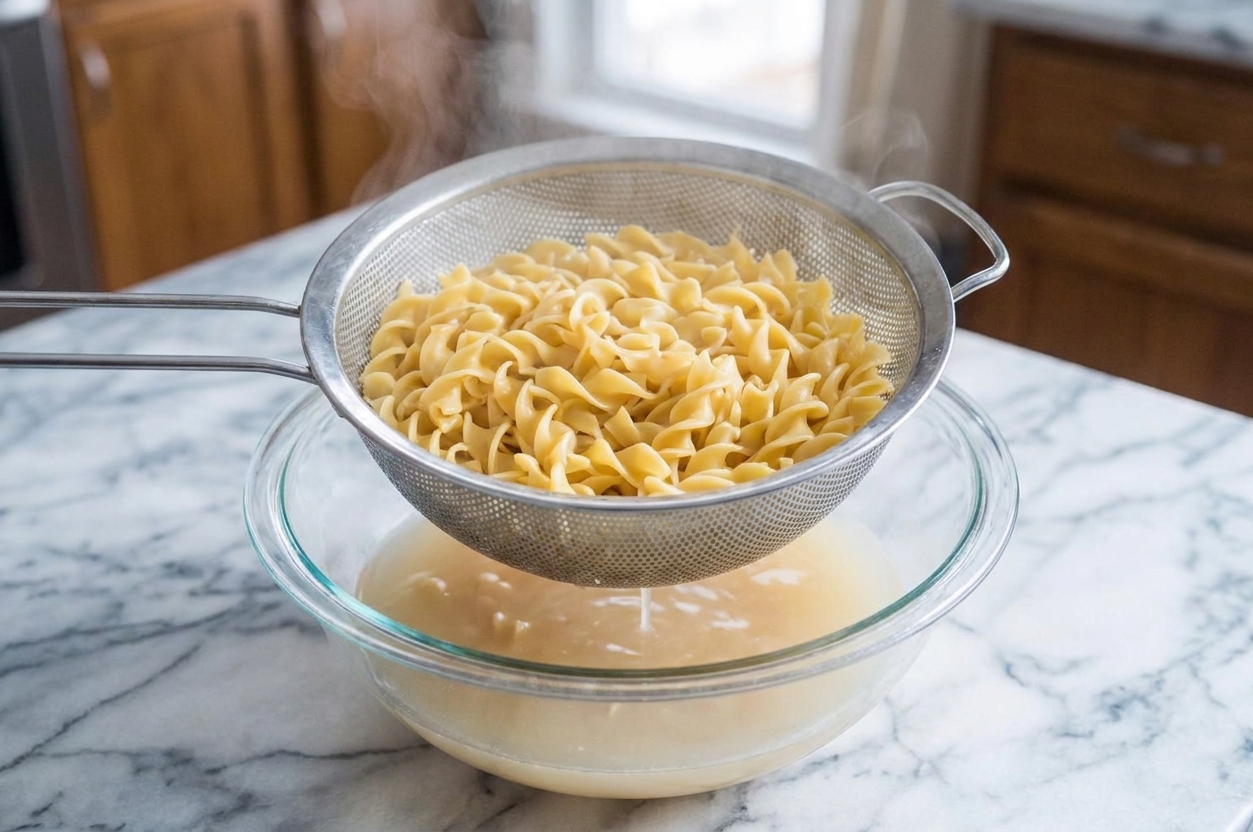
Best approach: freeze separately
For chicken noodle, ramen-style soups, tortellini soup, and rice soups, do this:
- Strain out noodles or rice (or scoop them out with a slotted spoon) before freezing.
- Freeze the broth and solids (meat, vegetables) in one container.
- Store noodles or rice in a separate freezer bag or container, tossed with a tiny drizzle of oil to reduce clumping.
- Reheat the soup base first, then add the noodles or rice at the end just long enough to warm through.
If noodles are already in the soup
You can freeze it, but the noodles will soften. That is not wrong, it is just a different texture. If you want the best version of that soup, cook a fresh handful of noodles on reheat and stir them in.
Reheating without overcooking
- Thaw the soup base overnight if possible.
- Warm base over medium-low until hot and steaming.
- Add noodles or rice and cook 30 seconds to 2 minutes, just to heat through.
- Turn off heat, then add delicate greens and herbs.
Ingredient notes
These are the ingredients that most often surprise people after freezing, plus what to do about them.
- Potatoes: Waxy potatoes hold up best. If your soup relies on big potato chunks, expect them to soften. Puréed potato soups can turn slightly grainy, but blending while reheating usually fixes it.
- Beans and lentils: Great for freezing. They may soften a bit more, so avoid overcooking before freezing.
- Leafy greens: Spinach and kale are fine, but will be softer. If you love a fresher bite, add greens during reheating.
- Seafood: Texture can suffer, and seafood plus dairy can be extra finicky. If you can, freeze the base and add seafood during reheating. For chowders, warm the base gently first, then add seafood at the end and cook just until done.
- Fresh herbs: Freeze fine, but flavor dulls. Add a small handful of fresh herbs at the end for a bright finish.
Thawing methods
I am all for flexibility, but if you want the best texture, thawing method matters.
1) Overnight in the fridge
This is the gentlest option and gives the most even reheating.
2) Cold-water bath
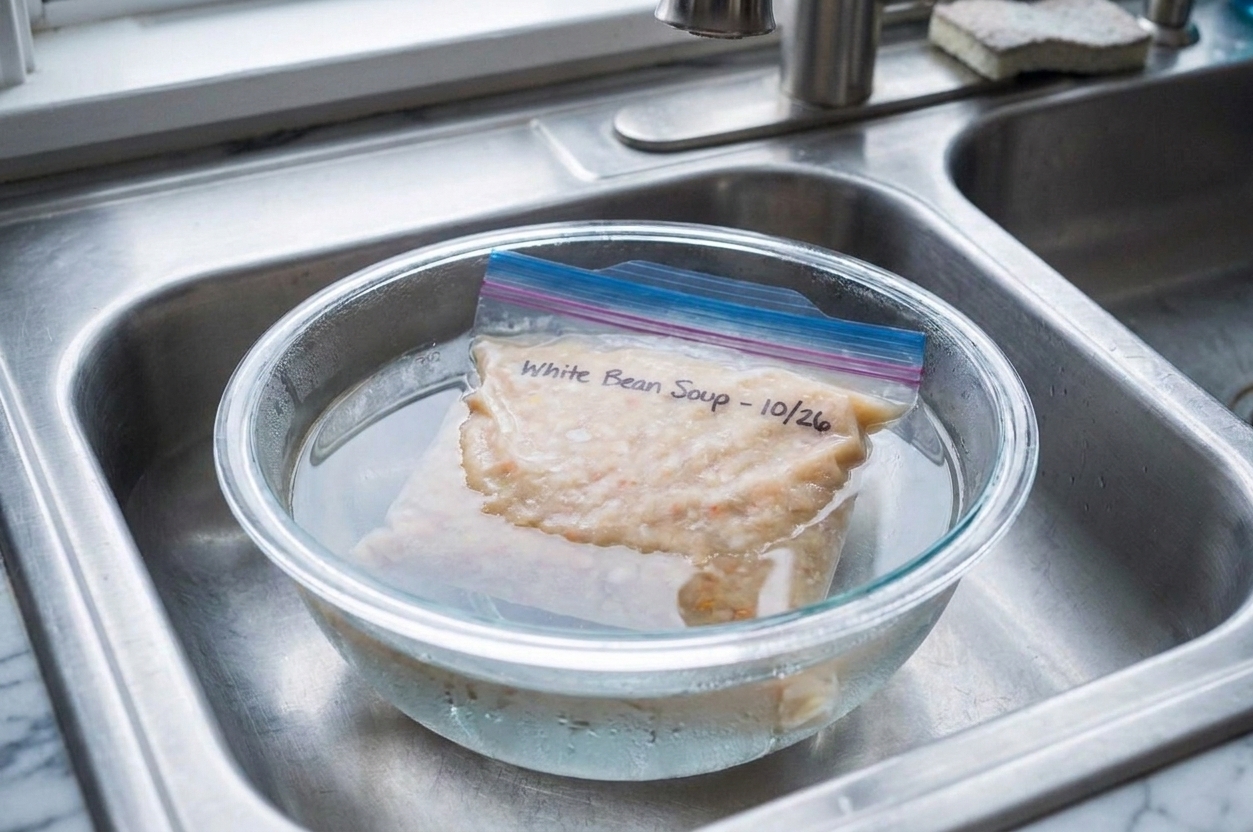
Keep soup in a sealed bag or leakproof container, submerge in cold water, and change the water every 30 minutes until thawed enough to reheat.
3) Straight from frozen on the stove
This works, especially for broth soups. Use low heat and cover the pot. Stir and break up the frozen block as it loosens. The goal is to avoid scorching the edges.
Microwave thawing
Microwaves heat unevenly, which is rough on creamy soups. If you use the microwave, do it in short bursts at medium power, stirring frequently, until it is loose enough to finish on the stove.
FAQs
Why did my soup turn watery after freezing?
Some separation is normal, especially in soups with blended vegetables or dairy. Reheat gently and whisk well. If it is still thin, simmer uncovered a few minutes to reduce, or add a small cornstarch slurry (mix cornstarch with cold water first).
Why did my creamy soup curdle?
Usually the heat was too high or the soup boiled. Acidity and the type of dairy also matter. Next time, reheat on low and keep it below a simmer. If it happens, take it off heat and blend or whisk hard to bring it back together.
Can I freeze soup in jars?
Yes, with the right jar and the right method. Use straight-sided, freezer-safe wide-mouth jars, leave plenty of headspace, and cool the soup completely first. To reduce cracking risk, avoid sudden temperature changes (for example, setting a hot jar on a cold surface). Also, do not fully tighten the lid until everything is chilled so heat can escape.
How do I prevent freezer burn?
Use airtight containers, press excess air out of freezer bags, and freeze soup quickly. Keeping portions smaller also helps because they freeze faster and spend less time half-frozen.
How long can soup stay in the freezer?
For best quality, aim for 2 to 3 months. It will often be safe longer if stored consistently frozen, but texture and flavor gradually decline.
What is the best way to freeze chicken noodle soup?
Freeze the broth, chicken, and vegetables together, but keep the noodles separate. Reheat the base until steaming hot, then add noodles at the end just long enough to warm through.
Quick checklist
- Cool quickly in a shallow container, then chill fully before freezing.
- Portion into meal-sized amounts.
- Leave headspace and label everything.
- Reheat gently, and for soups with meat, poultry, or seafood, aim for 165°F.
- For noodle or rice soups, freeze the starch separately when you can.
- Season at the end. Soups can taste a little flat after freezing, and they can taste saltier if you reduce them while reheating.
- Refresh with lemon, herbs, or a drizzle of good olive oil.
If you tell me what kind of soup you are freezing, I can help you choose the best container and the best reheat plan for that specific pot of leftovers. There is almost always a way to make it taste like you cooked it on purpose.