


You know that moment when a muffin is perfect, still warm, domed and fluffy, and then somehow by the next morning it has the texture of polite cardboard? Let’s fix that. Muffins dry out for a few very specific reasons: carryover heat that keeps baking them after they leave the oven, too much air exposure, or the wrong kind of storage for the timeline you actually need. With a few small habits right after baking, you can keep muffins soft, tender, and genuinely enjoyable for days.

The 10-minute window
The biggest secret to moist muffins is what you do immediately after they come out of the oven. Moisture is still moving around inside the muffin at this point. Treat that moisture well and it stays in the crumb. Handle it poorly and it evaporates into the air.
Step 1: Rest briefly, then remove
Let muffins rest in the pan for about 5 to 10 minutes. This short rest helps them set so the bottoms do not tear. But do not leave them in the hot pan much longer than that. The pan’s residual heat keeps cooking the edges and bottoms, which can dry them out.
- Standard metal pan: 5 to 10 minutes, then remove.
- Dark nonstick pan: lean closer to 5 minutes, it holds heat aggressively.
- Silicone pan: remove when they feel set, silicone traps steam and can make bottoms soggy if left too long.
Step 2: Cool on a wire rack
Transfer muffins to a wire rack so air can circulate all around. This prevents condensation from building up underneath, which can make the bottoms wet while the tops still dry out.
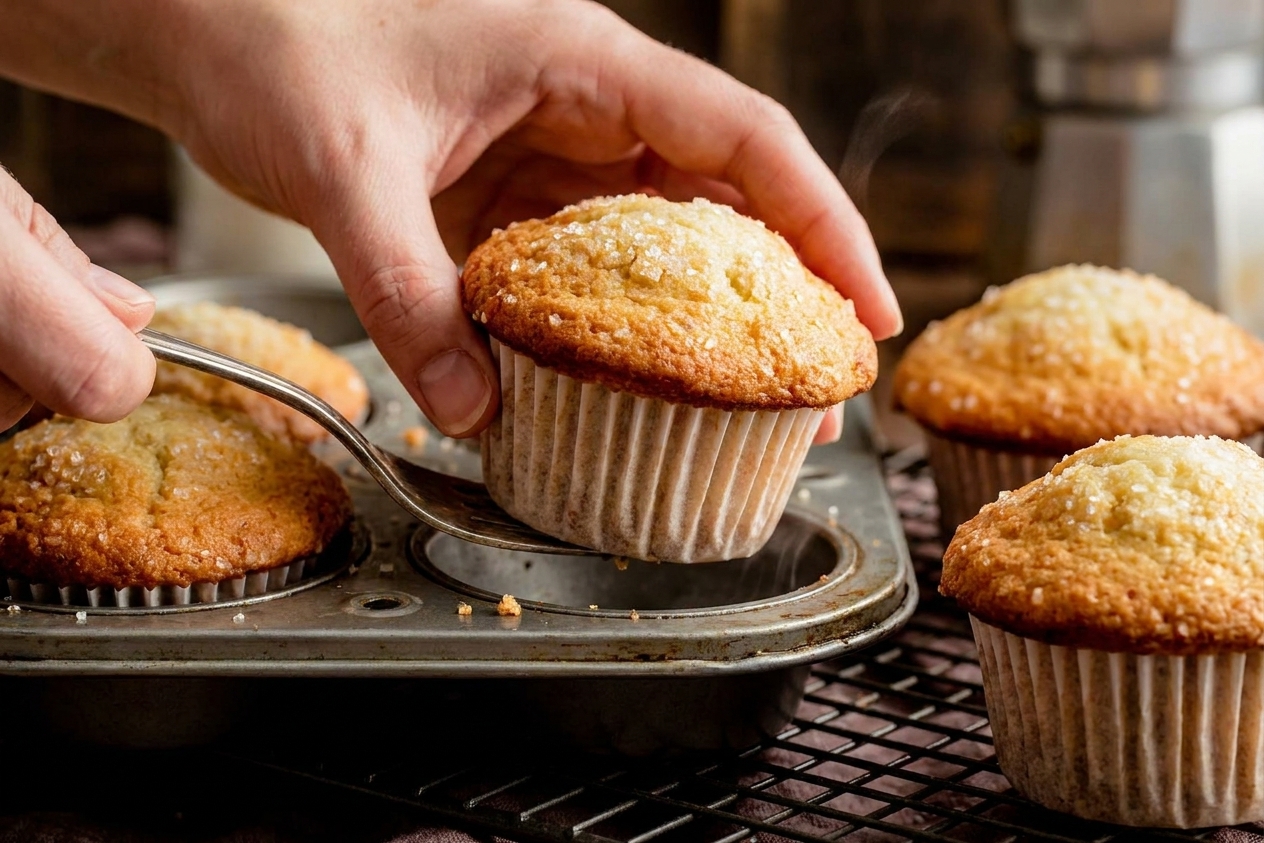
Step 3: Wrap when no steam is rising
This is the sweet spot: muffins should be cool enough that you do not see steam (or feel wet warmth) when you bag them, but still faintly warm to the touch. In many kitchens that might be 20 to 45 minutes, but go by the cue, not the clock.
How to store muffins
There is no single best storage method for every situation. The right choice depends on time: today, tomorrow, or next week.
For 24 hours
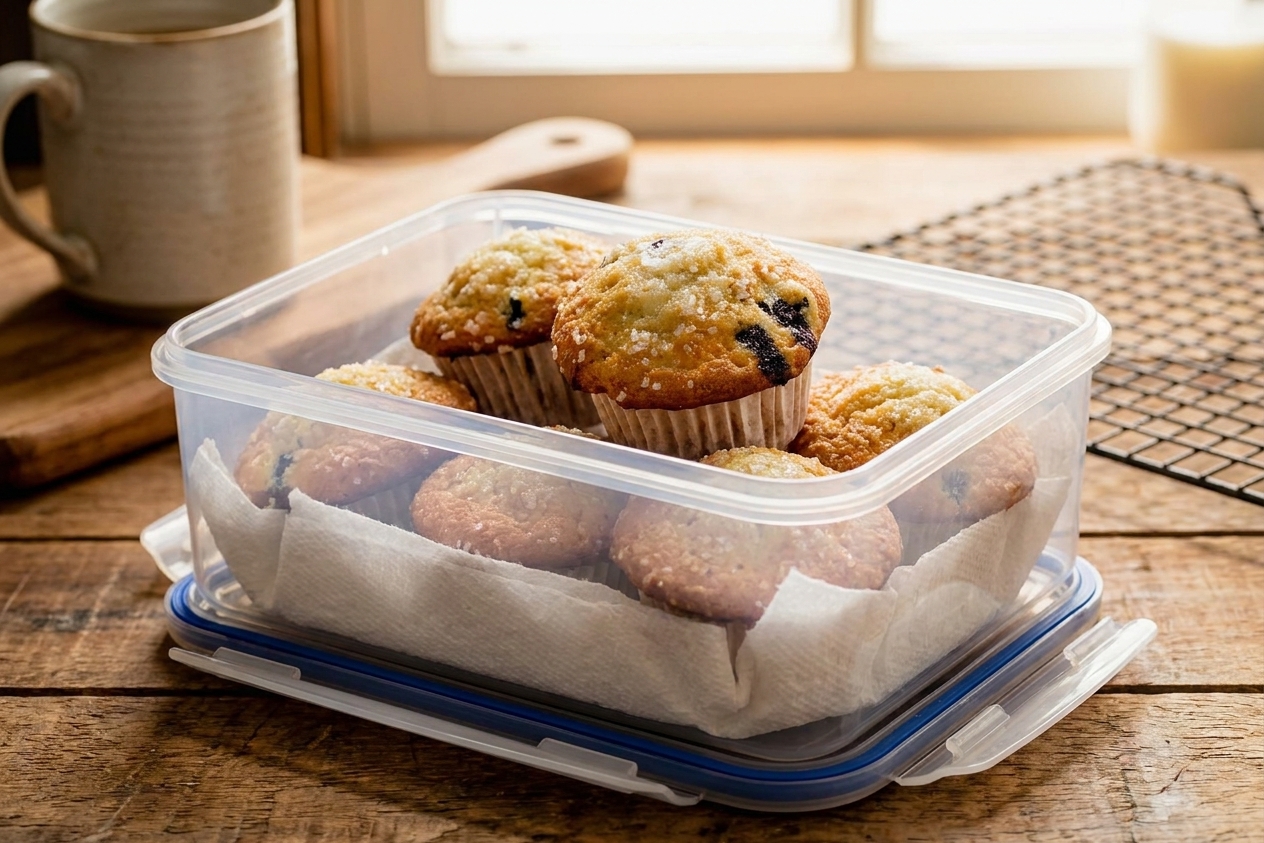
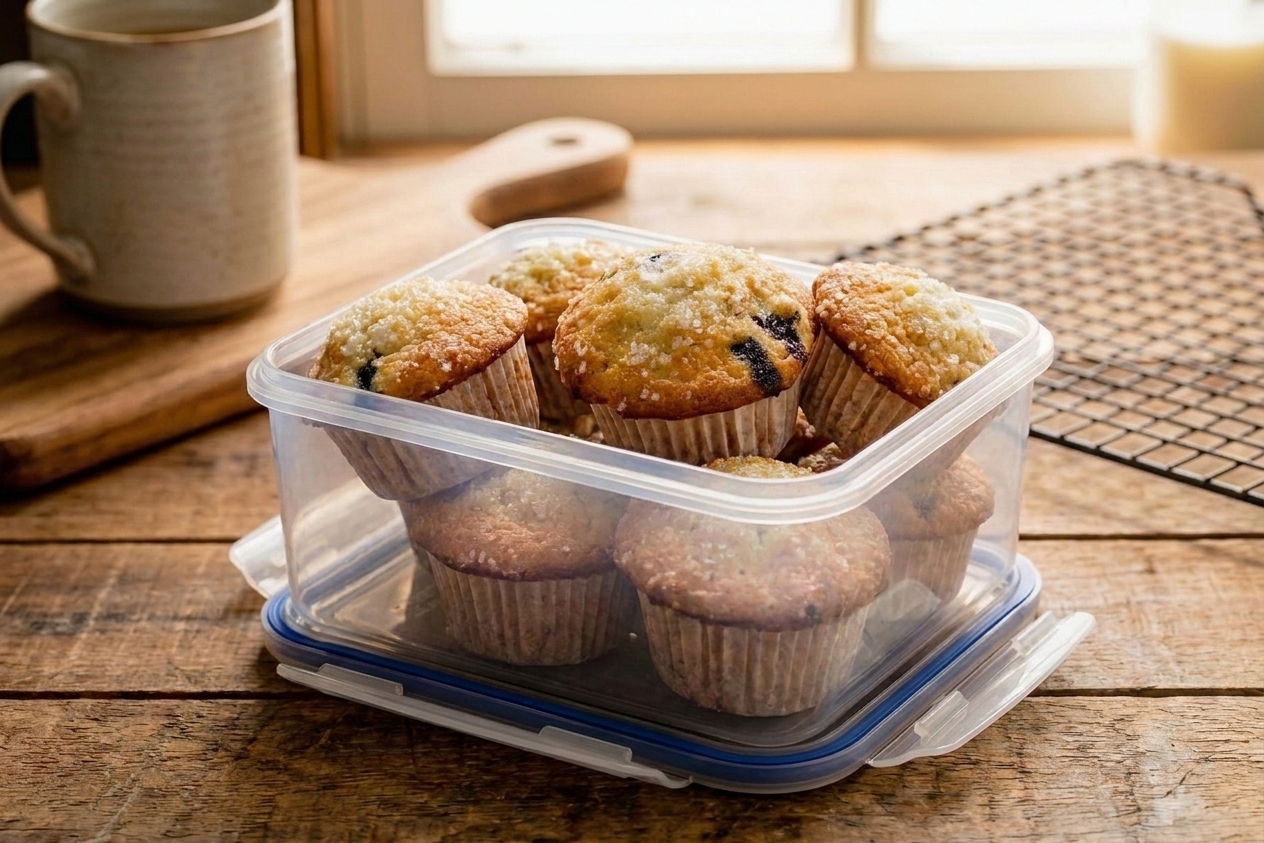
Use an airtight container with paper towels to manage moisture. Line an airtight container with a paper towel, add the muffins in a single layer, then place another paper towel on top before closing the lid. The towels absorb excess surface moisture so you avoid sogginess, while the container prevents dry air from stealing your muffin’s tenderness.
- Cool muffins most of the way first.
- Paper towel below and above helps regulate moisture.
- Keep at room temperature, away from sunlight and the stove.
For 2 to 3 days
Wrap individually, then store as a group. This is my favorite method because it protects the edges from drying out.
- Once muffins are mostly cool, wrap each muffin in plastic wrap or reusable wrap.
- Place the wrapped muffins in a sealed bag or container.
- Store at room temperature.
Individual wrapping sounds fussy, but it is the biggest upgrade if you bake on Sunday and snack through Tuesday.
For longer than 3 days
Freeze them. Refrigeration dries muffins out fast because the cold environment speeds up starch retrogradation, which is the process that makes baked goods feel stale and firm. Freezing, on the other hand, slows staling dramatically.
- Cool completely.
- Wrap each muffin tightly.
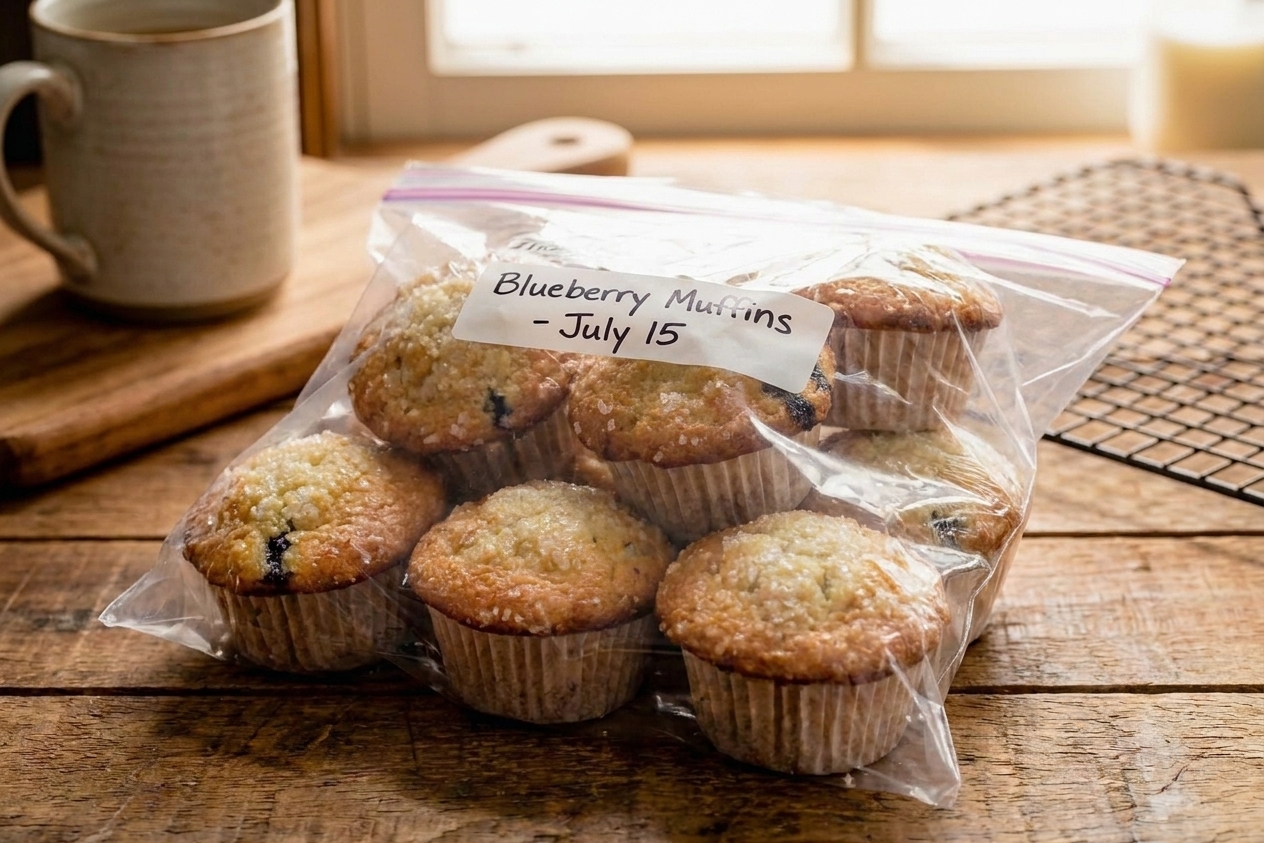
- Place in a freezer bag and press out excess air.
- Freeze up to 2 to 3 months for best texture (they stay safe longer, but quality slowly drops).
To thaw: let muffins sit at room temperature, still wrapped, until defrosted. For a faster fix, microwave from frozen in short bursts (see reheating below). Tight wrapping matters here, because freezer burn is basically dryness with bad vibes.
Should you refrigerate muffins?
Usually, no. The fridge is excellent for food safety, but not for keeping muffins soft. Most muffins go stale faster in the refrigerator than they do on the counter.
When refrigeration makes sense: If your muffins have a truly perishable filling or topping, like cream cheese frosting, custard, whipped cream, or a very dairy-forward cream cheese swirl. Also consider the fridge if your kitchen is very hot. In those cases, refrigerate in a covered container, then bring to room temperature or rewarm gently before eating for a softer bite.
Warm them gently
Reheating is the quickest way to make day-old muffins taste bakery-fresh, but the method matters.
Microwave
- Wrap the muffin in a slightly damp paper towel.
- Microwave 10 to 15 seconds, then check.
- Add 5-second bursts if needed.
The damp towel adds a tiny bit of moisture to the surface and helps the crumb soften instead of toughen.
Oven or toaster oven
- Heat to 300°F.
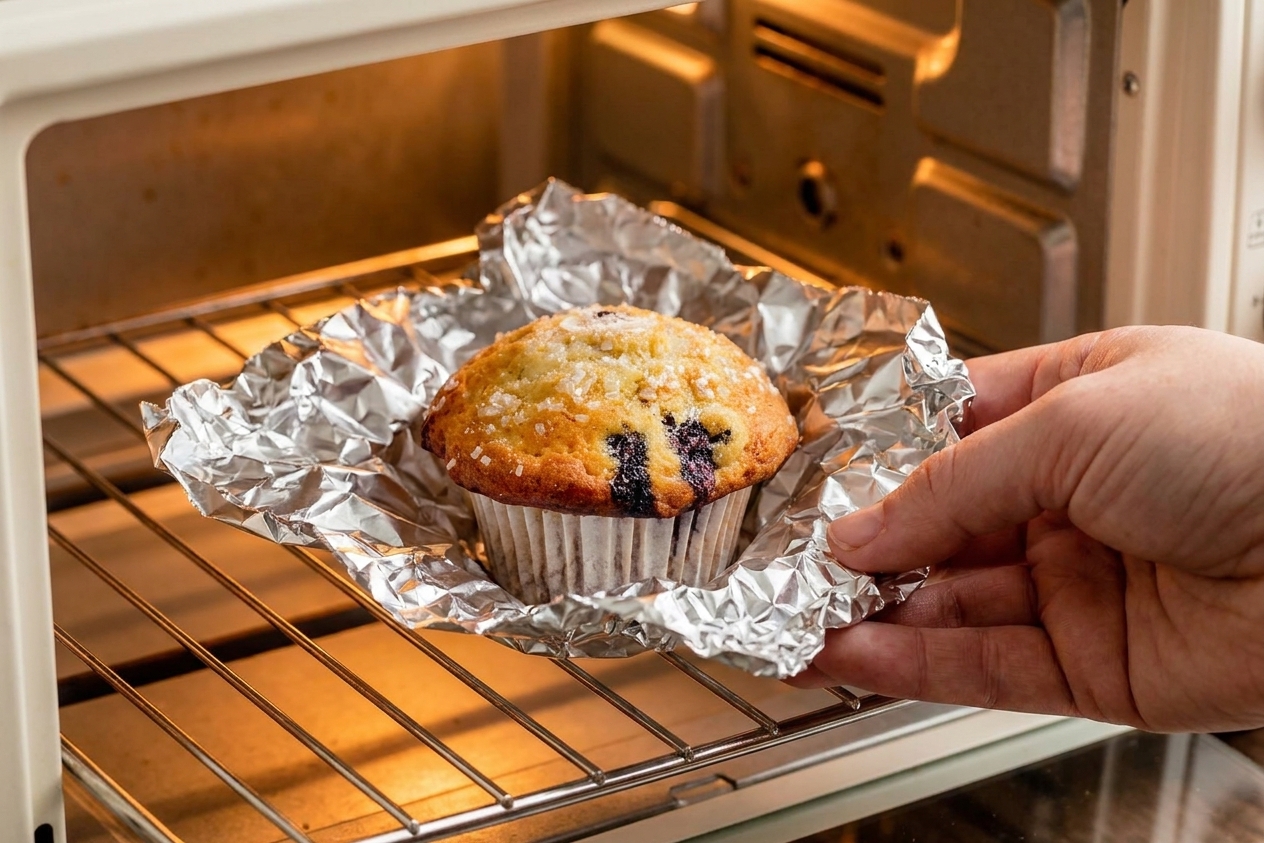
- Wrap muffins in foil to prevent drying.
- Warm 8 to 12 minutes.
If you want a slightly crisp top, open the foil for the last 1 to 2 minutes.
Wrapping options
Here is how I choose when I am trying to keep muffins tender.
- Individual plastic wrap: Best moisture retention for 1 to 3 days, and great for freezing.
- Airtight container + paper towels: Best for overnight storage and preventing soggy tops.
- Resealable bag: Works well, but muffins can get sticky tops if they are still warm when bagged.
- Foil alone: Okay short term, but not as airtight as you think. Better as a reheating wrap than a storage plan.
- Leaving them uncovered: Guaranteed dryness, even if your kitchen feels humid.
If you live somewhere very humid, you may notice stickier tops at room temperature. The paper-towel container method helps, and individual wrapping tends to keep texture more consistent.
Mistakes that dry muffins
If your muffins consistently dry out, one of these is usually the culprit.
1) Overbaking
Muffins are small, so two extra minutes can be the difference between tender and dry. Start checking early. Look for these signs:
- Tops spring back lightly when touched.
- A toothpick comes out with a few moist crumbs, not bone dry.
- Edges are set but not dark and hard.
2) Leaving them in the pan too long
The hot pan keeps baking the bottoms and edges after they come out of the oven. Set a timer for 5 to 10 minutes, then get them onto a rack.
3) Refrigerating to “keep them fresh”
I know it feels logical, but the fridge makes most muffins stale faster. Freeze instead for longer storage (unless you are dealing with a perishable filling or topping).
4) Bagging them while hot
Hot muffins release steam, and steam trapped in a bag turns into condensation. You end up with damp, sticky tops and an uneven texture. Wait until there is no visible steam and they feel only faintly warm.
5) Using a container that is too large
Extra headspace equals extra air, and extra air dries things out. Choose a container that fits your batch snugly, especially if you have only a few muffins left.
Bake for moisture
Storage helps, but you can also set yourself up for success in the mixing bowl.
Choose your fat
- Oil: Often yields a moister crumb that stays soft longer.
- Butter: Delicious flavor, but muffins can firm up more as they cool.
- Best of both: Some recipes use a mix for flavor plus moisture.
Add a moisture helper
Ingredients like sour cream, Greek yogurt, buttermilk, mashed banana, applesauce, pumpkin, and even grated zucchini can help muffins stay tender longer because they add moisture and softness to the crumb structure.
Measure flour gently
Too much flour is a classic route to dryness. If you are using measuring cups, fluff the flour, spoon it in, and level it off. Packing flour into a cup can add more than you think.
Do not overmix
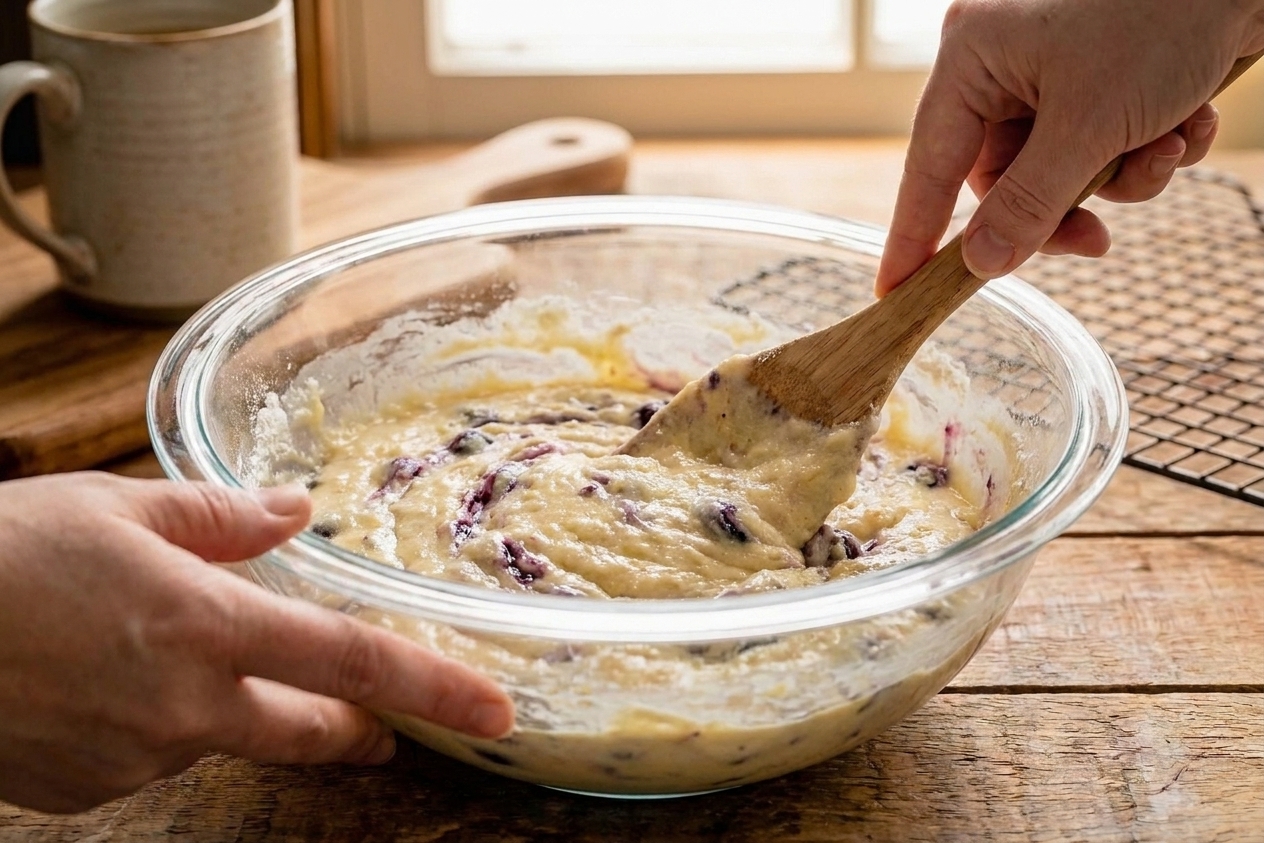
Overmixing develops gluten, which makes muffins tougher and more prone to feeling dry. Mix just until you no longer see dry flour streaks. A few small lumps are fine.
Muffin moisture FAQ
How do I keep muffins moist overnight?
Cool on a rack, then store at room temperature in an airtight container lined with paper towels (one underneath, one on top).
Can I store muffins in a zip-top bag?
Yes. Let them cool first, then press out excess air. For best results, wrap muffins individually before bagging.
Why are my muffins dry the next day even when covered?
Most often it is slight overbaking, too much flour, or too much air in the container. Pull them 1 to 2 minutes earlier next time and store snugly or wrap individually.
How do I keep muffins moist without making them soggy?
Do not trap steam. Cool on a wire rack, then use paper towels in the container to absorb surface moisture.
What is the best way to freeze muffins?
Cool completely, wrap tightly, then freeze in a freezer bag with as much air removed as possible. Thaw still wrapped at room temperature, then rewarm briefly.
How do I revive dry muffins?
Microwave for 10 to 15 seconds wrapped in a slightly damp paper towel. For a batch, wrap in foil and warm in a 300°F oven until soft.
My routine
If you want the shortest, most effective game plan, this is the one I use in my own kitchen:
- Cool muffins in the pan for 5 to 10 minutes.
- Move to a wire rack until no steam is rising and they feel faintly warm.
- For tomorrow: airtight container + paper towel.
- For 2 to 3 days: wrap individually, then seal in a container.
- For longer: freeze individually wrapped muffins in a freezer bag.
Moist muffins are not about fancy tricks. It is about timing, airflow, and choosing the right storage for how your week actually looks.