Everything you need to know about replacing eggs, butter, and milk in everyday baking. Get the right swap for the job, avoid gummy cakes and dry cookies, and...
Recipeva
Vegan Egg Substitutes for Baking
Flax eggs, applesauce, aquafaba, and store-bought egg replacers explained. Learn what works best for cakes, cookies, brownies, and beyond with easy ratios and tips.

Maya Reynolds
Maya Reynolds is a passionate home cook, recipe developer, and the creative voice behind Recipeva. With over a decade of experience translating complex culinary techniques into approachable weeknight meals, she focuses on creating dishes that bring joy to the dinner table without the stress.
Created September 21, 2026
Updated September 21, 2026
Eggs in baking, in plain English
If you have ever stared at a cake recipe and thought, “Okay, but what are the eggs actually doing?”, you are my kind of baker. Eggs are doing a few jobs at once, and the best vegan swap depends on which job matters most in that recipe.
- Binding: holding everything together so cookies do not crumble and brownies slice cleanly.
- Moisture: adding tenderness, especially in cakes and quick breads.
- Lift: trapping air for lighter crumbs and fluffier textures.
- Structure and emulsifying: egg proteins set as they bake (hello, stability), and eggs help fat and water mix smoothly so batters bake up even.
Most vegan “egg” options are great at one or two of these. So instead of hunting for one magical substitute, I pick the one that best fits the dessert I am making.
Quick pick: which substitute should you use?
If you want the fastest decision, start here. Then you can scroll down for the why and the how.
- Chewy cookies: flax egg (especially oatmeal, peanut butter, chocolate chip).
- Fudgy brownies: flax egg or a commercial replacer.
- Cakey brownies: commercial replacer, or aquafaba if you need extra lift.
- Light cakes and cupcakes: commercial replacer for structure, or aquafaba for lift (best when paired with a recipe designed for it).
- Dense, moist cakes (like spice or banana): applesauce (or half applesauce, half commercial replacer for better structure).
- Waffles and pancakes: applesauce or commercial replacer.
My rule of thumb: if the recipe uses 1 to 2 eggs, most swaps behave nicely. If it uses 3+ eggs or whips egg whites, choose a vegan recipe built for that structure or plan on aquafaba plus careful leavening.
Flax egg
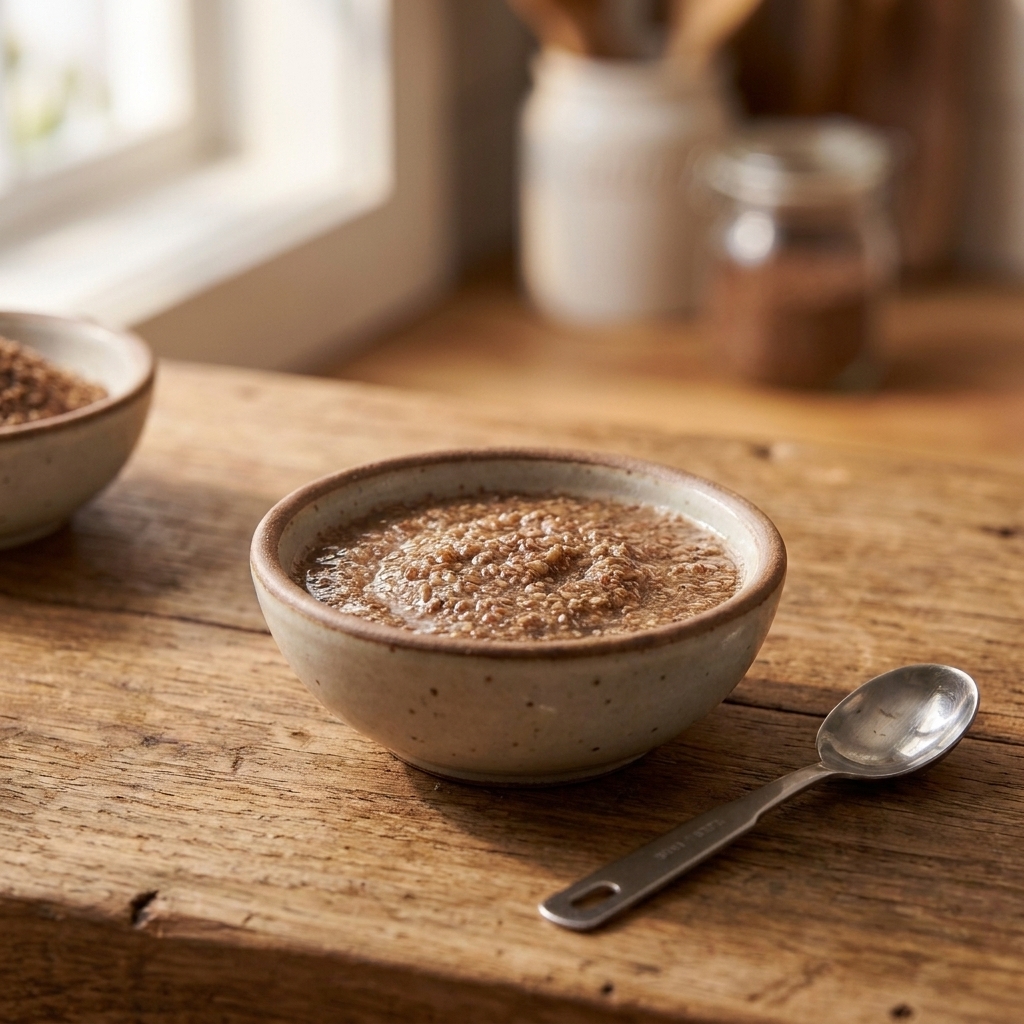
What it is
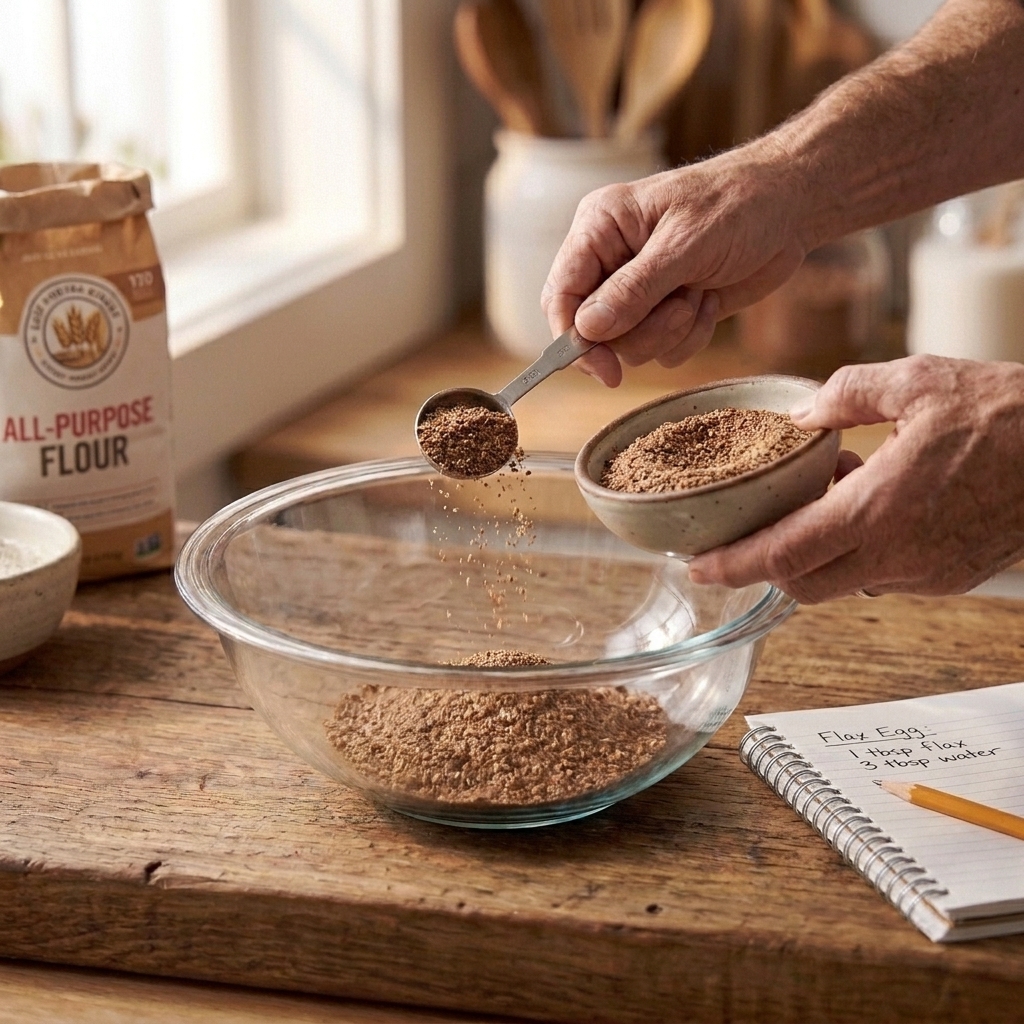
Ground flaxseed mixed with water becomes a gel that acts like a binder. It is my everyday, weeknight-friendly choice because it is cheap, stable, and hard to mess up.
Quick note: chia seeds work the same way with the exact same ratio. If you have chia but no flax, you are still in business.
Best for
- Cookies (chewy, hearty styles)
- Brownies (fudgy)
- Muffins and quick breads
- Pancakes where you want a little tenderness
Ratio (1 “egg”)
- 1 tablespoon ground flaxseed (flax meal)
- 3 tablespoons water
Stir and let stand 5 to 10 minutes until thick and glossy.
My best tips
- Use ground flaxseed, not whole. Whole seeds will not gel properly.
- Let it thicken fully. If you rush, you lose binding power.
- Expect a slightly heartier crumb. Flax adds a mild nutty flavor that disappears in chocolate, spices, and peanut butter.
When I avoid it
Very light, delicate cakes where you want a clean vanilla flavor and an airy crumb. Flax can make those a bit dense.
Applesauce
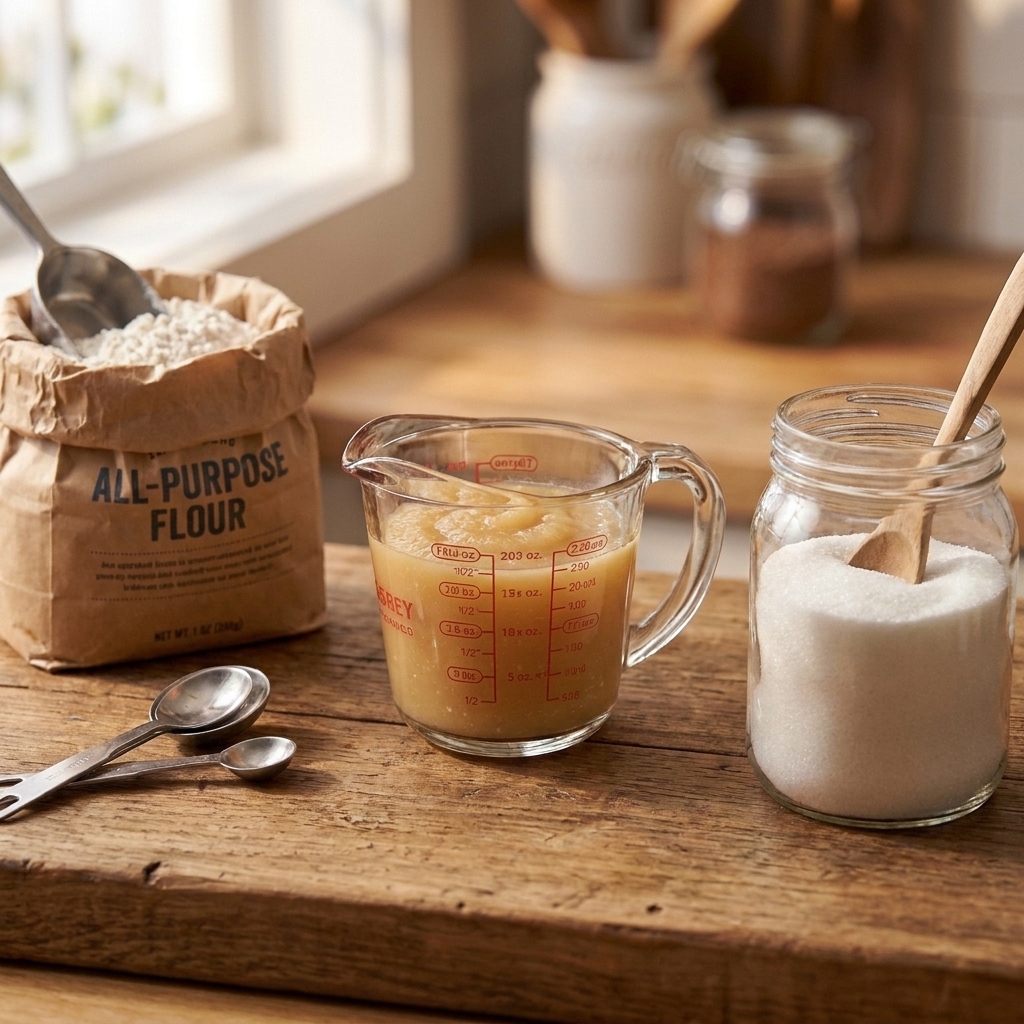
What it is
Applesauce is a moisture-booster that also provides gentle binding. Think tender, soft, and slightly more cakey.
Best for
- Cakes and cupcakes that are already moist (spice cake, carrot cake)
- Muffins and quick breads
- Bars where you want softness
Ratio (1 egg)
1/4 cup unsweetened applesauce.
My best tips
- Use unsweetened. Sweetened applesauce can push desserts into cloying territory.
- Balance the moisture. If you swap applesauce into a recipe that is already very wet, you may need an extra tablespoon or two of flour.
- Add lift carefully. Applesauce does not add much structure, so in cakes (not cookies) I sometimes add up to 1/4 teaspoon baking powder per egg replaced, and only if the recipe does not already have plenty of leavening.
When I avoid it
Crunchy cookies. Applesauce tends to make them more cake-like and can reduce spread in unpredictable ways.
Aquafaba
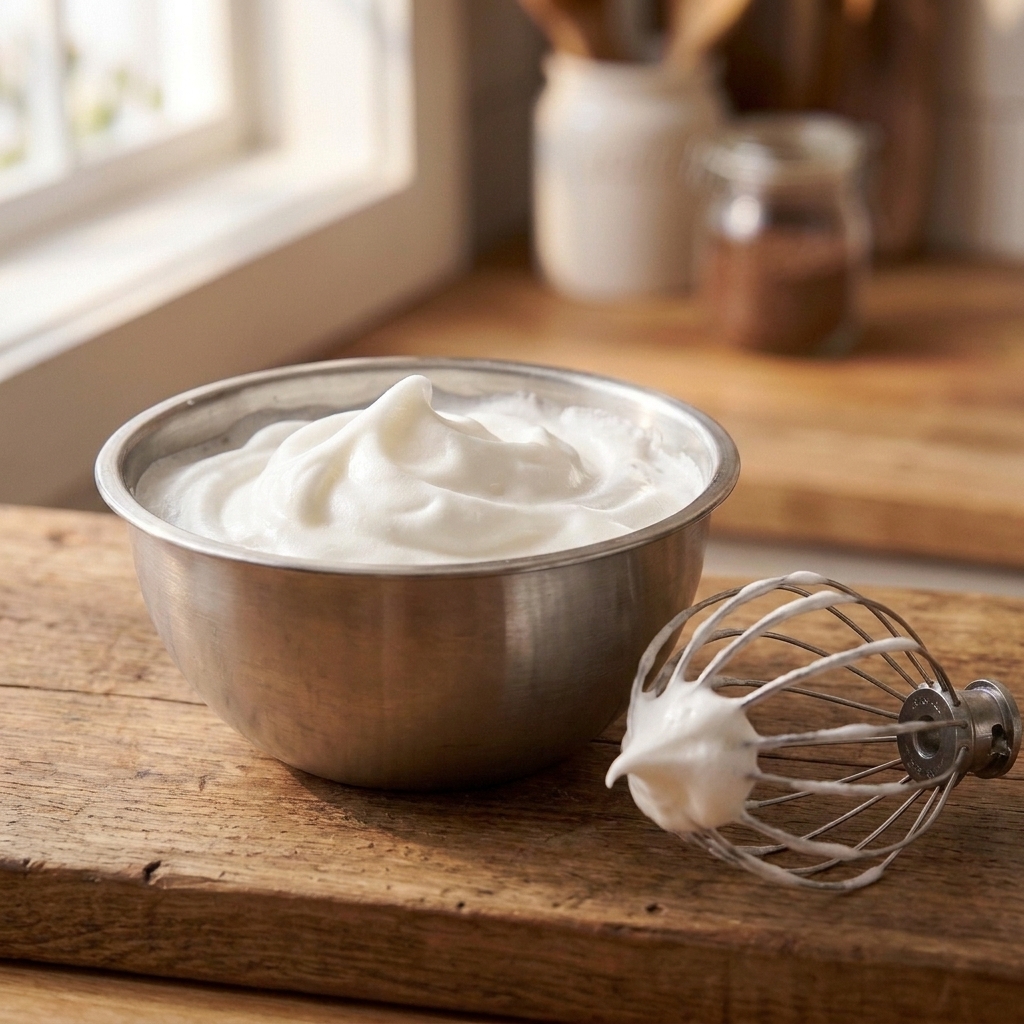
What it is
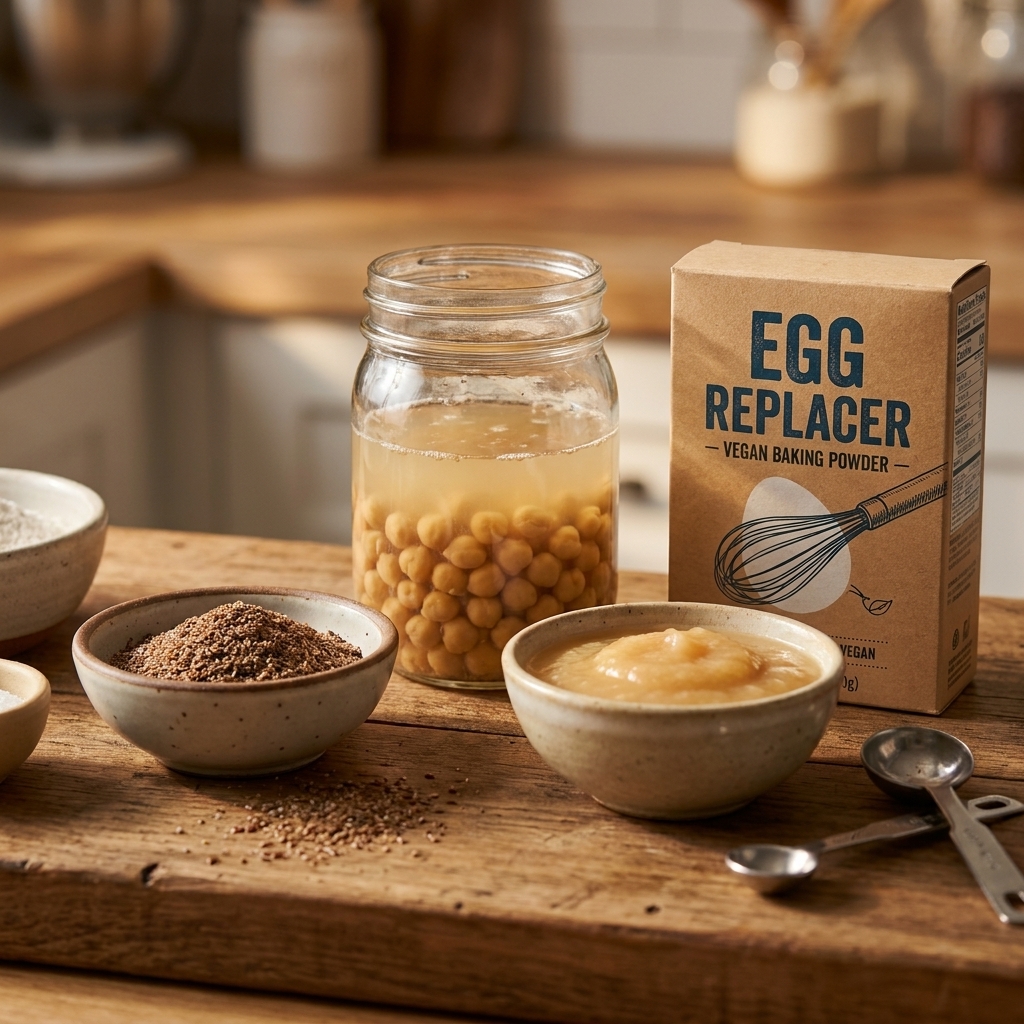
Aquafaba is the liquid from a can of chickpeas. It can bind a bit, but its superpower is foaming, which means lift and a lighter texture when used well.
Best for
- Cakes and cupcakes that need more air
- Recipes that use egg whites for lift
- Meringue-style desserts (when you whip it with sugar)
- Some cookies that benefit from a lighter bite
Ratio (starting points)
Aquafaba can vary a lot by brand and can thickness, so treat these as reliable starting points and adjust if needed.
- Whole egg: start with 3 tablespoons aquafaba per egg. If your batter seems dry or you need more structure, increase toward 4 to 6 tablespoons.
- Egg white: start with 2 to 3 tablespoons aquafaba per egg white, then whip as needed for the recipe.
My best tips
- Use unsalted chickpeas when possible. Salt can peek through in delicate desserts.
- Reduce for power. If your aquafaba looks very thin, simmer it for a few minutes to slightly thicken, then cool before using.
- Whip in a clean bowl. Any grease can prevent foaming.
When I avoid it
Super-fudgy brownies. Aquafaba can make them a little more cakey unless the recipe is built for it.
Commercial egg replacers
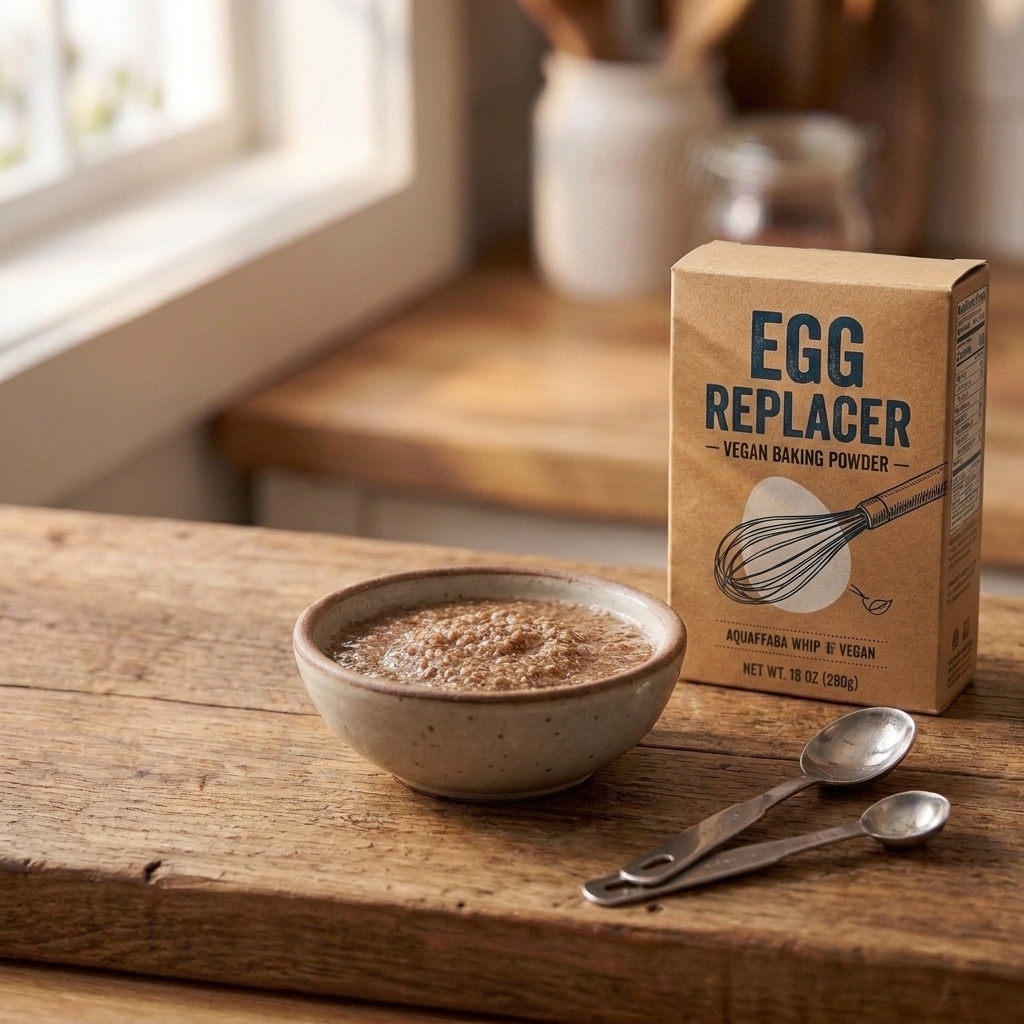
What it is
Store-bought egg replacers are usually starches plus leavening and or binders (like gums or fiber) formulated to provide reliable binding and structure. If I am baking for a birthday or a bake sale and I want the most predictable results, this is often my pick.
Best for
- Cakes and cupcakes
- Cookies when you want consistent texture
- Brownies when you want clean slices
General ratio (check your label)
Most are mixed with water to form a slurry that equals 1 egg. Follow the package, but a common pattern is around 1 to 1 1/2 teaspoons powder + 2 tablespoons water per egg.
My best tips
- Mix thoroughly. You want a smooth slurry with no dry pockets.
- Do not overdo it. Too much replacer can make baked goods gummy or bready.
- Great for multi-egg recipes. If a cake calls for 3 eggs, commercial replacer usually performs more reliably than single-ingredient swaps.
Other good options
If you are staring at your pantry, these honorable mentions can absolutely work. I like them best in recipes that are already meant to be moist and dense.
- Mashed banana: great in muffins, pancakes, and banana bread vibes. Use 1/4 cup per egg and expect banana flavor.
- Silken tofu: smooth, protein-rich structure for dense cakes and brownies. Blend until silky and use 1/4 cup per egg.
- Pumpkin puree: cozy, moist quick breads and spice cakes. Use 1/4 cup per egg and expect a slightly heavier crumb.
Also: kala namak (black salt) is for eggy flavor in savory dishes, not for replacing eggs in baking structure.
Best choices by dessert
Cakes and cupcakes
For a fluffy, evenly risen cake, structure matters.
- Best overall: commercial egg replacer
- Best for lift: aquafaba (especially if whipped or used in a recipe designed for it)
- Best for moist, cozy cakes: applesauce (spice, carrot, banana-style cakes)
Tip: If your cake batter looks very thick after swapping, add 1 to 2 tablespoons plant milk to loosen it. Cake batter should be pourable or easily spreadable, not dough-like.
Cookies
Cookies are all about spread, chew, and holding together.
- Best for chewy cookies: flax egg
- Best for consistent results: commercial replacer
- Use applesauce only if you want a softer, cakeier cookie.
Tip: If cookies are not spreading with flax, let the dough rest 10 minutes, then gently flatten dough balls before baking.
Brownies
Brownies can swing fudgy or cakey depending on the binder.
- Fudgy brownies: flax egg or commercial replacer
- Cakier brownies: aquafaba (especially if whipped) or commercial replacer with a small boost of baking powder only if your recipe is built for it
Tip: Vegan brownies usually need a full cool-down. Give them at least 30 to 60 minutes before slicing for the cleanest squares.
How to swap eggs without breaking the recipe
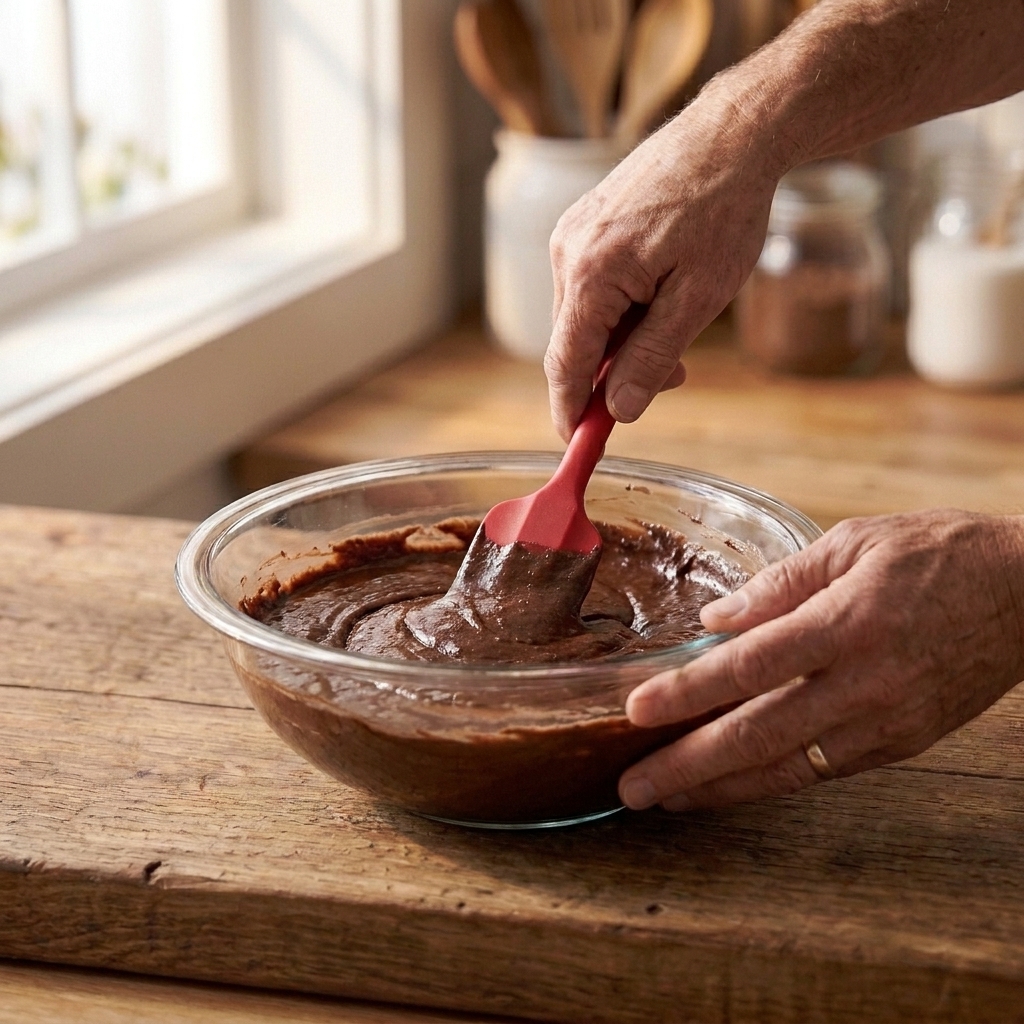
- Count the eggs. If a recipe uses more than 2 eggs, choose commercial replacer or a vegan recipe made for that style of cake.
- Watch the role of eggs. If eggs are whipped or separated, aquafaba is your best starting point.
- Mind moisture. Applesauce adds moisture. Flax adds thickness. Commercial replacer adds structure. Adjust plant milk or flour only in tiny amounts.
- Do a mini test bake. For cookies, bake 2 to 3 test cookies first. It is the easiest way to spot spread issues.
Common problems and quick fixes
My cake is dense
- Switch from flax to commercial replacer.
- Add up to 1/4 teaspoon baking powder per egg replaced (cakes only), and only if the recipe does not already have strong leavening.
- Do not overmix. Vegan batters can toughen just like regular ones.
My cookies are crumbly
- Increase binding: flax egg or commercial replacer tends to help more than applesauce.
- Let cookies cool fully on the pan. Many vegan cookies firm up as they cool.
My brownies are gummy
- Reduce replacer slightly next time, especially if you used more than the label suggests.
- Bake 3 to 5 minutes longer, then cool completely before slicing.
I can taste chickpeas
- Use aquafaba from unsalted chickpeas.
- Add 1/2 teaspoon vanilla in sweet recipes, or use cocoa, espresso powder, or spices to round flavor.
My default swaps
If I am standing in my kitchen on a Tuesday night and I just want dessert to happen, here is what I reach for:
- Cookies: flax egg for chew and binding
- Brownies: flax egg for fudginess (or commercial replacer when I need cleaner slices)
- Layer cake for a celebration: commercial replacer for dependable structure
- Spice cake or muffins: applesauce for moisture and tenderness
And yes, I still add “a totally reasonable amount” of vanilla and a little extra pinch of salt, because vegan baking deserves bold flavor too.
FAQ
Can I replace eggs 1:1 in any recipe?
Not always. Recipes with lots of eggs or whipped eggs rely on egg protein structure. You will get the best results using a vegan recipe designed for that style, or choosing commercial replacer or aquafaba and keeping expectations realistic for texture.
Which vegan egg substitute is best for brownies?
For fudgy brownies, flax egg is my favorite. For neat slices and consistent structure, commercial replacer is excellent.
Do flax eggs make baked goods taste “healthy”?
In chocolate desserts, you will not notice much. In very plain vanilla cakes, you might pick up a mild nutty note, which is why I usually use commercial replacer there.
Can I combine substitutes?
Yes, and it can be a great strategy. A common combo is half applesauce for moisture plus commercial replacer for structure in cakes and muffins.
Print-friendly cheat sheet
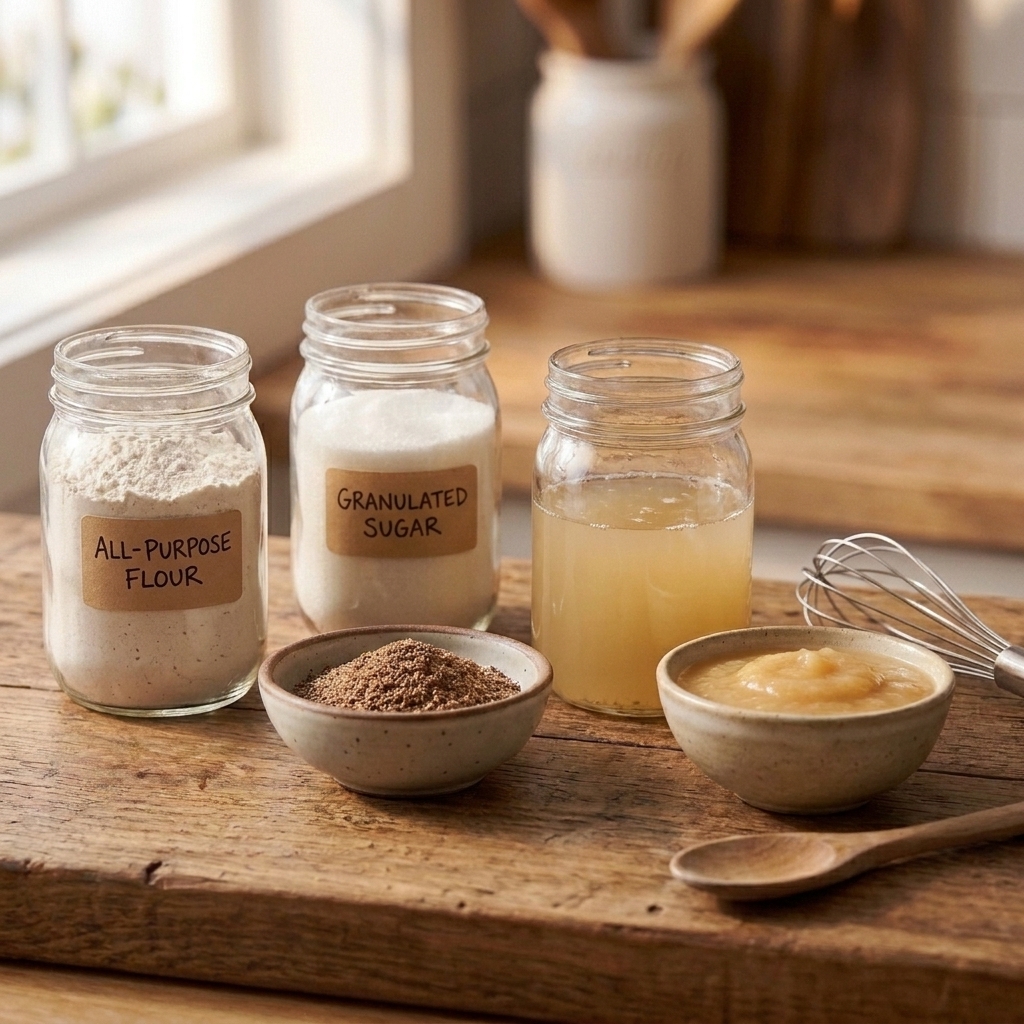
- Flax egg (or chia egg): 1 tbsp ground flax or chia + 3 tbsp water, rest 5 to 10 min
- Applesauce: 1/4 cup unsweetened per egg
- Aquafaba: start with 3 tbsp per egg (increase to 4 to 6 tbsp if needed); 2 to 3 tbsp per egg white
- Commercial replacer: follow package (often about 1 to 1 1/2 tsp powder + 2 tbsp water)
If you tell me what you are baking and how many eggs the original recipe uses, I can help you pick the swap that will make it feel effortless.