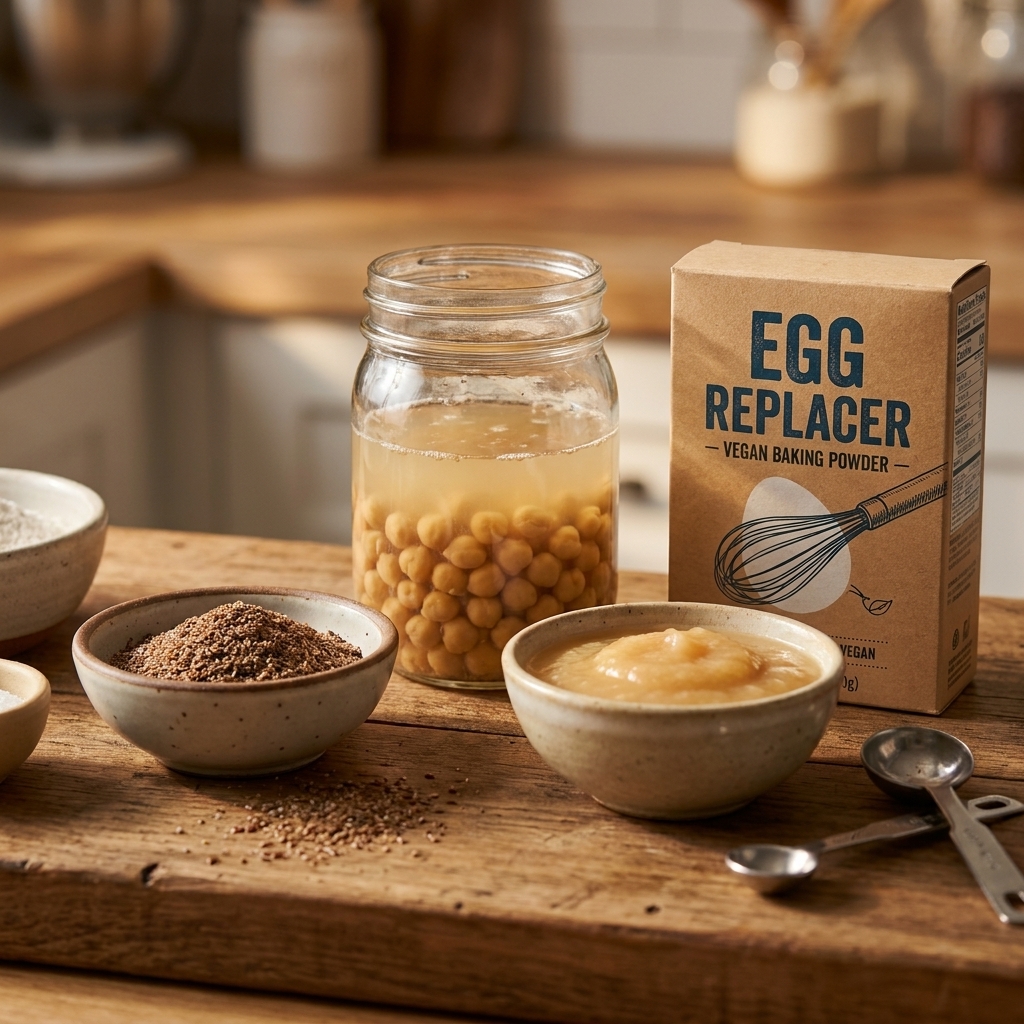
A friendly, tested guide to flax eggs, applesauce, aquafaba, and commercial replacers, plus the best pick for cakes, cookies, and brownies with foolproof rat...
Recipeva
Fudgy vs. Cakey Brownies
Love brownies but picky about texture? Learn how fat, flour, eggs, sugar, mixing, and bake time change brownies from ultra fudgy to perfectly cakey, plus quick fixes for common problems.
Maya Reynolds
Maya Reynolds is a passionate home cook, recipe developer, and the creative voice behind Recipeva. With over a decade of experience translating complex culinary techniques into approachable weeknight meals, she focuses on creating dishes that bring joy to the dinner table without the stress.
Created September 21, 2026
Updated September 21, 2026
If you have ever pulled a pan of brownies from the oven and thought, “Delicious, but not the texture I wanted,” you are in very good company. Brownies are one of those magical bakes where tiny changes make a big difference. The good news is you do not need a brand-new recipe every time. You just need a few levers you can pull: fat and flour, eggs, sugar, mixing, and bake time.
Let’s turn you into the kind of brownie baker who can confidently say, “Today we’re going extra fudgy,” and actually mean it.
What “fudgy” and “cakey” mean
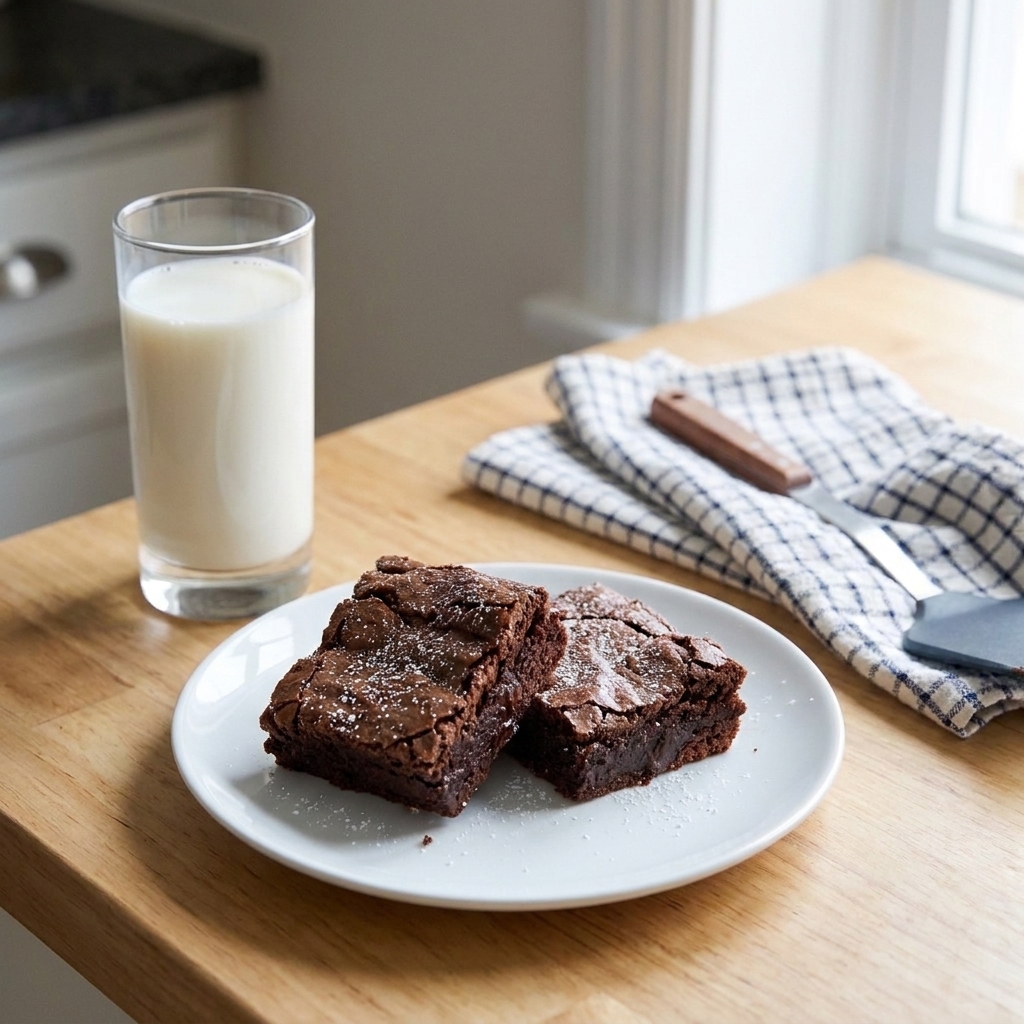
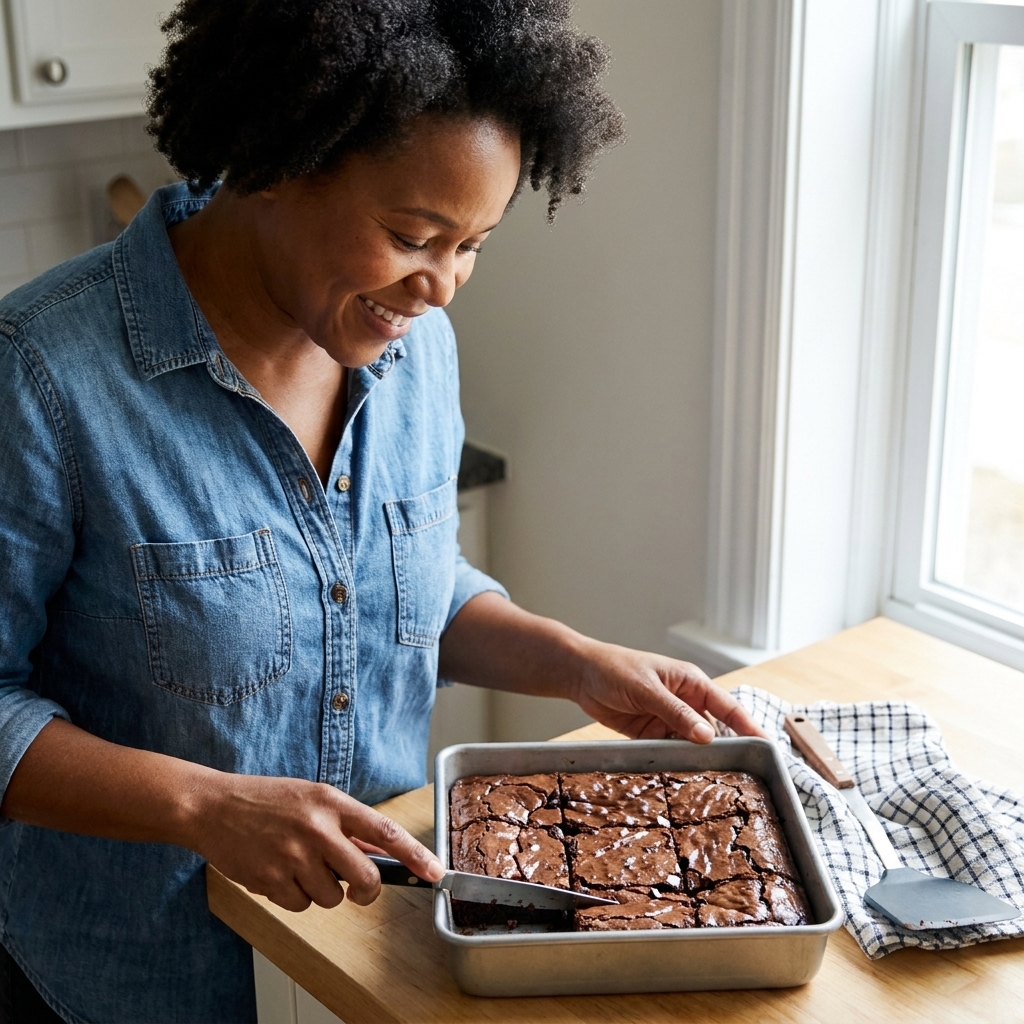
Fudgy brownies are dense, moist, and rich. Think truffle-like centers, a shiny crackly top, and a slightly chewy edge. Structurally, they rely more on fat and sugar than flour for their body.
Cakey brownies are lighter and more aerated, closer to a very chocolatey slice of cake. They rely more on flour and egg structure, plus extra air beaten into the batter.
Most home recipes live somewhere in the middle. Your job is simply steering the batter toward the texture you love.
A quick baseline (for an 8-inch pan)
If you like having a reference point before you start tweaking, here is a common “brownie middle ground” range for an 8-inch square pan:
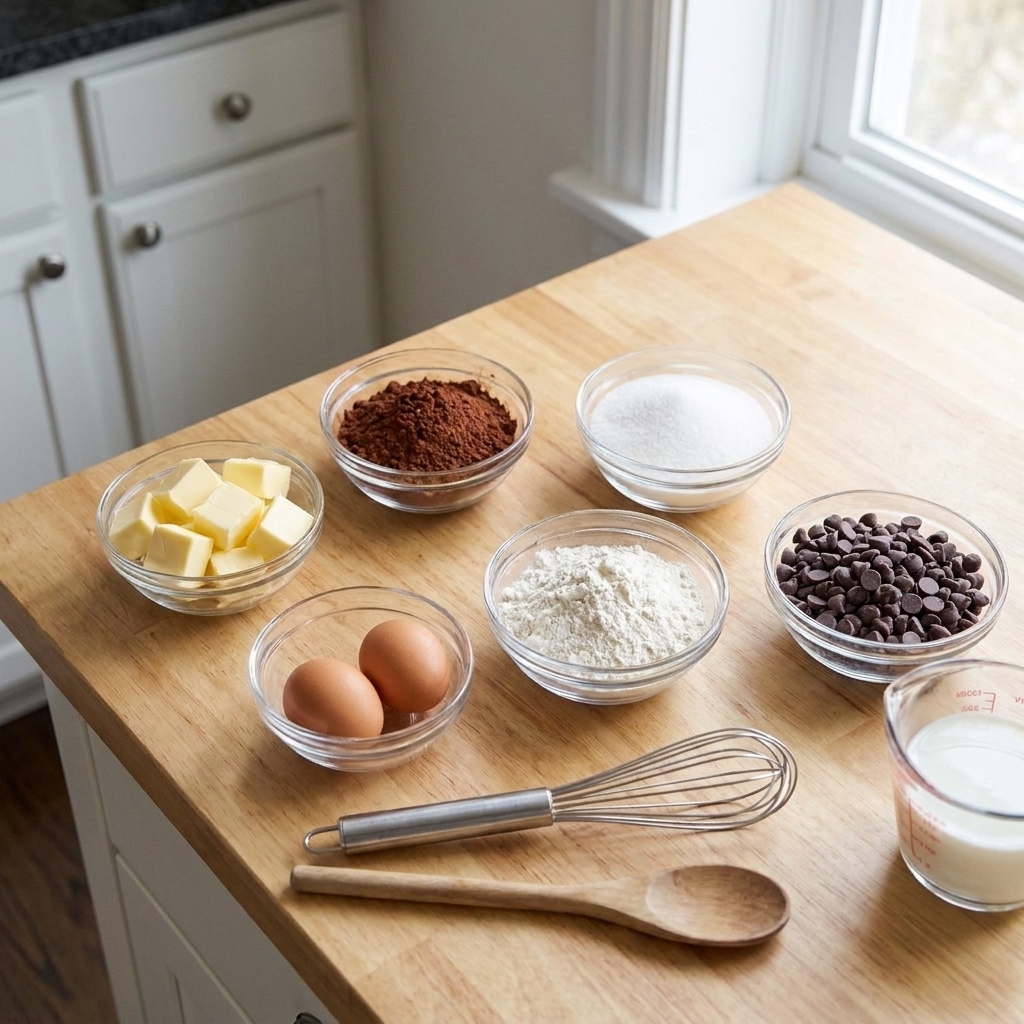
- Fat: about 1/2 cup (8 tbsp) butter or oil, sometimes a mix
- Sugar: about 3/4 to 1 1/4 cups (often a mix of white and brown)
- Eggs: 2 large eggs
- Flour: about 1/2 to 3/4 cup
There are great recipes outside these ranges, but if your ingredient list looks wildly different, make smaller tweaks and bake a test batch before changing multiple things.
The 5 levers that control texture
1) Fat-to-flour ratio (the biggest dial)
Here is the simplest way to think about it:
- More fat + less flour = fudgier, denser brownies.
- More flour + less fat = cakier, more structured brownies (and potentially drier if bake time runs long).
Quick adjustment (for a typical 8-inch pan recipe): If your basic recipe uses around 1/2 cup flour, moving it by just 2 tablespoons makes a noticeable shift.
- Want fudgier: reduce flour by 2 tbsp (or add 1 tbsp fat).
- Want cakier: add 2 tbsp flour (or reduce fat slightly).
My gentle warning as your kitchen friend: if you change both fat and flour a lot at once, you can end up with greasy brownies (too much fat) or dry ones (too much flour). Move in small steps and take notes.
Small but mighty note: flour is easy to over-measure. If you scoop straight from the bag, you can pack in extra and accidentally go cakey. If you can, weigh your flour. If not, use spoon-and-level.
2) Eggs (structure and lift)
Eggs do two main jobs in brownies: they set the structure and they can trap air when beaten.
- More whole eggs tends to push brownies toward cakey because of added protein and water.
- More yolk (or an extra yolk) tends to push brownies toward fudgy because yolks add fat and emulsifiers.
Easy tweak: For a fudgier pan, add 1 extra egg yolk. For a cakier pan, you can add 1 extra egg white, especially if your recipe already leans rich and fudgy. Just watch bake time, because extra white can turn firm or a little dry if you bake too long.
3) Sugar (moisture, chew, and the crackly top)
Sugar is not just sweetness. It binds water and helps create that shiny, papery brownie top. In general:
- More sugar = moister, chewier brownies.
- Less sugar = less chew and more cake-like, but it can also taste flat or bake up dry if reduced too far.
One important nuance: sugar helps with the crackly top, but it is not a guarantee on its own. How well the sugar dissolves matters too (we will hit that in troubleshooting).
If you want to change texture, I recommend adjusting fat, flour, mixing, or bake time before you start cutting sugar dramatically. Brownies are supposed to be a little indulgent. That is the point.
4) Mixing (where “mystery cakiness” happens)
Mixing controls how much air you build into the batter and how much structure you develop.
- Fudgy direction: mix just until combined after adding flour. Use a spatula and stop when the last streak of flour disappears.
- Cakey direction: beat the eggs and sugar more vigorously (1 to 2 minutes) to dissolve sugar and incorporate air, then fold in dry ingredients.
5) Bake time and temperature (set the edges, protect the center)
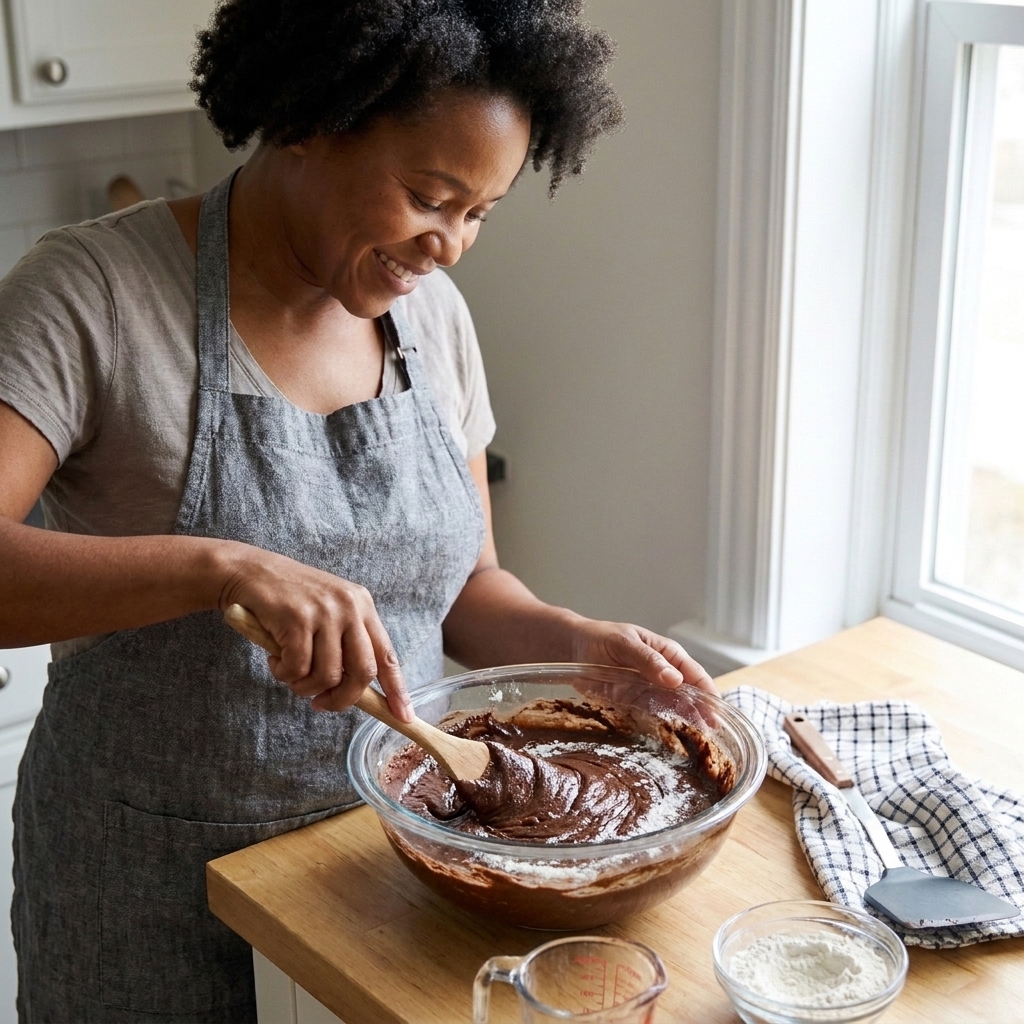
Even the fudgiest batter will lose its fudgy magic if it is overbaked. Overbaking usually makes brownies drier, firmer, and more cake-like in how they eat, even if the crumb is not truly “cakey.” For brownies, the difference between perfect and “oops” can be 3 minutes.
- Fudgy: bake until the edges are set and the center is still a bit soft. A toothpick should come out with thick, moist crumbs.
- Cakey: bake a little longer until a toothpick comes out with lighter crumbs and the center springs back more readily.
Pro tip: pull brownies when you think they are almost done. They keep baking from residual heat in the pan.
Also: ovens lie. If you bake brownies often (or your oven runs hot), an inexpensive oven thermometer is one of the best texture “ingredients” you can buy.
Make any brownies more fudgy
If your brownies are coming out too fluffy or cake-like, use one or two of these adjustments at a time:
- Reduce flour slightly: remove 2 tbsp flour per 8-inch pan batch.
- Add richness with yolk: add 1 extra egg yolk.
- Use melted butter (or some oil): oil tends to stay softer at room temp, which reads as fudgier.
- Mix less after flour: stir just to combine to avoid extra structure.
- Bake a little less: aim for moist crumbs, not clean.
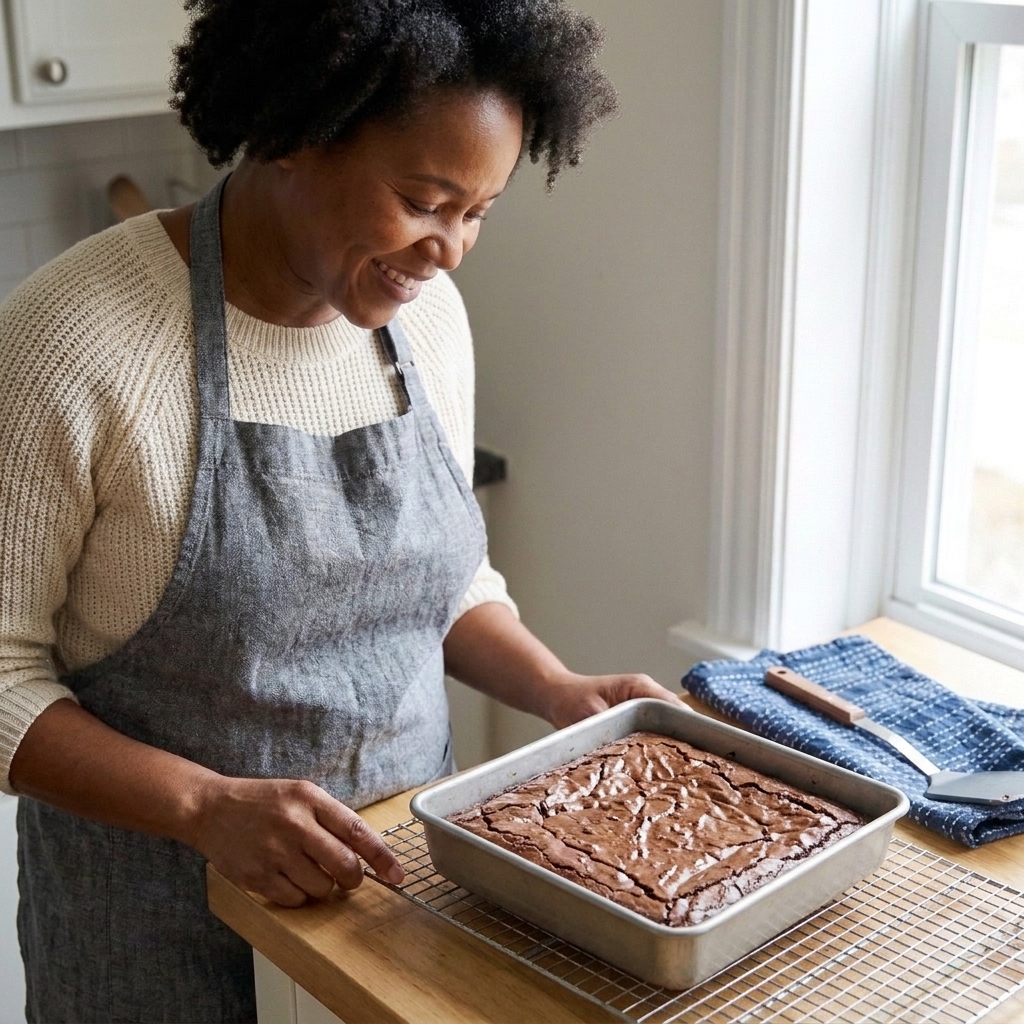
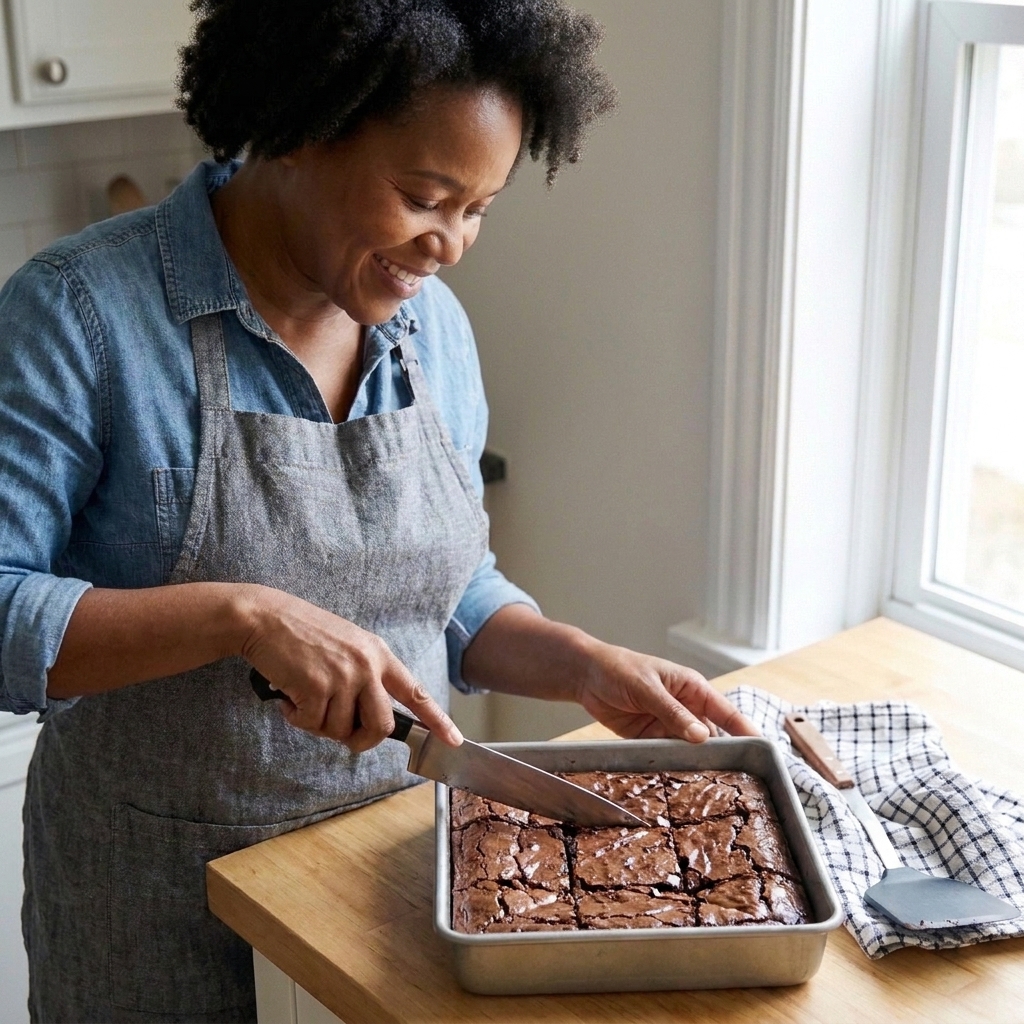
- Cool completely before slicing: fudgy brownies finish setting as they cool.
My favorite “almost foolproof” fudgy combo: 1 extra yolk + 2 tbsp less flour + stop mixing as soon as flour disappears.
Make any brownies more cakey
If you want lift and a lighter crumb, go for structure and air:
- Add a bit more flour: add 2 tbsp flour per 8-inch pan batch.
- Beat eggs and sugar: whisk or beat for 1 to 2 minutes until the mixture looks slightly lighter and thicker.
- Add an egg white (optional): add 1 egg white for more structure, especially if your recipe is very rich. Keep an eye on bake time so it does not turn dry.
- Bake a touch longer: look for a center that springs back more quickly.
- Consider baking powder (only if you want a cake-like rise): if your recipe has none, start with 1/8 tsp (up to 1/4 tsp) to nudge brownies cakier. More leavening can create a higher rise and a more cake-like crumb.
If you are nervous about leavening, start with the mixing change first. It is the most controllable.
A simple tweak chart
Use this as your quick decision guide. Pick one change, bake, then decide if you want to push further next time.
- More fudgy: less flour, more fat, extra yolk, minimal mixing after flour, slightly shorter bake.
- More cakey: more flour, extra egg white or whole egg, beat eggs and sugar longer, slightly longer bake, small pinch baking powder.
Shortcut rule: If your brownies are too cakey, the fix is usually less flour or less baking time. If they are too gooey, the fix is usually a few more minutes in the oven, not necessarily more flour.
Pan and chocolate choices
Pan size and material
- Smaller pan (thicker batter layer) bakes up fudgier because the center stays softer longer.
- Larger pan (thinner layer) bakes up cakier and can dry out faster.
- Metal pans bake more evenly and set edges well. Glass tends to bake slower and can overcook edges if you extend bake time too much.
Cocoa powder vs. melted chocolate
Melted chocolate adds cocoa butter and tends to push brownies fudgy and rich. Cocoa powder can swing either way depending on how much fat is in the recipe, but cocoa-only recipes often need enough butter or oil to avoid dryness.
Butter vs. oil
Butter gives flavor and that classic brownie chew. Oil keeps brownies softer for longer. If you want brownies that stay fudgy on day two, swapping 1 to 2 tablespoons of butter for oil is a sneaky little win.
My low-stress customizing method
When I am testing brownies, I do it like a former teacher with a clipboard. You do not need the clipboard, but the steps help.
- Pick a baseline recipe you already like. Do not start from a recipe you dislike.
- Choose your goal: fudgier or cakier.
- Change only 1 to 2 things. For example: adjust flour by 2 tbsp and change mixing.
- Write it down. Even a quick note in your phone: “2 tbsp less flour, pulled at 27 min.”
- Use doneness cues, not just time. Set edges, glossy top, moist crumbs.
- Cool before judging. Warm brownies lie. Cool brownies tell the truth.
Troubleshooting
My brownies are dry
- Likely cause: too much flour or overbaking.
- Next time: reduce flour by 2 tbsp, pull the pan earlier, and cool fully.
My brownies are too gooey in the center
- Likely cause: underbaked, pan too small, or too much fat for the bake time.
- Fix: bake 3 to 8 minutes longer, tent loosely with foil if edges are getting dark.
My brownies are oily or greasy
- Likely cause: fat level too high or butter was very hot when mixed in.
- Next time: cool melted butter slightly before mixing, and do not reduce flour too aggressively.
I want the shiny crackly top
- Common keys: enough sugar, and sugar well-dissolved into warm fat and eggs.
- Try: whisk sugar into warm melted butter, then add eggs and whisk until glossy.
My brownies turned out cakey and I do not know why
- Check for: too much flour (packed cups), overmixing after flour, baking powder added, oven running hot, or overbaking.
- Try: spoon-and-level (or weigh) flour, fold gently, verify oven temp with a thermometer, and shorten bake time.
FAQ
Can I make brownies fudgy without changing ingredients?
Yes. The easiest no-ingredient-change approach is mix less after adding flour and bake a little less. Also cool completely before slicing.
Does adding another egg make brownies cakey?
Often, yes. Adding a whole egg usually increases structure and can push brownies more cakey. If you want fudgy, add an extra yolk instead of a whole egg.
Should I use cocoa powder or melted chocolate?
Either works, but melted chocolate tends to read richer and fudgier. Cocoa powder can be deeply chocolatey too, but it usually needs enough butter or oil to keep the crumb moist.
How do I know when brownies are done?
Look for set edges and a center that is no longer liquid. A toothpick should come out with crumbs. For fudgy brownies, you want thick, moist crumbs, not clean.
My biggest brownie pep talk
If brownies feel unpredictable, it is not you. They are just sensitive in a very fixable way. Pick your texture goal, make one small adjustment, and let your oven teach you the rest. And if you accidentally land somewhere in the middle? We will call that a “chef’s snack” and move on.