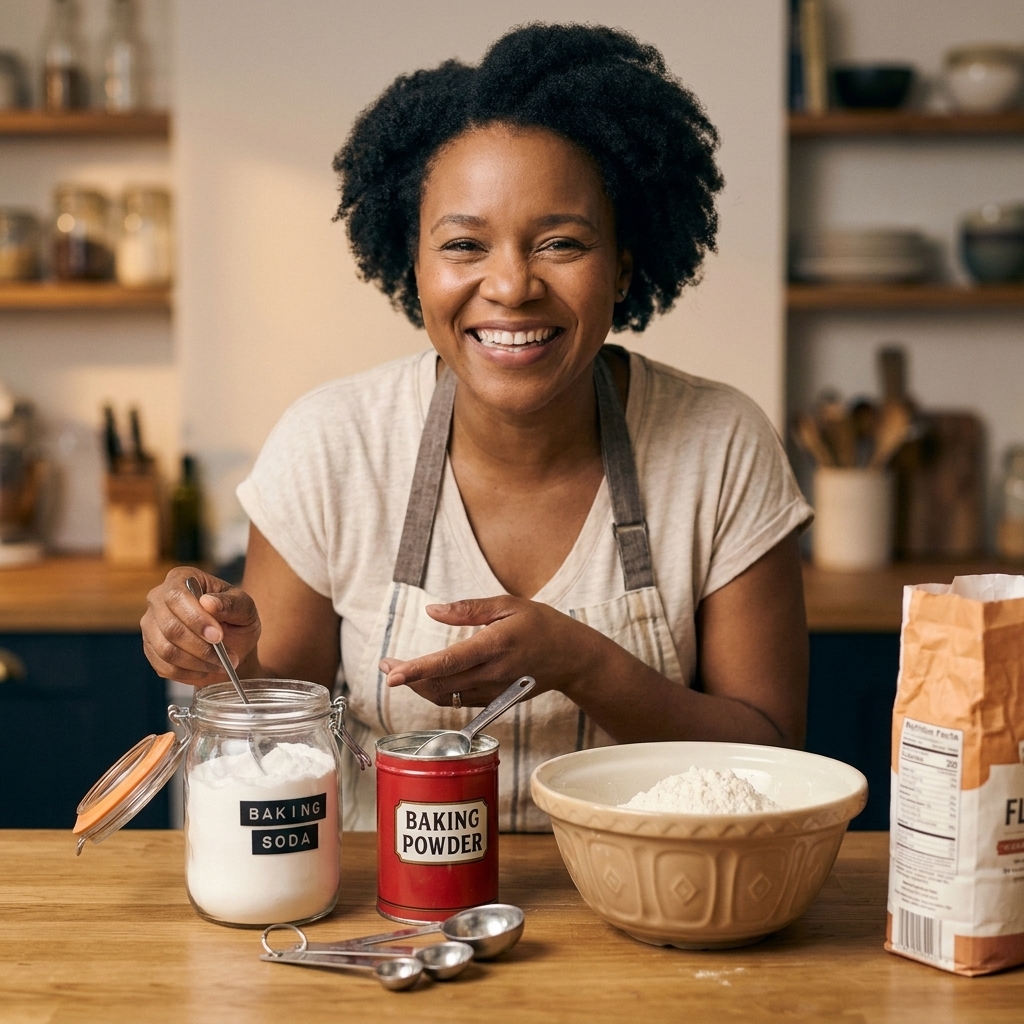
Confused about which leavener to use? Here’s the real difference between baking soda and baking powder, plus smart substitution tips for better cakes, cook...
Recipeva
10 Secrets for Perfectly Chewy Chocolate Chip Cookies
Want soft, chewy chocolate chip cookies every time? Learn the baking science and my best tips on butter temperature, sugar ratios, dough resting, and baking tricks for that perfect bendy center.

Maya Reynolds
Maya Reynolds is a passionate home cook, recipe developer, and the creative voice behind Recipeva. With over a decade of experience translating complex culinary techniques into approachable weeknight meals, she focuses on creating dishes that bring joy to the dinner table without the stress.
Created September 21, 2026
Updated September 21, 2026
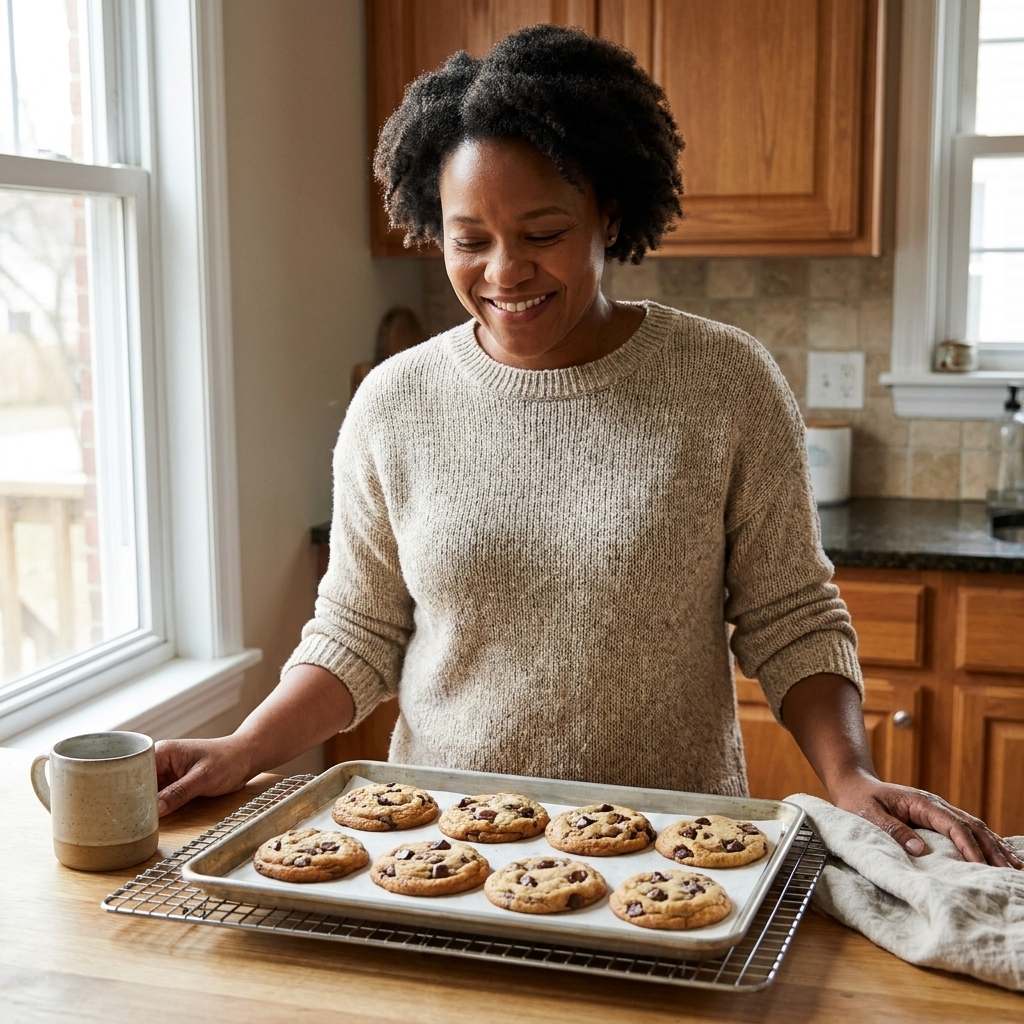
Chewy chocolate chip cookies are my forever cookie. Not cakey, not shatter-crisp. I want that gentle bend when you pick one up, crisp edges that give way, and a center that stays soft for days. The good news is that chewiness is not a mystery. It is a handful of small, very controllable choices that add up in a big way.
Below are my 10 go-to “secrets” for chewy cookies, with the why (quick cookie science) and the how (exactly what to do tonight after dinner).
1) Start with the right butter temperature
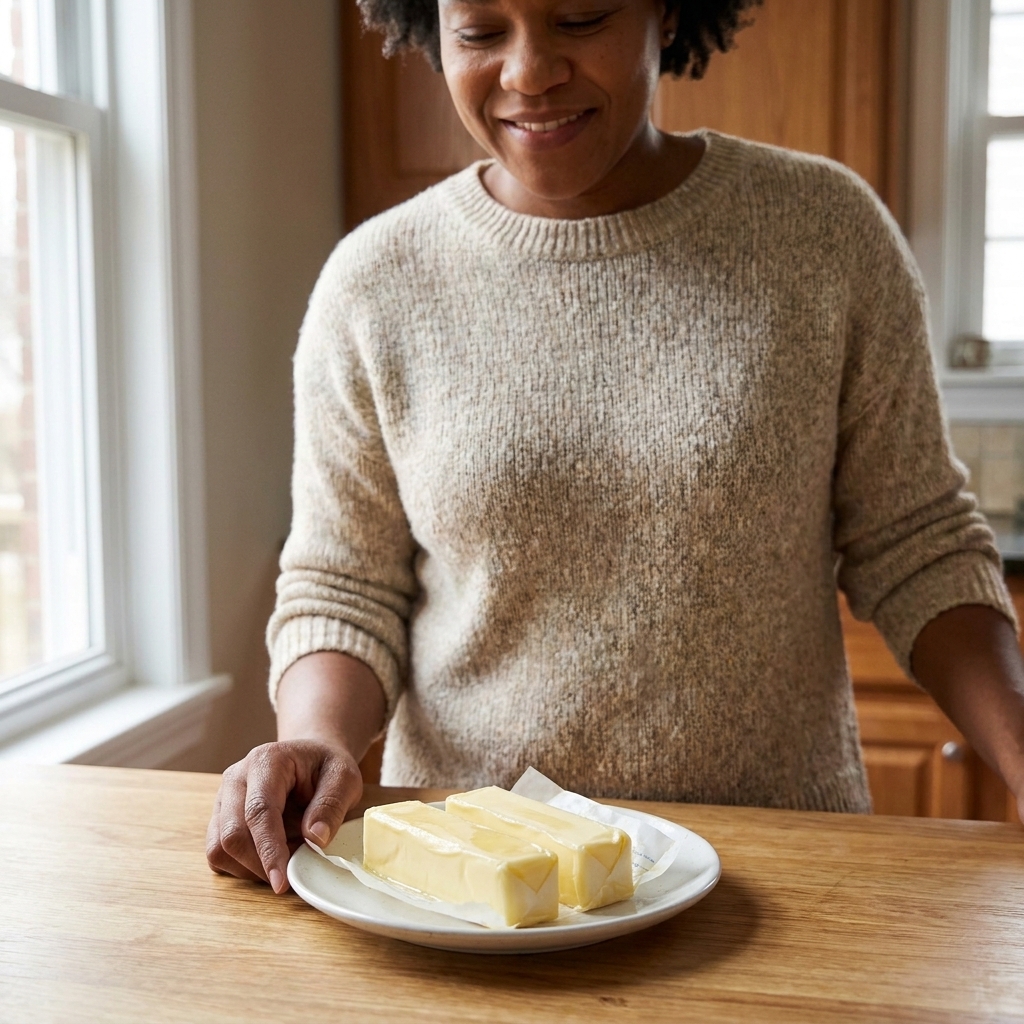
If your butter is too cold, it will not cream properly and your dough can end up uneven. If it is too warm or partially melted, your cookies can spread fast and bake up thinner and crispier than you planned.
Do this
- Use cool room-temperature butter: It should indent when you press it, but still hold its shape.
- If your kitchen runs warm, aim slightly cooler than you think, especially if you are not chilling the dough long.
Why it works
Butter temperature affects how much air you trap during creaming and how quickly the fat melts in the oven. Controlled melt equals controlled spread, which is a major piece of the chewy puzzle.
2) Use more brown sugar than white sugar
If I could pick only one lever to pull for chewiness, it would be brown sugar.
Do this
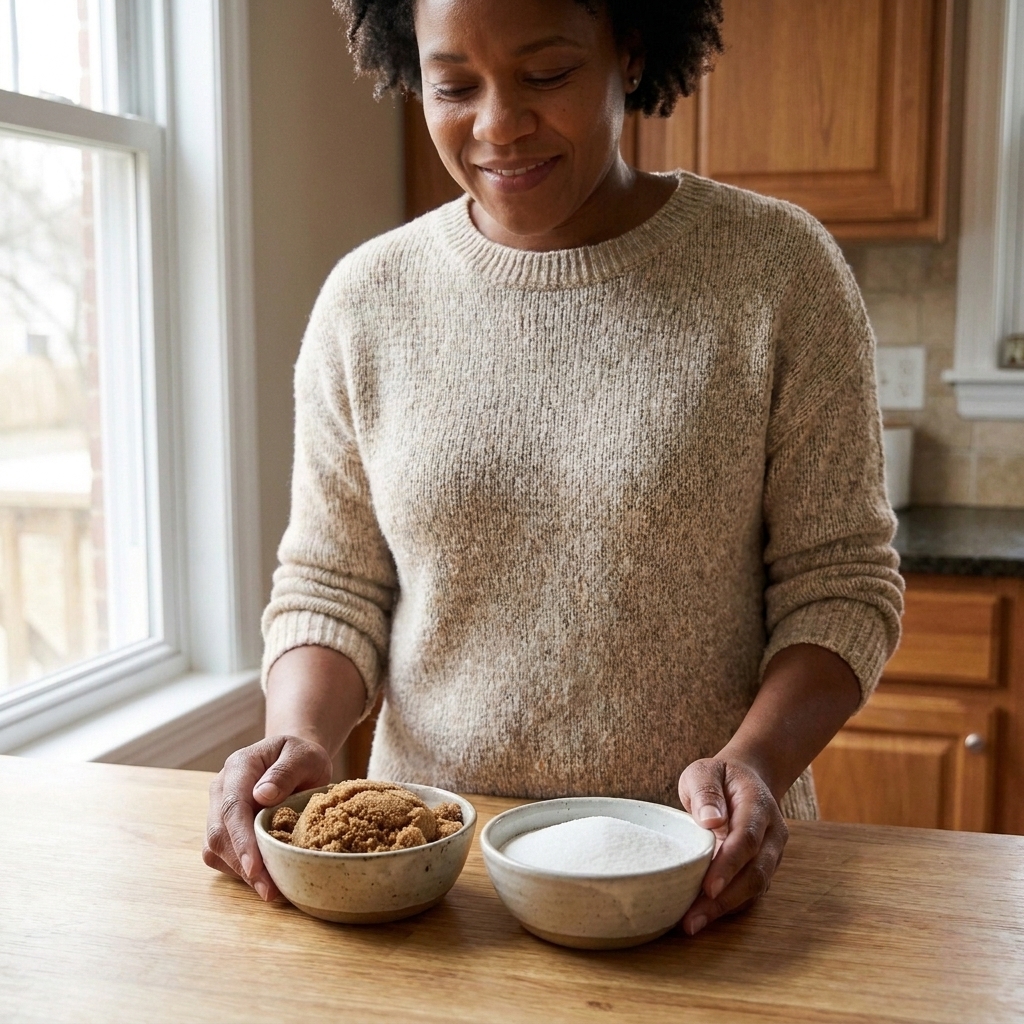
- For classic chewy cookies, use a ratio like 2 parts brown sugar to 1 part granulated sugar.
- If you like a deeper caramel note, go with dark brown sugar.
Why it works
Brown sugar contains molasses, which adds moisture and acidity. Moisture helps keep cookies softer, and acidity can slow down protein setting just enough to keep the texture tender and chewy.
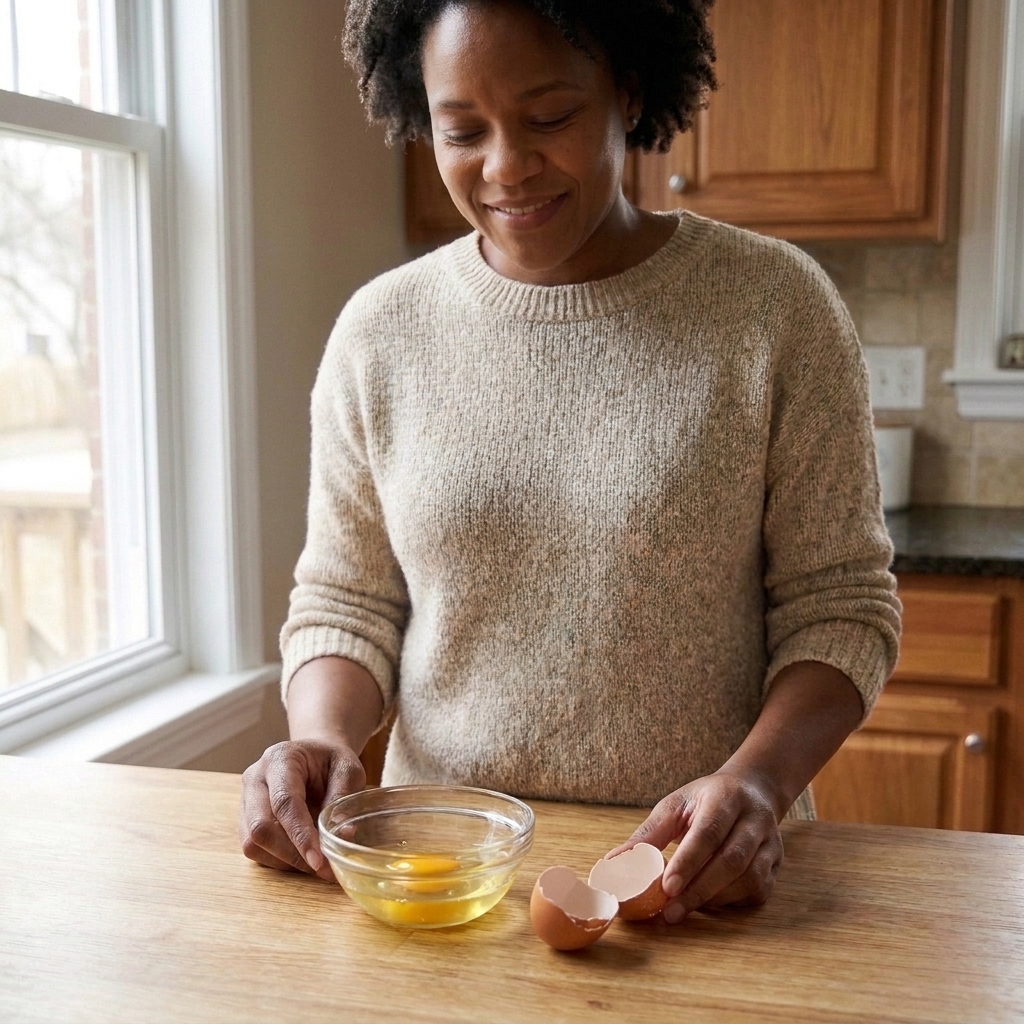
3) Add an extra egg yolk (and consider one whole egg less)
Eggs bring water and protein. Yolks bring fat and emulsifiers. For chew, we want richness and tenderness without too much drying protein.
Do this
- Try 1 whole egg + 1 extra yolk for a standard batch.
- If your recipe already uses two whole eggs and you often get a cakier cookie, test 1 whole egg + 2 yolks once.
Why it works
Yolks increase fat, which coats flour proteins and limits gluten formation. That keeps cookies from turning bready, and helps that soft chew last longer.
4) Measure flour like you mean it
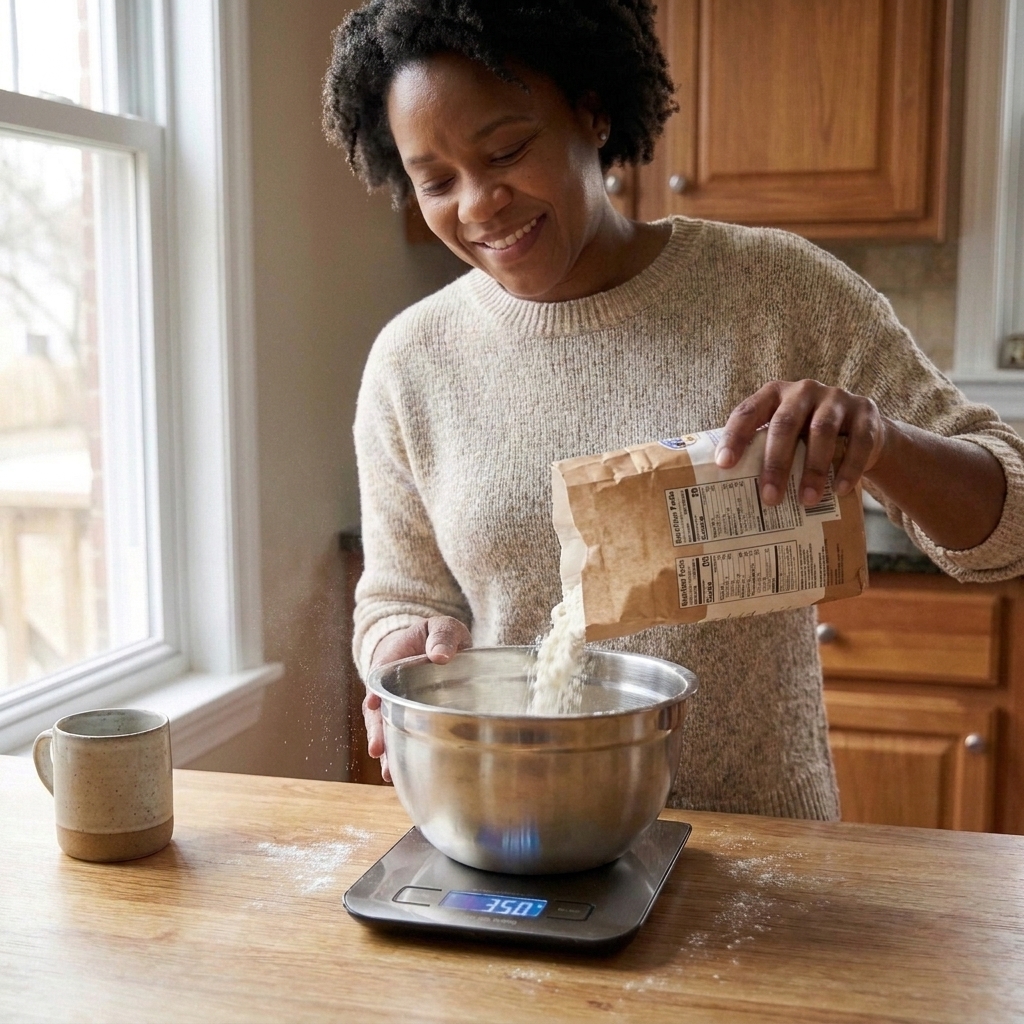
Too much flour is the fastest path to thick, dry, cakey cookies. And it is incredibly easy to accidentally over-measure when you scoop straight from the bag.
Do this
- Best: weigh flour. A common baseline is 120 grams per cup of all-purpose flour.
- If using cups: fluff the flour, spoon it into the measuring cup, then level it off.
Why it works
Flour is the structure. Extra flour soaks up more liquid and makes a stiffer dough that bakes up drier. Accurate flour keeps the cookie tender so the chew can shine.
5) Mix just until combined (then stop)
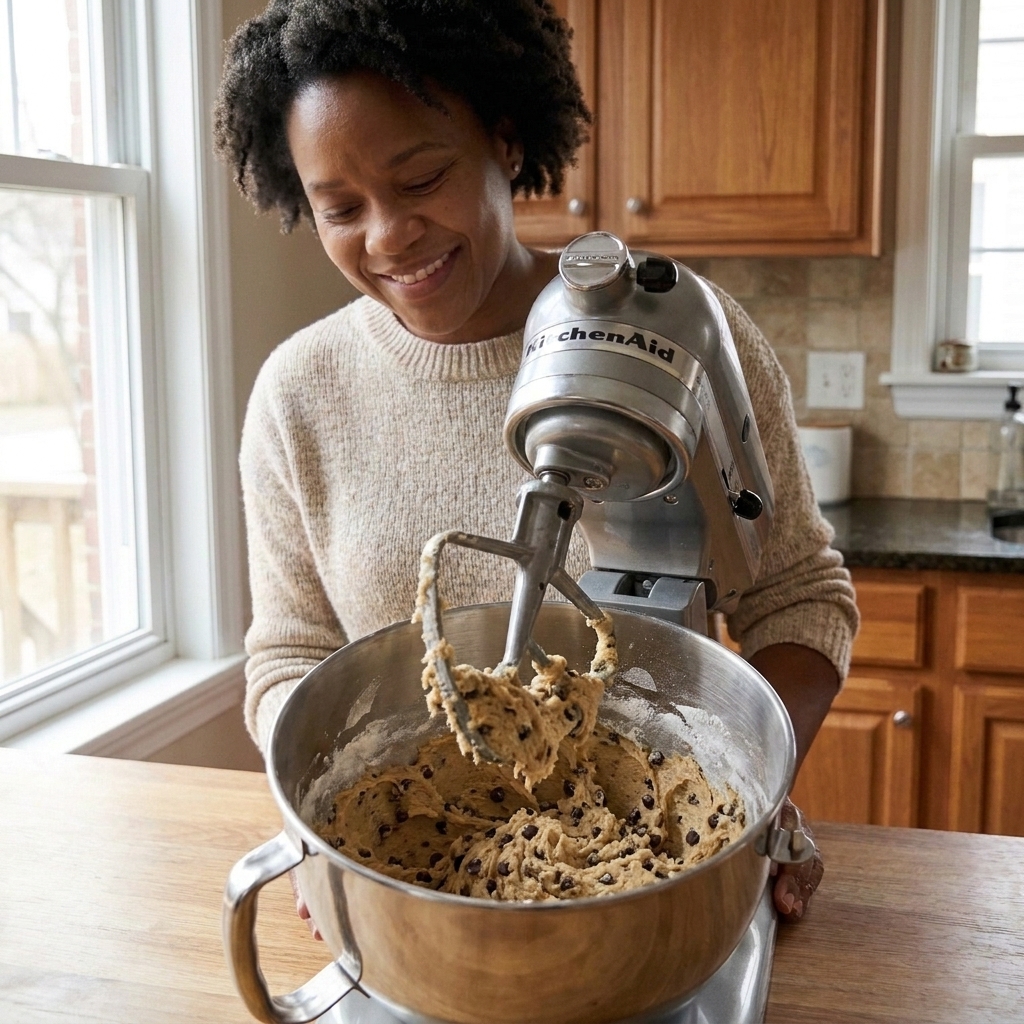
I know, it is tempting to keep the mixer going while you answer a text. This is your gentle reminder to stop mixing when the flour disappears.
Do this
- Cream butter and sugars until smooth and slightly lighter.
- Add eggs and vanilla, mix until combined.
- Add dry ingredients and mix on low only until you no longer see dry flour.
Why it works
Overmixing develops gluten, and gluten is what gives bread its chew. Cookies need a different kind of chew, the soft, tender kind that comes from moisture and fat, not strong gluten strands.
6) Chill the dough, even briefly
If you only take one “extra step” for better cookies, let it be this one. Chilling changes both texture and flavor.
Do this
- Minimum: 30 to 60 minutes in the fridge.
- Dreamy: 12 to 24 hours for deeper caramel flavor.
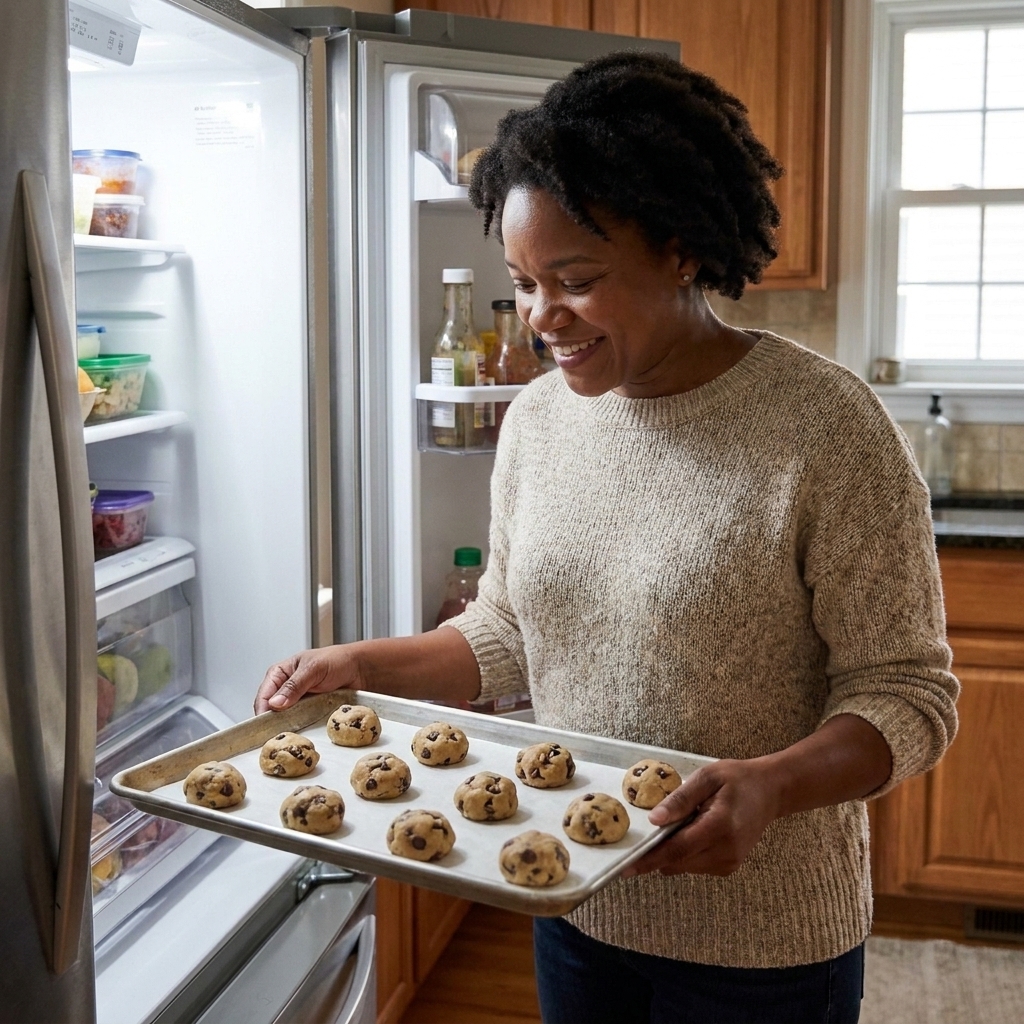
- Scoop dough into balls before chilling if your fridge is packed and you want faster baking later.
Why it works
Cold dough spreads more slowly, giving you thicker centers. Resting also hydrates the flour so the dough bakes up more evenly. Bonus: enzymes have time to work on sugars and starches, improving flavor.
7) Use the right baking temperature for set edges and soft centers
For chewy cookies, I like a slightly higher heat than low-and-slow. Higher heat sets the edges before the center dries out.
Do this
- Start testing around 350°F to 375°F.
- If your cookies spread too much at 350°F, try 375°F with chilled dough.
Why it works
At the right temperature, the outside sets and browns while the inside stays moist. That contrast is basically the definition of a great chewy chocolate chip cookie.
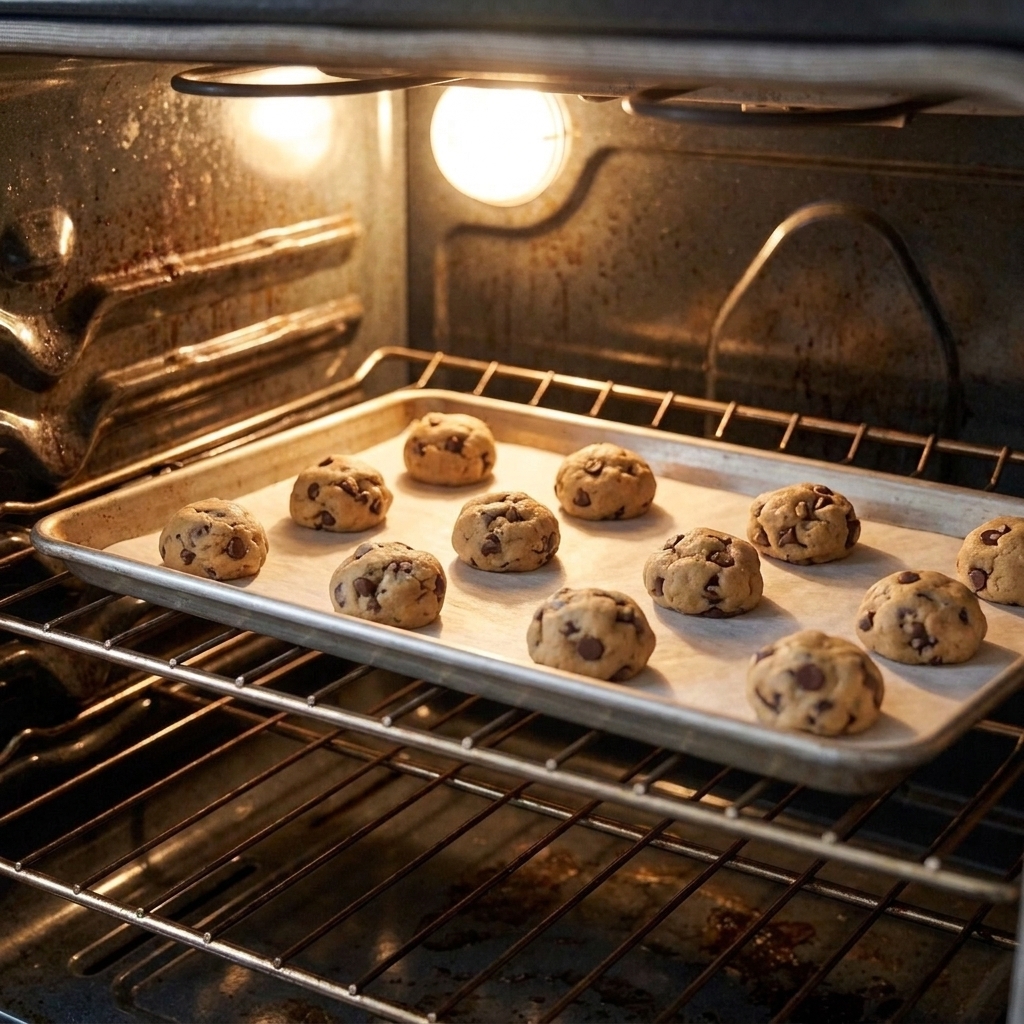
8) Pull them when the centers look underdone
This is the moment of bravery. If you bake until the centers look fully set, they will be overbaked once they cool.
Do this
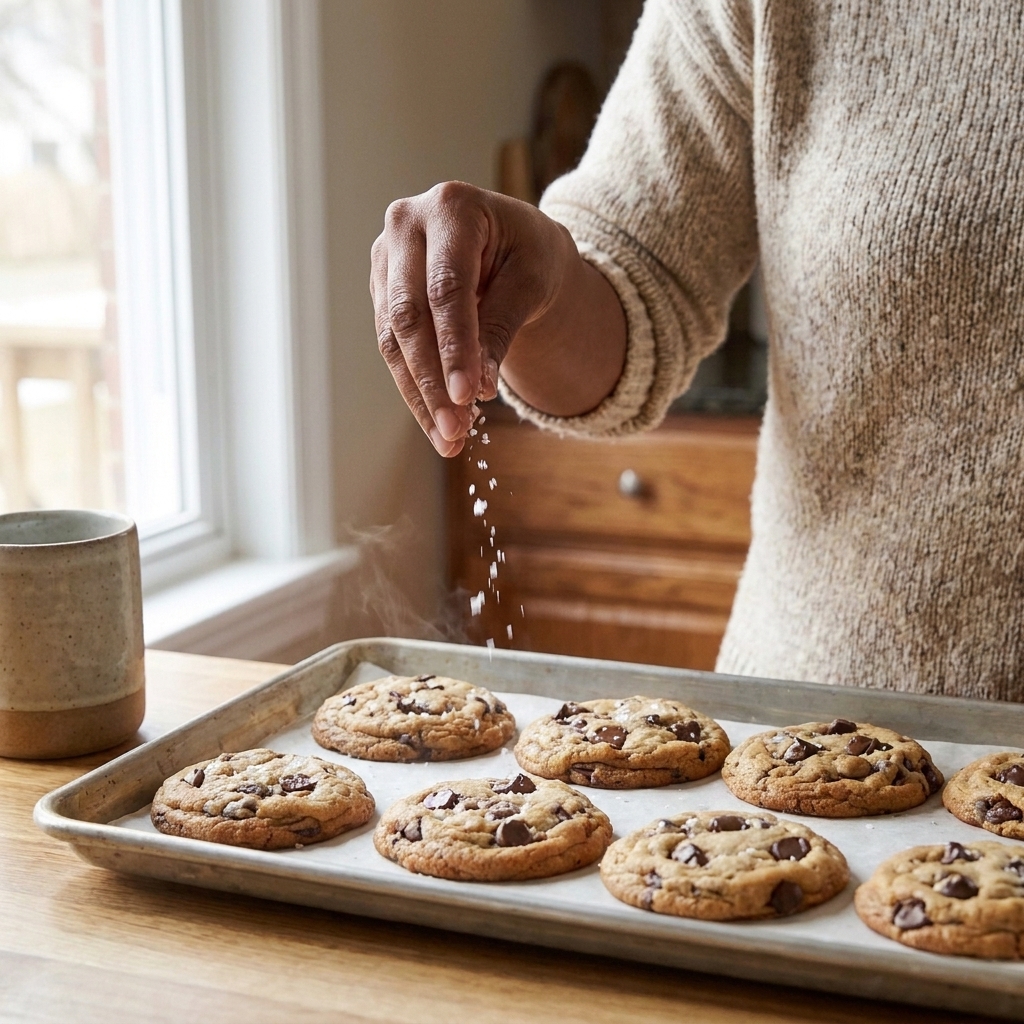
- Remove cookies when the edges are set and lightly golden, but the center is still soft and slightly glossy.
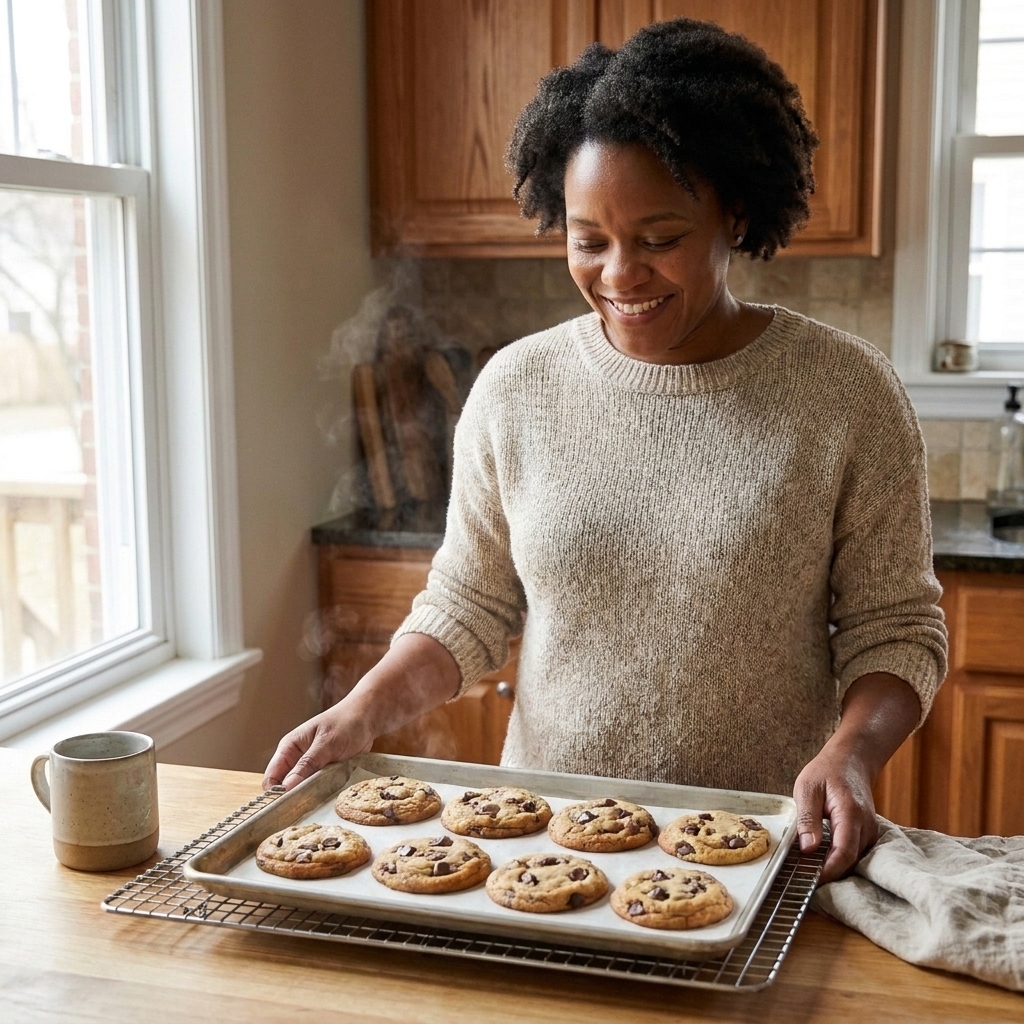
- Let them rest on the baking sheet for 5 to 10 minutes before moving to a rack.
Why it works
Carryover heat continues baking after the tray comes out of the oven. That short rest finishes the centers gently, locking in a chewy texture instead of drying them out.
9) Choose chocolate (and add-ins) that support chew
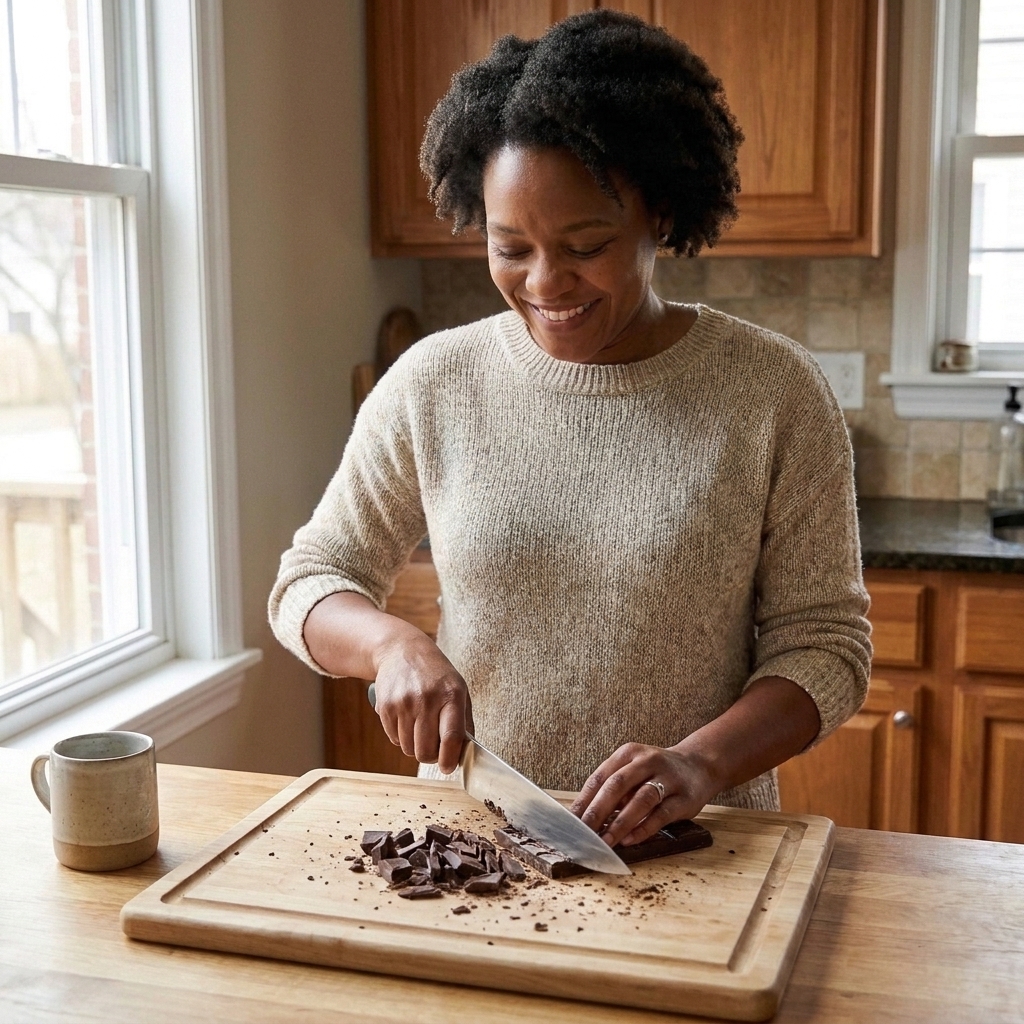
The mix-ins are not just for flavor, they affect texture too. Big chocolate chunks create gooey pockets that read as extra chewy.
Do this
- Use chopped chocolate bars or a mix of chunks and chips.
- Keep mix-ins balanced. Too many can prevent the dough from setting evenly.
Why it works
Melted chocolate stays softer than the baked dough around it, so every bite feels more tender and luscious. Chopping a bar gives you irregular pieces that melt in a really satisfying way.
10) Store like a pro (because chewiness is also tomorrow’s problem)
The cookie you bake is only half the story. How you store it decides whether it stays chewy or turns dry by day two.
Do this
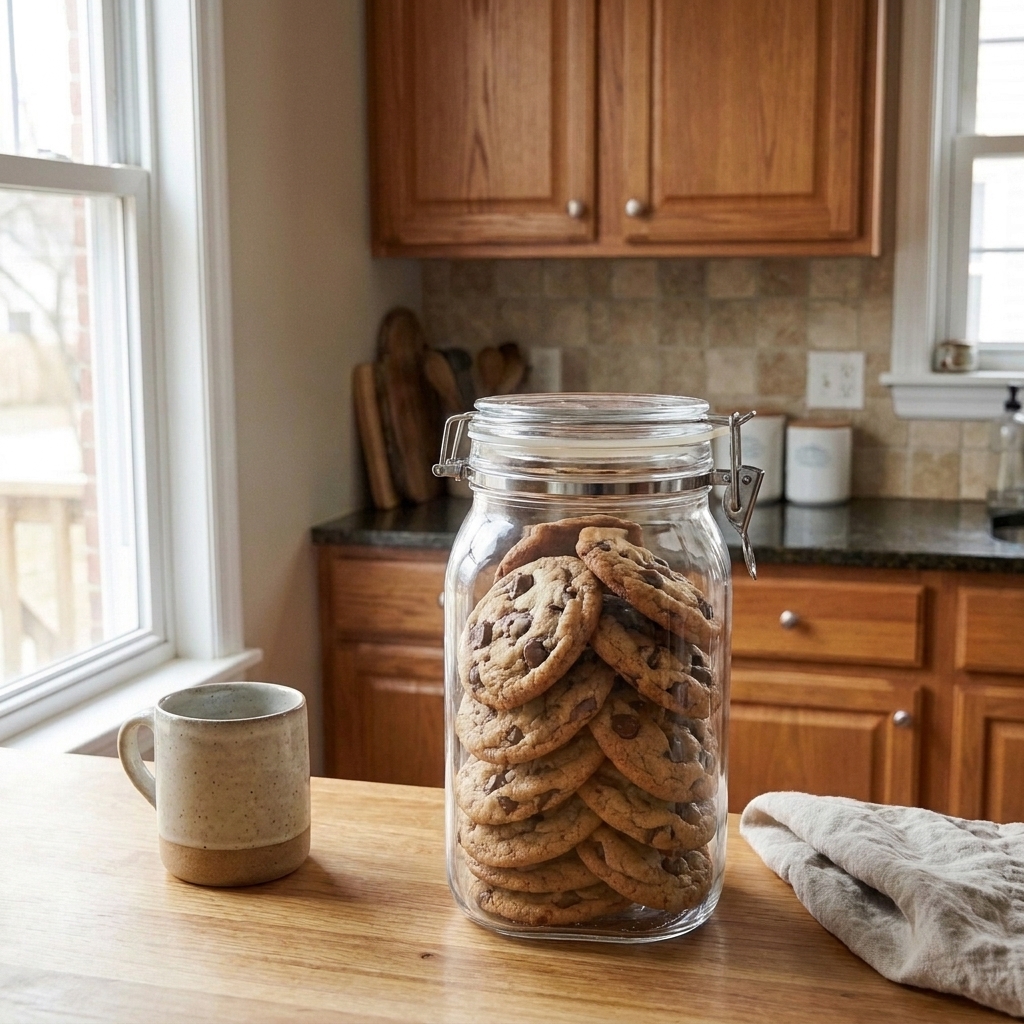
- Cool completely, then store in an airtight container.
- Add a slice of sandwich bread to the container for 12 to 24 hours to help keep cookies soft.
- For longer storage, freeze baked cookies or freeze dough balls and bake from frozen with 1 to 2 extra minutes.
Why it works
Cookies lose moisture to the air. Airtight storage slows that down, and the bread trick helps maintain a softer environment inside the container.
Quick troubleshooting for chewy cookies
My cookies are flat and crispy. What happened?
- Butter may have been too warm or melted.
- Dough was not chilled, or the oven ran cool.
- Too much granulated sugar relative to brown sugar.
Fix: Chill dough, increase brown sugar, and verify oven temp with an inexpensive oven thermometer.
My cookies are thick but dry and cakey.
- Too much flour (most common).
- Overbaked by a couple minutes.
- Too much egg white or overmixing.
Fix: Weigh flour, pull cookies earlier, and try 1 egg + 1 yolk.
My cookies are puffy and then collapse.
- Too much leavener, or dough was overly warm going into the oven.
Fix: Reduce baking soda slightly (test in small batches) and chill dough balls before baking.
My personal chewy-cookie baseline (a simple formula)
If you are tweaking your favorite recipe, here is the general direction I use as a starting point:
- Cool room-temperature butter
- More brown sugar than white sugar
- 1 whole egg plus 1 extra yolk
- All-purpose flour measured by weight
- Chill the dough
- Bake until edges are set, centers still look a bit underdone
And yes, you can absolutely add “a little more vanilla” and “a little more salt” without telling anyone. That is just good cookie manners.