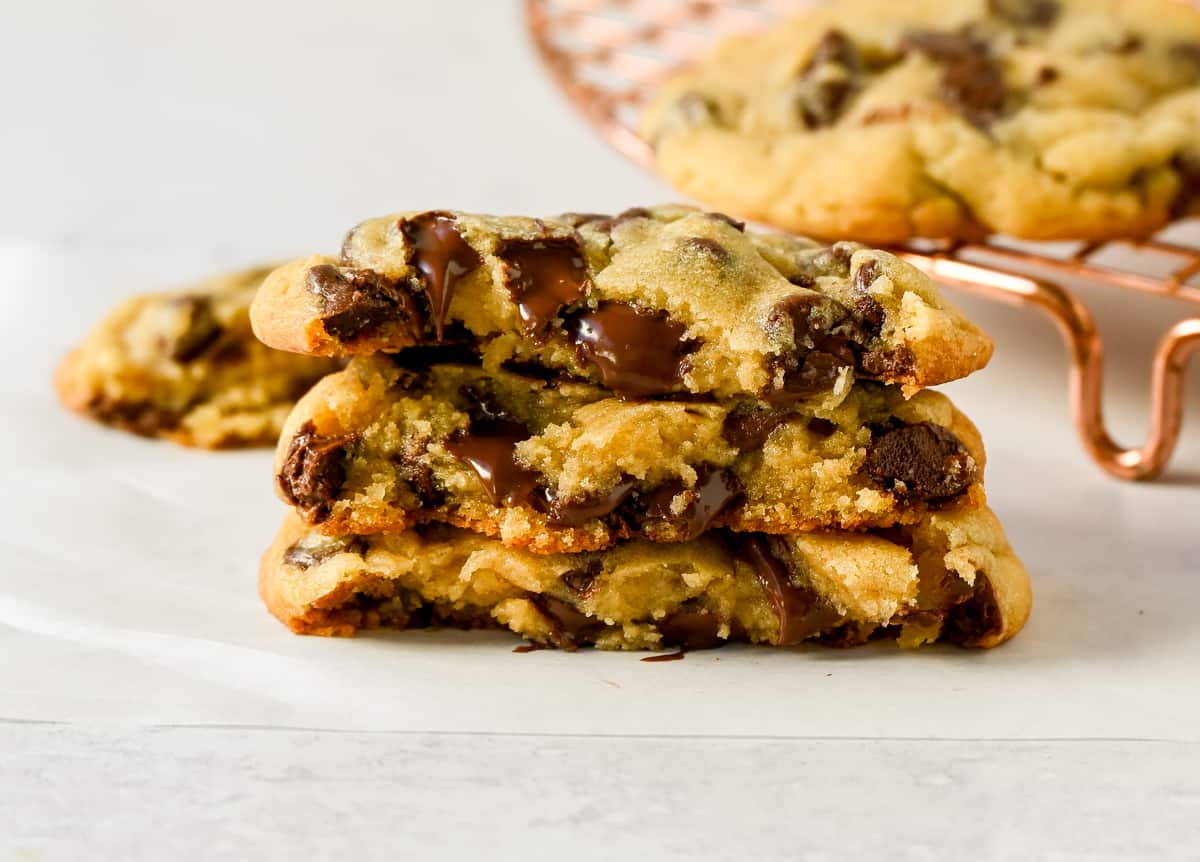
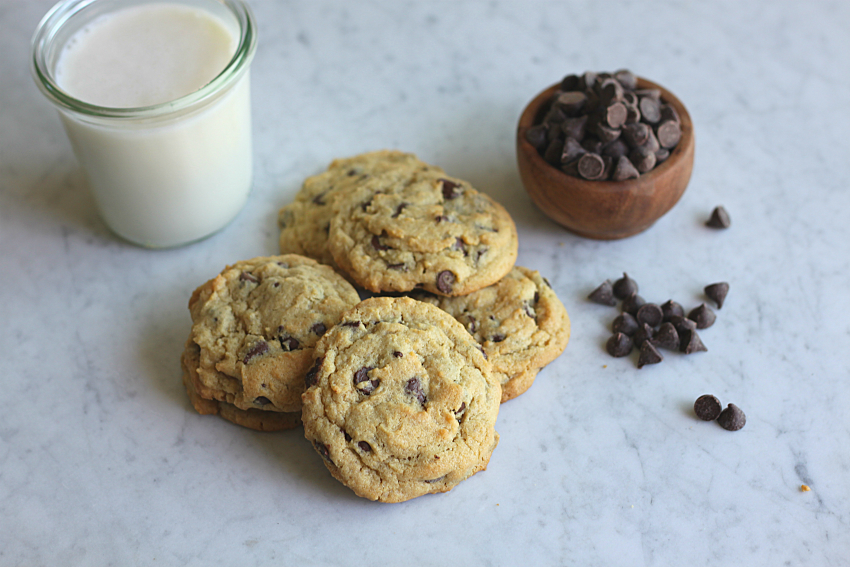
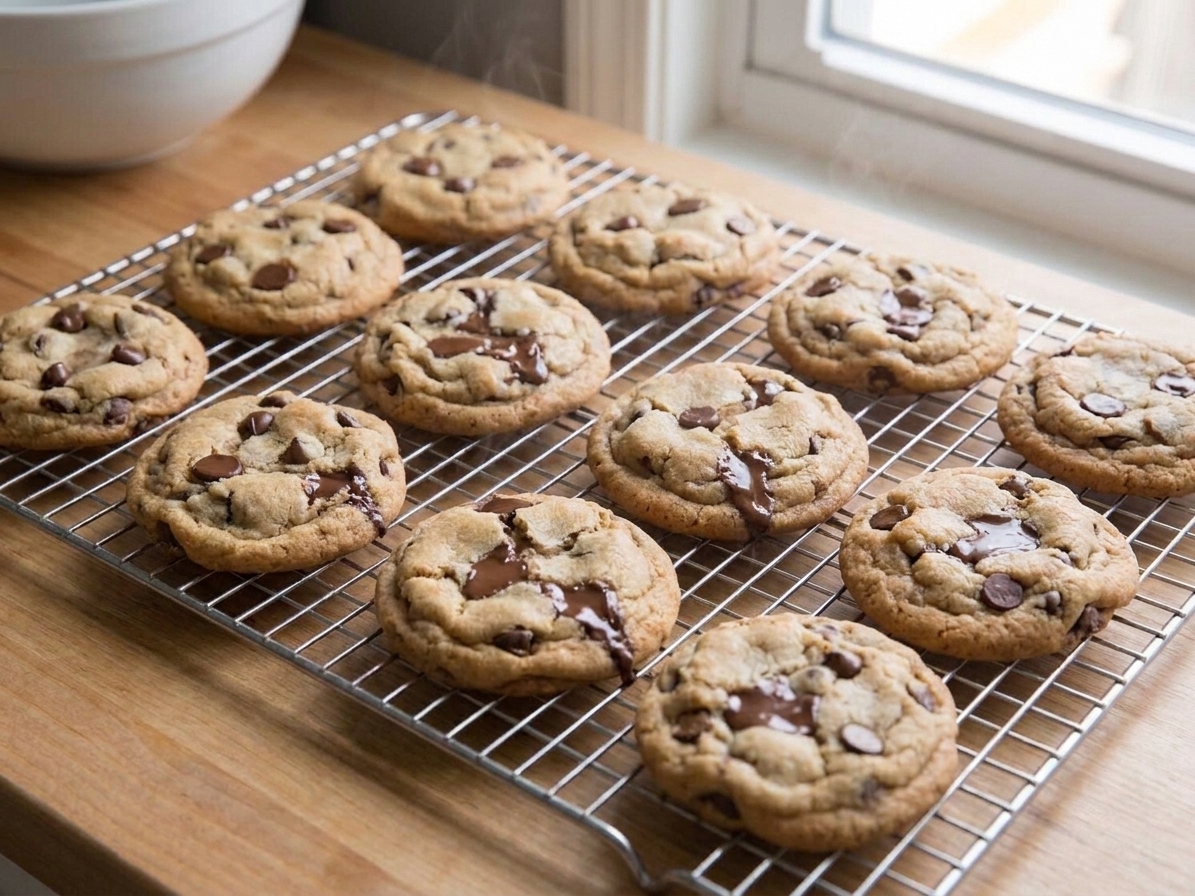
Thick, soft-centered chocolate chip cookies with chewy edges and big pools of chocolate. Step-by-step instructions, chilling tips, and freezing directions in...
Recipeva
Chocolate Chip Cookie Dough
Make classic chocolate chip cookie dough that bakes up thick, chewy, and full of flavor. Includes mixing tips, chilling guidance, freezing instructions, and safe-to-eat options.

Maya Reynolds
Maya Reynolds is a passionate home cook, recipe developer, and the creative voice behind Recipeva. With over a decade of experience translating complex culinary techniques into approachable weeknight meals, she focuses on creating dishes that bring joy to the dinner table without the stress.
Created September 24, 2026
Updated September 24, 2026
There are two kinds of cookie nights in my house: the planned ones where we chill dough like responsible adults, and the spontaneous ones where someone says, “What if we made cookies right now?” Good chocolate chip cookie dough works for both. It should be easy to mix, forgiving, and flavorful enough that you’re proud of it before it ever hits the oven.
This is my go-to dough for cookies that bake up thick at the center, crisp at the edges, and loaded with chocolate. I’ll walk you through the dough itself, why each ingredient matters, how to fix common issues, and how to store it so future-you can have warm cookies on demand.
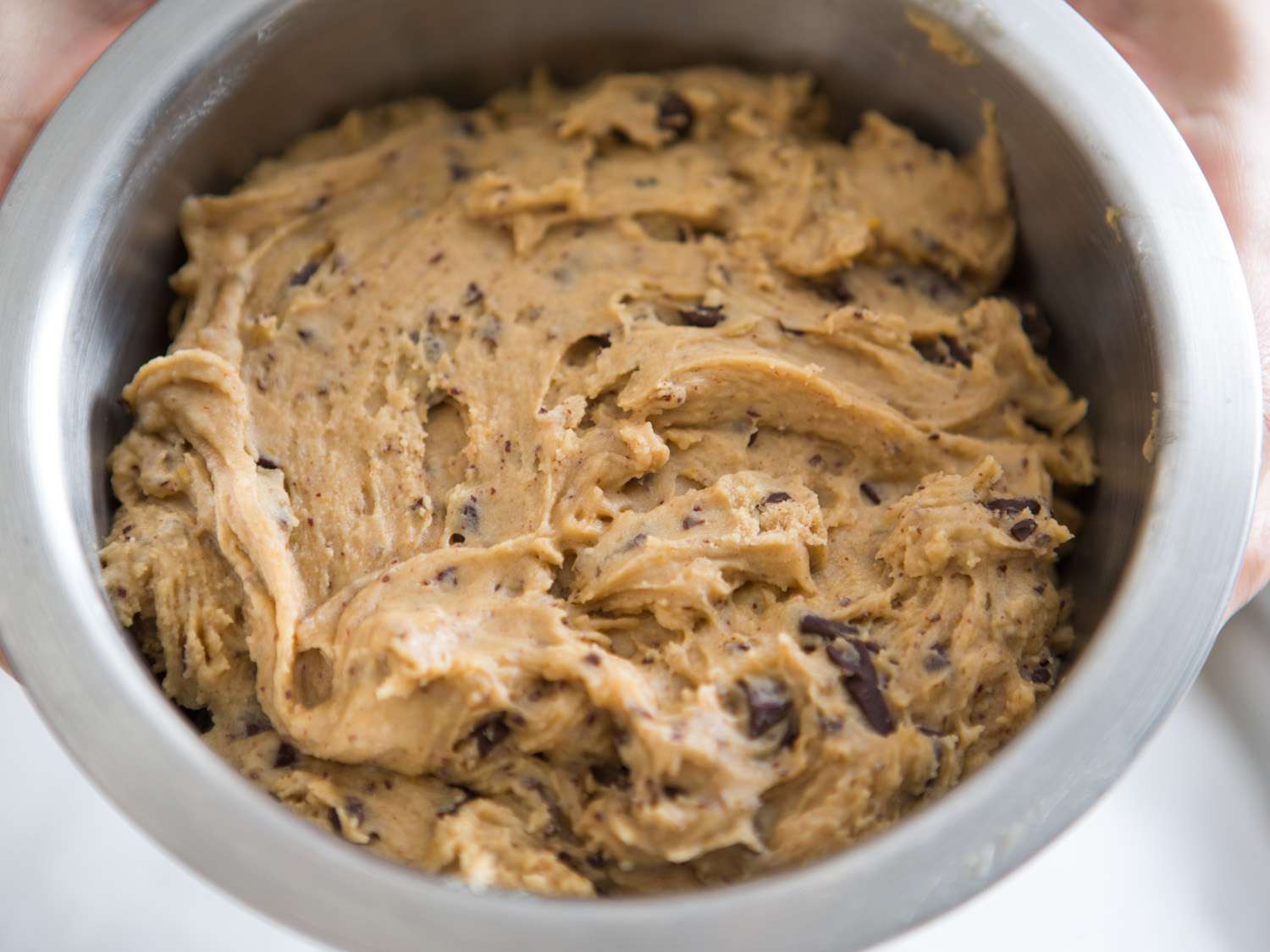
The best cookie dough basics
Cookie dough is simple, but the details matter. The difference between cookies that spread into buttery puddles and cookies that stay thick and chewy usually comes down to three things: butter temperature, how long you mix, and whether you give the dough time to chill.
- Room-temperature butter helps trap air with the sugar, giving you lift and a tender bite.
- Don’t overmix after adding flour so the cookies stay soft, not tough.
- Chilling the dough deepens flavor and keeps the cookies from spreading too fast.
Ingredients (and why they matter)
This is a classic, supermarket-friendly lineup. No fancy flour blends or hard-to-find chocolate needed, although I will never stop you from upgrading your chocolate situation.
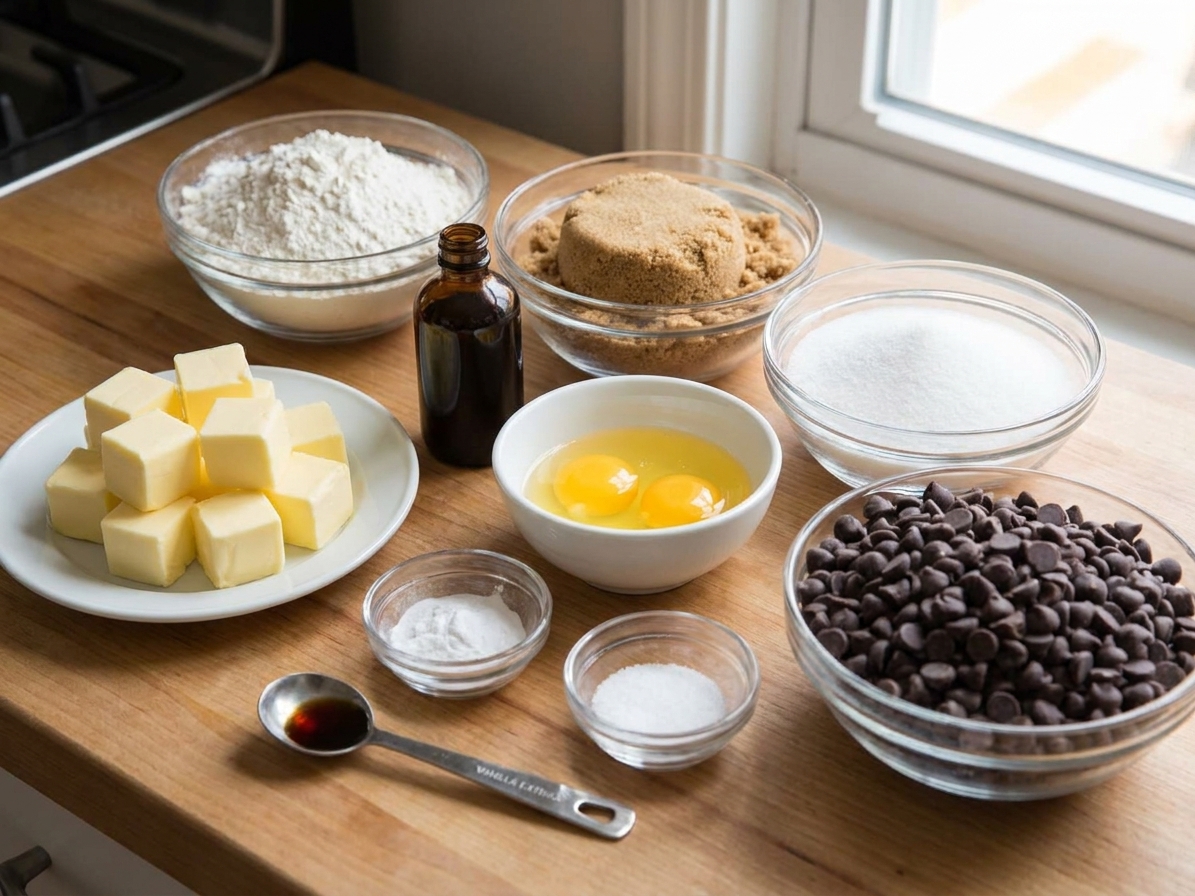
What you’ll need
- Unsalted butter: Lets you control the salt level. Softened, not melty.
- Brown sugar: Adds moisture and that caramel-y depth. More brown sugar generally equals chewier cookies.
- Granulated sugar: Helps with crisp edges and spread.
- Egg + extra yolk (optional but lovely): The yolk adds richness and chew. You can use 1 whole egg only if you prefer.
- Vanilla extract: A full tablespoon is not excessive here. It makes everything taste more like “cookie.”
- All-purpose flour: Spoon into the measuring cup and level for accuracy.
- Baking soda : Helps cookies brown and spread, and contributes some rise.
- Salt: Essential for balancing sweetness. If you only have salted butter, reduce added salt.
- Chocolate chips or chopped chocolate: Chips hold shape; chopped chocolate makes pockets and streaks.
My “too much garlic” equivalent here: a pinch of flaky salt on the dough balls right before baking. It’s a tiny move that makes your chocolate taste bigger.
How to make cookie dough
You can do this with a hand mixer, stand mixer, or a sturdy spoon and a little determination. The goal is a dough that’s cohesive and thick, not greasy or dry.
Quick gut-check: the finished dough should feel thick and tacky, not pourable.
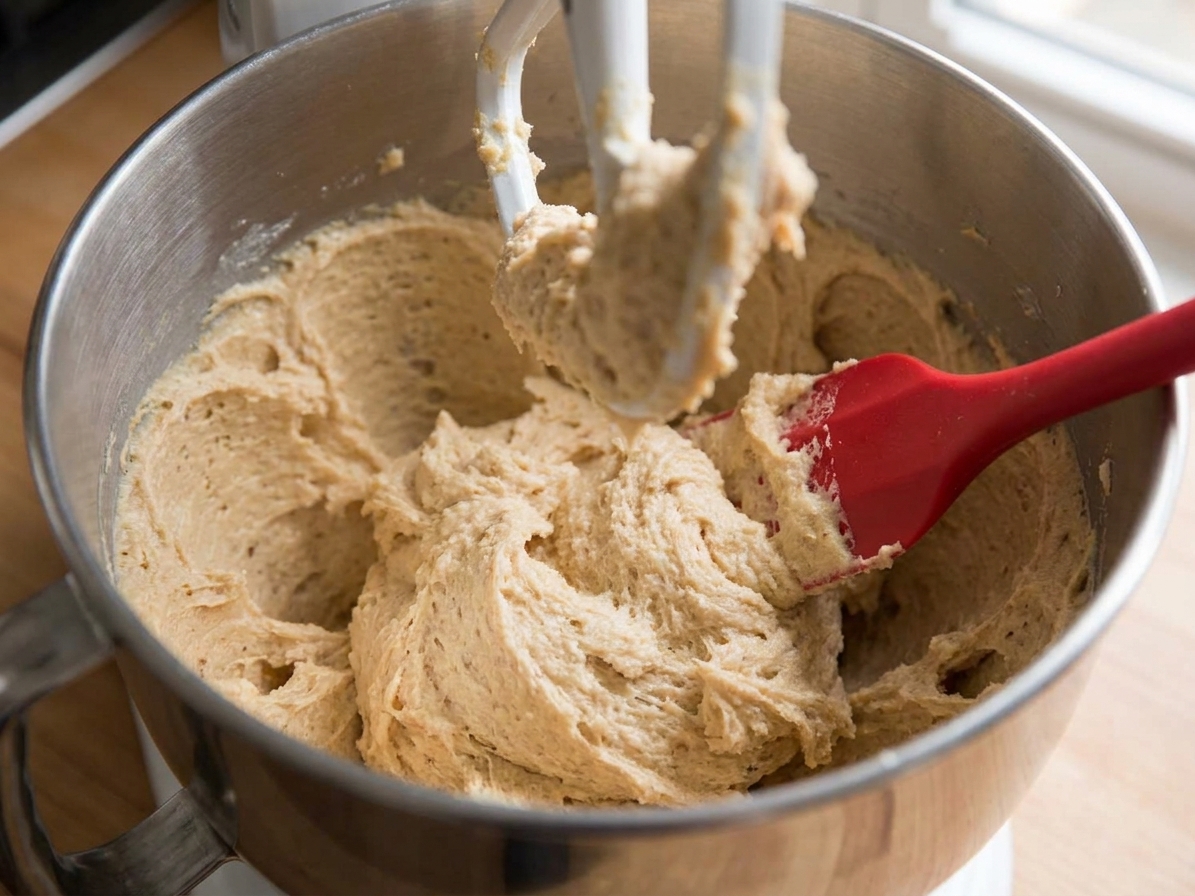
1) Cream butter and sugars
Beat softened butter with brown sugar and granulated sugar until lighter in color and fluffy, about 2 to 3 minutes. This step builds structure.
2) Add eggs and vanilla
Beat in the egg (and yolk, if using) and vanilla until smooth. Scrape the bowl. If the mixture looks a little curdled, it usually comes together once the flour is added.
3) Combine dry ingredients
In a small bowl, whisk flour, baking soda, and salt briefly to combine. This keeps you from overmixing once flour hits the wet ingredients.
4) Add flour, then chocolate
Mix in the dry ingredients on low speed just until you see the last streaks of flour disappear. Fold in chocolate chips or chopped chocolate.
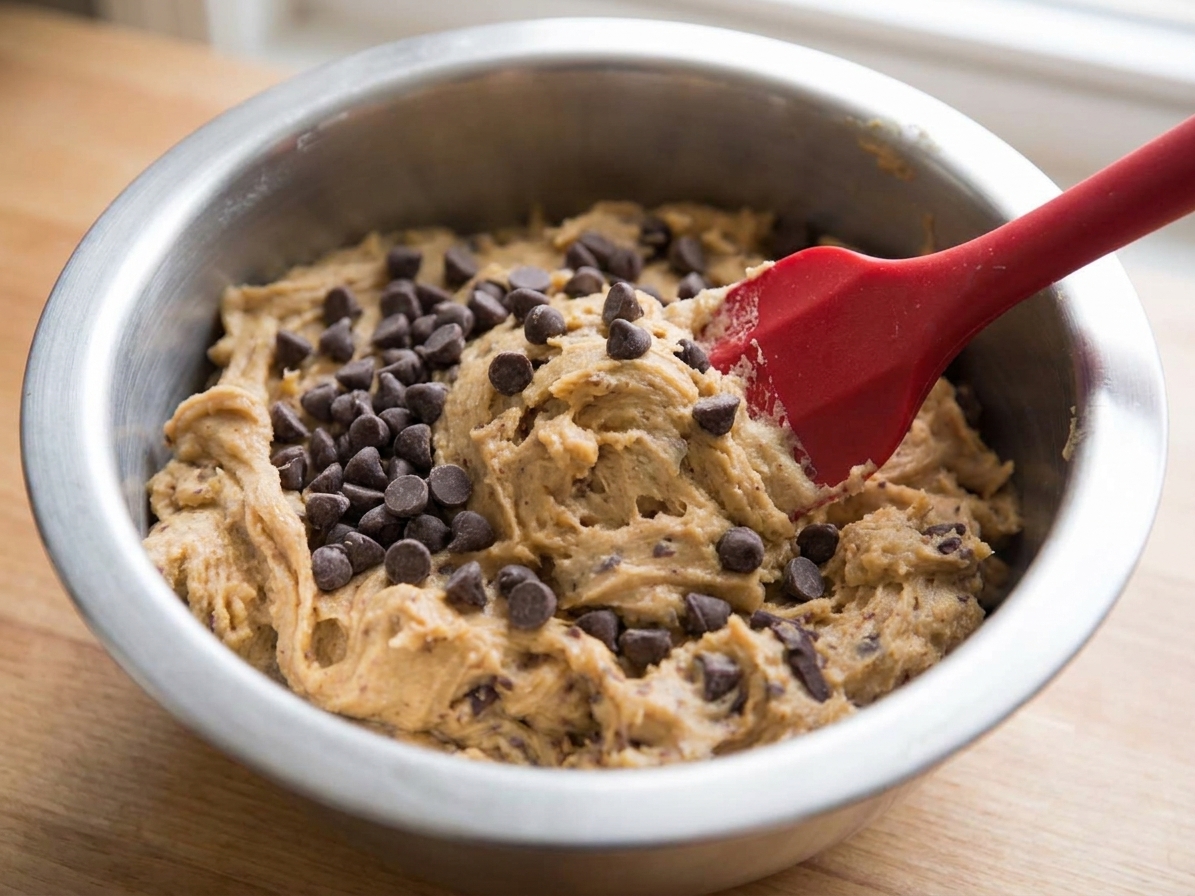
5) Chill (highly recommended)
Cover and refrigerate at least 30 minutes, or up to 48 hours. Even a short chill helps the flour hydrate and the butter firm up, which means better texture and less spread.
Base recipe (about 24 cookies)
If you want a straightforward formula you can bookmark, this one is my weeknight staple. Yield depends on scoop size. A 2-tablespoon scoop gets you about 24 cookies.
- 1 cup (226 g) unsalted butter, softened
- 3/4 cup (150 g) brown sugar, packed
- 1/2 cup (100 g) granulated sugar
- 1 large egg
- 1 large egg yolk (optional)
- 1 tablespoon vanilla extract
- 2 1/4 cups (270 g) all-purpose flour
- 1 teaspoon baking soda
- 1 teaspoon kosher salt (or 3/4 teaspoon fine salt)
- 2 cups (340 g) chocolate chips or chopped chocolate
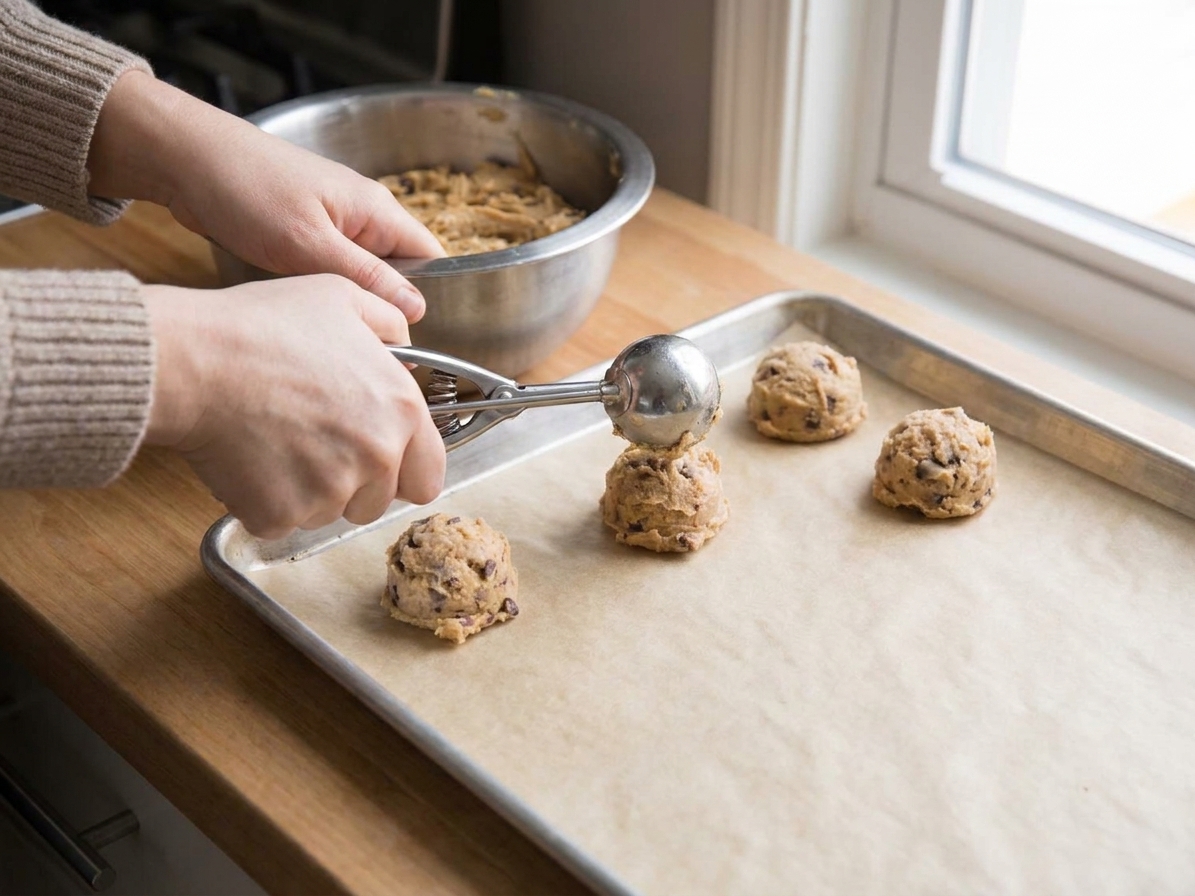
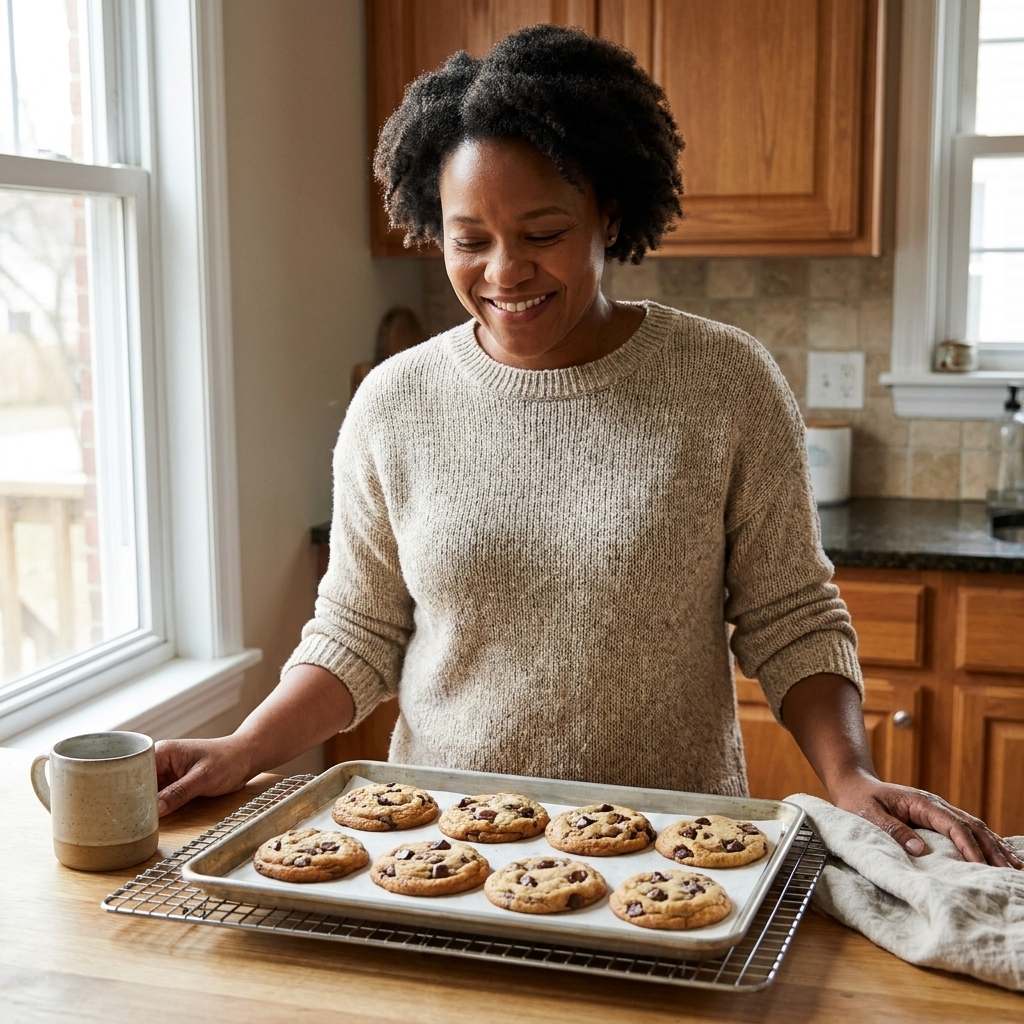
Bake (when you’re ready): Scoop 2-tablespoon portions onto a parchment-lined sheet pan. Bake at 350°F (175°C) for 10 to 12 minutes, until the edges are set and the centers still look slightly underdone. For the most consistent results, bake on the center rack and bake one sheet at a time (or rotate halfway through if your oven runs hot). Cool 5 minutes on the pan, then transfer to a rack.
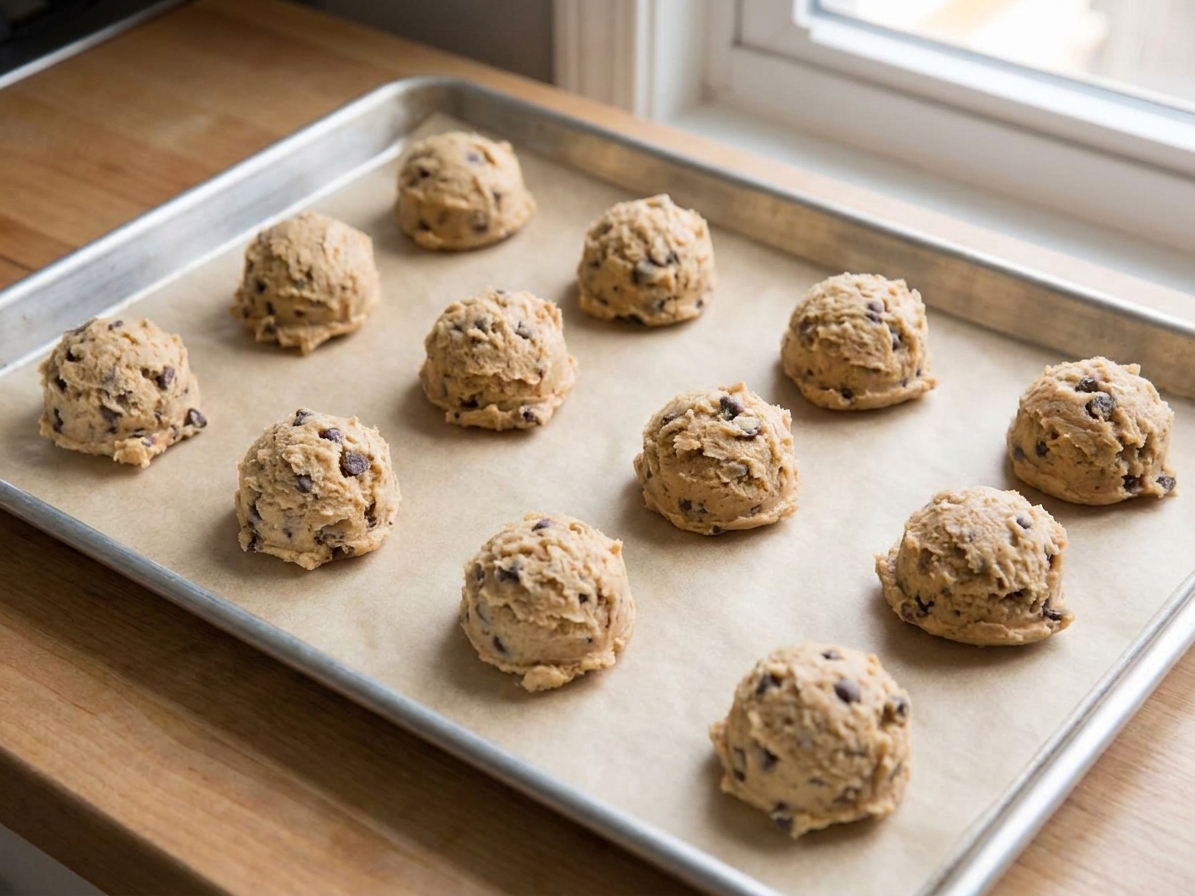
How to get your perfect texture
Think of this as your choose-your-own-adventure section. You don’t have to change much to steer the final cookie.
- Thicker cookies: Chill longer, use slightly larger scoops, and make sure butter is softened not melted.
- Chewier cookies: Use the extra yolk, lean into brown sugar, and slightly underbake.
- Crispier edges: Bake 1 to 2 minutes longer. You can also add 1 to 2 tablespoons more granulated sugar, but chill well to avoid extra spread.
- More chocolate in every bite: Save a handful of chips to press into the tops of dough balls before baking.
Edible cookie dough safety
If you’re making dough specifically to eat raw, you’ll want to address the two usual concerns: raw flour and raw eggs.
To heat-treat flour
Spread flour on a sheet pan and bake at 300°F (150°C) for 8 to 10 minutes, stirring once, until it reaches 165°F (74°C) if you have a thermometer. Cool completely before using.
Safety note: Oven temperatures vary. The goal is for the flour to reach 165°F throughout, not just at the surface.
To avoid raw eggs
Skip the eggs and use milk (regular or non-dairy) a tablespoon at a time to bring the dough together. You can also use pasteurized liquid eggs if you prefer an egg-based dough.
Important: Edible cookie dough is typically softer than bakeable dough. That’s a feature, not a bug. Keep it chilled for the best texture.
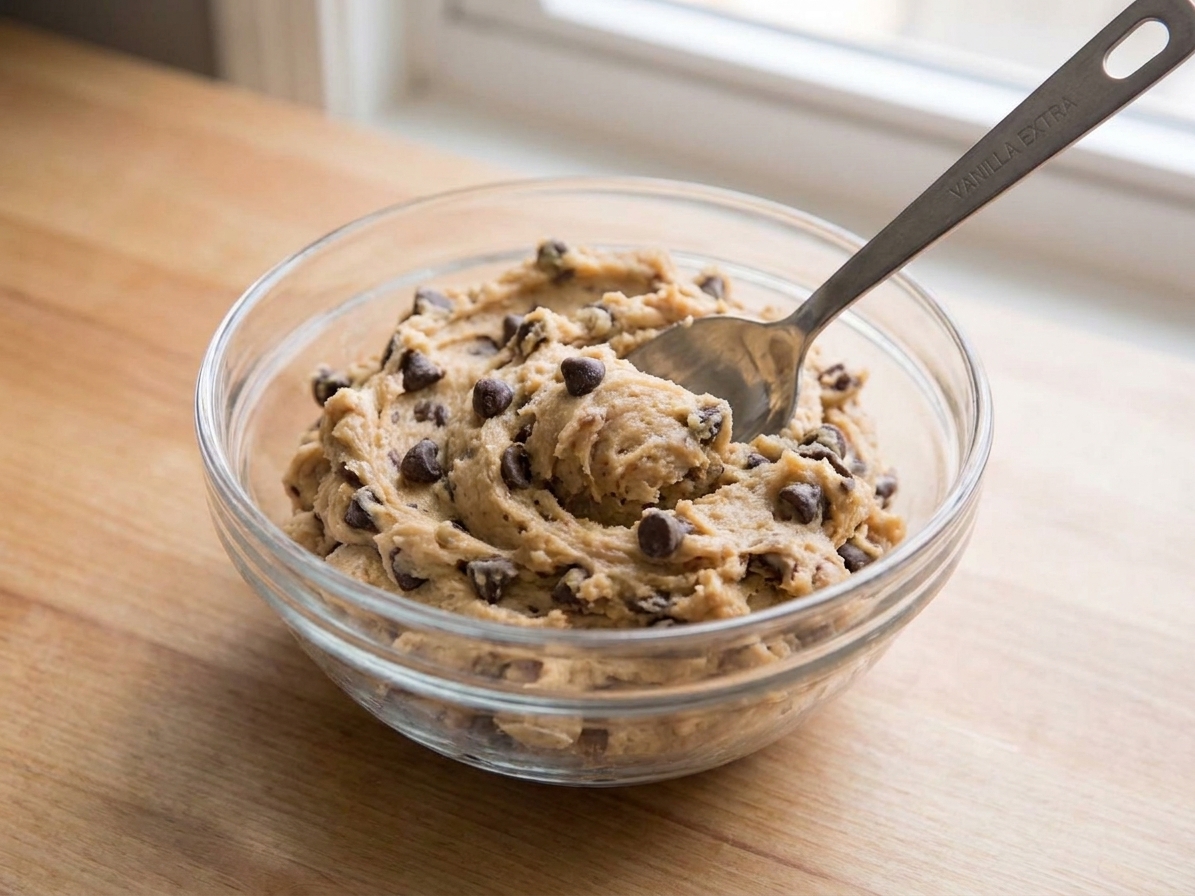
How to store and freeze dough
This is where cookie dough becomes a real weeknight luxury. Make a batch once, bake fresh cookies for days.
Refrigerator
- Store covered up to 3 to 4 days.
- For best flavor and texture, bake within 48 hours.
Freezer (my favorite)
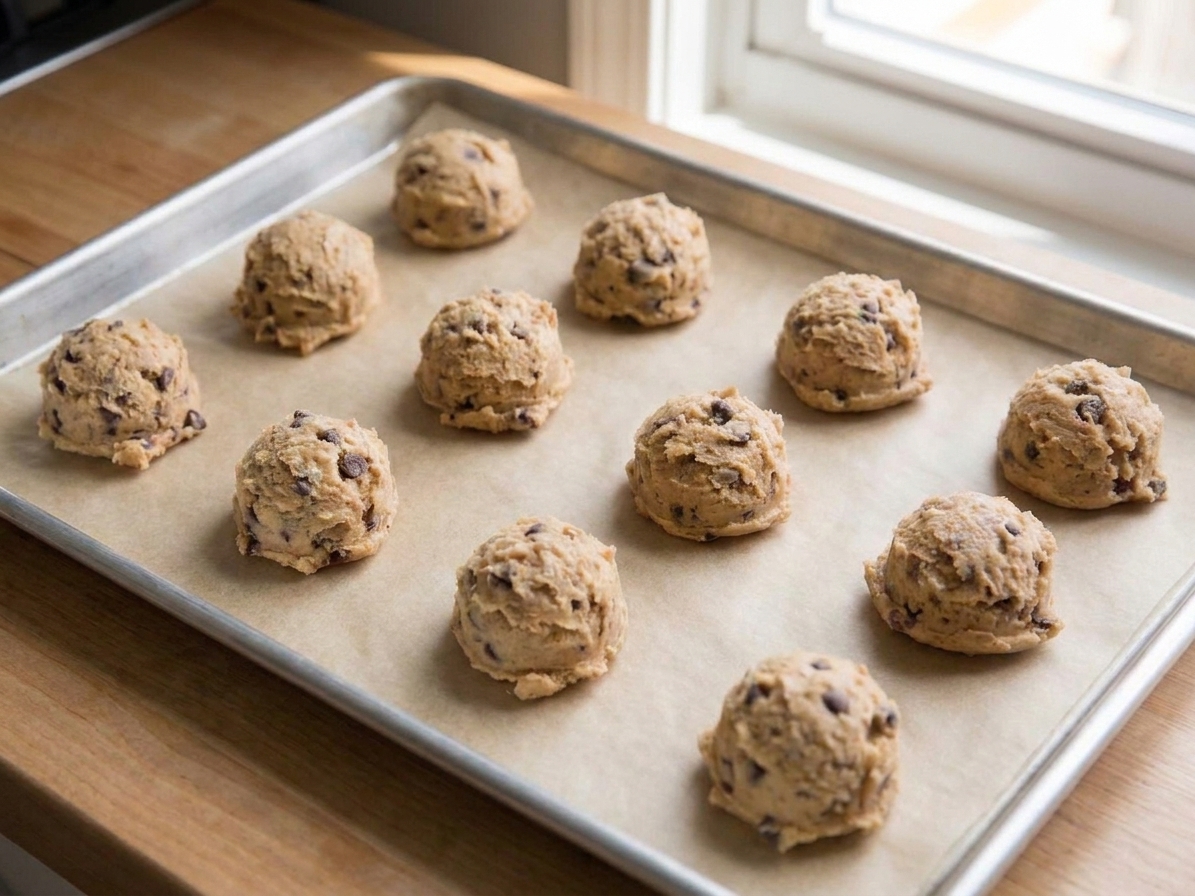
- Scoop dough into balls and freeze on a sheet pan until solid.
- Transfer to a freezer bag or container and freeze up to 3 months.
- Bake from frozen at 350°F (175°C), adding 1 to 3 minutes to the bake time.
Troubleshooting
If your dough is being dramatic, don’t worry. Cookie dough is almost always fixable.
Dough is too sticky
- Chill 30 to 60 minutes.
- Make sure your butter was softened, not melted.
- If it’s still sticky after chilling, mix in 1 to 2 tablespoons flour.
Dough is crumbly or dry
- Measure flour carefully. Spoon and level, don’t scoop.
- Mix in 1 tablespoon milk at a time until it comes together.
- Let the dough rest 10 minutes. Flour continues hydrating.
Cookies spread too much
- Chill longer.
- Check baking soda freshness.
- Try a heavier sheet pan and parchment instead of a greased pan.
Cookies are puffy and cakey
- Mix less after adding flour.
- Use slightly less flour next time. Even 2 tablespoons can change the texture.
- Make sure you’re not using baking powder by accident.
Flavor variations
Once you have a solid base dough, it’s honestly fun to play. Here are a few easy swaps that feel special without requiring a pantry overhaul.
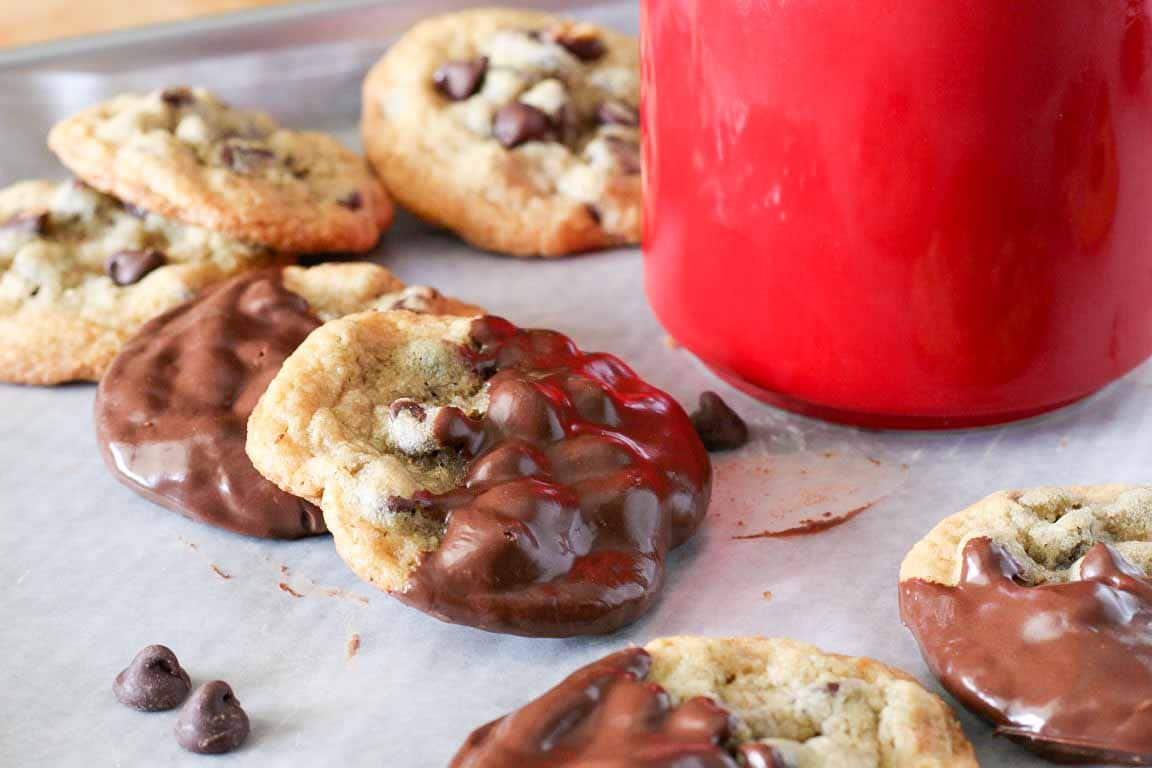
- Brown butter dough: Brown the butter, then cool until opaque, thickened, and scoopable (not hot). Expect deeper toffee notes.
- Oatmeal chocolate chip: Replace 1/2 cup flour with 1/2 cup old-fashioned oats.
- Nutty crunch: Add 3/4 cup toasted chopped walnuts or pecans.
- Double chocolate: Replace 1/3 cup flour with 1/3 cup cocoa powder.
- Holiday energy: Add 1/2 teaspoon cinnamon plus a pinch of espresso powder to intensify chocolate flavor.
FAQ
Can I make cookie dough without brown sugar?
You can, but the cookies will be less chewy and a little less flavorful. If you’re out, use all granulated sugar and add 1 teaspoon molasses if you have it. Otherwise, proceed and call it a crispy-edge situation.
Do I have to chill the dough?
No, but you’ll get better thickness and flavor if you do. If you skip chilling, bake a small test cookie first. If it spreads too much, chill the remaining dough 30 minutes and try again.
Why does my cookie dough taste salty?
Usually it’s one of two things: using salted butter plus the full amount of added salt, or measuring salt incorrectly (table salt is much saltier by volume than kosher). Reduce salt next time, and consider weighing if you bake often.
Can I halve or double this dough?
Yes to both. When doubling, scrape the bowl a couple extra times so everything mixes evenly.
If you make this dough, I hope it becomes your “I can totally handle today” recipe, because that’s what cookies are in my world. And if you’re debating whether to add a little more vanilla, a little more chocolate, or a little more salt on top, I support you wholeheartedly.