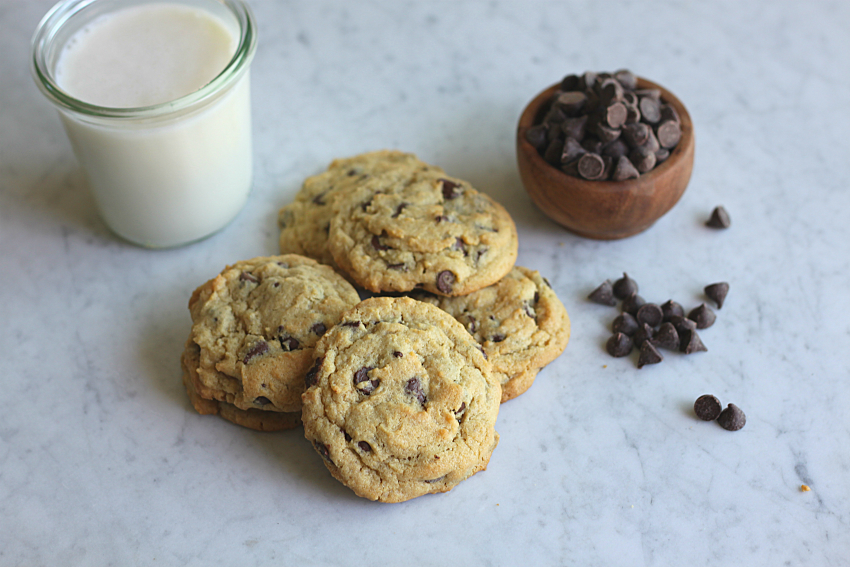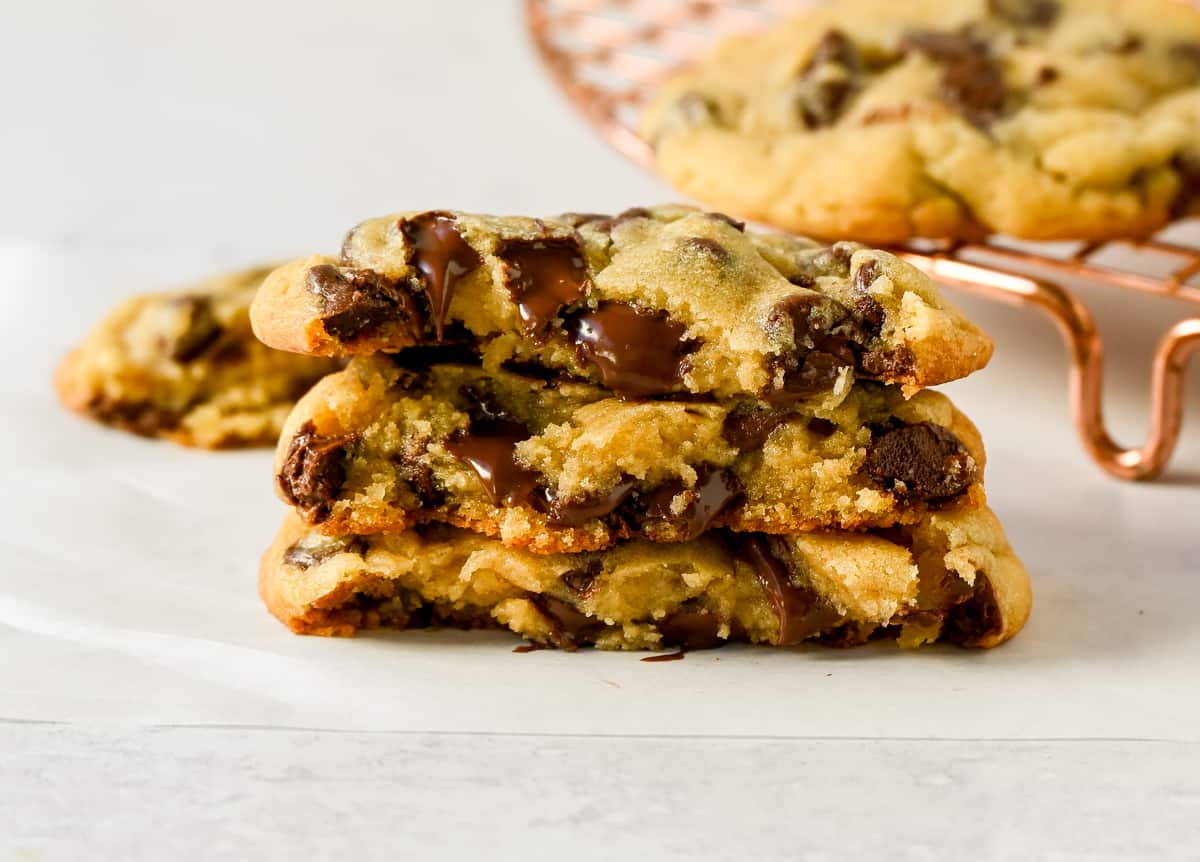

Chewy cookies are not luck, they are technique. Get actionable, science-backed tips on butter temp, sugars, flour, resting dough, and baking times for thick,...
Recipeva
Why Did My Cookies Spread? Baking Mistakes and Fixes
Cookies spreading too thin? Here are common baking mistakes that cause flat cookies, plus simple fixes for dough temperature, flour ratios, butter, leavening, and baking sheets.

Maya Reynolds
Maya Reynolds is a passionate home cook, recipe developer, and the creative voice behind Recipeva. With over a decade of experience translating complex culinary techniques into approachable weeknight meals, she focuses on creating dishes that bring joy to the dinner table without the stress.
Created September 24, 2026
Updated September 24, 2026
If your cookies are spreading into thin, lacy puddles instead of staying thick and chewy, you are not alone. Cookie spread often comes down to timing: the fat and sugar start to melt and loosen the dough before the cookie has a chance to set. Structure (flour, eggs, leavening) and oven heat determine how quickly it firms up.
The good news is that cookie spread is one of the easiest baking problems to troubleshoot because the causes are pretty predictable. Below are the most common mistakes I see in home kitchens, plus practical fixes you can use immediately, even mid-batch.
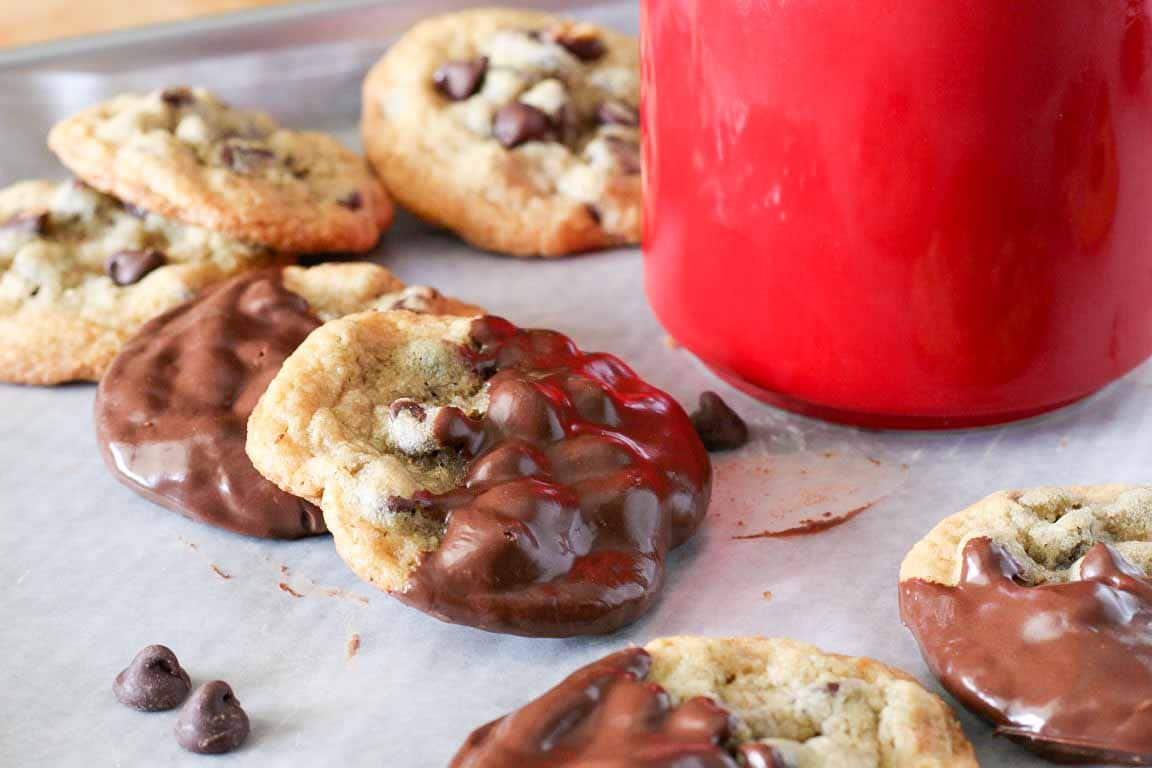
Quick triage: save the next tray
If you are already baking and the first tray spread too much, do this before you keep going:
- Chill the remaining dough for 20 to 30 minutes (or 10 minutes in the freezer).
- Cool the baking sheet completely before scooping the next tray.
- Line with parchment (not a greased pan) and use a fresh sheet of parchment if yours looks shiny with butter.
- Move the rack to the middle position and, if possible, confirm oven temperature with an oven thermometer.
Now let’s fix the root cause.
1) Dough was too warm
Why it makes cookies spread: Warm dough equals soft butter. Soft butter melts fast in the oven, so the cookie flows outward before the flour and eggs can set the structure.
Common ways this happens: mixing in a warm kitchen, using softened butter that is almost melty, letting dough sit on the counter while the oven preheats, adding warm mix-ins, or placing dough on a warm baking sheet.
Fix it:
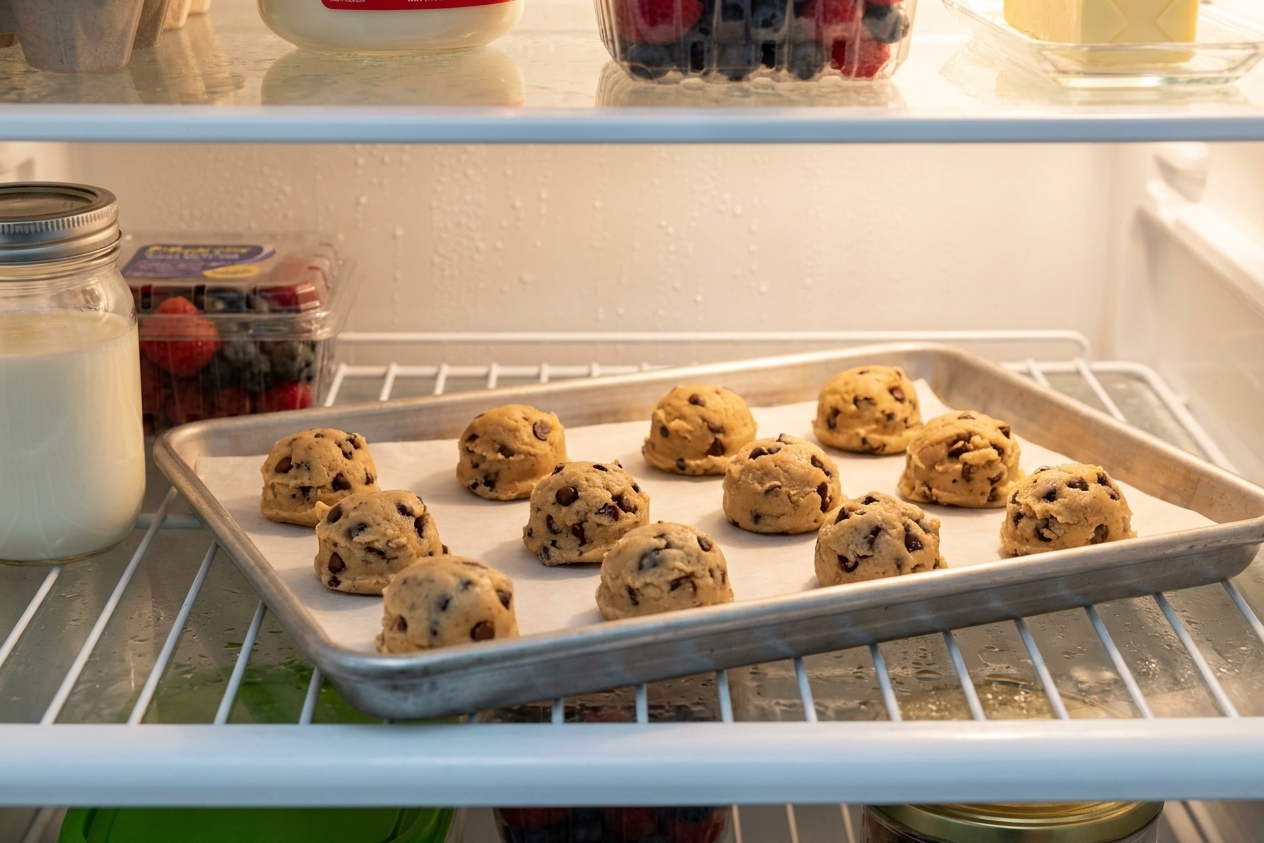
- Chill the dough at least 30 minutes for classic drop cookies. For extra thick cookies, 1 to 24 hours is even better.
- Scoop dough into balls before chilling so it cools faster and bakes more evenly.
- Use the “press test” for butter: it should dent when pressed, but not look glossy or leave oil on your finger.
- If you toasted nuts or browned butter, let them cool before adding. Warm add-ins can heat the dough surprisingly fast.
2) Butter was too soft, melted, or swapped
Why it makes cookies spread: Butter is both fat and water. When it melts early, it lubricates the dough and encourages spreading. Melted butter also changes how sugar dissolves, often leading to thinner, crisper cookies.
Fix it:
- If your recipe calls for softened butter, do not melt it. Soften at room temp for 30 to 60 minutes, depending on your kitchen.
- If your recipe calls for melted butter, make sure the dough is chilled before baking, or expect a thinner cookie by design.
- Stick with butter, not tub spreads. Many “spreadable” products contain extra oils or water that can increase spread.
Little teacher note: If you accidentally melted the butter for a recipe that wanted softened, you can often recover by chilling the dough 1 to 2 hours. If the dough still looks clearly loose or oily after chilling, add flour 1 tablespoon at a time, mixing minimally. Too much extra flour can make cookies dry or bready, so stop as soon as the dough holds its shape when scooped.
3) Not enough flour (or flour measured too lightly)
Why it makes cookies spread: Flour is structure. If you short it even slightly, the dough has less ability to hold its shape as the fat melts.
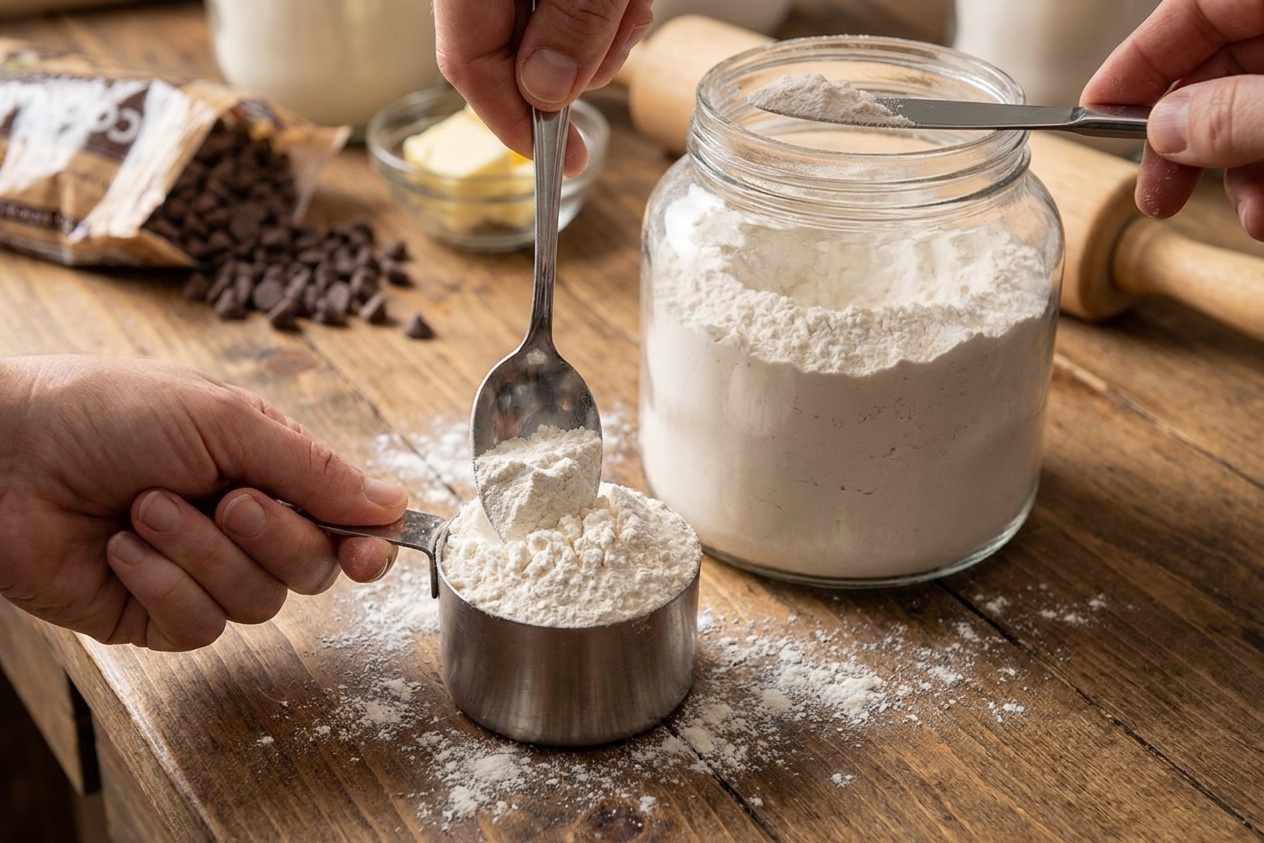
Most common culprit: scooping flour directly with the measuring cup, which can give you too little (or sometimes too much) depending on how you scoop.
Fix it:
- Best: use a kitchen scale. (If your recipe includes grams, follow them.)
- Next best: fluff flour, spoon it into the cup, then level off with a straight edge.
- If your dough feels greasy and slumps immediately after scooping, mix in 1 tablespoon of flour at a time until it holds a mound. Mix just until combined so you do not toughen the dough.
4) Too much sugar or sugar balance
Why it makes cookies spread: Sugar melts into syrup as it heats, which encourages spreading. Higher sugar ratios generally mean more spread and crisper edges.
Brown sugar vs white sugar: Brown sugar contains molasses and is hygroscopic, which usually means more moisture and chew. White sugar more often bakes up crisper and can encourage more spread. Exact results depend on the recipe’s fat, flour, and bake temp.
Fix it:
- Measure sugar carefully. It is easy to overpack brown sugar or overfill a cup of white sugar.
- If your cookies consistently spread too much, try a recipe with a slightly higher brown sugar to white sugar ratio for chew and a softer bite.
- Avoid “reducing sugar to be healthier” without adjusting flour and fat. That can throw off structure and texture in unpredictable ways.
5) Eggs were too large or liquid was added
Why it makes cookies spread: Extra liquid thins the dough, letting it flow more before it sets. Even a small change, like using extra large eggs instead of large, can matter in a small batch.
Fix it:
- Use the egg size the recipe specifies, usually large eggs.
- If you added extra liquid (vanilla, milk, espresso, etc.), chill the dough and consider adding 1 to 2 tablespoons flour to rebalance.
- If your dough looks shiny and loose, it is telling you it needs more chill time or a touch more flour.
6) Baking sheets were greased or hot
Why it makes cookies spread: Grease adds extra fat, which increases spread. A hot pan starts melting the butter in your dough instantly, before the oven heat can set the cookie.
Fix it:
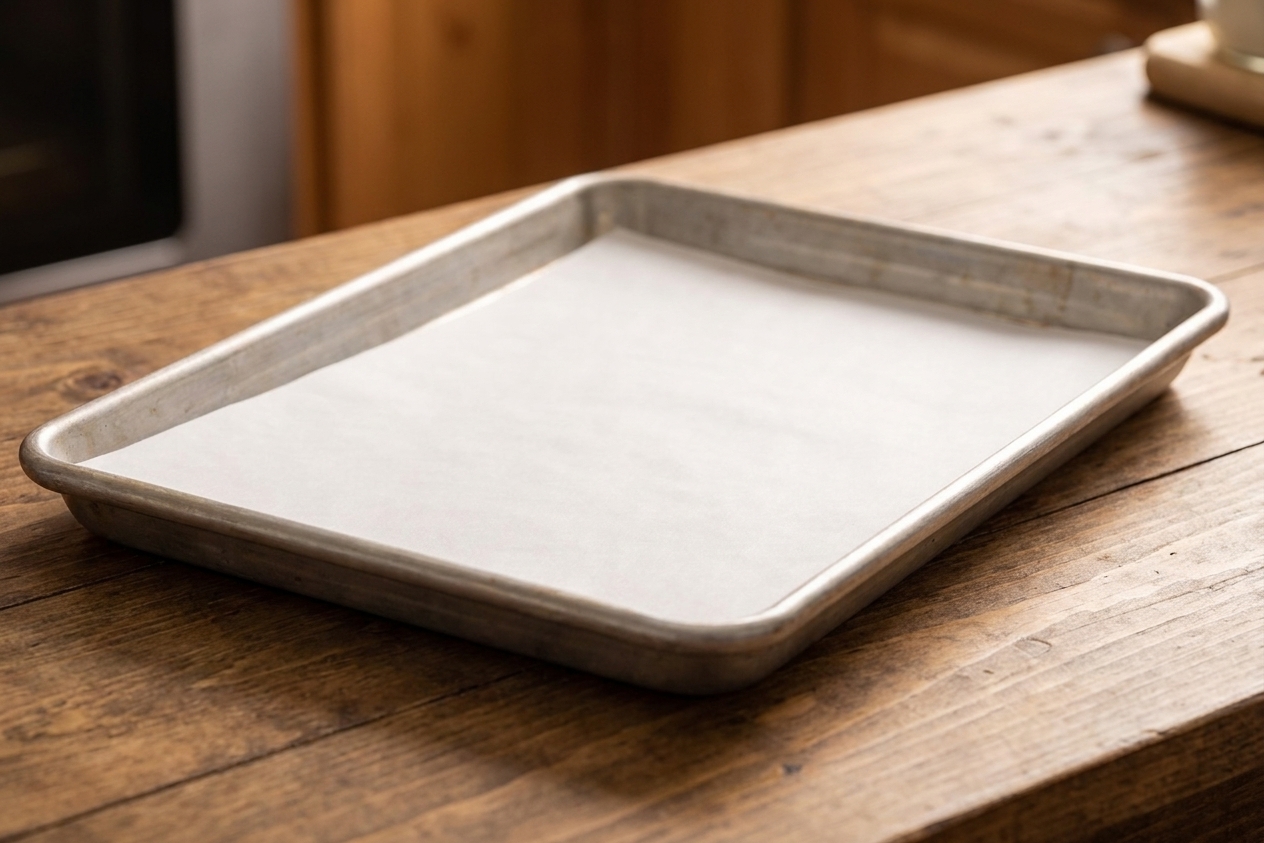
- For most cookies, skip greasing and use parchment paper or a silicone baking mat.
- Use cool, room-temperature baking sheets. If you only have one sheet, rinse it under cool water, dry it well, and let it sit 5 minutes before reusing.
- Aim for light-colored, heavy-gauge sheets. Dark sheets can brown faster and sometimes contribute to thinner edges.
7) Oven temperature was off
Why it makes cookies spread: In an oven that runs cool, butter and sugar melt and spread before the cookie structure sets. That is the classic cause of excess spread. In an oven that runs hot, cookies can set at the edges too quickly while the centers lag behind, which can create odd shape issues like craggy tops, rippling, or uneven spread.
Fix it:
- Use an inexpensive oven thermometer and trust it more than the dial.
- Preheat for a full 20 to 30 minutes, not just until the beep.
- Bake on the middle rack for the most even heat.
8) Mixing method issues
Why it makes cookies spread: Cookie dough structure depends on how ingredients emulsify and how much air gets incorporated. Overcreaming butter and sugar can whip in excess air, which may make cookies puff quickly and then sink or bake up cakier than intended. Undermixing can leave fat and sugar unevenly distributed, creating greasy spread spots.
Fix it:
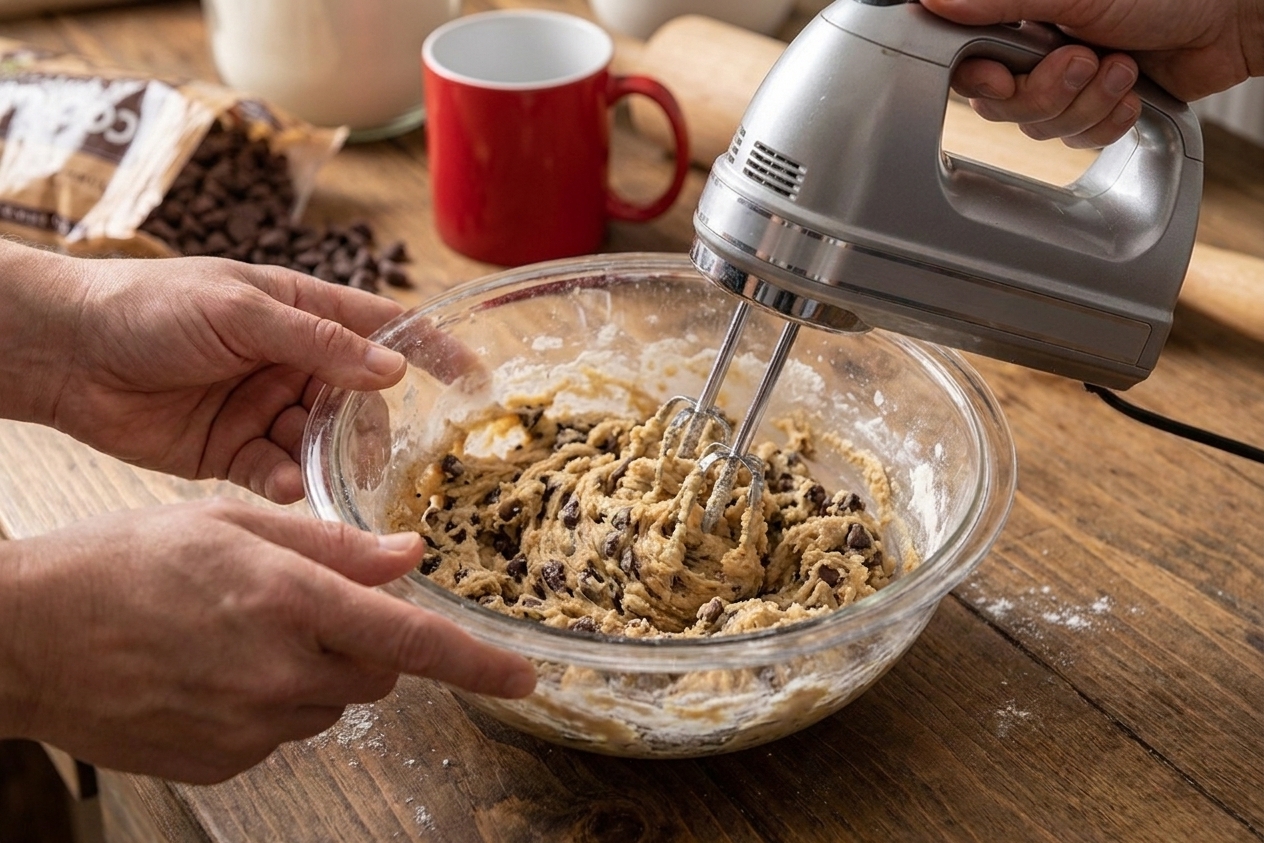
- Cream butter and sugar just until lightened and fluffy, usually 2 to 3 minutes with a mixer, depending on speed.
- Scrape the bowl often. Butter loves to cling to the sides and hide from the sugar.
- Once flour goes in, mix on low just until you no longer see dry streaks.
9) Leavening or flour type was different
Why it makes cookies spread: Leavening affects rise and set time. Too much baking soda can make cookies puff, spread, and then fall, especially in warm dough. Flour type matters too: lower-protein flours tend to make a more tender cookie that can spread more, while higher-protein flours can hold shape better.
Fix it:
- Measure baking soda and baking powder with level spoons, not a heaping scoop.
- Do not swap flour types unless you are expecting a texture change. All-purpose flour is the baseline for most cookie recipes.
- If you only have pastry flour and your cookies are spreading, try a recipe formulated for it or consider blending with all-purpose flour next time.
What cookie spread should look like
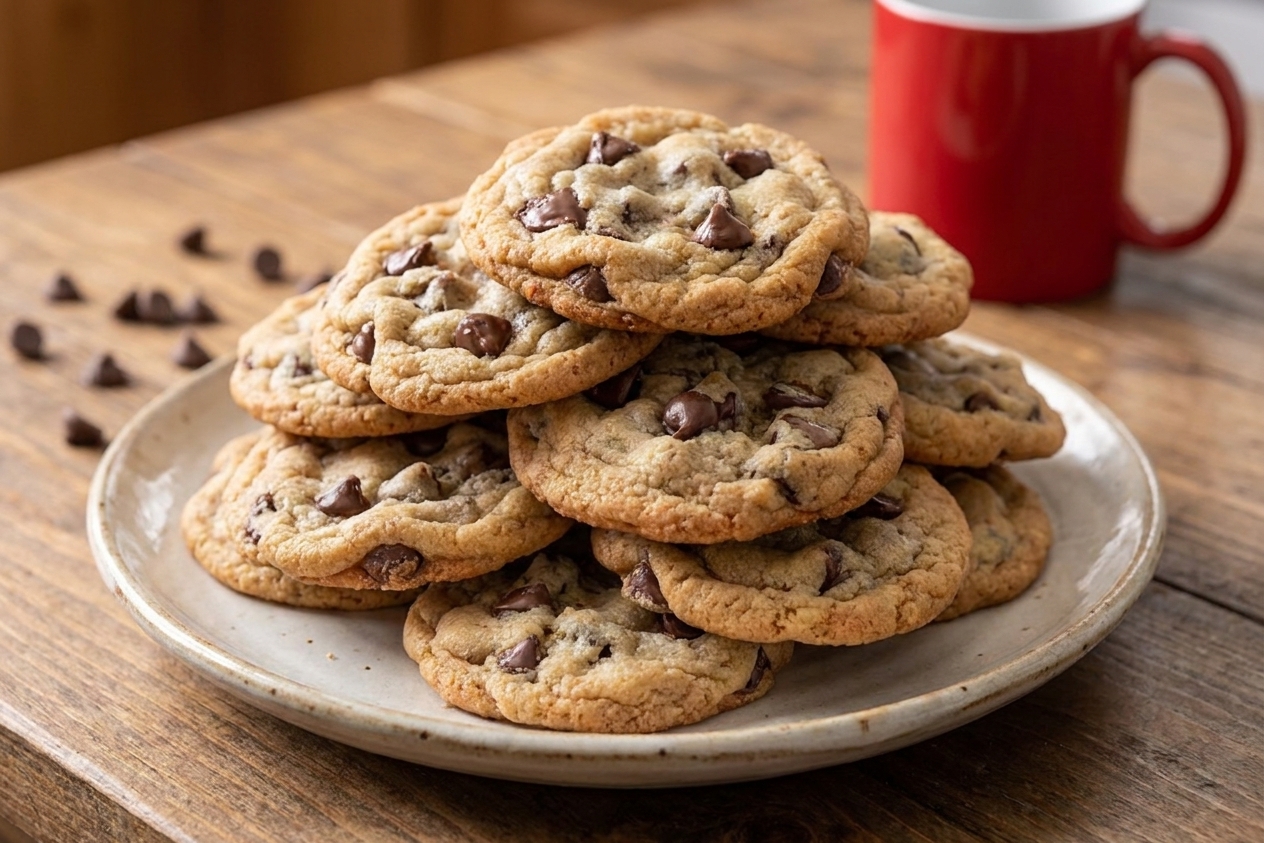
A little spread is normal and often desirable. Most classic drop cookies should puff slightly, spread into a neat round, and settle with soft centers and set edges. If your cookies are:
- Paper-thin and greasy: dough too warm, too little flour, pan greased, or butter too soft.
- Lacy with holes: too much sugar, butter too warm, dough too loose, or leavening imbalance.
- Thin with dark edges: dark pan, pan too hot, oven running hot, or cookies baked too long.
My thick-and-chewy routine
If you want reliably thicker cookies with less drama, here is my simple routine:
- Portion dough with a scoop.
- Chill dough balls at least 1 hour (overnight is great).
- Bake on parchment on a cool, light-colored sheet.
- Pull cookies when edges are set and centers still look slightly underdone.
- Let them cool on the sheet for 5 to 10 minutes to finish setting.
FAQ
Why did my cookies spread even after chilling?
Chilling helps, but if the dough is still low in flour or high in butter or sugar, it can still spread. Check flour measurement first, then confirm your oven temp with a thermometer. Also make sure your baking sheet is cool between batches.
Will adding more flour fix spreading cookies?
Sometimes, yes. If the dough looks clearly loose or oily, adding flour 1 tablespoon at a time can help. Stop as soon as the dough holds its shape, because too much extra flour can make cookies dry or bready. If the real issue is warm dough or a hot pan, you will get better results by chilling and cooling your equipment first.
Does parchment paper reduce cookie spread?
It can. Parchment prevents extra grease from being added and promotes more even baking. If you previously greased your pans, switching to parchment often makes an immediate difference.
Why do my cookies spread on one pan but not another?
Pan color and thickness matter. Dark or thin pans heat more aggressively, which can change how quickly the cookie edges set and how the centers spread. A heavy, light-colored aluminum sheet is the most forgiving.