

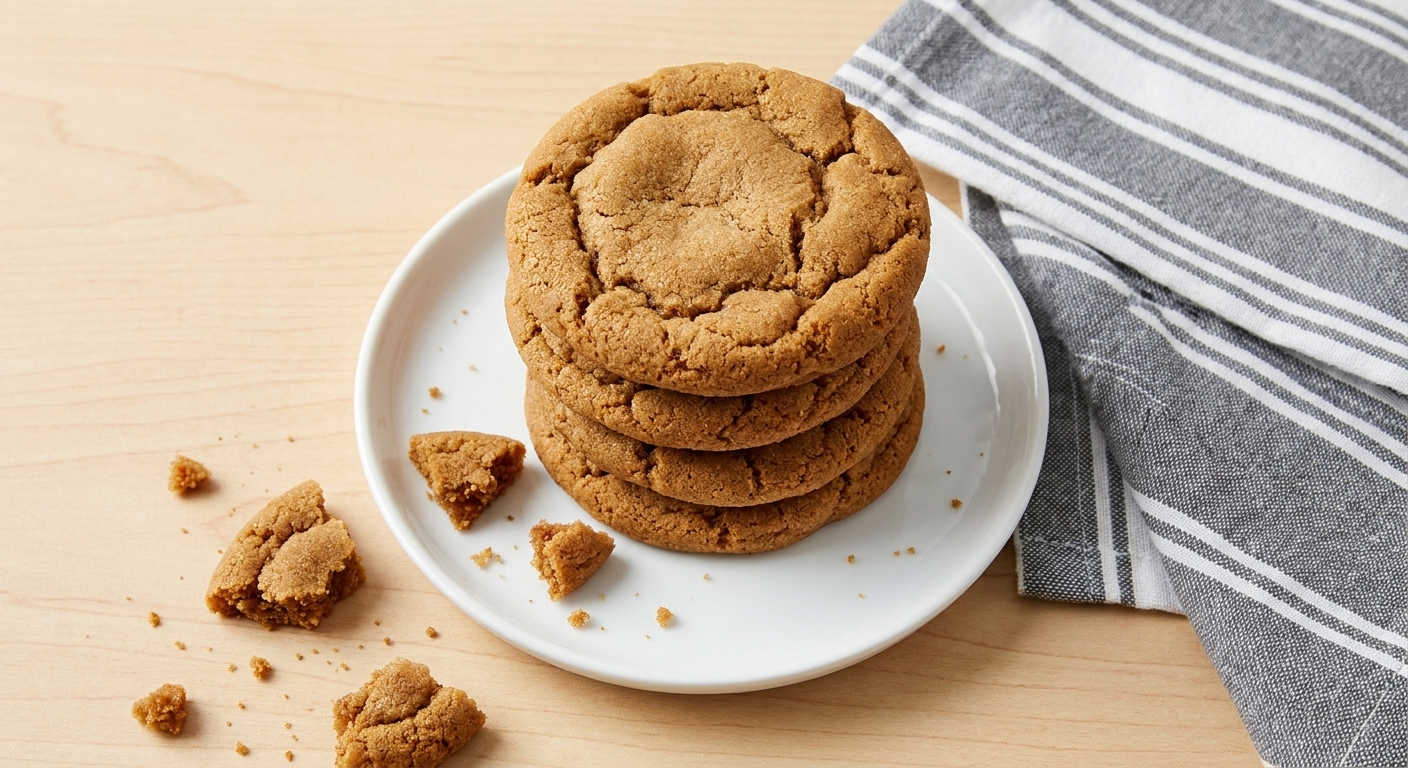
If you are chasing that perfect cookie texture, this is the one I bake when I want pillowy-soft centers and chewy edges without any fancy ingredients. Brown sugar does the heavy lifting here, bringing moisture and a warm, caramel-like flavor that makes the whole kitchen smell like a hug.
You can bake these right away, but a short chill is the secret handshake for thicker cookies and more consistent results. I will walk you through exactly what to look for in the oven so you pull them at the right moment and keep them soft longer.

Recipe
This is the full, make-them-right-now recipe, with the exact oven temp and the same doneness cues I use every time.
Makes: about 24 to 28 cookies (depending on scoop size)
Prep time: 15 minutes
Chill time: 1 hour (or up to 48 hours)
Bake time: 10 to 12 minutes per batch
Total time: about 1 hour 30 minutes (includes chilling)
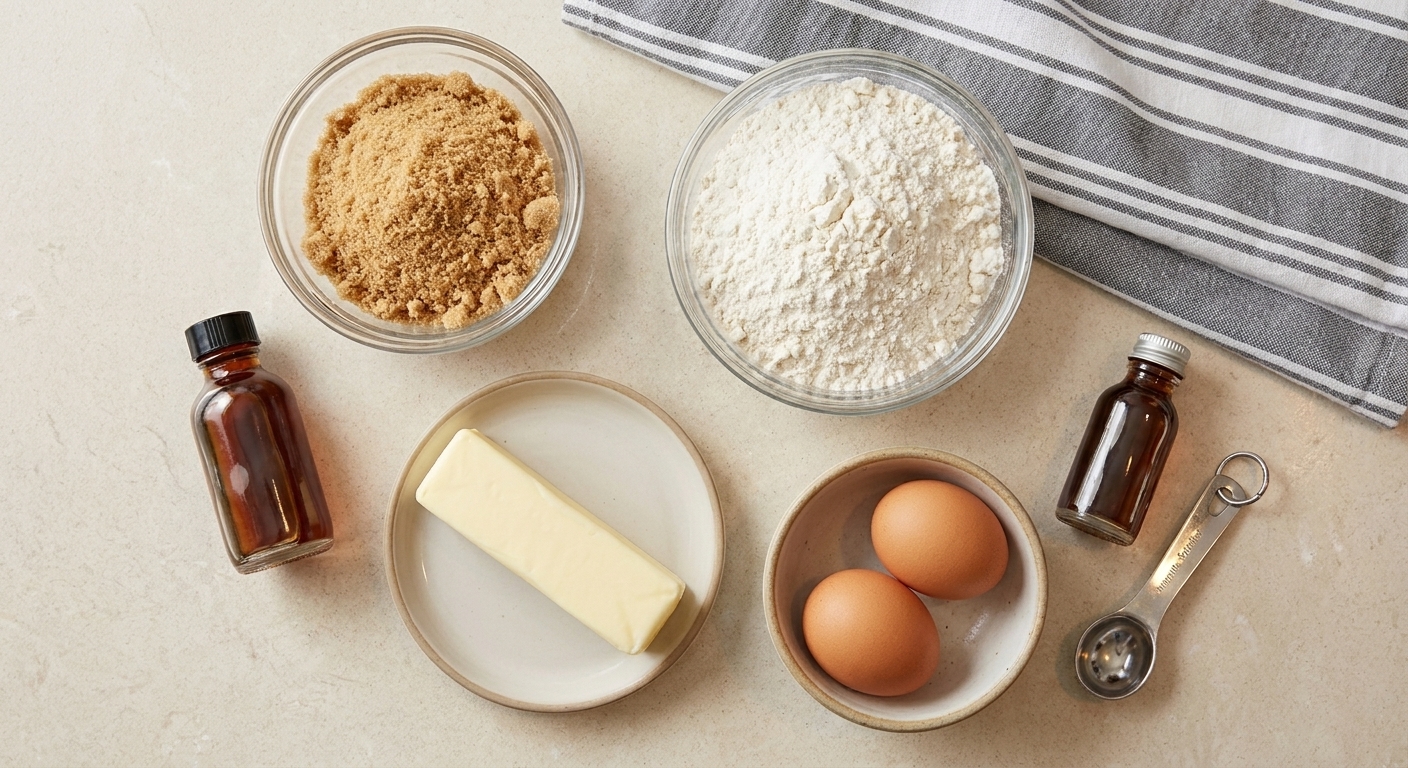
Ingredients
- 2 1/4 cups (270 g) all-purpose flour
- 1 teaspoon baking soda
- 1/2 teaspoon fine salt
- 3/4 cup (170 g) unsalted butter, softened
- 1 1/4 cups (250 g) packed brown sugar (light or dark)
- 1 large egg
- 1 large egg yolk
- 2 teaspoons vanilla extract
- Optional: 1 to 2 tablespoons granulated sugar, for rolling
Instructions
- Mix the dry ingredients. In a medium bowl, whisk together the flour, baking soda, and salt. Set aside.
- Cream butter and sugar. In a large bowl using a hand mixer or stand mixer, beat the softened butter and brown sugar for 2 to 3 minutes, until lighter and fluffy. Scrape down the bowl.
- Add egg, yolk, and vanilla. Beat in the whole egg, then the extra yolk, then the vanilla, mixing until smooth. Scrape down the bowl again.
- Add the dry ingredients. Add the flour mixture and mix on low just until you no longer see dry flour. Use a spatula to fold the last streaks by hand.
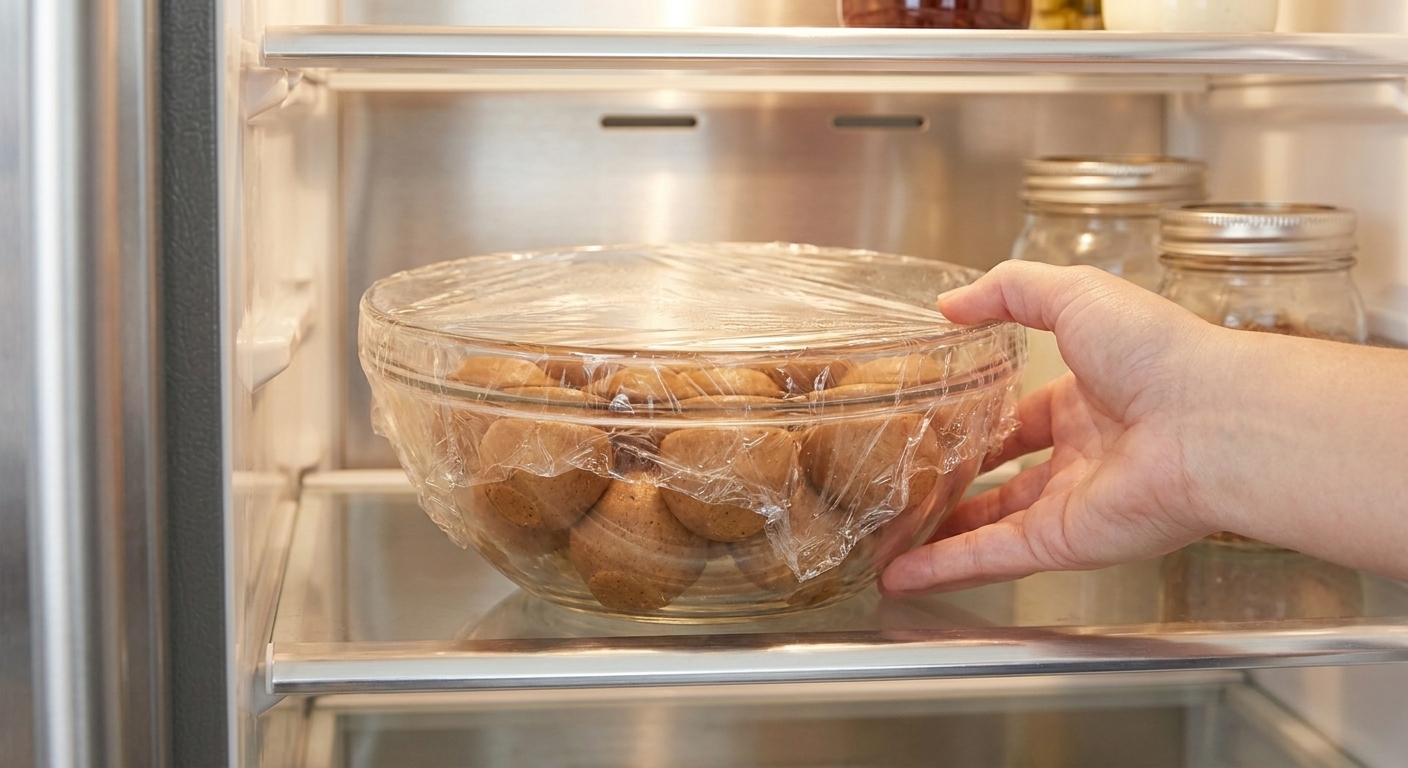
- Chill. Cover and refrigerate the dough for at least 1 hour, or up to 48 hours.
- Heat the oven. Preheat to 350 F (175 C). Line two baking sheets with parchment.
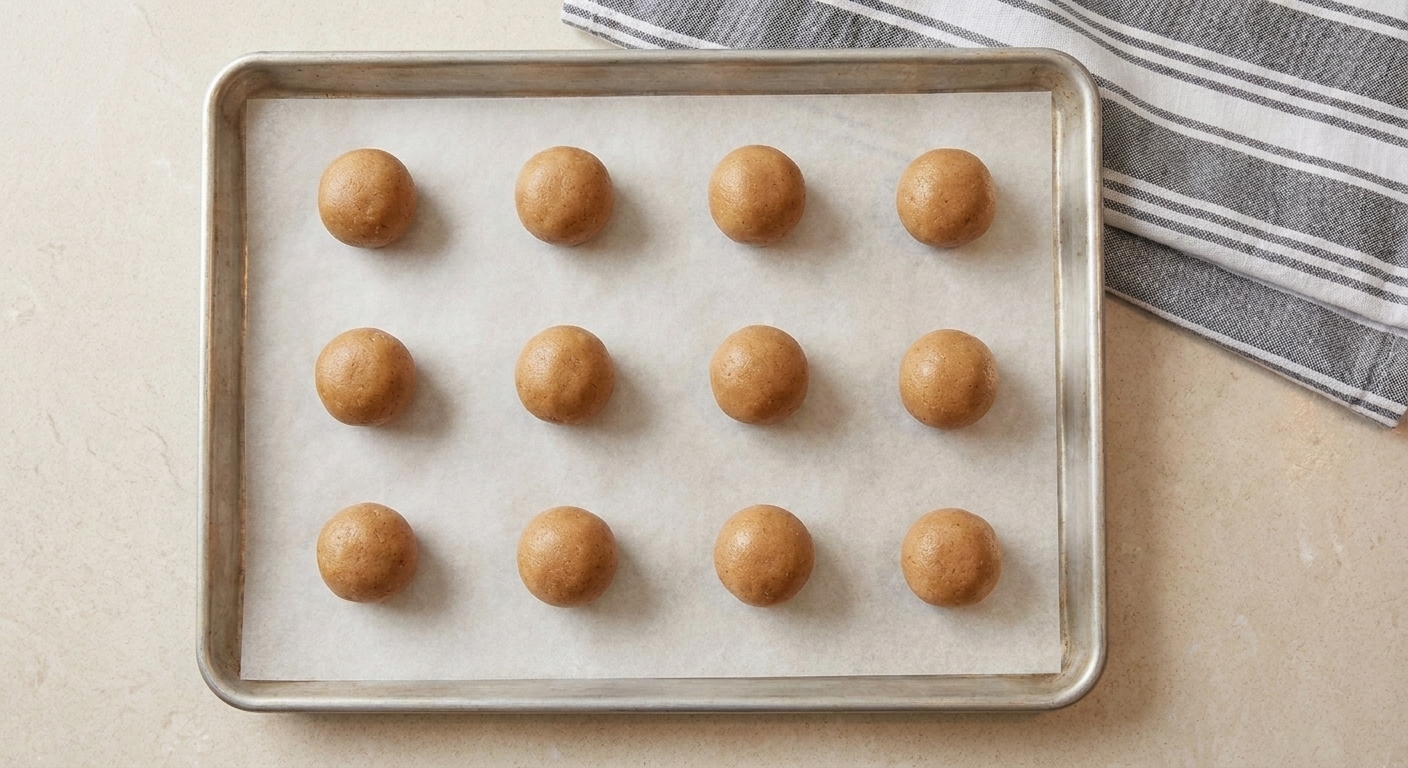
- Scoop and (optional) roll. Scoop dough into 1 1/2 tablespoon portions (about 30 g). A #40 cookie scoop is perfect here. If you like a sparkly top, roll each dough ball in a little granulated sugar.
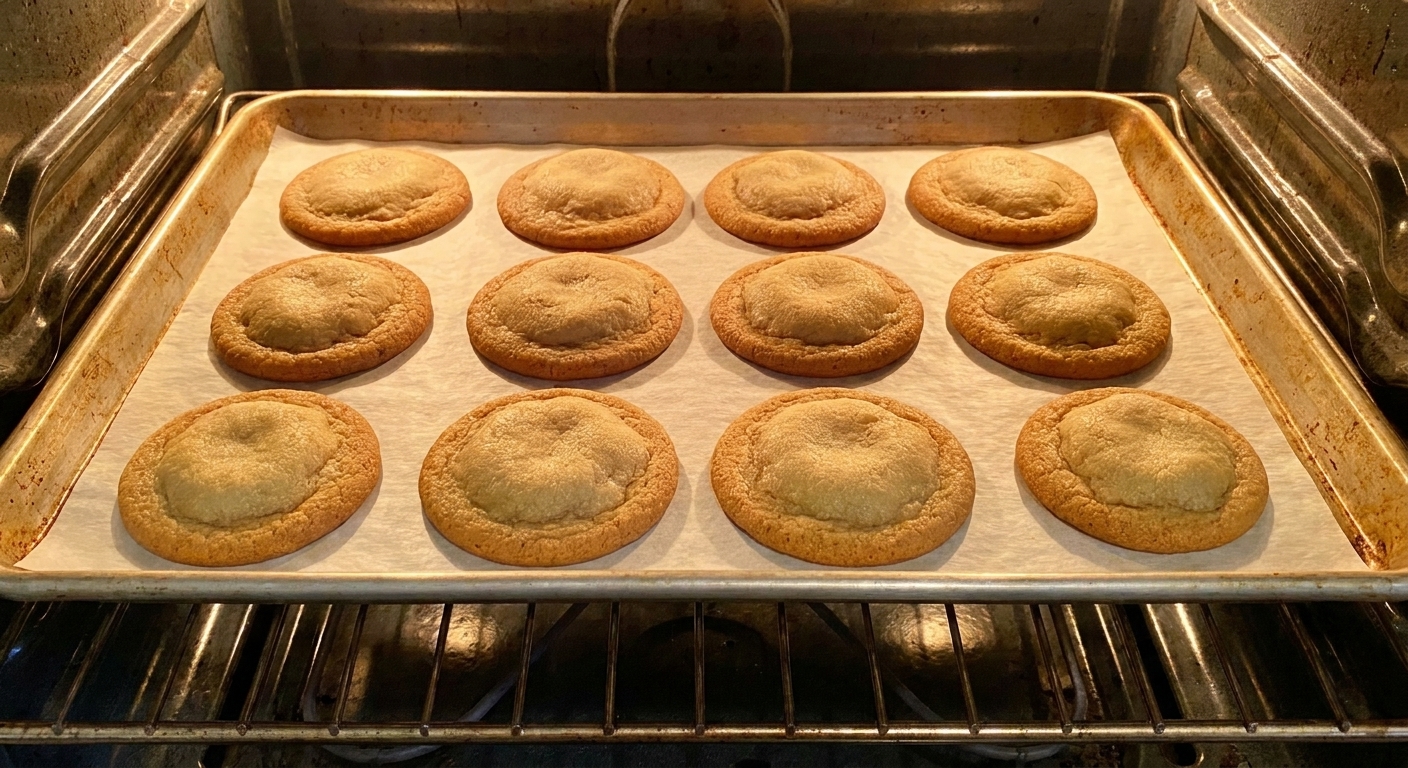
- Bake. Place dough balls 2 inches apart. Bake for 10 to 12 minutes, until the edges are set and lightly golden. The tops should look just set with a few soft cracks, and the centers should still look slightly underdone.
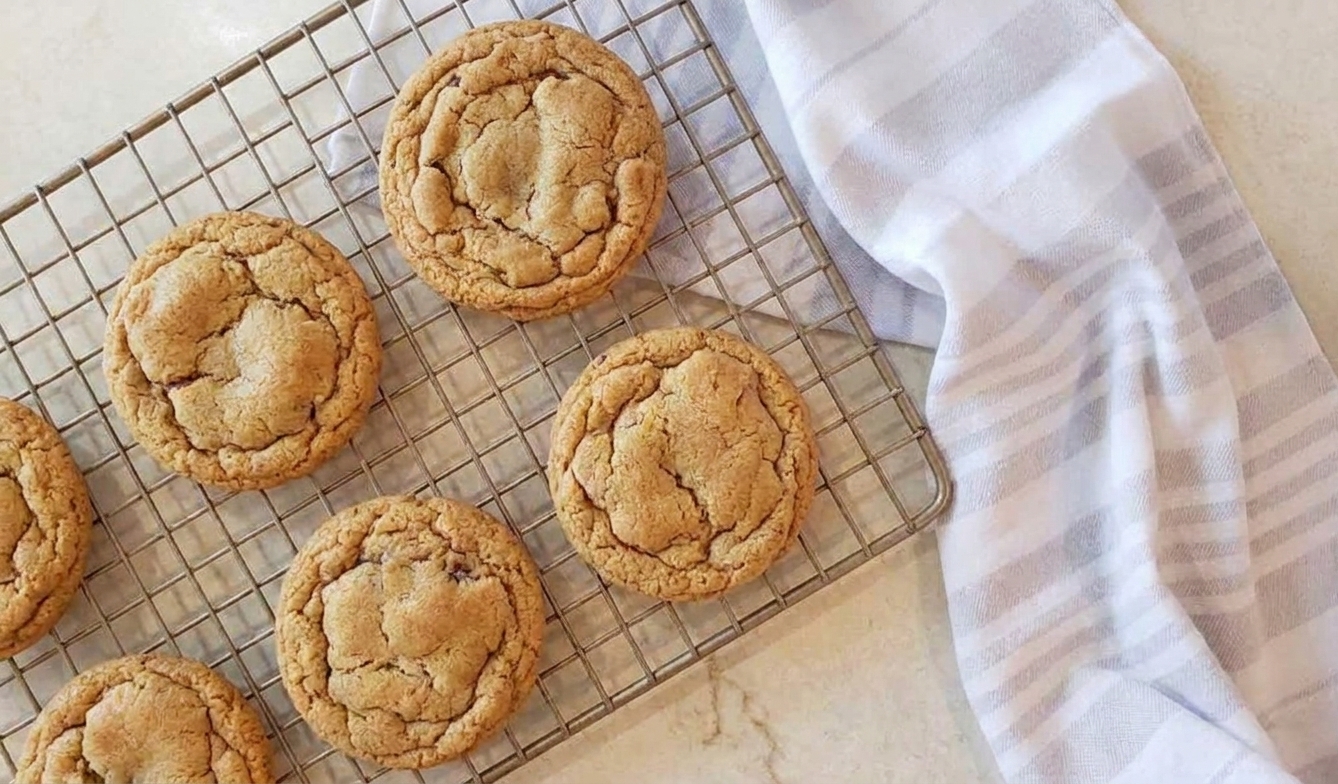
- Cool. Let cookies cool on the baking sheet for 5 minutes, then transfer to a wire rack to cool completely. They will feel very soft right out of the oven, and that is the point. They firm up as they cool.
Why it works
- Brown sugar brings chew. The molasses in brown sugar holds onto moisture, so the cookies stay tender.
- Egg plus extra yolk adds richness. You get soft centers without tipping into cakey.
- A chill controls spread. Firmer butter melts slower, and hydrated flour bakes up thicker and more even.
- Carryover heat finishes the centers. Pulling them a touch early is the soft-cookie move.
Texture goals
These cookies are designed to spread just enough for crisp, golden edges while staying tender in the middle. The dough is slightly sticky, and that is a good sign. It means moisture, chew, and a cookie that does not go dry by tomorrow afternoon.
Bake cues
This is the moment that makes or breaks a soft cookie. You are not waiting for the centers to look done.
- At 8 minutes: The dough should look puffy, with edges starting to set but still pale.
- At 10 to 12 minutes: The edges look set and are lightly golden. The tops look just set with a few gentle cracks. The centers should look soft, a bit glossy, and slightly underdone.
- After baking: Let them sit on the pan for 5 minutes. They finish setting from carryover heat. If you move them too soon, they can fall apart. If you bake them until the centers look fully dry in the oven, they cool down firm.
If you are unsure, do a one-cookie test bake. It is the fastest way to learn your oven.
Chilling the dough
I recommend chilling for at least 60 minutes. It gives the flour time to hydrate and the butter time to firm up, which means less spreading and a thicker, chewier bite. If you only have 20 minutes, do it anyway. Even a short chill helps.
How to keep them soft
Once the cookies are completely cool, store them airtight . If you want a little moisture insurance, tuck a slice of sandwich bread into the container. It helps the cookies stay soft longer, but the seal on your container and your kitchen humidity still matter.
The idea
Why This Recipe Works
- Brown sugar = moisture and chew. The molasses in brown sugar keeps the crumb tender and gives that cozy caramel flavor.
- One whole egg plus an extra yolk adds richness and helps create a soft, chewy interior without making the cookies cakey.
- Chilled dough bakes thicker. Cold butter melts slower in the oven, so the cookies spread less and stay plush.
- Pulling them while the centers look slightly underdone prevents dry cookies. They finish setting from carryover heat on the pan.
Shopping
Ingredient Notes
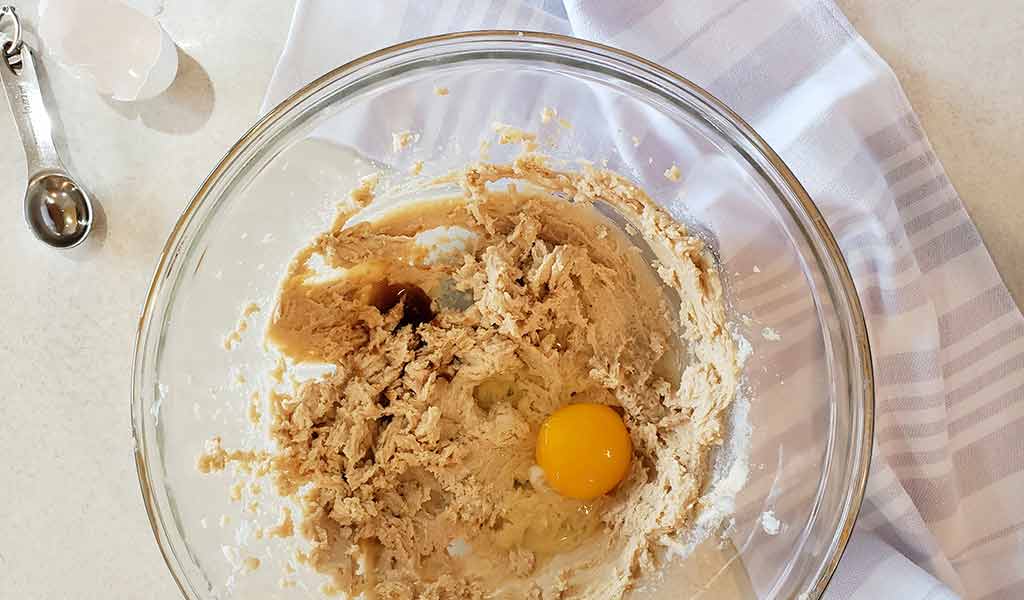
- Brown sugar: Light or dark both work. Dark brown sugar makes a deeper, slightly more molasses-y flavor and an extra-chewy texture.
- Butter: Use unsalted so you control the salt level. If you only have salted butter, reduce added salt to 1/4 teaspoon.
- Egg plus yolk: The extra yolk boosts chew and richness. Save the extra egg white for scrambled eggs or an omelet.
- Vanilla: Use real extract if possible. Brown sugar and vanilla are best friends.
- Flour: Spoon and level your flour instead of scooping, which can pack in too much and make cookies dry or a bit cakey.
- Baking soda: Helps the cookies spread and brown properly. Make sure it is fresh for best lift and color.
Get set up
Equipment You Will Need
- Stand mixer with paddle attachment or a large bowl and hand mixer
- Measuring cups and spoons
- Rubber spatula
- Cookie scoop (1 1/2 tablespoon size, #40) or tablespoon
- Two sheet pans
- Parchment paper or silicone baking mats
- Wire cooling rack
Technique
Tips for Getting It Right
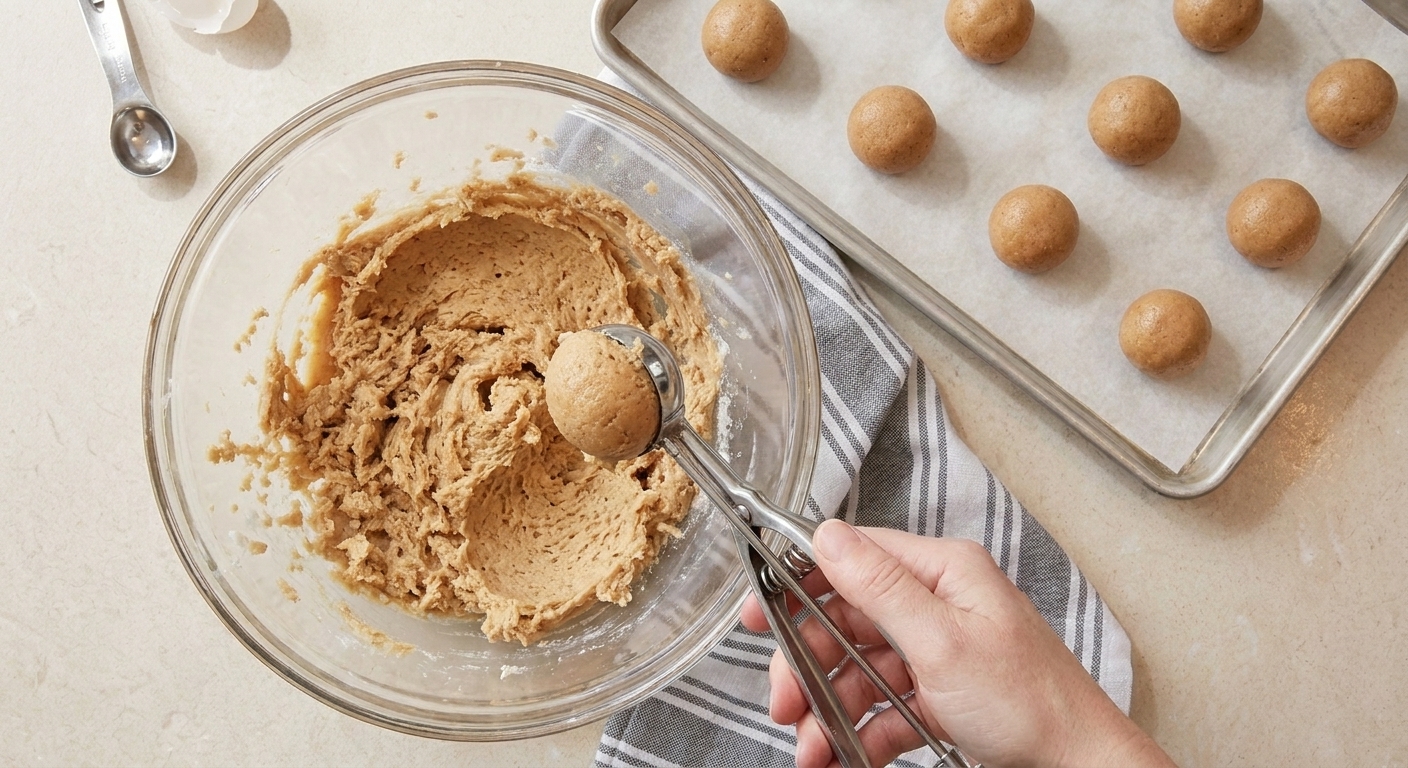
- Cream until fluffy, not just mixed. Give the butter and sugar a solid 2 to 3 minutes. It helps with texture and even baking.
- Do not overmix after adding flour. Mix just until you stop seeing dry streaks. Overmixing can make cookies tough.
- Use a scoop for uniform cookies. Even sizing equals even bake time, which is huge for soft centers.
- Bake one pan at a time for the most consistent results. If you bake two pans, rotate top to bottom halfway through.
- Look for the cue: edges set and lightly golden, tops just set with a few cracks, centers still puffy.
- For neat circles: as soon as the cookies come out, swirl a large round glass around each cookie to nudge the edges into a tidy round shape.
Flexibility
Substitutes That Work
- Light brown sugar vs dark: Either works 1:1. Dark gives deeper flavor and slightly more chew.
- Butter: Plant-based butter sticks can work, but results vary by brand. Choose one labeled for baking. Chill the dough well to prevent excess spreading.
- Vanilla: In a pinch, use 1/2 teaspoon almond extract plus 1 teaspoon vanilla for a bakery-style flavor twist.
- Flour: All-purpose flour is best. A measure-for-measure gluten-free blend can work, but expect a slightly different spread and texture. Chill the dough and do a small test bake first.
Make it yours
Variations to Try
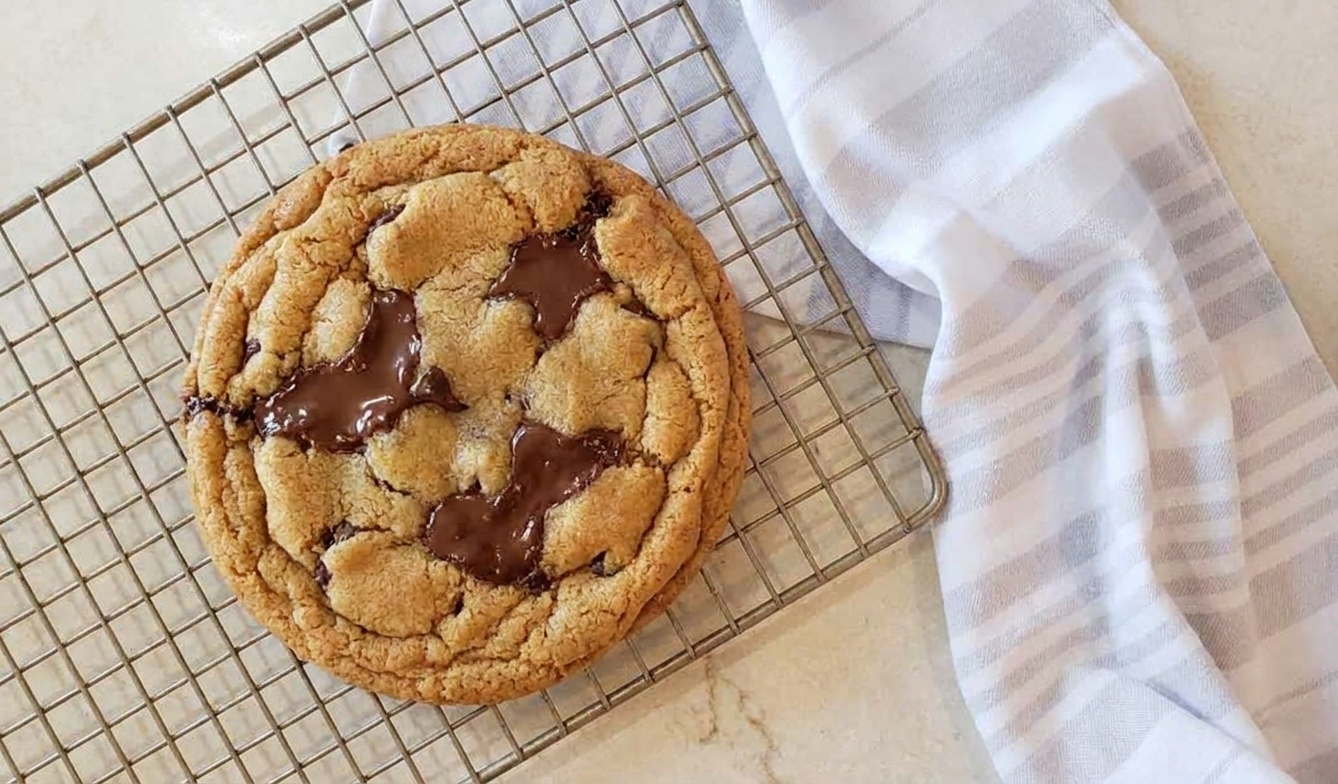
- Chocolate chip: Fold in 1 cup semisweet chocolate chips or chunks at the end. Sprinkle a few extra chips on top of each dough ball for that classic look.
- Cinnamon sugar: Add 1 teaspoon ground cinnamon to the dry ingredients. For a snickerdoodle vibe, roll dough balls in 2 tablespoons sugar mixed with 1 teaspoon cinnamon.
- Brown butter: Brown the butter, cool until it is opaque and soft, then proceed. You will get a nutty, toffee-like depth. Because browned butter is softer, chilling becomes essential.
- Salted caramel: Press a soft caramel into each dough ball before baking, then sprinkle with flaky salt when warm.
- Nutty crunch: Add 3/4 cup toasted chopped pecans or walnuts.
On the table
What to Serve It With
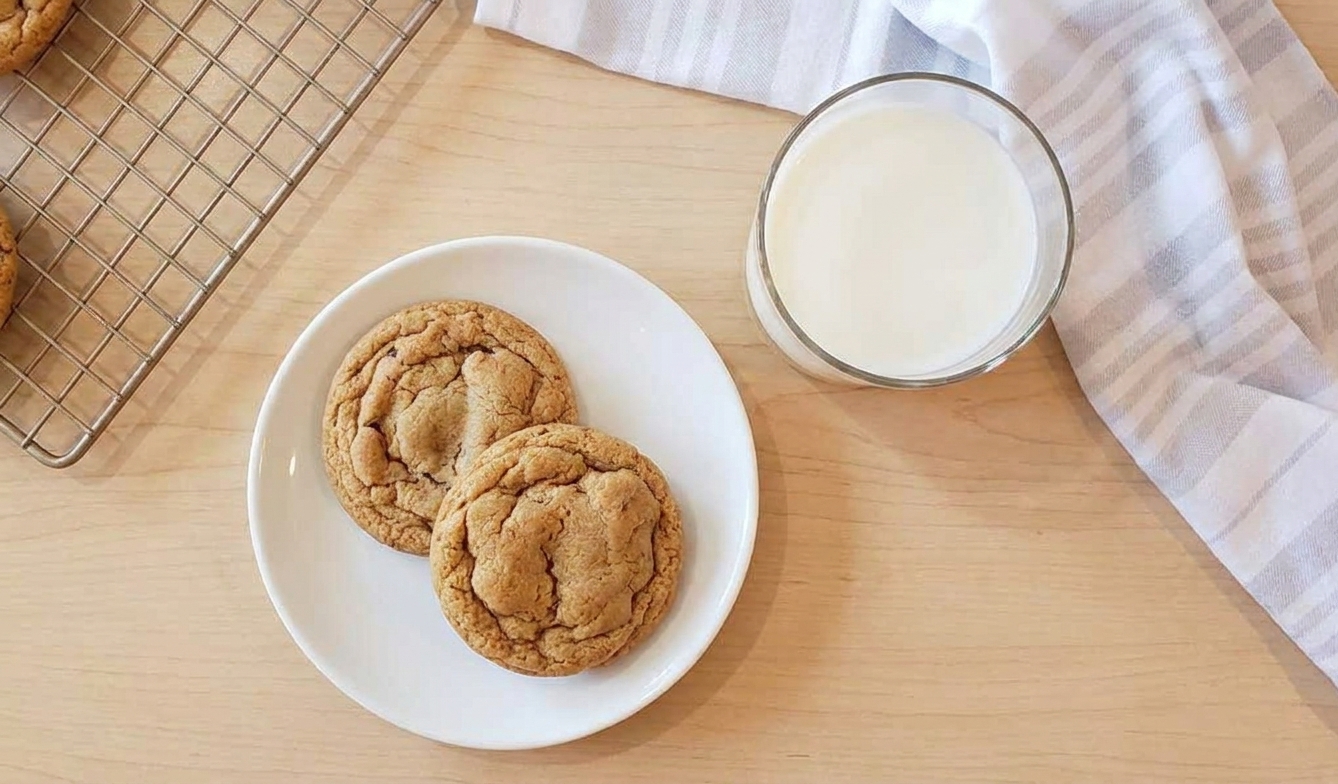
- With a cold glass of milk or oat milk
- Alongside coffee or a latte for an easy dessert moment
- Sandwich vanilla ice cream between two cookies for quick ice cream sandwiches
- Crumble over Greek yogurt with sliced bananas for a treat-me breakfast
- Pack into lunchboxes. They stay soft and travel well
Later
Storage, Freezing and Reheating
- Room temperature: Store completely cooled cookies in an airtight container for 3 to 5 days. Add a slice of sandwich bread to help them stay soft longer, replacing it if it gets dry.
- Freezing baked cookies: Freeze in a zip-top bag with parchment between layers for up to 2 months. Thaw at room temperature for about 30 minutes.
- Freezing cookie dough: Scoop dough into balls, freeze on a sheet pan until firm, then transfer to a freezer bag for up to 2 months. Bake from frozen, adding 1 to 2 minutes to the bake time.
- Reviving softness: Microwave one cookie for 8 to 10 seconds. It brings back that fresh-from-the-oven tenderness.
Watch out
Common Mistakes to Avoid
- Overbaking: If you wait until the centers look fully set in the oven, the cookies will cool down dry. Pull them when the centers are still puffy and slightly underdone.
- Skipping the chill in a warm kitchen: Soft butter equals fast spread. If your kitchen is warm or your butter was very soft, chilling is essential.
- Measuring flour by scooping: Too much flour makes thick, dry cookies. Spoon flour into the cup and level it off.
- Overmixing after adding flour: This develops gluten and can lead to a tougher, bready cookie.
- Baking on a hot pan: Reusing a warm baking sheet can cause premature spreading. Let pans cool between batches or use a second pan.
Questions
Frequently Asked Questions
Do I really need to chill the dough?
For the thickest, chewiest cookies, yes. Chilling firms the butter and hydrates the flour so the cookies spread less and bake up more evenly. If you are short on time, chill for 20 to 30 minutes and do a quick test bake with one cookie.
How do I know when they are done?
Look for set, lightly golden edges and tops that look just set with a few soft cracks. The centers should still look puffy and a touch pale. The centers may look a little glossy and underdone when you pull them. That is exactly right. They finish setting as they cool on the pan.
What oven temperature should I use?
Bake at 350 F (175 C). If your oven runs hot and the edges brown too quickly, drop to 340 F (170 C) and add 1 to 2 minutes as needed.
Can I make these ahead of time?
Yes. You can refrigerate the dough covered for up to 48 hours. Let it sit at room temperature for about 10 minutes if it is too firm to scoop, or scoop before chilling.
Why did my cookies turn out cakey?
Common culprits are too much flour, overmixing, or baking too long. Spoon and level your flour, mix just until combined after adding dry ingredients, and pull the cookies when the centers still look a little underdone. Also note that these are meant to be on the thicker, softer side, not thin and snappy.
Why did my cookies spread too much?
Usually it is butter that was too warm or dough that was not chilled. Also check that your baking soda is fresh. Chilling the dough and using parchment on a cool sheet pan should fix it.
Can I double the recipe?
Absolutely. If your mixer bowl is small, cream the butter and sugar in two batches so everything mixes evenly.
The recipe
Soft and Chewy Brown Sugar Cookies
Soft, chewy brown sugar cookies with crisp edges and tender centers. Made with simple pantry ingredients, baked at 350 F, and finished with a short chill for thick, reliable cookies every time.
Ingredients
- 2 1/4 cups (270 g) all-purpose flour
- 1 teaspoon baking soda
- 1/2 teaspoon fine salt
- 3/4 cup (170 g) unsalted butter, softened
- 1 1/4 cups (250 g) packed brown sugar (light or dark)
- 1 large egg
- 1 large egg yolk
- 2 teaspoons vanilla extract
- Optional: 1 to 2 tablespoons granulated sugar, for rolling
Instructions
- Mix the dry ingredients. In a medium bowl, whisk together the flour, baking soda, and salt. Set aside.
- Cream butter and sugar. In a large bowl using a hand mixer or stand mixer, beat the softened butter and brown sugar for 2 to 3 minutes, until lighter and fluffy. Scrape down the bowl.
- Add egg, yolk, and vanilla. Beat in the whole egg, then the extra yolk, then the vanilla, mixing until smooth. Scrape down the bowl again.
- Add the dry ingredients. Add the flour mixture and mix on low just until you no longer see dry flour. Use a spatula to fold the last streaks by hand.
- Chill. Cover and refrigerate the dough for at least 1 hour, or up to 48 hours.
- Heat the oven. Preheat to 350 F (175 C). Line two baking sheets with parchment.
- Scoop and (optional) roll. Scoop dough into 1 1/2 tablespoon portions (about 30 g). A #40 cookie scoop is ideal. If you like a sparkly top, roll each dough ball in a little granulated sugar.
- Bake. Place dough balls 2 inches apart. Bake for 10 to 12 minutes, until the edges are set and lightly golden. The tops should look just set with a few soft cracks, and the centers should still look slightly underdone.
- Cool. Let cookies cool on the baking sheet for 5 minutes, then transfer to a wire rack to cool completely. They will feel very soft hot and firm up as they cool.
Recipe notes
- Makes: about 24 to 28 cookies (depending on scoop size).
- Doneness cue: Pull the cookies when the edges are set and lightly golden but the centers still look puffy and a touch glossy. Tops should look just set with a few gentle cracks. They finish setting on the pan.
- Chill time: 1 hour is my baseline. If your dough feels very soft or your kitchen is warm, chill 2 hours for best results.
- For extra-chewy cookies: Use dark brown sugar and do not overbake.
- Flavor boost: Add 1/2 teaspoon cinnamon or a pinch of espresso powder to the dry ingredients.
- Variation add-ins: Up to 1 cup chocolate chips or 3/4 cup chopped toasted nuts mix in beautifully.
Nutrition (per serving, approximate)
- Calories: 150
- Total Fat: 7 g
- Saturated Fat: 4 g
- Carbohydrates: 20 g
- Sugars: 12 g
- Protein: 2 g
- Fiber: 0 g
- Sodium: 120 mg