A practical, baker-friendly comparison of almond flour and coconut flour, including measuring tips, cautious conversion ranges, moisture guidance, and the be...
Recipeva
Make Any Baking Recipe Gluten-Free
Learn how to adapt your favorite baking recipes to be gluten-free using 1-to-1 flour blends, almond flour, and xanthan gum. Tips for cookies, cakes, muffins, and more.

Maya Reynolds
Maya Reynolds is a passionate home cook, recipe developer, and the creative voice behind Recipeva. With over a decade of experience translating complex culinary techniques into approachable weeknight meals, she focuses on creating dishes that bring joy to the dinner table without the stress.
Created September 21, 2026
Updated September 21, 2026
If you have a “forever recipe” in your family, I want you to keep it. You do not need to abandon Grandma’s banana bread or your go-to chocolate chip cookies just because you are baking gluten-free. You just need to understand what gluten does, then replace that job on purpose.
Gluten is the stretchy network that helps baked goods hold onto air, stay tender, and slice cleanly. Gluten-free baking works best when we recreate those roles with the right flour blend, a smart binder (often xanthan gum), and a couple of small technique tweaks.
Quick safety note (especially for celiac baking): Choose certified gluten-free ingredients when needed (oats, baking powder, sprinkles, chocolate, vanilla, and even powdered sugar can be sneaky), and avoid cross-contamination from shared scoops, toasters, and flour dust.
Start with the right flour strategy
When someone tells me “I swapped gluten-free flour and it was dry,” my first question is always: what kind of flour did you use? There are three main tools you will reach for when adapting recipes:
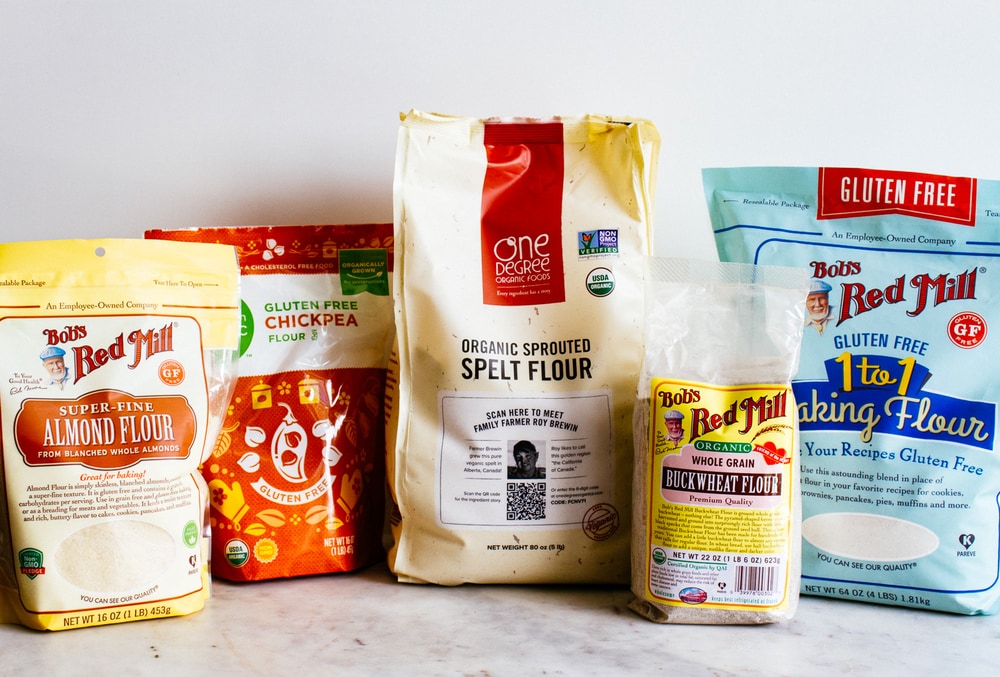
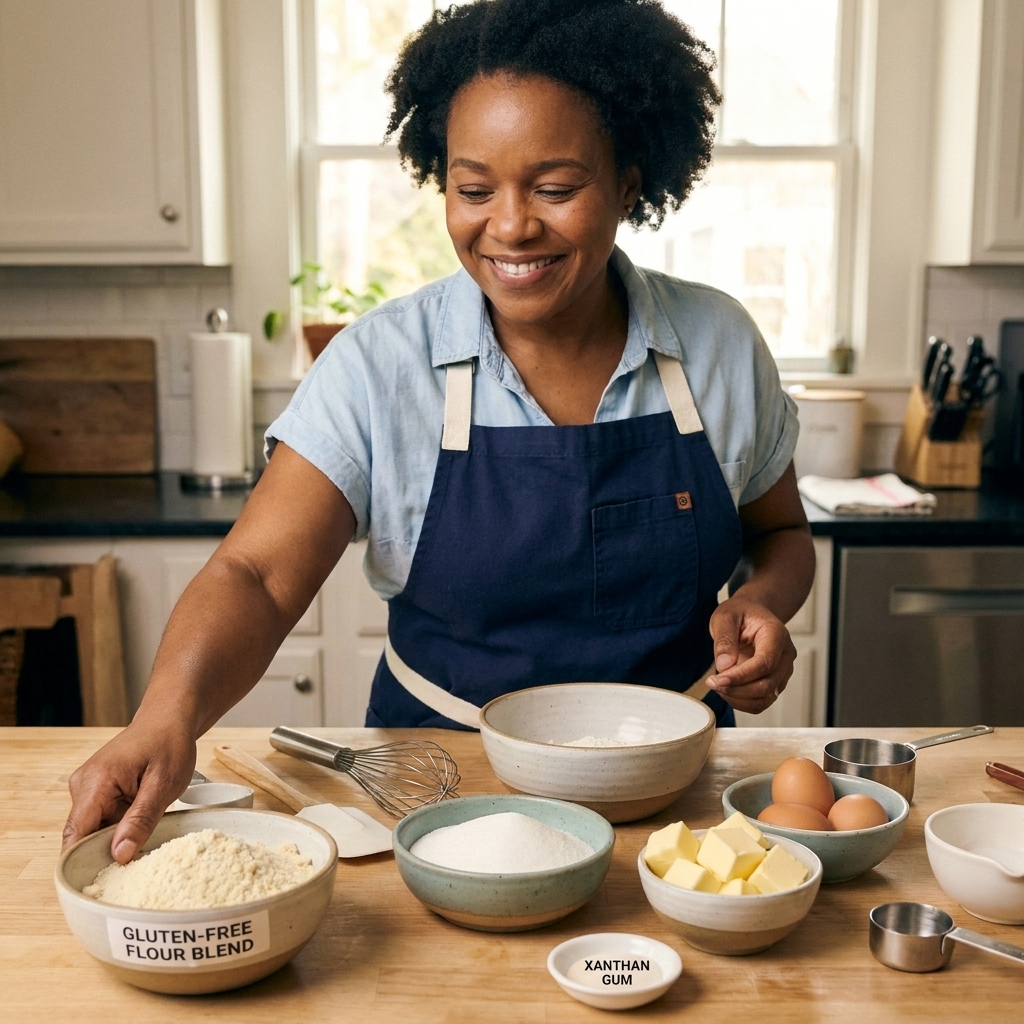
- 1-to-1 gluten-free flour blend: Your best friend for most classic recipes. It is designed to mimic all-purpose flour, usually with a mix of rice flour, starches, and sometimes a binder.
- Almond flour: Adds moisture, tenderness, and flavor, but it is not a direct swap for wheat flour in most recipes.
- Xanthan gum: A binder that helps trap air and hold structure, especially in cookies, cakes, and breads.
If you are new to this, use a reputable 1-to-1 blend first. Once you can reliably bake a solid gluten-free cookie or muffin, then start playing with almond flour and custom mixes.
One more thing that matters a lot: gluten-free blends vary by brand, and “1 cup” can weigh very different amounts. If you want repeatable results, weigh your flour when you can, especially when converting a beloved recipe.
What 1-to-1 blends do
“1-to-1” (also called “measure-for-measure”) means you can often substitute by volume: 1 cup all-purpose flour becomes 1 cup gluten-free blend. But it is not universal. Some recipes need a little more liquid, a short rest, or a small bake-time tweak depending on the starches in your blend.
Check the label before adding gum
If your blend already contains xanthan gum (or guar gum), do not add more unless you have tested that brand in that style of recipe and know it needs extra structure. Too much gum can make baked goods gummy, stretchy, or oddly dense.
When 1-to-1 works best
- Drop cookies and bar cookies
- Muffins and quick breads
- Pancakes and waffles
- Most cakes (especially oil-based and sheet cakes)
When you may need more adjustments
- Yeast breads and enriched doughs
- Very delicate sponge cakes
- Recipes that rely on strong gluten development like bagels or laminated pastries
Use xanthan gum well
Think of xanthan gum as “gluten insurance.” It helps batters hold onto bubbles during baking and gives crumb structure so slices do not crumble into a pile of crumbs.
Starting point guidelines
These are good starting points if your flour blend does not already include a binder. Humidity, brand, and recipe style can all shift what “perfect” looks like in your kitchen.
- Cookies and bars: 1/4 teaspoon per 1 cup flour
- Cakes, muffins, quick breads: 1/2 teaspoon per 1 cup flour
- Yeast breads: 3/4 to 1 teaspoon per 1 cup flour (varies widely by recipe)
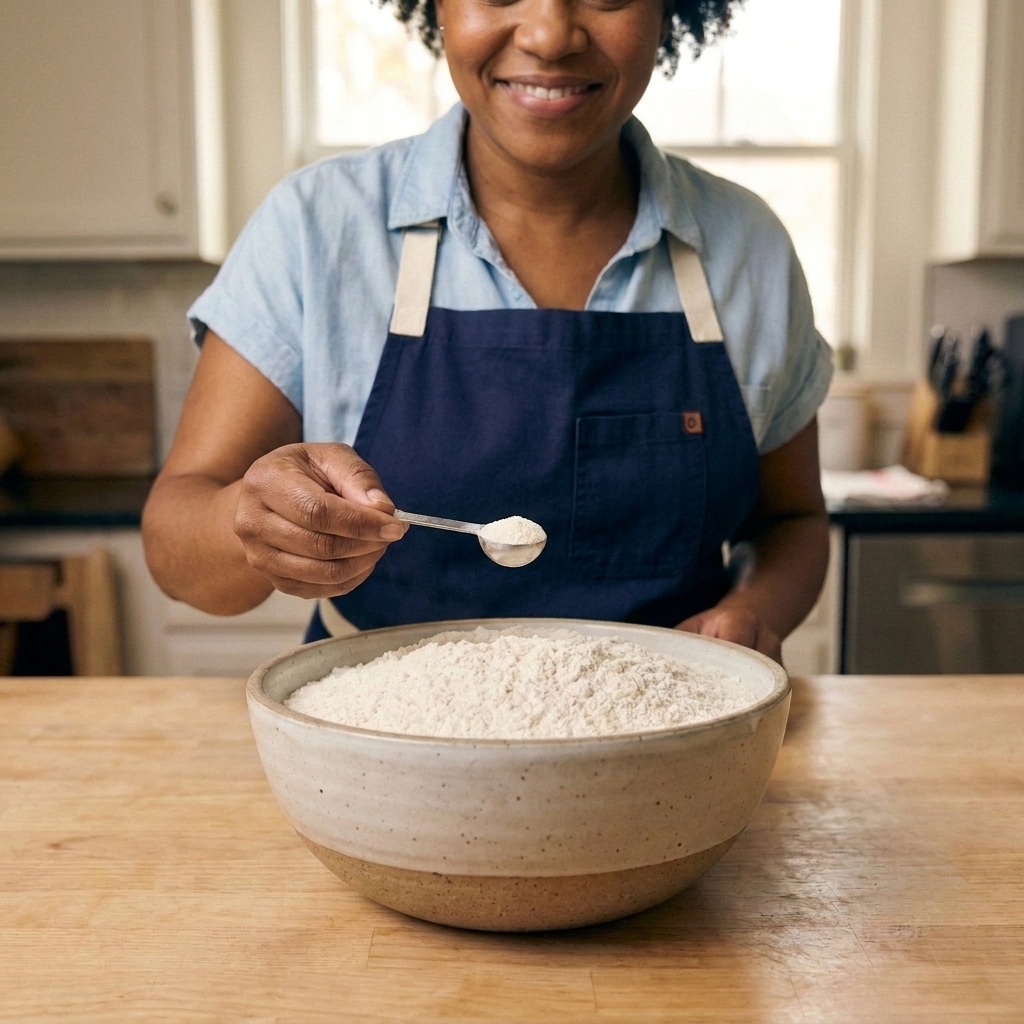
Tip from my own testing: Mix xanthan gum thoroughly into the dry ingredients before adding liquids. If it hits liquid in clumps, it can form little gel pockets.
If you avoid xanthan gum
You have options. Ground chia or flax can help in some muffins and quick breads. For yeast breads, many bakers prefer psyllium husk for chew and structure, especially in bread-specific recipes.
Signs you used too much
- Gummy center even when fully baked
- Rubbery bite or “bouncy” texture
- Dense baked goods that feel wet, not moist
Almond flour (with rules)
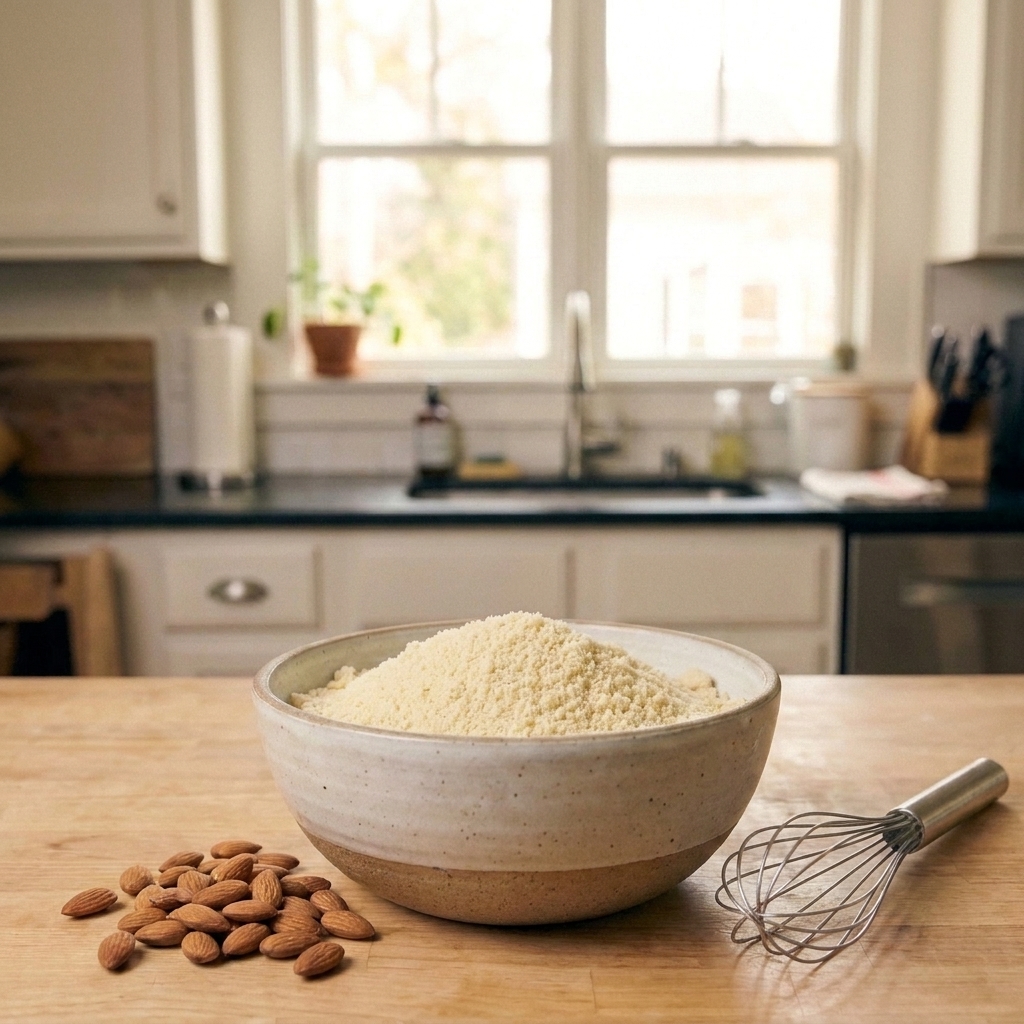
I love almond flour in gluten-free baking because it brings tenderness and a soft, rich crumb. It also browns beautifully and can make chocolate and fruit flavors taste extra cozy.
What almond flour is great for
- Chewy cookies and bars
- Moist cakes like chocolate cake, carrot cake, and banana bread
- Tender muffins
Why it is not 1-to-1
Almond flour has no starch structure like wheat flour, and it has more fat. If you swap it cup-for-cup for all-purpose flour, you often end up with a batter that cannot set properly, leading to sinking, greasy texture, or crumbling.
An easy way to start
For many cookies, muffins, and quick breads, you can start by replacing 20 to 30 percent of your gluten-free flour blend with almond flour by weight. If you do not have a scale, start small: swap 1/4 cup of the flour blend for almond flour in a recipe that uses about 1 1/2 to 2 cups flour total, then adjust from there.
Watch browning: almond flour can darken faster. If the top is getting too brown before the center is done, tent with foil. If it is a consistent issue, try lowering the oven temperature by 25°F next time.
My conversion method
If you hand me a wheat-based recipe and ask me to make it gluten-free, here is the path I follow almost every time.
Step 1: Pick your base flour
Use a 1-to-1 gluten-free flour blend as your default. If the recipe is already moist and forgiving, you can keep it simple and stop there.
Step 2: Decide on a binder
Check the ingredient list of your flour blend.
- If it includes xanthan gum or guar gum, skip adding more at first.
- If it does not, add xanthan gum using the guidelines above, or use another binder that fits your recipe.
Step 3: Rest the batter
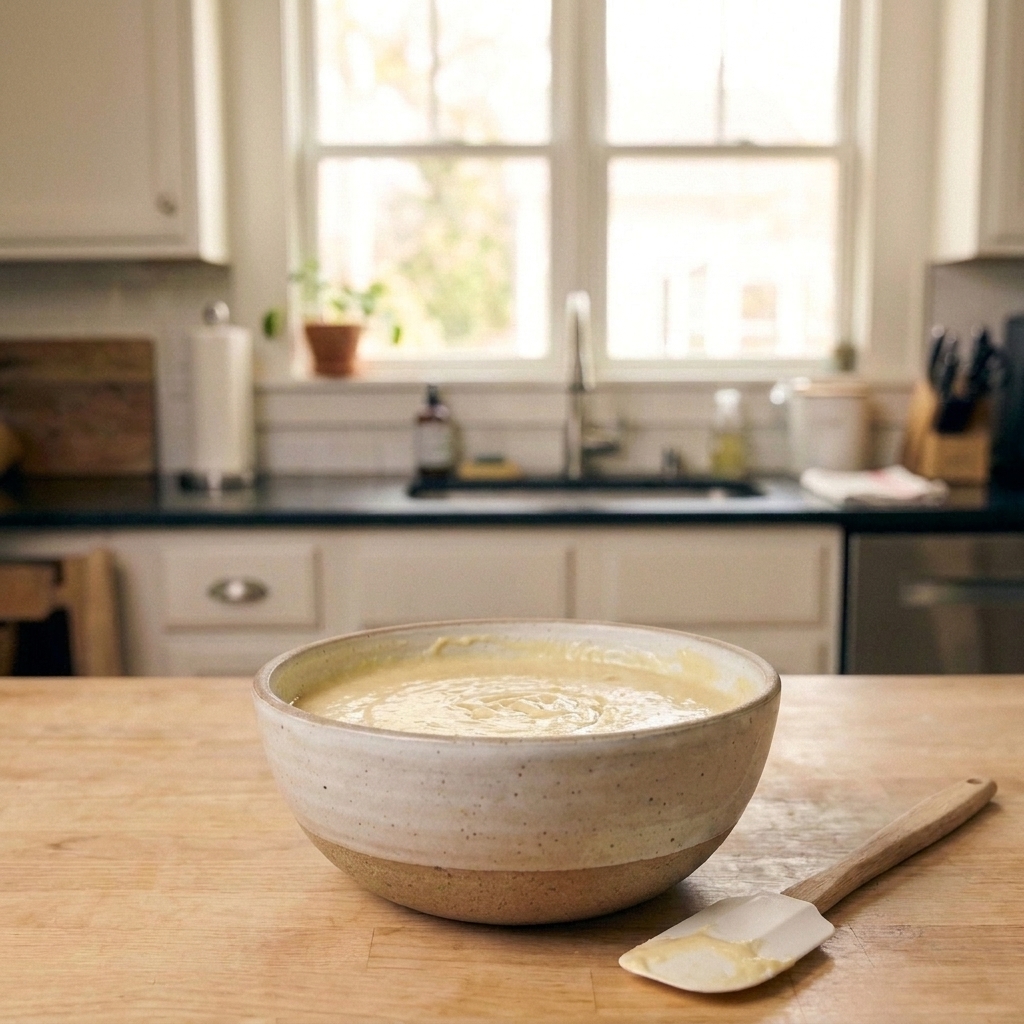
Gluten-free flours and starches need time to hydrate. Let batters rest 10 to 20 minutes before baking (especially muffins, pancakes, and cakes). This reduces grittiness and improves structure.
Step 4: Mix with intention
Gluten-free batters do not need gluten development, but mixing still matters. Overmixing can whip in extra air and thin the batter, which sometimes leads to a beautiful rise that later collapses. Mix until evenly combined, then stop.
Step 5: Watch doneness and cooling
Gluten-free baked goods can take a little longer. Use visual cues plus a tester:
- Cakes: a toothpick should come out clean or with a few moist crumbs
- Muffins: tops spring back when gently pressed
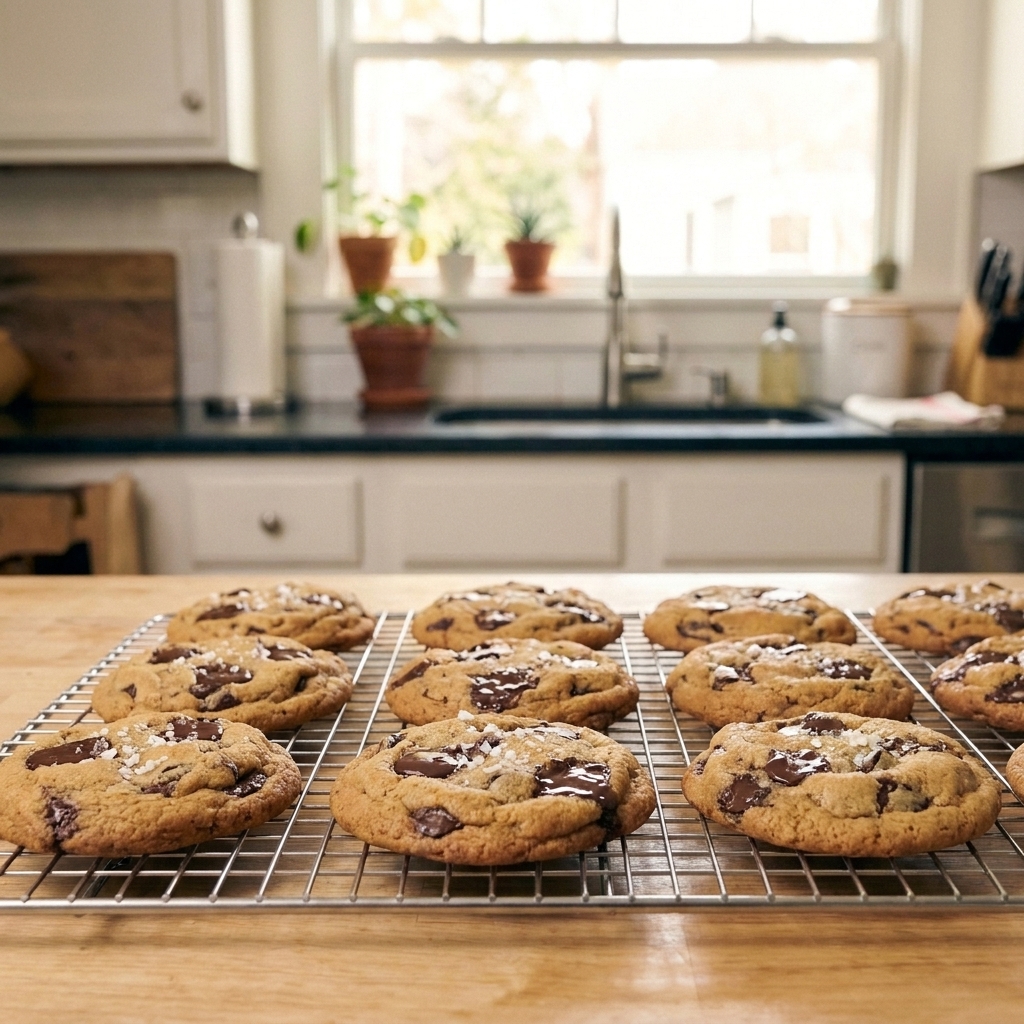
- Cookies: edges set and centers look slightly underdone, then they finish as they cool
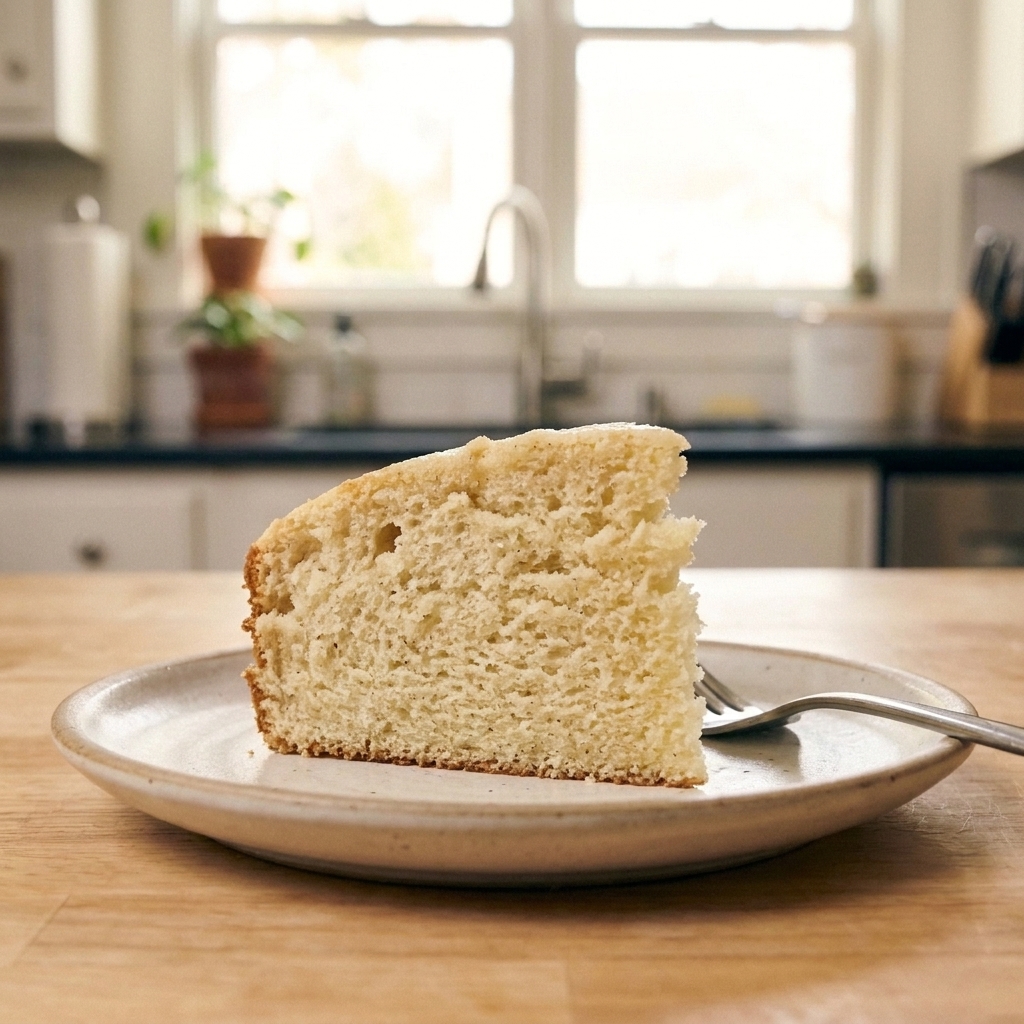
This is the hard part, because your kitchen will smell amazing. But gluten-free baking often needs more cooling time to finish setting. If a loaf is crumbly warm, it might slice beautifully once fully cooled.
Category tweaks
Cookies
- Chill the dough: 30 to 60 minutes helps prevent spreading.
- Add structure: If your blend lacks binder, 1/4 teaspoon xanthan gum per cup flour is usually enough.
- Let them cool on the pan: Gluten-free cookies can be fragile hot.
Cakes
- Oil-based cakes adapt beautifully: Think sheet cakes, snack cakes, and bundt-style batters.
- Mix just enough: Too much vigorous mixing can incorporate excess air that later collapses.
- Consider an extra egg white: For lightness in some layer cakes, an extra egg white can help, but start with the base recipe first.
Muffins and quick breads
- Rest the batter: This is where resting shines.
- Boost moisture: Sour cream, yogurt, applesauce, mashed banana, or a tablespoon of extra oil can help if your first test bake is dry.
- Cool completely before slicing: Especially for banana bread and zucchini bread.
Pie crust
Pie is where gluten-free can feel intimidating, but it is absolutely doable.
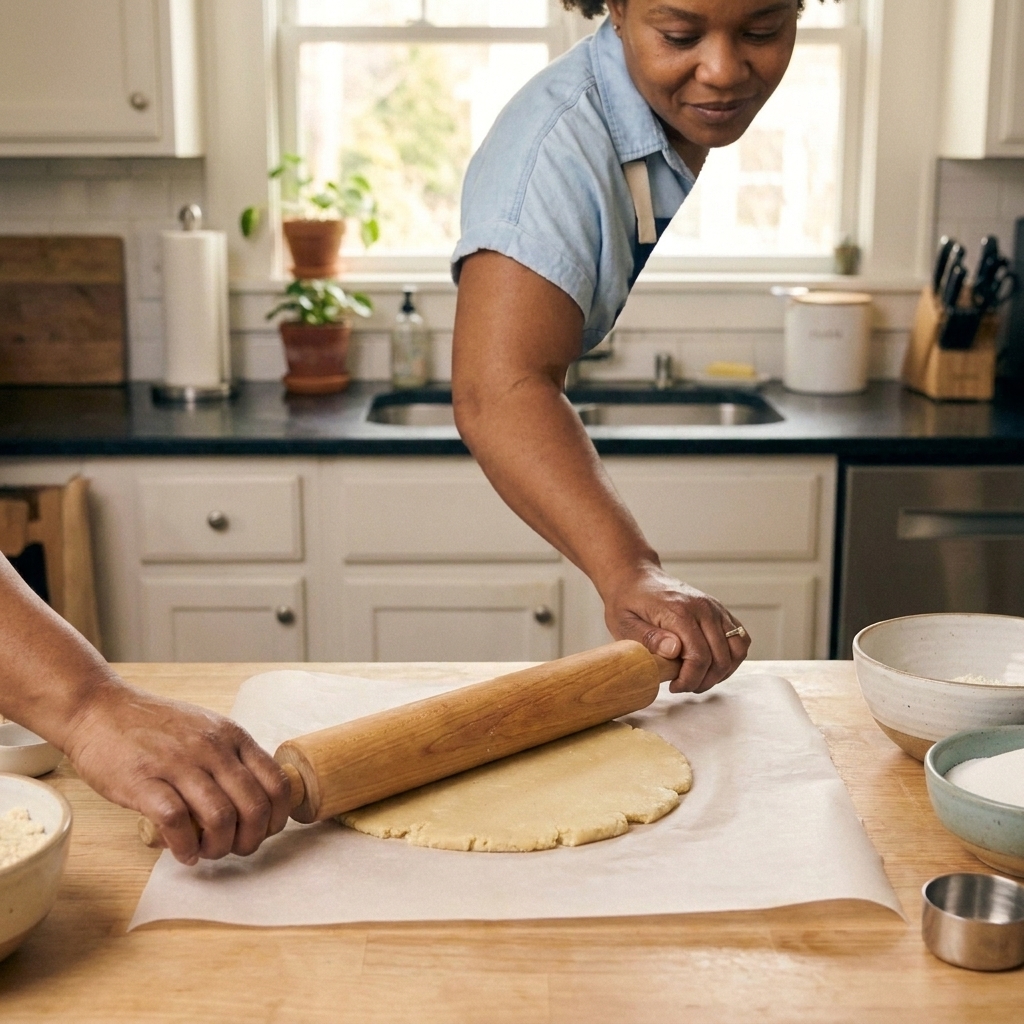
- Use cold fat and cold water: Just like classic pie.
- Roll between parchment: It prevents sticking and tearing.
- Expect a different feel: It may be less stretchy, more “press and patch.” That is normal.
Example: Banana bread
If you want a simple place to practice, banana bread is perfect. Here is how I would adapt a standard loaf:
- Flour: Swap the all-purpose flour for a 1-to-1 gluten-free blend (by volume, or better, by weight if you can).
- Binder: If your blend has no binder, add 1/2 teaspoon xanthan gum per cup of flour in the recipe.
- Moisture insurance: If your bananas are small or not super ripe, add 2 tablespoons yogurt or sour cream.
- Rest: Let the batter sit 15 minutes before baking.
- Browning: If you add almond flour (swap 1/4 cup of the blend), watch the top. Tent with foil if it darkens too quickly.
- Cooling: Cool fully before slicing. The crumb sets as it cools.
Troubleshooting
Problem: Dry or crumbly
- Add 1 to 2 tablespoons more liquid (milk, water) next time.
- Swap 20 percent of the flour blend for almond flour.
- Rest the batter longer before baking.
Problem: Gummy center
- Reduce xanthan gum (or confirm your blend already contains it).
- Bake a bit longer at a slightly lower temperature.
- Cool completely before judging texture.
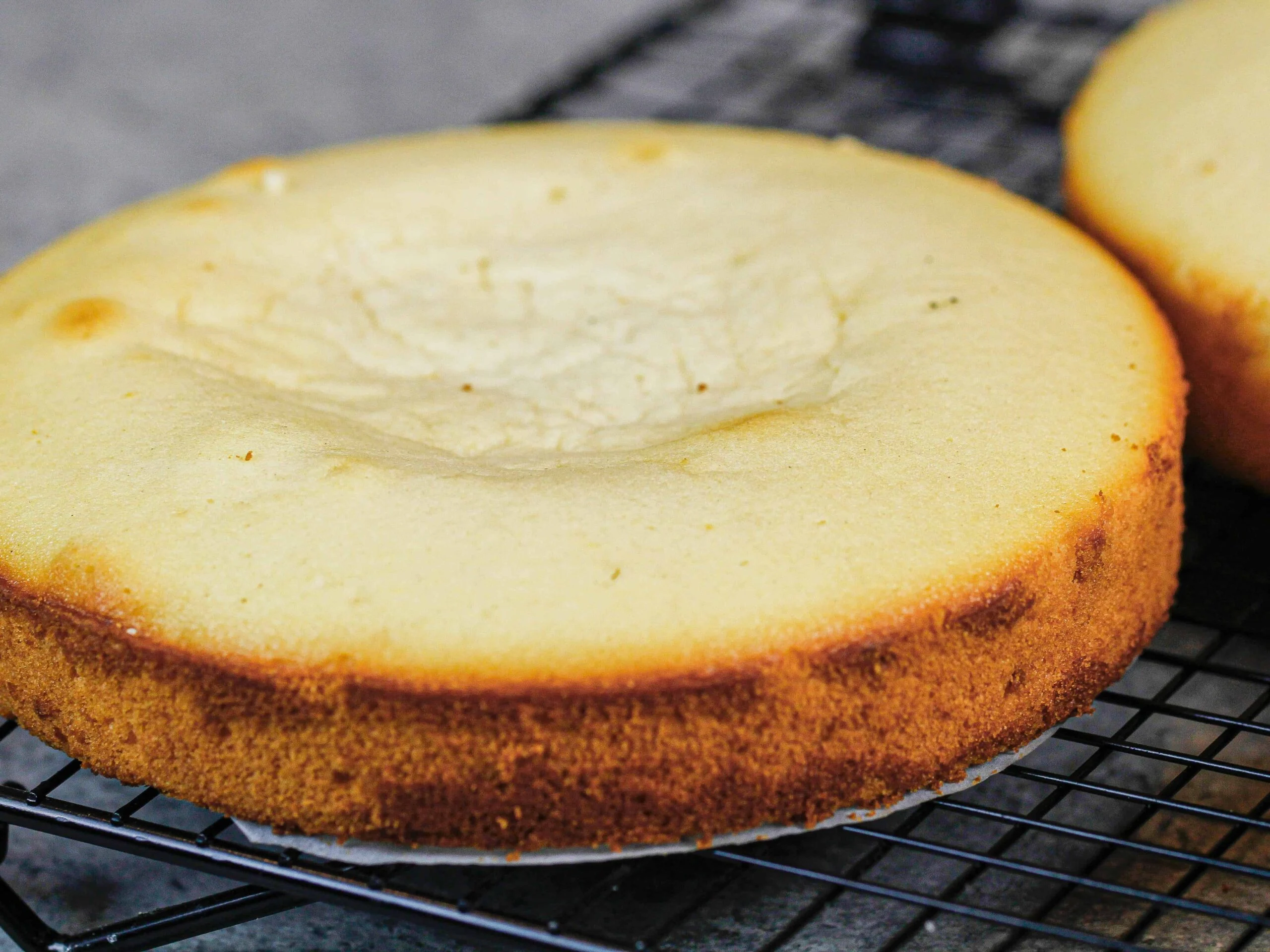
Problem: It sank in the middle
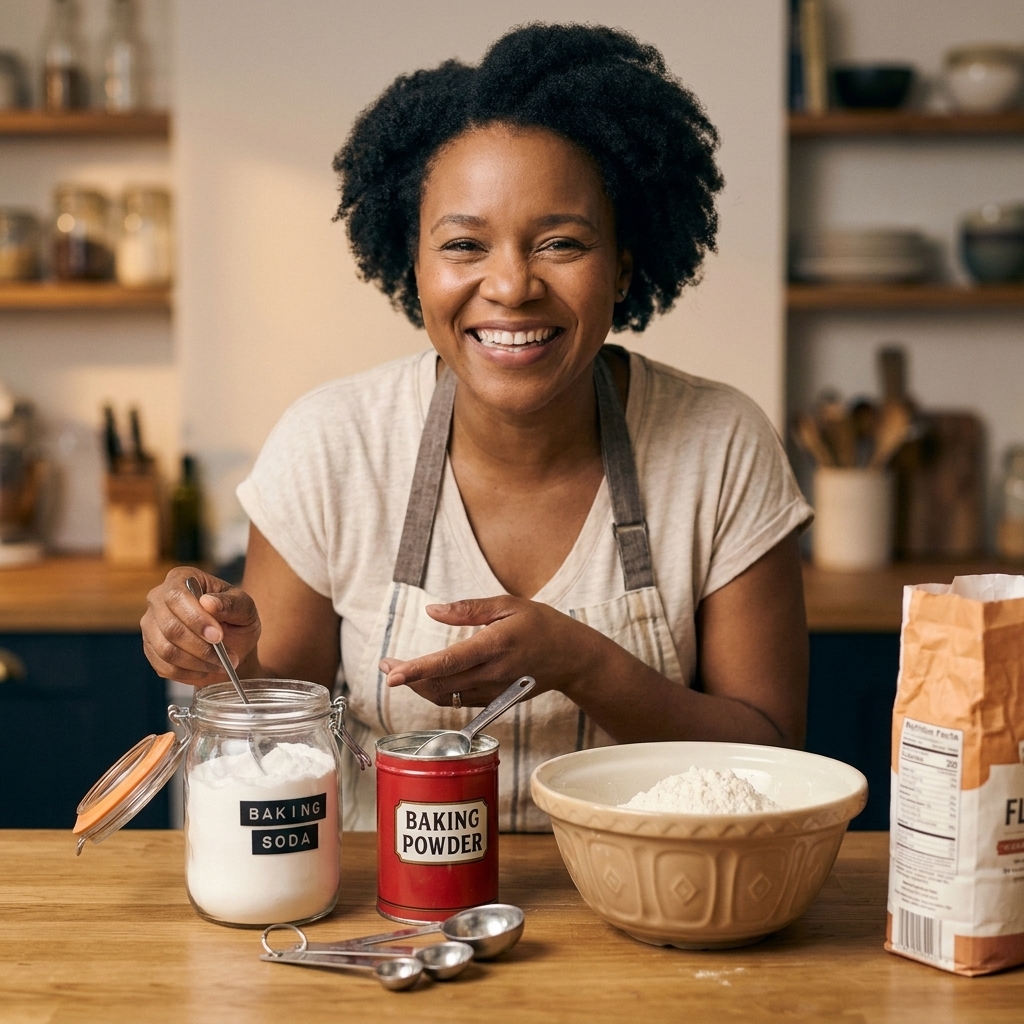
- Check your leaveners (fresh baking powder and baking soda matter).
- Avoid over-aerating the batter and slamming the oven door.
- Try reducing sugar slightly in very sweet cakes, since sugar can weaken structure.
Problem: Gritty texture
- Rest batter 15 to 20 minutes before baking.
- Try a different 1-to-1 blend with finer milling.
- Use weights for flour if possible to avoid accidental over-flouring.
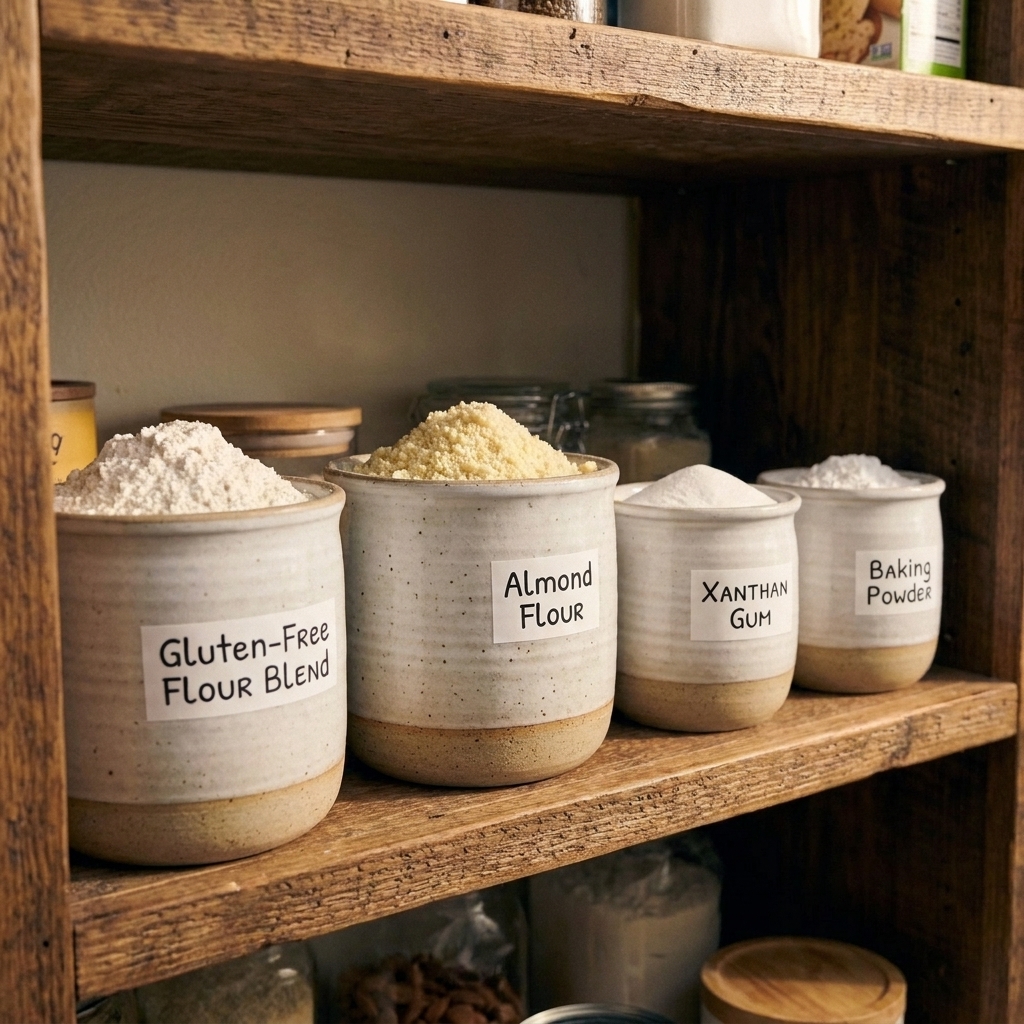
My must-have pantry
If you want gluten-free baking to feel like a weeknight skill instead of a weekend project, keep a small core pantry. You do not need twenty flours to get started.
- 1-to-1 gluten-free flour blend (choose one you like and stick with it)
- Xanthan gum (only if your blend does not contain it)
- Almond flour
- Cornstarch or arrowroot (handy for thickening and tenderizing)
- Baking powder and baking soda (fresh and gluten-free if needed)
- Parchment paper (for cookies, cakes, and rolling dough)
Quick FAQ
Do I really need xanthan gum?
Not always. If your 1-to-1 blend already contains a binder, many recipes work without adding anything. If your blend does not, xanthan gum is often the simplest way to prevent crumbling and improve rise. If you do not tolerate it, try chia or flax in quick breads, and look for yeast bread recipes that use psyllium husk.
Can I just use almond flour for everything?
Almond flour is wonderful, but it is not a universal substitute for wheat flour. It is best used as part of a blend or in recipes designed specifically for it.
Should I measure gluten-free flour by weight or cups?
For the most consistent results, use a kitchen scale, especially when you are adapting beloved recipes. Different gluten-free blends have different cup weights. If you are using cups, spoon flour into the measuring cup and level it off to avoid packing in too much.
Why do my gluten-free cookies fall apart?
Usually one of three things: not enough binder, too little cooling time, or too much flour. Try 1/4 teaspoon xanthan gum per cup flour (if needed) and let cookies cool fully before moving them.
What about gluten-free plus egg-free or dairy-free?
You can absolutely do it, but it is a different set of swaps. Eggs and dairy add structure and tenderness, so you will want recipes designed for those needs or you will need additional testing.
A gentle way to practice
If you are feeling nervous, start with a “friendly” bake: drop cookies, brownies, or muffins. These are naturally more forgiving than a lofty layer cake, and they will teach you how your favorite flour blend behaves.
And if your first batch is not perfect, you are not failing. You are collecting data. Take one note, change one thing, and try again.