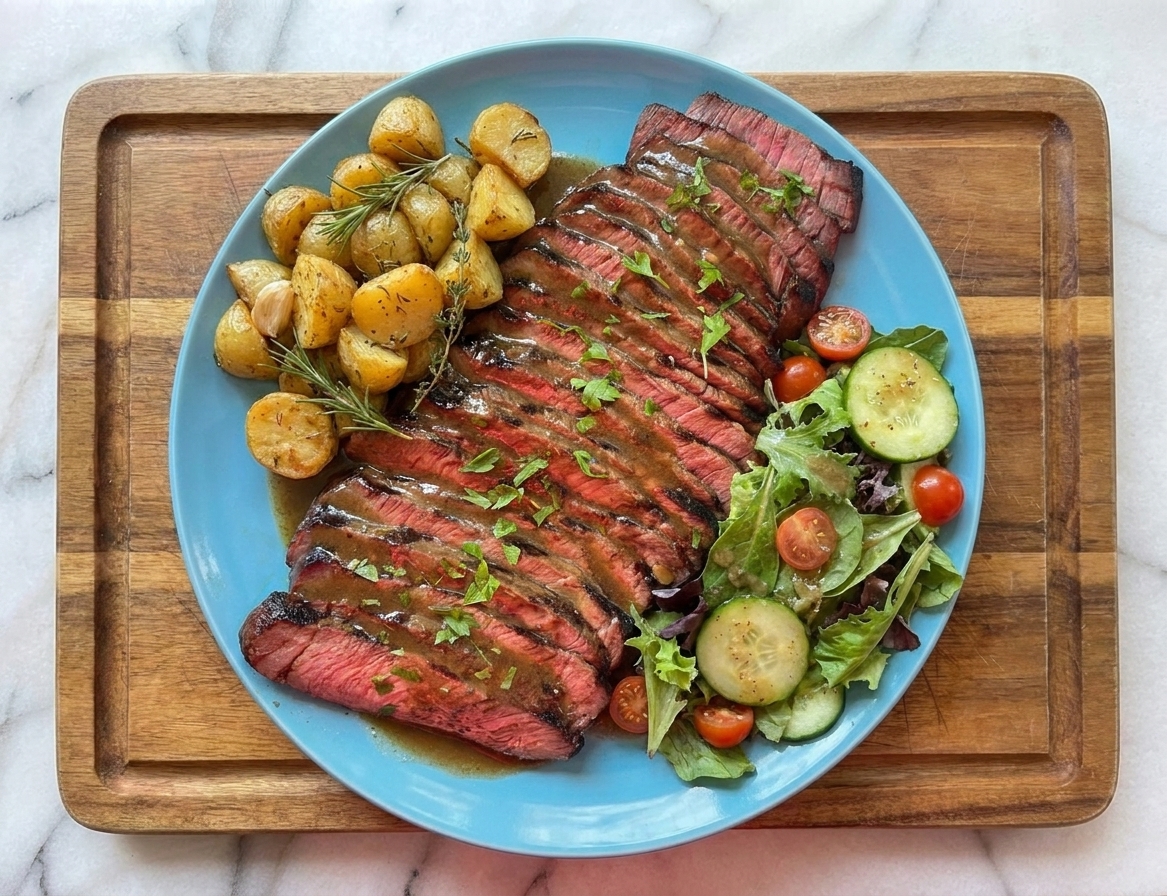

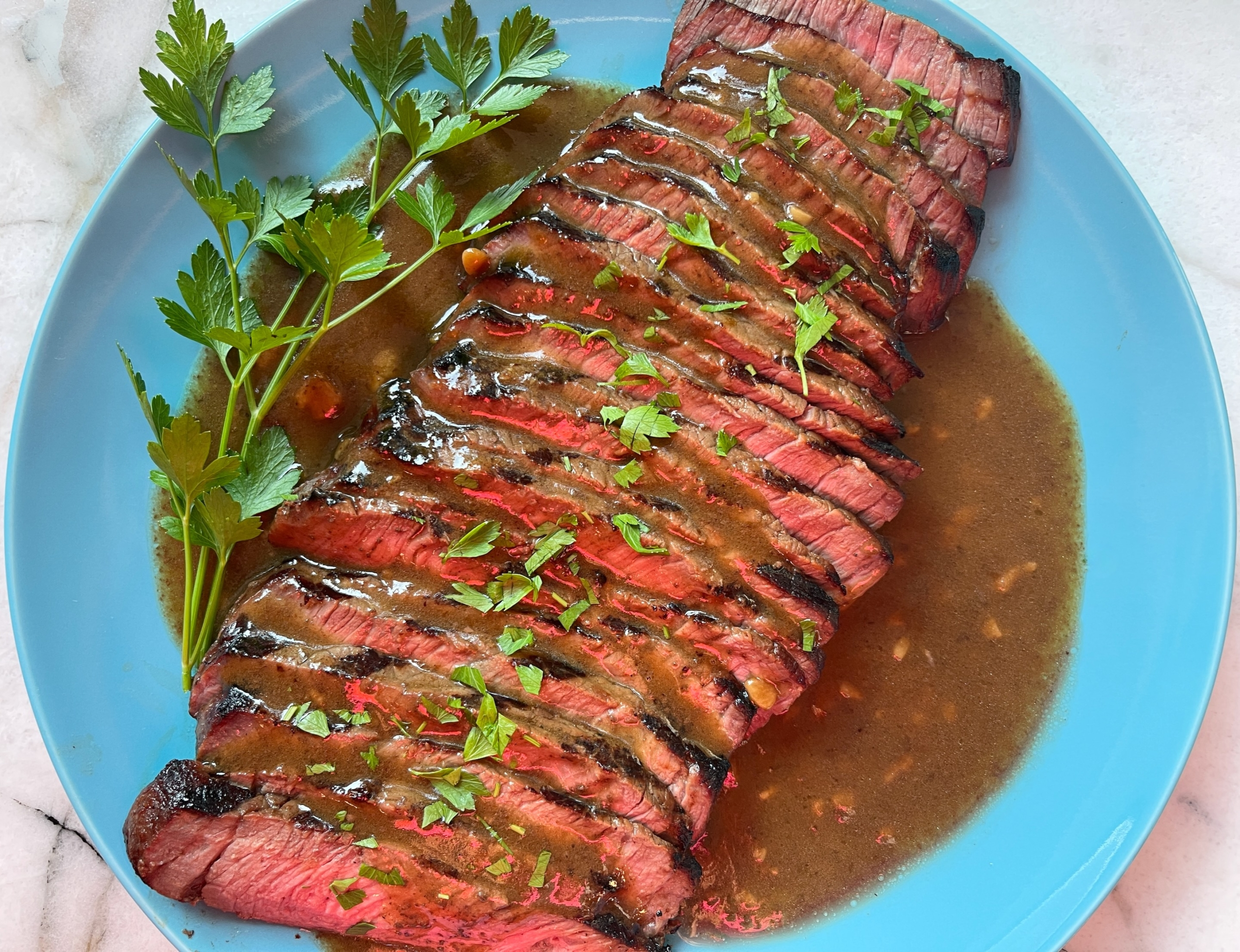
London broil has a reputation. It is affordable, beefy, and great for feeding a few people, but it can also swing wildly from juicy and tender to chewy and disappointing if you rush the marinade or slice it the wrong way. The good news is that it is not a fussy cut. With a smart marinade, high heat, and a little patience at the cutting board, you can get steakhouse vibes at home without the steakhouse price.
This is my go-to approach when I want a big platter of sliced beef for salads, sandwiches, grain bowls, or just a classic meat-and-potatoes dinner. And yes, we are going heavy on the garlic. Always.

What it is
“London broil” is usually a method, not a single specific cut. Historically, it means a lean piece of beef that gets marinated, cooked hot and fast (often broiled), then sliced thinly against the grain.
In many U.S. supermarkets, “London broil” is most commonly top round (or another round cut) sold under that name, but labeling varies by store and region. If your package says “London broil,” check the fine print for the actual cut and thickness, because that drives your cook time.
- Top round: lean and thick, very common as “London broil” at the store. Needs help from marinade and careful slicing.
- Flank steak: thinner, with long muscle fibers. Cooks fast and can be very tender when sliced correctly.
- Sirloin tip: can be a little more forgiving than top round, still benefits from marinating.
The marinade
A great London broil marinade does three things: seasons, encourages browning, and helps the meat eat more tender. Marinades mostly flavor the surface, while salt does the deeper work over time. On thinner cuts like flank, you will taste more of that seasoning throughout. On thicker top round, it is more of a deeply flavorful crust plus a well-seasoned slice.
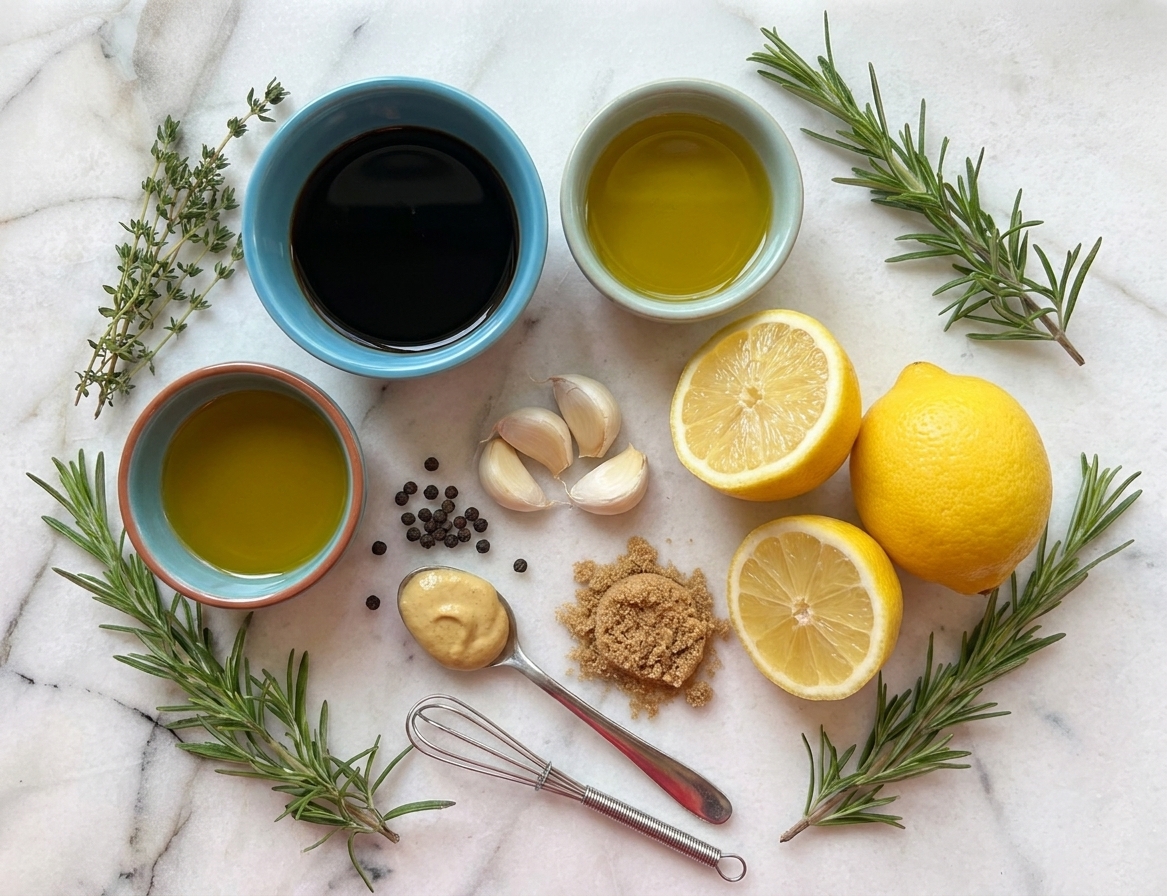
My favorite London broil marinade (for 1 1/2 to 2 pounds)
- 1/3 cup low-sodium soy sauce
- 3 tablespoons olive oil
- 2 tablespoons Worcestershire sauce
- 2 tablespoons balsamic vinegar (or red wine vinegar)
- 1 tablespoon brown sugar (or honey)
- 1 tablespoon Dijon mustard
- 4 to 6 cloves garlic, minced (yes, 6 is correct)
- 1 teaspoon freshly ground black pepper
- Optional: 1 teaspoon smoked paprika or chili flakes for a little warmth
- Optional: 1 to 2 tablespoons chopped rosemary or parsley
Quick salt check: soy sauce brands vary a lot. If you are using regular (not low-sodium) soy sauce, reduce the soy to 1/4 cup and add 2 tablespoons water. You can also taste the marinade and adjust before the meat goes in.
How long to marinate
Minimum: 4 hours. Sweet spot: 8 to 12 hours. Max: about 24 hours.
Because this marinade includes vinegar, do not push past a day. Too long in an acidic marinade can make the surface turn a little mealy. If you need to prep further ahead, mix the marinade, keep it separate, and combine the night before.
Bag or bowl
I love a zip-top bag for London broil because the meat stays fully coated. Set the bag in a bowl in the fridge for insurance against leaks. Flip it once or twice if you think of it.
How to cook it
London broil shines with intense heat. You are aiming for a deeply browned exterior and a juicy interior, then a proper rest. Cook times are estimates. Thickness and starting temperature vary, so let a thermometer be the boss.
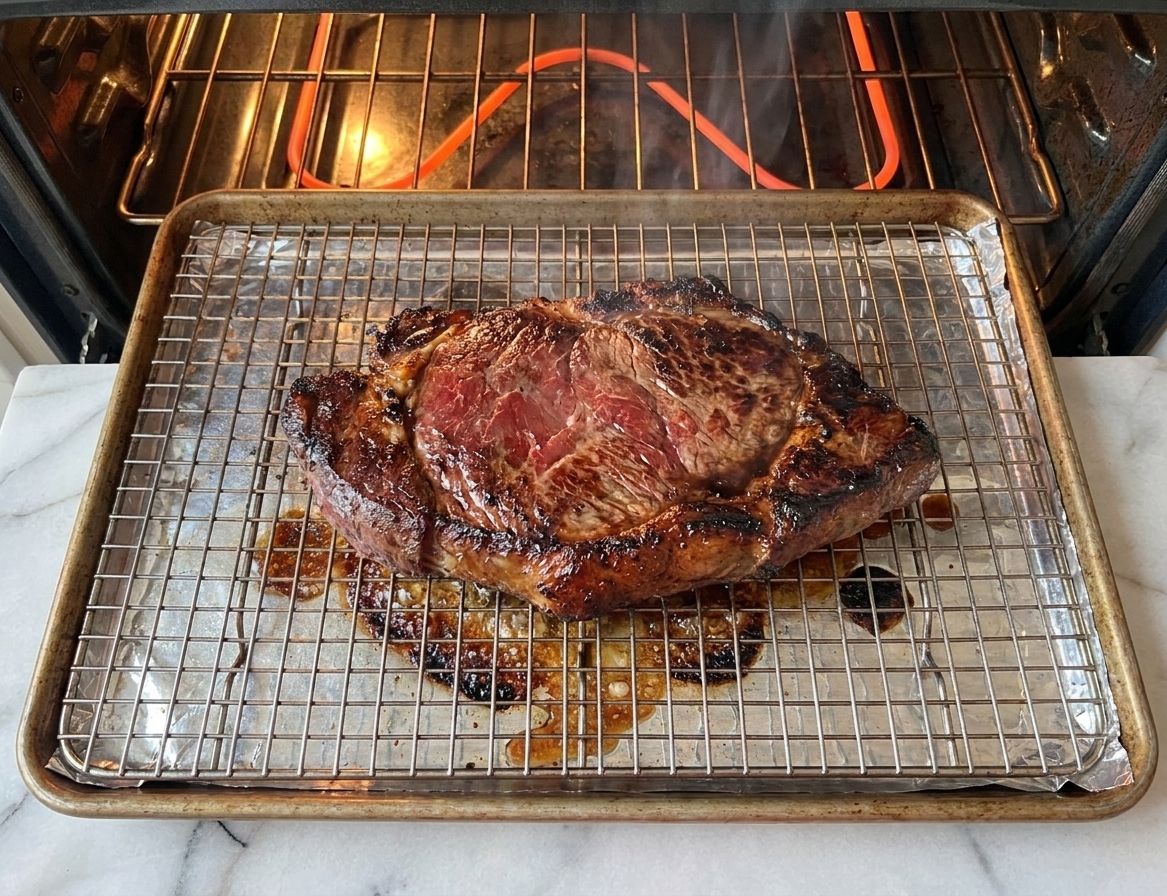
Option 1: Oven broil
- Take the chill off. Pull it from the fridge 30 to 45 minutes before cooking so it cooks more evenly.
- Preheat the broiler. Position a rack about 4 to 6 inches from the heating element. Line a sheet pan with foil and set a wire rack on top if you have one (better airflow, better browning).
- Pat it dry. Remove from the marinade and blot well with paper towels. This helps it sear instead of steam.
- Broil. Broil 5 to 7 minutes per side for a 1 to 1 1/4-inch thick piece, then start checking temp.
- Check doneness. Pull at 120 to 125°F for rare, 125 to 130°F for medium-rare, 135°F for medium. I do not recommend going past medium on top round if you want it tender.
- Rest, then slice. Rest 10 minutes, then slice thinly against the grain.
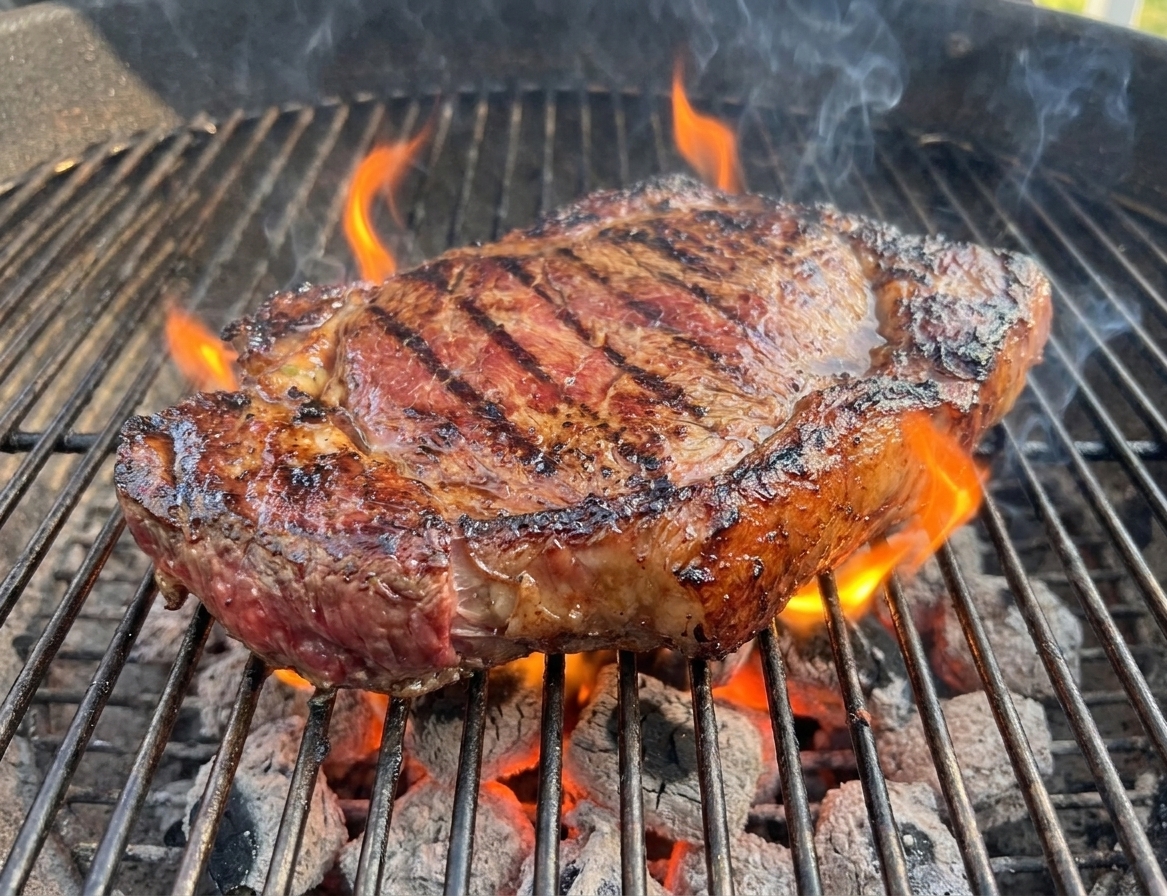
Option 2: Grill
- Preheat the grill. High heat, about 450 to 500°F. Clean and oil the grates.
- Pat the meat dry. Same rule as broiling: less surface moisture, better sear.
- Grill. Grill 4 to 6 minutes per side for flank steak, or 5 to 8 minutes per side for thicker top round, then start checking temp.
- Check doneness. Pull at 120 to 125°F for rare, 125 to 130°F for medium-rare, 135°F for medium.
- Rest, then slice. Rest 10 minutes, then slice.
For extra-thick cuts
If your “London broil” is thicker than about 1 1/4 inches (common with top round) and you want more even doneness, use a quick reverse sear: bake at 275°F until it hits about 115°F internal, then broil or grill briefly to brown. It takes longer, but it is a great trick for lean, thick cuts.
How to slice it
If you remember one thing, make it this: slice thinly against the grain.
The grain is the direction the muscle fibers run. On flank steak, you can see the long lines clearly. On top round, it is there, just subtler. Use this method:
- Look for the lines in the meat and decide which direction they run.
- Cut the steak in half with the grain if it is large, so you have shorter pieces to work with.
- Slice across those lines at a slight angle, about 1/8 to 1/4 inch thick.
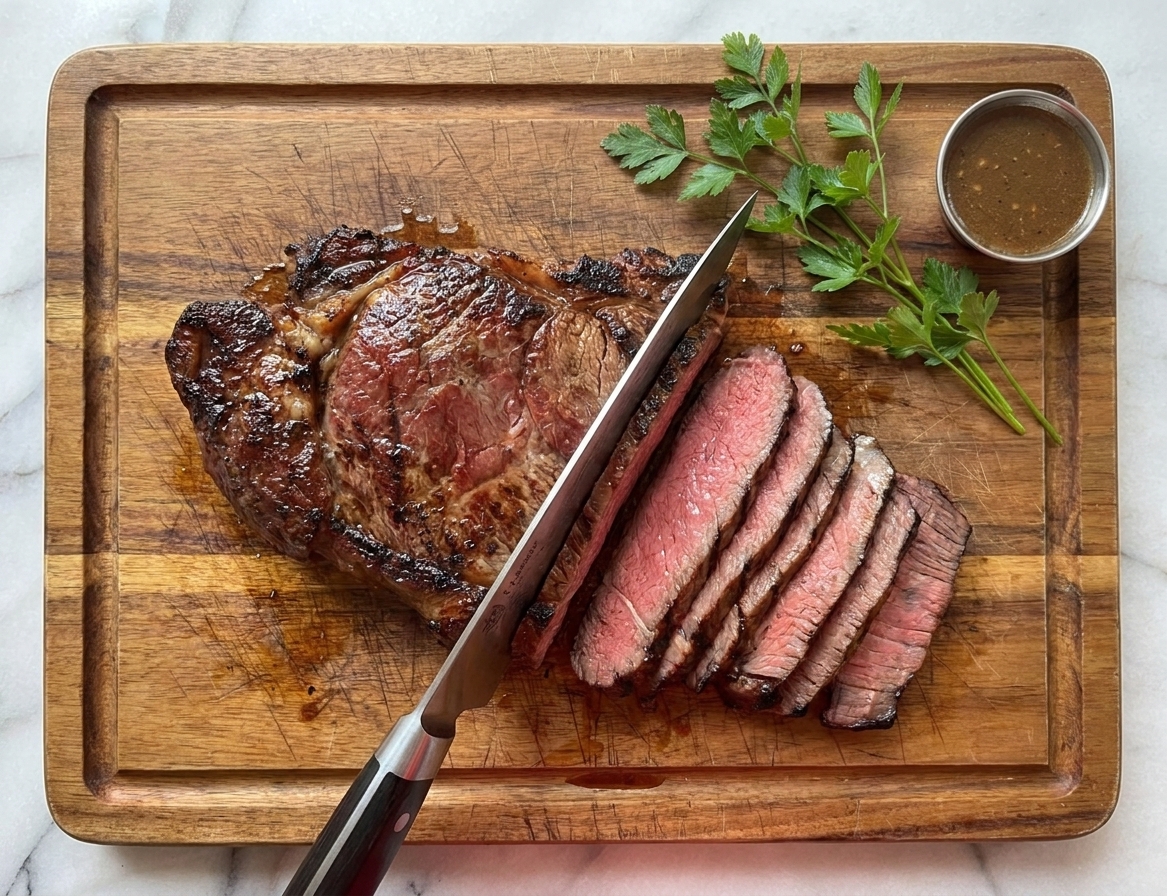
Thin slices are not just prettier. They physically shorten the muscle fibers, which is what makes each bite feel tender.
Common pitfalls
- Skipping the paper towel step: wet meat steams. Dry meat browns.
- Overcooking lean cuts: medium-rare is your friend, especially for top round.
- Cooking straight from the fridge: cold centers lead to uneven doneness.
- Slicing with the grain or too thick: even a perfect cook turns chewy if you slice wrong.
- Not resting: slice too soon and the juices end up on the board, not in your dinner.
What to serve
London broil is one of those “make once, eat twice” dinners. Here are my favorite pairings, depending on your mood:
- Classic comfort: roasted potatoes and a simple green salad
- Weeknight fast: microwave baked sweet potatoes and steamed broccoli with garlic butter
- Sandwich night: toasted hoagie rolls, provolone, sautéed onions and peppers
- Big salad energy: arugula, cherry tomatoes, shaved parmesan, and a lemony vinaigrette
- Rice bowl: jasmine rice, cucumbers, quick pickled onions, and a quick pan sauce
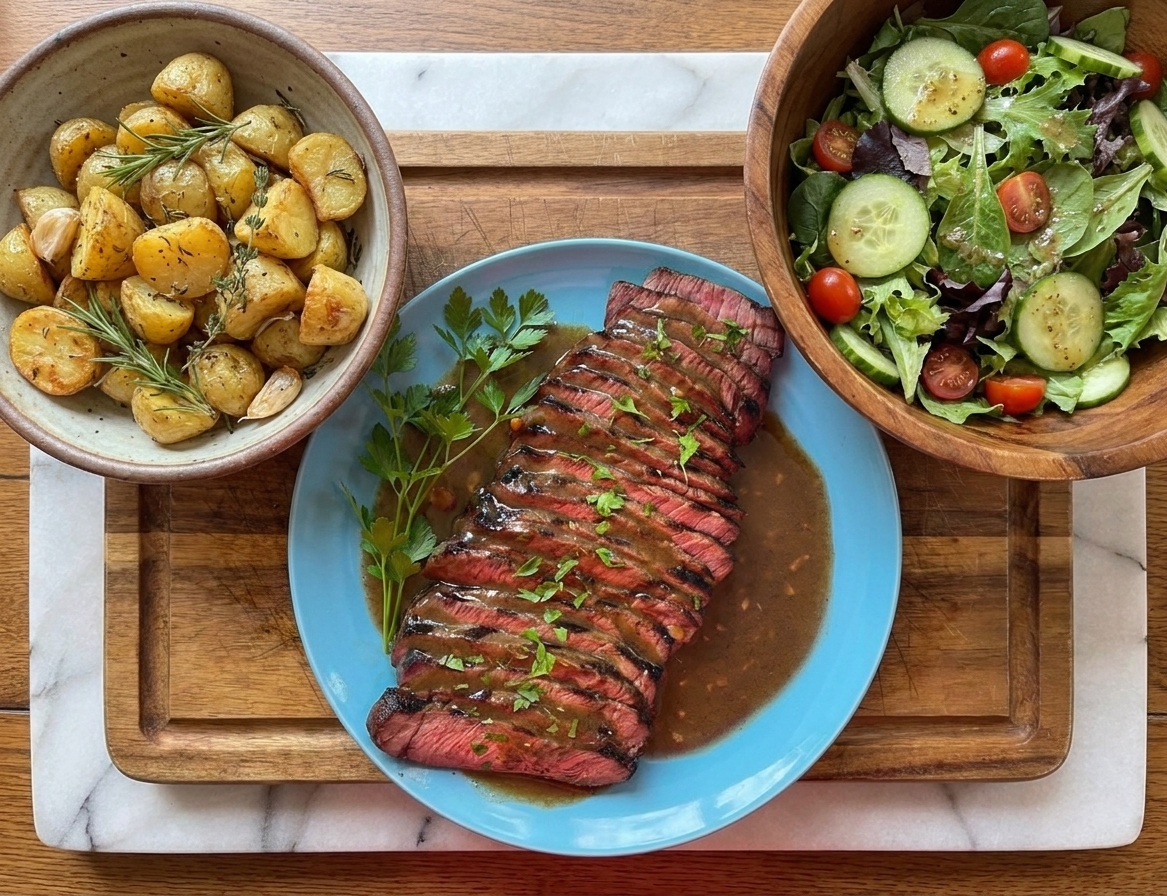
Quick sauce idea: If you want a little something to drizzle, you have two safe options. Option one: make a fresh half-batch of marinade (that never touched raw meat) and simmer it to thicken. Option two: pour the used marinade into a small saucepan and bring it to a full rolling boil for at least 1 minute (about 3 minutes if you are at higher altitude), then whisk in a pat of butter. Do not reuse marinade unless it is boiled.
FAQ
Can I make it tender without marinade?
You can, but it is harder. If you are skipping the marinade, at least salt the meat generously 8 to 24 hours ahead (dry brine), then cook hot and fast and slice very thinly against the grain. A marinade adds great surface flavor and helps with browning.
Is it best rare, medium-rare, or medium?
For tenderness, medium-rare is the sweet spot, especially for top round and flank. Rare can be great too if you like it. Medium can still be good, but once lean cuts pass medium, they dry out quickly and feel chewier.
Why is mine tough even after marinating?
The most common causes are: overcooking, slicing with the grain, or cutting slices too thick. Next most common is cooking it straight from the fridge, which makes it cook unevenly. Fix those first, and you will see a big improvement.
How long should I rest it?
At least 10 minutes. Resting lets the juices redistribute so they stay in the slices instead of running all over the cutting board.
Can I freeze it in the marinade?
Yes, and it is a great meal prep move. Add the meat and marinade to a freezer bag, squeeze out excess air, and freeze up to 3 months. Thaw overnight in the fridge, then cook as usual. If the meat has been in the marinade while thawing, keep total marinating time around 24 hours or less.
What internal temperature should I aim for?
Use an instant-read thermometer if you can. Pull at 120 to 125°F for rare, 125 to 130°F for medium-rare, and 135°F for medium. Resting will raise it a few degrees.
My simple game plan
If you want the simplest path to a tender result, here is the routine I use on busy days:
- Mix marinade in the morning or the night before.
- Marinate 8 to 12 hours.
- Pull from fridge 30 to 45 minutes before cooking.
- Pat dry, then broil or grill hot and fast to medium-rare.
- Rest 10 minutes.
- Slice thinly against the grain and serve on a big platter.
If you do those steps, London broil becomes one of the most reliable budget-friendly “wow” dinners in your rotation.