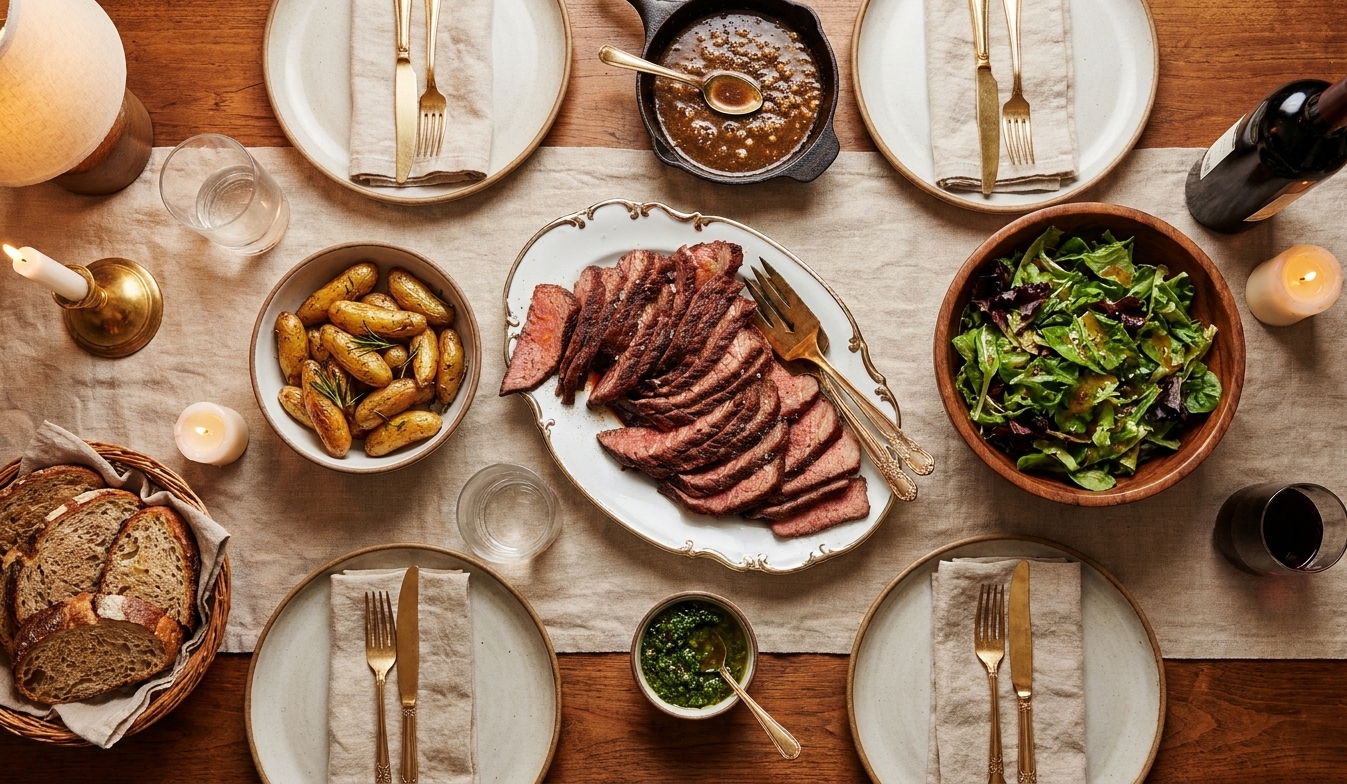

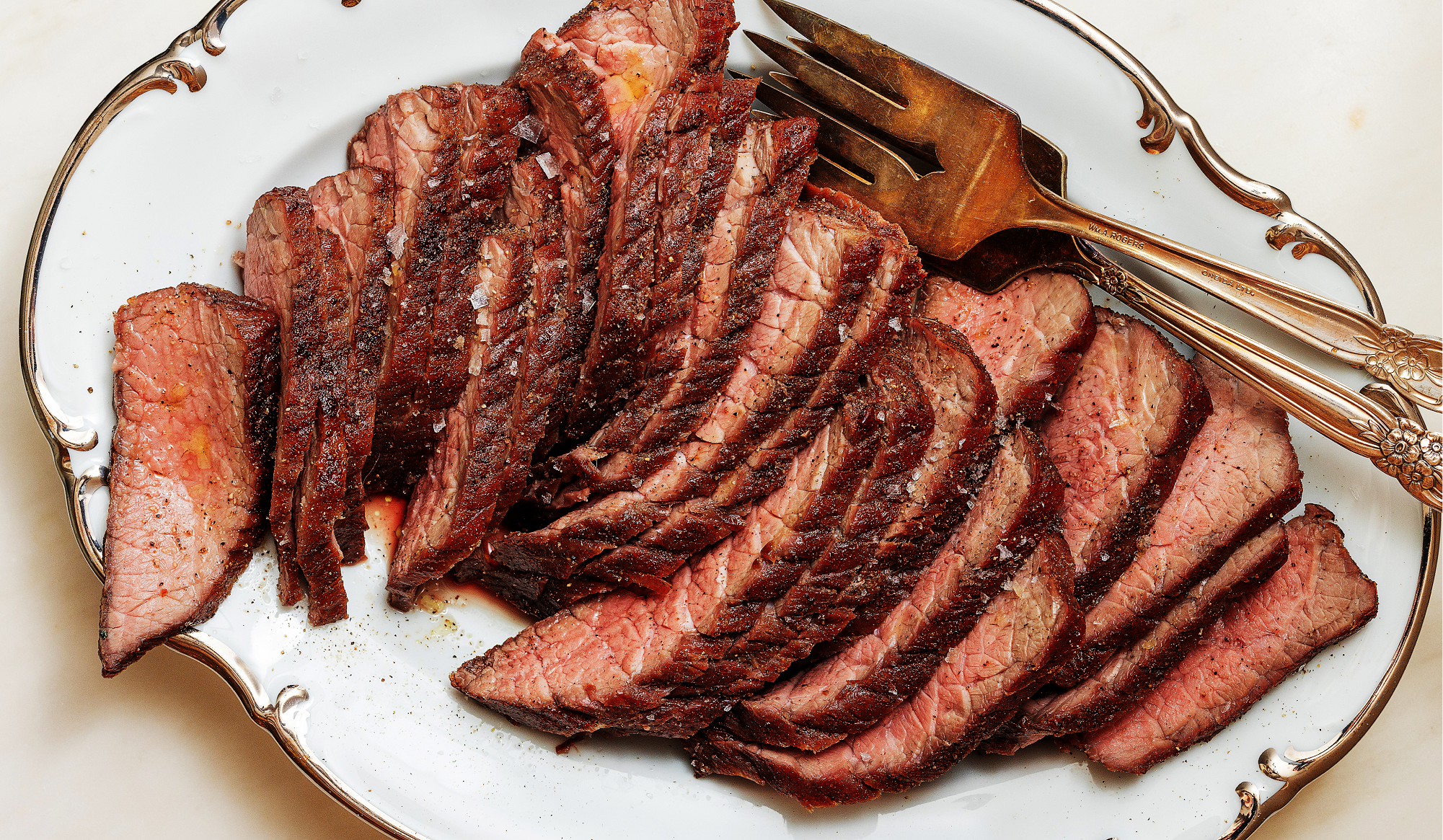
I have absolutely cooked a London broil, let it rest like a responsible adult, sliced it up… and still ended up with something that chewed like a stubborn pencil eraser. If that is you right now, don’t panic and definitely don’t keep blasting it with more high heat hoping it will magically “relax.” London broil can be wonderfully beefy and affordable, but it has very real opinions about how it wants to be treated after cooking.
Here’s how to make an already-cooked, tough London broil feel dramatically more tender at the table: smarter slicing, sauces that do a little heavy lifting, and a few repurposing tricks that can save the whole meal.

First: Why it’s tough
“London broil” is usually a cooking method and a label stores use for a lean, big piece of beef, often top round, sometimes flank steak, or another lean cut depending on the store and region. Either way, it tends to be lean and full of long muscle fibers.
- Lean meat tightens when it overcooks. Once you push past medium rare or medium, moisture squeezes out and the fibers firm up.
- Those long fibers are chewy when sliced wrong. Even perfectly cooked London broil can seem tough if it is sliced with the grain.
- More dry-heat cooking generally won’t tenderize it. Grilling, broiling, searing, roasting, and air frying are all dry-heat methods. They can add flavor, but they generally won’t break down connective tissue the way a long, moist braise does.
The good news: you cannot un-cook it, but you can absolutely change how it eats.
The fastest fix: slice it right
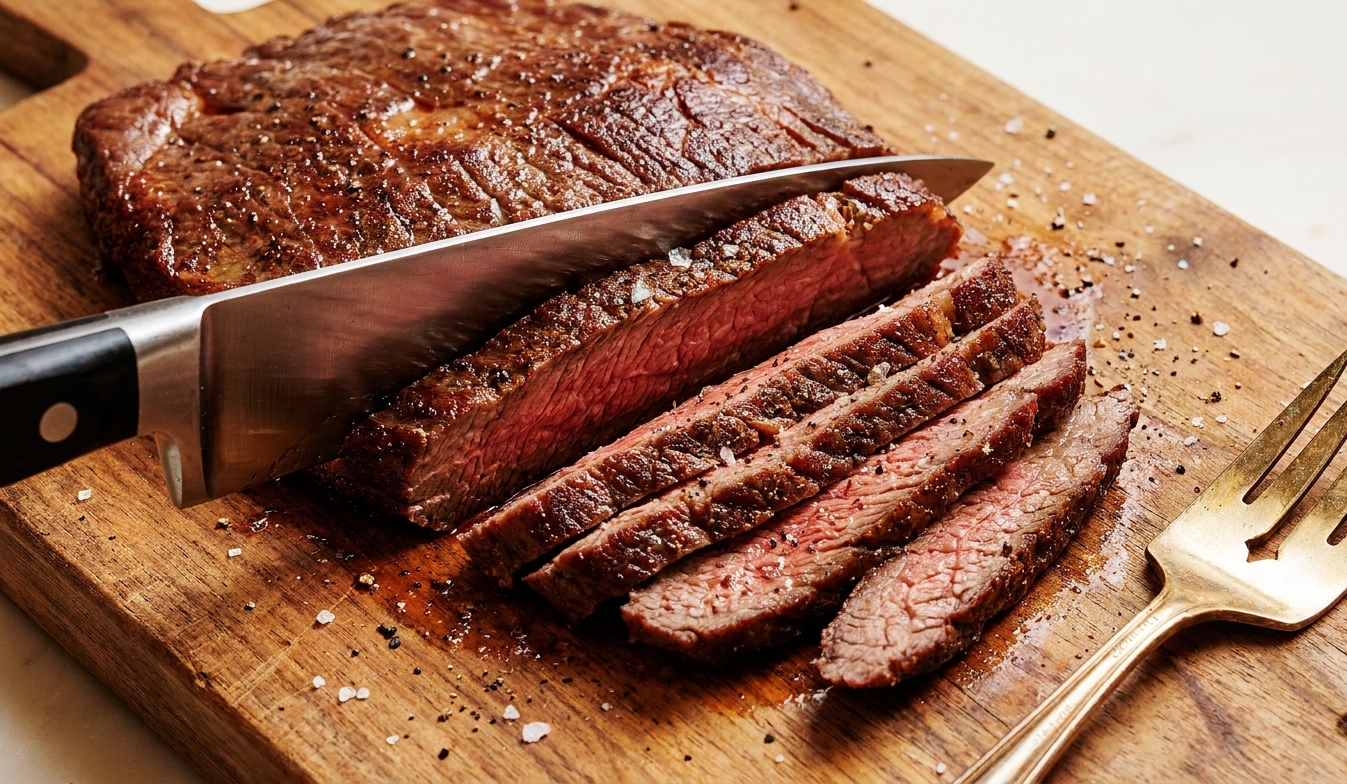
If you do only one thing, do this. Thin slicing across the grain turns “chewy” into “pleasantly steak-y” more often than you’d think.
Before you slice
- Let it rest first. If it just came off the heat, give it 5 to 15 minutes so the juices settle down.
- Use a sharp knife. A dull blade tears the meat and makes thin slices harder.
- Find the grain. Take 10 seconds to look for it before you start cutting.
How to find the grain
Look for the lines running through the meat (they look like little stripes). That direction is the grain. You want your knife to cut across those lines, not along them.
How thin is thin?
Aim for 1/8 inch slices, or even thinner if it is very firm. Restaurant-style London broil is often sliced paper-thin.
My two favorite slicing tricks
- Chill it briefly. After it has rested, pop the cooked steak in the fridge for 20 to 30 minutes. Colder meat is easier to slice thin without shredding.
- Cut on a bias. Hold your knife at a slight angle as you slice. You get wider slices that feel more tender in your mouth.
Add a warm sauce
When meat is lean and a little overdone, the “fix” is often moisture, fat, and a punch of flavor. A warm sauce coats the slices so each bite feels juicier and easier to chew.
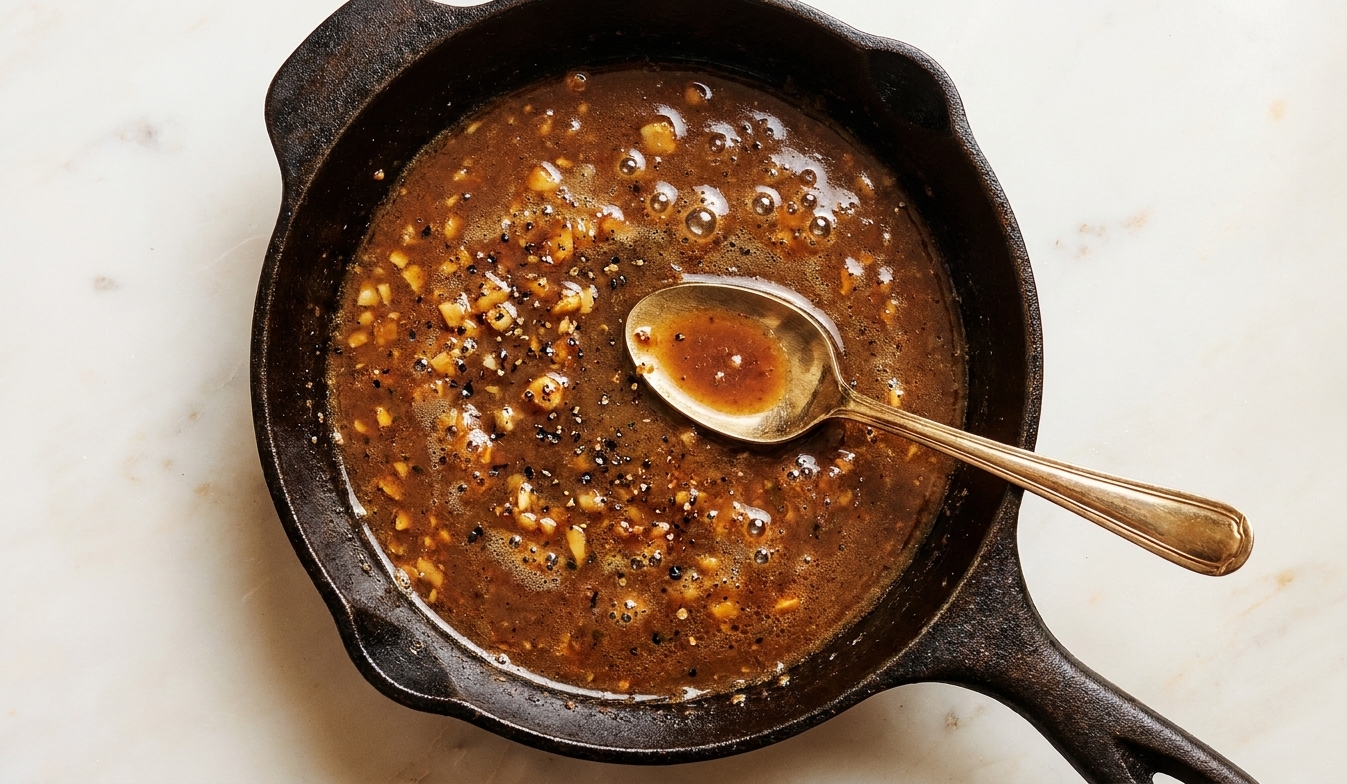
Quick pan sauce
This is my weeknight lifesaver, especially if you already have drippings in the pan.
- In a skillet, warm 1 tablespoon butter (or olive oil) over medium heat.
- Add 1 minced garlic clove and cook 30 seconds.
- Pour in 1/2 cup beef broth (or stock) and scrape up browned bits.
- Add 1 tablespoon Worcestershire and 1 teaspoon Dijon.
- Simmer 2 to 4 minutes until slightly glossy.
- Turn off the heat and stir in another small knob of butter if you want it richer.
How to serve it: Slice the London broil thin, lay it on a platter, then spoon the warm sauce over the top right before serving.
Other sauces that help
- Chimichurri (oil plus herbs equals magic)
- Salsa verde or a bright tomatillo salsa
- Au jus or onion gravy
- Gorgonzola cream sauce (if you want cozy steakhouse energy)
Reheat gently
If you try to “fix” toughness by searing slices again, you usually just cook out more moisture. What you want is gentle warming, preferably with added liquid.
Best method: warm slices in sauce
Add sliced meat to a warm sauce (gravy, au jus, broth-based pan sauce) and heat on low just until it is warmed through. You are not trying to simmer it hard.
Oven method: covered with broth
- Preheat oven to 275°F.
- Put sliced meat in a baking dish.
- Add a few tablespoons of broth, then cover tightly with foil.
- Warm 10 to 15 minutes.
Avoid: uncovered reheating, high heat, or long cook times. Those three are a reliable recipe for Dry Steak Dinner.
Can you tenderize it after cooking?
Kind of, but with realistic expectations.
- You can make it feel more tender by slicing thin, cutting across the grain, and serving with moisture and fat.
- You cannot undo overcooking with more broiling, grilling, or searing. Dry heat generally will not break down connective tissue the way moist heat will.
What about braising it now?
You can convert tough cooked London broil into something shreddable by simmering it gently in liquid, but it becomes a different meal. Think: beef for tacos, sandwiches, or rice bowls, not “slice-and-serve steak.”
If that sounds good, slice (or cube) the meat, then simmer it in a flavorful liquid (broth plus salsa, or broth plus onions) at a very low bubble until it loosens up. Depending on how thick the pieces are and how cooked the meat already is, this can take anywhere from 30 minutes to 90 minutes or more. Keep an eye on it and add liquid as needed so it stays saucy.
Smart repurposing ideas
When a steak is chewy, the goal is to change the bite: smaller pieces, plenty of moisture, and other textures that make the chew less noticeable.
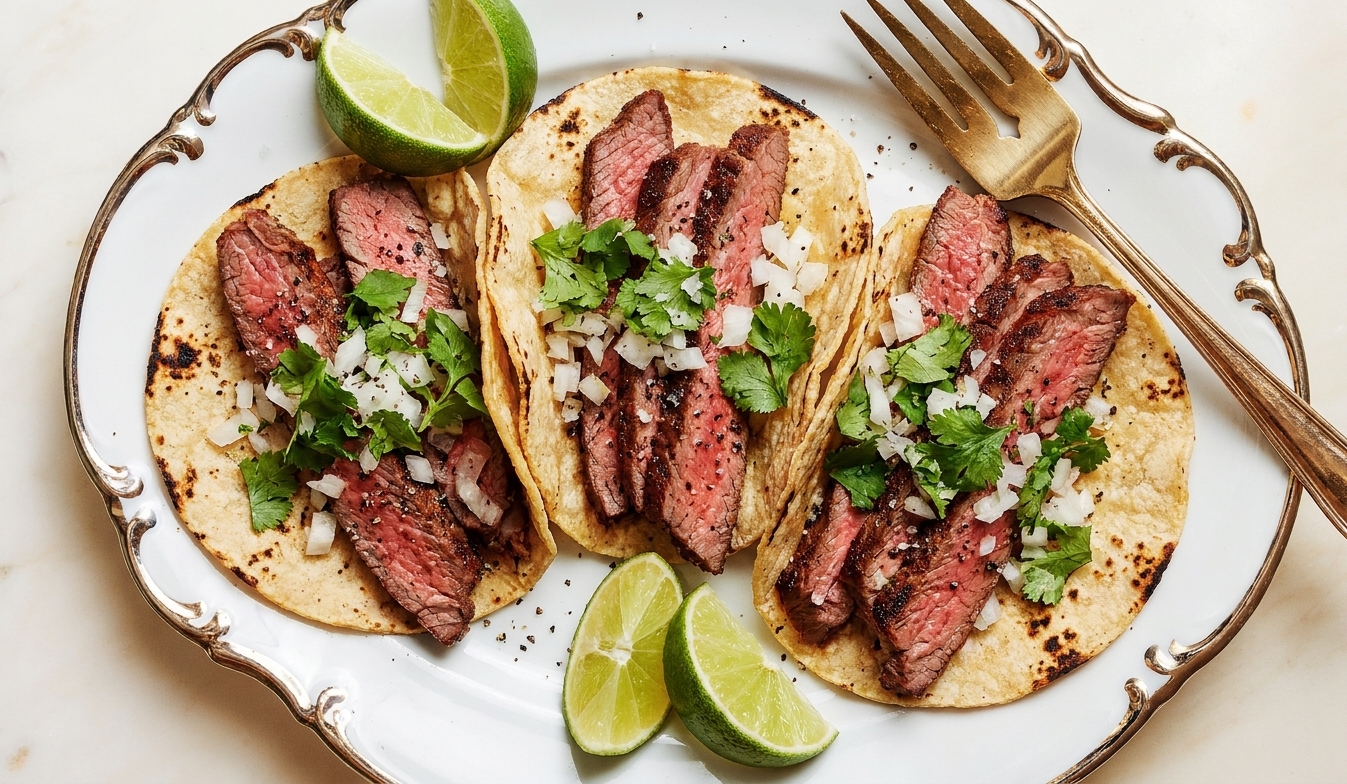
Tacos or fajitas
- Slice very thin across the grain.
- Toss with warm salsa, sautéed peppers and onions, and a squeeze of lime.
- Serve on warm tortillas with avocado or sour cream.
Steak salad
- Go thin on the slices.
- Pair with crunchy lettuce, cucumbers, radishes, croutons, or toasted nuts.
- Use a strong vinaigrette, like balsamic or mustard.
Stir-fry
- Slice paper-thin and add it at the very end just to warm.
- Let the sauce do the work: soy sauce, ginger, garlic, a little honey, and a cornstarch slurry for gloss.
Steak fried rice
- Dice small.
- Cook fried rice as usual, then fold in steak at the end so it doesn’t overcook again.
Sandwiches that save dinner
- Warm sliced beef in au jus.
- Pile onto a toasted roll with provolone, caramelized onions, and horseradish mayo.
What not to do
- Don’t cook it longer over high heat. That usually makes it tougher and drier.
- Don’t slice it thick. Thick slices highlight chewiness.
- Don’t slice with the grain. It is the fastest path to jaw fatigue.
- Don’t reheat uncovered in the microwave. If you must microwave, do it in short bursts with a splash of broth and cover it.
FAQ
Why is my London broil tough even though it’s medium rare?
Two common reasons: it was sliced with the grain, or the particular cut was very lean and fiber-forward (top round is notorious). Slice thinner and make sure you are cutting across the grain, then serve with a warm sauce.
Will letting it rest longer make it more tender?
Resting helps juices redistribute, which helps moisture, but it does not break down fibers. Rest 5 to 15 minutes depending on thickness, then focus on thin slicing and saucing.
Can I marinate cooked London broil to fix it?
A marinade after cooking can add flavor, but it will not tenderize the interior much. If you want a noticeable texture change, your best bets are thin slicing, gentle warming in sauce, or simmering it in liquid for a new dish.
Is tough London broil always overcooked?
Not always. London broil can be chewy simply because of the cut’s long muscle fibers and how it was sliced. Overcooking makes it worse, but slicing direction and thickness are huge.
What’s the best way to store and reheat leftovers so they stay tender?
Store slices with any juices or sauce and refrigerate promptly. Reheat low and slow, ideally in a covered skillet with a splash of broth or in a warm sauce. Avoid high heat or long reheats.
A quick pep talk
If your London broil is tough, you are not a bad cook. You just have a piece of beef that needs a different game plan at the finish line. Slice it thinner than you think you need, cut across the grain like your dinner depends on it (because it kind of does), and give it something warm and saucy to snuggle into. You can absolutely turn this into a meal everyone happily eats.