

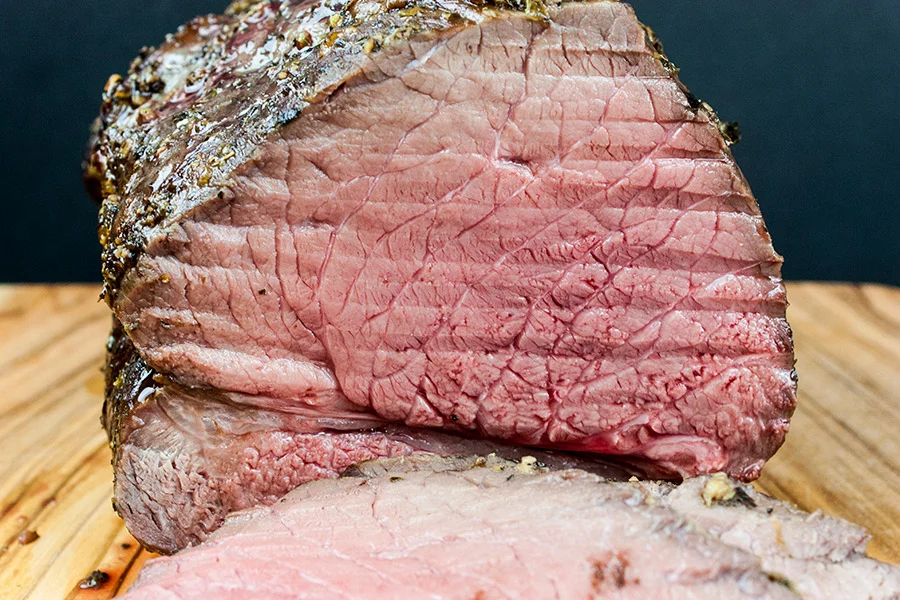

I have stood in front of the beef case more times than I can count, squinting at labels that feel like they were designed to confuse us on purpose. “London broil” might be next to “flank steak,” both are lean, both can take a marinade beautifully, and both can be unbelievably tender or heartbreakingly chewy depending on what you do next.
Let’s make this simple: this is a buying decision first, and a cooking method decision second. If you know what cut you’re actually holding, how thick it is, and which direction the grain runs, you are going to win dinner.
First, the big truth about “London broil”
“London broil” is usually a label for a method (marinate, cook hot, slice thin) more than a specific cut. In many grocery stores, the package marked London broil is most often:
- Top round (very common)
- Bottom round (common in some stores and regions)
- Sometimes chuck/top blade (it varies by retailer)
- Sometimes flank steak (less common, but it happens)
So when you see “London broil” at the store, flip the package and look for the actual cut name in smaller print. That one line gives you the right playbook, then thickness and doneness finish the plan.
Quick meat-case comparison
| What you’re deciding | London broil (often top round) | Flank steak |
|---|---|---|
| Shape and thickness | More oval or rectangular, usually thicker (typical range about 1 to 2 inches, but it varies) | Long, flat, usually thinner (often around 0.75 to 1 inch, but it varies) |
| Grain | Grain can be tighter and sometimes harder to spot | Grain is very visible, long fibers run end to end |
| Best cooking approach | Broil or roast hot, or sear then finish gently | Fast, high-heat sear or grill |
| Marinade time sweet spot | Longer: 6 to 24 hours | Shorter: 2 to 12 hours |
| How to serve | Slice thin for sandwiches, salads, rice bowls | Slice thin for fajitas, tacos, steak salads |
Grain: the one detail that decides tenderness
If you take only one thing from this article, make it this: slice against the grain. Both London broil-style cuts and flank steak have strong muscle fibers. Cutting across those fibers shortens them, which makes each bite feel tender.
How to find the grain
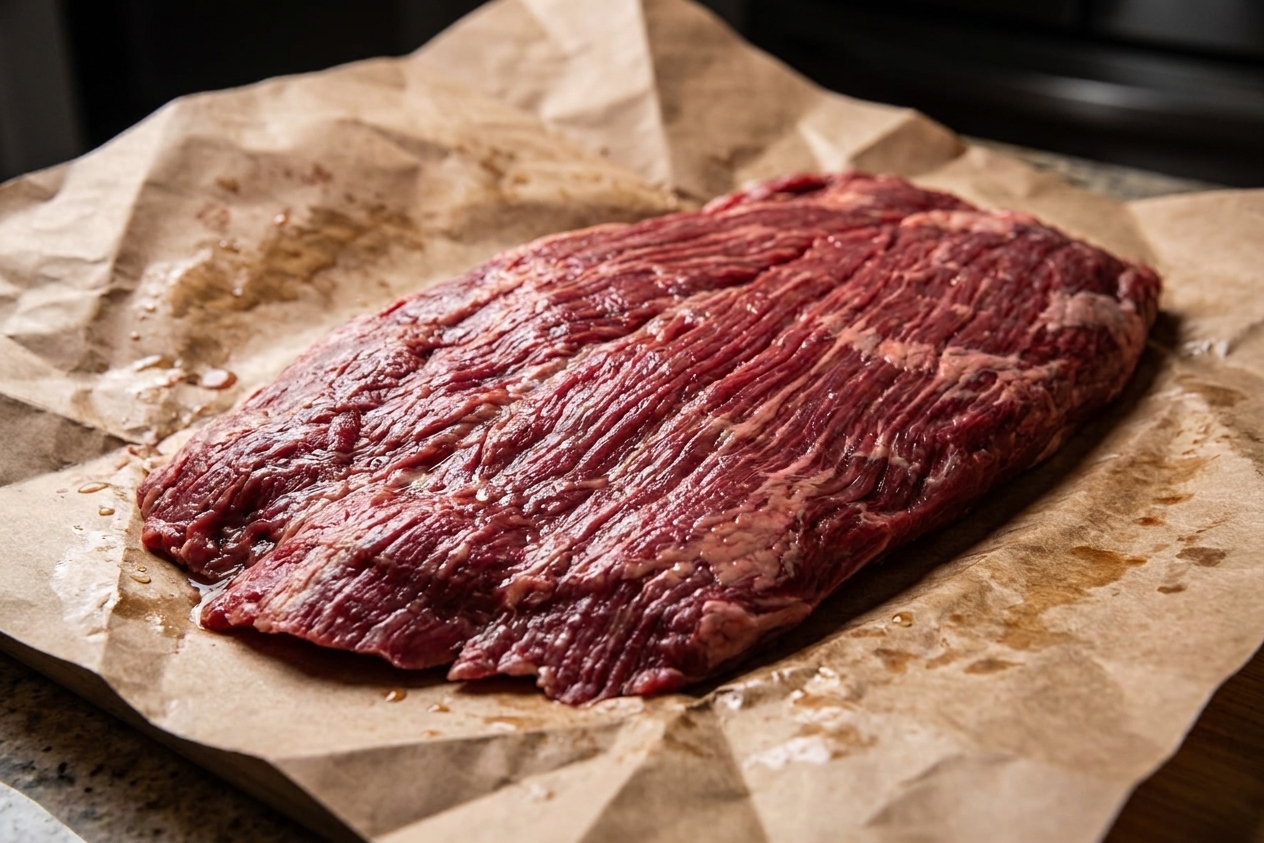
- Flank steak: you’ll usually see long lines running the length of the steak. That is the grain.
- London broil (top round): the grain can look subtler, sometimes like faint stripes. Rotate the steak under the light. If you still cannot spot it, plan to identify it after cooking on the cutting board.
Thickness: why they cook differently
Thickness changes everything because it determines how long the steak sits in intense heat, and how easy it is to hit your target doneness.
London broil is usually thicker
That extra thickness gives you a little cushion: you can blast the outside with high heat, then still have time to reach a juicy medium-rare or medium inside without turning the whole thing into leather. It also means it benefits from a longer rest and thinner slicing.
Flank steak is usually thinner
Flank goes from “perfect” to “oops” quickly. It thrives with quick, high heat cooking, then a rest, then thin slicing.
Marinade time: how long is long enough
Both cuts love marinade because they are lean and full of character. Marinade does two jobs: it seasons and it helps with perceived tenderness. But there is a limit, especially if your marinade is very acidic.
London broil marinade time
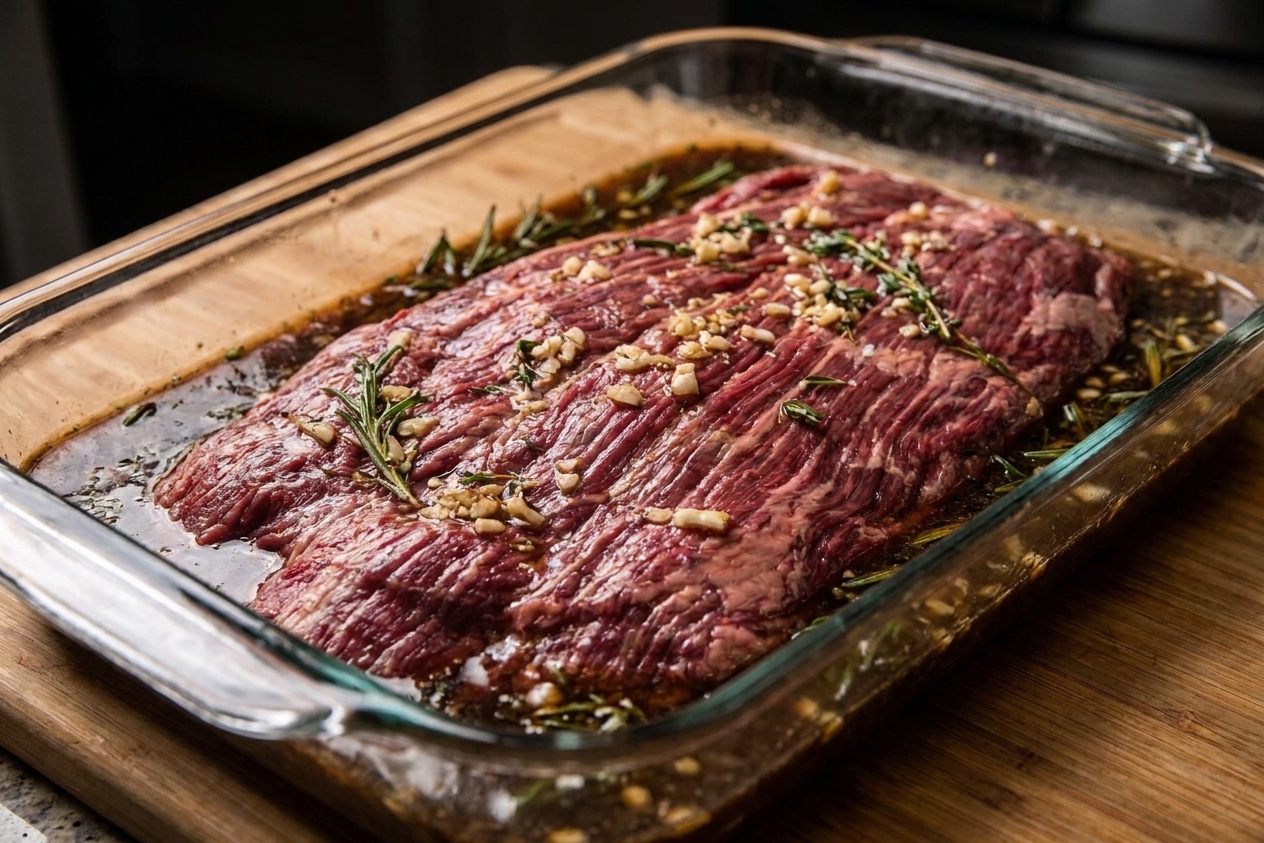
- Best range: 6 to 24 hours
- Minimum: 4 hours if you are in a hurry
- Watch-outs: if your marinade is heavy on vinegar or citrus, stick closer to 6 to 12 hours so the surface does not get mushy
Flank steak marinade time
- Best range: 2 to 12 hours
- Minimum: 30 to 60 minutes still helps a lot
- Watch-outs: long, acidic marinades can make the texture weirdly soft on the outside because flank is thinner and has lots of surface area
If you want a safe, classic marinade structure that works for both, think: oil + salty element (soy sauce or Worcestershire) + garlic + a touch of sweet + optional acid.
If you do not feel like marinating, here’s the other option I use all the time: salt it well and let it sit (30 to 60 minutes in the fridge). It is basically a mini dry brine. You still get big flavor, and it can help the meat hold onto juiciness.
Broil vs sear: pick your method
Here’s my weeknight rule: choose your cut based on how much time and attention you have for the cooking part.
When London broil shines
- Broiler cooking: Great match for a thicker London broil cut. Broiling is like upside-down grilling, intense radiant heat from above that browns quickly.
- Sear then finish: Sear in a hot pan for color, then finish in the oven more gently if it is very thick.
What to aim for: medium-rare to medium is usually the sweet spot for tenderness (think warm red center to warm pink center). Very lean round cuts get noticeably firmer the further they go.
Quick temperature guide: pull at about 125 to 130°F for medium-rare and 135 to 140°F for medium, then rest. The temperature will climb a bit as it sits.
When flank steak shines
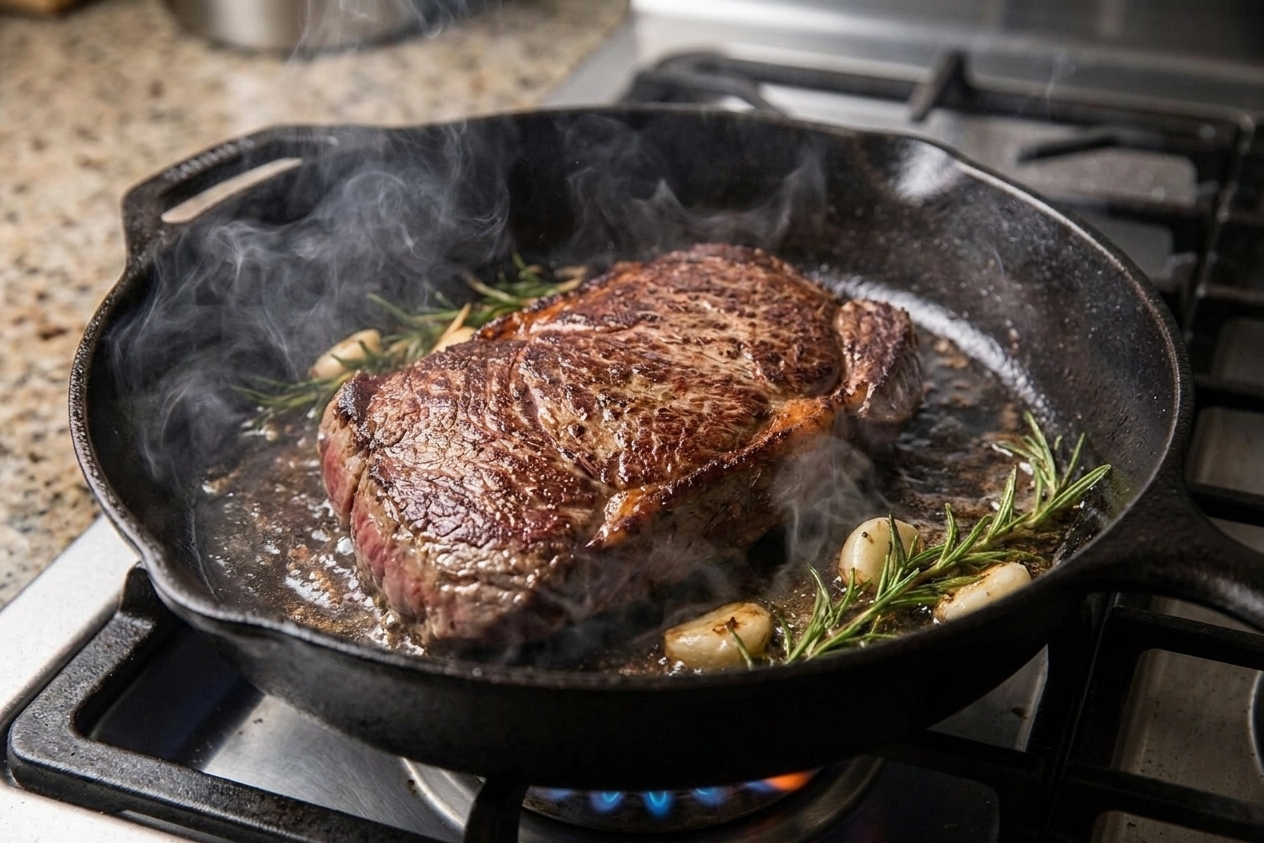
- High-heat sear: Cast iron skillet, grill, or very hot broiler if your steak is not too close to the heat source.
- Fast cook: Because it’s thinner, you want a quick char outside without overcooking inside.
What to aim for: medium-rare is ideal for flank. Medium is still workable if you slice thin. Well-done flank is where chewiness tends to move in permanently.
Quick temperature guide: pull flank around 125 to 130°F for medium-rare. If you like medium, pull around 135°F and plan to slice thin.
One small trick that makes a big difference: whether you marinated or dry brined, pat the steak dry before it hits the pan or grill. Dry surface equals better browning.
How to slice each one
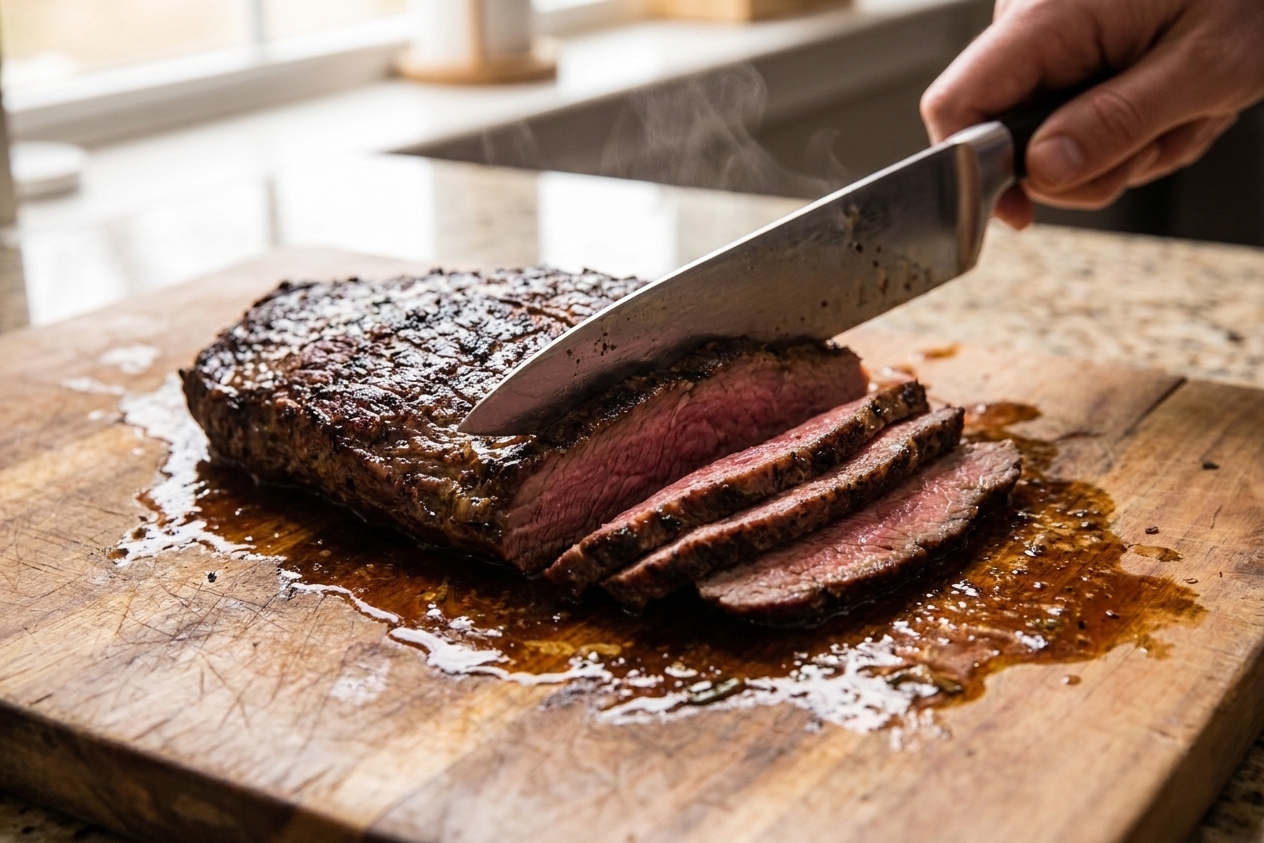
Even if you cook both steaks perfectly, slicing the wrong direction can make them feel tough. I promise you, this is not being picky. It is steak physics.
How to slice London broil
- Rest the steak 10 minutes (bigger, thicker cuts need a little longer).
- Find the grain, then slice across it.
- Slice thin, especially if it’s top round. Think: sandwich-thin, not “steakhouse slab.”
- If the grain changes direction in different areas, rotate the meat as you go.
How to slice flank steak
- Rest the steak 5 to 10 minutes.
- Look for those long fibers running the length of the steak.
- Slice across the grain into thin strips.
- For extra tenderness, slice on a slight bias (angled cuts) to create wider, thinner pieces.
Which one should you buy today?
If both packages are staring at you and you just want an answer, here’s how I’d choose.
Buy London broil if…
- You want more portions from one piece (it’s often larger and thicker).
- You have time to marinate longer or dry brine and slice thin.
- You like the idea of broiling or finishing in the oven.
- You are planning thin slices for sandwiches, bowls, or salad.
Buy flank steak if…
- You want a steak that cooks fast and takes a great char.
- You’re making fajitas, tacos, or anything that wants thin strips.
- You are comfortable watching the cook time closely.
- You want a super obvious grain that makes slicing straightforward.
FAQ
Is London broil tougher than flank steak?
It can be. If the “London broil” you’re looking at is top round, it’s very lean and can eat a little firmer than flank. The good news is that a longer marinade or a good dry brine, careful doneness (medium-rare to medium), and very thin slicing make it wonderfully enjoyable.
Can I substitute flank steak for London broil (or vice versa)?
Usually, yes, with a cooking adjustment. If you swap flank in for a thicker London broil cut, reduce cook time significantly. If you swap a London broil top round cut in for flank, expect a thicker steak that benefits from broiling or an oven finish and extra-thin slicing.
Do I need to tenderize either one with a mallet?
Not required, but it can help, especially for a thicker, very lean London broil cut. If you do it, use a gentle hand. You’re trying to even the thickness slightly and break up some fibers, not pound it paper-thin.
Should I let these steaks sit out before cooking?
I’m fine with 20 to 30 minutes on the counter while you preheat the grill, pan, or broiler and get your sides going. It helps take the chill off for more even cooking. Keep it covered, and do not leave it out for long stretches, especially if your kitchen is warm.
What’s the number one mistake with both cuts?
Cutting with the grain. Second place is overcooking, especially with flank steak because it’s thinner and cooks quickly.