

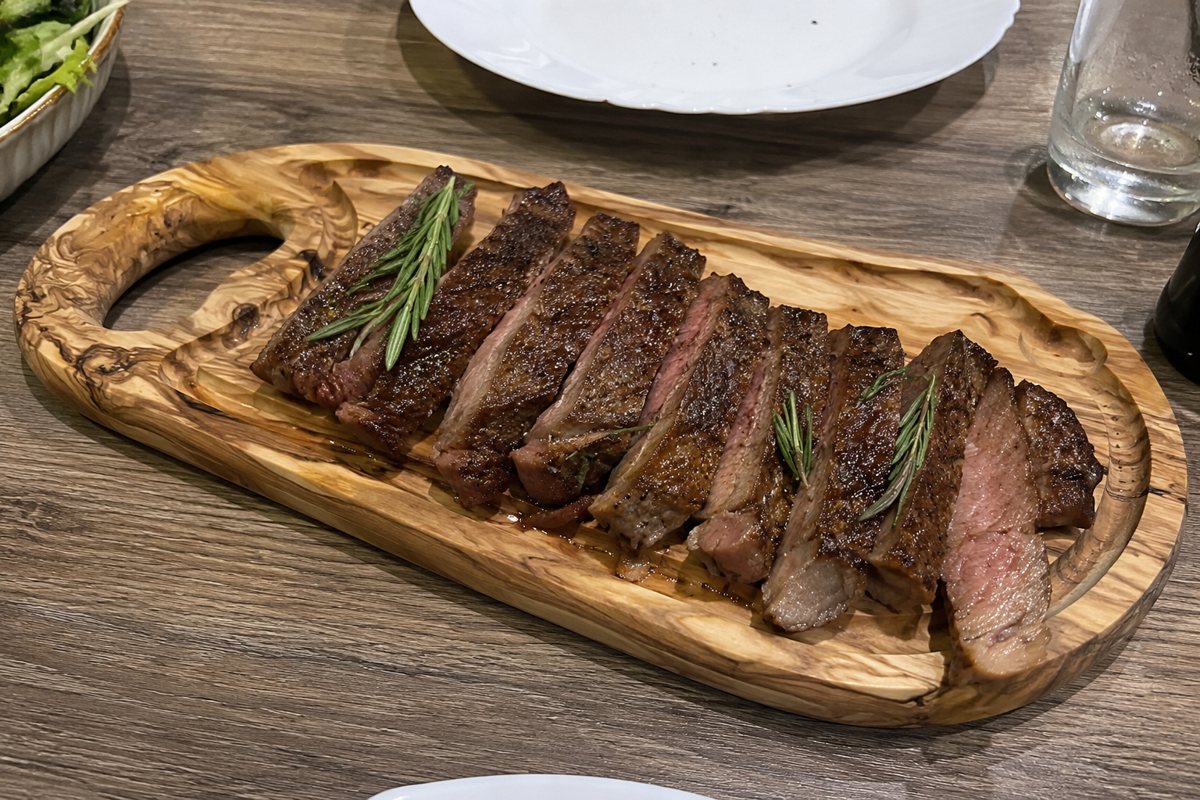

If you have ever wondered how steakhouses make a simple steak taste like it has more depth than seems reasonable for one piece of meat, the secret is usually not a mysterious spice blend. It is a smart balance of salt, acid, fat, and aromatics, plus enough time to let them do their thing. This is my go-to weeknight steak marinade when I want that classic steakhouse vibe without turning dinner into a whole production.
It is boldly savory, very garlicky (because of course), and built for real life: mix it in a jar, marinate while you prep sides, then cook your steak exactly how you like it.
What makes it steakhouse-style
A good steakhouse steak tastes rich, seasoned beyond the surface, and finished with that unmistakable browned crust. This marinade is designed to support that.
- Salt penetrates beyond the surface over time and helps the steak hold onto juices during cooking.
- Umami from Worcestershire and a touch of soy sauce gives that savory, aged-steak vibe.
- Acid (balsamic or red wine vinegar) brightens and can lightly tenderize the surface. Too much time can push the texture into mushy territory, so timing matters.
- Fat (olive oil) carries flavor, protects the surface, and encourages even browning.
- Aromatics (garlic, pepper, herbs) make it smell like you know what you are doing, even on a Tuesday.
The marinade
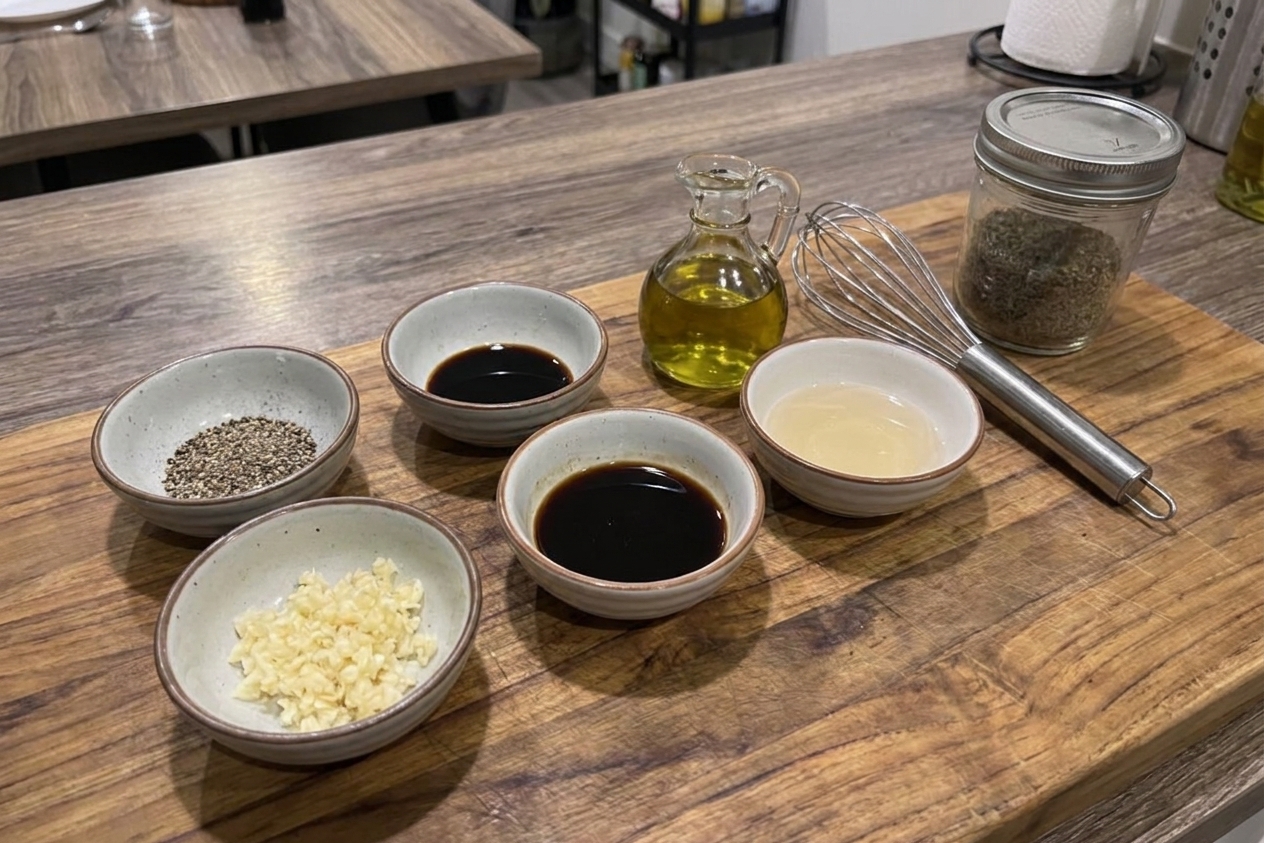
This makes enough for about 1 1/2 to 2 pounds of steak (roughly 2 to 4 steaks depending on thickness). You want just enough marinade to coat the meat, not drown it.
- 1/4 cup olive oil
- 2 tablespoons Worcestershire sauce
- 1 tablespoon soy sauce (low-sodium is great)
- 1 tablespoon balsamic vinegar or red wine vinegar
- 1 tablespoon Dijon mustard
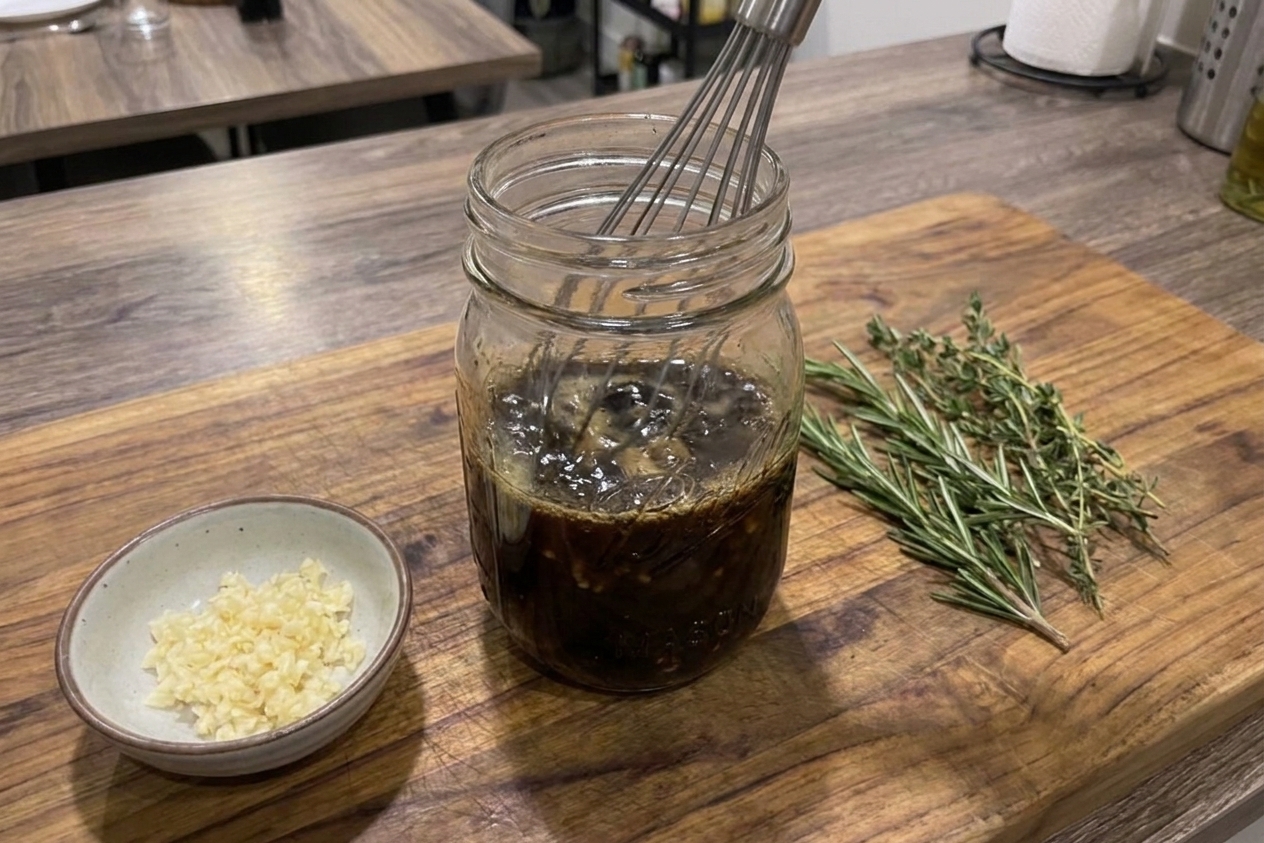
- 4 to 6 cloves garlic, finely minced or grated
- 1 teaspoon kosher salt (use 3/4 teaspoon if using fine salt)
- 1 teaspoon freshly cracked black pepper
- 1/2 teaspoon smoked paprika (optional but lovely)
- 1 teaspoon chopped fresh rosemary or thyme (or 1/2 teaspoon dried)
- 1 teaspoon brown sugar or honey (optional, helps browning)
How to mix it
Whisk everything in a bowl, or add it straight to a jar and shake like you mean it. If you are grating garlic, do it right over the bowl so you catch the juices too.
How to marinate
Use a zip-top bag (best for even coverage) or a shallow dish. Add the steak and marinade, then press out extra air if you are using a bag so the marinade hugs the meat. If you are marinating longer than 30 minutes, refrigerate. For longer marinating times, flip the bag or turn the steak once halfway through.
How long to marinate
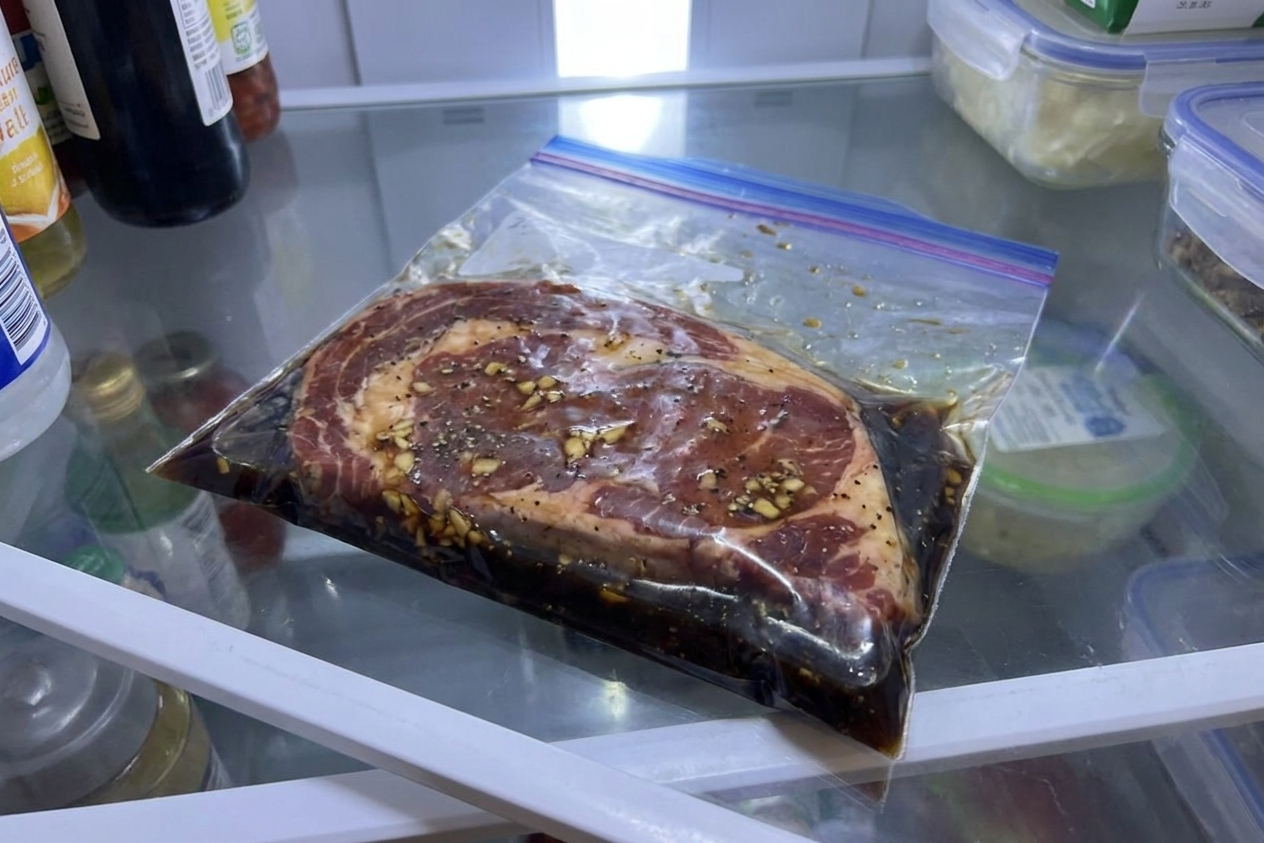
Marinade timing is where a lot of weeknight steak goes sideways. Too short and you miss the flavor. Too long with too much acid and the texture can go a little mealy, especially with thinner cuts.
- Best flavor with weeknight effort: 30 minutes to 2 hours
- Absolute minimum: 15 minutes (still helpful, especially for flavor on the outside)
- Do not exceed: 8 hours for most steaks (4 hours is my comfort zone for thinner steaks)
A simple rule
Thinner steaks need less time. If your steak is about 3/4-inch thick, aim for 30 minutes to 1 hour. Thick steaks (1 1/4-inch and up) can handle 2 to 4 hours beautifully.
Room temp safety
If you marinate at room temperature for a quick boost, keep it to 30 minutes or less. Anything longer should go in the fridge.
Best cuts
You can use this on almost any steak, but I like it most with cuts that benefit from a little extra help in the flavor department.
- Sirloin: Great weeknight value, marinades beautifully, cooks quickly.
- Flank or skirt: Loves bold flavors, perfect for slicing against the grain.
- Strip steak: Already steakhouse-style, this pushes it over the top.
- Ribeye: Not required, but if you want maximum decadence, go for it.
- Tenderloin/filet: Use a shorter marinade time (15 to 45 minutes) so you do not mask the delicate flavor.
If your steak is already heavily marbled and you adore the pure beefy taste, you can absolutely reduce the soy and Worcestershire by half and let the garlic and herbs be the main event.
How to cook for a great sear
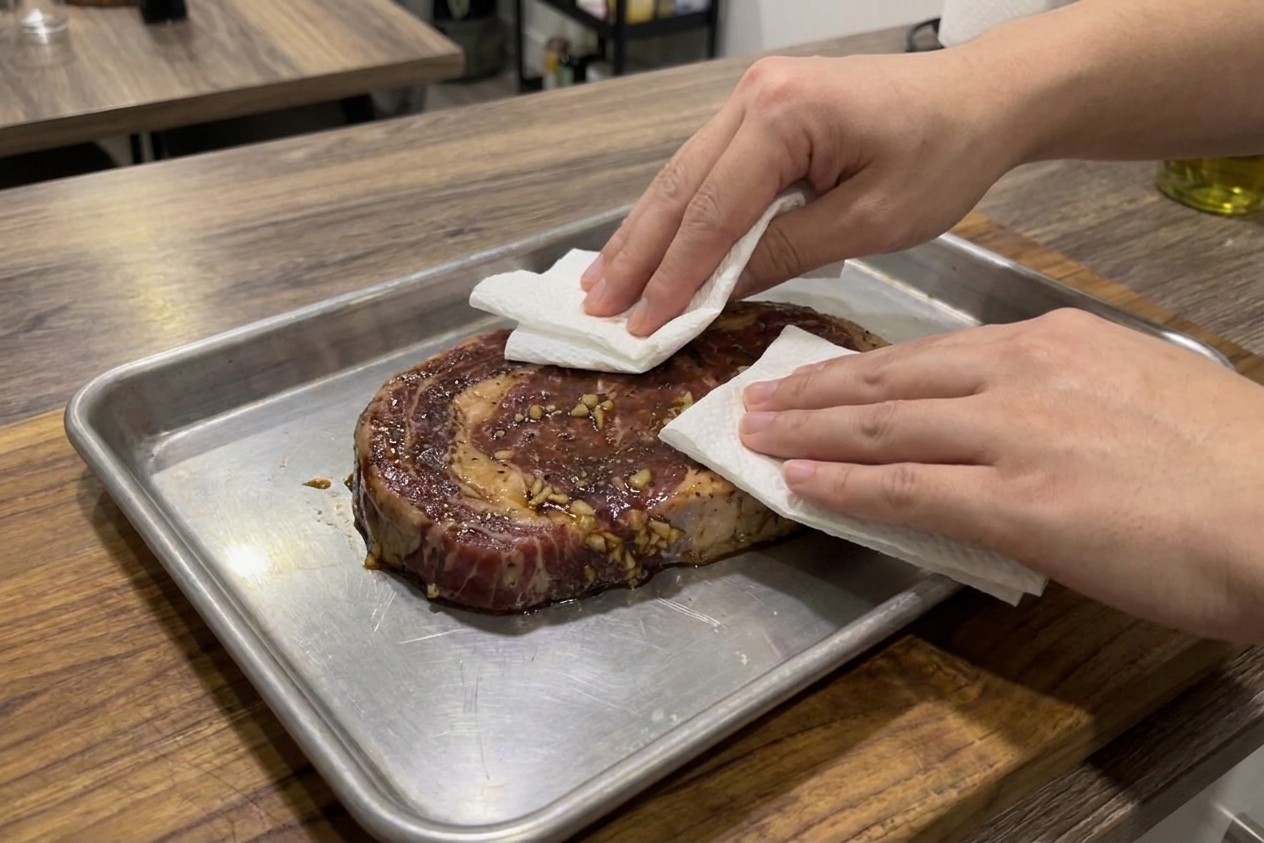
Marinade adds moisture to the surface, and moisture is the enemy of browning. The fix is simple and it makes all the difference.
- Bring steak closer to room temp: Take it out of the fridge 20 to 30 minutes before cooking.
- Pat it very dry: Use paper towels and really blot. This is the key to a good sear.
- Brush off excess bits: Garlic and herb pieces can burn fast at high heat, so scrape off any thick clumps before the steak hits the pan.
- Use high heat: A cast iron skillet is my weeknight best friend, but a grill works too.
- Do not crowd the pan: Cook in batches if needed.
- Finish with butter (optional, but hello): Add 1 tablespoon butter with a smashed garlic clove and a sprig of thyme for the last minute and spoon it over.
- Rest: 5 minutes for thinner steaks, 8 to 10 minutes for thicker ones.
Quick stovetop method
Heat a heavy skillet over medium-high to high until very hot. Add a thin slick of high-heat oil. Sear steak until deeply browned, then flip and finish to your preferred doneness.
If you like numbers, you have two good options. Pull temps (take the steak off the heat and rest): about 125°F to 130°F for medium-rare, 135°F to 140°F for medium. Final temps after resting (what you will eat): about 130°F to 135°F for medium-rare, 140°F to 145°F for medium.
Easy variations
- Classic peppercorn: Add 1 to 2 teaspoons crushed peppercorns and skip the smoked paprika.
- Herb and lemon: Swap vinegar for lemon juice, add extra thyme and parsley, and reduce soy to 2 teaspoons.
- Spicy steakhouse: Add 1/2 teaspoon red pepper flakes or a teaspoon of hot sauce.
- Maple bourbon: Replace the brown sugar with maple syrup and add 1 tablespoon bourbon. Keep the time to 2 hours or less.
Make-ahead and storage
If you love a calm weeknight, mix a double batch and keep it ready to go.
- Marinade (unused) in the fridge: up to 5 days for best flavor in a sealed jar.
- Freeze option: Pour marinade into a freezer bag with raw steak and freeze up to 2 months. Thaw overnight in the fridge and cook within 24 hours.
- Food safety note: If the marinade touched raw meat, do not reuse it as-is. If you want a sauce, reserve a portion before adding steak. Or bring used marinade to a rolling boil and boil for at least 1 minute (1 to 2 minutes is a nice cushion), then reduce. It still will not taste as clean as reserved marinade, but it works.
FAQ
Can I marinate steak overnight?
You can, but it depends on the cut and thickness. Thick strip, sirloin, or flank can be fine overnight if your marinade is not overly acidic. With this recipe, I recommend staying under 8 hours when possible, and under 4 hours for thinner steaks.
Will the sugar burn?
In small amounts, it mainly helps browning. If you are doing very high heat (especially on a grill) and your steak is thin, you can skip the sugar or honey entirely and still get a gorgeous crust.
Do I need to add more salt before cooking?
Usually no. This marinade is seasoned. If you pat the steak dry and taste-wise you want more, add a light sprinkle of kosher salt right before it hits the pan.
Can I use this on chicken or pork?
Yes. For chicken thighs or pork chops, marinate 30 minutes to 4 hours. For chicken breasts, keep it closer to 30 minutes to 2 hours so the texture stays tender.
What should I serve with steak on a weeknight?
I lean toward one veggie and one cozy carb: roasted broccoli, a simple salad, or sautéed green beans plus mashed potatoes, crispy oven fries, or buttered rice. If there is leftover steak, slice it cold for tomorrow’s steak salad or a quick steak sandwich.
One last tip
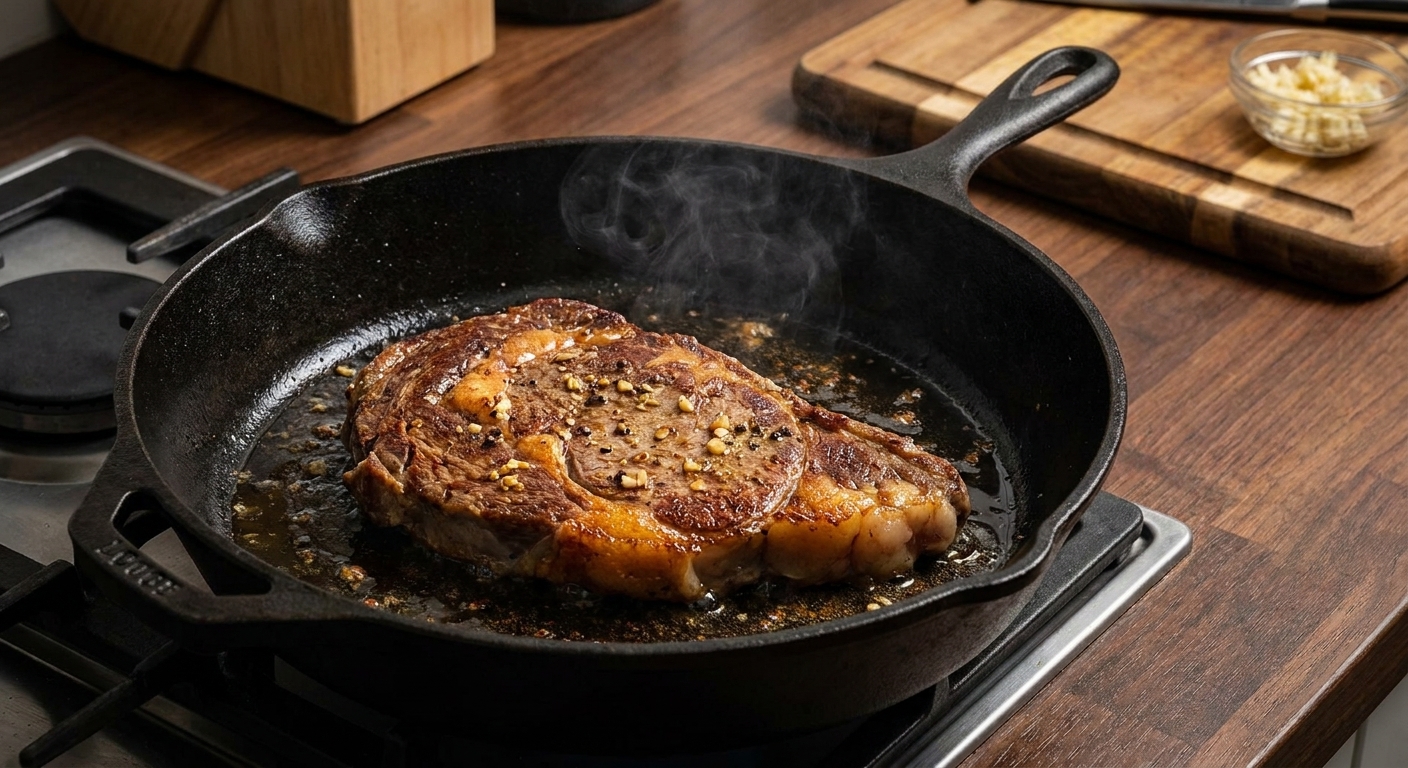
If you take only one thing from this: pat the steak dry before cooking. Marinade gives you flavor, but dryness gives you that steakhouse crust. When you do both, weeknight steak stops being fine and becomes the kind of dinner that makes everyone wander into the kitchen asking what smells so good.