

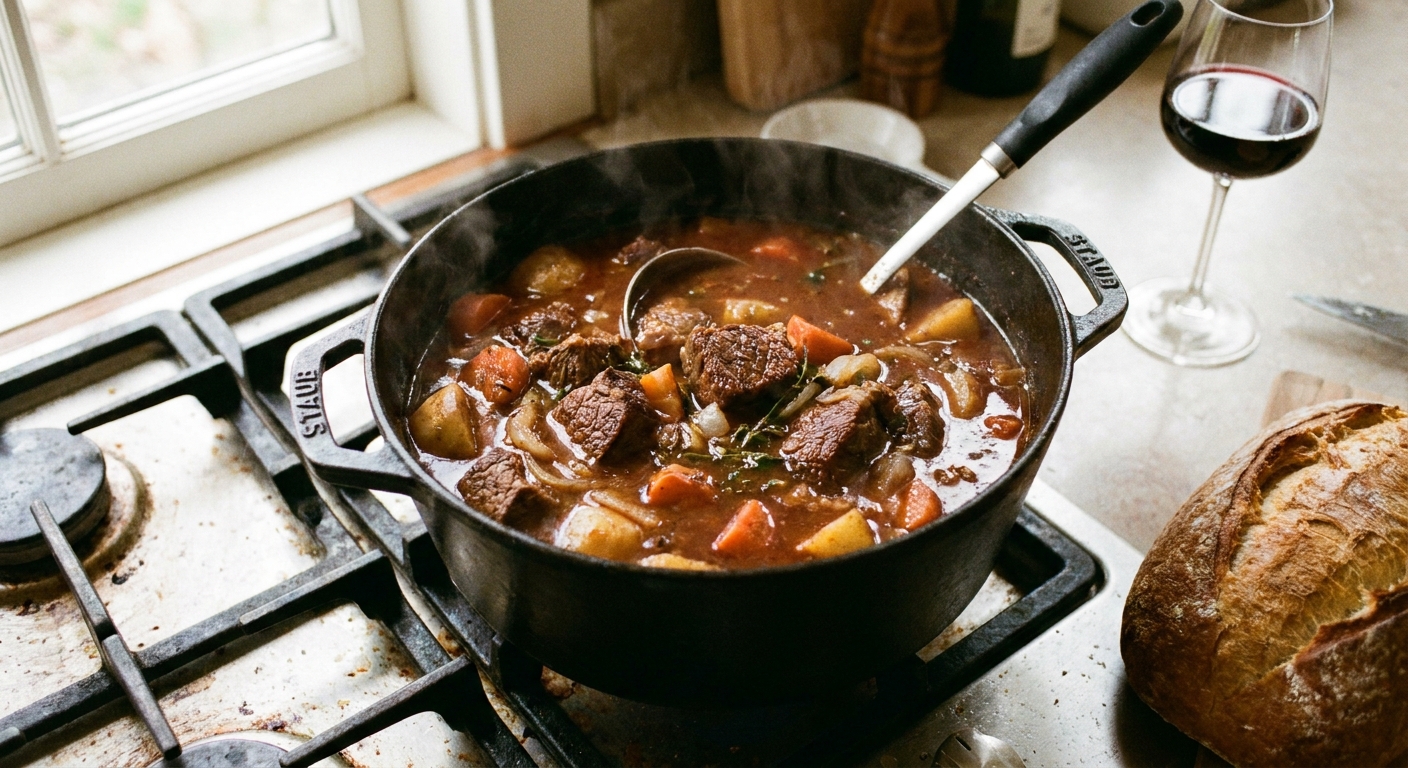
The first time I made beef stew for my very opinionated, food-loving family, I skipped browning because I was tired and figured, it all simmers for hours anyway. The stew was fine. Comforting. But it had that softer, one-note taste that always makes me reach for extra salt at the table. The next time, I took the extra 15 minutes to brown the beef properly and scrape up the browned bits, and suddenly it tasted like I had been tending the stove all day.
So, should you brown stew meat before simmering? Usually yes for flavor. But there are absolutely nights where a dump and simmer approach still gets you a hearty, tender stew. The trick is knowing what browning actually does, when it matters most, and how to avoid the common tenderness pitfalls.

What browning does
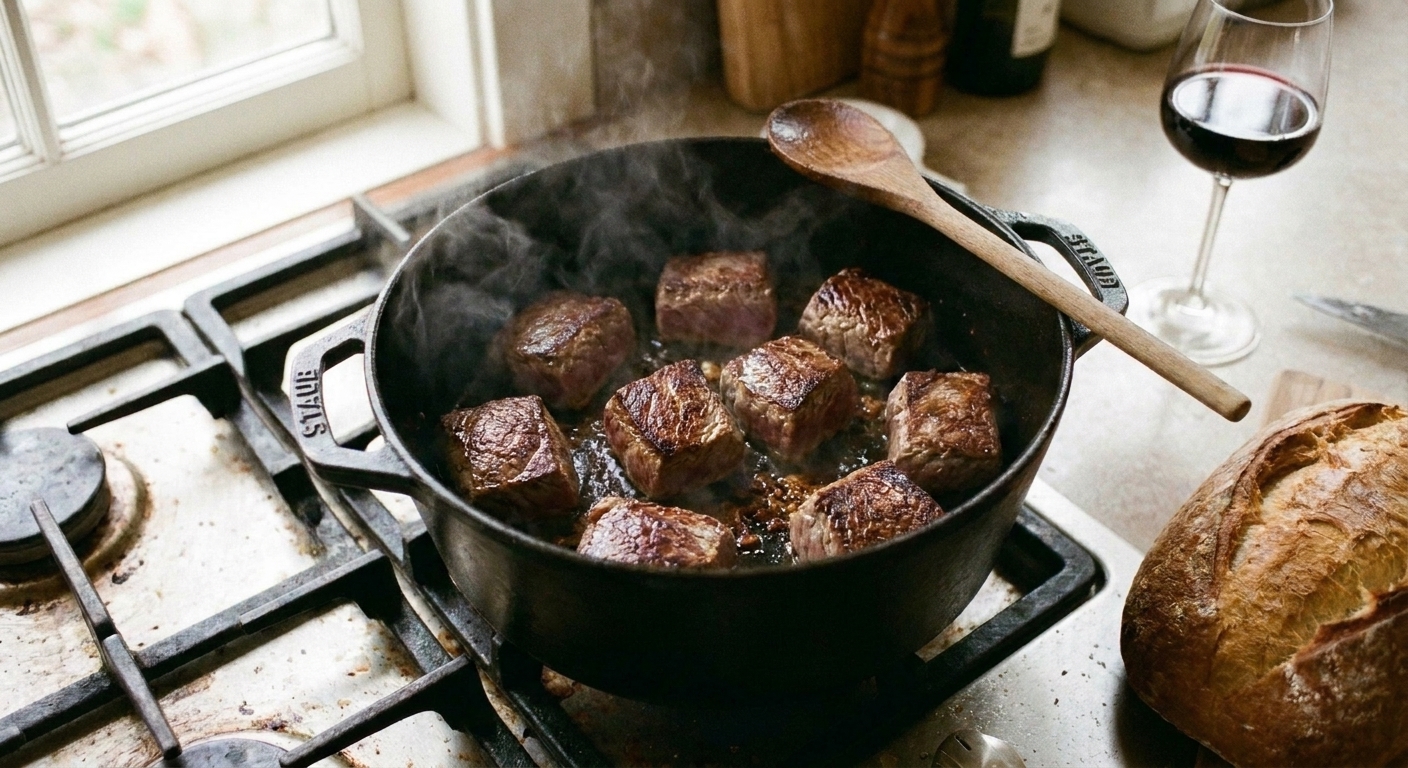
Browning is not just about color. When you sear beef in a hot pan, you are kick-starting the Maillard reaction, which creates hundreds of new flavor compounds. That is where you get savory, roasty, almost nutty notes that make stew taste more complex.
Fond is the payoff
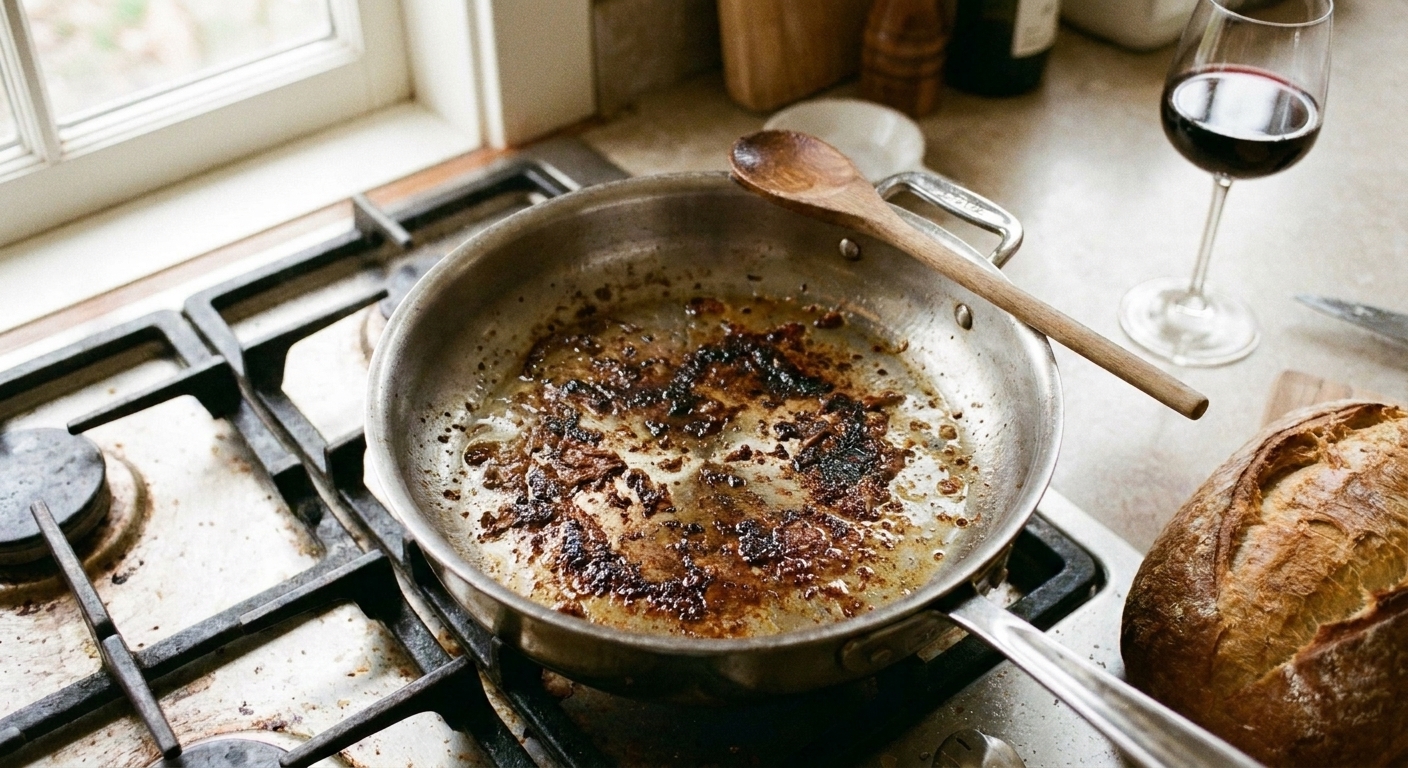
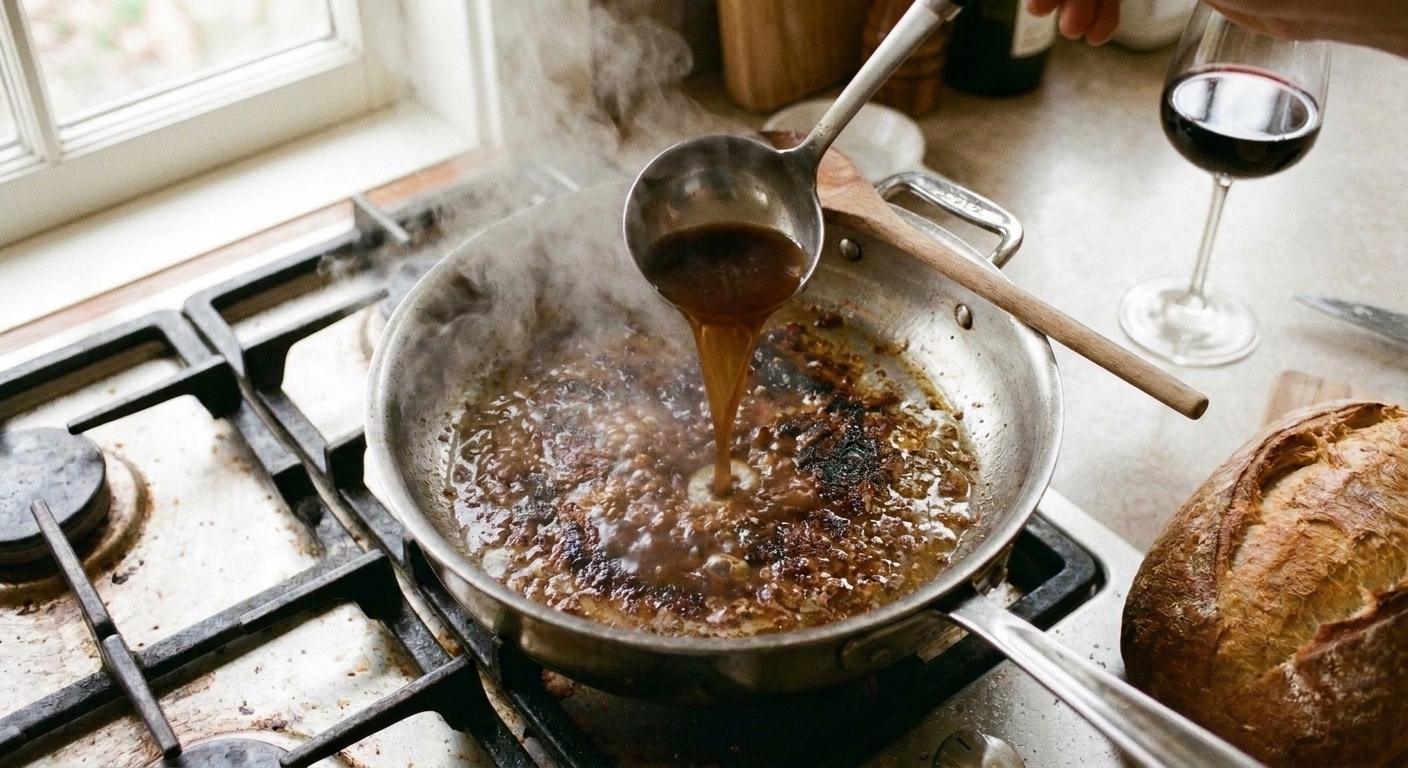
The sticky, dark brown layer left on the bottom of the pan is called fond. That fond is basically concentrated flavor. When you add onions, tomato paste, wine, stock, or even just water and scrape the bottom, you dissolve those browned bits into the stew. That is how you get a deeper, more restaurant-style broth without any fancy ingredients.
Does browning make it tough?
This is the part that confuses a lot of cooks. You sear the beef, it firms up, and it can feel like you just made it tougher. In the short term, yes, it tightens. But that does not mean the final stew will be tough.
Stew meat gets tender from time at a gentle simmer, which melts collagen into gelatin. Searing does not replace that process and it does not prevent it either. What causes tough stew meat later is usually one of these:
- Not simmering long enough for collagen-rich cuts to break down.
- Cooking too hot (or boiling hard), which can tighten proteins, knock pieces around, and push out moisture.
- Using very lean meat that does not have enough connective tissue to become luscious.
- Cutting pieces too small, so they overcook before they tenderize.
So think of browning as a flavor step, not a tenderness step. Tenderness comes from low and slow cooking.
Pick the right cut
This matters more than most people realize because “stew meat” from the store can be a mixed bag. Sometimes it is chuck. Sometimes it is leaner, random trimmings that cook up dry and chewy.
If you have a choice, I look for chuck roast first (cut into cubes at home). Other great options are brisket and short ribs (bonus points for the rich broth). These cuts have the connective tissue that turns silky with time.
Moisture and searing
Searing does drive off some surface moisture. That is not a bad thing. In fact, it is part of why browning works, because a wet surface steams instead of browning.
Here is what matters for stew:
- You are not sealing in juices. That is a persistent myth. The meat will still release juices as it braises.
- Most of what you lose is surface water. The meat can absorb a bit of liquid as it cooks, but the real “juicy” feeling comes from properly broken-down connective tissue and a gelatin-rich sauce coating each bite.
- The tradeoff is worth it when you want a richer broth. You are swapping a little surface moisture for big flavor.
If you are worried about dryness, the fix is not skipping browning. The fix is keeping the simmer gentle and cooking long enough for the cut you are using.
When browning is worth it
I brown stew meat when I want the stew to taste like it has layers, not just ingredients. It is especially worth it when:
- Your ingredient list is simple. If it is beef, onions, carrots, potatoes, broth, salt, and pepper, browning adds the missing depth.
- You are not using wine or beer. Alcohol can add complexity, but browning gives you that savory backbone even without it.
- You plan to thicken the stew. A thicker gravy clings to everything, so the browned flavor carries through every bite.
- You are using a slow cooker recipe but can spare 10 minutes. Browning before the slow cooker is one of the highest payoff upgrades.
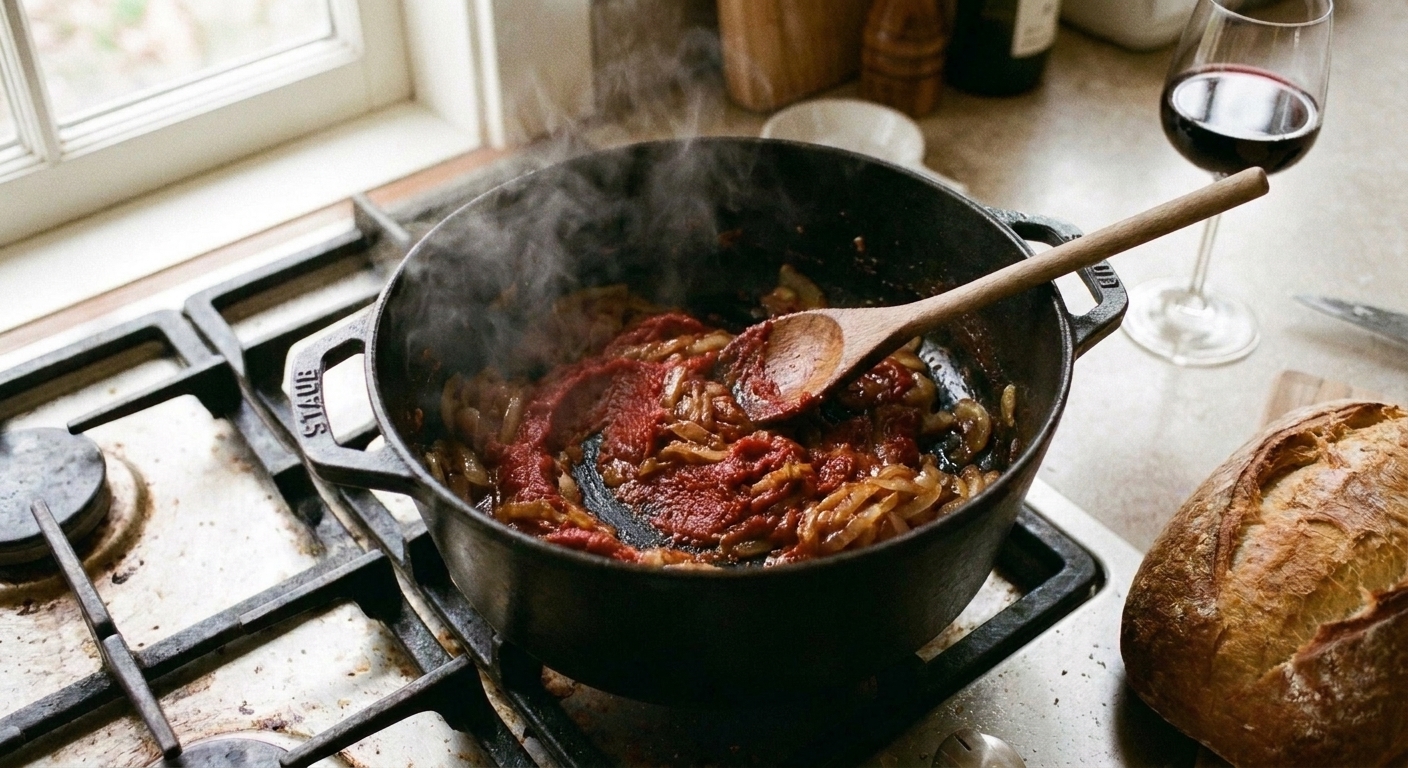
- You care about a rich, dark broth. Fond plus tomato paste, onions, and a splash of stock is magic.
When you can skip it
There are nights when you just need dinner to happen. Skipping browning can still give you a good stew, especially if you build flavor in other ways.
Dump and simmer can work well when:
- Your stew has bold flavor boosters. Think Worcestershire, soy sauce, fish sauce, miso, tomato paste, mushrooms, or a strong stock.
- You are making a lighter stew. If you want a cleaner broth and a more delicate flavor, skipping browning keeps it brighter.
- You are using very small pieces of meat. Tiny cubes are harder to brown well without overcooking or crowding the pan.
- You are meal prepping in big batches. Browning in batches is doable, but it can turn into a project. If the alternative is not making stew at all, skip it and use flavor shortcuts.
My no-sear flavor shortcuts
- Bloom tomato paste in a little oil in the pot until it darkens slightly.
- Add mushrooms or a spoonful of mushroom powder for umami.
- Use beef stock instead of water, and do not be shy with salt.
- Finish with a splash of vinegar or lemon juice to wake everything up.
- Add extra garlic. I will never talk you out of it.
Brown meat fast and clean
If the idea of browning feels like extra dishes and splatter, this is the streamlined method I teach friends who think they hate searing.
Quick steps
- Pat the beef dry. Moisture is the enemy of browning. Paper towels make a huge difference.
- Salt it first. Seasoning early helps flavor the meat and encourages better browning.
- Use a wide, heavy pan. A Dutch oven or a big skillet gives you room.
- Use the right oil. A neutral oil with a higher smoke point (like avocado, canola, or grapeseed) makes this easier than extra-virgin olive oil at high heat.
- Heat oil until shimmering. If the oil is not hot enough, the meat will steam.
- Brown in batches. Crowding is the number one reason people think browning does not work. Give the pieces space.
- Do not fuss. Let the meat sit until it releases easily. If it is stuck, it is not ready.
- Deglaze the pan. Add onions, a splash of stock or wine, and scrape up the fond. Then pour it all into the stew.
Time saver: You do not need to brown every side like you are styling a cookbook. One or two well-browned sides per cube is enough to build flavor.
Tenderness after browning
Browning itself does not make stew meat tender, but what you do after browning absolutely matters.
What to do next
- Keep the heat low. Aim for a gentle simmer with small bubbles, not a rolling boil.
- Give it enough time. Tough cuts need time for collagen to dissolve. If it is chewy, it usually needs longer.
- Add delicate vegetables later. Potatoes and carrots can go in early, but peas, green beans, and tender herbs should go in near the end.
- Rest the stew. Like many braises, stew is often better after 10 to 15 minutes off the heat. The meat relaxes and the flavors settle.
If your stew meat is still tough even after simmering, the fix is almost always more time at a low simmer, not more liquid and not higher heat.
Common questions
Can I brown stew meat in the oven?
Yes. Spread the beef cubes in a single layer on a rimmed sheet pan, toss with oil and salt, then roast at 425°F until you see deep browning on the edges. Timing varies (often 15 to 25 minutes depending on size), so use color as your cue. If you want more even browning, stir or turn the pieces once halfway through. You will not get as much fond as the stovetop, but it is hands-off and still adds roasted flavor.
Is it okay to brown frozen stew meat?
It is better to thaw first. Frozen or very cold meat drops the pan temperature and releases more moisture, which encourages steaming. If you are in a pinch, thaw in the fridge overnight or use a cold water bath in a sealed bag, then pat very dry before browning.
Do I need flour on the meat before browning?
Not necessarily. Flour can help create a light crust and can contribute to thickening later, but it can also burn if the pan is too hot. If you like using flour, use a thin dusting and shake off the excess. You can also thicken the stew at the end with a slurry or by reducing the liquid.
What if my beef will not brown and just turns gray?
That is almost always one of three things: the pan is not hot enough, the meat is too wet, or the pan is crowded. Dry the meat thoroughly, heat the oil until shimmering, and brown in batches with space between pieces.
Bottom line, should I brown stew meat before simmering?
If you want the richest, most deeply flavored stew, brown it and deglaze the pan. If you are short on time, you can skip browning and still make a delicious stew, especially if you add flavor boosters like tomato paste, mushrooms, Worcestershire, or a good stock.