

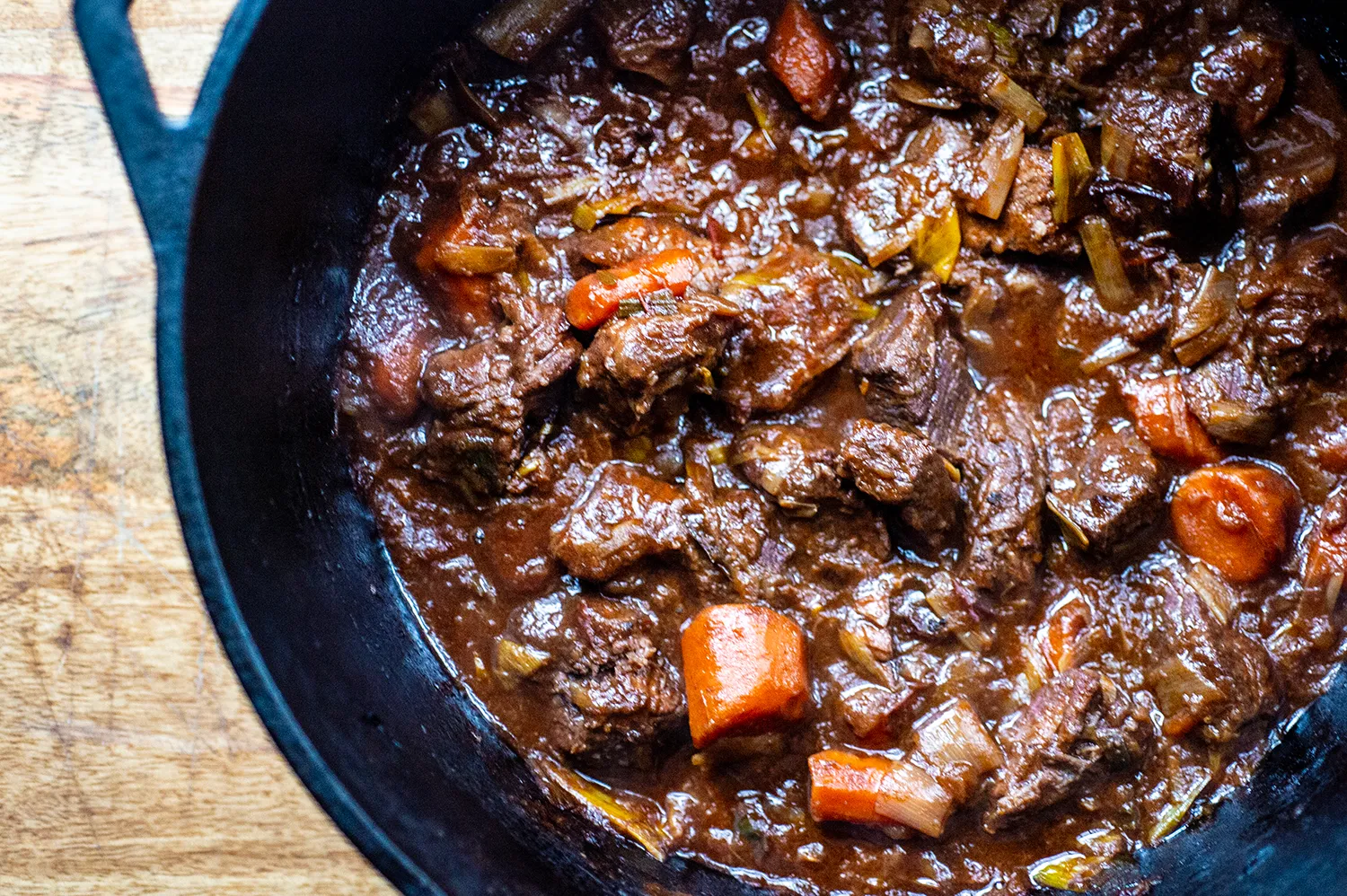
Nothing humbles a home cook faster than a pot of beef stew that looks gorgeous, smells amazing, and then tastes like… warm brown water. I have been there. The good news is bland stew is usually a balance problem, not a failure. With a few smart tweaks (right in the same pot), you can bring back the rich, cozy flavor you were promised.

First, figure out what kind of bland you have
Before you add a bunch of random stuff, do this quick check. It tells you which lever to pull.
- Tastes flat or dull: usually needs salt (and sometimes a touch of acid).
- Tastes watery: needs reducing, thickening, or a better broth-to-solids ratio.
- Tastes “beefy” but still boring: needs umami (tomato paste, Worcestershire, soy, mushrooms).
- Tastes harsh or one-note: may need fat, a pinch of sugar, or time to simmer and meld.
Now let’s fix it, starting with the most common culprit.
Fix #1: Add salt the right way
Most stews aren’t under-seasoned because you forgot salt entirely. They’re under-seasoned because stew is a big volume of food and it needs salt in stages. Also, big, starchy or unsalted ingredients (hello, potatoes and carrots) can dilute the overall seasoning until you give the pot enough salt and a little time.
How to do it
- Turn the heat to a gentle simmer.
- If you have a medium to large pot (about 6 to 8 servings), start with 1/4 teaspoon kosher salt at a time. If your pot is smaller, start with a pinch. If it is huge, you may need a bit more per round.
- Stir, simmer 2 minutes, then taste again.
- Repeat until the flavors pop.
Tip from my weeknight kitchen: Taste a spoonful that includes broth and a piece of potato or carrot. The broth can taste seasoned while the vegetables still taste bland.
Watch out for salty add-ins
Store-bought stock and bouillon vary wildly in sodium. If you plan to use soy sauce, Worcestershire, or bouillon, go slower with straight salt. I like to taste the broth on its own for a quick reality check before I start “fixing.”
Fix #2: Boost umami fast
If your stew tastes “fine” but not rich, you likely need umami. Think of umami as the savory bass note that makes beef stew taste like it simmered all day.
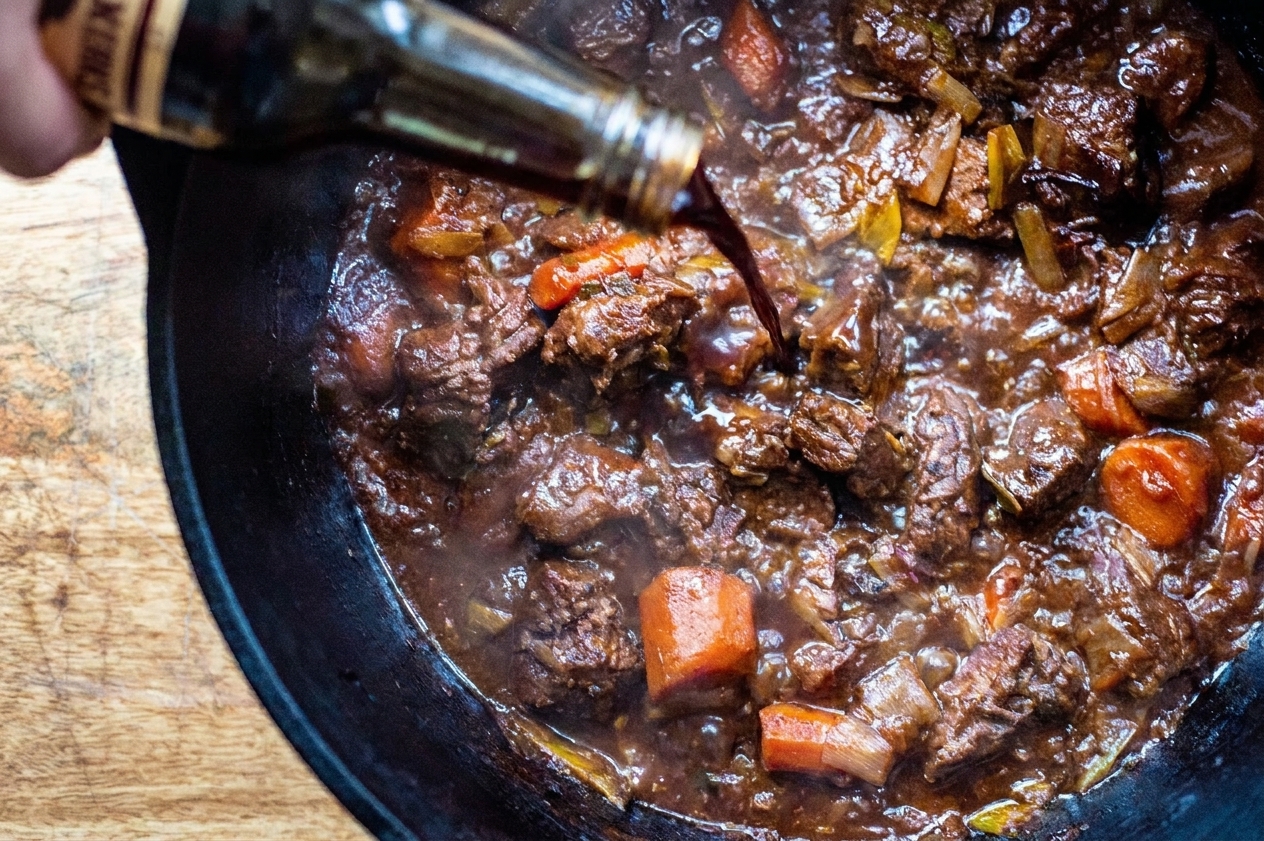
My favorite in-the-pot umami boosters
- Worcestershire sauce: add 1 teaspoon, stir, simmer 2 minutes, taste. Up to 1 tablespoon for a big pot.
- Soy sauce: start with 1 teaspoon, simmer 2 minutes, then taste. Great when the stew tastes bland even after salting.
- Fish sauce: yes, really. Start with 1/2 teaspoon. It disappears into the background and makes everything taste beefier.
- Tomato paste: stir in 1 to 2 tablespoons for depth and a slightly sweet, roasty backbone.
- Miso: whisk 1 tablespoon into a ladle of hot broth, then stir back into the pot.
Important: Add one booster at a time, then let it simmer a minute or two before you taste. These are powerful. Also, if your stew will keep simmering for a long while, start smaller because flavors concentrate as liquid evaporates.
Fix #3: Add a splash of acid
Salt makes flavors louder. Acid makes flavors brighter. If your stew tastes heavy, dull, or strangely sweet, it often needs a little acid at the end.
Quick acid options (choose one)
- Red wine vinegar: 1 teaspoon at a time
- Apple cider vinegar: 1 teaspoon at a time
- Lemon juice: 1 to 2 teaspoons
- Balsamic vinegar: 1/2 to 1 teaspoon (sweeter, deeper)
Stir, simmer 1 minute, taste. The goal is not “sour stew.” You are looking for that moment when the whole pot suddenly tastes more like itself.
Fix #4: Concentrate or thicken
If your stew tastes bland because it is thin, you can chase flavor forever with salt and still feel disappointed. Concentration is what you want. Thickening can help too, especially if the beef and veggies are already perfectly tender and you do not want to reduce much more.
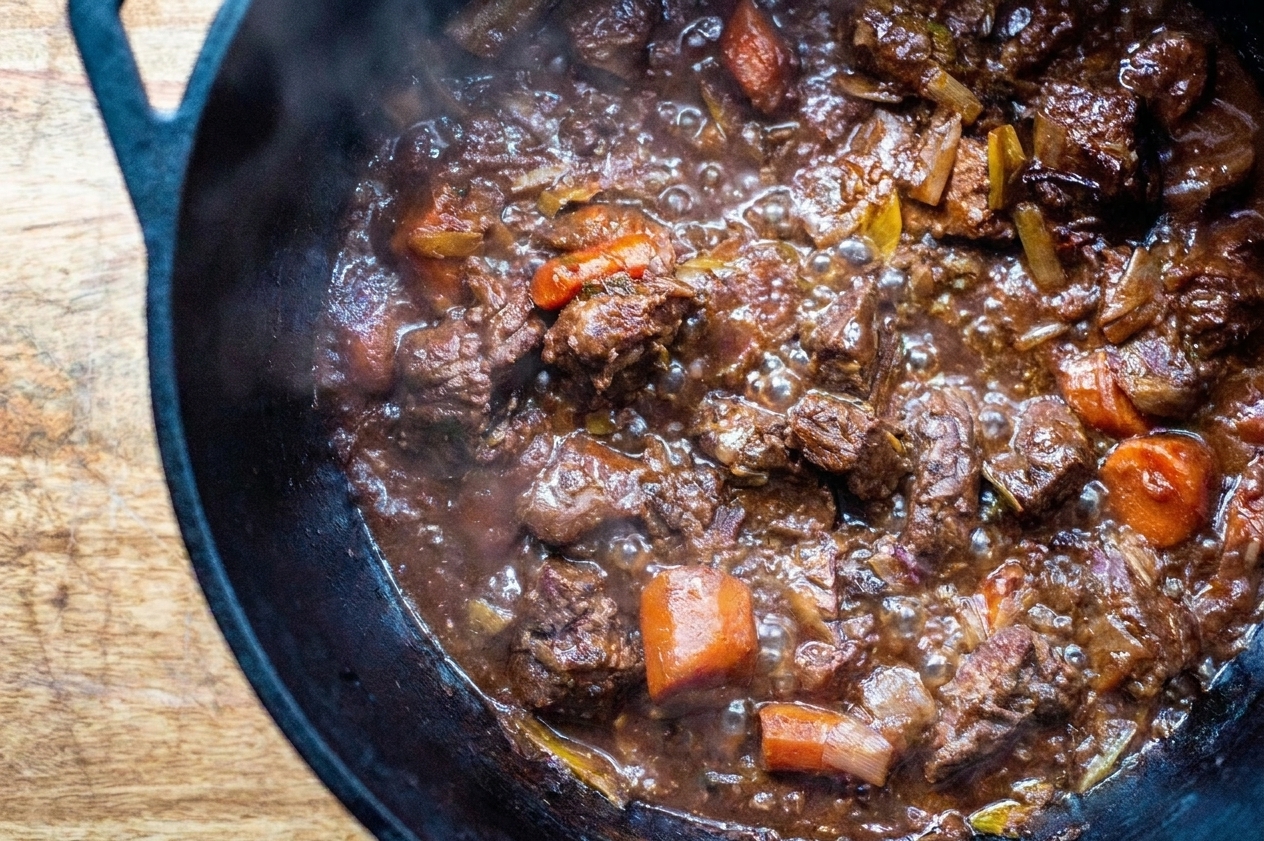
Option A: Reduce (best flavor)
- Uncover the pot.
- Bring to a steady simmer (not a rolling boil).
- Simmer 10 to 20 minutes, stirring occasionally so nothing sticks.
- Taste again and adjust salt after reducing.
Shortcut: If you have a lot of solids you love (beef and veg are perfect), ladle out a cup or two of broth, simmer it more aggressively in a small saucepan until it tastes punchy, then stir it back in. Fast concentration, less risk of overcooking the whole pot.
Option B: Thicken (when you cannot reduce)
- Cornstarch slurry: whisk 1 tablespoon cornstarch with 1 tablespoon cold water. Stir it in and simmer 2 to 3 minutes.
- Beurre manié: mash 1 tablespoon soft butter with 1 tablespoon flour into a paste. Whisk in small bits and simmer 5 minutes.
- Mash for body: mash a few potato chunks against the side of the pot and stir back in. It adds thickness without changing the flavor much.
Fix #5: Add roasted flavor
Deep stew flavor usually starts with a good sear on the beef and browning on the bottom of the pot. If the stew was more “gently cooked” than browned, you can still add roasty notes after the fact.
Try one of these
- Tomato paste, toasted: Push stew to one side of the pot. Add 1 to 2 tablespoons tomato paste to the cleared space and cook 1 to 2 minutes, stirring, until it darkens slightly. Then mix in.
- A little browned butter: In a small pan, brown 1 tablespoon butter until nutty, then stir into the stew. This is a cozy trick when the stew tastes flat but otherwise balanced.
- Roasted garlic paste: Mash a few roasted garlic cloves with a pinch of salt and stir in. (For most of us, more garlic is more joy. Just taste as you go so it does not take over.)
Fix #6: Refresh herbs
Dried herbs can fade during long cooking. And sometimes you just need a fresh top note to make the stew taste lively.
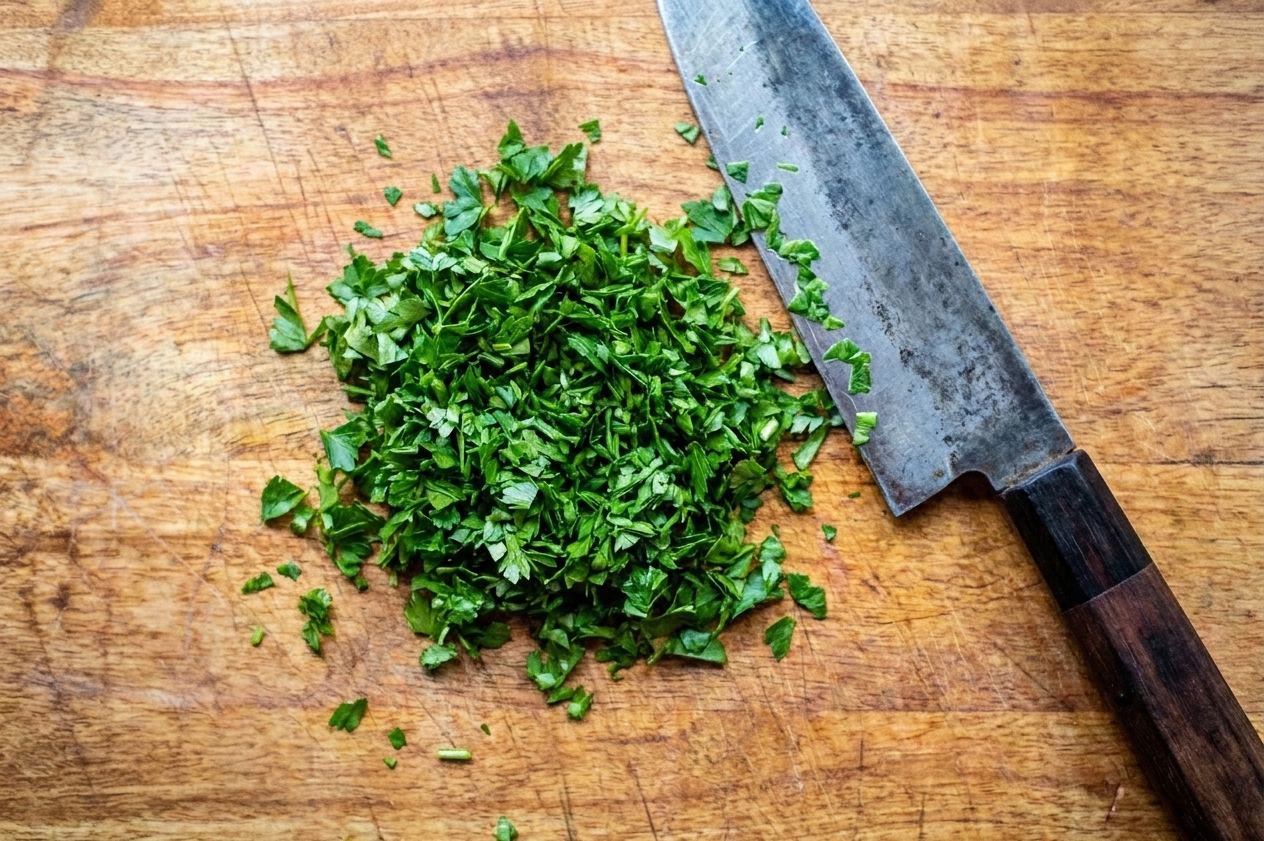
Easy herb refresh
- Stir in 1 to 2 tablespoons chopped parsley right before serving.
- Add fresh thyme leaves if you have them.
- Try 1/2 teaspoon dried thyme or rosemary, simmer 5 minutes, then taste.
Note: Dried rosemary can get loud and piney fast. Go small, then build.
Fix #7: Add richness
Sometimes “bland” is really “not luscious.” A little fat carries flavor and rounds out the edges.
- Stir in 1 tablespoon butter at the end for a glossy finish.
- Add a small splash of heavy cream (2 to 4 tablespoons) for a richer stew.
- If you skimmed all the fat off the top, consider leaving a little. You do not need a grease slick, just some richness.
A simple rescue roadmap
If you want the fastest path with the least guesswork, follow this order. It is how I troubleshoot my own pots.
- Salt in small increments until it tastes more like “beef stew.”
- Add one umami booster (Worcestershire or tomato paste are my top picks).
- Add a small splash of acid to brighten.
- Reduce uncovered, or thicken if reducing will overcook the stew.
- Finish with fresh herbs or a little butter for a cozy, restaurant-style finish.
FAQ
Why does my beef stew taste bland even after I added salt?
If salt helped but the stew still tastes boring, you likely need umami (Worcestershire, soy, tomato paste, miso) or concentration (reduce uncovered). Also make sure you are tasting broth with a piece of potato or carrot, since big unsalted ingredients can make the overall seasoning read lower than you expect.
Can I add tomato paste after the stew is cooked?
Yes. For best flavor, “toast” it first: push stew to one side, cook 1 to 2 tablespoons tomato paste in the cleared space for 1 to 2 minutes, then stir it in and simmer a few minutes.
What if my stew tastes bland and slightly bitter?
Bitter notes usually come from something that got too dark, like burnt fond, scorched onions or garlic, or tomato paste (or spices) that cooked too hard. Try a small pinch of sugar (start with 1/4 teaspoon), a pat of butter, and a tiny splash of acid to rebalance. Then reassess salt.
Will adding bouillon fix bland stew?
It can, especially if your broth started weak. Use it carefully because bouillon is salty, and so are soy sauce and Worcestershire. Start with a small amount, simmer to dissolve, then taste before adding any more salt.
How do I prevent bland beef stew next time?
Brown the beef well, season in layers (beef, then onions, then broth), use a flavorful stock, and include at least one umami builder like tomato paste or Worcestershire. Then finish with a small splash of acid and fresh herbs.
My last little nudge
If your stew tastes bland, it is not you. It is just chemistry and balance. Start with salt, then add one depth booster, then a tiny splash of acid. Most of the time, that is the glow-up.
If you want a baseline to compare against, make a note of what you add so next time you can build that flavor in from the beginning. Your future self will thank you when dinner is already tasting amazing before the lid even goes on.