

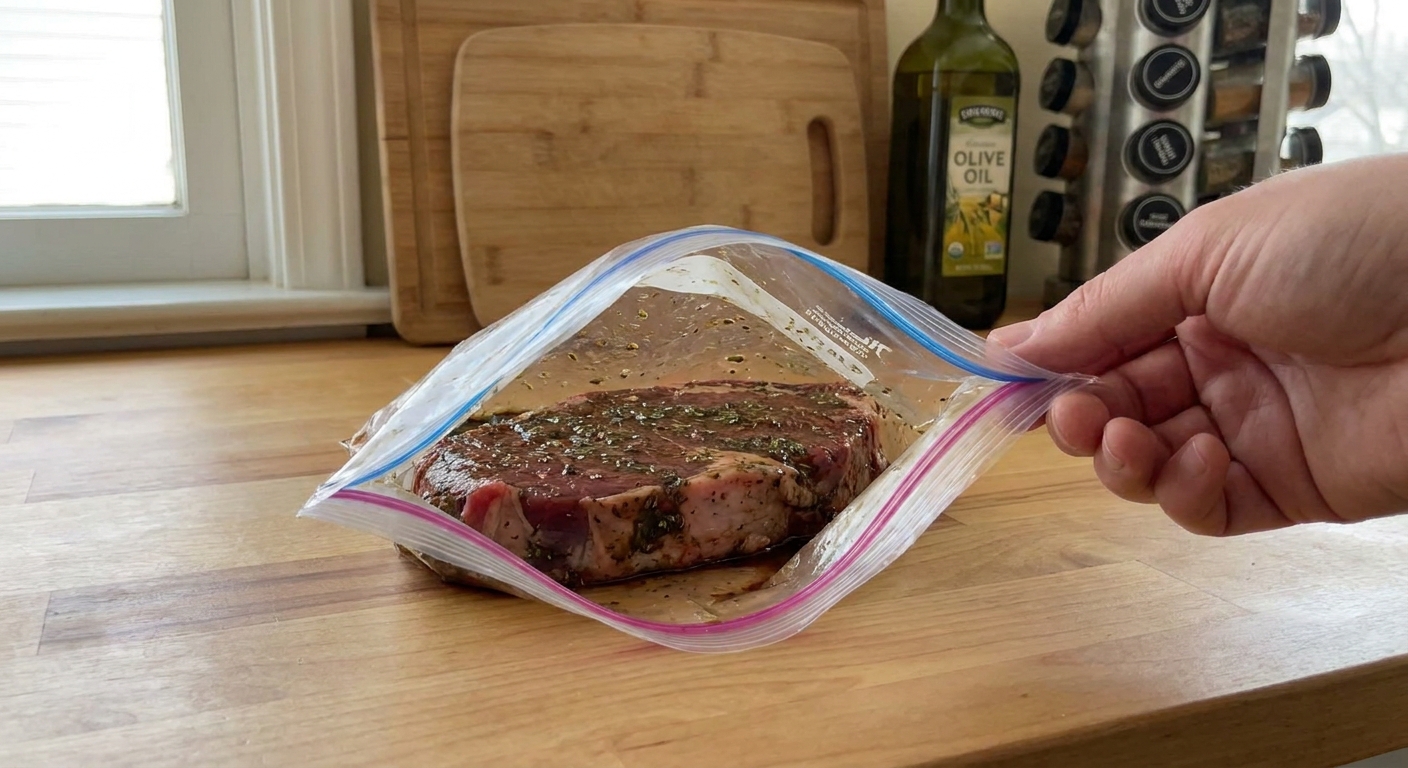
If you have ever stared at a bag of marinated London broil in your fridge and realized your week just went sideways, I have good news. Yes, you can absolutely freeze London broil in its marinade, and it is one of my favorite low-effort ways to “future me” a solid dinner. The key is doing it in a way that keeps the steak safe, prevents freezer burn, and avoids that weird soft texture that can happen with this lean cut when it sits too long.

Yes, you can freeze London broil in marinade
Freezing raw steak in its marinade is safe as long as the meat is fresh when you start and you chill and freeze it promptly. It is also convenient because the marinade is already in contact with the meat as it thaws, which means you can go from freezer to fridge and end up with a steak that is ready to cook.
One important note: this article is all about raw marinated London broil, not cooked leftovers. Once the steak is cooked, the storage rules are different.
What “London broil” usually means
London broil is often more of a method (marinate, cook hot and fast, slice thin against the grain) than a single cut of beef. In many grocery stores it is labeled on cuts like top round or flank. Either way, it is usually fairly lean and often cut on the thicker side, which affects how long it takes to thaw and how quickly acidic marinades can change the texture.
How to freeze marinated London broil
My goal is always two things: keep oxygen away (freezer burn prevention) and keep the steak in a thin, even layer (faster freezing and faster thawing).
Step-by-step
- Start cold. Marinate the steak in the refrigerator, not on the counter. If you just mixed the marinade, chill it before adding meat if it is warm from melted butter or heated ingredients.
- Use a freezer-safe bag. A heavy-duty zip-top freezer bag works great because you can press out air. A vacuum sealer is even better if you have one.
- Keep the marinade amount reasonable. Use enough to coat well, but avoid swimming pools of liquid. Excess liquid freezes into a thick block and slows thawing.
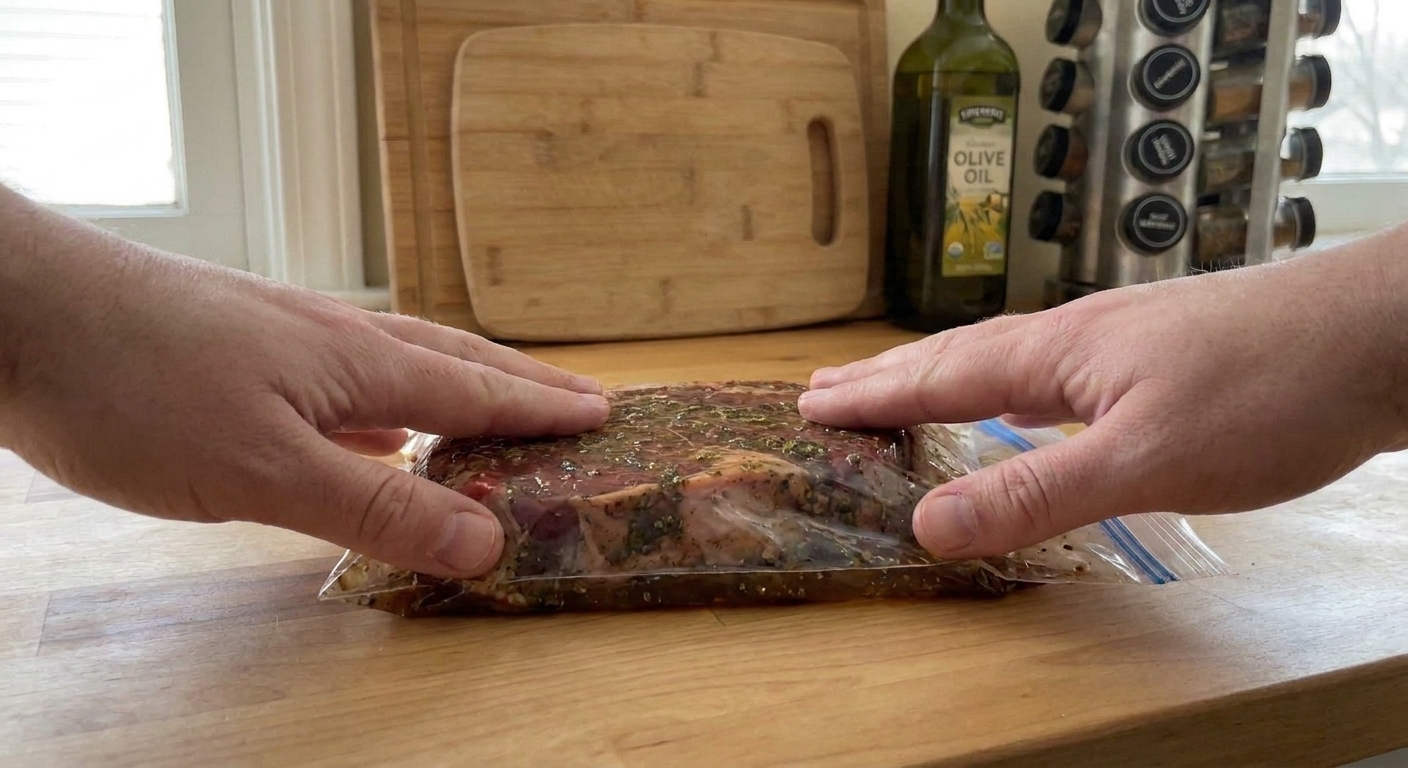
- Press out the air. Seal almost all the way, press the bag flat to push out as much air as possible, then seal fully. If you have a vacuum sealer, seal the steak with marinade using the “moist” setting if available.
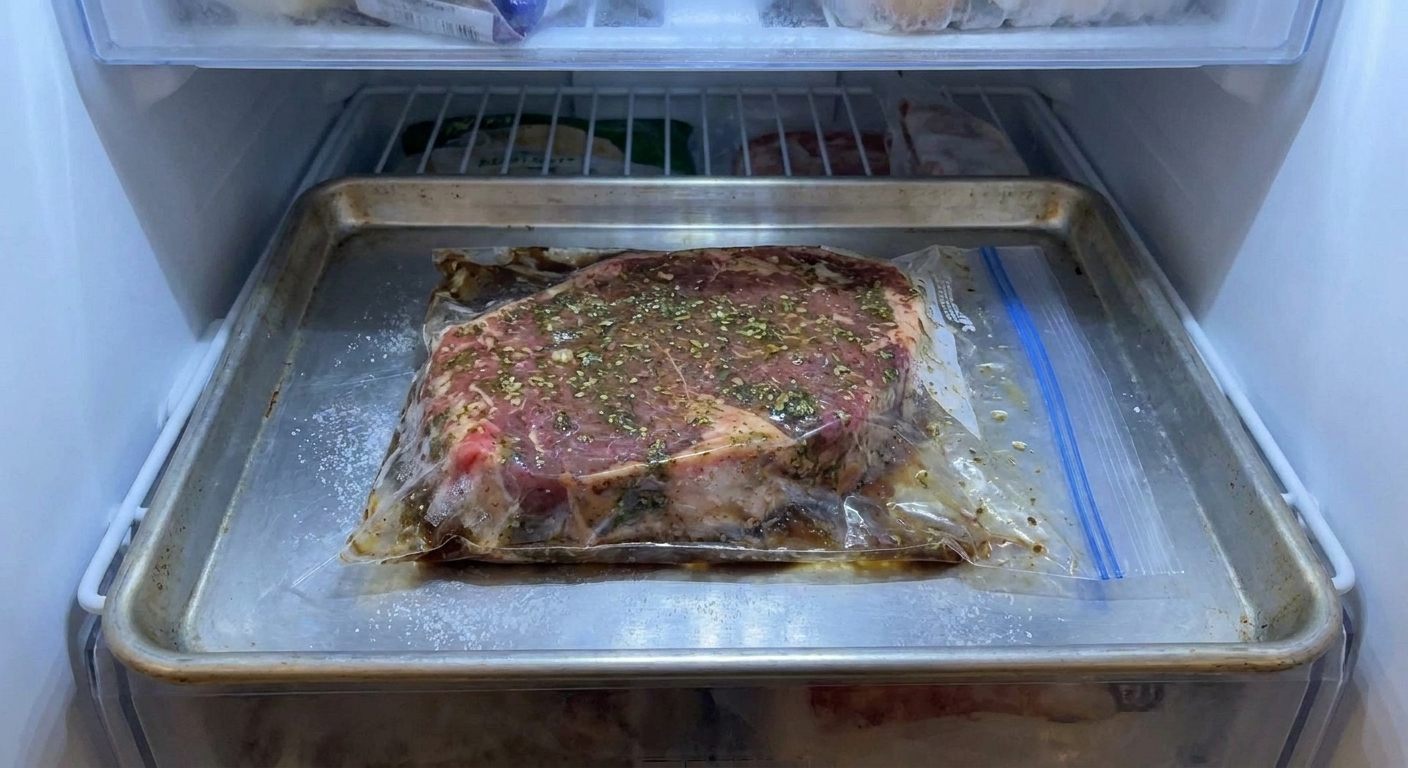
- Freeze it flat. Lay the bag on a sheet pan so it freezes in a thin slab. Once frozen, you can stand it upright like a book to save space.
- Label it. Write what it is and the date. Your future self deserves this kindness.
How long does marinated London broil keep?
There are two timelines to think about: fridge time (food safety and texture) and freezer time (quality).
In the refrigerator (raw, marinating)
- Acid-heavy marinades: Aim for 2 to 12 hours. Longer can start to soften the surface, especially on thinner cuts.
- Lower-acid marinades (oil, herbs, soy-based, lightly acidic): Up to 24 hours is my sweet spot for texture.
- Sometimes still fine up to: 48 hours if kept consistently cold at 40°F or below and handled cleanly, but the texture can drift, especially with salty or acidic mixes.
London broil is usually lean. Many marinades include acidic ingredients (like vinegar, citrus, or wine) and salty ingredients (like soy sauce). Those are great for flavor, but they can change texture faster than you might expect, which is why I keep fridge marinating time on the shorter end.
In the freezer (raw, in marinade)
- Best quality for this cut and situation: Use within 2 to 3 months for the best texture, especially if the marinade is salty or acidic.
- For comparison: Plain, well-wrapped steaks can often keep good quality longer, but marinade and lean cuts tend to show texture changes sooner.
- Food safety: If your freezer stays at 0°F, it stays safe longer. Freezing halts the growth of most bacteria while frozen, but organisms can survive and quality still declines over time.
That safe versus best distinction matters. Even when food stays safe, quality can still take a hit from dehydration, oxidation, and ice crystal damage over long storage.
Why it can turn mushy
London broil is lean, which means it has less fat to protect it from drying out and texture shifts in the freezer. Add marinade to the picture and a few things can happen over time:
- Ice crystals damage muscle fibers. Over time, ice crystals can disrupt cell structure. When thawed, more moisture can leak out, and the steak can feel softer.
- Salt keeps changing texture. A salty marinade acts a bit like a brine. It can shift the protein structure so the steak feels less “steaky” and more tender in a slightly spongy way.
- Acid and enzymes are biggest during thawing. When the meat is fully frozen, tenderizing reactions slow way down. The bigger texture risk is the combination of freezer quality loss plus the hours the meat spends thawing in contact with an acidic or enzyme-heavy marinade.
None of this automatically means the meat is spoiled. It means the texture can suffer, especially around the edges.
Best marinades for freezing
You do not need a special “freezer marinade,” but some formulas hold up better.
More freezer-friendly
- Soy sauce or tamari based marinades (salty, flavorful, not too acidic)
- Oil-forward marinades with garlic, herbs, and spices
- Marinades with a small amount of acid balanced by oil and a touch of sweetness
Use caution with
- Very acidic marinades (lots of citrus juice or vinegar). They are the top culprit for mushy edges after freezing and thawing.
- Fresh pineapple, papaya, kiwi (or strong amounts of their juices). These contain enzymes that can break down proteins aggressively. If you love these flavors, use them for a short fridge marinade and cook soon, not for long freezer storage.
How to thaw it safely
Thawing is where safety matters most. Since it is raw meat sitting in liquid, you want it to stay cold during the thaw.
Best method: thaw in the refrigerator
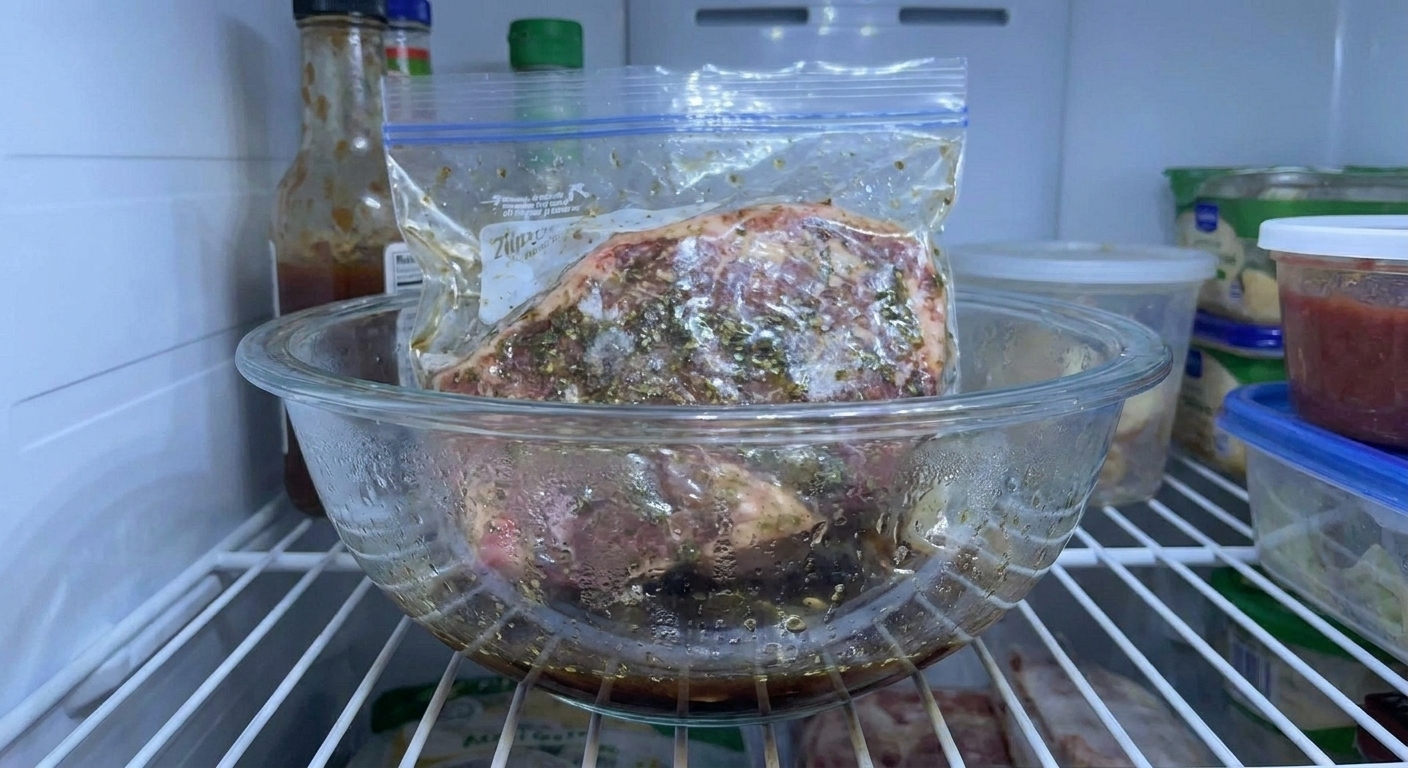
- Place the bag in a bowl or rimmed dish (to catch leaks), ideally on the bottom shelf.
- Thaw overnight, or plan on 12 to 24 hours depending on thickness. A typical 1 to 1.5 inch thick London broil often lands in that range.
- Once thawed, cook within 24 hours for best quality.
Faster method: cold water thaw
- Keep the steak sealed in a leak-proof bag.
- Submerge in cold water and change the water every 30 minutes.
- Plan on about 1 to 2 hours for many portions, depending on thickness.
- Cook immediately after thawing this way.
What I do not recommend: thawing on the counter
Room-temperature thawing keeps the surface in the “danger zone” too long, especially with liquid marinade holding temperature. It is not worth the risk.
Freeze in the marinade or drain it?
Most of the time, I freeze it in the marinade because it is simple and it keeps the surface protected from air. That said, there are two cases where draining makes sense:
- Your marinade is very acidic. If you know it has lots of citrus or vinegar, drain off most of it before freezing, leaving just a light coating.
- You are using a vacuum sealer and the liquid is tricky. Partially freeze the marinade in the bag for 30 to 60 minutes first so it is slushy, then vacuum seal.
If you drain marinade before freezing, you can freeze a small portion of the unused marinade separately and add it back during thawing for flavor. Just remember: any marinade that touched raw meat is raw. Do not reuse it unless you boil it.
After thawing: quick cooking tips
- Pat it dry before high heat cooking. I like to wipe off excess marinade and pat the surface dry so you get better browning under the broiler or in a hot pan.
- If you want a sauce, boil the marinade. Bring any used marinade to a full boil before simmering it into a sauce, or start fresh with a clean batch.
- Slice against the grain. This matters a lot with top round and flank style London broil. Thin slices make it eat far more tender.
Quick signs it should be tossed
Even with correct freezing and thawing, trust your senses. Discard the steak if you notice:
- Off odors (sour, rotten, or sharply unpleasant beyond normal garlic or vinegar notes)
- Sticky, slimy surface after thawing
- A puffed-up bag that seems unusual, especially if paired with off smell or slime, or if you suspect it warmed up during storage
- Thawing happened warm (left out for hours)
Freezer burn (dry grayish patches) is not automatically unsafe, but it can make the steak taste stale and dry.
FAQ
Can I marinate London broil and freeze it right away?
Yes. If you know you want it for later, you can mix the marinade, add the raw steak, and freeze immediately. Then let it thaw in the fridge. It will effectively marinate as it thaws.
Do I need to thaw it before cooking?
For London broil, I recommend thawing. This cut cooks best with high heat and careful timing, and starting from frozen makes it harder to cook evenly without overcooking the outside.
If it turns a little mushy, is it still safe?
Mushy texture is usually a quality issue from freezer storage plus salt or acid during thawing, not a safety indicator. Safety depends on how it was handled and thawed. If it was kept cold and smells normal, it is likely safe, just softer than ideal.
Can I refreeze marinated London broil after thawing?
I do not recommend it. Refreezing tends to make the texture worse and increases the chance of unsafe temperature swings. If you thawed it in the fridge and plans changed, cook it, then use the cooked beef in meals over the next few days.