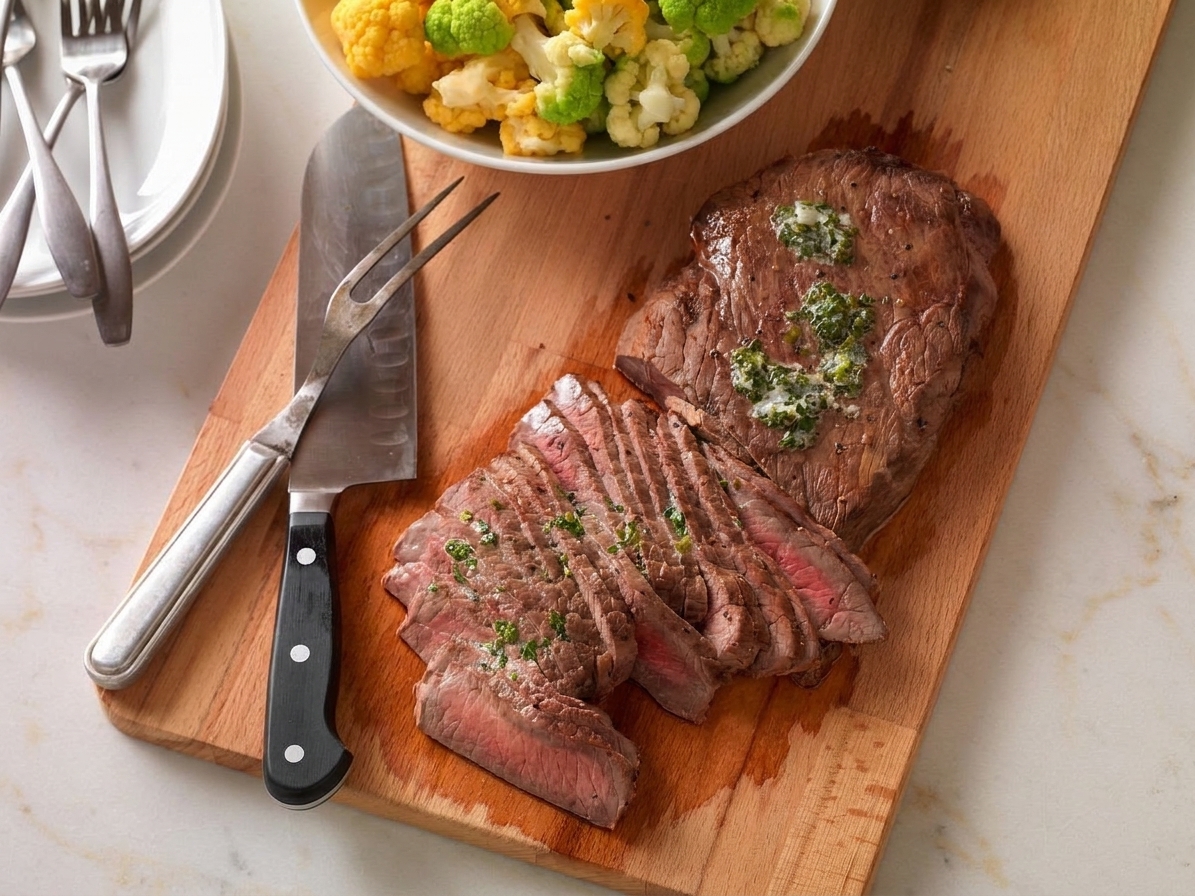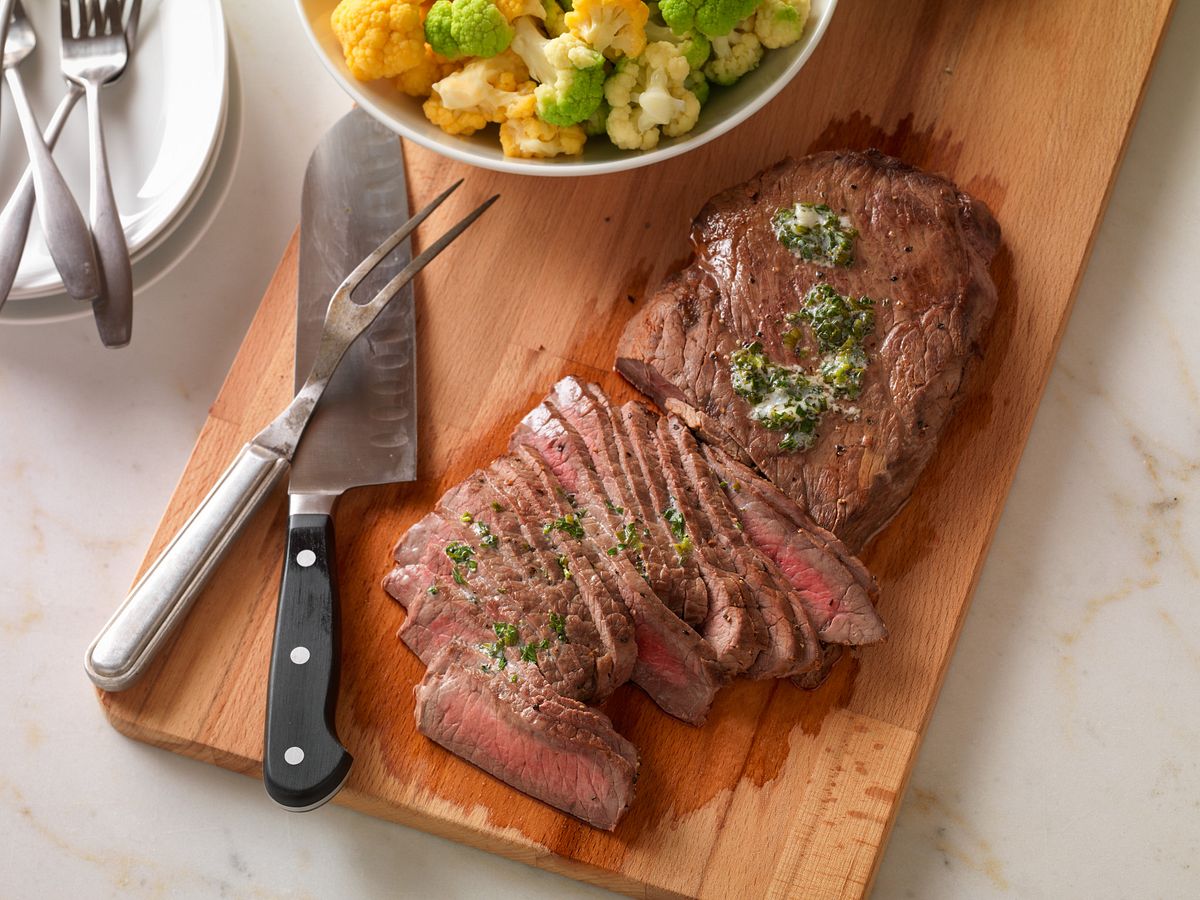
Whenever I make London broil, the decision that matters most happens before the steak ever touches the heat: am I broiling it, or grilling it? Both can give you a gorgeous, browned crust and a juicy medium-rare center, but they behave very differently, especially with a thick cut.
If you want my no-stress answer up front: choose the oven broiler when your top priority is hitting medium-rare accurately. Choose the grill when your top priority is that smoky, live-fire flavor and you are comfortable managing flare-ups and hot spots.

The choice before you cook
If you are standing in your kitchen right now with a marinated London broil and you just want to know what to do, here is my pick:
- Pick the broiler if you want the easiest path to medium-rare, you want steady heat, and you do not feel like babysitting flare-ups.
- Pick the grill if you want smoky char, you have a hot grill (and a clean grate), and you are ready to manage fat drips and flare-ups.
One quick clarification that helps set expectations: “London broil” is more of a method than a single cut. In a lot of stores it means top round (lean and often sold thick), but you will also see it labeled on flank steak in some regions. Either way, it is usually fairly lean, and lean meat is less forgiving if it overshoots your target temperature. That is why, for most weeknights, I lean broiler.
Crust
Broiler crust
A broiler is basically upside-down high heat. You get intense radiant heat from above, which is great for browning the top quickly. Flip and you can build a very even crust on both sides.
The broiler’s crust tends to be deeply browned and uniform, especially if your steak is patted dry and your pan is hot. You will not get much smoke flavor, but you can get excellent color and that savory, roasty finish.
Grill crust
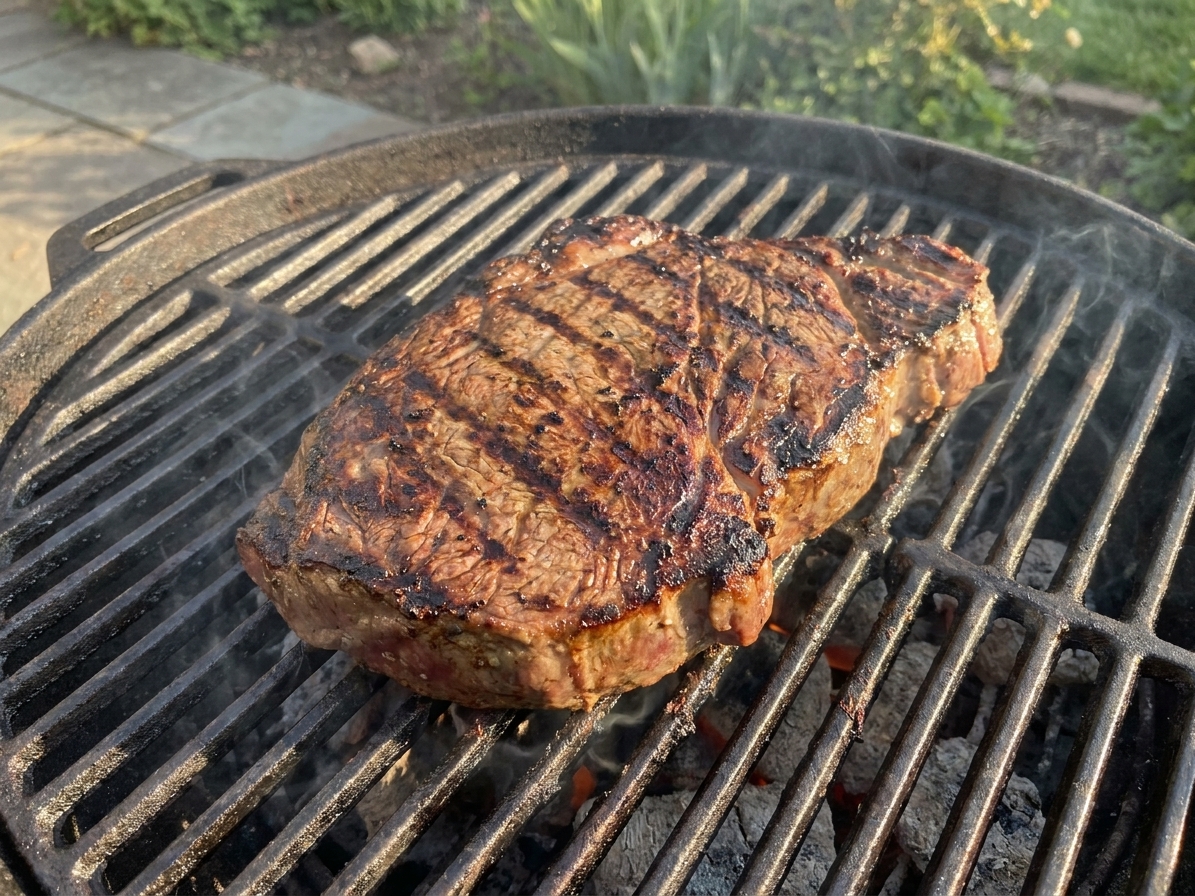
Grilling gives you two kinds of browning at once: radiant heat from the coals or burners, plus direct contact with the grates. That is how you get charred edges and grill marks.
When everything is dialed in, the grill wins on pure “summer steak” vibes. The tradeoff is that grills can run uneven, and a thick steak can take on more char than you intended before the center hits medium-rare.
Flare-ups
On a grill
Marinades and London broil go together, but marinades often contain oil and sometimes sugar. Both can drip, hit the heat source, and cause flare-ups. Flare-ups are not automatically bad, but they can turn a nice crust into bitter black spots fast.
- Let excess marinade drip off so it does not drip aggressively.
- Create a two-zone fire so you can move the steak away from flames if it starts to flare.
- If you get a flare-up, move the steak to the cooler zone first. Close the lid briefly to limit oxygen, but open it if you need to calm things down fast and stop the surface from overbrowning.
Under the broiler
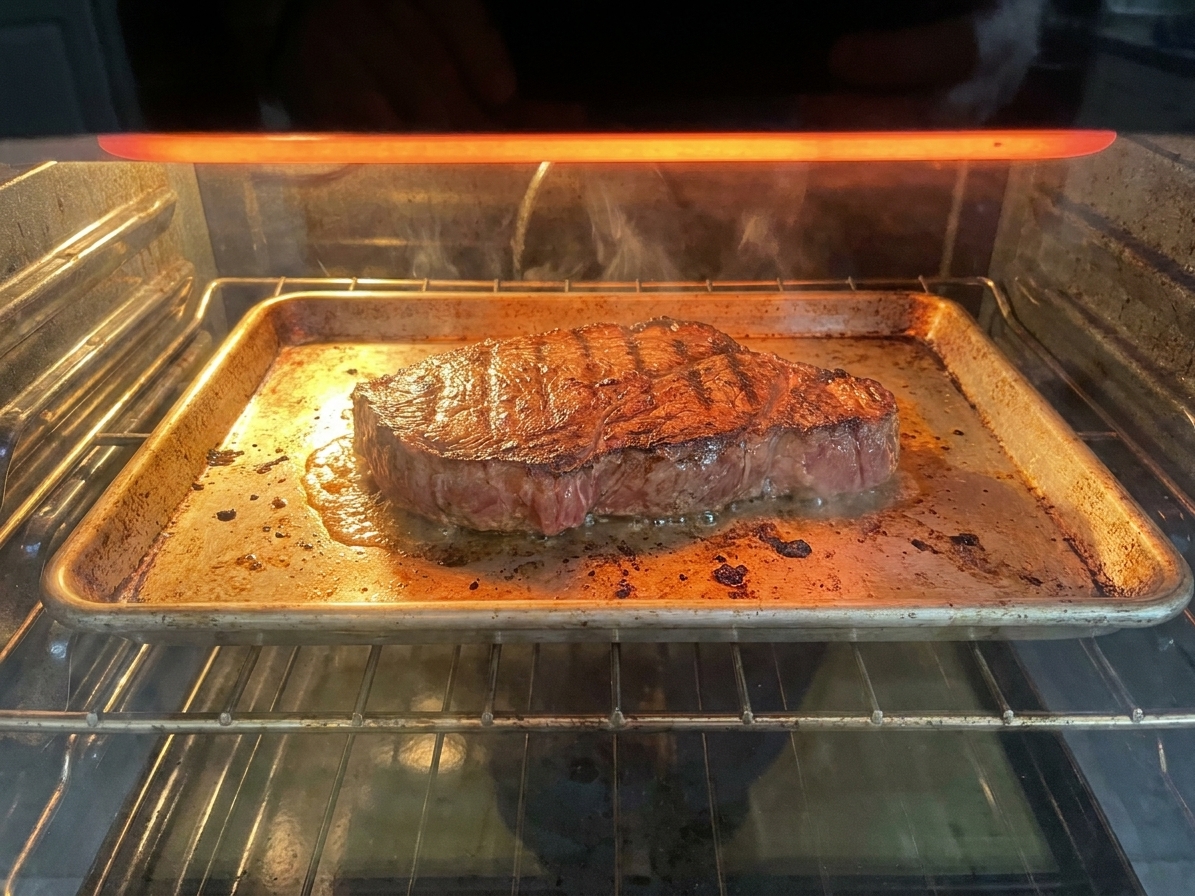
In the oven, you may still get a little sputtering and some smoke if the marinade hits a hot pan, but you do not get the same runaway flame situation. It is more controlled, and control is your best friend with a thick steak. I also recommend turning on your hood vent (or cracking a nearby window) because broiling can get smoky.
Heat distance
Here is the sneaky reason broiling can be so consistent: you can set the distance. On a grill, distance is mostly fixed unless you adjust grates or the fire.
Broiler distance
For a thick London broil, I like the rack positioned so the steak sits about 4 to 6 inches from the broiler element. Closer than that and you can scorch the surface before the inside has a chance. Farther away and you lose the broiler’s whole advantage, which is fast browning.
Broilers vary a lot by oven (top vs. drawer broilers, electric vs. gas, and low vs. high settings). If your broiler runs extremely hot, start farther away the first time you try it. Also, if you notice one side browning faster, rotate the pan halfway through.
Grill distance
On a gas grill, “distance” is basically lid position and burner strength. On charcoal, it is grate height and coal placement. For thick London broil, you want high heat for searing, plus a cooler zone to finish if needed.
The two-zone setup is what keeps you from doing a panic flip-fest while the outside gets too dark.
Medium-rare
The broiler is easier for most home cooks, and the reason is simple: the heat is steady and predictable. There is no wind, no sudden flare-up, and no weird hot spot on the back-right corner of your grill.
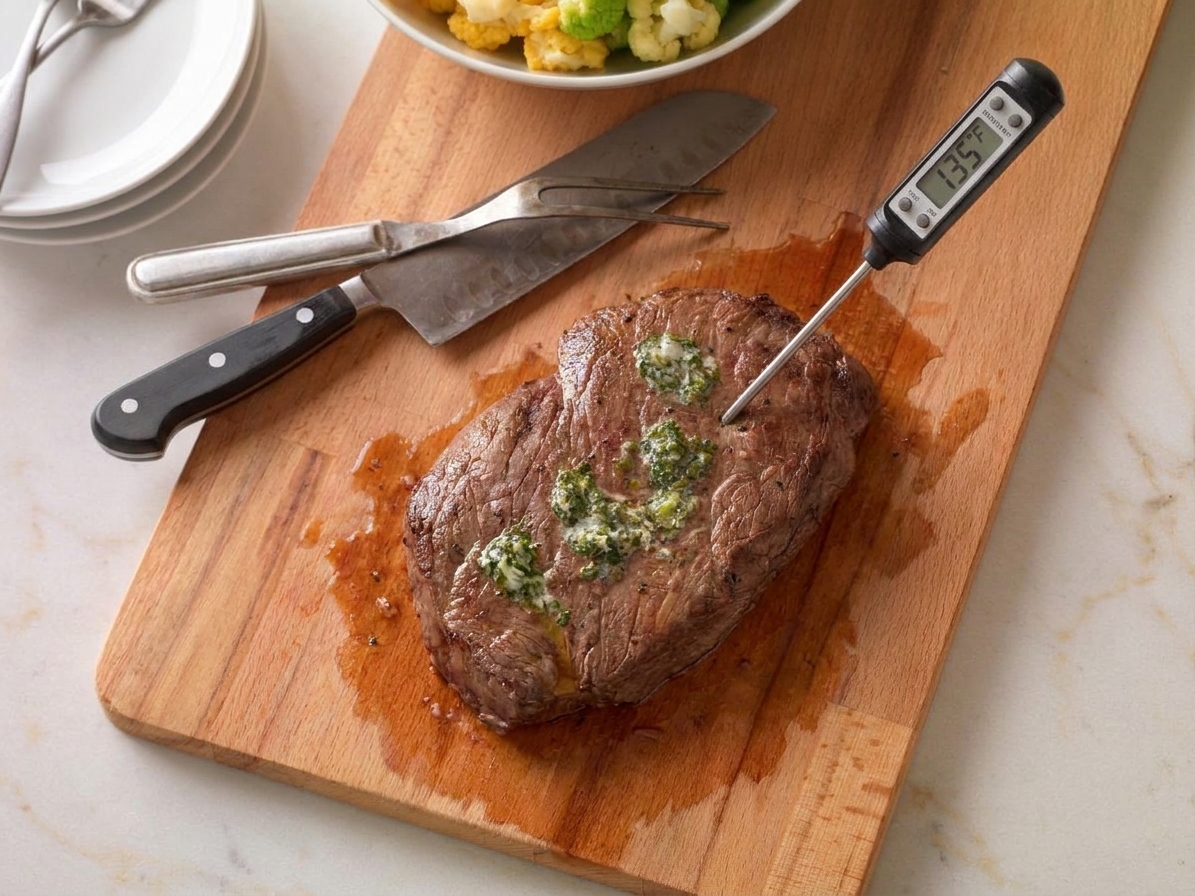
That said, you can absolutely hit medium-rare on a grill. You just need one non-negotiable tool: an instant-read thermometer.
Target temps (pull vs. final)
Because a thick steak keeps cooking as it rests, I go by a pull temperature.
- Rare: pull at 120 to 125°F, rest to about 125 to 130°F
- Medium-rare: pull at 125 to 130°F, rest to about 130 to 135°F
- Medium: pull at 135 to 140°F, rest to about 140 to 145°F
If you are cooking top round (common for London broil), I think medium-rare is the sweet spot for keeping it tender.
My medium-rare approach under the broiler
- Preheat the broiler for about 5 minutes. If you want a hotter start, put your sheet pan (or skillet) under the broiler during that preheat so it heats up, too.
- Use a wire rack if you have one set inside a rimmed sheet pan. It helps airflow so the bottom browns better and the steak does not steam in its own juices. (You can also line the pan with foil for easier cleanup.)
- Pat the steak dry before it goes on. Surface moisture is the enemy of browning.
- Flip once or twice as needed and start checking early with a thermometer.
- Pull a little early, then rest. Carryover heat is real with a thick cut.
My medium-rare approach on the grill
- Set up two zones (hot side for sear, cooler side for finishing).
- Sear first, then move to the cooler side if the outside is browning faster than the inside is cooking.
- Check temperature in the thickest part, not in a thinner tapered edge.
- Rest before slicing, then slice against the grain.
Timing cues (useful, but temps win)
Thickness, starting temperature, and your heat source matter a lot, so I treat time as a rough cue. For a 1.5 to 2 inch thick London broil:
- Broiler: often 5 to 7 minutes per side, then check temperature and adjust
- Grill: often 4 to 6 minutes per side over high heat, then finish on the cooler zone if needed
Start checking early. It is easier to add a minute than to fix an overcooked steak.
Quick comparison
| What you care about | Broiler | Grill |
|---|---|---|
| Crust | Even, deeply browned | Charred, smoky, grill marks |
| Flare-ups | Minimal | Common, needs managing |
| Heat control | Steady, distance adjustable (rotate pan if needed) | Can be uneven, weather affects it |
| Medium-rare accuracy | Easiest for most cooks | Totally doable, slightly trickier |
| Best for | Weeknights, predictable results | Weekend cooking, smoke flavor |
FAQ
Will a sugary marinade burn under the broiler or on the grill?
It can burn in both places, but it tends to burn faster on a grill because drips can cause flames and the surface can char quickly. With either method, let excess marinade drip off and watch closely once you start seeing strong browning.
Do I need a special pan for broiling London broil?
No, but you do want something sturdy and heat-safe. A rimmed sheet pan with a wire rack works well for airflow, or a broiler-safe skillet. Avoid thin pans that warp.
Should I leave the oven door cracked when broiling?
Follow your oven’s manual. Many modern ovens are designed to broil with the door closed. Either way, keep a close eye. Broilers go from browned to burned quickly.
How do I avoid overcooking a thick London broil?
Use an instant-read thermometer and start checking earlier than you think you need to. Also, rest the steak before slicing. I usually rest a London broil 5 to 10 minutes (closer to 10 for thicker cuts), loosely tented with foil.
How do I slice it so it is not tough?
Slice thinly against the grain. If you are not sure which way the grain runs, look for the long muscle fibers on the surface and cut across them. With top round, the grain is often fairly straight in one direction. With flank steak, the grain is usually very obvious and runs lengthwise.
My bottom line
If you want the simplest, most repeatable way to get a thick London broil to medium-rare, broil it. If you want bold smoky flavor and are ready to manage flare-ups and hot spots, grill it.
Either way, the real secret is the same: thermometer in the thickest part, then a solid rest, then slice thinly against the grain. That is how London broil goes from “kind of tough” to “why don’t I make this every week?”