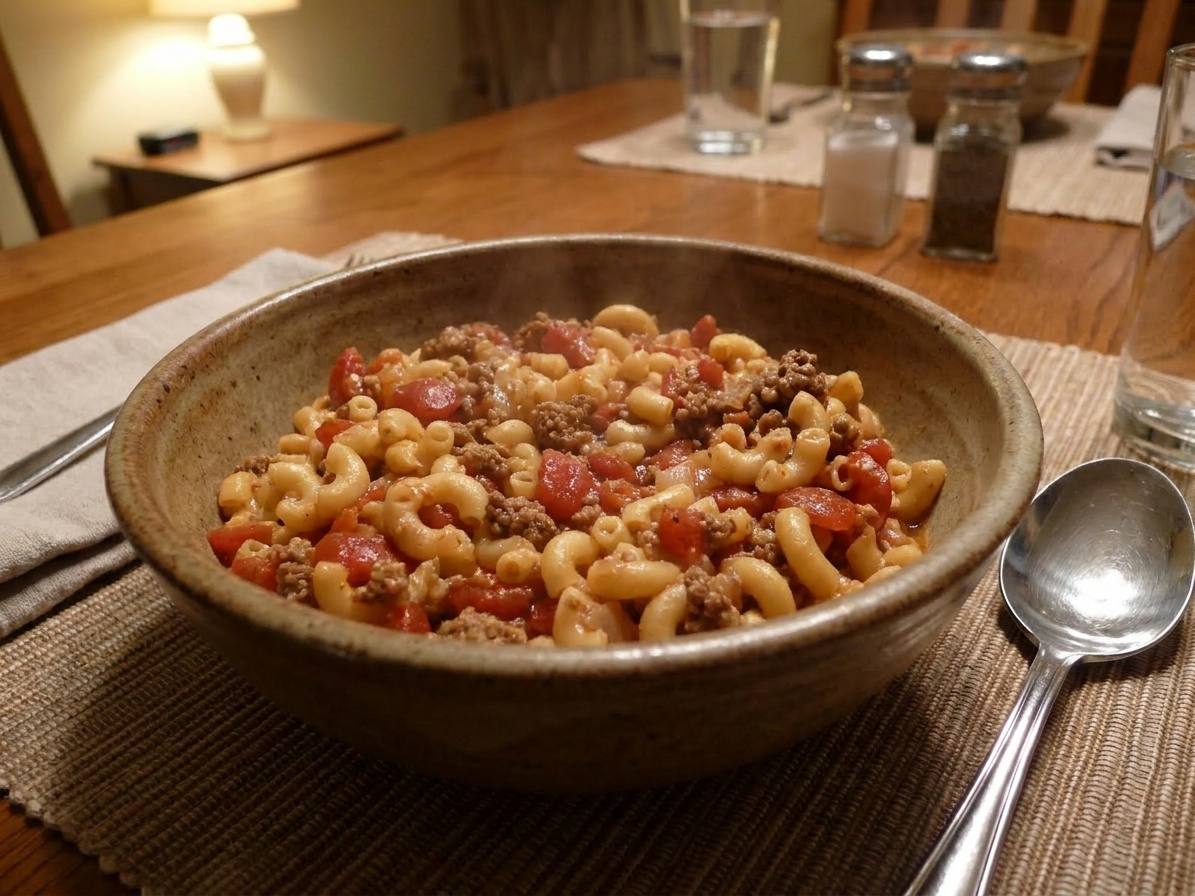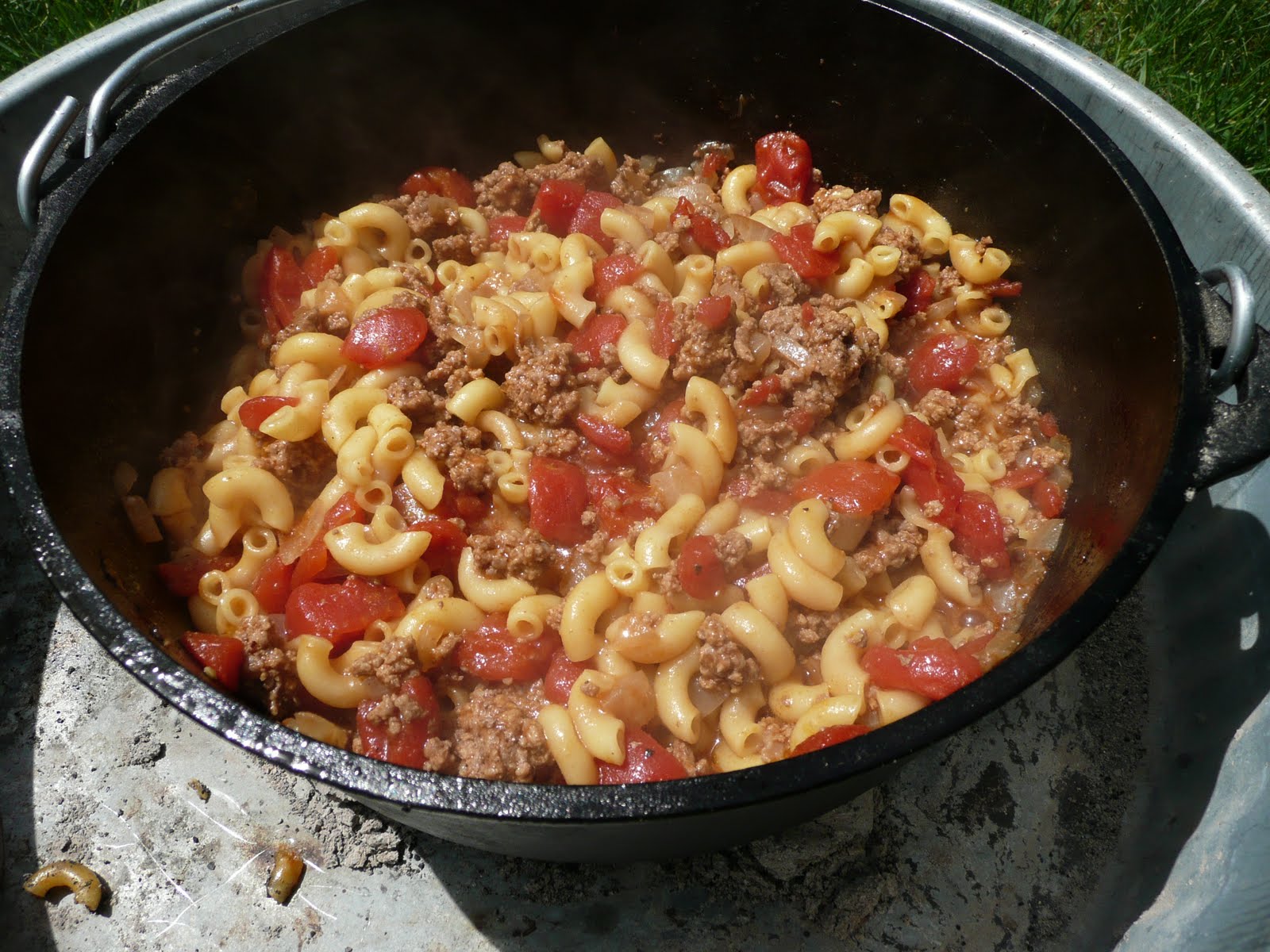
American goulash is one of those weeknight heroes I grew up with in the Pacific Northwest: a big pot, a wooden spoon, and the promise of leftovers. So when you take your first bite and it tastes weirdly… quiet, it’s extra disappointing. The good news: bland goulash is almost always fixable, even if it’s already cooked.

Below, I’ll walk you through the most common reasons macaroni goulash tastes flat and the easiest ways to bring it back to life: salting in stages, browning your beef properly, adding tomato paste and other umami boosters, balancing spice and acid, and understanding how pasta quietly steals seasoning.
The fastest fix right now
If your goulash is already finished and you need a quick save, do this in order. Taste after each step.
- Add salt gradually. Start with 1/4 teaspoon kosher salt, stir well, simmer 2 minutes, taste. Repeat as needed. If you’re using salty helpers like broth, bouillon, Worcestershire, or soy sauce, go slower with the extra salt.
- Add a tomato boost. If it tastes watery or dull, stir in 1 tablespoon tomato paste and simmer 5 minutes to melt it in and concentrate the flavor.
- Add umami. Stir in 1 to 2 teaspoons Worcestershire sauce or soy sauce, simmer 2 minutes, taste.
- Add acid. Stir in 1 teaspoon red wine vinegar or apple cider vinegar, or 2 teaspoons lemon juice. Simmer 1 minute and taste. Acid makes tomato and beef taste brighter, not sour, when used lightly.
- Add aroma. Stir in a pinch of garlic powder, onion powder, or Italian seasoning. If you have fresh garlic, mince 1 clove and simmer it gently 3 to 5 minutes. Keep the heat moderate so it doesn’t turn bitter.
- Finish with fat. If it tastes sharp but still thin, add 1 tablespoon butter or a drizzle of olive oil. Fat carries flavor.
Now, let’s talk about what likely caused the blandness so it doesn’t happen next time.
Salt in stages
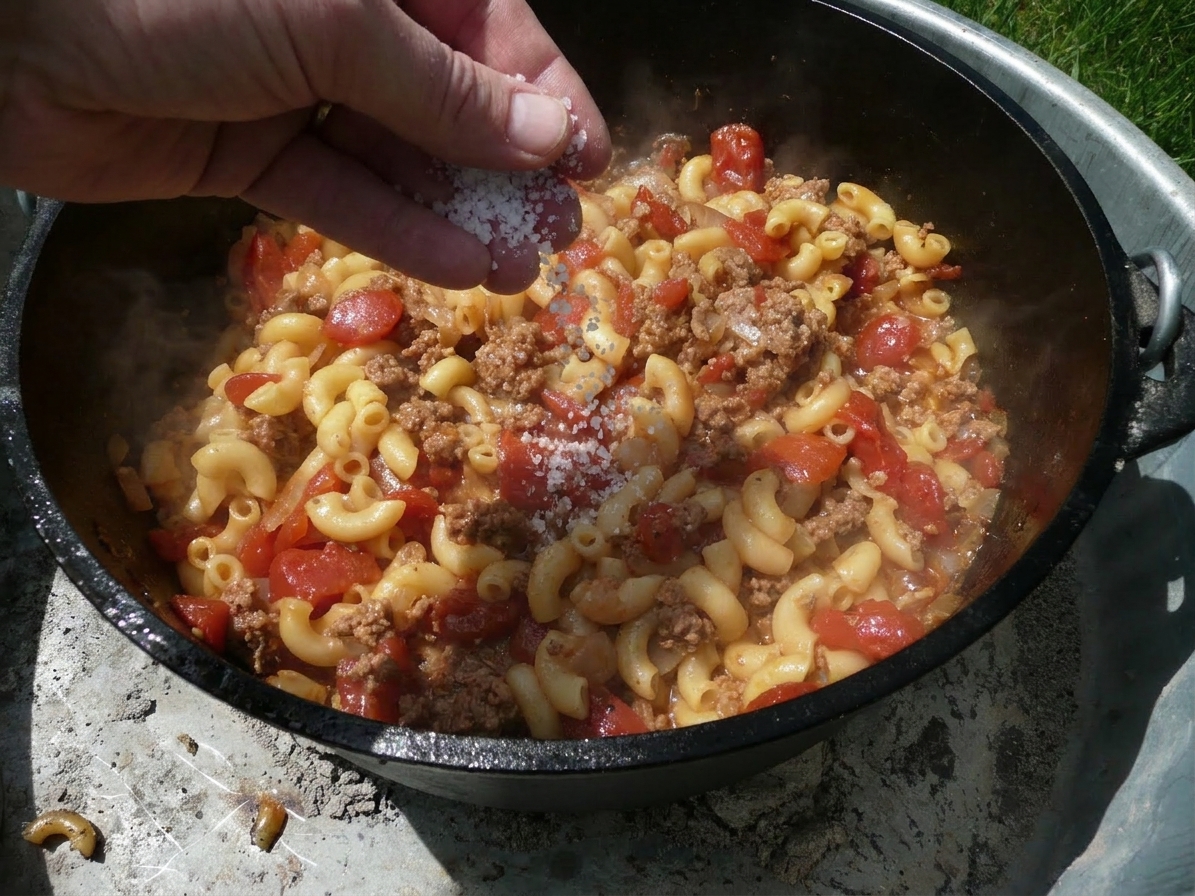
With one pot pasta meals, the salt gets diluted fast. You’re seasoning meat, aromatics, tomato, broth, and then adding pasta that absorbs liquid and dulls everything. If you only salt once at the end, it rarely tastes integrated.
Where flavor gets lost
- Under-salted beef. Ground beef needs salt early or it tastes like plain steamed meat crumbles.
- Unseasoned liquid. Tomatoes, broth, and water all need salt support.
- Pasta absorption. Elbows soak up seasoned sauce, then the pot tastes less seasoned than it did 10 minutes ago.
What to do next time
Think of salting as three small steps, not one big one.
- Step 1: Salt the beef as it cooks (a couple pinches per pound is a good start).
- Step 2: Taste and salt the sauce before the pasta goes in. You want the sauce slightly more seasoned than you want the final dish.
- Step 3: After pasta is tender, taste again and adjust. (If you used salted broth, bouillon, soy sauce, or Worcestershire, you may need less salt here than you think.)
Brown the beef
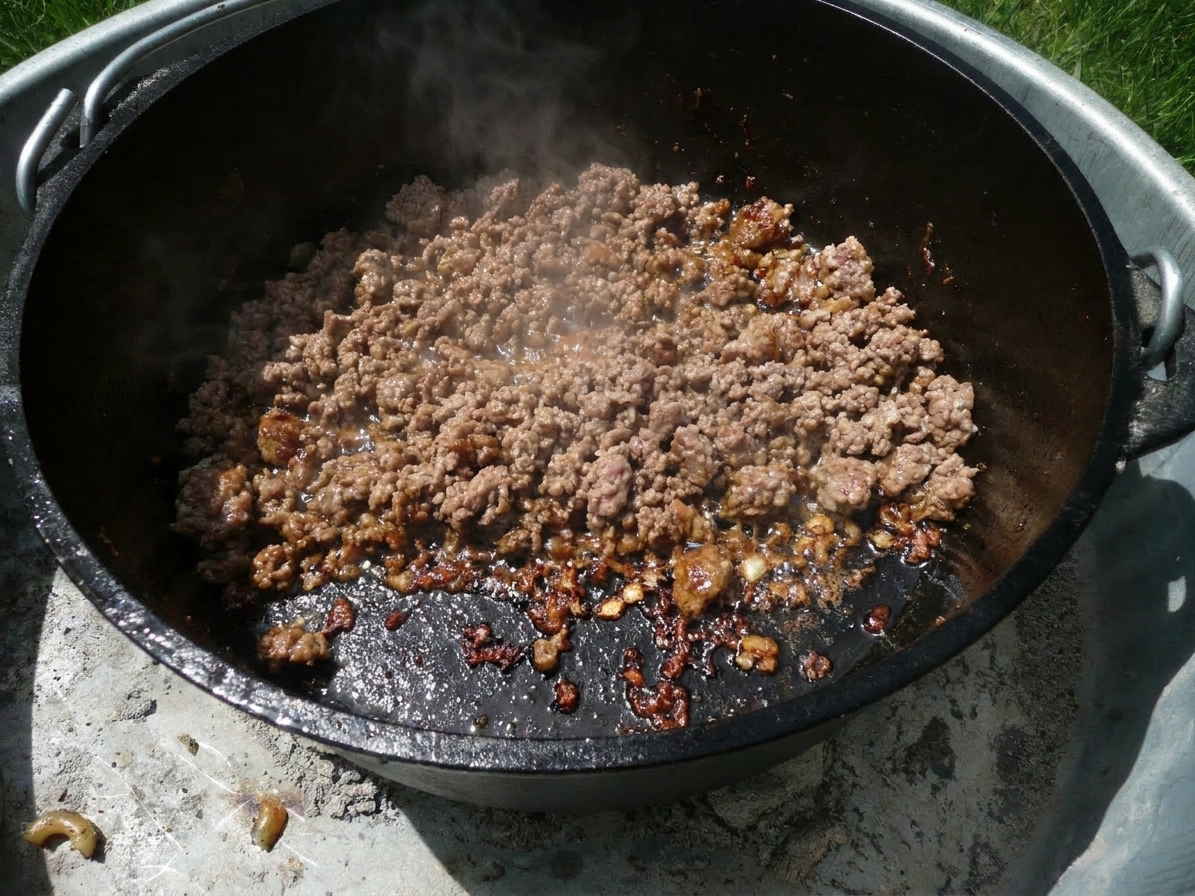
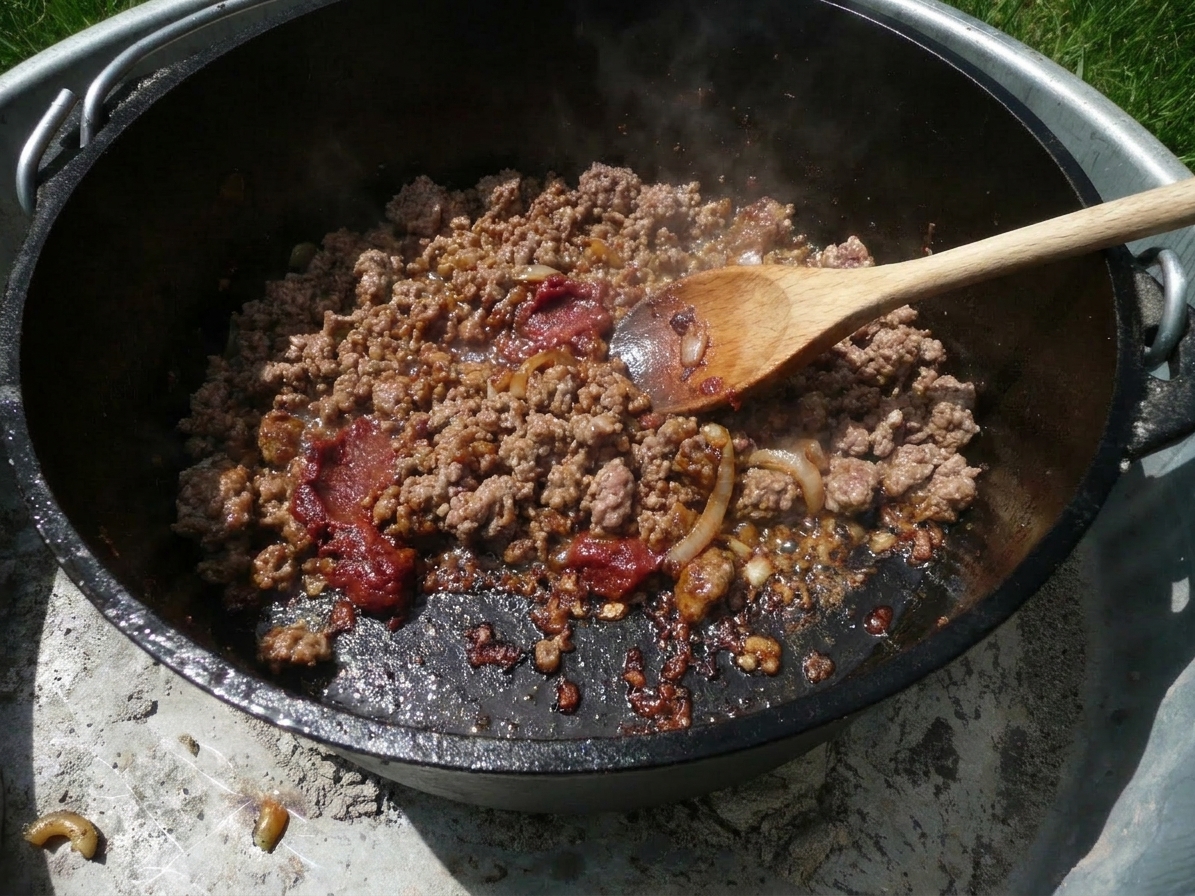
One of the biggest flavor builders in American goulash is browned meat and browned bits on the bottom of the pot. That browning is the difference between “tomato noodle soup” and “cozy, meaty goulash.”
What goes wrong
- The pot is too crowded. Beef releases moisture and ends up steaming instead of browning.
- Heat is too low. Browning needs real heat and time.
- You stir constantly. Leave it alone long enough to develop color.
How to do it better
- Preheat the pot over medium-high heat.
- Add beef and press it into a single layer.
- Let it sit 3 to 4 minutes without stirring, then break it up and keep cooking until you see deep brown bits.
- Drain excess grease if needed, but keep the browned bits stuck to the bottom. They dissolve into the sauce when you add liquid.
Use tomato paste
If your goulash tastes like plain canned tomatoes, it probably needs tomato paste. Tomato paste brings concentrated tomato flavor, plus sweetness and umami, especially when you cook it briefly in the fat before adding liquids.
How to use it
- After browning beef and softening onion or garlic, push everything to the sides.
- Add 1 to 2 tablespoons tomato paste to the center.
- Cook 60 to 90 seconds, stirring, until it darkens slightly and smells a little sweeter.
- Then add your tomatoes and broth.
This tiny step makes the whole pot taste like it simmered longer than it did.
Add umami
American goulash is a tomato and beef dish, which means it loves savory, meaty background notes. If it tastes flat, you’re often missing umami.
Easy umami boosters for goulash
- Worcestershire sauce: 1 to 2 teaspoons, then taste.
- Soy sauce: 1 teaspoon at a time. It won’t taste “Asian” in small amounts, it just tastes deeper.
- Beef bouillon: A small amount can help if you used water instead of broth. (Go easy, it’s salty.)
- Parmesan rind: Simmer it in the pot and remove before serving if you have one in the fridge.
- MSG: A pinch can help in a big pot. It still contains sodium, just less than table salt per the same savory impact, so you may be able to use a little less salt overall.
My personal go-to is Worcestershire plus a little tomato paste. It’s the quickest way to make a weeknight pot taste like it’s been working all day.
Wake up the spices
Goulash seasoning is simple, but it shouldn’t be timid. If your spices went in late, or you used old pantry spices, they can disappear into the tomato.
Common spice issues
- Not enough aromatics. Onion and garlic do a lot of heavy lifting.
- Old paprika or chili powder. If it smells like dust, it’ll taste like dust.
- Spices added only at the end. They need a little heat and time to bloom.
Fixes that actually taste like something
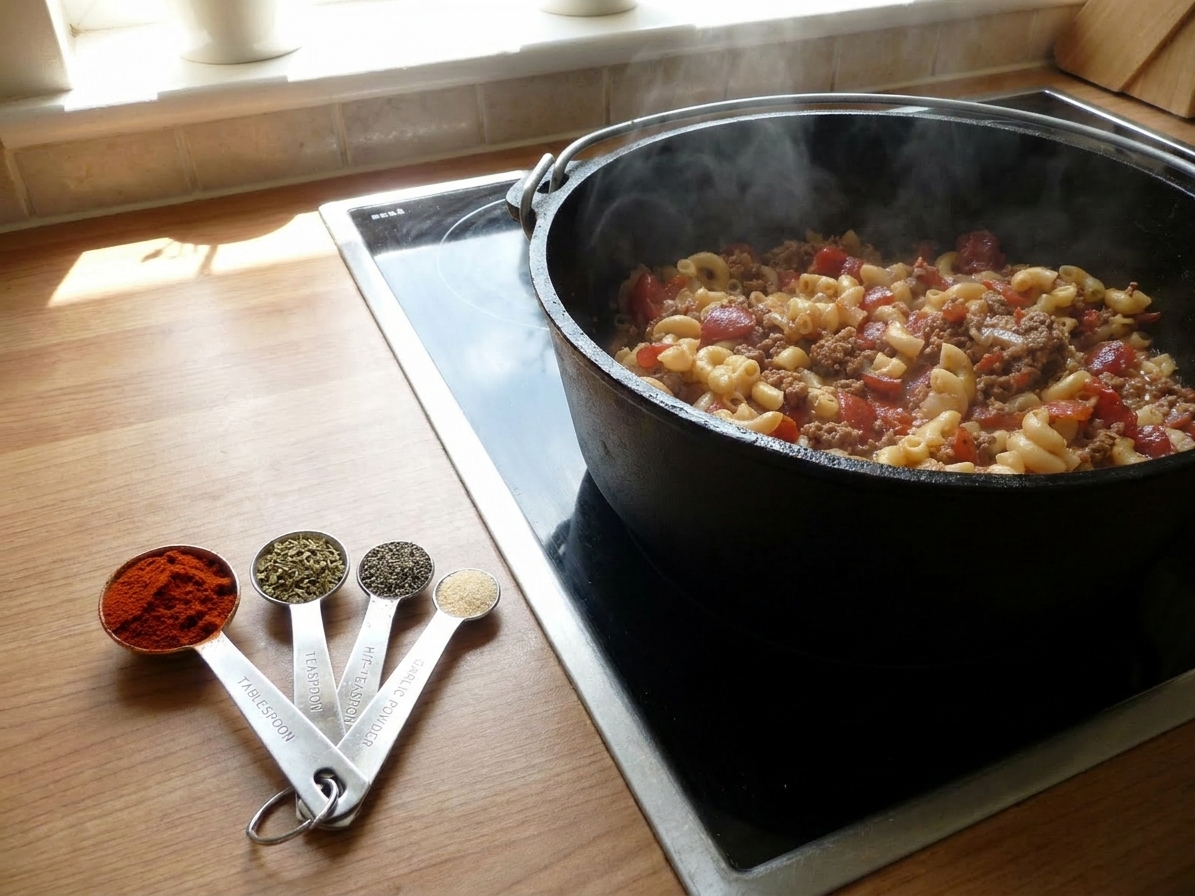
- Bloom spices early: After browning beef and draining excess fat, sauté onion, then add garlic and spices for 30 to 60 seconds, just until fragrant, before adding tomatoes. Keep the heat moderate so the garlic doesn’t scorch.
- Add gentle heat: A pinch of red pepper flakes or cayenne can make the whole pot taste more flavorful even if it’s not “spicy.”
- Try smoked paprika: It adds a subtle campfire depth that plays beautifully with tomato and beef.
Don’t forget acid
This surprises people: tomato dishes can still need acid. Canned tomatoes vary, and long simmering can mute brightness. When a dish tastes bland but also kind of heavy, acid is usually the missing piece.
Best acids for American goulash
- Red wine vinegar: My top pick for a quick fix.
- Apple cider vinegar: Slightly sweeter and super pantry friendly.
- Lemon juice: Bright and clean, add carefully.
- Pickle juice: Sounds odd, works great in tiny amounts.
Start small, stir, and simmer a minute. Acid needs a moment to round out.
Pasta steals seasoning
Elbow macaroni is basically a little sponge army. When pasta cooks in the sauce, it pulls in salt and flavor. That’s great for the noodles, but it can leave the sauce tasting dull.
How to avoid blandness from pasta
- Season the sauce a bit higher than normal before adding pasta. Not salty, just slightly more assertive.
- Stir and taste near the end. Pasta can go from “still firm” to “done” quickly, and that’s also when it has absorbed the most seasoning.
- For leftovers: Expect to add salt, a splash of broth, and a little acid when reheating.
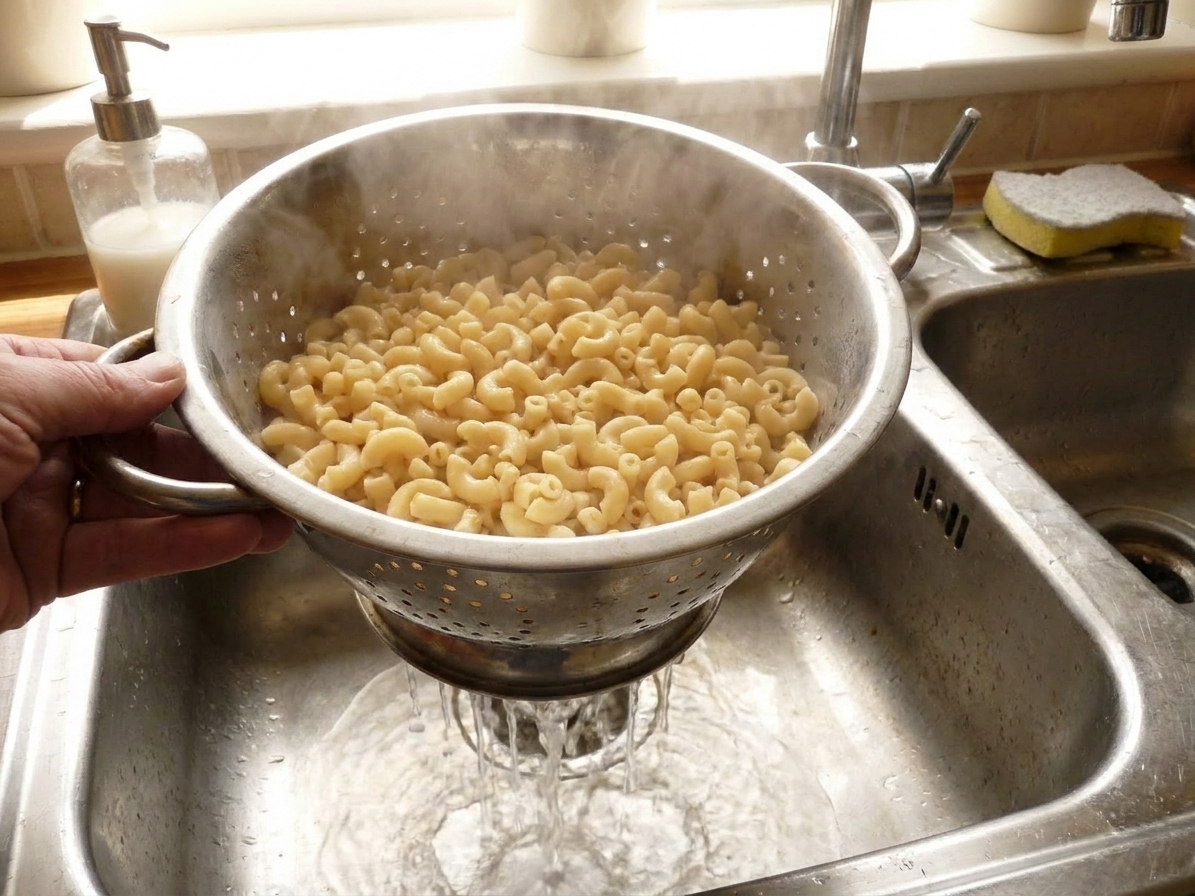
If you know you want strong flavor and great leftovers, one of my favorite strategies is to cook macaroni separately and stir it in right before serving. It’s one extra pot, but it keeps the sauce from getting muted and thick overnight.
Watery goulash tastes bland
Flavor is concentration. If your pot has too much liquid, everything tastes weaker. This can happen if you added extra broth, used very juicy canned tomatoes, or didn’t simmer long enough after adding pasta.
What to do
- Simmer uncovered for 5 to 10 minutes, stirring occasionally, to reduce and concentrate.
- Add tomato paste to build body and depth without making it taste like flour.
- Don’t rush the rest. Letting goulash sit off heat for 5 minutes helps the pasta and sauce settle into each other.
Flavor check before serving
When I’m standing at the stove and something tastes bland, I run through this little checklist.
- Salt: Does it taste flat on the tongue? Add a small pinch and retaste.
- Acid: Does it taste heavy or muddy? Add a tiny splash of vinegar.
- Umami: Does it taste like tomatoes and noodles but not like “dinner”? Add Worcestershire or soy sauce.
- Heat: Does it taste one-note? Add black pepper or a pinch of red pepper flakes.
- Fat: Does it taste sharp but thin? Stir in a little butter or olive oil.
This is the same set of knobs I turn in almost every tomato and meat comfort meal. Once you get the hang of it, you’ll feel like you have superpowers.
If you over-salted it
If you got a little heavy-handed while fixing bland goulash, you’ve got options. None of them are magic, but they help.
- Loosen it with unsalted liquid. Add a splash of water or unsalted broth, simmer 2 to 3 minutes, and taste again.
- Add more tomato. Stir in a bit more crushed tomatoes or a spoonful of tomato sauce to rebalance.
- Serve smart. Pair it with something unsalted like a simple green salad, steamed veg, or plain bread.
FAQ
Why does my goulash taste fine while cooking but bland after the pasta goes in?
Pasta absorbs seasoned liquid as it cooks, which pulls salt and flavor out of the sauce. Season the sauce a little more assertively before adding pasta, then taste and adjust again right at the end.
What should I add to goulash to make it taste richer?
Tomato paste plus an umami booster is the fastest combo. Try 1 tablespoon tomato paste and 1 to 2 teaspoons Worcestershire sauce, then simmer a few minutes and taste. A tablespoon of butter at the end also adds richness. A handful of shredded cheddar or a shower of Parmesan doesn’t hurt either if that’s your style.
Can I fix bland goulash without making it salty?
Yes. Use acid (a small splash of vinegar or lemon juice), aromatic spices (garlic powder, onion powder, pepper), and umami (Worcestershire, soy sauce, Parmesan). These add flavor even before you increase salt much.
Does browning the meat really matter if everything simmers in tomato sauce anyway?
It matters a lot. Browning creates deep savory flavor that tomato sauce can’t fake. Those caramelized bits on the bottom of the pot dissolve into the sauce and make the whole dish taste meatier and more complex.
Why do leftovers taste less flavorful the next day?
The pasta keeps absorbing sauce as it sits, which can make the dish taste muted and thick. When reheating, add a splash of broth or water, then re-season with a pinch of salt and a tiny splash of vinegar to brighten everything back up.
My favorite fix combo
If you only remember one thing, make it this: salt + tomato paste + a tiny splash of vinegar. That trio fixes most bland goulash situations in under 10 minutes.
And if you want permission to be generous with garlic, you have it. In my kitchen, I just keep the heat gentle so the garlic stays sweet, not harsh.