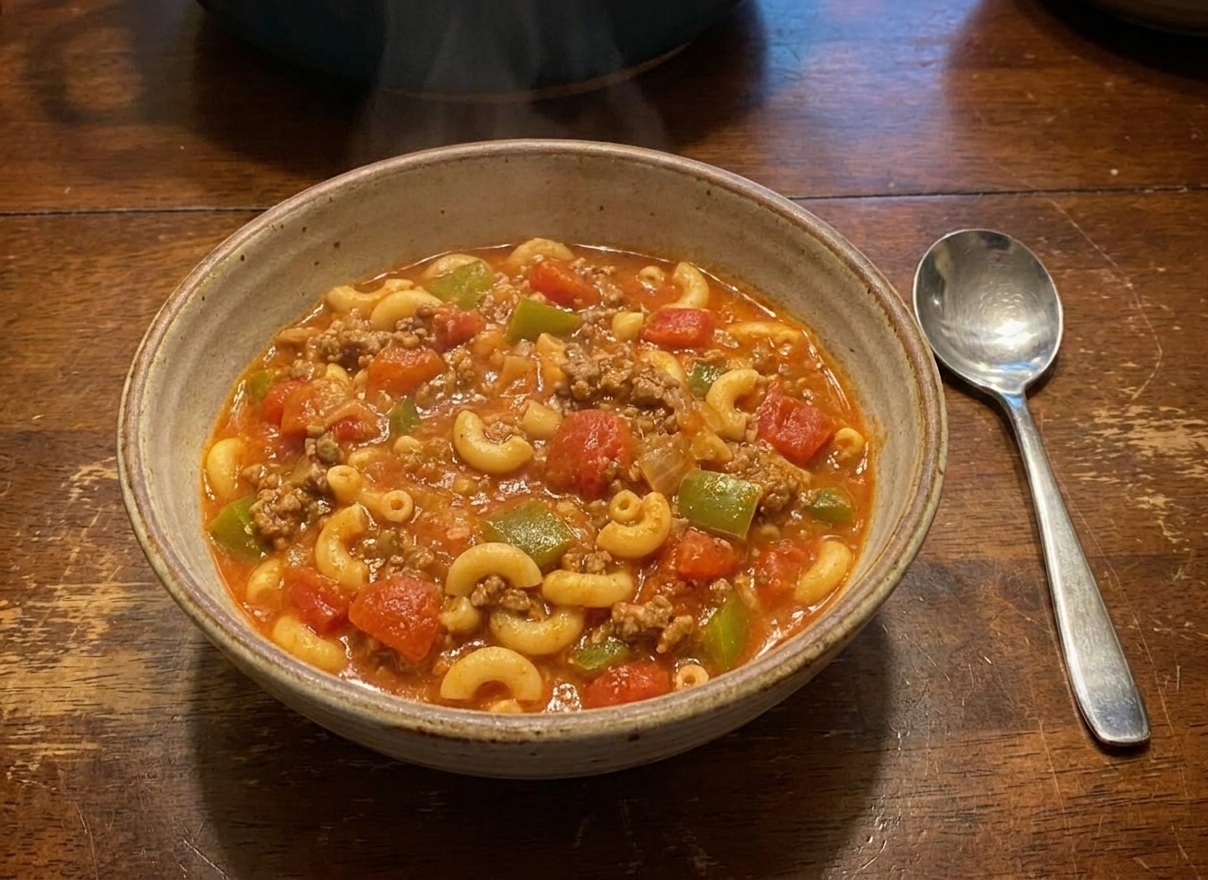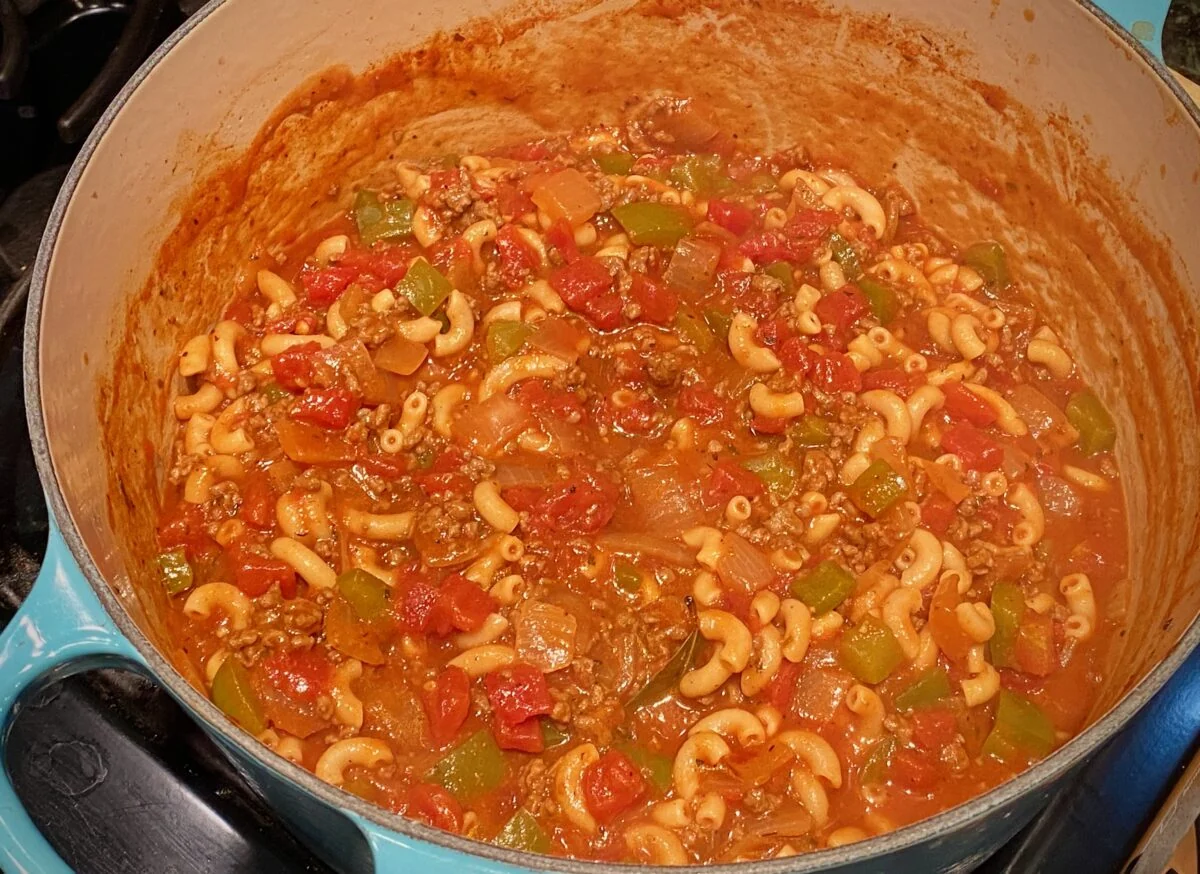

If your American goulash turned out more like goulash soup, you are not alone. This is one of those cozy, weeknight staples that feels forgiving, right up until you take the lid off and realize it is sloshy.
The good news is that watery goulash is almost always fixable. The trick is choosing the right fix for the reason it is thin, because some methods reduce liquid, some add thickness, and some do both. I am going to walk you through quick wins first, then troubleshooting by cause so you can get to that rich, spoon-coating, comforting pot you wanted.
Quick fixes (pick one)
If dinner is in 10 minutes and you need the fastest path to thicker goulash, start here.
- Simmer uncovered: Keep the pot at a gentle simmer with the lid off, stirring every few minutes, until it reduces to your liking.
- Rest off heat: Turn off the burner, cover, and let it sit 10 to 15 minutes. Pasta and starches keep absorbing liquid as it cools slightly.
- Stir in tomato paste: Add 1 to 2 tablespoons at a time, simmer 3 to 5 minutes, then reassess.
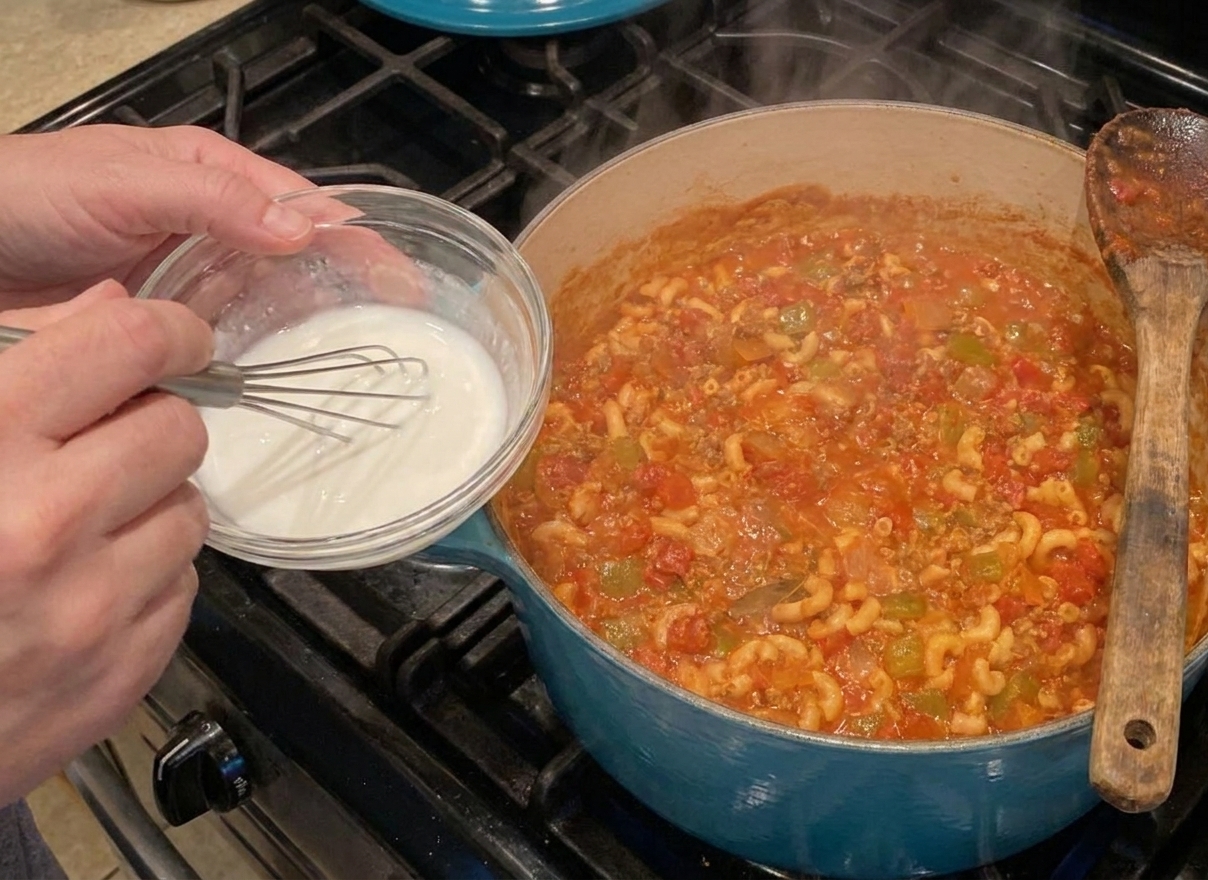
- Cornstarch slurry: Whisk 1 tablespoon cornstarch with 1 tablespoon cool water, then stir into simmering goulash and cook 1 to 2 minutes. Repeat if needed.
- Add more cooked pasta (if you have it): Stir in a small handful at a time. It thickens by absorption and adds body without changing flavor much.
My rule: If it is only a little thin, reduce and rest. If it is very watery, reduce plus a thickener is usually the move.
Fixes by cause
Most watery goulash problems come from one of a few common culprits: too much liquid, not enough reduction time, the pasta timing, or tomato products that are more watery than expected. Find the situation that sounds like yours and follow the steps.
Cause: There is simply too much liquid in the pot
This happens when we eyeball broth, use a larger can of tomatoes, or add extra water to keep the pasta from sticking. You did nothing wrong. American goulash is a very flexible, pantry-style dish, which means small changes can add up.
- Reduce uncovered: Simmer 10 to 20 minutes, stirring more often as it thickens so nothing sticks on the bottom.
- Boost body with tomato paste: Tomato paste thickens without making the sauce taste starchy. Start with 1 tablespoon, up to 3 tablespoons for a big pot.
- Use a slurry if you cannot wait: Add a cornstarch slurry to simmering goulash, then cook until it loses any raw starch taste.
Cause: It simmered with the lid on
A lid traps steam and keeps liquid from evaporating. Great for soup. Not great when you want goulash that clings to macaroni.
- Take the lid off and widen the surface area: If you have a wide Dutch oven, use it. More surface area equals faster reduction.
- Keep it at a gentle simmer: A hard boil can break down pasta and turn it mushy, which makes the whole pot feel off even if it thickens.
- Stir from the bottom: Tomato sauces love to scorch. Scrape the bottom every few minutes, especially once it starts thickening.
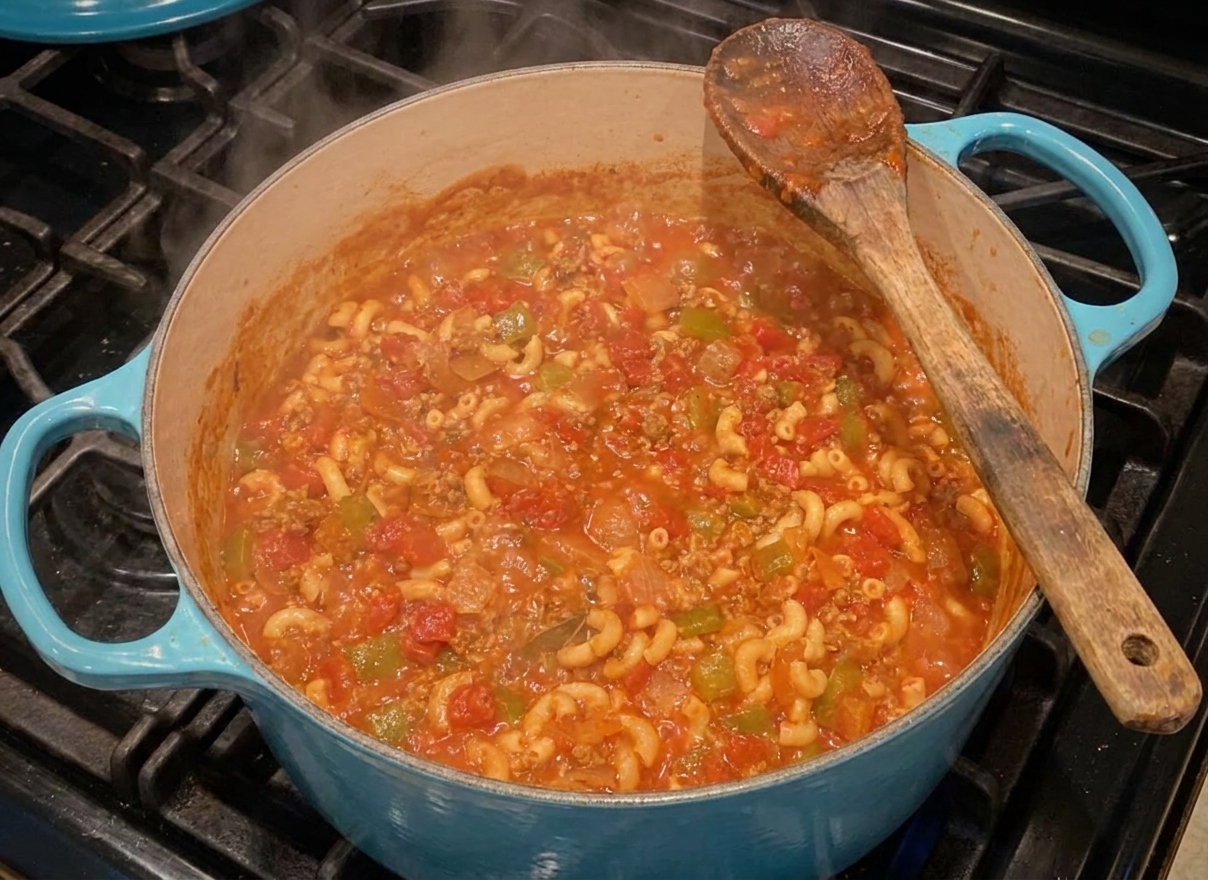
Cause: The pasta is undercooked or was added too late to absorb liquid
Pasta is one of the main thickeners in American goulash. It releases starch and it absorbs broth as it cooks. If the pasta went in at the end, or if it was cooked separately and stirred in right before serving, the sauce may not have had time to tighten up.
- Let it rest: Cover and rest 10 to 15 minutes. This is shockingly effective.
- Simmer 3 to 5 more minutes: If the pasta is still a little firm, a short simmer helps it drink up excess liquid.
- If you cooked pasta separately: Stir the pasta into the sauce and let it sit off heat for 10 minutes so the noodles can absorb.
Tip from my own kitchen: When my goulash looks a bit loose, I stop fussing and let it sit while I set the table. Nine times out of ten, that is all it needed.
Cause: Tomato products were extra watery
Not all canned tomatoes behave the same. Some crushed tomatoes are quite thin, and some diced tomatoes release a lot of juice. Even brands vary.
- Tomato paste is your friend: It thickens and deepens flavor. Add it gradually so you do not overpower the sauce.
- Simmer longer to concentrate: Uncovered simmering intensifies tomato flavor and naturally thickens.
- For next time: Consider using a thicker crushed tomato brand, or drain a portion of the juice from diced tomatoes before adding.
Cause: Too much fat was drained off and the sauce tastes thin
This one surprises people. A sauce can feel watery even when the liquid amount is not huge, because fat and gelatin give goulash that plush mouthfeel.
- Add richness back in a controlled way: Stir in a tablespoon of butter at the end, or a splash of cream if that fits your style.
- Use tomato paste rather than starch first: It thickens while adding depth, which helps the sauce taste less “watery.”
Cause: You added extra broth to prevent sticking
I get it. Nobody wants scorched goulash. But adding too much liquid mid-cook can keep the pasta floating instead of nestling into a thick sauce.
- Reduce uncovered and stir more often: Stirring prevents sticking better than extra liquid does.
- Lower the heat: A gentle simmer is safer for tomato sauce than high heat.
- Scrape the bottom with a flat-edged spoon: It helps you catch sticking early.
How to use a cornstarch slurry without getting lumps
Cornstarch is a great emergency tool, but it needs the right technique. Here is the method I teach friends because it is reliable.
- Mix it cold: In a small bowl, whisk 1 tablespoon cornstarch with 1 tablespoon cool water until smooth. No dry pockets.
- Bring goulash to a simmer: Starch thickens when heated. A simmer is enough.
- Stir while you pour: Slowly drizzle the slurry into the pot while stirring constantly.
- Cook 1 to 2 minutes: The sauce will thicken quickly. Let it simmer briefly so it does not taste starchy.
- Repeat if needed: It is better to do two small rounds than one big one that turns gluey.
Heads up: Cornstarch thickening is strongest right after cooking and can loosen a bit after reheating. Tomato paste and reduction are more stable for leftovers.
Let it rest: the underrated thickener
If your goulash already tastes good and you are tempted to start adding thickeners, pause for a moment. Resting is a real technique here.
- Why it works: The pasta continues absorbing liquid, and the starches in the sauce thicken as the bubbling stops.
- How to do it: Turn off heat, cover, and rest 10 to 15 minutes. Then stir well and check consistency.
- When to skip it: If the pasta is already very soft, resting can push it into mush territory. In that case, reduce quickly uncovered and serve.
What not to do (so you do not accidentally make it gummy)
- Do not dump dry flour straight in: It clumps and tastes raw.
- Do not overboil to reduce fast: High heat can break down pasta and make the texture unpleasant.
- Do not add loads of extra pasta without seasoning: Extra noodles soak up salt. Taste and adjust seasoning after thickening.
- Do not blend it: Blending cooked macaroni can turn the whole pot pasty.
Thickening watery goulash FAQ
Will goulash thicken as it cools?
Yes. American goulash thickens noticeably as it cools because the pasta absorbs liquid and the starches settle. If it is only slightly thin, resting 10 to 15 minutes is often enough.
My goulash is watery and the pasta is already fully cooked. Now what?
Go with uncovered simmering to reduce, plus a little tomato paste for body. If you are short on time, use a small cornstarch slurry while keeping the simmer gentle so the pasta does not fall apart.
Can I thicken goulash with cheese?
Cheese can make goulash feel richer, but it is not the most reliable thickener. If you add it, do it off heat and stir until melted. For true thickening, reduction, tomato paste, or a slurry works better.
How do I keep leftover goulash from drying out if I thicken it now?
Thicken to a nice saucy consistency, not super stiff. When reheating, add a splash of water or broth and warm gently. Leftover goulash continues to absorb liquid in the fridge, so a little loosening up is normal.
Is tomato paste better than cornstarch?
For flavor and leftovers, yes. Tomato paste adds body and depth. Cornstarch is the quickest emergency fix and works well, but it can feel slightly glossy or lighter in flavor if you use too much.
A small pep talk from my kitchen
I have made goulash for potlucks, for hectic weeknights, and for those rainy Pacific Northwest evenings when all you want is a big bowl and a cozy show. I have also made it too thin plenty of times. It is not a failure, it is just a pot that needs one more step.
Start with resting if the pasta can handle it. If it is still soupy, simmer uncovered. And if you need a sure thing, tomato paste or a simple slurry will get you back on track fast. Dinner is saved.