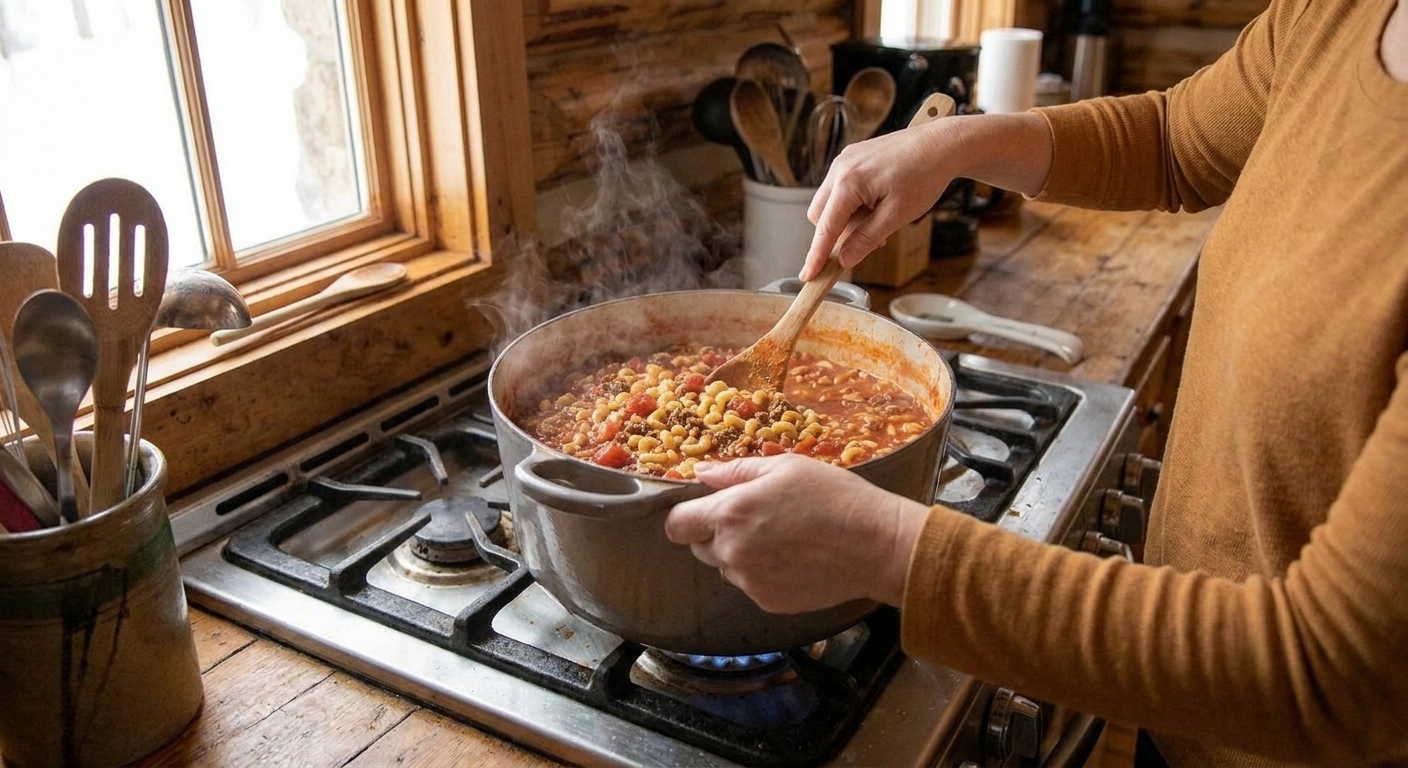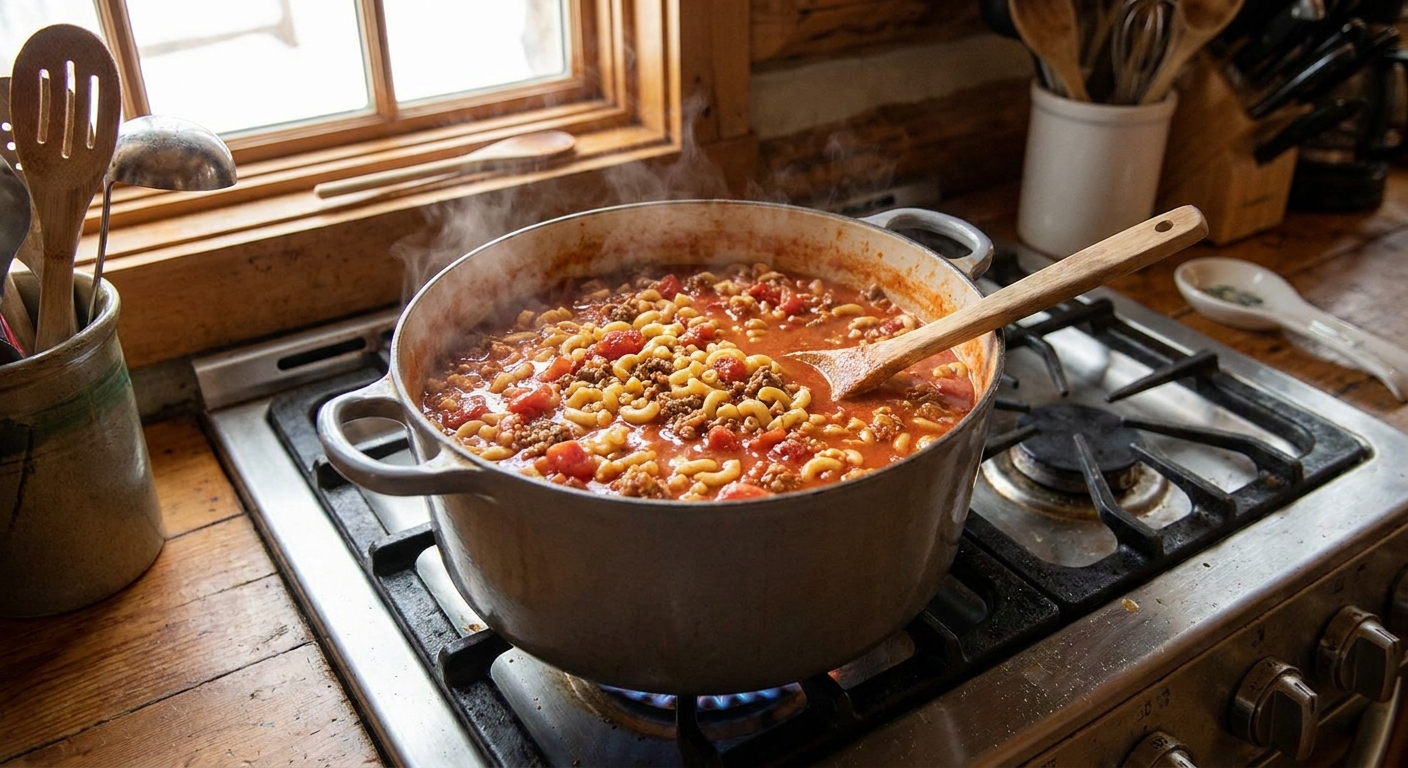
American goulash is one of those forever-dinner recipes in my house: beefy, tomato-y, cozy, and extremely forgiving. But the pot you choose changes the end result more than you might think. Stovetop goulash leans into that classic tomato-beef skillet vibe, while slow cooker goulash is all about hands-off ease and a softer, more stew-like finish.
Below is exactly how I decide which method to use, including the big three questions everyone asks: when the macaroni goes in, how much liquid you actually need, and which one holds up best as leftovers.

The real difference
American goulash is built on a few key elements: browned beef, aromatics (onion, garlic), tomato base, seasonings, and elbow macaroni. The way heat is applied changes how those pieces behave.
- Stovetop: You can brown over medium-high heat until you get deep brown bits, reduce the sauce, and finish pasta to a specific texture. The flavor is punchier and more skillet-forward.
- Slow cooker: Everything melts into a gentler, rounder flavor. You trade some browned-edge intensity for hands-off convenience.
If you love that slightly caramelized, tomato-beef pan-sauce taste, you will usually be happiest on the stovetop. If you need dinner to cook while you live your life, slow cooker goulash absolutely has a place.
Slow cooker setup
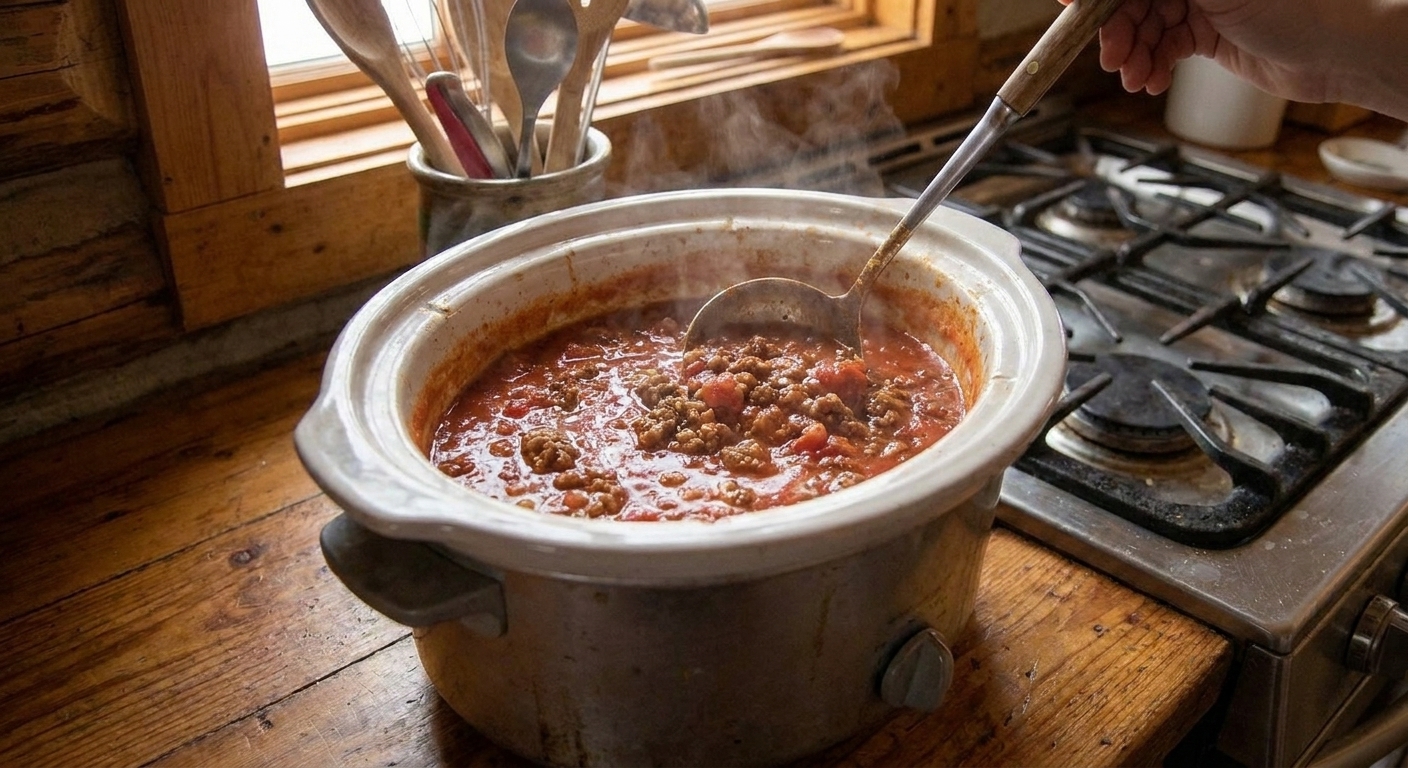
If you want slow cooker goulash that does not taste flat, I recommend taking one extra step up front: brown the beef and soften the onion and garlic before they go into the crock. It adds real depth, and it also keeps you from ending up with pale, boiled-meat vibes.
Timing guideline (before pasta): Cook the sauce base on LOW 6 to 8 hours or HIGH 3 to 4 hours, then add the macaroni near the end. (Exact times vary by slow cooker, how full it is, and whether everything started hot or straight from the fridge.)
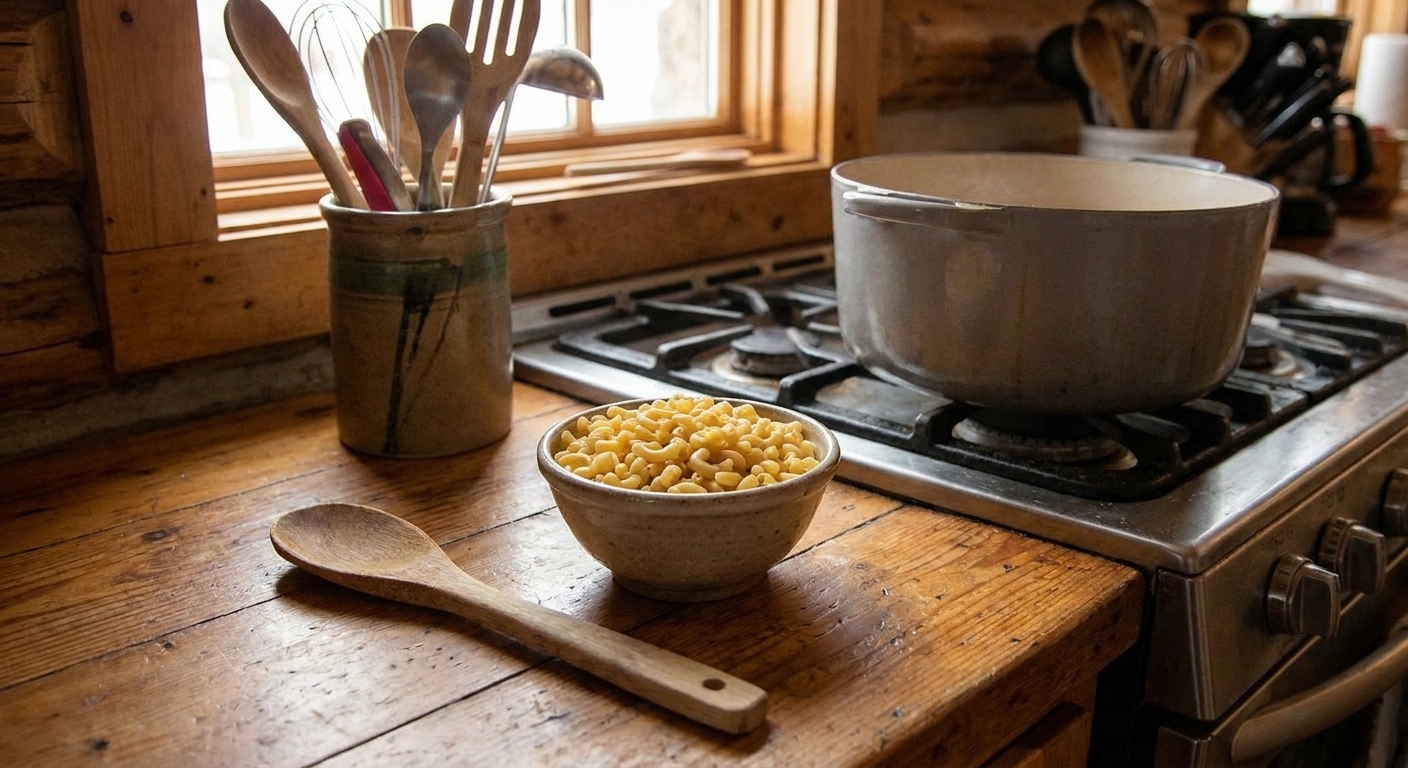
When to add macaroni
Stovetop: add it near the end
On the stovetop, you typically simmer the beef and tomato mixture first, then stir in the macaroni once the sauce is hot and at a steady simmer. This lets you control doneness and keep the pasta from turning into soft little sponges.
- Best practice: Add macaroni when the sauce is simmering, then cook just until al dente.
- Why it works: You can taste as you go and stop the moment the pasta hits that perfect tender-chewy point.
Quick save: If the sauce gets too thick before the pasta is tender, lower the heat and add broth or water a splash at a time, stirring well so nothing sticks.
Slow cooker: add it at the very end
In a slow cooker, elbow macaroni should still go in at the end, but the window is tighter. Pasta overcooks quickly in a slow cooker because the heat is moist and consistent, and the starches keep absorbing liquid even after they seem done.
- Best practice: Add macaroni during the last stretch on HIGH and start checking at 15 minutes. Most batches finish in about 15 to 30 minutes, depending on your slow cooker and how hot the sauce is when the pasta goes in.
- After it is tender: Switch to WARM and serve as soon as you can.
- Even better: Cook macaroni separately and stir it into individual bowls, especially if you want great leftovers.
If you take only one tip from this entire comparison, let it be this: slow cooker goulash with pasta added too early will turn thick and mushy, no matter how good your ingredient list is.
How much liquid you need
Liquid is where slow cooker and stovetop goulash diverge the most, because the pot itself changes evaporation.
Stovetop: plan for evaporation
A skillet or Dutch oven lets moisture escape. That is great for concentrating flavor, but it means you need enough liquid so the macaroni can cook without the sauce scorching or turning pasty.
- What to expect: You will usually use more liquid on the stovetop than you think at first, then adjust as it simmers.
- A helpful anchor: For a typical family-sized pot, I like to keep 1 to 2 cups of broth or water nearby for adjustments while the pasta cooks.
- How to dial it in: If the pan looks dry before the macaroni is tender, add a splash, stir, and keep simmering.
Slow cooker: add liquid carefully
Slow cookers trap moisture. That means if you use stovetop-style liquid amounts, your goulash can end up soupy at the end, especially before pasta is added. At the same time, a little extra liquid can help prevent hot-edge scorching in some models, and it also gives the pasta something to absorb when it goes in.
- What to expect: Use less added liquid than stovetop, but do not be afraid of a small splash of broth if your slow cooker tends to run hot around the edges.
- How to dial it in: If it looks thin at the end, you can remove the lid and cook on HIGH to reduce, but know that some slow cookers reduce slowly even uncovered. If you need a faster fix, stir in tomato paste a spoonful at a time, or use a small cornstarch slurry.
Quick rule of thumb: Stovetop goulash is a balance of adding liquid to cook pasta, then reducing for flavor. Slow cooker goulash is mostly about not over-adding liquid in the first place, then thickening only if needed at the end.
Leftovers and reheating
Let’s talk next-day goulash, because honestly I make it for the leftovers as much as for dinner.
Stovetop leftovers
Stovetop goulash tends to have a deeper, more concentrated tomato-beef flavor because you can brown the meat well and reduce the sauce. That concentrated flavor holds up beautifully in the fridge.
Texture note: The pasta will still soften overnight, but you can usually reheat with a splash of broth or water to bring it back to saucy.
Slow cooker leftovers
Slow cooker goulash tastes very cozy the next day, but it typically has two leftover issues:
- Pasta keeps absorbing liquid: You can wake up to a thick, almost casserole-like goulash.
- Less browned flavor: Unless you browned the beef and sautéed the onion and garlic before adding them, you lose some of that skillet character.
If leftovers are your priority: Make slow cooker goulash with the pasta cooked separately, then combine when serving. That one choice dramatically improves day-two texture.
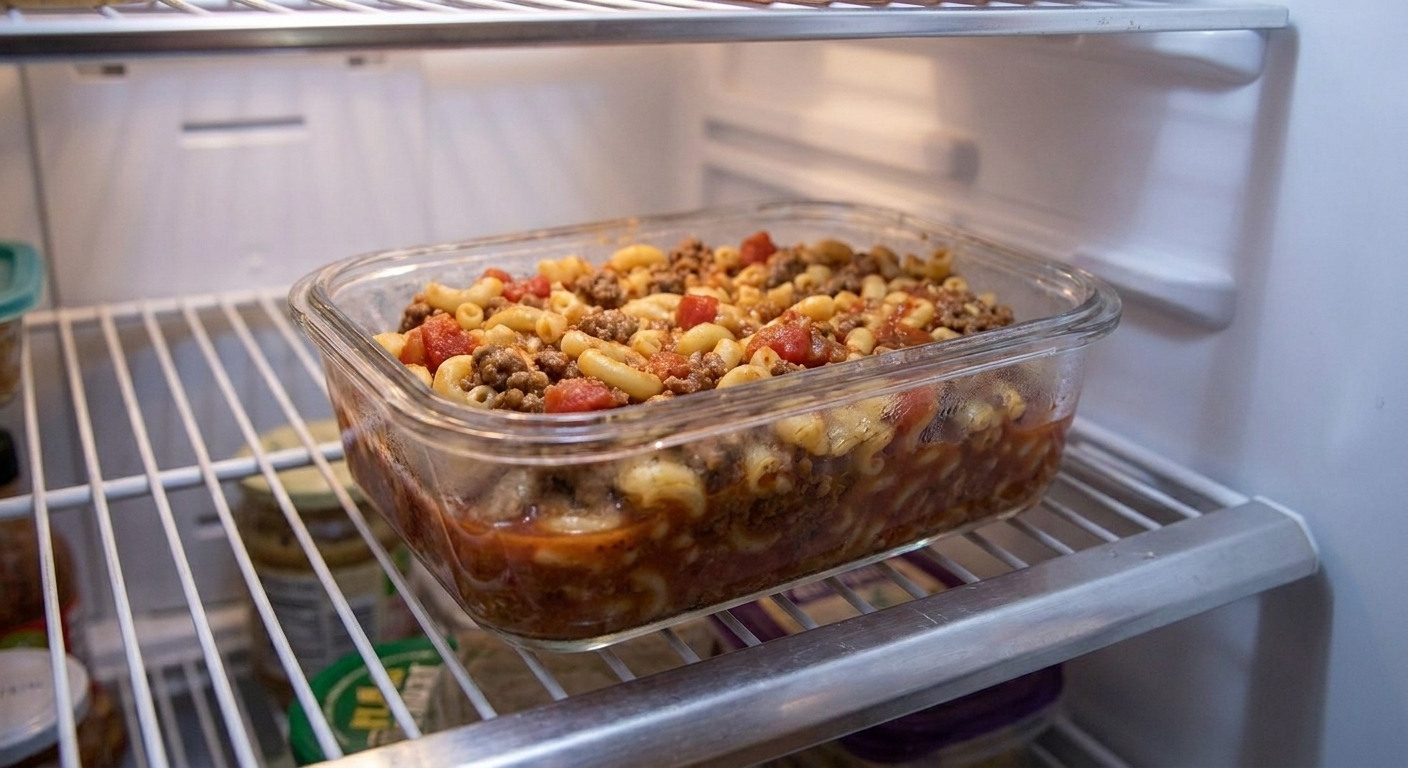
Storage: Refrigerate leftovers in a covered container and aim to eat them within 3 to 4 days. Reheat gently on the stovetop or in the microwave, stirring once or twice, and add a splash of water or broth if it has tightened up.
Flavor fixes
Goulash is forgiving, but sometimes it needs a tiny nudge at the end.
- If stovetop goulash tastes sharp: Let it simmer 5 more minutes and taste again. A pinch of sugar can round out very acidic tomatoes.
- If slow cooker goulash tastes flat: Add salt first, then try a splash of Worcestershire or a tiny splash of vinegar to wake it up.
My quick picks
Pick the stovetop
- You want that rich tomato-beef skillet taste.
- You care about keeping the macaroni pleasantly chewy.
- You are planning on leftovers and want the best reheat.
- You have 30 to 45 minutes to actively cook.
Pick the slow cooker
- You want dinner cooking while you handle work, errands, or after-school chaos.
- You do not mind a gentler flavor and softer texture.
- You are willing to add the macaroni at the end, or cook it separately.
- You are feeding a crowd and want an easy warm-hold option.
If I have time to cook: stovetop, every time. If I need dinner to happen without me: slow cooker, with macaroni added at the end or cooked separately.