

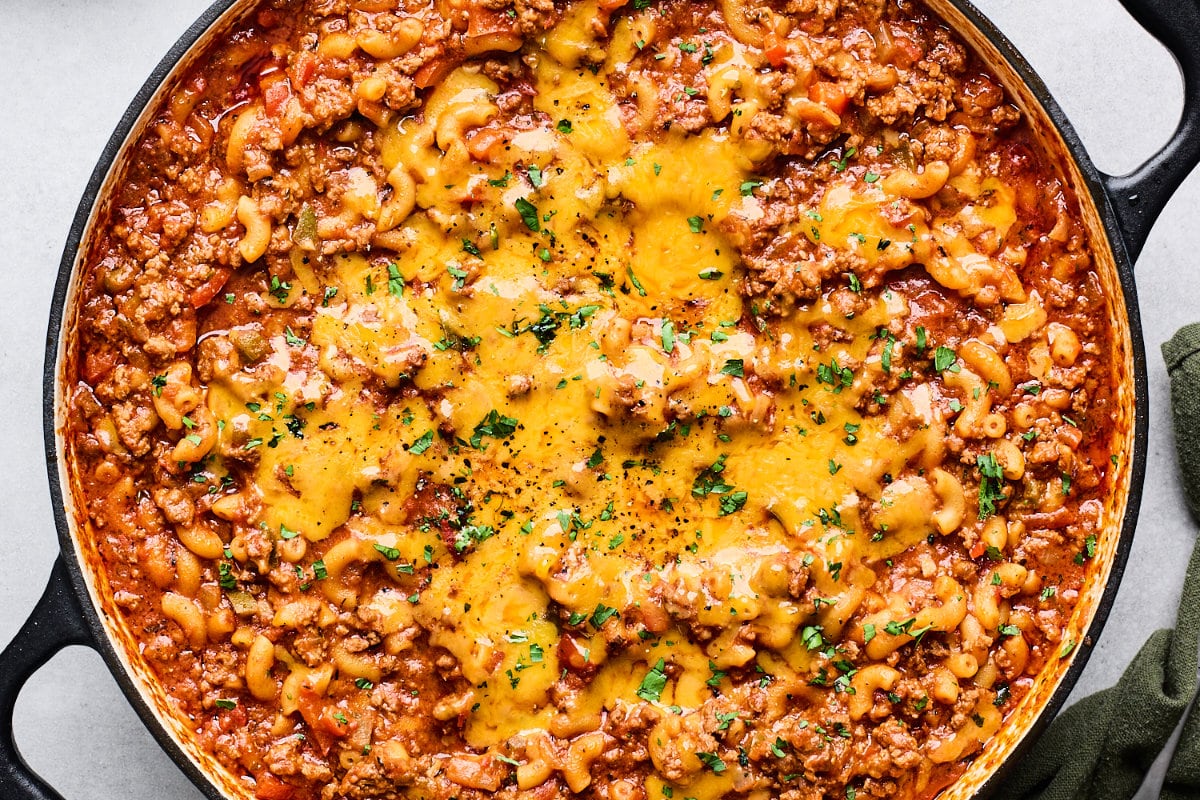
American goulash is one of those weeknight miracles I grew up with in the Pacific Northwest: one big skillet, a cozy tomatoey sauce, tender beef, and macaroni that somehow makes everything feel like home. The only downside is that the leftovers are so tempting you find yourself opening the fridge for “just one more bite.” So let’s make sure those leftovers stay safe and delicious.
Here’s the fridge window for cooked American goulash, exactly how I cool it down so it does not steam itself into a soggy mess, and the clear signs that it is time to toss it.

American goulash fridge life
Cooked American goulash lasts 3 to 4 days in the refrigerator when it is cooled promptly and stored in a covered container at 40°F or below.
If you are deciding between day 3 and day 4, I tend to use this rule: day 3 is best quality (the macaroni is still pleasantly chewy), and day 4 is often still safe if it was handled well, but the pasta can start to go soft.
- Best quality: 1 to 3 days
- Still typically safe: up to 4 days (if cooled quickly and refrigerated consistently)
- When in doubt: throw it out
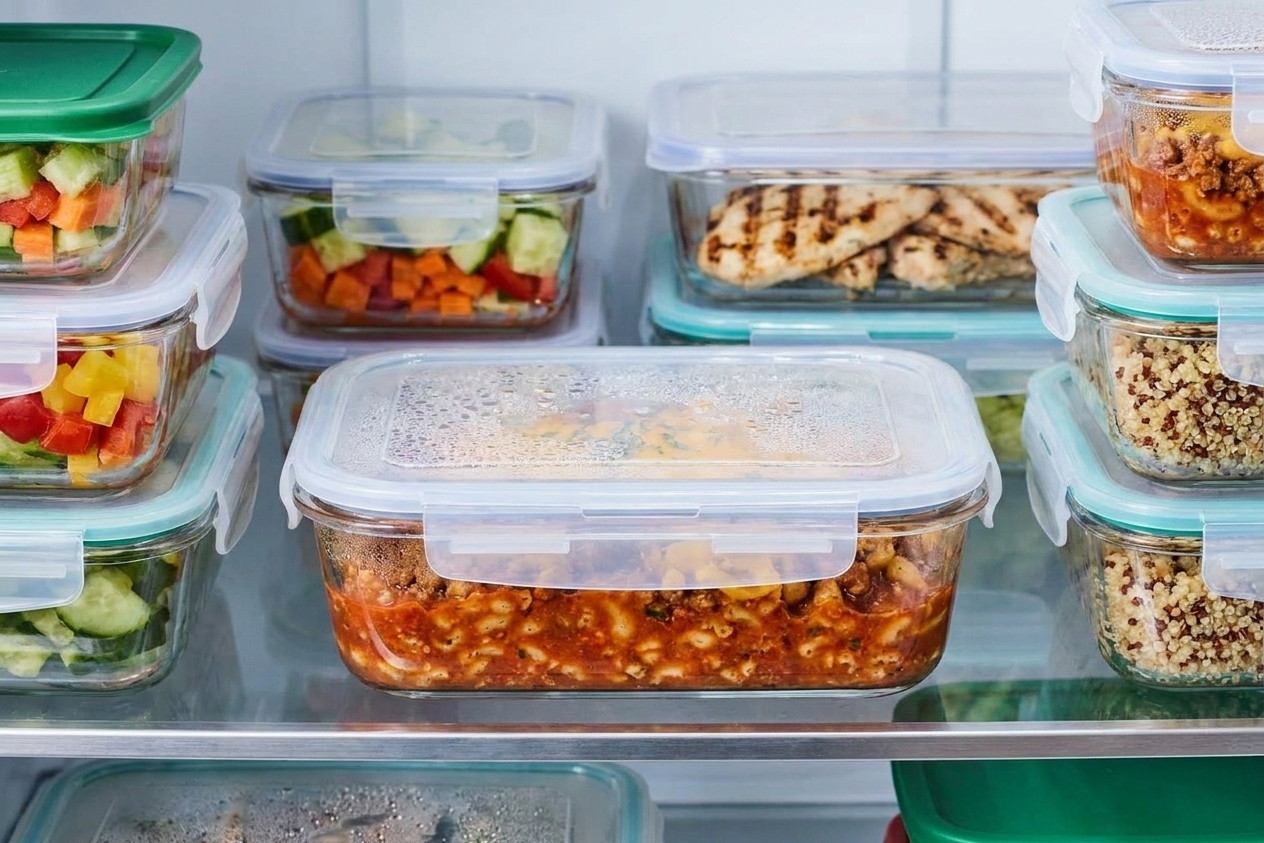
Storage tip: Keep leftovers in airtight containers on an interior fridge shelf (not the door) for the most stable temperature.
How to cool goulash safely
The biggest leftover mistake I see is putting a big hot pot or skillet straight into the fridge. It stays warm too long in the center, and it also steams, which makes the pasta absorb extra liquid and go mushy.
My simple cooling method
- Get it off the heat. As soon as dinner is done, remove the skillet from the burner.
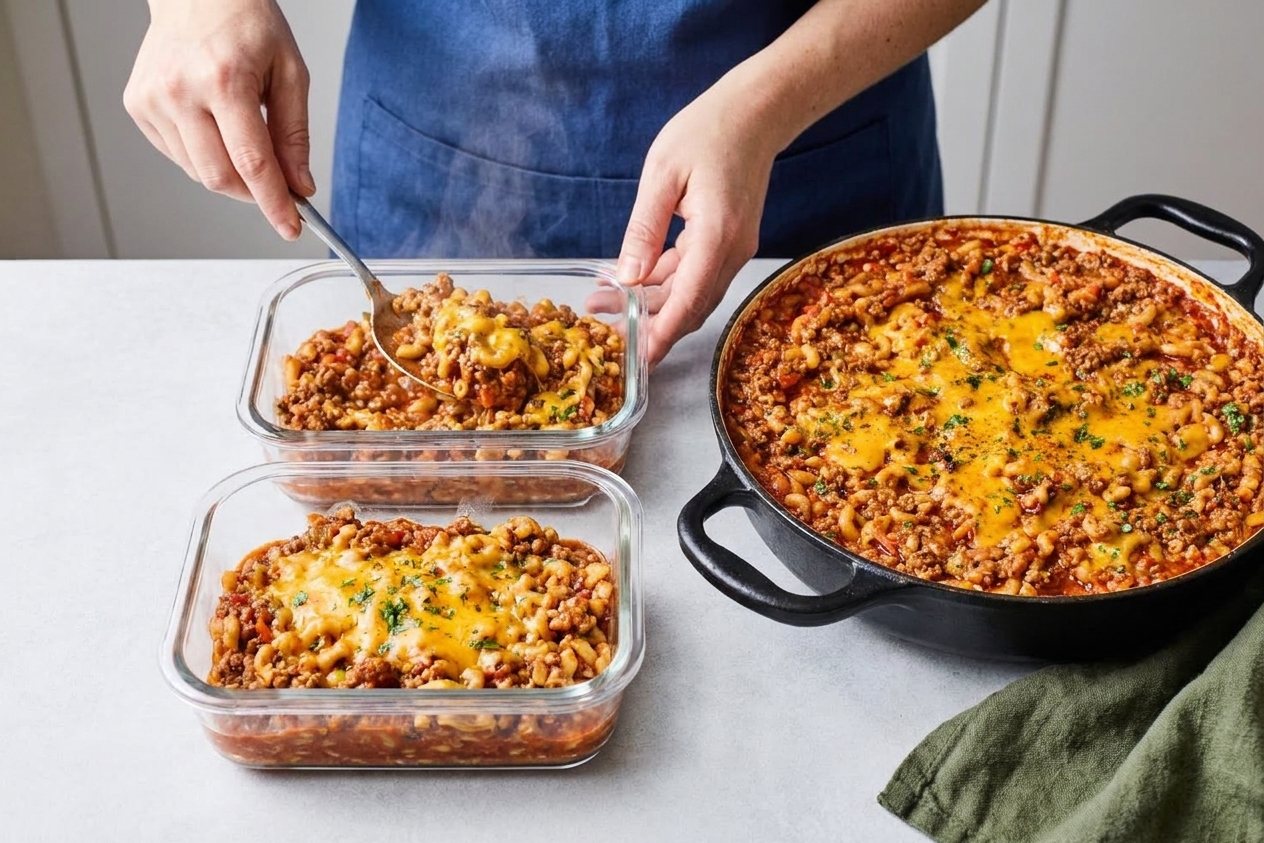
- Spread it out. Transfer goulash to one or two shallow containers. A wide, shallow layer cools much faster than a deep container.
- Vent briefly. Leave the lid slightly ajar just long enough for steam to escape, about 15 to 20 minutes. Safety note: That venting time still counts toward your total time at room temperature.
- Refrigerate within 2 hours. This is the key food-safety cutoff. If your kitchen is very warm (summer party, no AC), aim for within 1 hour.
Extra tip for texture: If you know you are making goulash specifically for leftovers, cook the macaroni just to al dente. Slightly firm pasta holds up better after a night in the fridge.
Bad vs soft pasta
Macaroni can get unpleasant before the whole dish is unsafe. Texture changes happen fast in saucy pasta, even when everything is still within the safe fridge window.
Signs the pasta just went soft (quality issue)
- Very swollen noodles that look bigger than when you cooked them
- Goulash looks unusually thick because the pasta has soaked up sauce
- “Gluey” texture where elbows feel gummy and smear when pressed
If it is only a texture problem and it still smells normal, you can often improve it by adding a splash of water or broth while reheating and stirring gently. It will not turn perfectly al dente again, but it can get back to “totally enjoyable.”
Signs it is spoiled (safety issue)
- Sour or funky smell that hits you right when you open the container
- Visible mold anywhere on the surface or lid
- Bubbling or a fermented, yeasty aroma that suggests active spoilage
If you see or smell those, do not taste it. Toss it.
When to toss beef goulash
Because American goulash includes cooked ground beef, I am extra strict about signs of spoilage. The good news is that spoiled meat leftovers usually announce themselves pretty clearly.
Throw it out if you notice any of these
- Off odors: sour, rancid, or rotten smell
- New slimy texture: a slick coating on the meat or pasta
- Color changes that look “wrong” for leftovers: gray is not automatically dangerous in cooked food, but if it comes with a bad smell or slime, it is a no
- Container puffed up or releases a strong odor when opened
- It was left out too long: more than 2 hours at room temperature (or more than 1 hour if the room was hot)
A quick reality check: Spices, garlic, and tomato sauce can mask minor odors. If you are hesitating, that is your cue to toss it.
How to reheat goulash safely
When you are reheating leftovers from the refrigerator, the safest guideline is temperature, not time.
The USDA recommends reheating leftovers to 165°F. Practically speaking, that means reheating goulash until it is steaming hot throughout and reaches 165°F in the center if you check with a food thermometer.
Best ways to reheat (without overcooking the pasta)
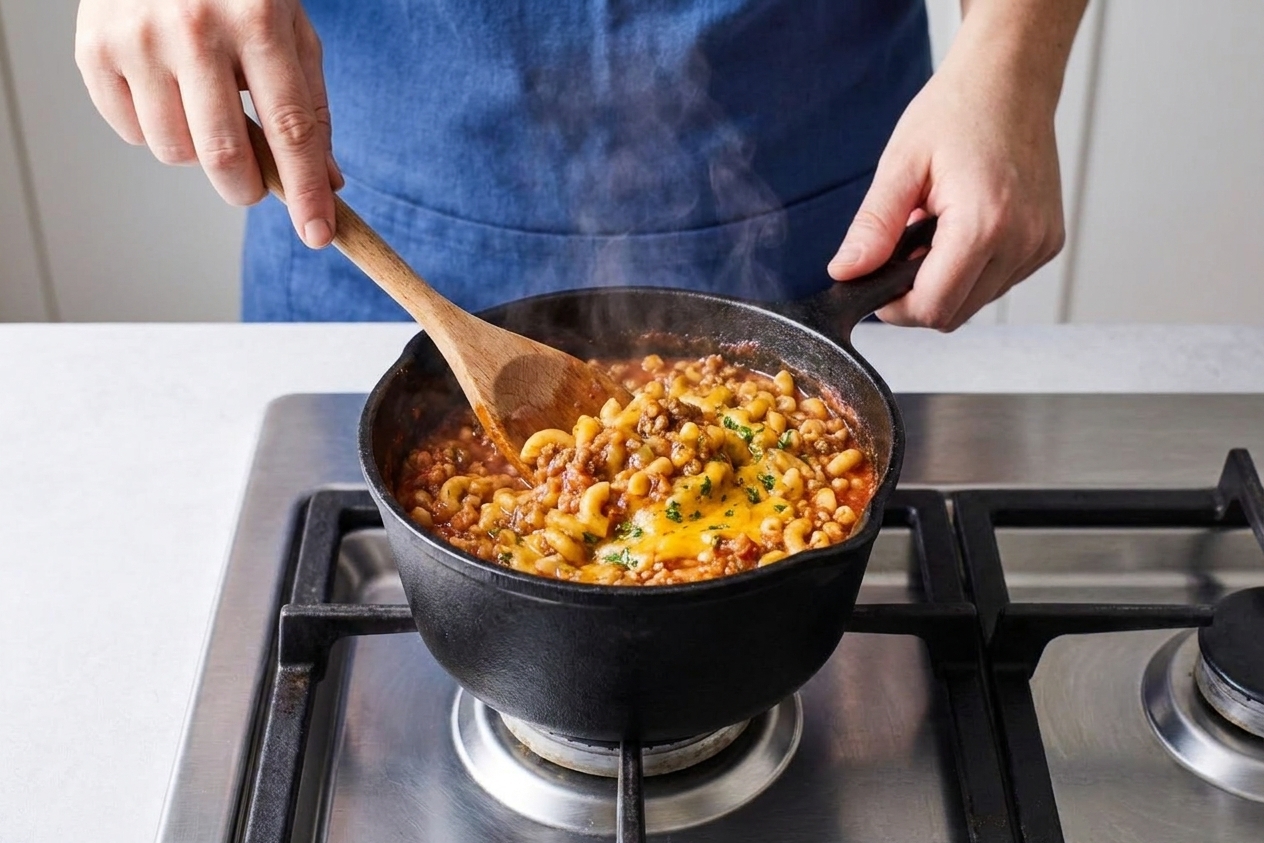
- Stovetop: Add goulash to a small pan with a splash of water or broth. Cover and warm over medium-low, stirring occasionally, until steaming hot.
- Microwave: Loosen with a splash of water, cover loosely, and heat in short bursts, stirring between, until it is steaming hot all the way through.
One more safety habit I love: Only reheat the portion you plan to eat. Repeated heating and cooling is rough on both quality and food safety.
Freezing American goulash
Yes, you can freeze American goulash, and it is a great way to “save” it if you know you will not finish it in 3 to 4 days.
- How long it keeps: For best quality, use within about 2 to 3 months.
- How to freeze it: Cool it first, then portion into airtight freezer containers or freezer bags (pressed flat for quick thawing).
- Texture heads-up: The sauce and beef freeze beautifully, but the macaroni will be softer after thawing. I still happily eat it, just with different expectations.
Thawing tip: Thaw overnight in the refrigerator when you can, then reheat until steaming hot.
Quick questions
Does American goulash last longer in a very cold fridge?
A consistently cold fridge helps a lot, but I still recommend sticking to 3 to 4 days. Home fridge temperatures can fluctuate every time the door opens, and pasta and meat dishes are not the place to gamble.
Can I store goulash in the same skillet I cooked it in?
You can, but it is not ideal. A large pot or deep skillet cools slowly, and that extra trapped heat also encourages mushy pasta. For safer cooling and better texture, move it to shallow containers first.
If the goulash smells fine on day 5, is it okay?
I would not risk it. Many foodborne bacteria do not announce themselves with a strong smell. If it has been more than 4 days, it is time to toss it.