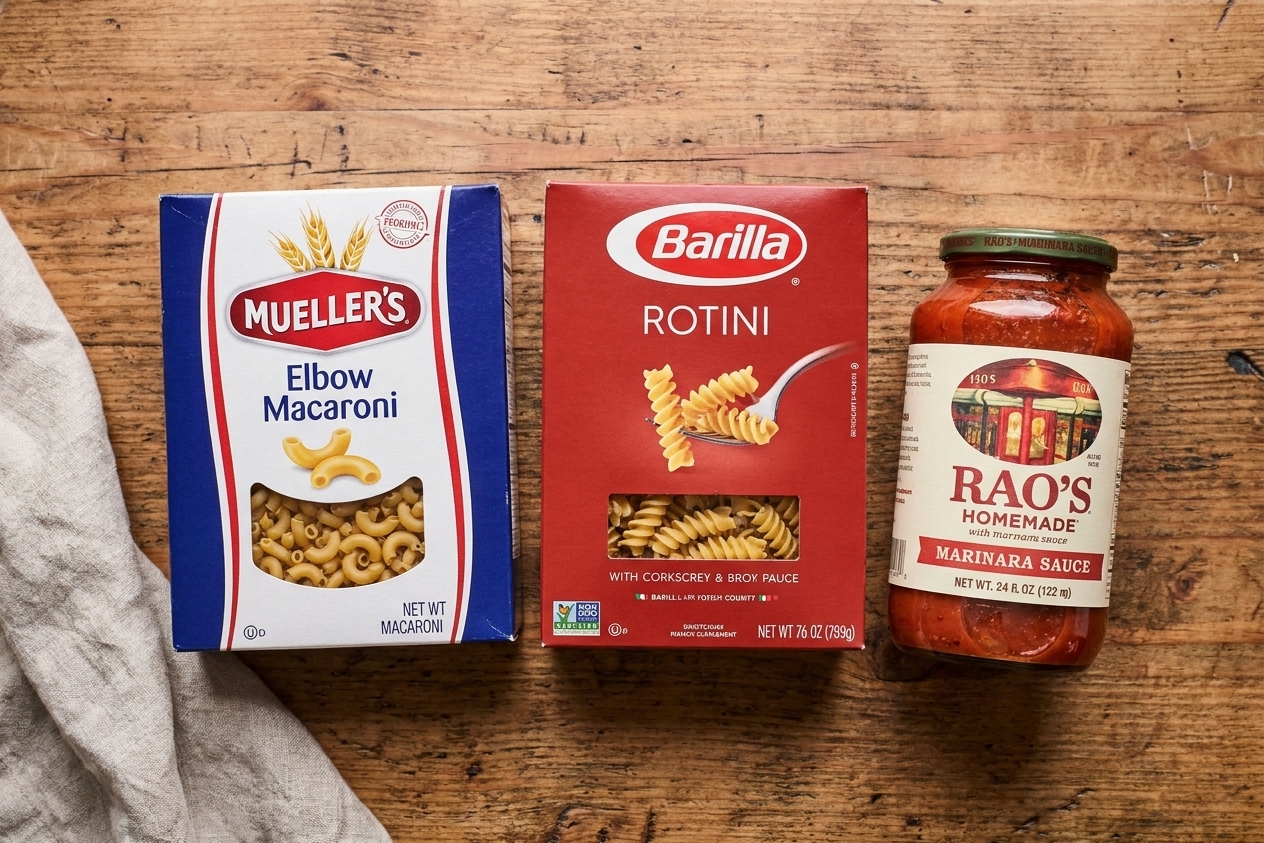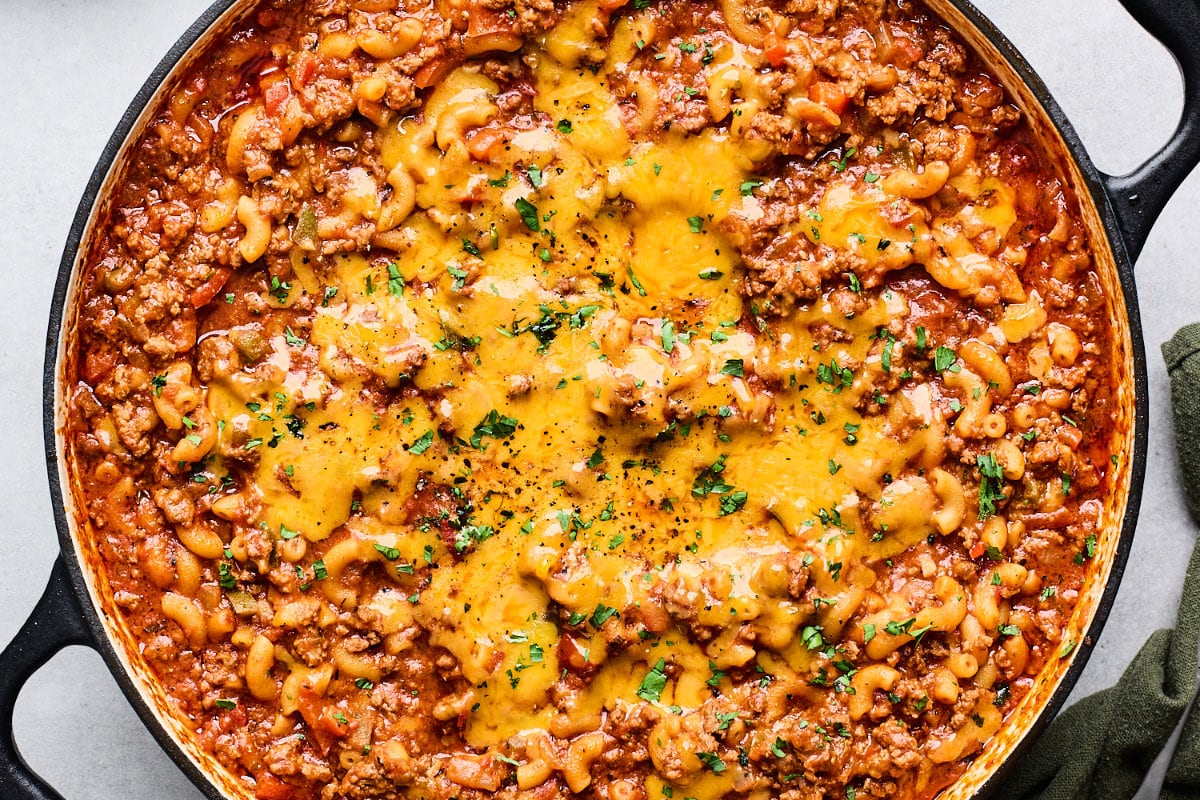
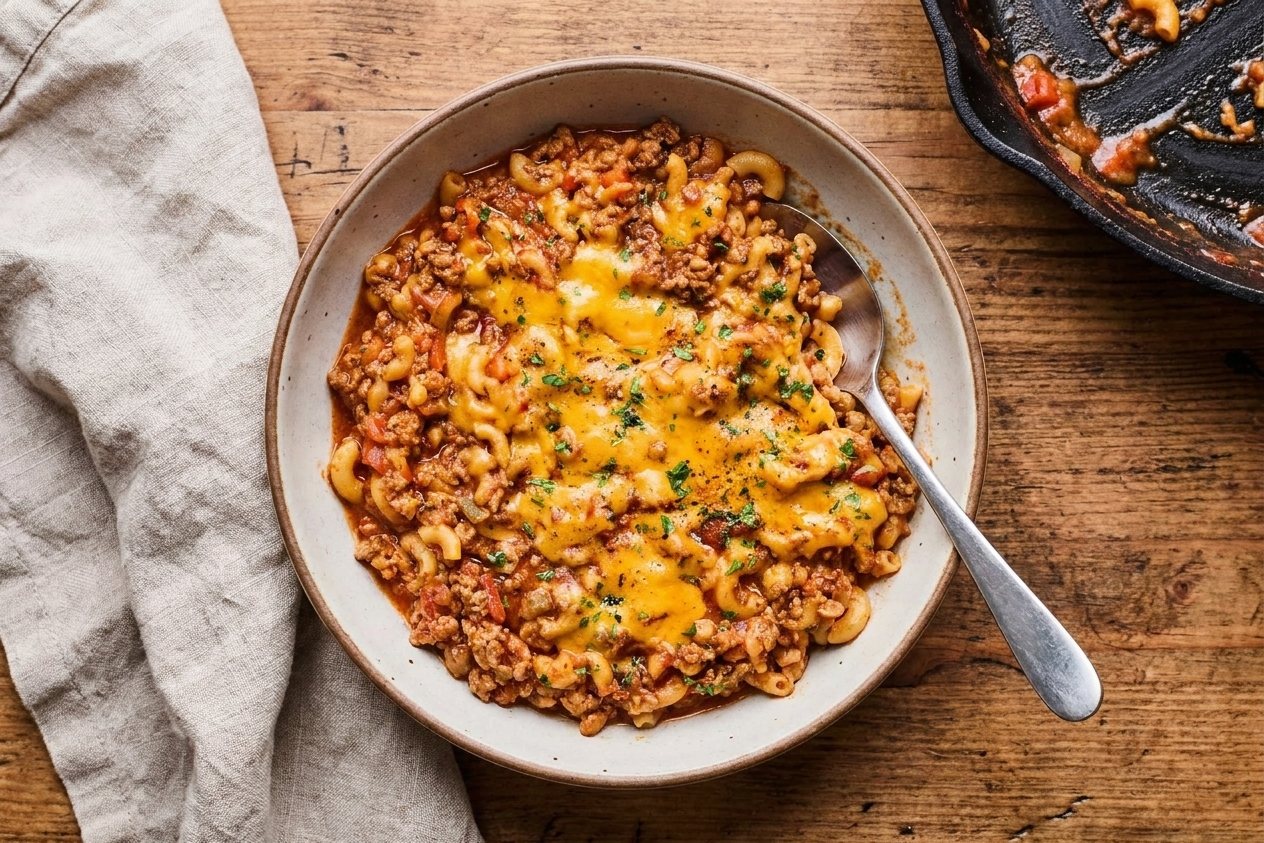
I have made stovetop American goulash more times than I can count, usually on a weeknight when everyone is hungry and I want exactly one pot to deal with. And every so often I stand in front of the pantry holding two boxes, elbow macaroni in one hand and rotini in the other, thinking: does it really matter?
It does, just a little. Both are totally delicious, but they behave differently in the skillet. If you want your goulash saucy and classic, or extra clingy and twisty, or you are planning on leftovers, the pasta shape helps you get there.

Quick pick
If you just want me to pick a box before you turn on the burner, here is my real-life default:
- Choose elbow macaroni if you want the most classic American goulash texture and the best next-day bowl. It tends to reheat looser and more spoonable, which feels more like “goulash” and less like a pasta bake.
- Choose rotini if you love pasta that grabs onto thick, meaty tomato sauce and you do not mind a heartier, thicker bite. It is especially satisfying fresh off the stove.
Now let’s get into the details that actually show up in the pot: sauce cling, cook time, how much each shape drinks as it sits, and leftovers.
Sauce cling
Rotini clings harder
Rotini’s spirals are basically tiny sauce ramps. In American goulash, that means the meat and tomato sauce nestles into the grooves and you get a more coated bite even if your goulash is not super saucy.
- Best for: thicker goulash, extra beefy versions, or when you like a “sauce on every bite” feel.
- What it changes: the pot can seem thicker sooner because more sauce is hanging on to the pasta instead of pooling around it.
Elbow macaroni is classic and balanced
Elbows hold sauce too, just in a gentler way. Some sauce clings to the outside, and a little slips into the center tube, but overall the sauce stays more spoonable in the skillet. That is a big reason elbows read as traditional goulash to most American taste buds.
- Best for: saucy goulash where you want pasta and sauce to feel like equals.
- What it changes: the dish keeps that loose, stew-meets-pasta vibe longer.
Cook time
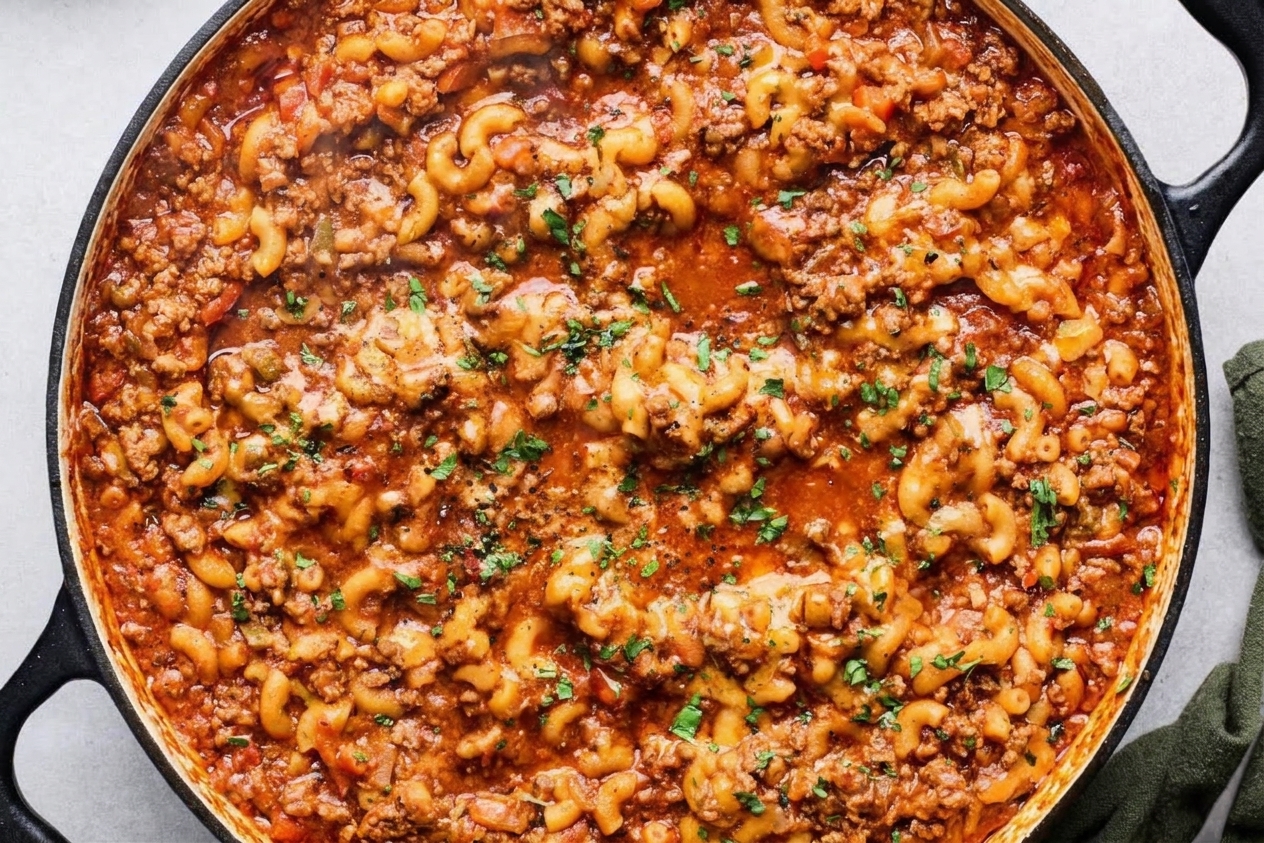
Exact time depends on your brand, how hard you simmer, how thick your sauce is, and whether the pot is covered. As a baseline, I like to use the package cook time as a guide, then start tasting a few minutes early, since pasta can cook differently in sauce than it does in plain water.
Elbow macaroni
Elbows are small and fairly uniform. When you simmer them in goulash, they usually hydrate evenly and hit tender in a pretty predictable window.
- Often around: 10 to 14 minutes of a gentle simmer, with a couple of stirs.
- My tip: start checking at the low end and stop when they are just shy of al dente. They keep softening as the pot sits.
Rotini
Rotini is thicker and has more structure. In a thick sauce, those spirals can cook unevenly if the pot is too dry or you are not stirring enough.
- Often around: 12 to 16 minutes, depending on brand and how much liquid you have in the pot.
- My tip: stir a bit more often, especially in the first half of cooking, and make sure there is enough liquid for the pasta to move around.
One-pot reality check: keep your simmer gentle. A hard boil can reduce sauce too quickly, leaving you with tender pasta and not enough sauciness left to love.
Absorption over time
This is the part people feel the most on day one and day two. Pasta keeps absorbing liquid as it sits. In goulash, that means it keeps drinking tomato sauce and broth after you turn off the heat.
Elbows tend to soften faster
In my experience, elbows tend to go from perfect to a little too soft faster in a one-pot sauce, especially if you simmer past al dente or let the pot sit uncovered on the stove.
- To keep elbows bouncy: cook them just shy of done, then cover and rest the pot off heat for a few minutes to finish gently.
- If your goulash got too thick: splash in a bit of broth or water, warm it up, and stir well.
Rotini stays sturdy, but thickens the pot
Rotini also absorbs sauce, absolutely. But because it is thicker and ridged, it tends to keep a firmer bite a little longer. The tradeoff is that as the spirals plump, they can make the whole skillet feel thicker and more packed.
- If you love thicker goulash: rotini is your friend.
- If you hate dry leftovers: plan on adding a splash of liquid when reheating.
Leftovers
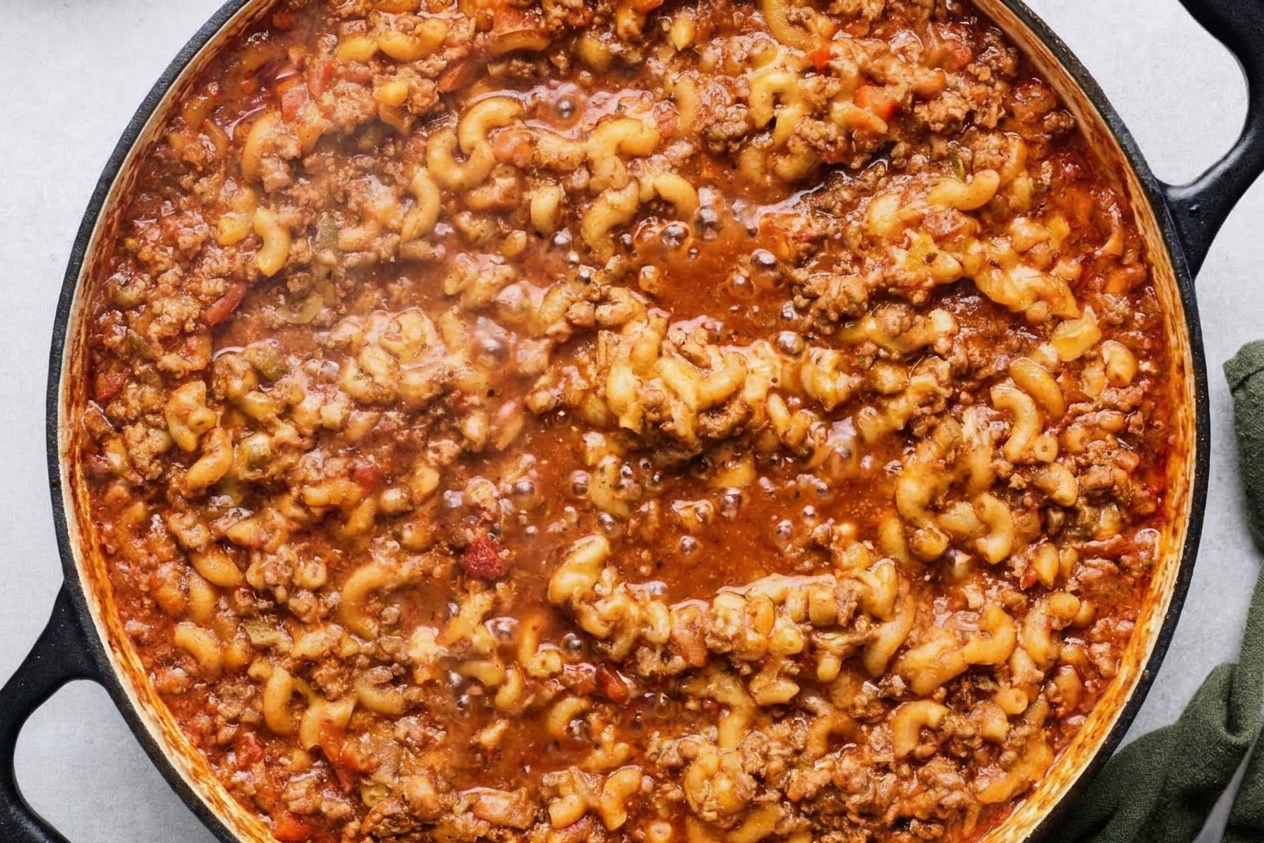
When I am cooking goulash specifically for leftovers, I lean elbow macaroni. It reheats in a way that feels like the dish you made, not a thicker pan of pasta that set up overnight.
Elbow macaroni
- Texture: softens, yes, but in a familiar, cozy way.
- Sauce: tends to stay more spoonable after a splash of water or broth.
- Best reheating method: stovetop with a small splash of liquid, covered for a minute, then stirred.
Rotini
- Texture: holds its shape well, but the bite can feel denser because the spirals stay robust.
- Sauce: gets absorbed fast, so it often needs more loosening.
- Best reheating method: stovetop with extra liquid and frequent stirring, or microwave with a splash of water and a cover to trap steam.
If you know you want leftovers and you are using rotini, my best advice is simple: make the goulash a little soupier than you think you need on night one. Rotini will take care of the rest.
Adjustments
You can use either shape successfully with a couple of tiny tweaks.
One-pot liquid basics
One-pot pasta only works if there is enough liquid for the noodles to simmer and move. If your sauce is very thick, I usually add an extra 1/2 to 1 cup water or broth when the pasta goes in, then adjust as it cooks. Also, a lid helps. I like to cover the pot for a few minutes to kick-start cooking, then uncover to stir and control thickness.
If you are using elbow macaroni
- Undercook slightly (about 1 minute), then rest the pot covered off heat.
- Stir gently so you do not break up the elbows as they soften.
- Save a splash of broth for reheating. Even a few tablespoons helps.
If you are using rotini
- Add a bit more liquid up front, especially if your sauce is thick.
- Stir more often to prevent sticking and help it cook evenly.
- Expect thicker leftovers and reheat with a little extra liquid.
If you cook pasta separately
If you are not doing true one-pot goulash, either shape works great. Just cook pasta to al dente, then stir it into the sauce and let everything simmer together for a minute or two so it tastes like one dish.
FAQ
Will rotini change the flavor of American goulash?
Not the flavor, but it can change how you experience it. Rotini carries more sauce per bite, so it can feel richer and more intensely tomato-forward even if the ingredient list is identical.
Which one is better for kids?
Most kids do great with either, but elbows are usually the safest bet if your household expects the classic cafeteria-style goulash vibe. Rotini can feel “fancier,” which some kids love and some side-eye.
What if I only have whole wheat or gluten-free rotini or elbows?
Use what you have, just watch the pot closely. Whole wheat and gluten-free pastas can go from firm to too-soft quickly in a one-pot simmer. Check early, stir often, and stop cooking when the pasta is just shy of done.
Can I mix elbow macaroni and rotini?
You can, but they rarely finish at exactly the same time. If you do it, add the shape that takes longer first, then add the faster-cooking shape a few minutes later.
My pick
For a weeknight skillet that tastes like the American goulash I grew up with, I grab elbow macaroni. It is forgiving, familiar, and it reheats like a dream with a little splash of broth and, yes, another clove of garlic.
But if you are craving that sauce-grabbing cling and a thicker, heartier chew, rotini is a very happy twist. Either way, dinner is about to get cozy.