

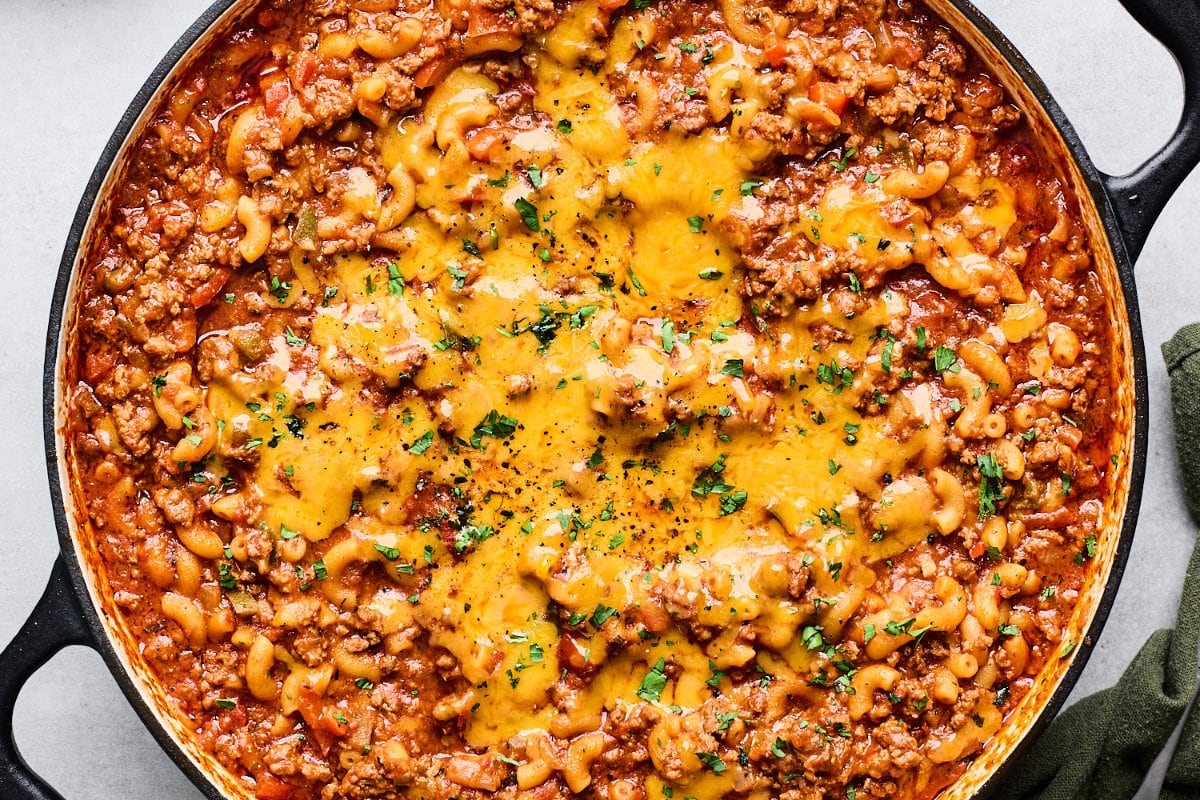
American goulash is one of my favorite comfort meals because it tastes even better the next day. But freezing it can be a little rude to the macaroni if you do it the same way you freeze chili. I learned the hard way that pasta keeps absorbing liquid as it sits, and the freezer does not magically pause that. The good news is you can absolutely freeze goulash and still have pleasantly tender noodles, you just need a tiny bit of strategy.

Why pasta gets mushy
Mushy pasta usually comes down to two things:
- Overcooked noodles before freezing. Pasta that is already fully soft does not have much structure left after a thaw and reheat.
- Too much time soaking in sauce. Macaroni keeps drinking up tomato sauce as it sits. Freezing slows absorption, but the pasta has already taken on liquid.
So the whole game is either (1) keeping the pasta separate, or (2) cooking it very firm and minimizing how long it hangs out in sauce before it freezes solid.
Freeze with pasta or add it later?
If you want the best texture, freeze the goulash base and add fresh pasta after thawing. That is my go-to when I am planning ahead, like stocking the freezer for busy weeks.
If you want the most convenience, you can freeze goulash with the macaroni already in it, as long as you cook the pasta very firm and cool and freeze it quickly.
My pick
Freeze the sauce and beef mixture without pasta when you can. It reheats beautifully, and you get that just-cooked macaroni bite.
When freezing it all together works
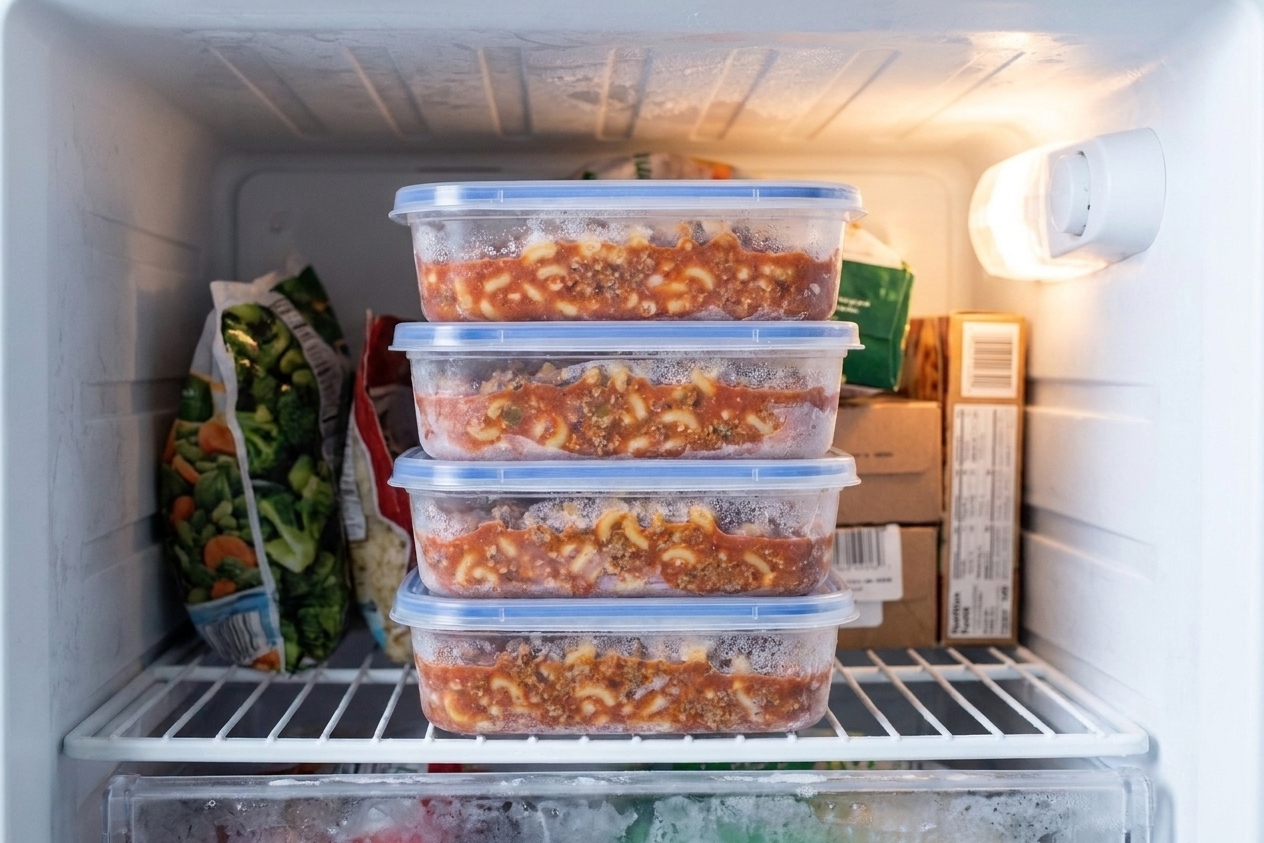
If you are freezing individual lunches, or you just know you will not cook pasta later, freezing it all together is totally workable. Just use the steps below to protect texture.
Option A: Freeze the base (no pasta)
Step 1: Cook up to the pasta step
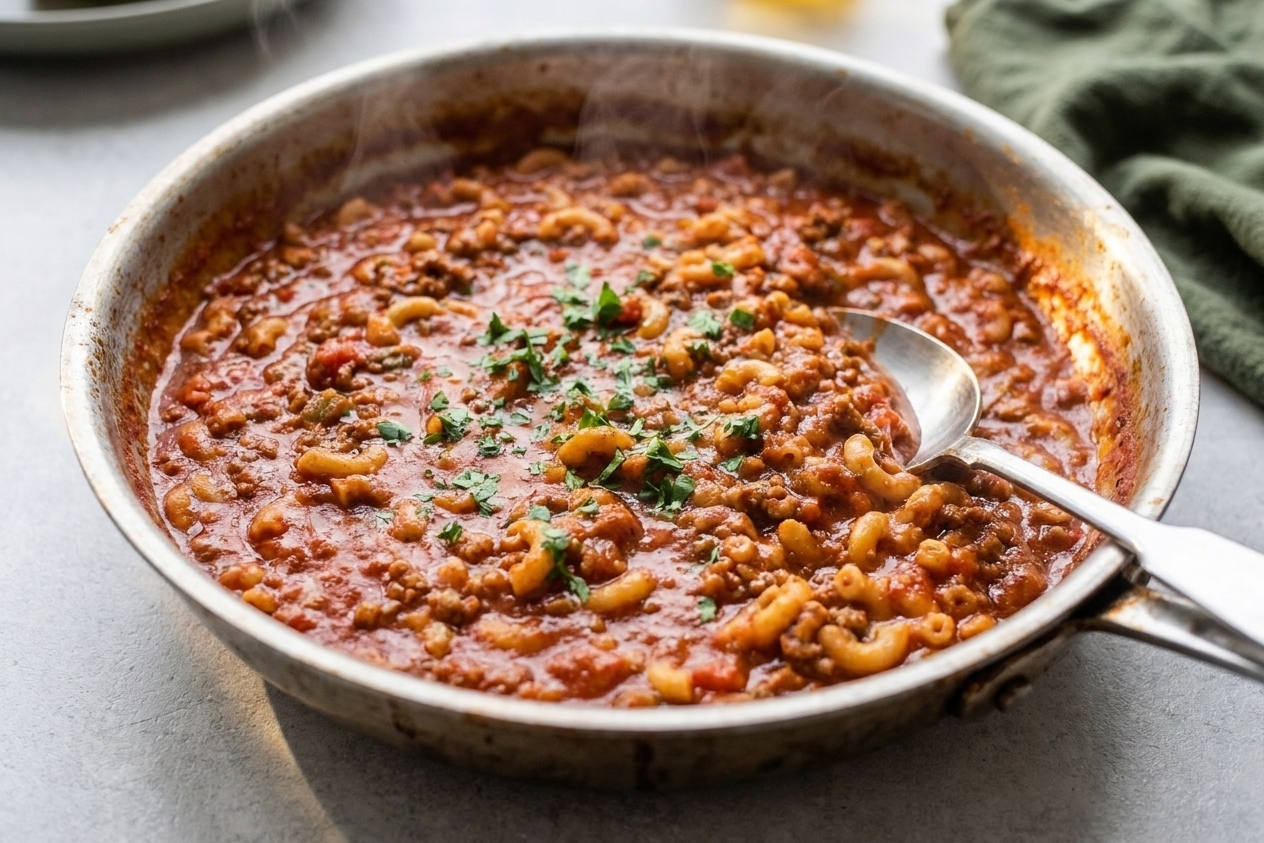
Make your American goulash as usual, but stop once the beef and tomato sauce portion is finished and seasoned. You want it a little saucy because it will tighten up after freezing and reheating.
Step 2: Cool it fast
Quality is one reason to cool quickly, but safety is the bigger one. Aim to get leftovers into the refrigerator within 2 hours total at room temperature (within 1 hour if it is very hot in your kitchen).
Here is my easy, low-stress method:
- Spread the goulash base into a wide, shallow pan so heat escapes quickly.
- Let it sit 20 to 30 minutes, stirring once or twice, just long enough for the steam to calm down.
- Then refrigerate until fully chilled.
If you are in a hurry, set the pan over a larger pan filled with ice water and stir for a few minutes.
Step 3: Pack it for the freezer
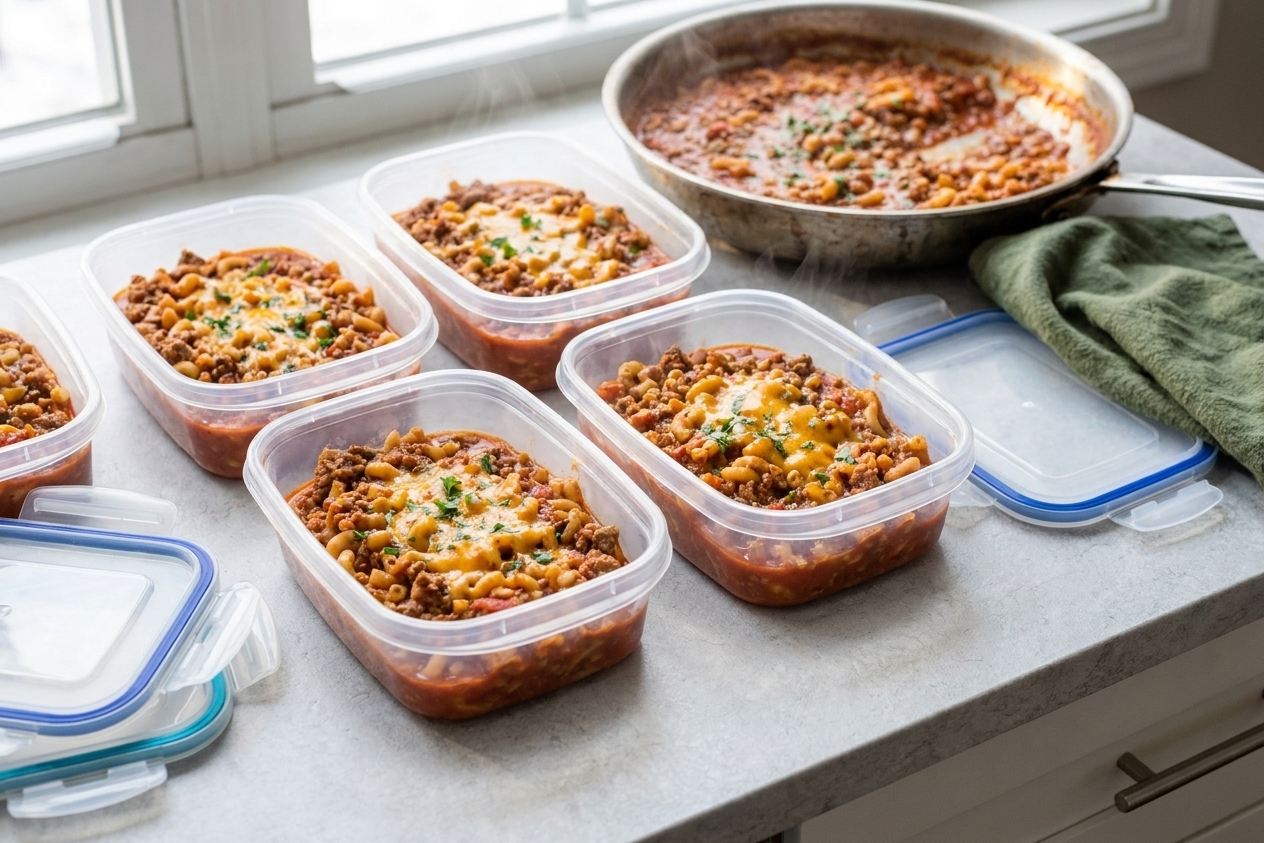
- Portion first: Freeze in dinner-size portions or single servings so it freezes, thaws, and reheats faster.
- Leave headspace: About 1 inch at the top for expansion if using containers.
- Go flat: For bags, lay them flat on a sheet pan until frozen, then store upright like books.
- Use freezer-friendly containers: Freezer-grade plastic, sturdy deli containers, or thick reusable freezer bags hold up best. Thin takeout containers can crack in the freezer.
Freezer temperature: This assumes a freezer at 0 F / -18 C or colder.
Freezer timeline: Best quality within 2 to 3 months. Kept at 0 F / -18 C, it stays safe indefinitely, but flavor and texture slowly decline over time.
How to serve after thawing
Cook elbow macaroni fresh and stir it into the reheated sauce. For a classic goulash feel, I like a little extra sauce in the pan, then add the pasta and let it simmer together for 1 to 2 minutes so it clings.
Option B: Freeze goulash with macaroni
Step 1: Cook the macaroni very firm
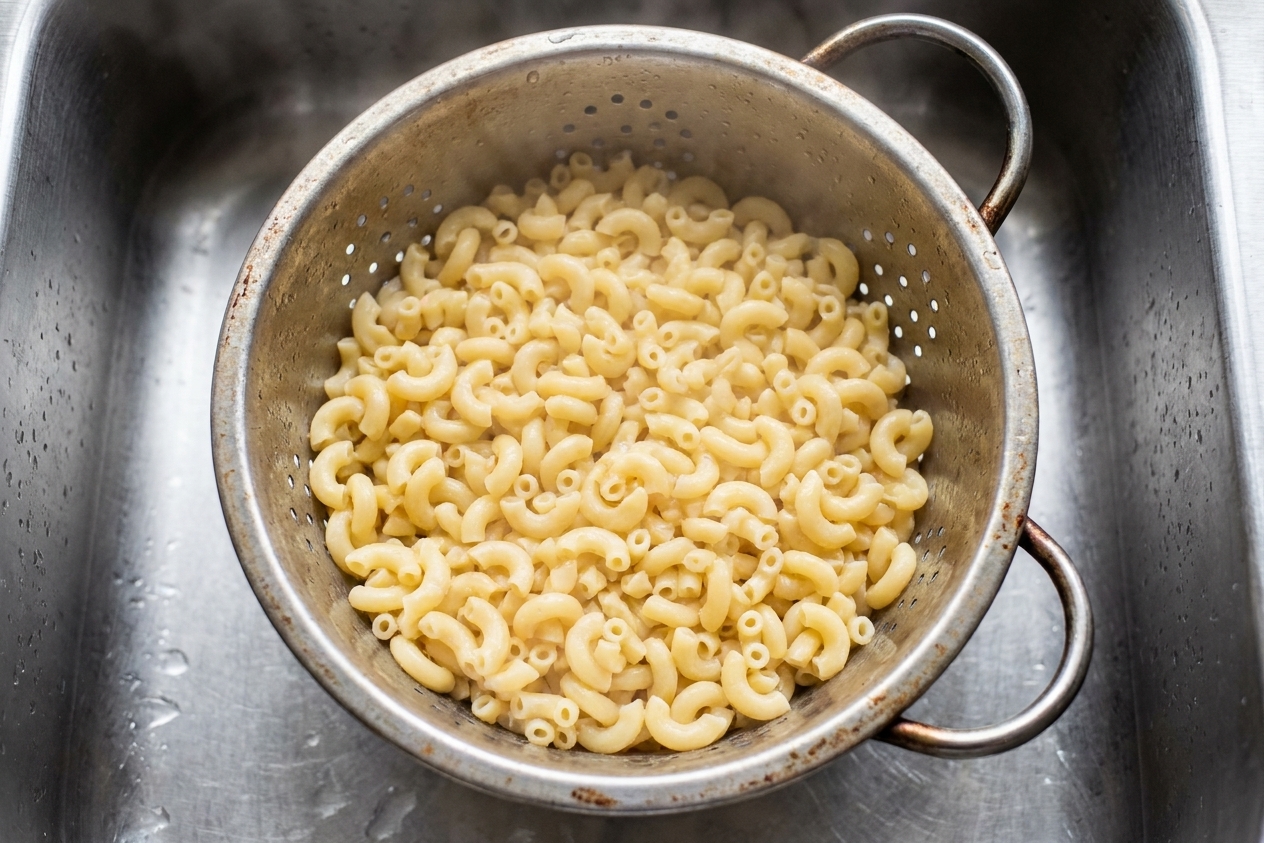
Cook the elbows 2 to 3 minutes less than the package directions, or until very firm in the center. They will finish softening during reheating.
Step 2: Keep it extra saucy
A slightly looser sauce protects the pasta from drying out during reheating, and it gives you room to add a splash of liquid later without washing out the flavor.
Step 3: Cool quickly and freeze quickly
This is the biggest texture saver when pasta is involved. The less time macaroni spends sitting in hot sauce, the better.
- Transfer goulash to shallow containers or a rimmed pan to cool.
- Refrigerate promptly and chill until cold.
- Freeze as soon as it is fully chilled.
Step 4: Pack in portions
Smaller portions freeze faster and reheat more gently, which helps pasta stay intact. If you freeze a giant block, the outer edge tends to overcook before the center is hot.
Thaw and reheat
For both options, food safety and good texture usually point to the same plan: thaw evenly, then reheat gently, then simmer briefly.
Best thaw: Overnight in the fridge
- Move your container from freezer to refrigerator the night before.
- Plan on 12 to 24 hours depending on portion size.
This keeps the food out of the temperature danger zone and gives you the most even reheat.
If you forgot: Cold water thaw
- Keep the goulash in a leakproof bag or tightly sealed container.
- Submerge in cold water and change the water every 30 minutes.
- Reheat immediately once thawed.
Note: If you thaw with cold water, do not refreeze it unless you reheat it first.
Reheat on the stove
This gives you the most control and the least chance of turning macaroni into paste.
- Add goulash to a saucepan or skillet.
- Add a splash of water, broth, or tomato sauce as needed to loosen it.
- Cover and warm over medium-low, stirring occasionally.
- Once bubbling, keep it at a gentle simmer for 2 to 3 minutes, then serve. Avoid a hard boil, especially if pasta is already in the pot.
For base only: Reheat the sauce, then stir in freshly cooked macaroni at the end.
Reheat in the microwave
- Put goulash in a microwave-safe bowl.
- Add a small splash of water or broth and stir. For a big bowl, add a bit more as needed.
- Cover loosely.
- Microwave at 50 to 70 percent power in 1 minute bursts, stirring each time, until hot.
Lower power is the trick. High power blasts the edges and overcooks the pasta before the center warms through.
Reheat temperature
Reheat leftovers until they are steaming hot throughout. If you use a food thermometer, aim for 165 F.
Packing tips
- Use rigid containers for pasta versions. Bags are great for sauce only, but cooked macaroni can get crushed and crumble when stacked.
- Press out air. Less air means less freezer burn and better flavor.
- Add a sauce buffer on top. When packing goulash with pasta, I like to spoon a little extra sauce over the surface so the top layer does not dry out.
- Label and date. Contents and a date save you from the "taco meat at 5 pm on a Wednesday" mix-up.
Goulash freezing FAQ
Can you freeze American goulash with cheese?
You can, but dairy can separate a bit after freezing. If your version includes lots of cheese, you will usually get a smoother result by adding fresh cheese while reheating instead of freezing it in the dish.
How long can it stay frozen?
For best flavor and texture, use it within 2 to 3 months. If it stays continuously frozen at 0 F / -18 C, it stays safe indefinitely, but quality declines over time. If it is frozen with pasta, the noodles tend to soften more the longer it sits.
Do whole wheat or gluten-free noodles freeze better?
Whole wheat pasta often holds up a little better because it is sturdier. Gluten-free pasta varies wildly by brand. If your gluten-free pasta gets mushy even as leftovers in the fridge, freeze the goulash base separately and cook fresh pasta after thawing.
Can I freeze goulash in glass?
Yes, as long as it is freezer-safe and you leave headspace for expansion. Chill the goulash completely before freezing to reduce temperature shock.
What is the biggest tip to avoid mushy pasta?
Freeze the sauce and beef mixture without the macaroni. If you do freeze it with pasta, cook the noodles very firm, cool quickly, and reheat gently.