

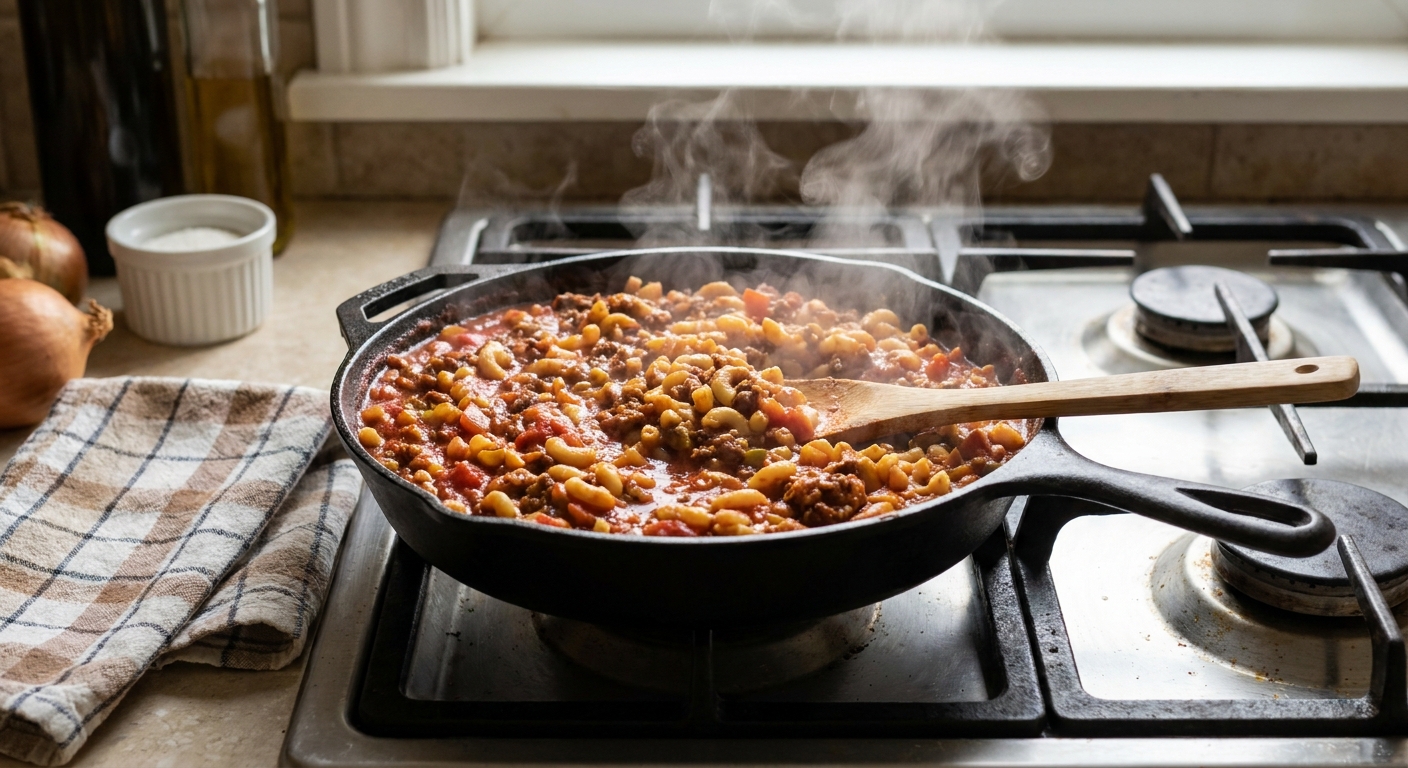
American goulash is one of those dinners I can make half-asleep and still feel like a hero when it hits the table. But there is one little grocery store decision that changes the whole vibe: which tomato product you grab. Tomato sauce, diced tomatoes, and tomato paste all taste like tomatoes, sure, but they bring different perceived sweetness and acid balance, different amounts of water, and very different thickness once the macaroni starts soaking everything up.
If you have ever ended up with goulash that is weirdly soupy, too tangy, or so thick it is basically casserole, this is the reason. Let’s fix it.

The quick answer
If you want classic, cozy American goulash that ends up saucy but not watery after the pasta cooks, my favorite approach is:
- Tomato sauce for the base (smooth, consistent, coats the pasta)
- Diced tomatoes for texture (little tomato bites, fresher flavor)
- A spoonful of tomato paste if you want it thicker and deeper (especially helpful if your sauce tends to be thin)
Think of it like this: sauce gives you the blanket, diced gives you the pops of tomato, paste gives you the bass note.
Easy ratio for a standard batch: 1 (15 ounce) can tomato sauce + 1 (14.5 ounce) can diced tomatoes + 1 to 2 tablespoons tomato paste.
Why tomatoes matter
American goulash is not like spaghetti, where you can simmer sauce until it is exactly the thickness you want and then spoon it over pasta. In goulash, the pasta is in the pot, and it acts like a sponge.
As the elbows cook, they absorb:
- Water, which thickens everything
- Salt, which can make the sauce taste flatter if the pot is under-seasoned
- Sweetness and acidity, which is why some goulash tastes surprisingly sharp or surprisingly sweet
So your tomato product choice needs to account for what will happen after the macaroni drinks up the liquid.
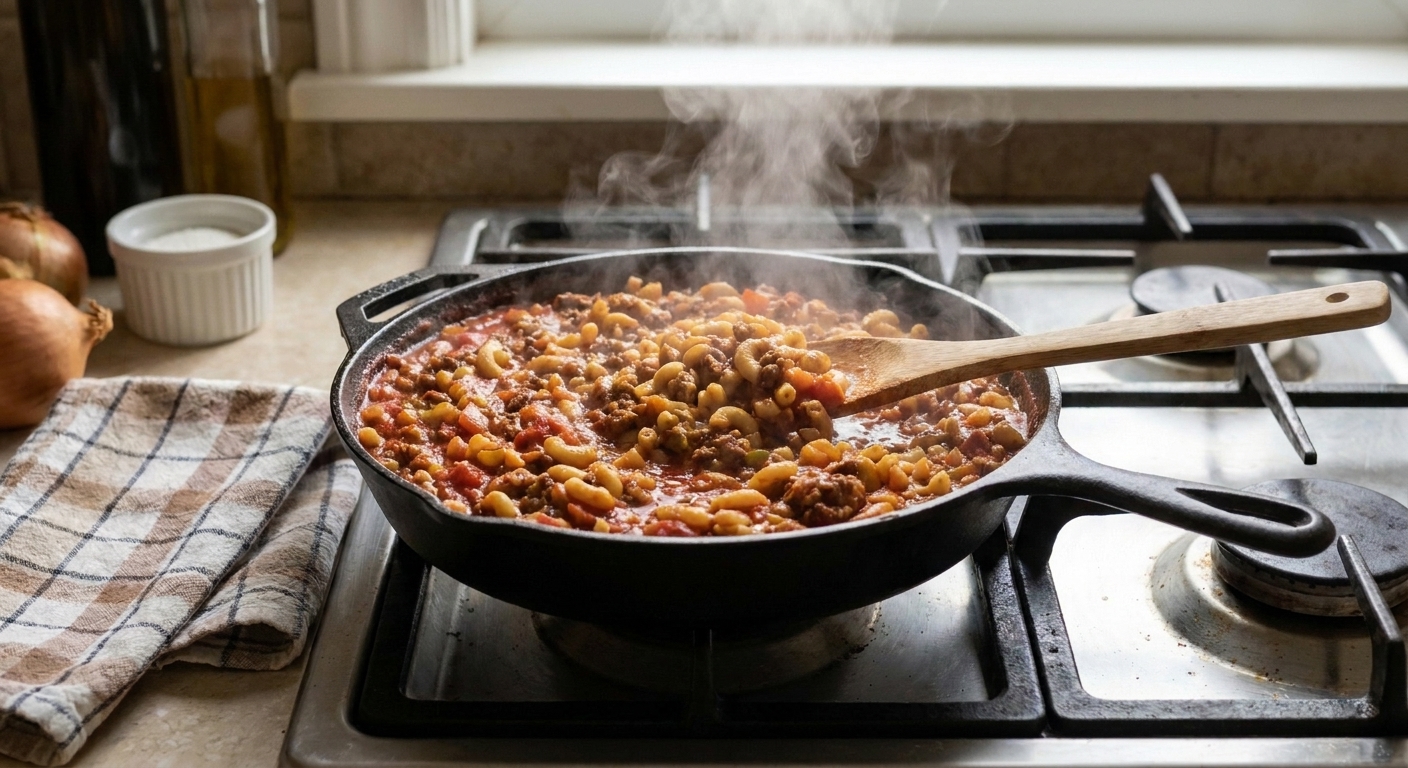
Tomato sauce
Tomato sauce is usually the easiest path to that old-school, nostalgic goulash texture. It is smooth, already broken down, and it thickens evenly as the pasta cooks.
Sweetness
Tomato sauce can taste a little sweeter than diced tomatoes, depending on the brand and whether it is made from purée, has added seasoning, or includes added sugar. If your goulash turns out sweet, check labels and choose a no-sugar-added tomato sauce next time.
How much water it adds
Tomato sauce is moderate on liquid. It is pourable, but not as watery as diced tomatoes in juice. That means you can usually add your broth or water in a more controlled way.
How thick it ends up
This is tomato sauce’s superpower. After the elbows cook and rest for a few minutes, goulash made with tomato sauce tends to land at saucy and cohesive, not separated.
Best for: picky eaters, super classic texture, weeknight consistency.
Diced tomatoes
Diced tomatoes are fantastic when you want your goulash to taste a little fresher and more tomato-forward. You also get texture, which I love.
Sweetness
Diced tomatoes usually read less sweet and more tangy than tomato sauce, but it depends on the label. They can also taste a bit sharper if they are packed with citric acid, and they can stay firmer if they include calcium chloride (common for keeping the cubes intact).
How much water it adds
This is the big one. Diced tomatoes bring a lot of extra liquid because of all that juice. Even “petite diced” still carries plenty of watery tomato juice into the pot.
How thick it ends up
You might think the pasta will soak up all that extra juice, and it will soak up some, but diced tomatoes often leave you with a goulash that feels:
- looser in the pot
- chunkier, with thinner liquid around the pieces if you do not simmer it down
- thicker the next day (the pasta keeps absorbing as it sits)
Best for: people who love tomato chunks, brighter flavor, goulash that is a little more rustic.
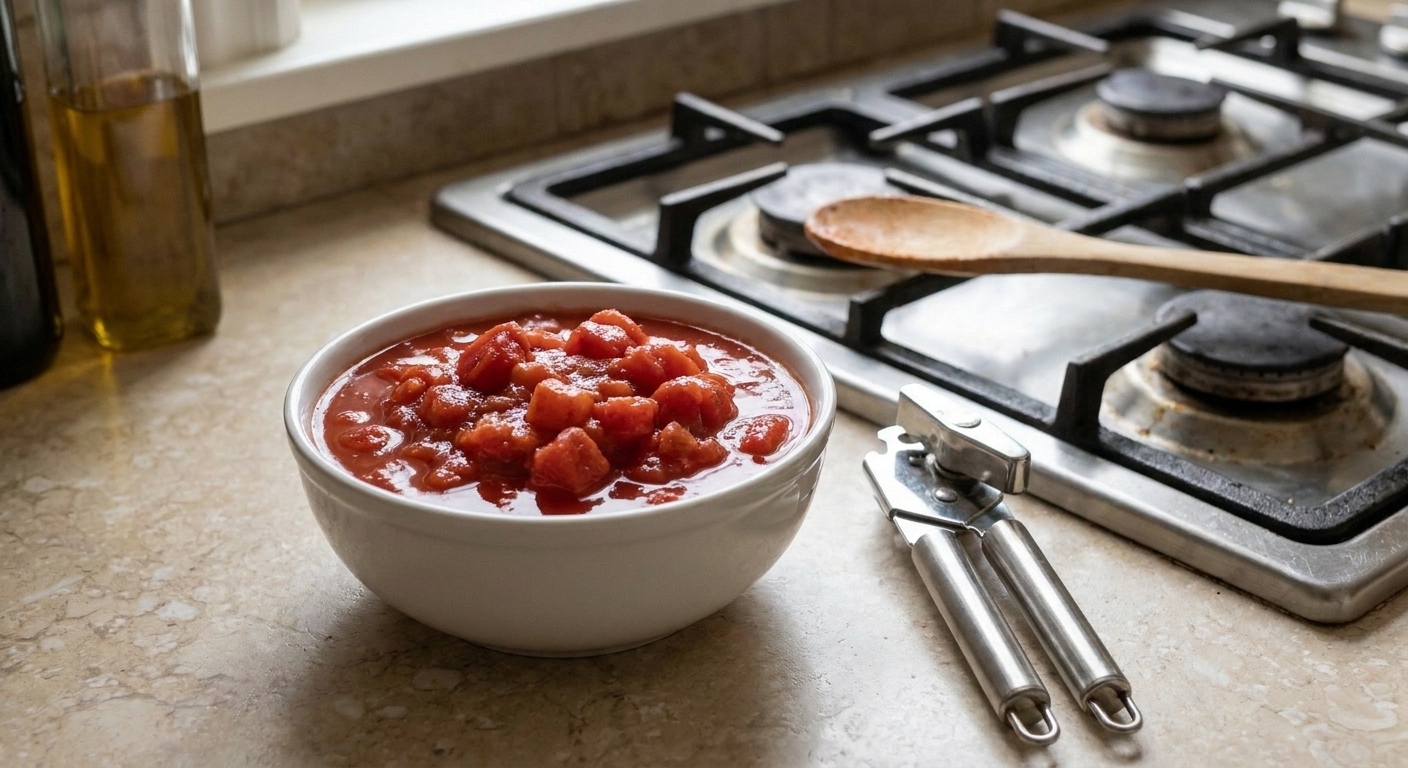
Tomato paste
Tomato paste is not usually the only tomato product you want in goulash, but it is the secret weapon when you need more richness or you accidentally made things too watery.
Sweetness
Tomato paste can taste slightly sweeter because it is concentrated tomato solids, but it also brings a deep, almost caramelized tomato flavor once you cook it for a minute or two with the beef and onions. It makes the whole pot taste more robust, not sugary.
How much water it adds
Very little compared with sauce or diced tomatoes. Paste is mostly tomato solids, so you are adding thickness and flavor, not much liquid.
How thick it ends up
Paste makes goulash end up thicker and more clingy, which is wonderful if you like a hearty, scoopable bowl. If you overdo it, it can tip into “too tight” once the elbows finish cooking and rest.
Best for: fixing thin sauce, boosting flavor fast, making the finished goulash feel richer.
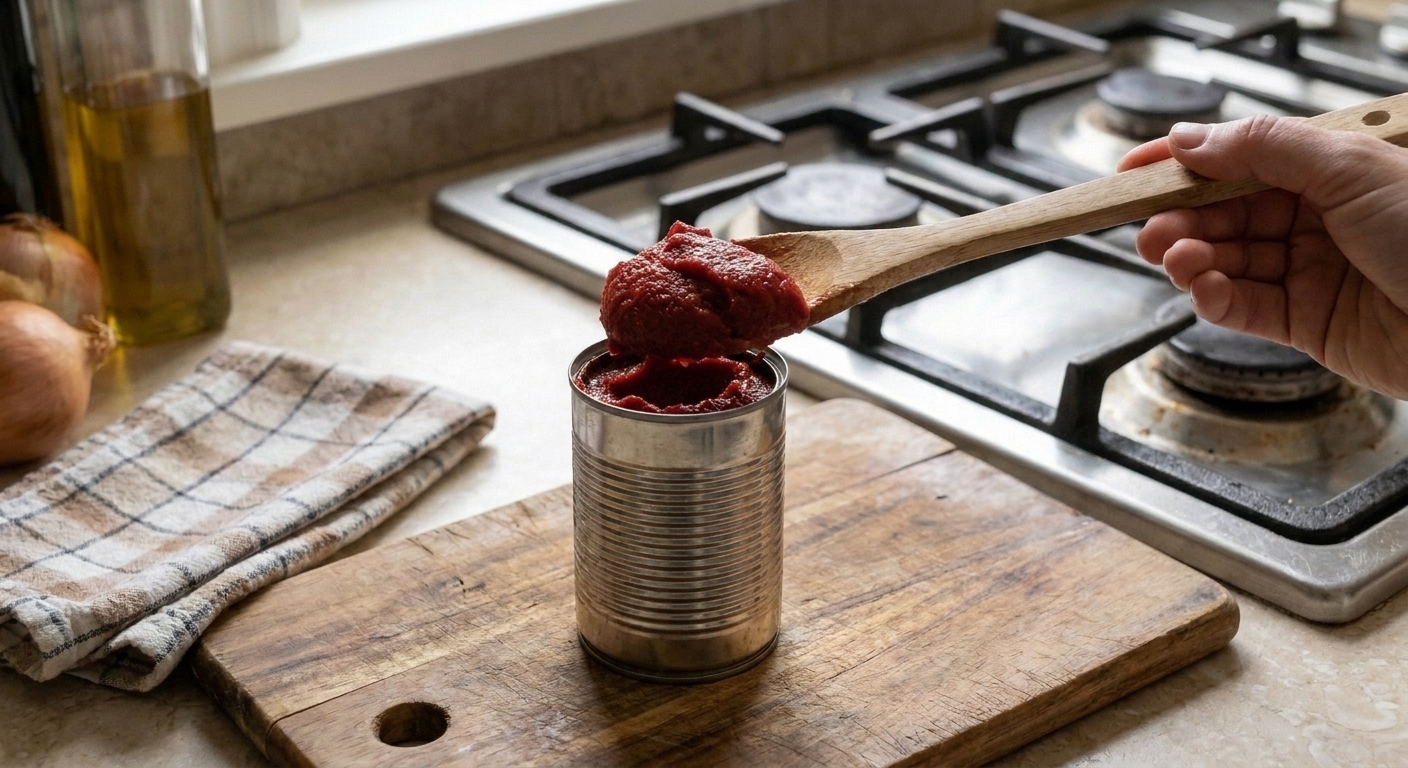
Crushed tomatoes
If you are staring at a can of crushed tomatoes and wondering where it fits, think of it as the middle ground between sauce and diced. It gives you more body than diced tomatoes, more texture than sauce, and the finished goulash usually lands in a really nice place.
How I use it: Swap crushed tomatoes in for either the sauce or the diced. If you use crushed as your only tomato product, you might still want 1 tablespoon of paste for depth, but you often do not need as much extra simmering.
What to buy
If you are standing in the tomato aisle and want the safest, happiest result, this is what I would put in the cart:
- 1 (15 ounce) can tomato sauce for a smooth base
- 1 (14.5 ounce) can diced tomatoes (regular or petite) for texture
- Tomato paste (a small can or tube) if you want an easy thickness and flavor boost
In the pot, that usually looks like: tomato sauce plus diced tomatoes, then 1 to 2 tablespoons tomato paste if the mixture looks thin before the pasta goes in, or if you know your family loves it thicker.
If you only have one
Real life is real life. Here is how to make goulash work when you are missing a piece.
If you only have tomato sauce
- For texture: add a handful of finely chopped fresh tomato if you have one, or leave it smooth.
- For brightness: add a small splash of vinegar or a squeeze of lemon at the very end, then taste. Go tiny and slow.
- For thickness: simmer 5 to 10 minutes before adding macaroni, or add 1 tablespoon paste if you also have it.
This version tends to be very classic and kid-friendly.
If you only have diced tomatoes
- To avoid soupy goulash: drain off some of the tomato juice, or be conservative with added broth or water at first.
- To make it feel saucier: mash some of the tomatoes with your spoon as it simmers, or blend a small portion and stir it back in.
- To tame sharpness: simmer a little longer, stir in a small knob of butter at the end, or add a tiny pinch of baking soda (seriously tiny) to mellow acidity without making it sweet.
Plan for the pot to tighten up a lot as it sits, so keep a splash of broth nearby for reheating.
If you only have tomato paste
You can still make goulash, but you will need to build your own “sauce.” Here is the simplest method:
- Cook your beef and onions.
- Stir in 2 to 4 tablespoons tomato paste and cook it for 1 minute to take the raw edge off.
- Add water or broth gradually until it looks like a loose, simmering sauce.
- Season well, then add macaroni.
This can actually be delicious, just be sure you add enough liquid before the pasta goes in because paste alone will not provide it.
Predict thickness
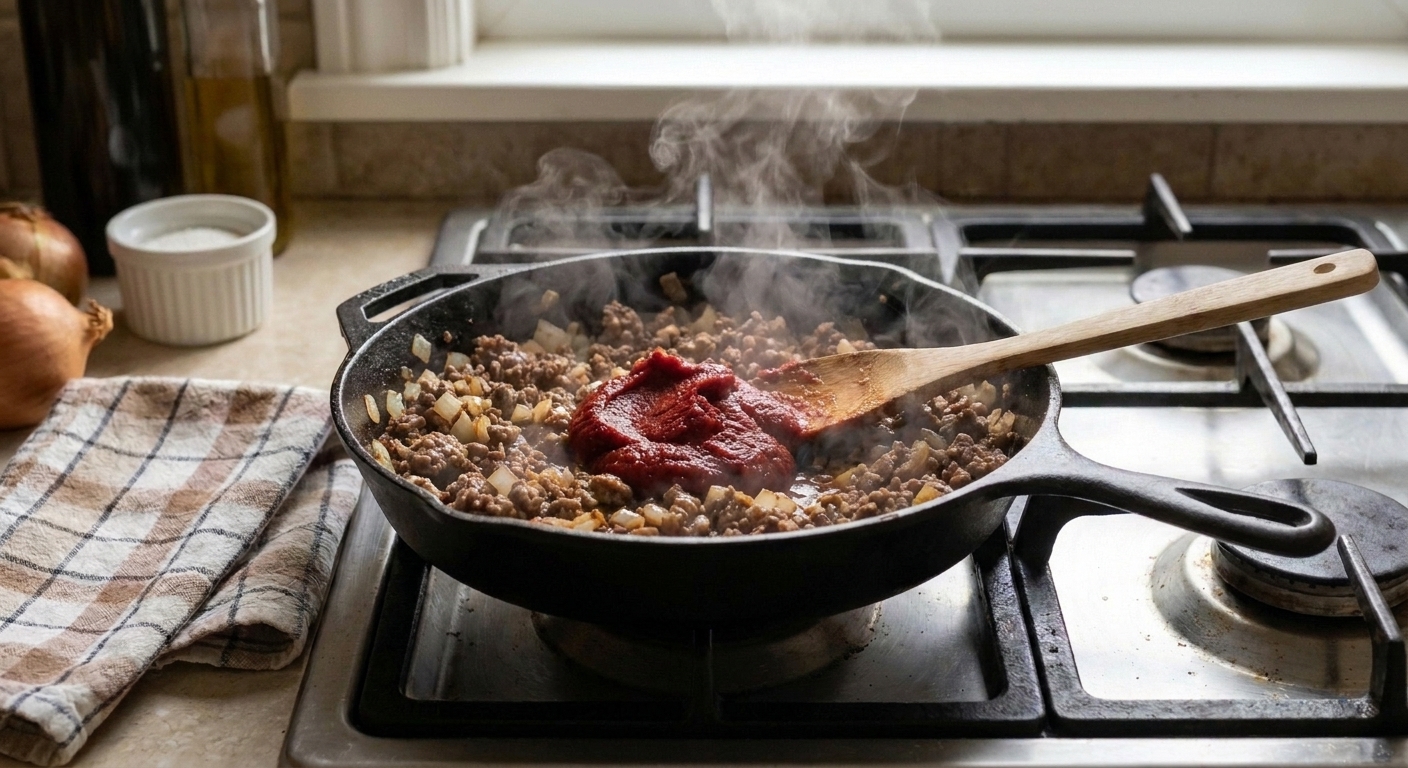
Here is my weeknight trick: before the pasta goes in, aim for the sauce to look slightly looser than you want to eat. The elbows will tighten it up, and it will thicken again as it rests.
- If it looks like soup: add tomato paste, simmer uncovered, or reduce the added broth.
- If it looks like spaghetti sauce: you are in a great place.
- If it looks thick and pasty already: add a splash of broth or water now, not later, so the pasta cooks evenly.
And once the macaroni is tender, give it 5 minutes off the heat. That rest is where goulash goes from “watery” to “perfectly saucy.”
FAQ
Will tomato sauce make my goulash sweeter?
It can, depending on the brand. If you are sensitive to sweetness, choose a no-sugar-added tomato sauce and lean on garlic, paprika, and black pepper for warmth instead of adding sugar.
Do I need tomato paste if I use tomato sauce?
No, but it helps. Tomato sauce gives structure, and a tablespoon or two of paste adds depth and makes the finished goulash cling to the macaroni instead of pooling at the bottom.
Should I drain diced tomatoes for goulash?
If you like thicker goulash, yes, at least partially. If you like it looser and brothier, keep the juices. When in doubt, drain a little and add liquid back later if needed.
My goulash got too thick after it sat. How do I fix it?
Warm it gently and stir in broth or water a splash at a time until it loosens. Taste for salt again. Pasta absorbs seasoning along with liquid, so leftovers often need a little extra salt and pepper.