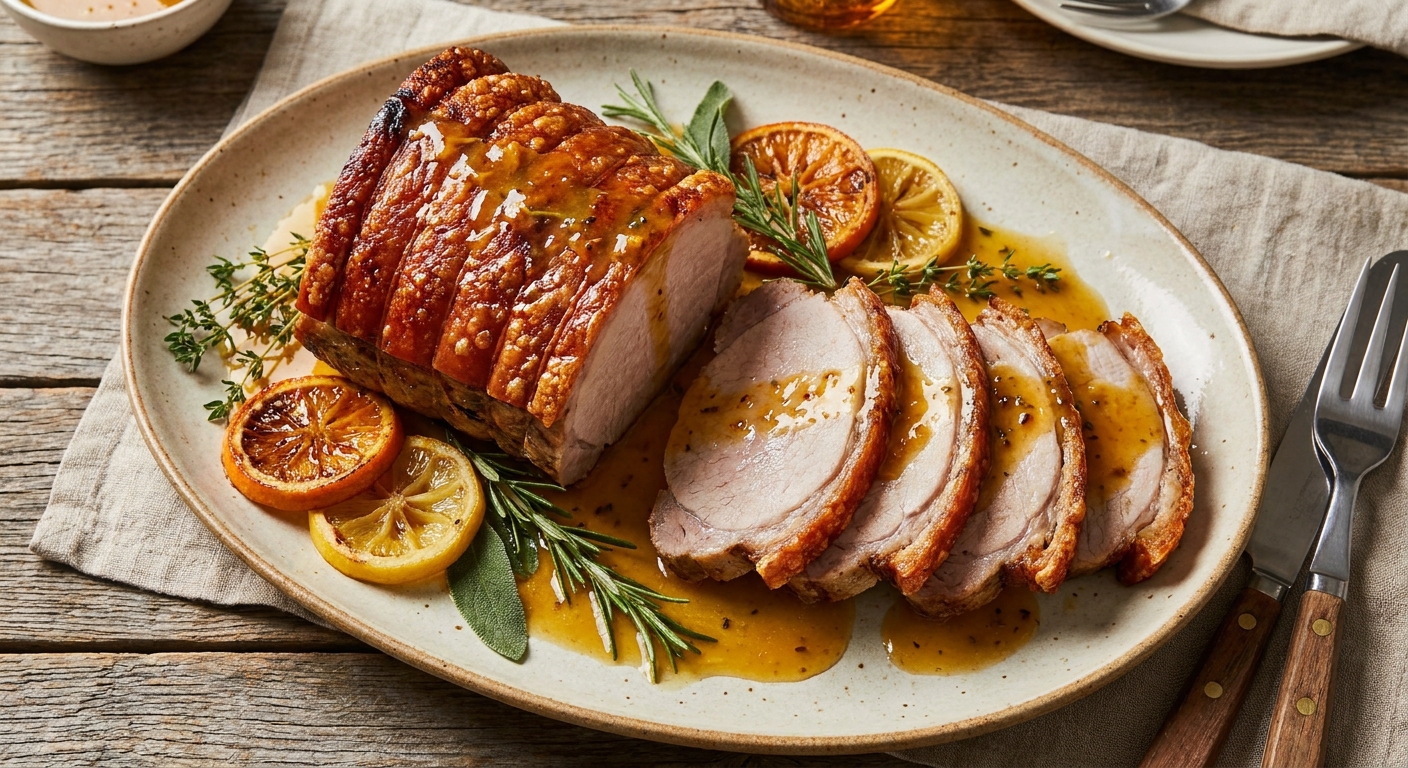
A tender pork roast with a sunny citrus and garlic glaze that turns into a glossy pan sauce. Simple steps, big flavor, and plenty of options for sides and le...
Recipeva
Modern Pork Chops
Juicy, flavor-packed modern pork chops made easy: quick brine, bold pan sauce ideas, safe doneness temps with resting, and weeknight methods for stovetop, oven, grill, or air fryer.

Maya Reynolds
Maya Reynolds is a passionate home cook, recipe developer, and the creative voice behind Recipeva. With over a decade of experience translating complex culinary techniques into approachable weeknight meals, she focuses on creating dishes that bring joy to the dinner table without the stress.
Created September 22, 2026
Updated September 22, 2026
Let’s be honest: pork chops have a reputation. Dry. Tough. Kind of… stressful.
Modern pork chops do not have to be any of those things. Today’s pork is leaner, which means it cooks faster and needs a little strategy. The good news is you do not need fancy equipment or chef-y tricks. You just need the right cut, a simple seasoning plan, and the confidence to pull them off the heat at the right moment.
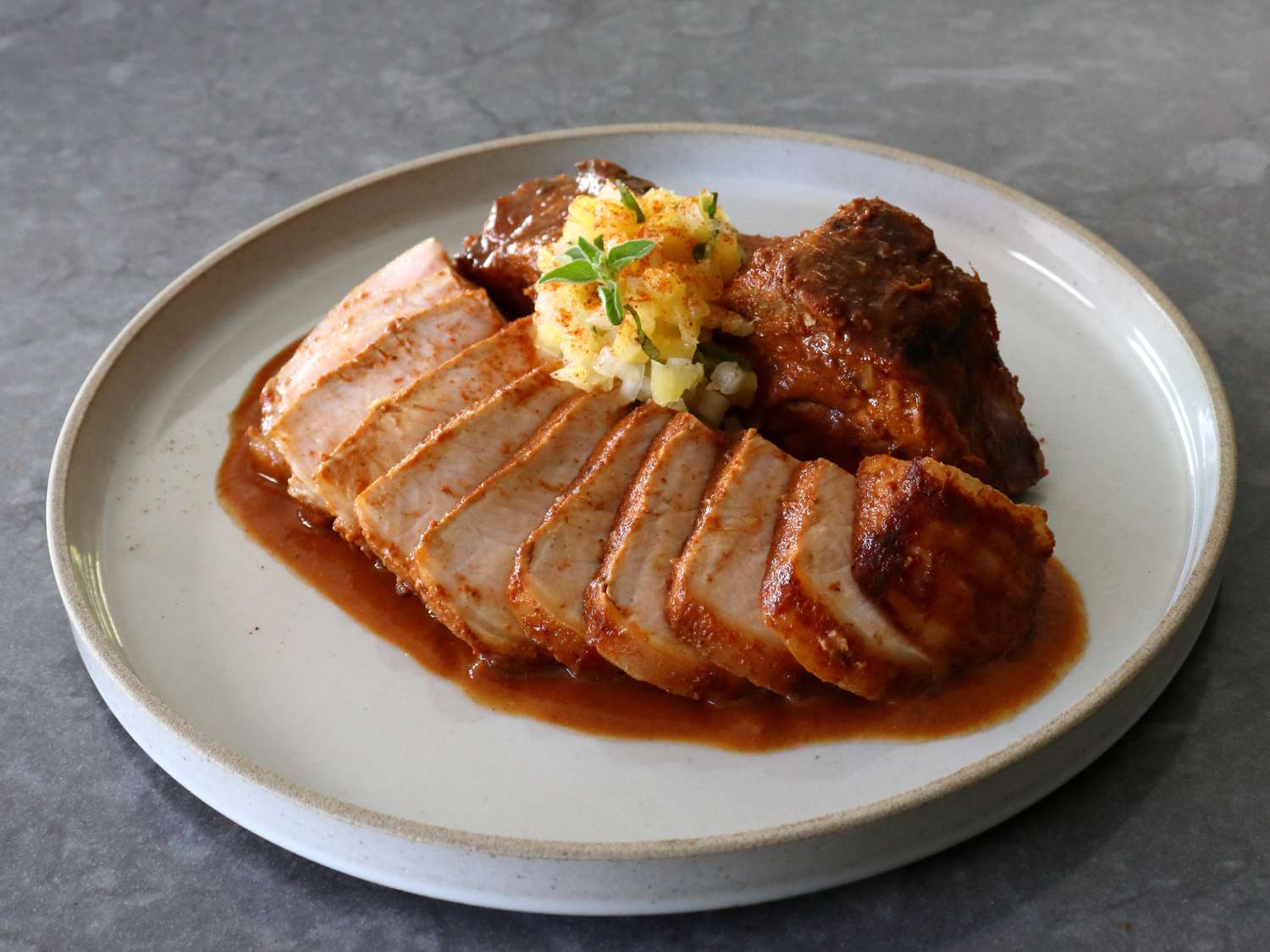
What makes pork chops modern?
To me, “modern” pork chops are not a trend. It is an updated technique for today’s leaner pork.
- Cook for tenderness: We aim for juicy, slightly blushing pork that is safe and delicious, not chalky.
- Big flavor with simple pantry building blocks: Think miso, Dijon, smoked paprika, chili crisp, or a quick pan sauce with lemon and herbs.
- Weeknight-friendly techniques: Fast brines, quick marinades, and reliable cooking methods that work with real schedules.
Pick the right chop
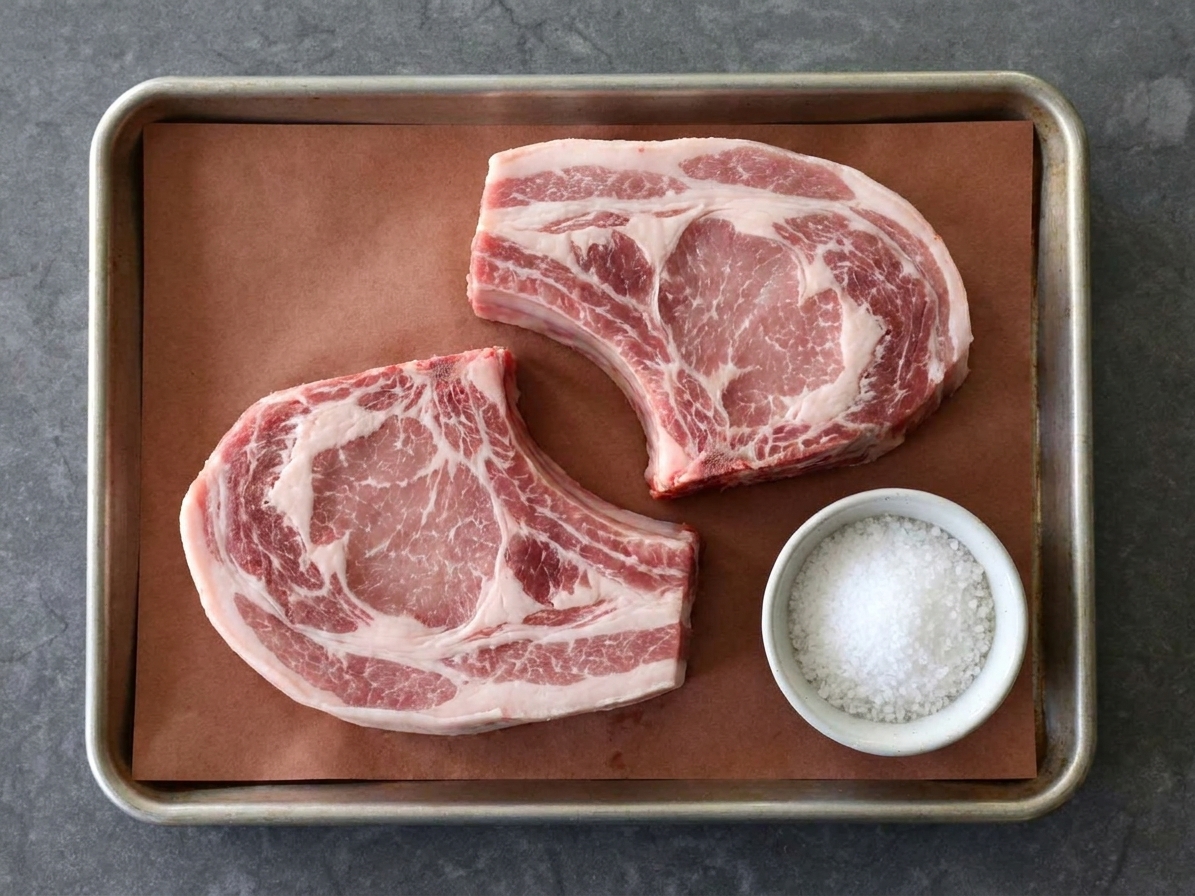
If you have ever had a dry pork chop, there is a good chance it was a thin, very lean chop cooked just a bit too long. Here’s how to stack the odds in your favor at the grocery store.
Best cuts for juicy results
- Bone-in rib chop (my favorite): Great marbling, cooks evenly, stays juicy.
- Center-cut loin chop: Leaner but still reliable if it is thick enough.
- Shoulder chop (blade chop): More flavorful and forgiving, slightly more connective tissue.
Thickness rule
Aim for 1 to 1.5 inches thick. Thin pork chops can be tasty, but they go from juicy to overcooked in under a minute. If thin pork chops are what you have, use the fastest methods and pull a little closer to 140°F.
Doneness that keeps pork chops tender
The simplest modern upgrade is this: stop cooking pork chops to well-done.
USDA guidance: Whole cuts of pork are safe at 145°F with a 3-minute rest.
My target for most 1 to 1.5 inch pork chops: Pull at 135 to 140°F, then rest. They will usually coast up toward 145°F.
- For thinner or boneless pork chops: Carryover is smaller, so aim closer to 140°F before resting.
- For very thick, bone-in pork chops: Pulling closer to 135°F can work, especially if you sear hard and finish gently.
- 145°F: Juicy, tender, faint blush in the center.
- 150 to 155°F: Still okay, but noticeably drier.
- 160°F+: Classic “why is it so chewy?” territory.
Maya tip: If you do not own an instant-read thermometer yet, this is your sign. It is the single tool that makes pork chops feel effortless.
Two prep moves I lean on
1) The 15-minute quick brine
This is my weeknight secret weapon. It seasons the meat all the way through and helps it hold onto moisture.
- 4 cups cold water
- 30 to 50 grams kosher salt (brand matters: Diamond Crystal is lighter than Morton)
- 1 tablespoon brown sugar or honey (optional but lovely)
Stir to dissolve, add pork chops, and brine 15 to 45 minutes in the fridge. Discard brine and pat pork chops very dry before cooking.
2) Dry brine (least mess, best overnight)
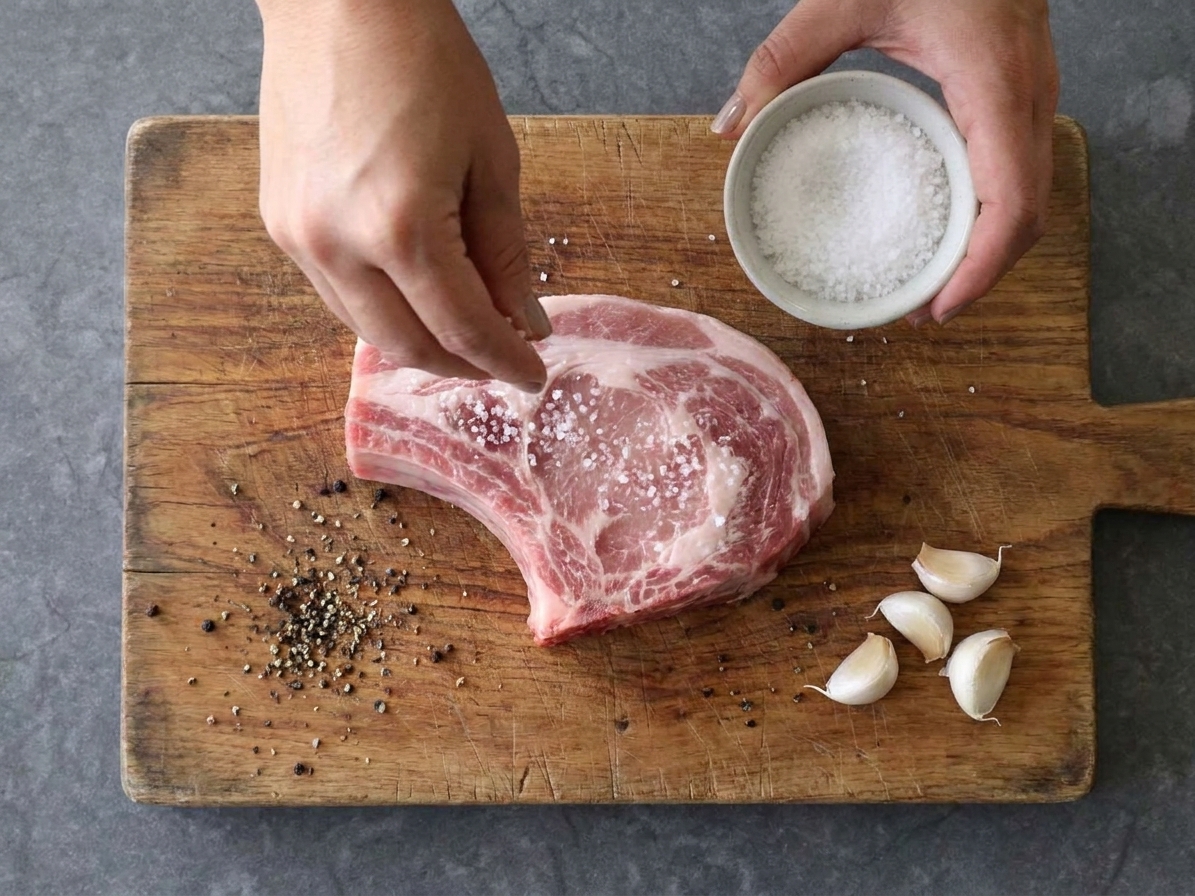
Salt pork chops generously on both sides and let them sit at least 15 minutes (or up to overnight, uncovered, in the fridge). Fifteen minutes helps. Overnight is where it really shines.
Four modern ways to cook pork chops
Choose based on your kitchen setup and your mood. All of these work. The key is temperature control and a solid rest.
1) Pan-seared with a fast pan sauce
This is the most restaurant-feeling method with the least effort.
- Pat pork chops dry. Season with salt and pepper (plus any spice blend you like).
- Heat a skillet over medium-high. Add 1 tablespoon high-heat oil (avocado, canola, grapeseed).
- Sear until deeply browned, usually 2 to 5 minutes per side depending on thickness and your stove.
- Reduce heat to medium. Add 1 tablespoon butter plus garlic and herbs if using, and baste briefly.
- Pull at 135 to 140°F (use the higher end for thinner or boneless pork chops). Rest 5 to 10 minutes.
- For a sauce, deglaze with a splash of broth, wine, or cider vinegar, then finish with a little butter or cream.
2) Sear then finish in the oven
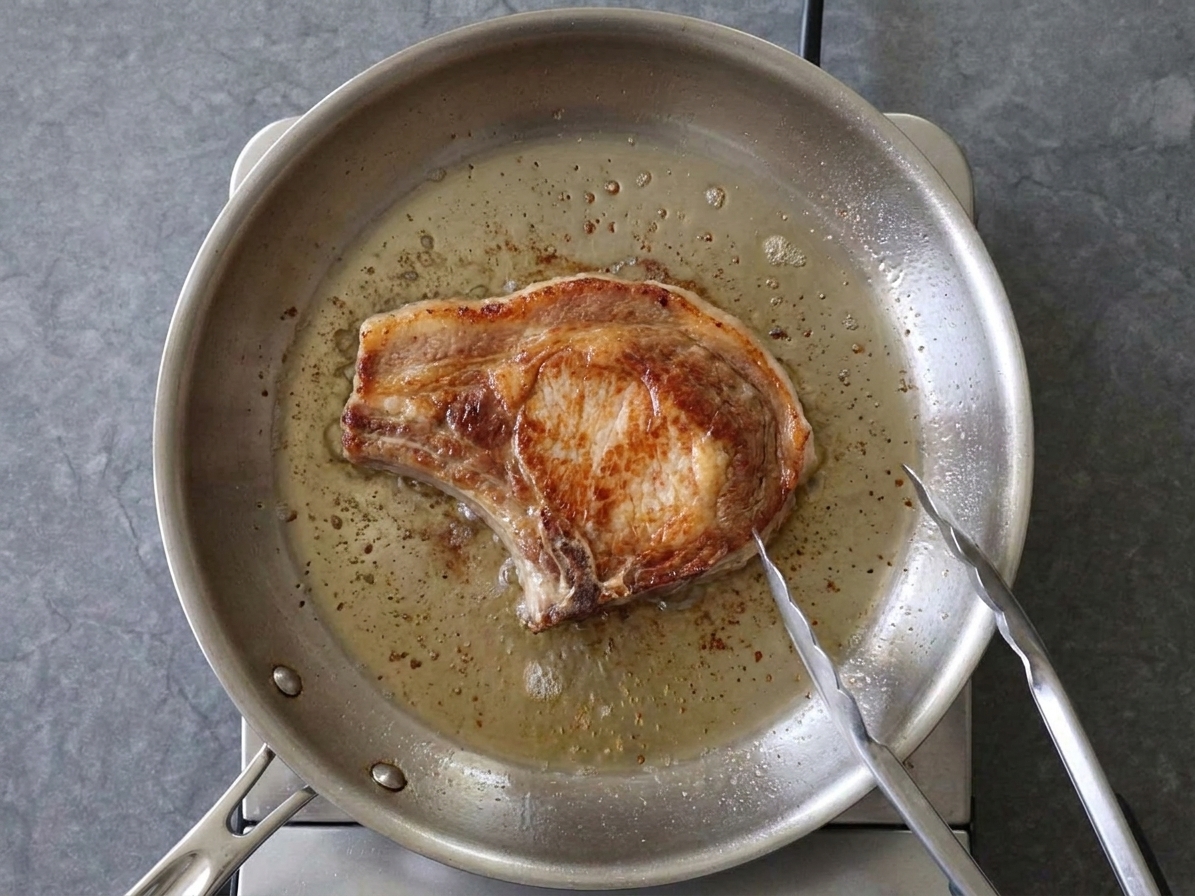
Sear first for color, then let the oven gently bring the center up to temp. This is especially great for thick pork chops.
- Sear in an oven-safe skillet.
- Transfer to a 400°F oven for 5 to 12 minutes, then check temperature.
- Pull at 135 to 140°F, rest, then sauce.
3) Grill for smoky flavor
Grilling is fantastic with bold rubs and bright finishes like chimichurri or lemony herbs.
- Preheat for two-zone heat (one hot side, one cooler side).
- Sear over direct heat, then move to indirect to finish.
- Pull at 135 to 140°F, rest, then slice.
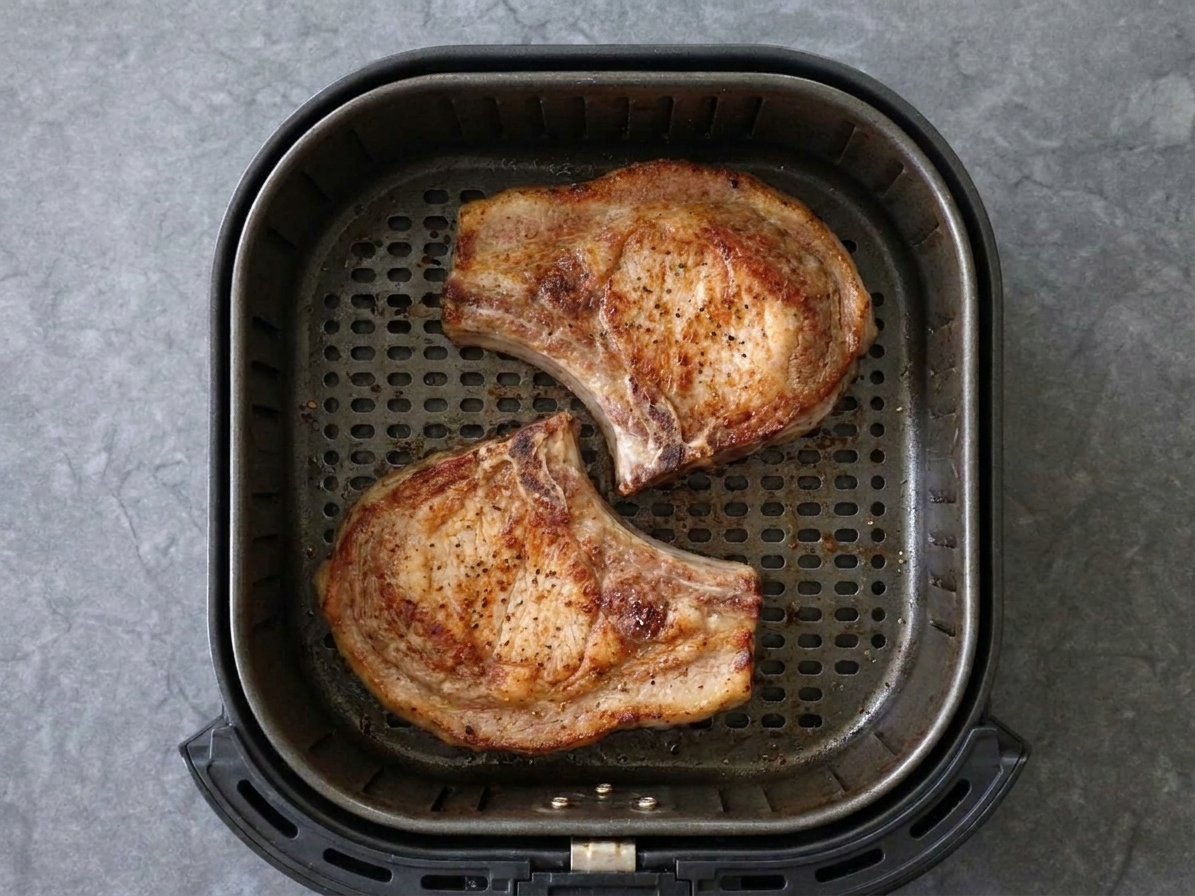
4) Air fryer for speed
Air fryer pork chops can be shockingly juicy if you do not overcook them.
- Preheat air fryer to 400°F.
- Lightly oil and season pork chops.
- Cook 8 to 14 minutes, flipping halfway, then check temperature.
- Pull at 135 to 140°F and rest.
Modern flavor combos
If you have salt, pepper, and garlic, you are already in business. These are my favorite directions that feel current and fresh without being fussy.
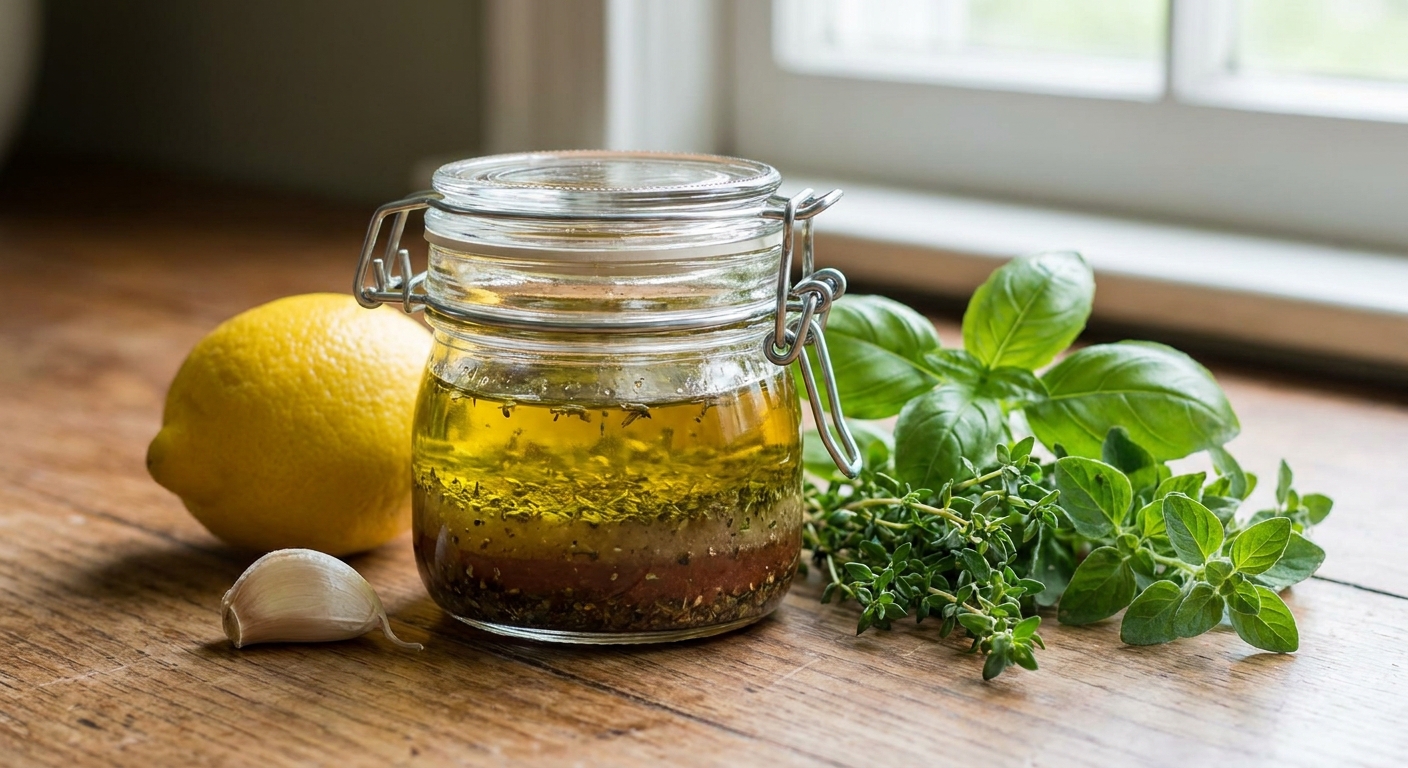
Miso maple glaze
- 1 tablespoon white miso
- 1 tablespoon maple syrup
- 1 teaspoon rice vinegar
- 1 teaspoon grated garlic or ginger
Brush on during the last couple minutes of cooking so it does not burn.
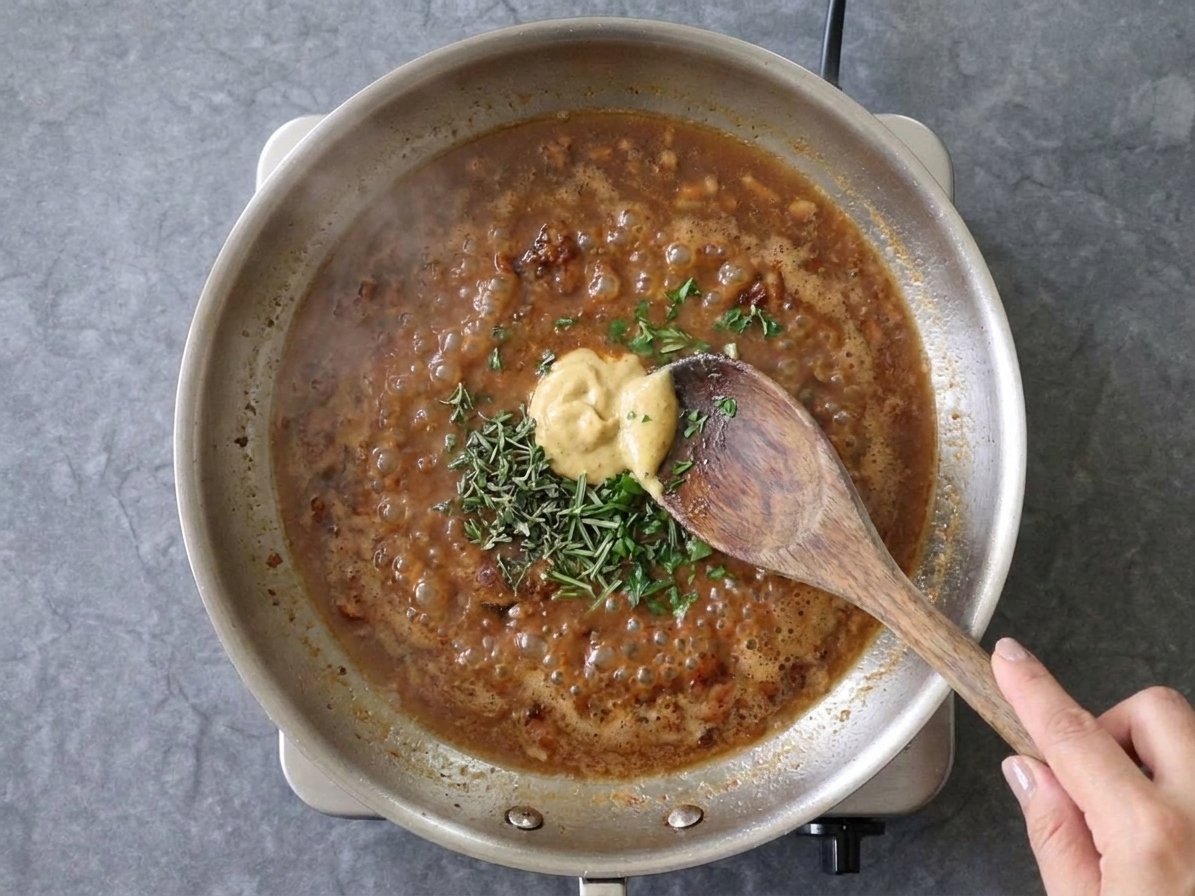
Dijon herb pan sauce
- 1/2 cup chicken broth
- 1 to 2 teaspoons Dijon
- 1 teaspoon lemon juice
- 1 tablespoon butter
- Chopped parsley or thyme
Smoky paprika and garlic (my weeknight rub)
- 1 teaspoon smoked paprika
- 1/2 teaspoon garlic powder (or fresh grated garlic after searing)
- 1/2 teaspoon onion powder
- Pinch of chili flakes
- Black pepper
Chili crisp and lime
Spoon chili crisp over rested pork chops and finish with a squeeze of lime. Add scallions if you have them.
Resting and slicing
Resting is not optional if you want juicy pork chops. Give them 5 to 10 minutes on a plate. If you are aiming for USDA guidance, make sure you give them at least 3 minutes of rest.
If you are serving family-style, slice against the grain and spoon any resting juices into your sauce. That is pure flavor.
Food safety notes
- Brine pork chops in the refrigerator, not on the counter.
- Discard brine after use. Do not reuse it as a sauce.
- Use separate tongs and cutting boards for raw and cooked pork, and wash hands after handling.
- Pat pork chops dry before cooking for better browning and less splatter.
Troubleshooting
“They are dry.”
- You likely cooked past 145°F. Use a thermometer and pull earlier next time.
- Choose thicker pork chops or a more marbled cut like rib or shoulder.
- Try a quick brine or dry brine.
“They are tough.”
- Very lean pork chops can get tight if cooked too long. Temperature is everything.
- Do not cook on screaming-high heat the entire time. Sear, then moderate the heat to finish.
“They are pale and boring.”
- Pat dry before cooking. Moisture is the enemy of browning.
- Preheat the pan properly and do not move the pork chop too soon.
- Use enough fat in the pan to get a confident sear.
What to serve with modern pork chops
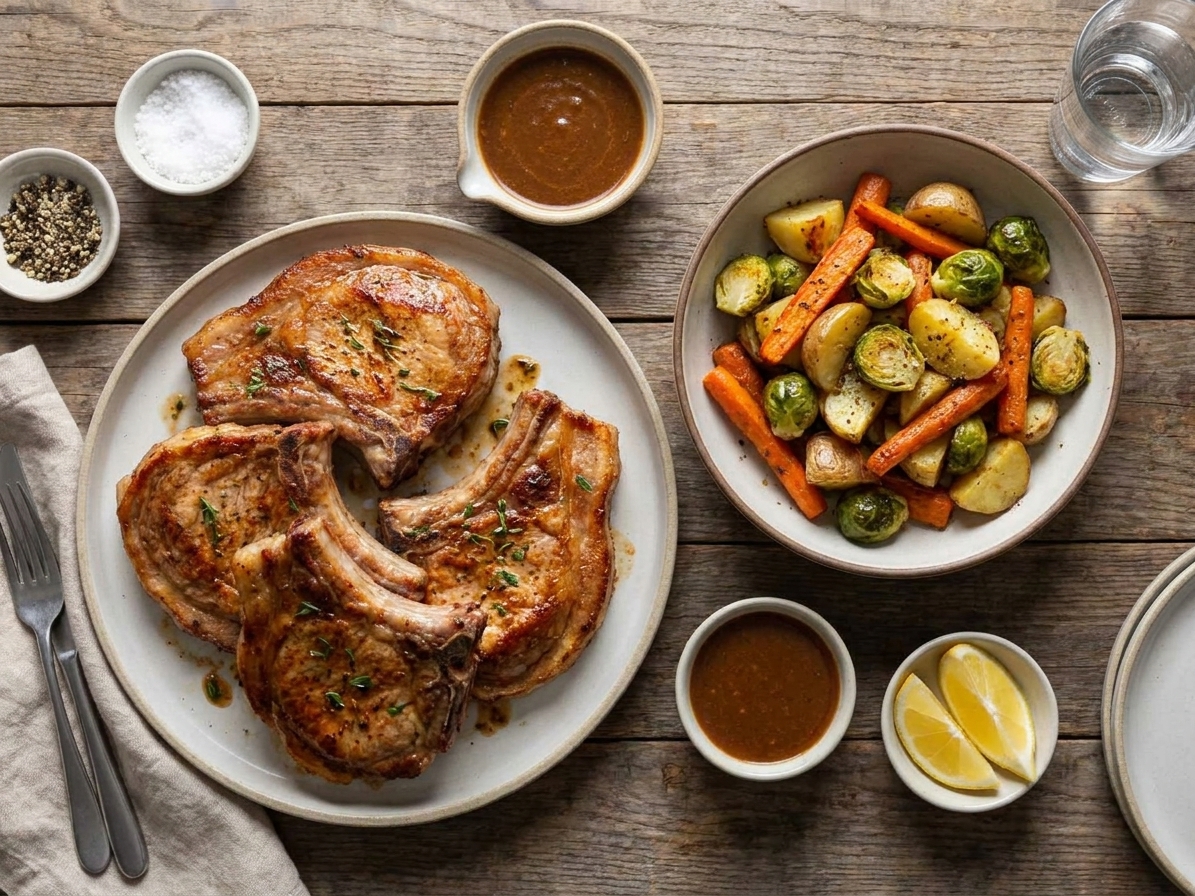
I love pairing pork chops with sides that are either crisp and bright or cozy and creamy.
- Bright: arugula salad with lemon, shaved fennel, quick-pickled onions, citrus segments
- Cozy: mashed potatoes, roasted sweet potatoes, buttered noodles with herbs
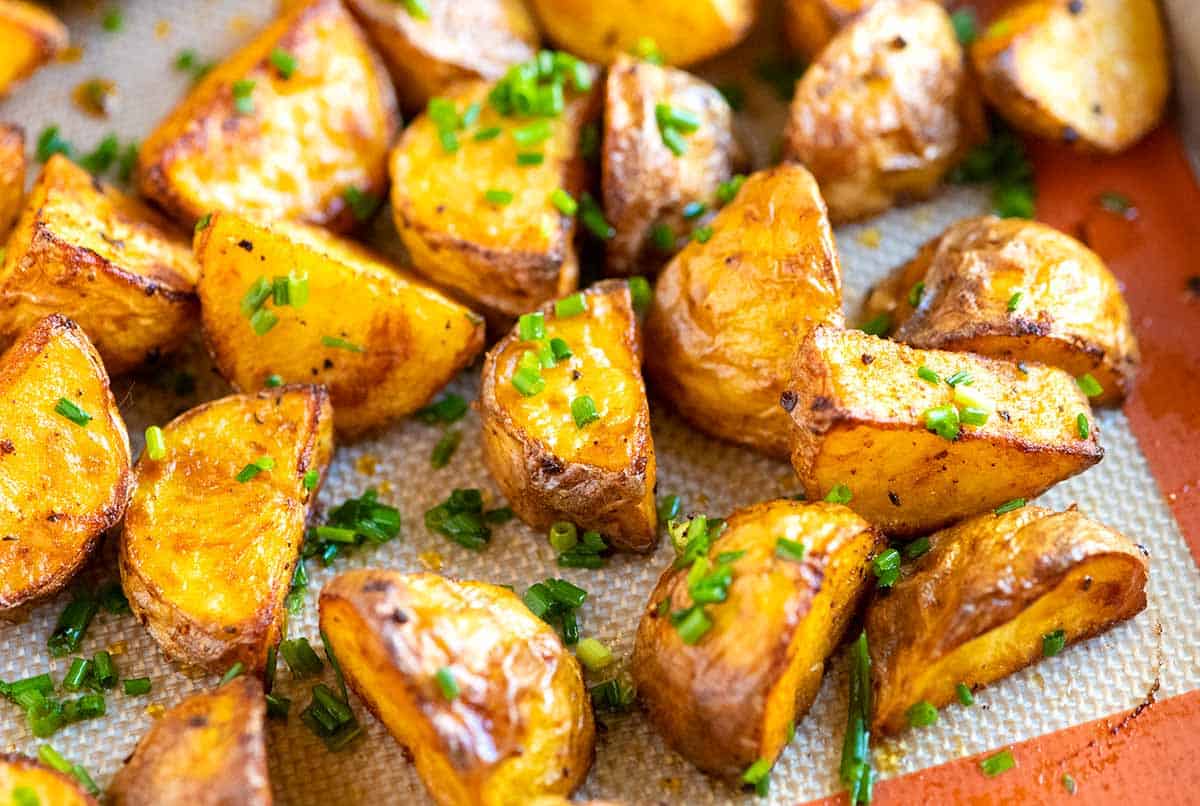
- Weeknight veggie: sheet pan broccoli, green beans with garlic, sautéed cabbage
- Grainy and hearty: farro, rice pilaf, quinoa with scallions
FAQ
Are pork chops safe if they are slightly pink?
Yes, as long as the thickest part reaches 145°F and you rest them for at least 3 minutes. A faint blush is normal and often ideal for tenderness.
Should I use boneless or bone-in?
Both work, but bone-in is more forgiving and tends to stay juicier. Boneless pork chops are great for speed, just watch the temperature closely and pull closer to 140°F before resting.
Can I marinate pork chops overnight?
Absolutely. Just keep very acidic marinades (lots of vinegar or citrus) to 2 to 6 hours so the texture stays nice. For overnight, use yogurt-based, miso-based, or oil-forward marinades.
What skillet is best for searing?
Stainless steel or cast iron both work beautifully. Stainless gives a great fond for pan sauce. Cast iron holds heat like a champ.
A simple game plan
If you want one no-stress blueprint, here it is:
- Buy 1 to 1.5 inch thick pork chops, preferably bone-in.
- Quick brine for 15 to 45 minutes (or dry brine if you prefer).
- Pat dry, season boldly.
- Pan-sear, then pull at 135 to 140°F based on thickness and whether they are bone-in or boneless.
- Rest at least 3 minutes (5 to 10 is even better), then finish with a punchy sauce like miso-maple or Dijon-herb.
You are not chasing perfection here. You are building a weeknight ritual that feels good, tastes great, and gets you a juicy pork chop every single time.