

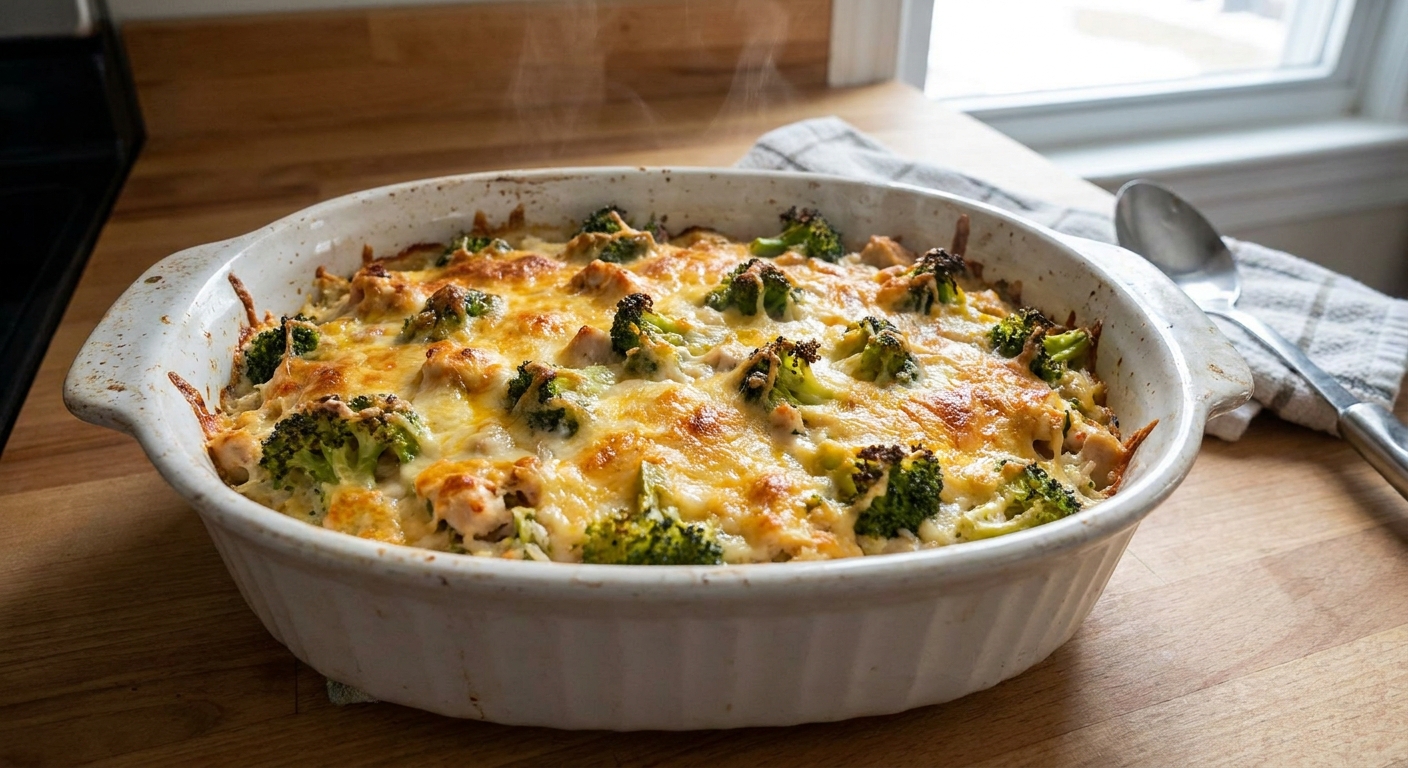

When I was teaching middle school, potlucks were basically a sport. Someone always brought a chicken broccoli rice casserole, and someone always asked, quietly, “What rice did you use?” Because that one choice changes everything. Grab the wrong box and you can end up with rice that is chalky in the middle or a casserole that eats like soup.
This is a before-you-mix decision. Below I’ll walk you through what happens when you use Minute Rice (instant) vs uncooked long-grain white rice in a baked chicken broccoli rice casserole, and exactly how it affects liquid, whether you need to par-cook, bake time, and that fluffy, scoopable texture we all want.
The quick answer
If your recipe is written for Minute Rice, use Minute Rice. It is designed to hydrate fast and finish in the oven without much liquid management.
If your recipe is written for uncooked long-grain rice, use uncooked long-grain rice. It needs more liquid and more time, and it depends on a tight cover and steady oven heat to cook through.
If you are standing in the rice aisle with a casserole on your mind, here is my buying shortcut:
- Need dependable, fluffy, weeknight casserole results? Minute Rice is the safer pick.
- Want the best, separate grains and more classic rice texture? Long-grain can be amazing, but only if the recipe is specifically built for it.
Why they cook differently
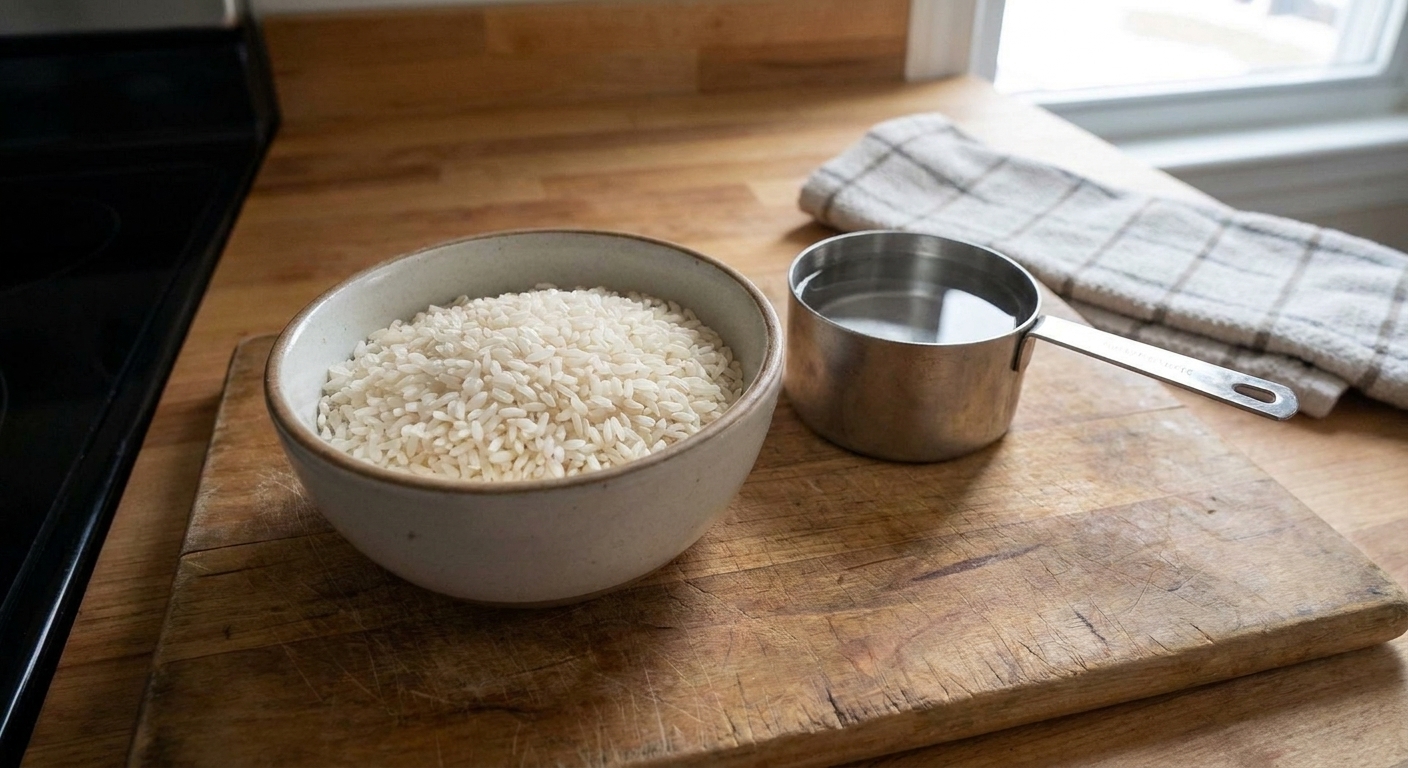
Minute Rice (instant rice) is typically precooked (often parboiled or fully cooked), then dehydrated. In the casserole, it is basically rehydrating. That means it drinks up liquid quickly, softens fast, and can tip from “perfect” to “mushy” if you give it too much liquid or too long in the oven.
Uncooked long-grain white rice is raw. In the casserole, it has to absorb enough liquid to cook from the inside out. If the liquid is even a little short, or the dish is not tightly covered, you get that telltale crunchy or chalky center.
So yes, both are “rice,” but in a baked casserole they behave like two different ingredients.
Liquid needs
Chicken broccoli rice casseroles usually rely on a mix of creamy ingredients plus a thinner liquid, most often broth. The rice choice decides how aggressive you need to be with that liquid.
Minute Rice
- Needs less free liquid because it is already cooked and only rehydrates.
- Does well with a thicker base like condensed soup, sour cream, or a creamy sauce, plus just enough broth to loosen it.
- Too much broth can lead to a soft, pasty casserole and rice that breaks down.
Uncooked long-grain white rice
- Needs more thin liquid (usually broth) because it has to cook in the oven.
- Short liquid = chalky bites, even if the top looks done.
Maya’s rule of thumb: If your casserole mixture looks thick like tuna salad before baking, it is usually closer to a Minute Rice style build. If it looks more like a loose, creamy stew, it is more in line with a raw-rice bake that will tighten as the rice absorbs. This is a visual cue, not a guarantee, because casseroles vary.
If you want one concrete starting point (not a promise): a raw long-grain casserole method often lands around 1 cup rice to about 1.75 to 2.25 cups of thin liquid, tightly covered. Condensed soups and other creamy ingredients also count toward total moisture, which is why recipes are not always 1:1 comparable.
Par-cooking
Minute Rice
No. That is the whole point. You stir it in dry, it rehydrates while the casserole bakes, and you are done.
Uncooked long-grain white rice
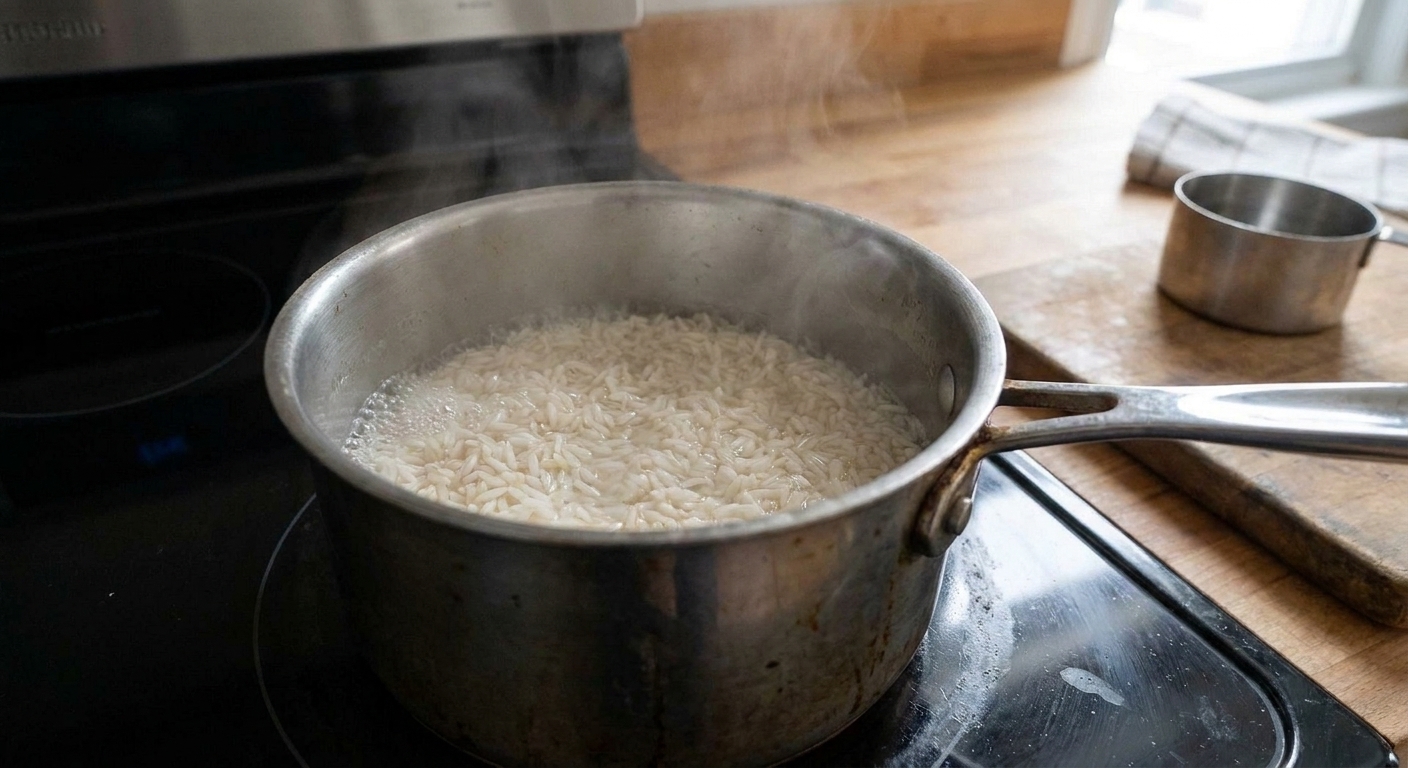
Usually no, but it depends on bake time. Many baked casseroles do not stay in the oven long enough to cook raw rice from scratch unless there is enough liquid and the dish is tightly covered.
As a rough reality check: a typical “weeknight” casserole bake of 25 to 35 minutes is often too short for raw long-grain rice. Raw-rice versions commonly need something closer to 45 to 60 minutes (or more) covered, depending on pan depth, oven temperature, and how much liquid is in the dish.
If you are determined to use long-grain rice in a casserole that was clearly designed for instant rice, your best before-you-mix move is to:
- Par-cook the long-grain rice until it is just barely tender on the outside but still firm in the center.
- Cool and drain well so it does not bring extra water into the mix.
- Expect a different texture than a true raw-rice casserole method.
I know that is extra work. That is why I consider long-grain rice a great choice only when the recipe is written for it.
Bake time and cover
Here is where most casseroles win or lose.
Minute Rice
- Shorter bake time is typical because the rice is not cooking from raw.
- Covering for part of the bake helps it hydrate evenly, then uncover to brown the top.
- Overbaking can dry out the casserole even if it looks creamy going in.
Uncooked long-grain white rice
- Longer bake time is typical because the rice needs time to absorb and soften.
- Tight coverage matters because trapped steam helps cook the rice. Loose foil can equal crunchy rice.
- Rest time matters after baking. The rice keeps absorbing for about 10 minutes, which helps the casserole set up.
If you want fluffy rice instead of chalky rice: raw long-grain rice is less forgiving. It needs enough liquid, enough time, and a good seal.
Texture results
For fluffy, separate grains
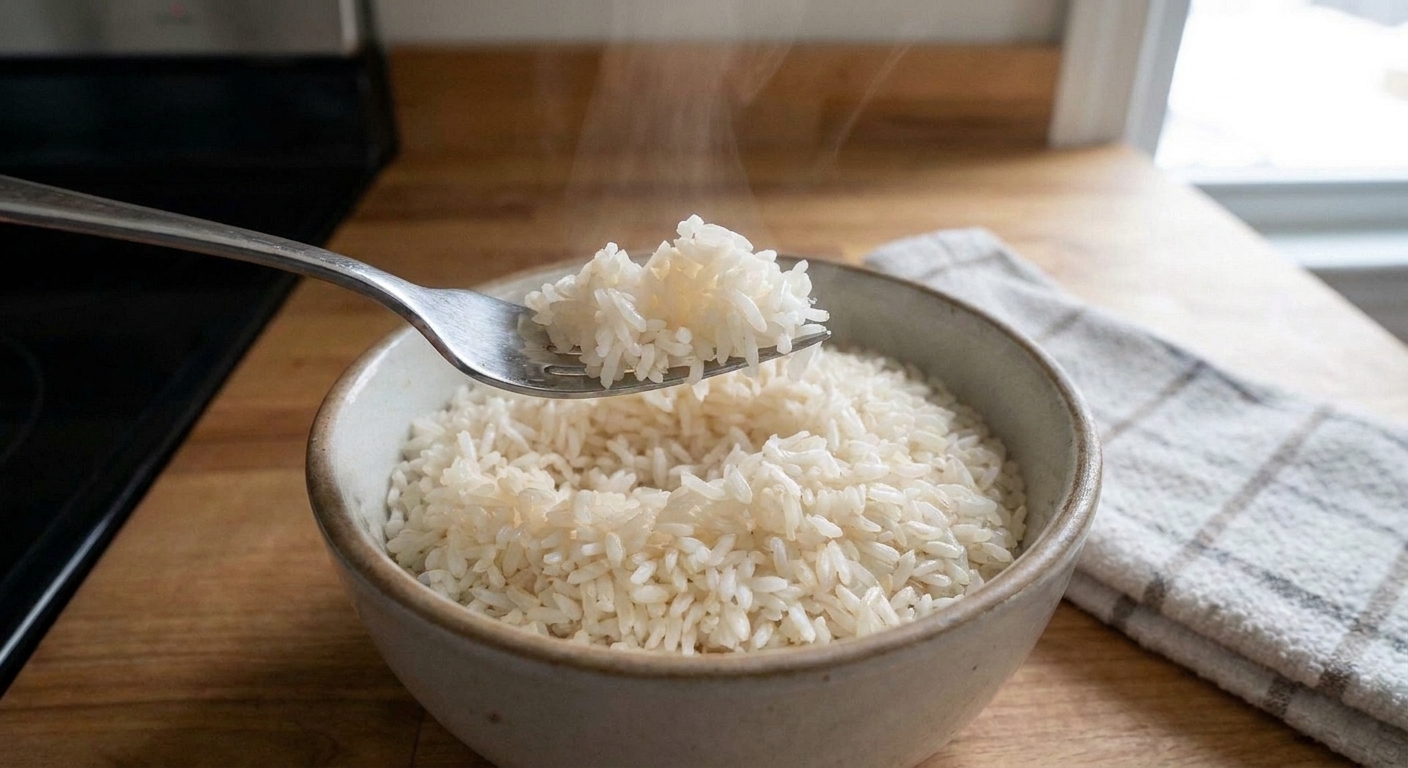
Long-grain rice wins when the recipe is calibrated for it. Long-grain rice naturally cooks up with more separation than instant rice, especially if you let the casserole rest before serving.
For avoiding chalky bites
Minute Rice is the safer bet in a typical broccoli rice casserole bake. Since it rehydrates quickly, it is much less likely to be crunchy in the center.
For avoiding a soupy casserole
Instant rice needs less free liquid. If you use the higher broth amount and longer bake time meant for raw rice, Minute Rice can go soft and gluey instead of soaking things up neatly.
Raw long-grain casseroles can look loose halfway through, then tighten as the rice finishes and the dish rests. The trick is keeping it covered so the rice actually absorbs, not letting steam escape.
What to buy
If you are shopping specifically for a chicken broccoli rice casserole, here is how I choose.
Buy Minute Rice if:
- You want a faster bake and a more predictable weeknight outcome.
- Your recipe uses condensed soup or a thick creamy base and only a modest splash of broth.
- You like a soft, cohesive casserole texture.
Buy uncooked long-grain white rice if:
- Your recipe is written for raw rice baked in broth and includes a longer covered bake.
- You want distinct grains that stay more separate.
- You do not mind a little more planning, including rest time after baking.
A note on look-alikes
In the rice aisle, you will see “instant,” “quick-cooking,” and “parboiled converted” rice. Those are not always interchangeable. If a casserole recipe says “Minute Rice,” it is usually calling for true instant rice. Converted (parboiled) rice is more forgiving than standard raw rice in some bakes, but it still needs real cooking time and is not usually a 1:1 swap for instant in a short casserole bake.
FAQ
Can I swap Minute Rice for uncooked long-grain rice 1:1?
Not reliably. Minute Rice rehydrates quickly and can get mushy if you use the higher liquid and longer bake time meant for raw long-grain rice. If a recipe is built for raw rice, it usually needs more liquid and time than instant rice can handle.
Can I swap uncooked long-grain rice for Minute Rice 1:1?
Also not reliably. Raw long-grain rice often will not cook through in the shorter bake time and lower liquid amount used for instant rice casseroles. The result is usually crunchy or chalky rice.
Should I rinse long-grain rice first?
If your recipe is built for raw long-grain rice, a quick rinse can help remove excess surface starch and reduce gumminess. Just drain it very well. Extra water clinging to the grains can throw off a casserole that is already on the edge of having too much liquid.
What about brown rice?
Brown rice usually needs significantly more time and more liquid than white long-grain rice. In most chicken broccoli rice casseroles, it is not a simple swap unless the recipe was written for it.
Why does my casserole turn out chalky with long-grain rice?
Chalky rice is typically undercooked. The most common causes are not enough liquid, a bake time that is too short, or a casserole dish that is not tightly covered so steam escapes.
Why does it turn out soupy with Minute Rice?
Usually it is too much broth or added liquid, or the casserole was not baked long enough to let the rice fully rehydrate and the sauce thicken. Instant rice can also break down if it is overmixed before baking or baked too long, which makes the texture feel pasty rather than fluffy.
Which rice makes the best leftovers?
Long-grain rice tends to hold onto separate grains better after chilling and reheating, as long as it was fully cooked in the first place. Minute Rice leftovers can be perfectly tasty, but the texture often softens more by day two.
My weeknight pick
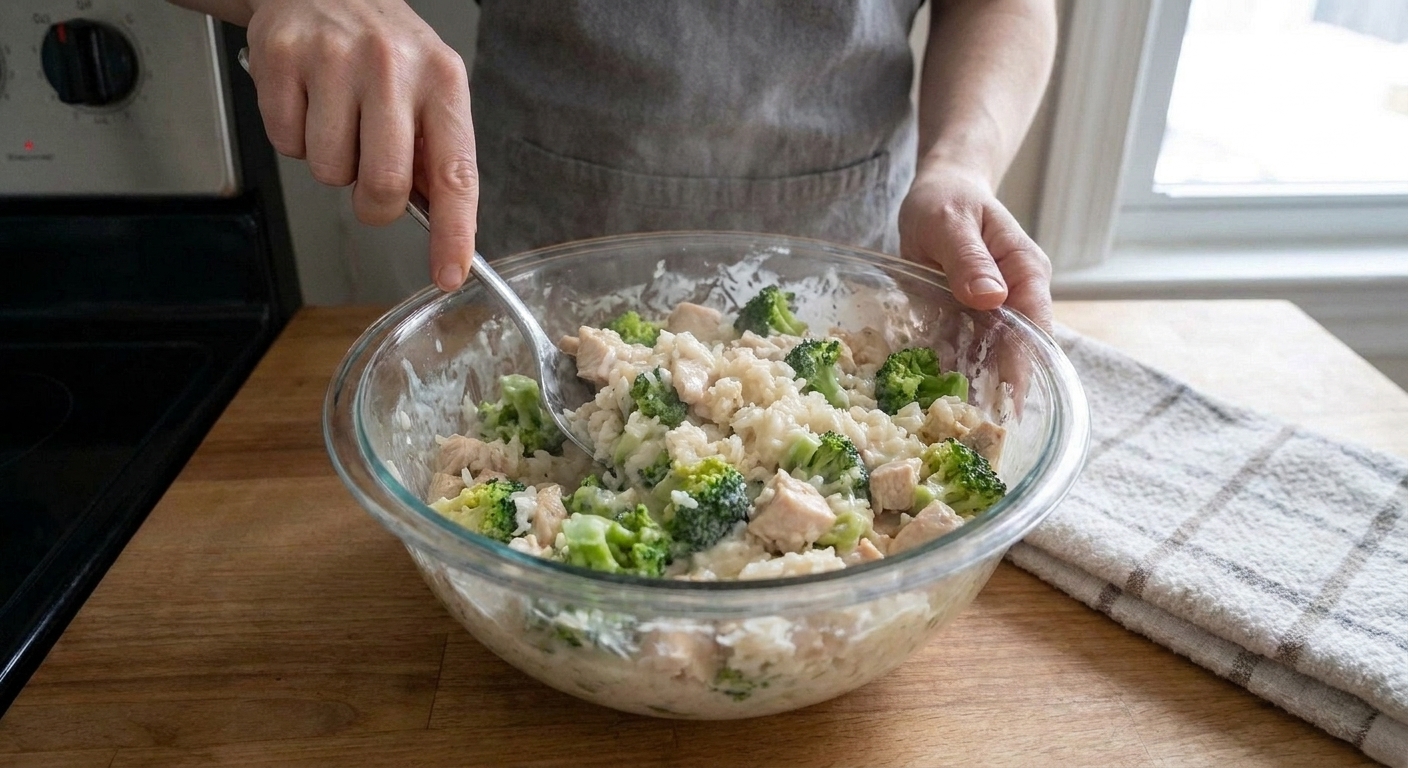
If I am cooking chicken broccoli rice casserole on a busy Tuesday, I reach for Minute Rice because it is forgiving and gives you that cozy, scoopable casserole texture with less fuss. If I am planning ahead and the recipe is clearly written to bake raw rice properly, I love long-grain for those fluffier, more distinct grains.
Either way, the best casserole starts with the right box in your cart. And if you ask me, it also starts with one extra clove of garlic. Minimum.