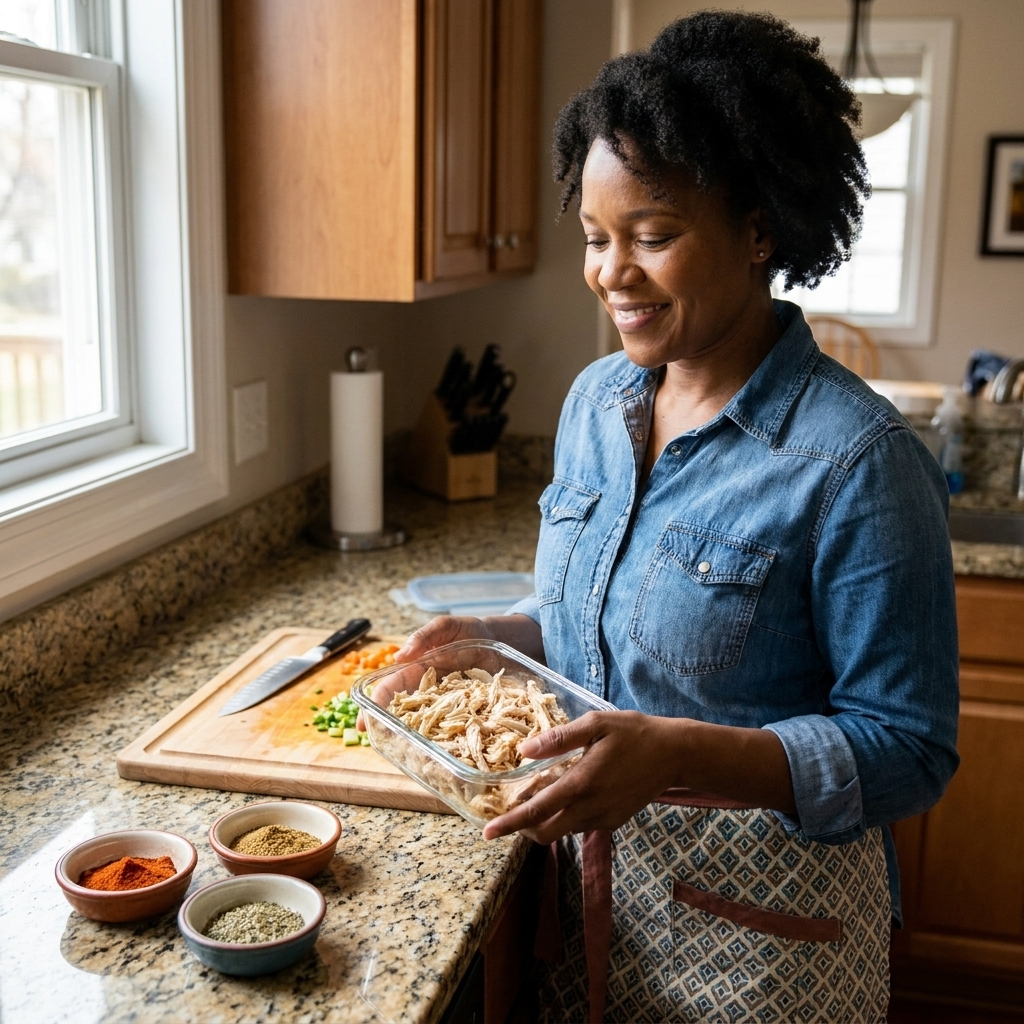
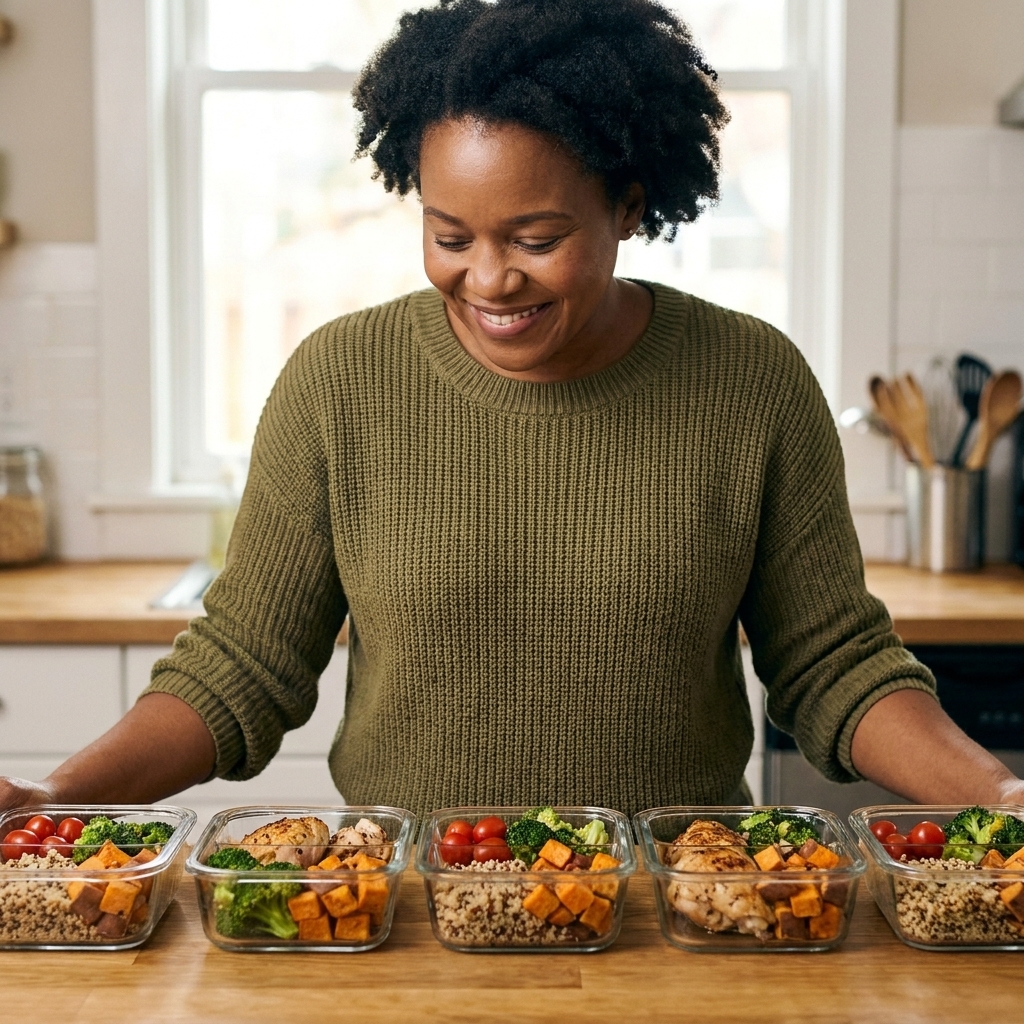
A step-by-step lunch meal prep plan for five quick, healthy lunches using the same core ingredients. Includes a timed workflow, portion guidance, storage tip...
Recipeva
Mediterranean Diet Meal Prep for 7 Days
A beginner-friendly, step-by-step Mediterranean diet meal prep plan for 7 days, plus a printable-style grocery list, batch-cook menu, mini recipes, and storage tips for fresh, flavorful meals.

Maya Reynolds
Maya Reynolds is a passionate home cook, recipe developer, and the creative voice behind Recipeva. With over a decade of experience translating complex culinary techniques into approachable weeknight meals, she focuses on creating dishes that bring joy to the dinner table without the stress.
Created September 21, 2026
Updated September 21, 2026
If you are new to the Mediterranean diet, meal prep is the secret weapon. Not because you need a fridge full of identical containers, but because having a few building blocks ready makes it ridiculously easy to throw together meals that feel fresh, colorful, and satisfying.
In this guide, I will walk you through a simple 7-day beginner plan using accessible grocery store ingredients. We will batch-cook a few staples, mix and match them all week, and keep things flexible so you do not get bored.
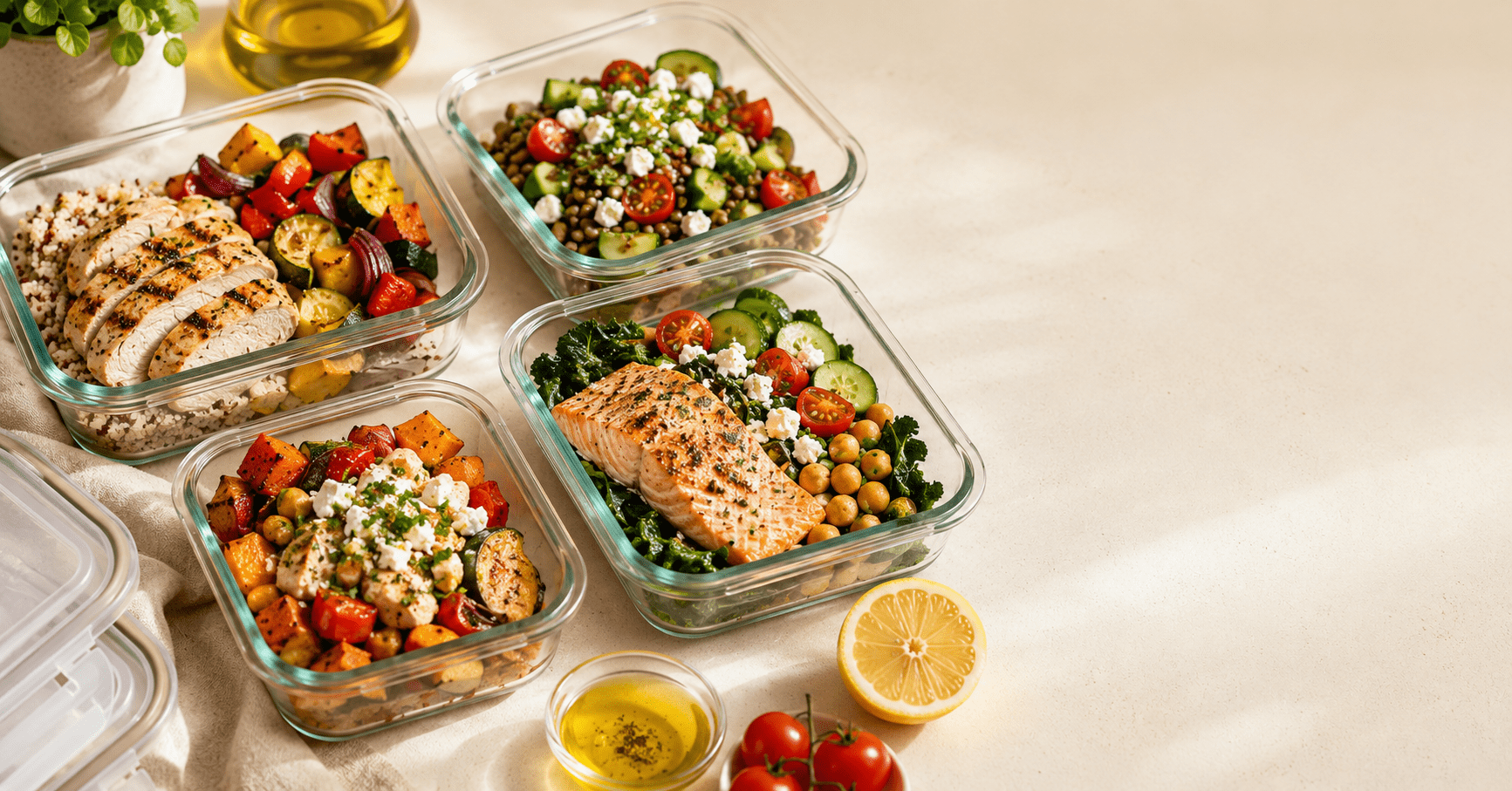
What Mediterranean eating looks like
The Mediterranean diet is less of a strict rulebook and more of a pattern: lots of plants, olive oil, beans, whole grains, seafood, and moderate amounts of poultry, dairy, and eggs. Red meat and sweets show up less often. Flavor comes from herbs, citrus, garlic, onions, and spices.
Your weeknight formula
- Half the plate: veggies and fruit
- One quarter: whole grains or starchy veg (brown rice, quinoa, whole wheat pasta, potatoes)
- One quarter: protein (beans, lentils, fish, chicken, Greek yogurt, eggs)
- Keep on hand: olive oil, herbs, lemon, garlic (yes, almost always)
Meal prep for this way of eating is mostly about keeping those components ready to combine.
Step 1: Pick your building blocks
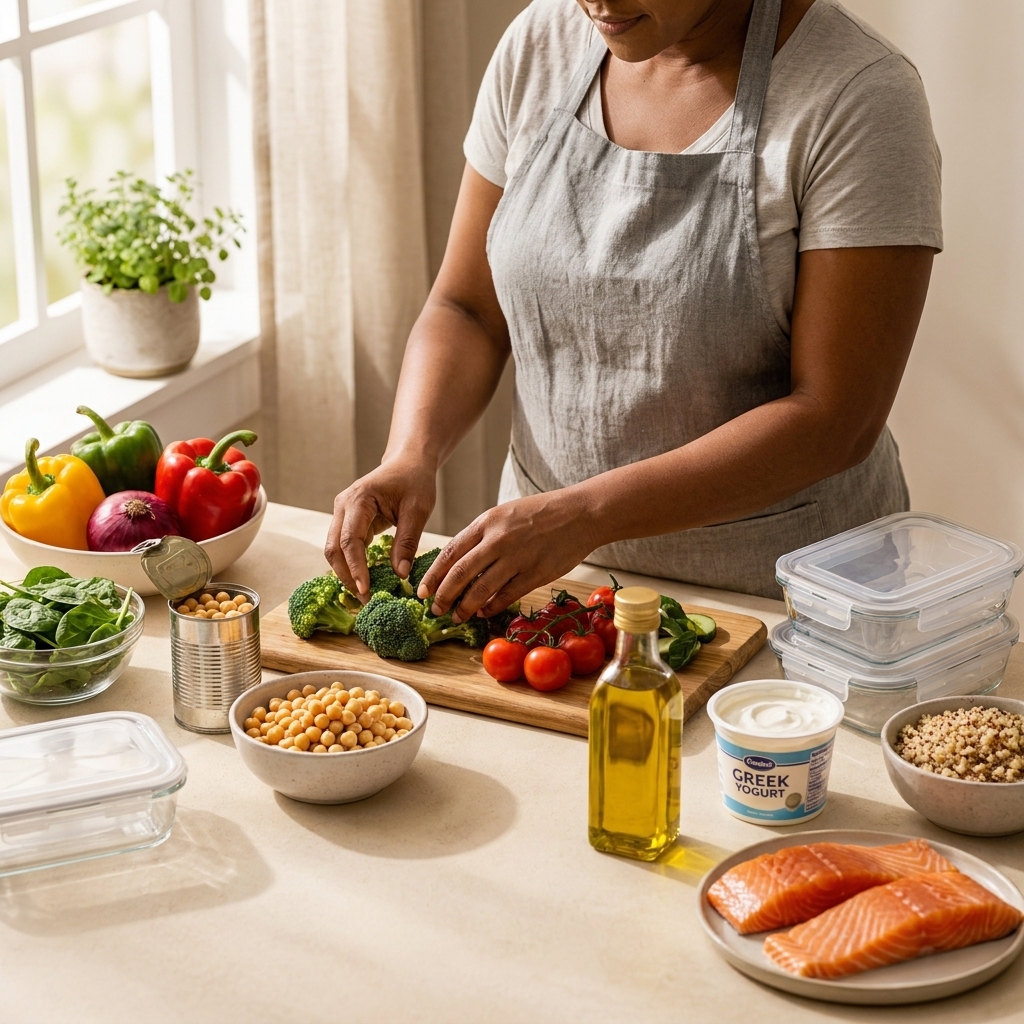
Here is the exact set of building blocks we will prep. You can absolutely swap based on what you love.
Proteins
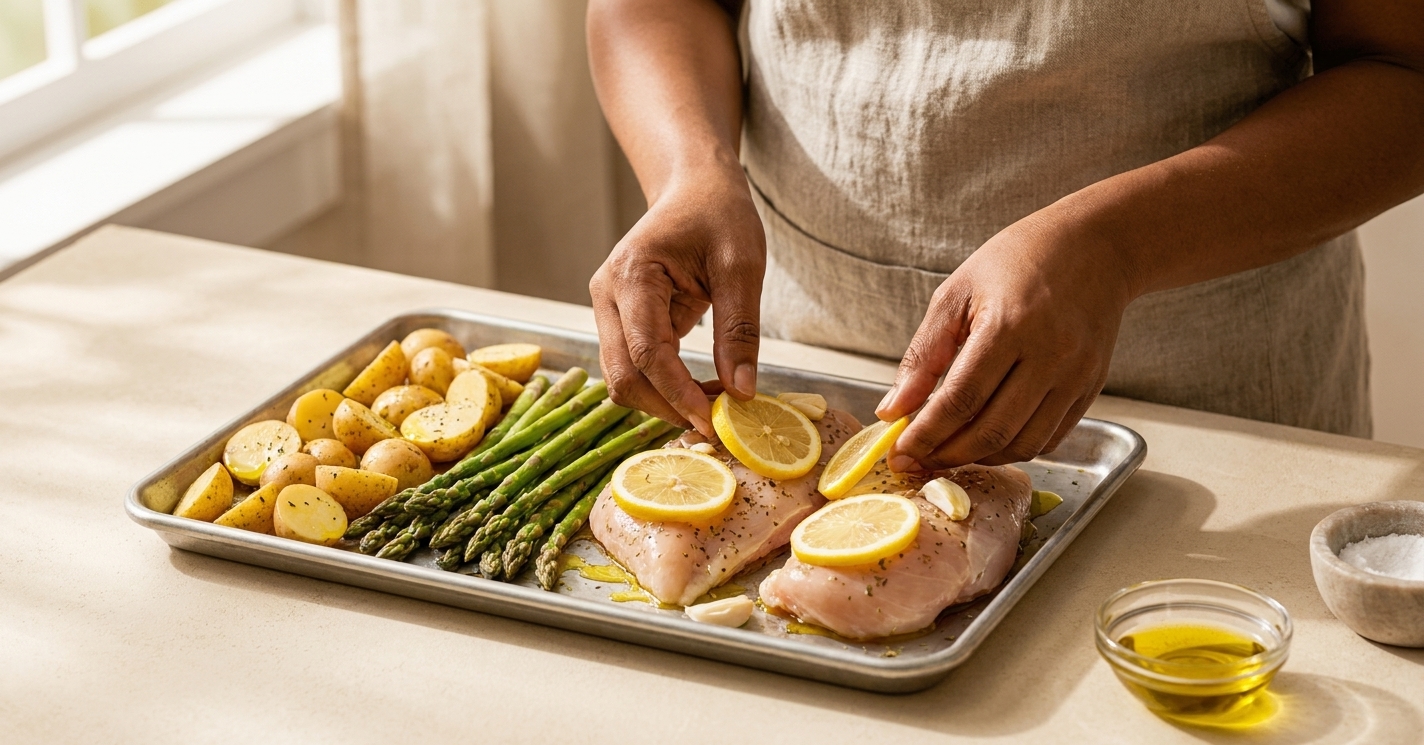
- Lemon-garlic chicken (or swap in baked tofu)
- Sheet-pan salmon for 2 meals
- Chickpeas (2 cans, rinsed) turned into a quick salad and a creamy hummus
Grains and carbs
- Quinoa (or farro if you prefer)
- Brown rice or whole wheat couscous (choose one to keep prep easy)
Vegetables
- Roasted veggie tray: zucchini, bell peppers, red onion, cherry tomatoes
- Crisp veg for salads and snacking: cucumbers, romaine, baby spinach
Flavor makers
- Classic lemon vinaigrette
- Tzatziki (Greek yogurt, cucumber, garlic, dill)
- Hummus (quick blender version below)
- Optional: a small jar of quick-pickled red onions
How much this makes (so the week feels math-proof): You will end up with roughly 3 to 4 servings of cooked quinoa, 3 to 4 servings of cooked rice or couscous, about 4 servings of roasted veggies, 3 to 4 servings of chicken, 2 servings of salmon, 6 to 8 eggs (depending on how many you boil), plus hummus and sauces for easy lunches.
Step 2: Grocery list
This list covers 7 days for one person with leftovers for lunches. If you are cooking for two, double most of it except the spices and condiments.
Produce
- 2 lemons (plus 1 extra if you love lemon as much as I do)
- 1 head garlic
- 1 cucumber (plus 1 extra if making tzatziki and salads daily)
- 1 pint cherry tomatoes
- 2 bell peppers
- 2 zucchini
- 1 red onion
- 1 bunch parsley
- 1 bunch dill (or mint)
- 1 bag baby spinach
- 1 romaine heart pack (or any crisp salad greens)
- 1 avocado (optional, for bowls)
- Fruit for breakfasts and snacks (berries, oranges, apples, grapes)
Proteins and dairy
- 1 to 1.5 lb boneless skinless chicken thighs or breasts
- 2 salmon fillets (about 10 to 12 oz total)
- 1 dozen eggs
- Greek yogurt (24 to 32 oz tub)
- Feta cheese (4 to 8 oz)
Pantry
- Extra-virgin olive oil
- Red wine vinegar or apple cider vinegar
- Dijon mustard
- Honey (optional, for balancing vinaigrette)
- Quinoa (1 cup dry) and brown rice or whole wheat couscous (1 cup dry)
- Rolled oats (for overnight oats)
- 2 to 3 cans chickpeas
- Tahini (for hummus, or see the no-tahini swap below)
- 1 can diced tomatoes (for an easy chickpea stew or shakshuka-style skillet)
- Kalamata olives (jar)
- Walnuts or chia seeds (for yogurt bowls and oatmeal)
- Whole wheat pita or whole grain bread (optional)
Spices
- Kosher salt and black pepper
- Oregano
- Smoked paprika
- Cumin
- Red pepper flakes
Step 3: Prep roadmap
Set aside one prep session, ideally Sunday or Monday. Plan for about 90 minutes. If you are brand new, give yourself a little buffer the first time or use the shortcuts below. Put on music, pour something bubbly, and let your oven do most of the heavy lifting.
Beginner shortcuts (use any): cook one grain instead of two, buy hummus, skip boiling eggs, or use microwave rice. You will still be very much on the Mediterranean plan.
0 to 10 minutes: set up
- Preheat oven to 425°F.
- Start quinoa and rice (or couscous) on the stove.
- Line 2 sheet pans with parchment for easy cleanup.
10 to 35 minutes: roast and bake
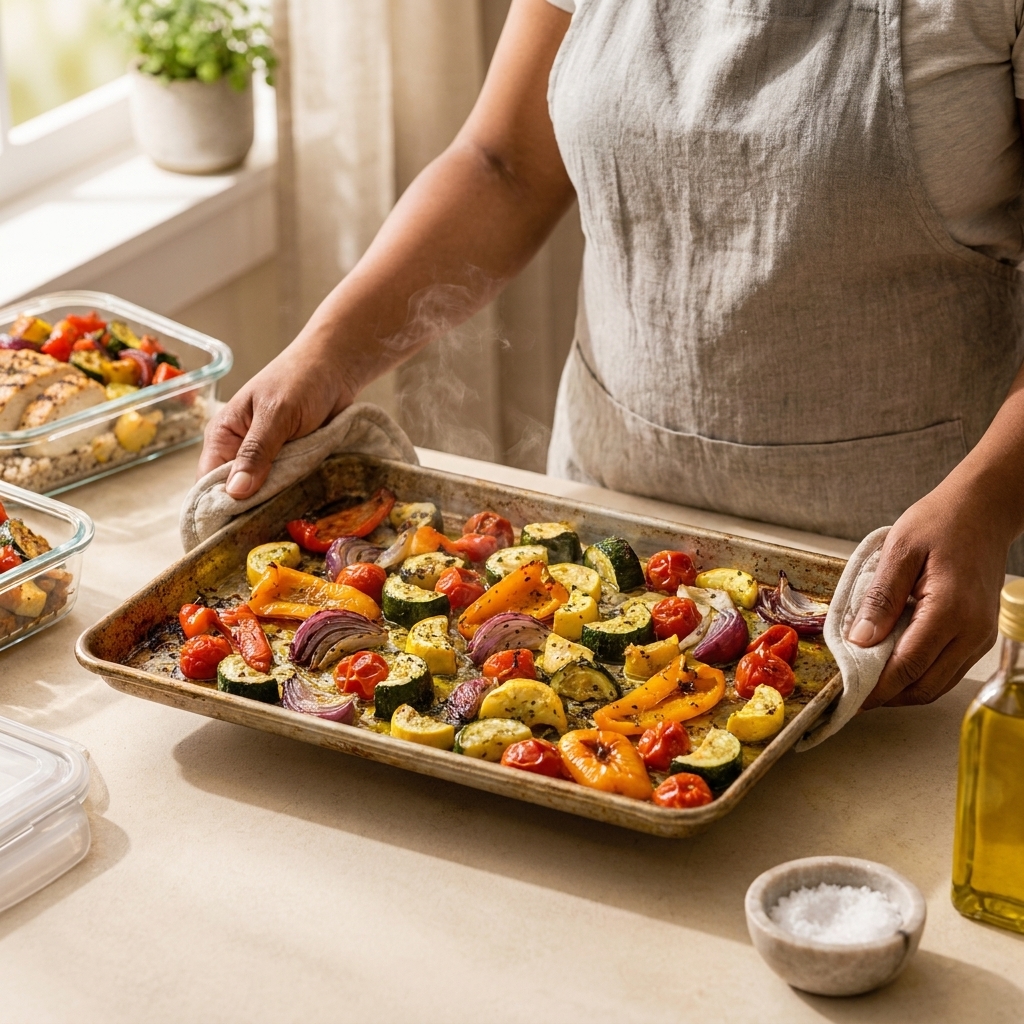
- Roasted veggies: Chop zucchini, peppers, red onion. Toss with olive oil, salt, pepper, oregano. Roast 20 to 25 minutes, stirring once.
- Lemon-garlic chicken: Toss chicken with olive oil, lots of minced garlic, lemon zest, oregano, salt, pepper. Roast on the second pan until cooked through (timing depends on cut, usually 18 to 25 minutes).
35 to 55 minutes: sauces and no-cook prep
- Lemon vinaigrette: Whisk olive oil, vinegar, Dijon, lemon juice, salt, pepper.
- Tzatziki: Grate cucumber, squeeze out water, stir into Greek yogurt with garlic, dill, lemon, salt.
- Rinse chickpeas. Turn some into a quick chickpea salad and blend the rest into hummus (mini recipes below).
55 to 75 minutes: salmon and eggs
- Lower oven to 400°F.
- Sheet-pan salmon: Place salmon on a pan, brush with olive oil, sprinkle with salt, pepper, smoked paprika, and lemon. Bake 10 to 12 minutes.
- Hard-boiled eggs: Simmer 8 to 10 minutes, then ice bath. (Or make jammy eggs at 7 minutes.)
75 to 90 minutes: portion and chill
- Cool everything slightly before sealing containers. For food safety, do not leave cooked food out for more than 2 hours.
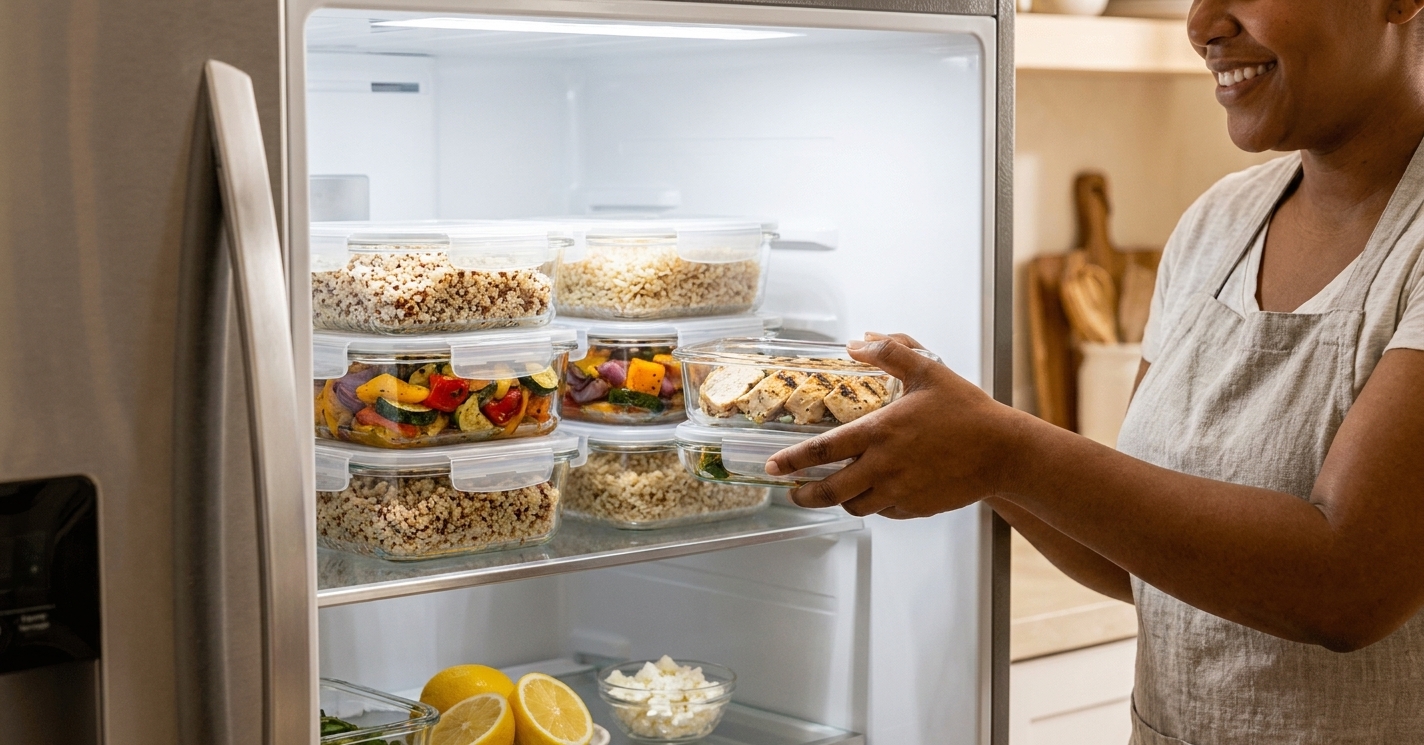
- Portion grains, veggies, and proteins into mix-and-match containers.
- Store sauces separately for best texture.
The 7-day beginner plan
Below is a realistic week that uses your prepped building blocks. You will repeat components, but the flavors change because the sauces and formats change.
Day 1
- Breakfast: Greek yogurt with berries, walnuts or chia seeds, and a drizzle of honey
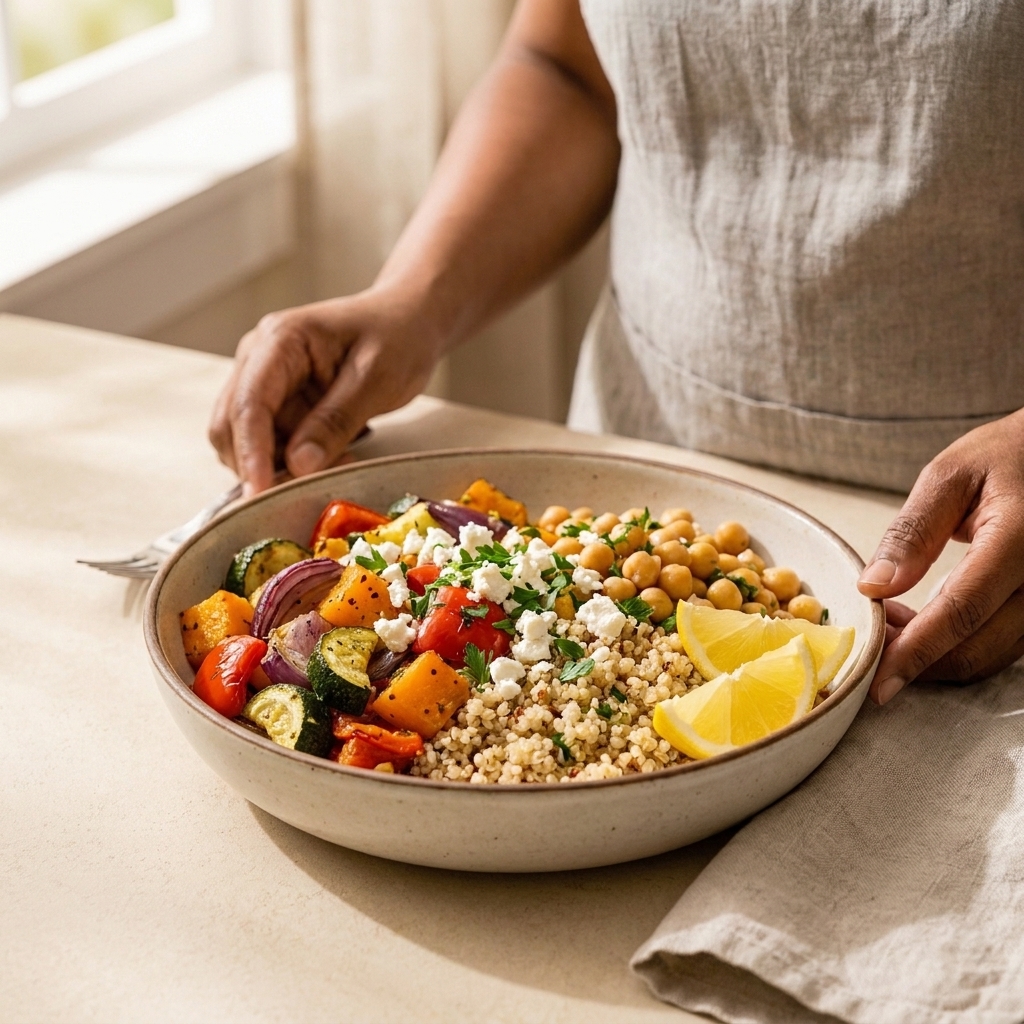
- Lunch: Quinoa bowl with roasted veggies, chickpeas, feta, lemon vinaigrette
- Dinner: Lemon-garlic chicken with brown rice and spinach salad
Day 2
- Breakfast: Hard-boiled eggs, fruit, and whole grain toast
- Lunch: Greek-ish salad (romaine, cucumber, tomatoes, olives, feta) plus chicken
- Dinner: Salmon with roasted veggies and tzatziki on the side
Day 3
- Breakfast: Overnight oats with yogurt, cinnamon, and chopped fruit
- Lunch: Chickpea salad pita with cucumbers and greens
- Dinner: Quick tomato chickpea skillet over quinoa (15 minutes, recipe below)
Day 4
- Breakfast: Spinach and feta egg scramble
- Lunch: Leftover salmon over salad greens with lemon vinaigrette
- Dinner: Chicken and roasted veggie grain bowl with extra herbs
Day 5
- Breakfast: Yogurt with fruit and walnuts or chia seeds
- Lunch: Mezze plate: hummus, chopped veggies, olives, feta, pita
- Dinner: Clean-out-the-fridge salad topped with a jammy egg
Day 6
- Breakfast: Avocado toast with lemon and red pepper flakes
- Lunch: Quinoa bowl with chickpeas, tzatziki, and cucumbers
- Dinner: Simple pasta night: whole wheat pasta, olive oil, garlic, tomatoes, spinach, feta
Day 7
- Breakfast: Egg muffins (quick recipe below) or leftover scramble with fruit
- Lunch: Leftovers buffet
- Dinner: Grocery refresh meal: rotisserie chicken salad or a quick shrimp sauté (if you shop again)
Vegetarian path for the week: Swap chicken for baked tofu or extra chickpeas and lentils, and swap salmon for a can of tuna (if you eat fish) or a simple white bean salad with herbs and lemon. Keep the same grains, veggies, and sauces and you are still right on track.
Mini recipes
These are the glue recipes that keep your prepped ingredients exciting.
1) Chickpea salad (5 minutes)
- Mix: 1 can chickpeas (rinsed), diced cucumber, halved cherry tomatoes, chopped parsley, crumbled feta
- Dress: lemon vinaigrette
- Tip: Add a spoon of tzatziki to make it creamy.
2) Hummus (5 minutes)
- Blend: 1 can chickpeas (rinsed), 2 to 3 tbsp tahini, 1 small garlic clove, 2 tbsp lemon juice, 2 tbsp olive oil, 1/2 tsp cumin (optional), salt and pepper
- Thin: with 2 to 4 tbsp cold water until it turns fluffy
- No tahini? Use extra olive oil plus a spoon of Greek yogurt. It is not classic, but it is still very good.
3) Lemon vinaigrette (makes about 1/2 cup)
- 3 tbsp extra-virgin olive oil
- 2 tbsp lemon juice
- 1 tbsp red wine vinegar
- 1 tsp Dijon
- Salt and pepper
Whisk or shake in a jar. Taste and adjust. If it tastes too sharp, add 1/2 tsp honey.
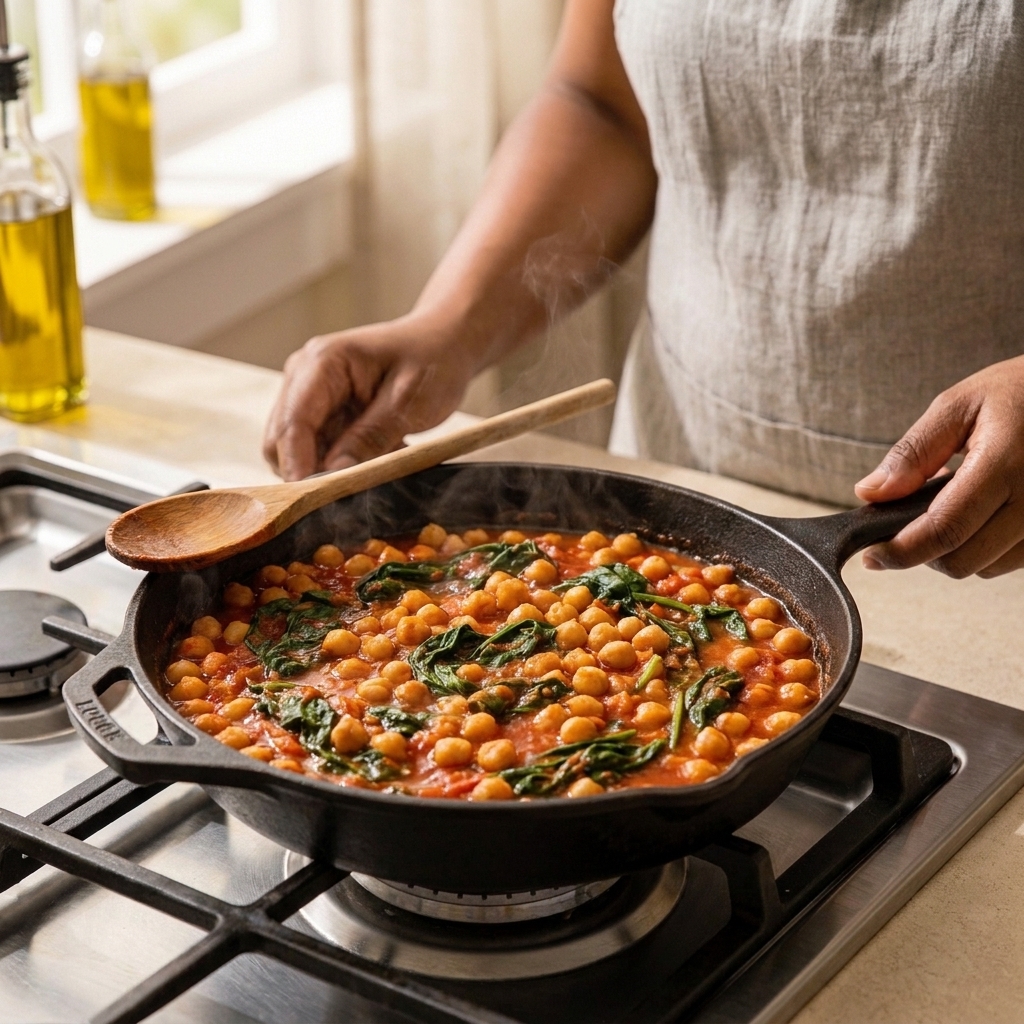
4) Quick tomato chickpea skillet (15 minutes)
- Sauté: olive oil, garlic, pinch of red pepper flakes
- Add: 1 can diced tomatoes, 1 can chickpeas, oregano, salt, pepper
- Simmer: 8 to 10 minutes
- Finish: handful of spinach until wilted, squeeze of lemon, feta on top
Serve over quinoa or rice. This is my I cannot possibly cook dinner that still feels like a win.
5) Egg muffins (easy, no fuss)
- Whisk: 6 eggs with salt, pepper, and a pinch of oregano
- Stir in: a handful of chopped spinach and a little feta
- Bake: in a greased muffin tin at 350°F for 15 to 18 minutes, until set
They keep well for grab-and-go breakfasts. Also, yes, you can eat them cold.
Storage tips
Mediterranean meal prep works best when you store components separately, then assemble right before eating. That is how you avoid soggy greens and sad, watery veggies.
Best containers
- Glass containers: great for reheating and keeping odors out
- Small jars: perfect for sauces and dressings
- One shallow container: for greens with a paper towel on top to stay crisp
How long things last
These are typical food safety guidelines. When in doubt, follow USDA or local guidance, keep your fridge at 40°F (4°C) or below, and trust your eyes and nose.
- Cooked chicken: 3 to 4 days
- Cooked salmon: 2 to 3 days (eat earlier in the week for best quality)
- Cooked grains: 4 to 5 days
- Roasted veggies: 4 days
- Hard-boiled eggs: up to 7 days (peeled eggs are best within 3 to 5 days)
- Vinaigrette: 1 to 2 weeks in the fridge
- Tzatziki: 3 to 4 days
- Hummus: 4 to 5 days
Reheating notes
- Reheat grains and chicken with a splash of water to loosen.
- Eat salmon cold on salads, or reheat gently at low power to avoid drying it out.
- Keep dressings off salads until the last minute.
A weekly routine to repeat
If you want this to become a habit, keep your weekly rhythm the same and rotate flavors.
- Week structure: 1 chicken, 1 fish, 1 bean-based dinner, plus bowls and salads
- Rotate sauces: pesto, harissa yogurt, chimichurri, lemon tahini
- Rotate grains: quinoa, farro, brown rice, whole wheat pasta
- Rotate veggies: broccoli, cauliflower, carrots, sweet potato, green beans
It is the same strategy, just new colors and flavors.
Beginner questions
Do I have to count calories or macros?
Nope. The Mediterranean approach is largely portion and pattern based. Focus on plants, whole foods, and healthy fats. Many people find their appetite settles into a comfortable groove when meals are balanced.
Can I do Mediterranean meal prep on a budget?
Absolutely. Lean on beans, lentils, eggs, canned fish, seasonal produce, and store brand olive oil. Salmon is wonderful, but you can swap in canned tuna or sardines for lunches and keep a cheaper white fish for dinner.
What if I do not like fish?
You can still eat Mediterranean-style. Use more beans and lentils, plus chicken, eggs, and occasional turkey. If you want the omega-3 boost, chia seeds and walnuts help too.
How do I keep it from getting boring?
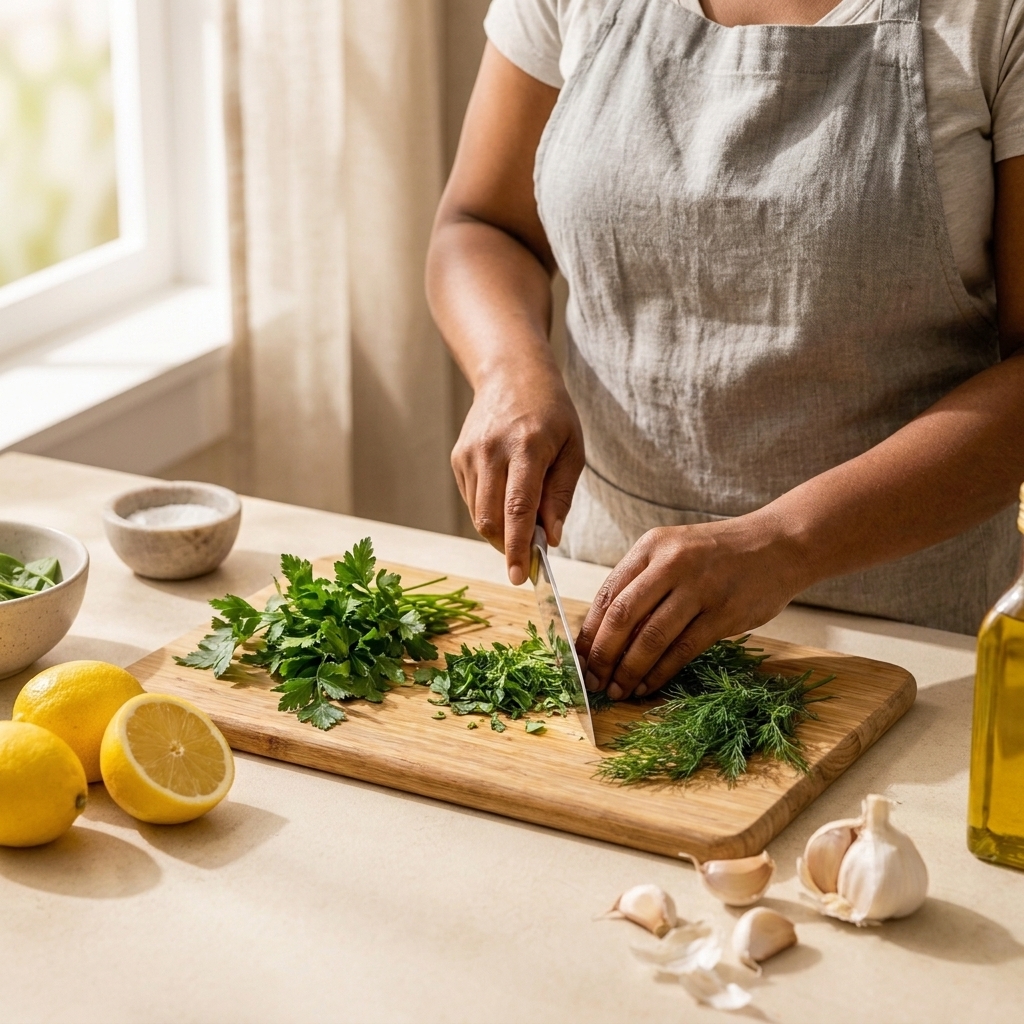
Two words: sauces and herbs. A lemony vinaigrette, tzatziki, and a bold spicy option (even just red pepper flakes in olive oil) can make the same bowl feel totally different.
Your next step
If you do nothing else, prep one grain, one protein, and one sauce this week. That alone will make your Mediterranean meals feel effortless.
And if you are the kind of person who loves a little extra flavor insurance, add the garlic. Then add a little more. I will never judge.