



Egg muffins are my love letter to busy mornings. They are the kind of small, comforting thing that makes you feel like you have your life together even if you are wearing mismatched socks and hustling everyone out the door.
This is my ultimate version: fluffy (not rubbery), generously seasoned, and packed with veggies so they feel like a real breakfast, not a compromise. I also built the recipe to reheat well, because an egg muffin that turns watery or spongy on day two is not invited back to my kitchen.
Here are the tiny tricks that actually matter, the ones that separate “fine, I guess” from “wow, these are good”:
- Use a hot oven and bake just until set. 375°F gives you a quick, confident bake. Pull them when the centers are set, not when the tops look aggressively browned. Eggs keep cooking after you take them out, and overbaking is where the rubbery texture comes from.
- Cook off veggie moisture first. Onions and spinach are wonderful, but they carry water. A quick sauté drives off that extra moisture so you get tender muffins instead of weepy ones.
- Cool completely before storing. This sounds fussy, but it is the whole game. Stashing warm muffins traps steam, which turns into condensation, which turns into watery reheats. Let them cool, then refrigerate.
- Keep the dairy modest and the mix-ins reasonable. A splash of milk makes them tender, but too much pushes them into soft, spongy territory. Same with fillings. Think balanced, not overflowing.
Once you have those down, you can treat this recipe like a choose-your-own-adventure. Swap the mix-ins, change the cheese, add heat, go vegetarian. The base stays steady and dependable.
The idea
Why This Recipe Works
- The right egg to dairy ratio keeps the texture tender and custardy without turning it into a quiche situation.
- Pre-cooking moisture-heavy vegetables (like mushrooms, onions, and spinach) prevents soggy bottoms and weepy reheats.
- Greasing well and using the right pan temp helps the muffins release cleanly and bake up evenly.
- A little baking powder gives a gentle lift so the muffins feel light, not dense.
- Strong seasoning matters because eggs mute salt and spice when cooled and reheated.
Shopping
Ingredient Notes
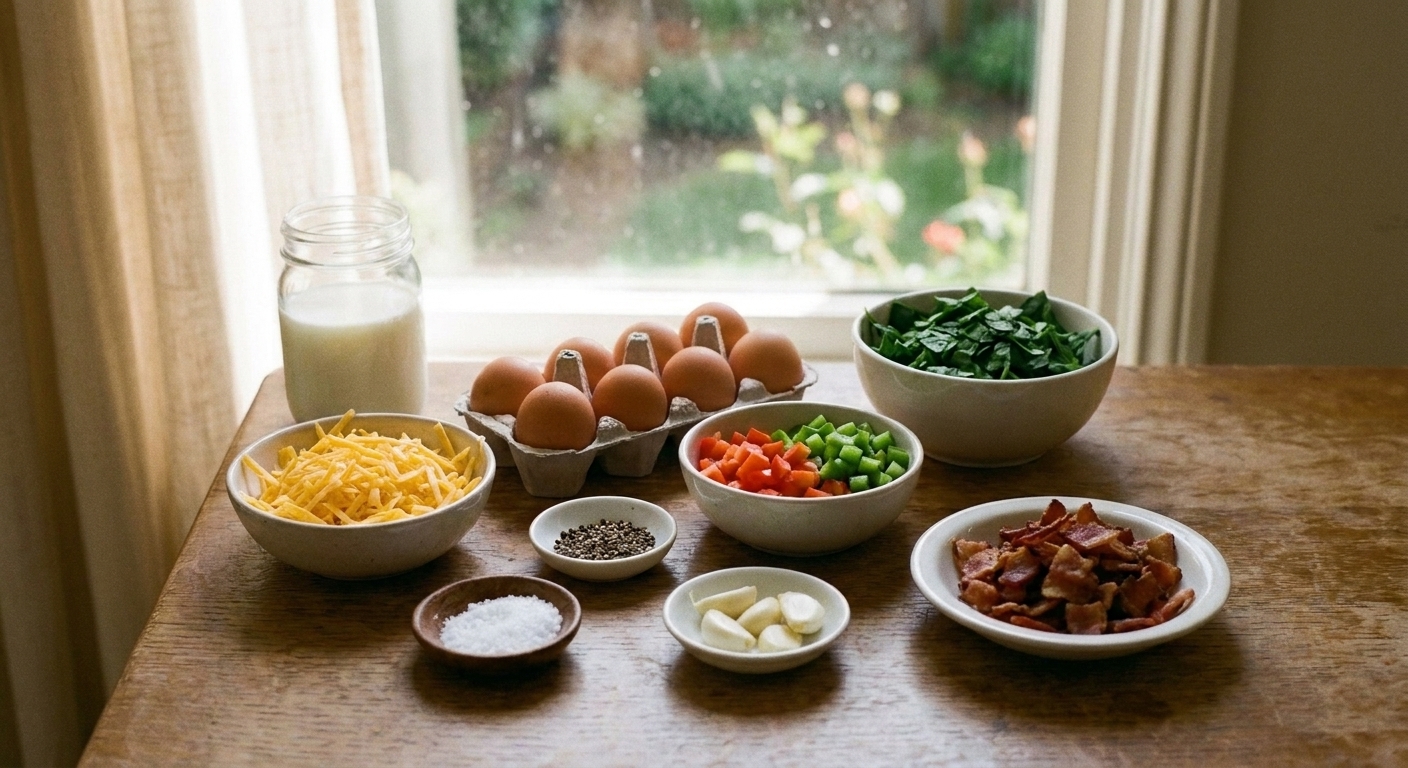
Eggs
Use large eggs for consistent volume. If your eggs are extra-large, the bake time can run a minute or two longer.
Dairy
Milk makes these tender. Whole milk gives the richest texture, but 2 percent works beautifully. Heavy cream can be used, but keep it modest or the muffins can feel heavy.
Cheese
Cheddar is classic and bold. Freshly shredded melts the smoothest, but pre-shredded is fine on a weeknight. If you use a salty cheese like feta, ease up on the added salt.
Vegetables
Think in two categories: moisture-heavy veggies (mushrooms, onions, zucchini, spinach) need a quick saute to drive off water. Low-moisture veggies (bell pepper, scallions) can usually go in raw if diced small.
Protein add-ins
Cooked bacon, sausage, or diced ham are all fair game. The key word is cooked. Raw meat will leak fat and undercook in this format.
Garlic
My official stance is always more. Minced fresh garlic is great, but garlic powder distributes more evenly through the egg mixture, so I use it here for maximum payoff.
Get set up
Equipment You Will Need
- Standard 12-cup muffin pan (metal bakes most evenly)
- Mixing bowl large enough to whisk vigorously
- Whisk or fork (a whisk gives the fluffiest result)
- Skillet for quickly sauteing vegetables
- Measuring cups and spoons
- Silicone spatula for scraping every last bit of egg mixture into the cups
If you have a large liquid measuring cup or a batter pitcher, it makes filling the muffin cups wonderfully tidy.
Technique
Tips for Getting It Right
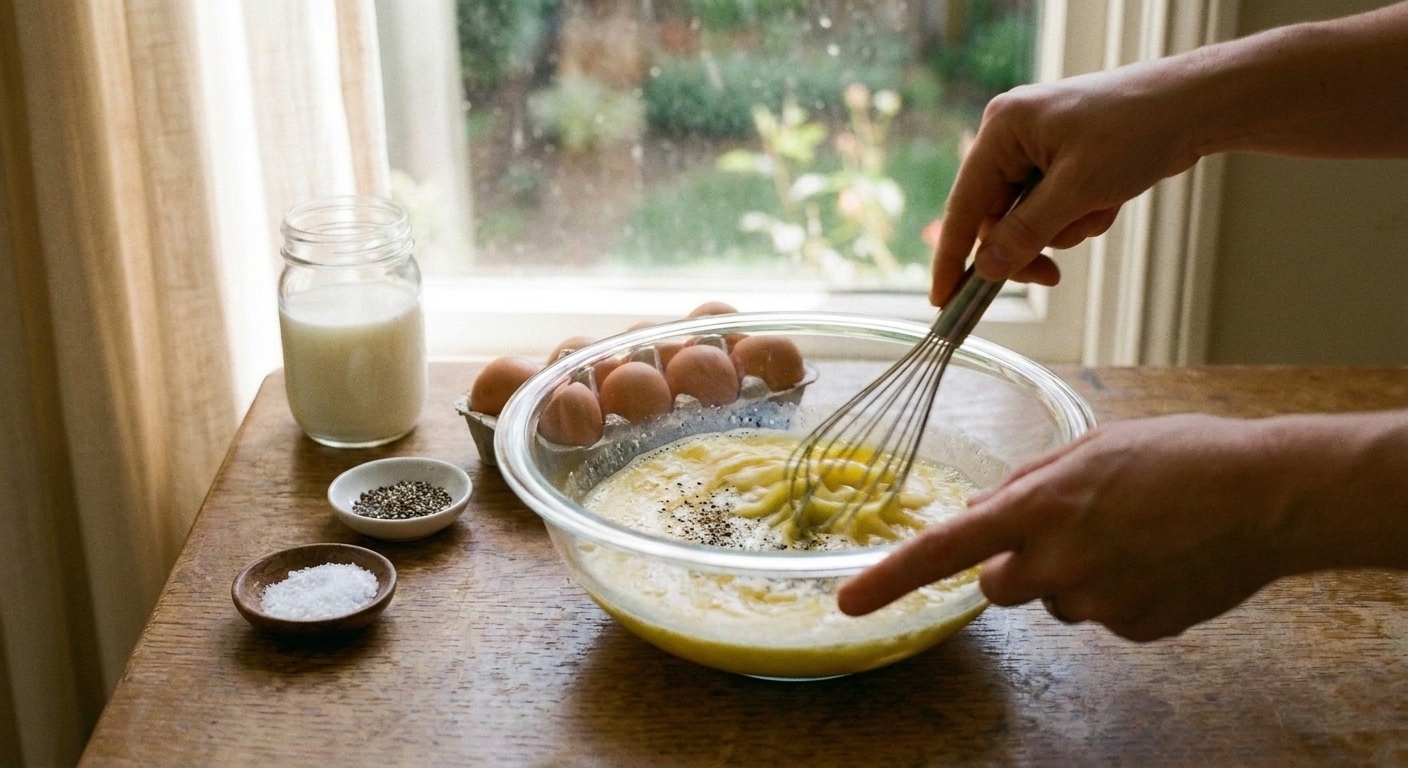
- Saute first, cool slightly. Hot vegetables can start cooking the eggs in the bowl. You want warm at most, not steaming.
- Fill evenly. Aim for about three quarters full in each cup. Overfilling encourages spillover and dramatic domes that collapse.
- Do not skip the grease. Even nonstick pans benefit from a thorough coating of butter or oil, especially around the rim.
- Season with confidence. Eggs need more salt than you think, and they taste less salty once chilled.
- Pull at the right time. Egg muffins are done when the centers are just set and a toothpick comes out clean. Overbaking is the fastest route to rubbery texture.
- Rest briefly. Let the muffins sit in the pan 5 minutes, then run a thin knife around each and lift them out. This prevents steam from making them soggy.
Flexibility
Substitutes That Work
- Milk: Use half-and-half for richer muffins, or unsweetened plain oat milk for a dairy-light option. Avoid sweetened plant milks.
- Cheddar: Swap in Monterey Jack, pepper jack, Swiss, mozzarella, or crumbled feta.
- Bacon: Use cooked breakfast sausage, diced ham, chopped deli turkey, or leave it out for vegetarian.
- Spinach: Use kale (saute longer), arugula (wilts fast), or thawed frozen spinach squeezed very dry.
- Bell pepper: Use diced roasted red peppers and pat them dry to avoid extra moisture.
- Eggs: For best results, stick with real eggs. Liquid egg substitute works, but the muffins bake up less tender and more bouncy.
Make it yours
Variations to Try

- Southwest: Pepper jack, black beans (rinsed and dried), corn, diced green chiles, and a pinch of cumin.
- Mediterranean: Feta, chopped spinach, olives, and a sprinkle of oregano.
- Ham and Swiss: Diced ham, Swiss cheese, and sauteed onions.
- Broccoli cheddar: Finely chopped broccoli florets (steam or saute first) with sharp cheddar.
- Everything bagel vibes: Cream cheese cubes (freeze 10 minutes first), chives, and everything seasoning on top.
- Extra spicy: Add diced jalapeno and a few shakes of hot sauce to the egg base.
My rule of thumb: keep mix-ins to about 1 1/2 cups total for a 12-muffin batch so the eggs still hold everything together.
On the table
What to Serve It With
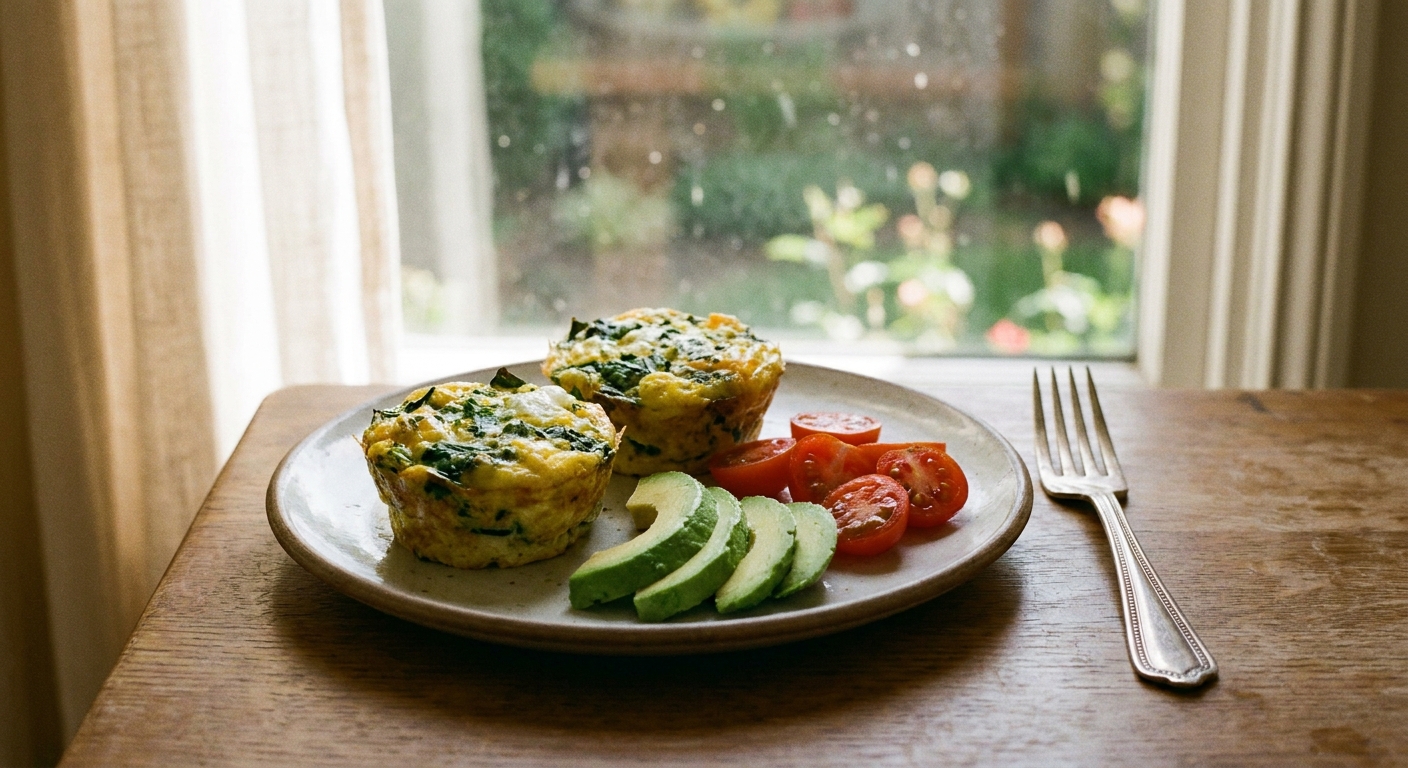
- Grab-and-go: Egg muffins plus a banana or apple, and you are out the door.
- Brunch board: Serve with fruit salad, roasted potatoes, and a simple green salad.
- Protein snack: Pair with a spoonful of salsa or hot sauce and a few crackers.
- Lunchbox: Add a muffin to a lunch with cut veggies and hummus.
- Breakfast sandwich: Split an English muffin, add an egg muffin, and a little extra cheese, then toast until melty.
Later
Storage, Freezing and Reheating
- Refrigerate: Cool completely, then store in an airtight container for up to 4 days. If you stack them, tuck a paper towel in the container to absorb moisture.
- Freeze: Wrap each muffin individually, then freeze in a zip-top bag for up to 2 months. Individual wrapping prevents freezer burn and makes it easy to grab one.
- Reheat from the fridge: Microwave 20 to 35 seconds, just until warmed through. If your microwave runs hot, use 50 percent power so they stay tender.
- Reheat from frozen: Microwave 60 to 90 seconds, then rest 30 seconds. Or thaw overnight in the fridge and reheat as usual.
- Oven option: Warm at 325°F for 8 to 10 minutes (longer if frozen). This gives the best texture if you are reheating a batch.
Watch out
Common Mistakes to Avoid
- Skipping the veggie saute. Raw mushrooms, onions, and spinach release water and make the muffins spongy and wet.
- Under-seasoning. They taste fine hot, then bland once chilled. Taste is not possible with raw eggs, so be purposeful with salt, pepper, and spices.
- Overfilling the cups. Egg muffins puff, spill, and then collapse hard. Three quarters full is the sweet spot.
- Overbaking. The carryover heat finishes the job. Pull when just set, not when deeply browned and dry.
- Not letting them cool. If you seal warm muffins in a container, condensation makes them watery. Cool fully first.
- Using too many mix-ins. It is tempting, I know. But too much filling means the eggs cannot bind, and you get crumbly muffins that fall apart.
Questions
Frequently Asked Questions
Why did my egg muffins deflate?
A little deflation is normal because eggs puff from steam and trapped air, then settle as they cool. Big collapse usually means overfilling, too much dairy, or not enough egg to support the mix-ins.
How do I keep egg muffins from sticking?
Grease the pan thoroughly, especially the top rim. If your pan is older, add parchment muffin liners or use a silicone muffin pan. Let them rest 5 minutes, then run a thin knife around the edges.
Can I make egg muffins without milk?
Yes. The texture will be a little firmer, but still tasty. You can use a splash of water, or swap in an unsweetened plain non-dairy milk.
Why are my egg muffins watery after reheating?
This is almost always moisture from vegetables or storing them while still warm. Saute moisture-heavy veggies first, cool the muffins completely, and add a paper towel to the storage container.
Can I bake these in a mini muffin pan?
Absolutely. Reduce the bake time and start checking around 10 minutes. Minis are great for kids and snack trays.
Can I double the recipe?
Yes. Mix everything in a very large bowl and bake in two muffin pans. Rotate the pans halfway through baking for even cooking.
The recipe
Ultimate Egg Muffins
Fluffy, savory egg muffins packed with veggies, cheese, and optional bacon. Made to reheat well for meal prep breakfasts, quick snacks, and easy brunch plates.
Ingredients
- 10 large eggs
- 1/3 cup whole milk (or 2%)
- 1/2 tsp baking powder
- 1 tsp kosher salt
- 1/2 tsp black pepper
- 1 tsp garlic powder
- 1 tbsp olive oil (for sauteing)
- 1/2 cup yellow onion, finely diced
- 1 cup bell pepper, finely diced
- 2 packed cups baby spinach, chopped
- 3/4 cup shredded sharp cheddar cheese
- 1/2 cup cooked bacon, chopped (optional)
- Butter or nonstick spray, for greasing the muffin pan
Instructions
- Heat oven to 375°F. Grease a standard 12-cup muffin pan very well, including the top rim.
- In a skillet over medium heat, warm the olive oil. Saute the onion 3 to 4 minutes until softened. Add spinach and cook 30 to 60 seconds until wilted. Transfer to a plate to cool 5 minutes.
- In a large bowl, whisk the eggs, milk, baking powder, salt, pepper, and garlic powder until very smooth and slightly frothy.
- Stir in the bell pepper, cooled onion and spinach mixture, cheddar, and bacon (if using).
- Divide the mixture evenly among the muffin cups, filling each about three quarters full.
- Bake 16 to 20 minutes, until the centers are just set and a toothpick comes out clean.
- Cool in the pan 5 minutes. Run a thin knife around each muffin, then lift out and cool on a plate or rack before storing.
Recipe notes
Mix-in limit: Keep total add-ins (veggies, cheese, meat) to about 1 1/2 cups to ensure the eggs set properly.
For extra-garlicky muffins: Add 1 small clove finely minced garlic to the saute pan with the onions for the last 30 seconds.
Make-ahead tip: These taste best when fully cooled before refrigerating. Warm storage creates condensation, which leads to watery reheats.
Nutrition (per serving, approximate)
- Calories: 125
- Protein: 9 g
- Carbohydrates: 2 g
- Fat: 9 g
- Saturated fat: 3 g
- Fiber: 0.5 g
- Sugar: 1 g
- Sodium: 310 mg