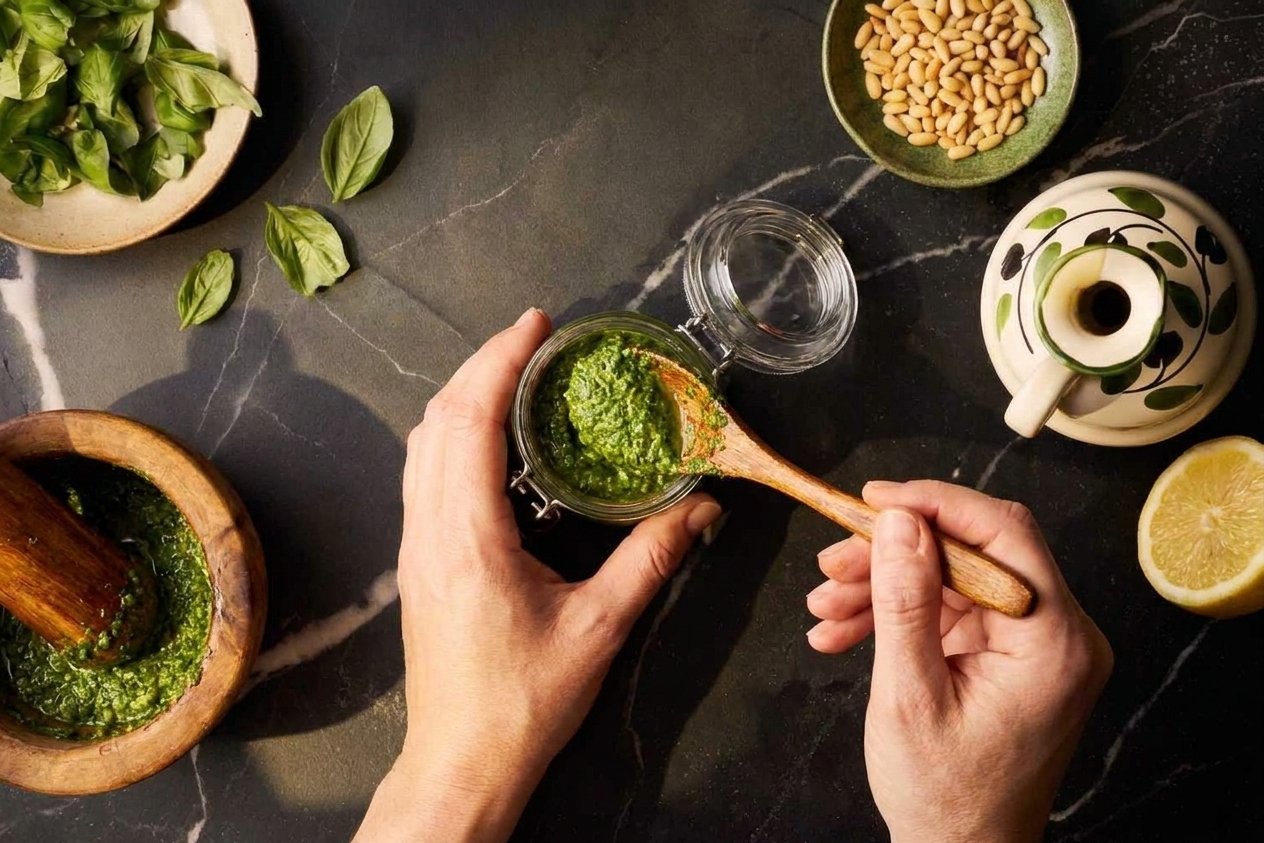

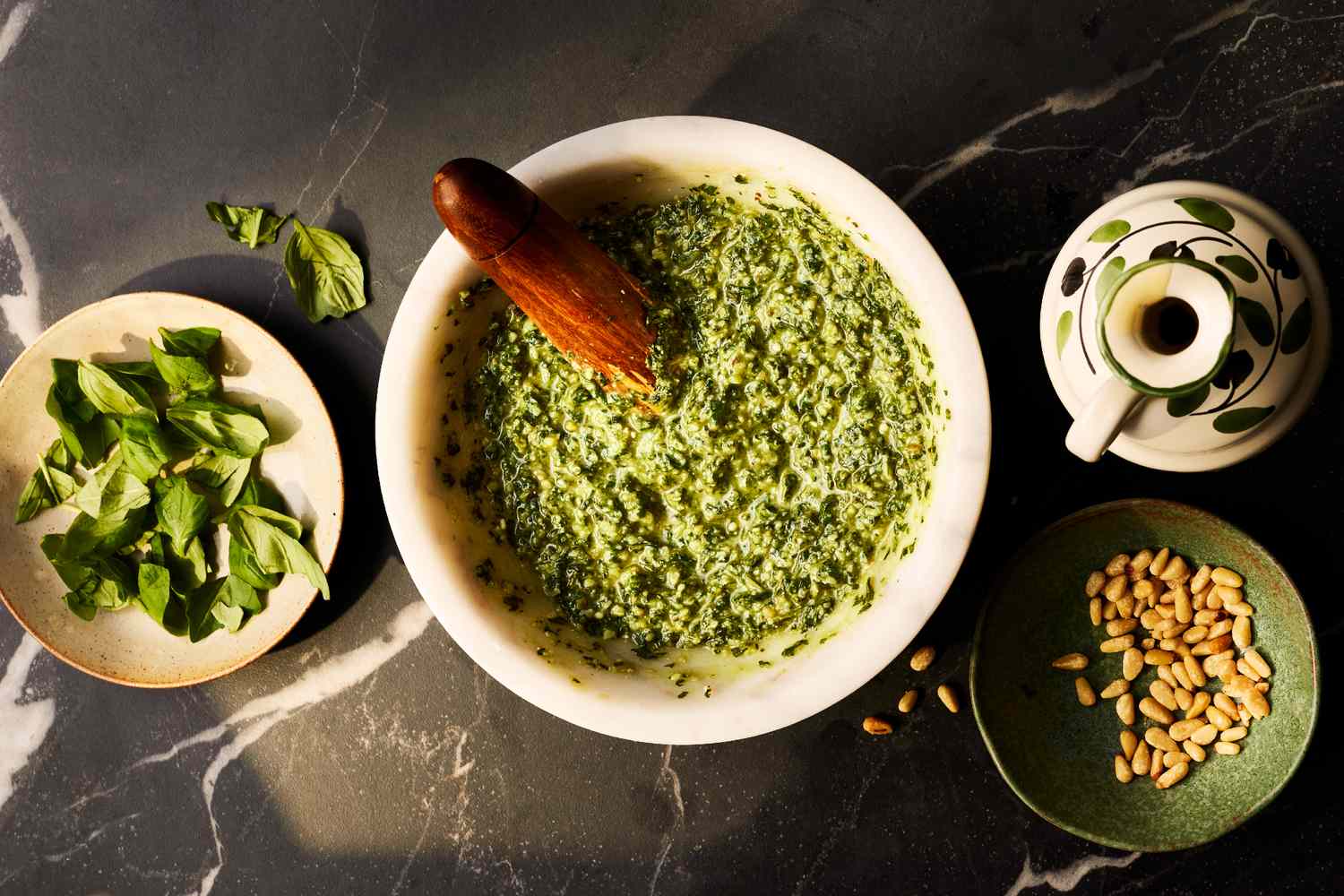

Pesto is my favorite kind of weeknight magic: a handful of classic ingredients, ten minutes of effort, and suddenly your plain pasta or sad fridge veggies taste like you really had a plan. This is the basil pesto I make on repeat, the one with basil, pine nuts, Parmesan, garlic, and olive oil. It is punchy, glossy, and flexible enough to carry dinner on a busy Tuesday.
We are keeping it classic here, but I will show you a few small choices that make a big difference: how to avoid bitter pesto, how to get the texture you want, and how to store it so it stays bright and delicious.
What makes this pesto weeknight
Traditional pesto is already quick, but weeknight pesto is about no fuss and no regrets. Here is what I optimize for:
- No bitterness: Gentle blending, smart basil handling, and a little lemon can help a lot.
- Easy pantry flow: Ingredients you can grab at any regular supermarket.
- Use it all week: This makes enough for dinner plus leftovers, and it freezes beautifully.
Ingredients and amounts
This is the ratio I use for a classic, spoonable pesto that loosens up beautifully with a splash of pasta water.
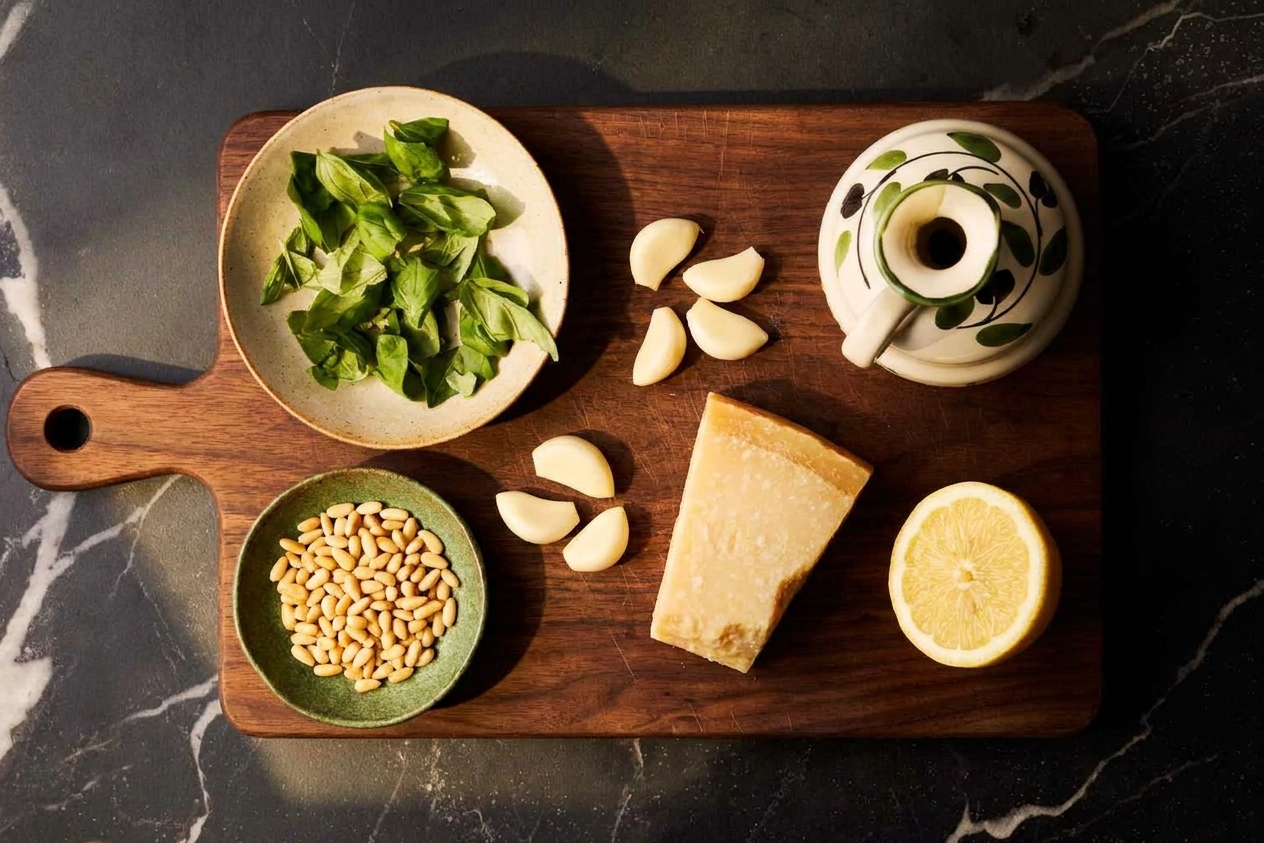
- Fresh basil: 2 packed cups (about 60 g) basil leaves
- Pine nuts: 1/3 cup (about 45 g), toasted if you like
- Garlic: 1 to 2 cloves (or 3 if you are my people)
- Parmigiano-Reggiano (or Parmesan): 1/2 cup finely grated (about 50 g)
- Extra-virgin olive oil: 1/2 cup (120 ml), plus more as needed
- Kosher salt: 1/4 teaspoon, plus more to taste
- Fresh lemon juice: 1 to 2 teaspoons, to taste (optional but I love it)
Yield: About 1 cup pesto. Time: 10 minutes.
Classic ingredients (and why they matter)
For classic basil pesto, each ingredient has a job. When you know what each one does, you can troubleshoot and swap without losing the soul of the sauce.
- Fresh basil: The star. Look for perky, bright leaves with minimal black spots. Smaller leaves tend to be sweeter.
- Pine nuts: Creamy richness and that unmistakable pesto flavor. Toasting is optional, but I like a quick, light toast for warmth.
- Garlic: Bite and backbone. If you are garlic-shy, start with 1 clove. If you are my people, use 2 to 3.
- Parmigiano-Reggiano (or Parmesan): Salty, nutty depth. Grate it yourself if you can, it blends smoother.
- Extra-virgin olive oil: Makes it lush. Choose one you enjoy the taste of because you will taste it.
- Salt: Wakes everything up. Add it gradually.
- Lemon juice (classic-adjacent but common): Not always in the strictest old-school version, but it brightens the flavor and can help slow browning.
My 10-minute method
You can make pesto in a mortar and pestle, and it is wonderful. On a weeknight, I am reaching for my food processor. A blender also works, and it tends to make a smoother pesto, but you will likely need to stop and scrape more often.
Step-by-step
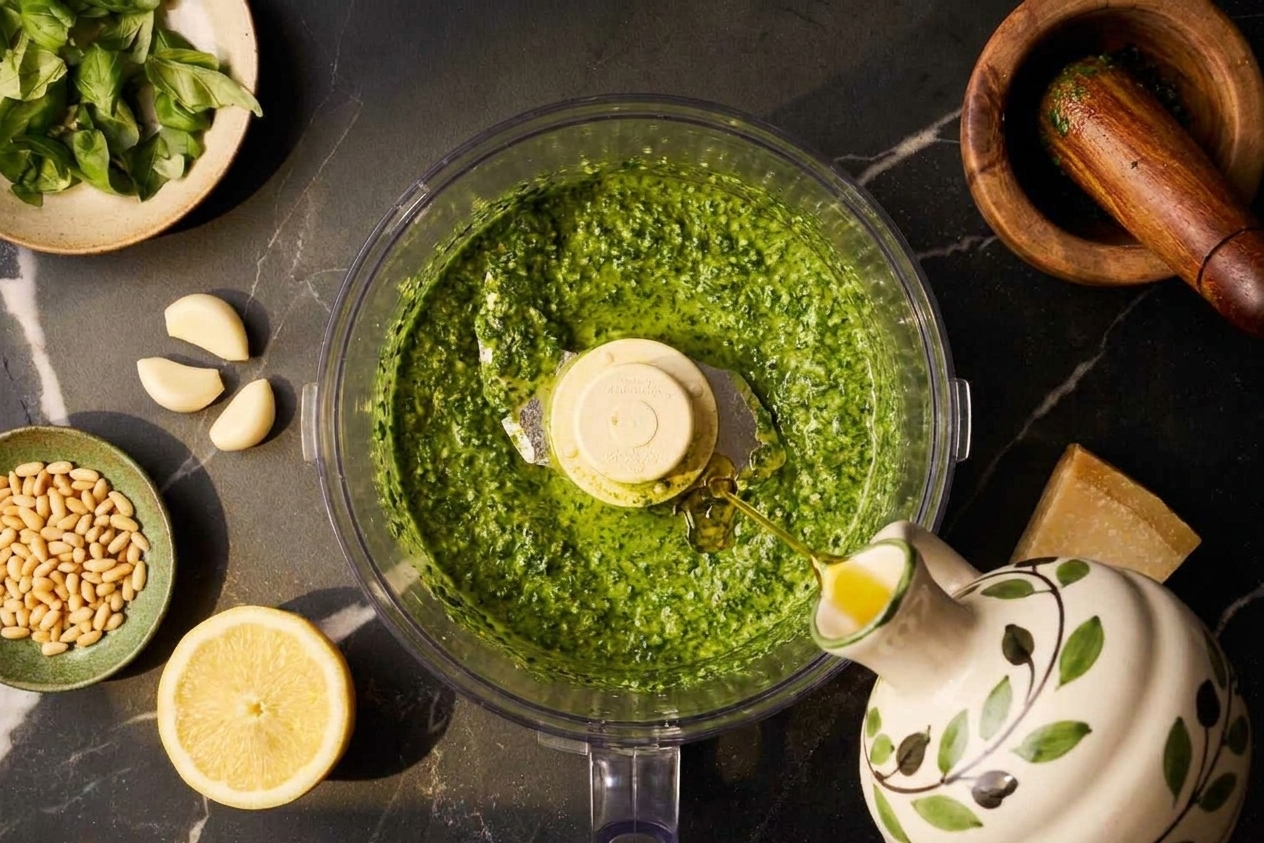
- Prep the basil. Pluck leaves from stems. Rinse quickly if needed, then dry very well. Extra water can dilute the pesto and, if the leaves sit wet, can speed browning.
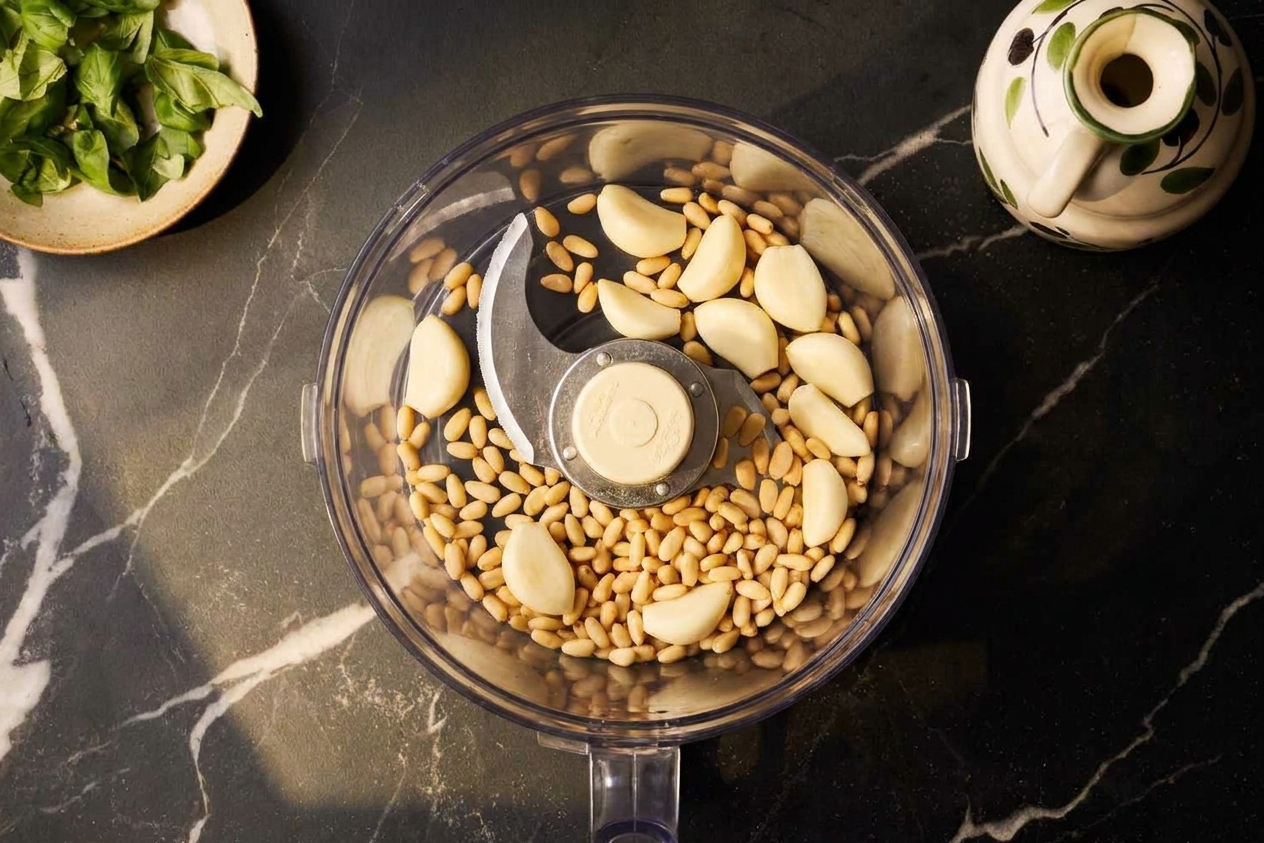
- Start with the nuts and garlic. Pulse pine nuts and garlic until finely chopped. This prevents big chunks later.
- Add basil and salt. Add basil and a pinch of salt. Pulse in short bursts just until the leaves are chopped down. The early pinch of salt helps everything break down evenly without overworking the basil.
- Add cheese. Pulse in the Parmesan so it disperses evenly.
- Add olive oil. With the machine running, drizzle in olive oil until the pesto turns thick and spoonable. If it starts climbing the sides, stop, scrape down, and continue.
- Finish with lemon and adjust. Add 1 teaspoon lemon juice, then taste. Add more lemon, salt, garlic, or a little more oil to get it exactly where you want.
Keep it green and not bitter
If you have ever made pesto that turned dark or tasted harsh, you are not alone. Basil is delicate. These are my go-to fixes:
- Keep heat low: A food processor warms up if you run it too long. Pulse in short bursts, scrape down as needed, then drizzle in the oil with a few quick runs.
- Dry the basil thoroughly: Water left on the leaves can dilute the pesto and encourage faster browning.
- Use younger basil if you can: Very mature basil can lean more peppery and bitter.
- Add a little lemon at the end: Acid can help slow browning and keeps the flavor lively.
- Optional but effective: If you want super-bright green, blanch the basil for 5 to 10 seconds, shock in ice water, then dry very well before blending. It is one extra step, but it works.
Choose your texture
Pesto is not one texture forever. You can tailor it to the job:
- For pasta: Keep it slightly thicker, then loosen with hot pasta water when tossing.
- For sandwiches and wraps: Make it thick so it stays put.
- For roasted veggies or chicken: Make it a little drizzly with extra olive oil and lemon.
- For a creamy pesto: Blend in 1 to 2 tablespoons of Greek yogurt or a spoonful of ricotta right before serving.
Quick fixes
- Too thick: Add a bit more olive oil, or (for pasta) loosen with pasta water.
- Too salty: Blend in a handful more basil or a tablespoon or two of nuts, or mellow it by stirring the pesto into a bigger batch of food.
- Too sharp: Add a little more cheese or nuts, or a tiny splash more oil.
Dinner ideas
If you are staring at a jar of pesto and wondering what to do with it, here are my weeknight favorites. Pick one and dinner basically cooks itself.
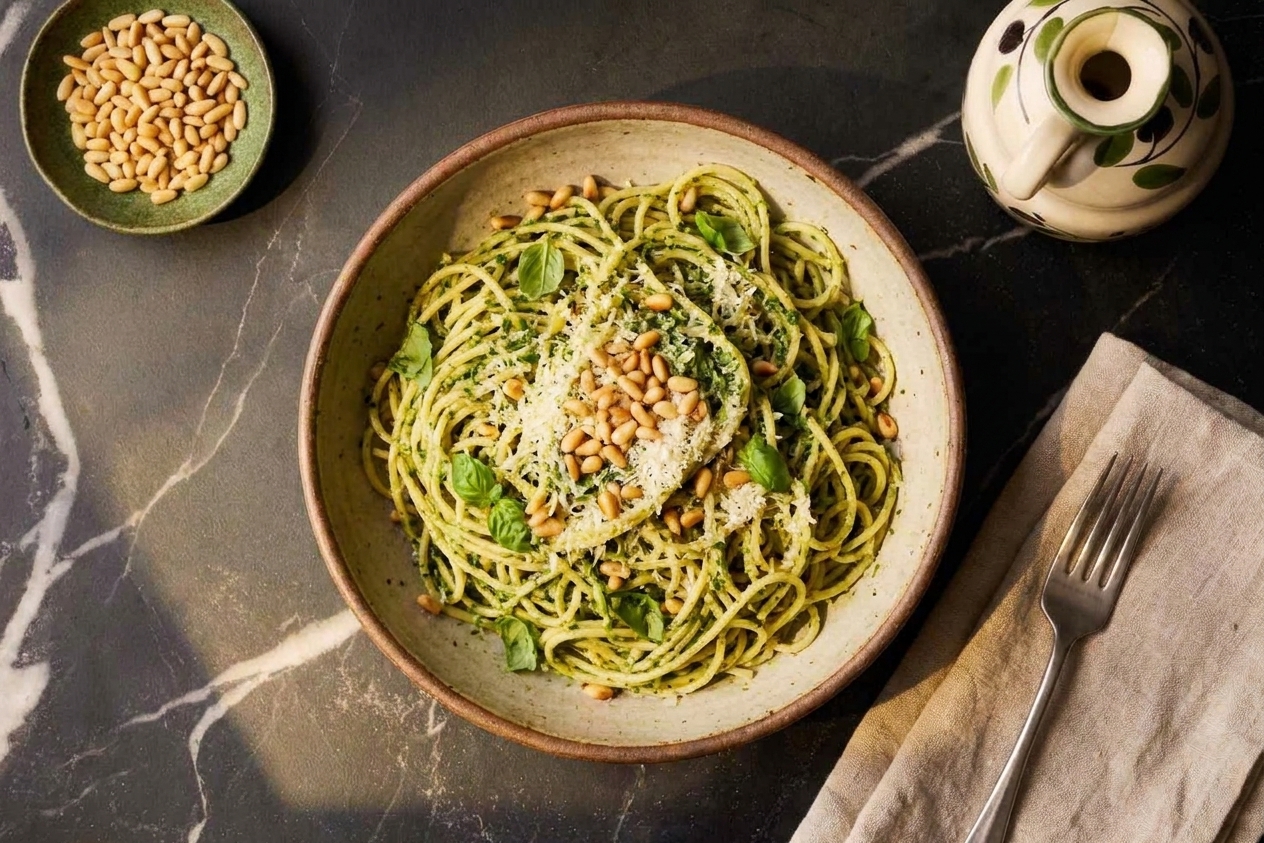
- Pesto pasta: Toss hot pasta with pesto plus a splash of pasta water. Add cherry tomatoes or sautéed zucchini if you have them.
- Sheet-pan pesto chicken: Roast chicken thighs and vegetables, then spoon pesto over everything at the end.
- Pesto grilled cheese: Spread pesto inside a grilled cheese with mozzarella and tomato slices.
- Eggs with pesto: Spoon over scrambled eggs or swirl into an omelet.
- Pesto beans: Warm cannellini beans with a little broth, then stir in pesto and top with Parmesan.
- Pesto vinaigrette: Whisk pesto with extra lemon and olive oil, then drizzle over a salad.
How to store pesto
Pesto is best the day you make it, but it stores well with one small trick: protect it from air. The timelines below are best-quality guidance. Use a clean jar, keep it cold, and discard if you notice mold or an off smell.
In the fridge
- Spoon pesto into a jar or container.
- Smooth the top, then pour a thin layer of olive oil over it to seal.
- Cover tightly and refrigerate for up to 5 days.
In the freezer
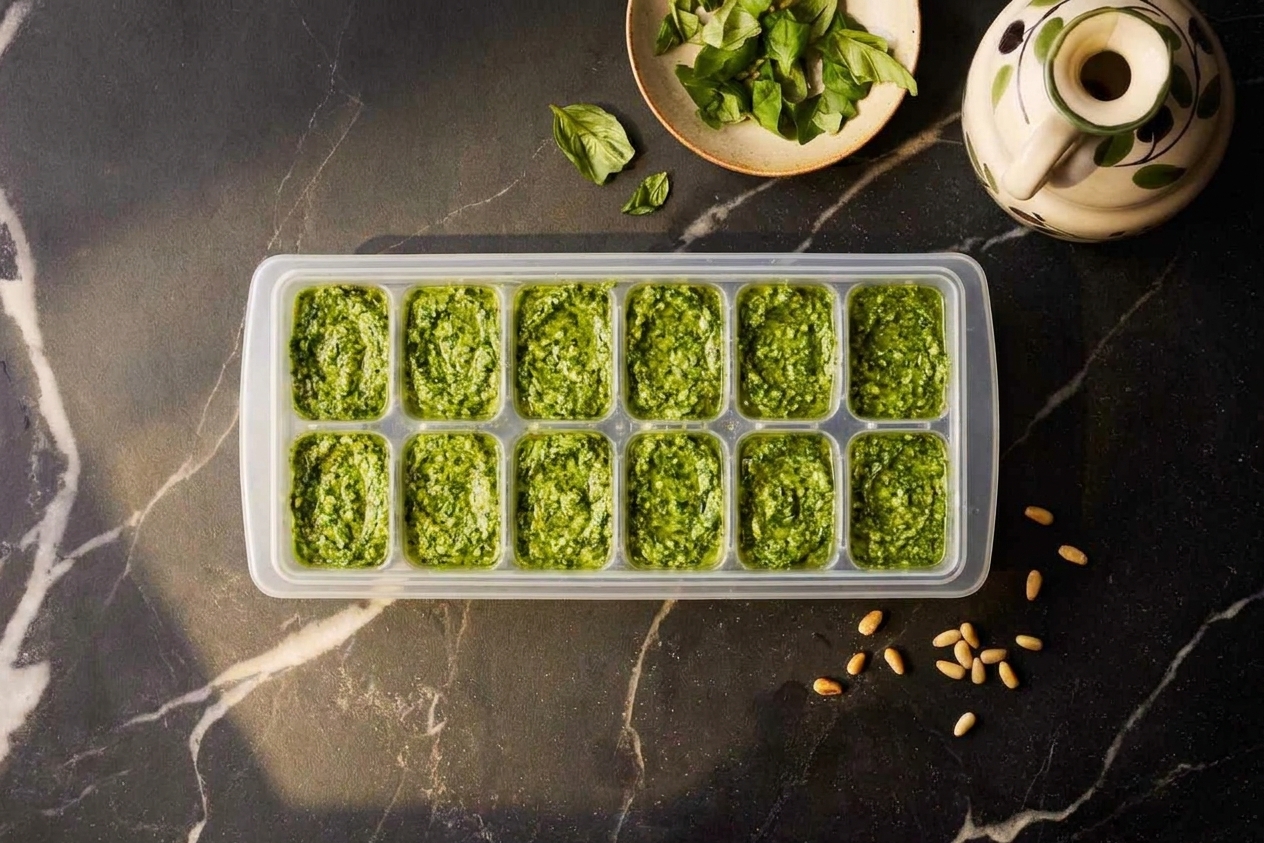
- Freeze in an ice cube tray for perfect small portions.
- Once frozen, pop cubes into a freezer bag and label.
- Use within about 3 months for best flavor.
Smart swaps
Classic ingredients are the goal, but weeknights are real life. These swaps keep you close to the original flavor.
- No pine nuts: Walnuts or almonds work well. Cashews make it extra creamy.
- No Parmesan: Pecorino Romano is saltier and sharper, so use a little less and taste as you go.
- No fresh basil: A mix of basil and baby spinach can help if your basil is skimpy. It will be milder but still tasty.
- Want it dairy-free: Skip the cheese and add extra nuts plus a pinch more salt and lemon to compensate.
FAQ
Can I make pesto without a food processor?
Yes. A blender works, just stop and scrape frequently and drizzle the oil slowly. You can also chop everything by hand and mash with the back of a spoon for a rustic pesto.
Why did my pesto turn dark?
Oxidation and heat are usually the culprits. Dry the basil well, pulse instead of running the machine continuously, add a little acid like lemon if you like, and store with a thin layer of olive oil on top.
How much pesto should I use for pasta?
I start with about 1/3 to 1/2 cup pesto per 12 ounces of pasta, then loosen with pasta water until it coats every strand. Add more if you like it bold.
Should I toast the pine nuts?
It is optional. Toasting adds a warm, nutty flavor, but it also takes an extra few minutes and can deepen the color slightly. For a true weeknight sprint, I often skip it.
How do I mellow raw garlic?
Use fewer cloves, or briefly soak the peeled cloves in cold water for 10 minutes, then pat dry. It takes the sharp edge off while keeping the garlic flavor.