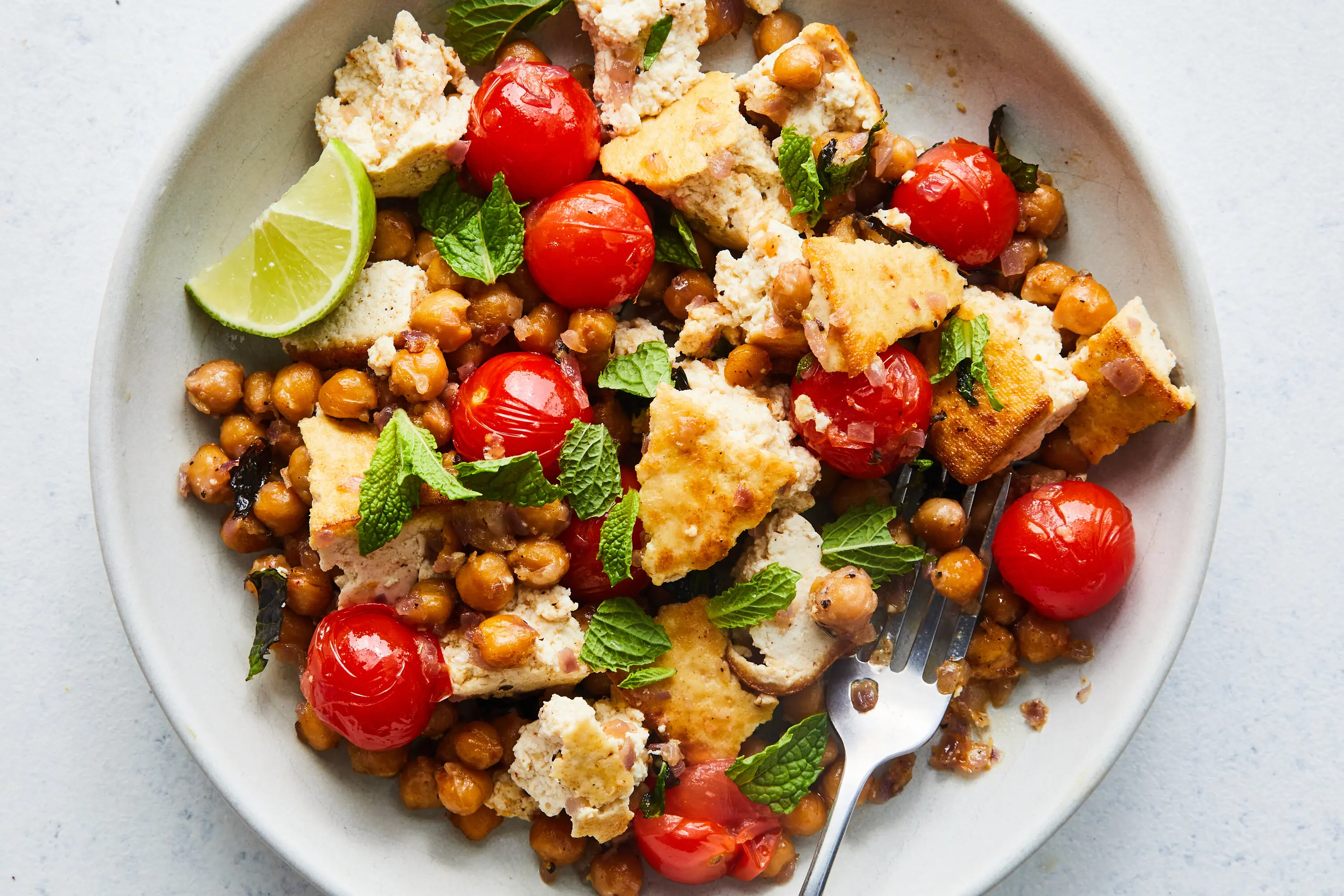
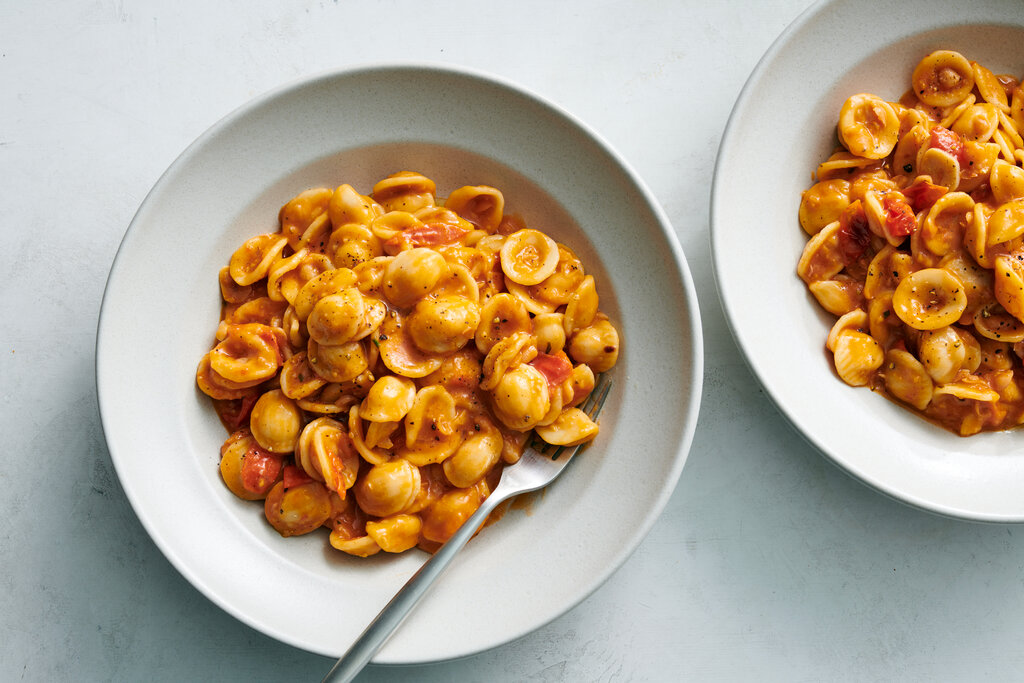
Keep these non-perishable essentials on hand for fast, comforting dinners when the fridge is bare. Includes easy meal combos and my best pantry-cooking tips.
Recipeva
Creamy Dairy-Free Sauces with Cashews, Oats, and Cauliflower
Learn three easy ways to make rich dairy-free cream sauce using cashews, oats, or cauliflower. Perfect for pasta bakes, casseroles, and cozy weeknight dinners.

Maya Reynolds
Maya Reynolds is a passionate home cook, recipe developer, and the creative voice behind Recipeva. With over a decade of experience translating complex culinary techniques into approachable weeknight meals, she focuses on creating dishes that bring joy to the dinner table without the stress.
Created September 21, 2026
Updated September 21, 2026
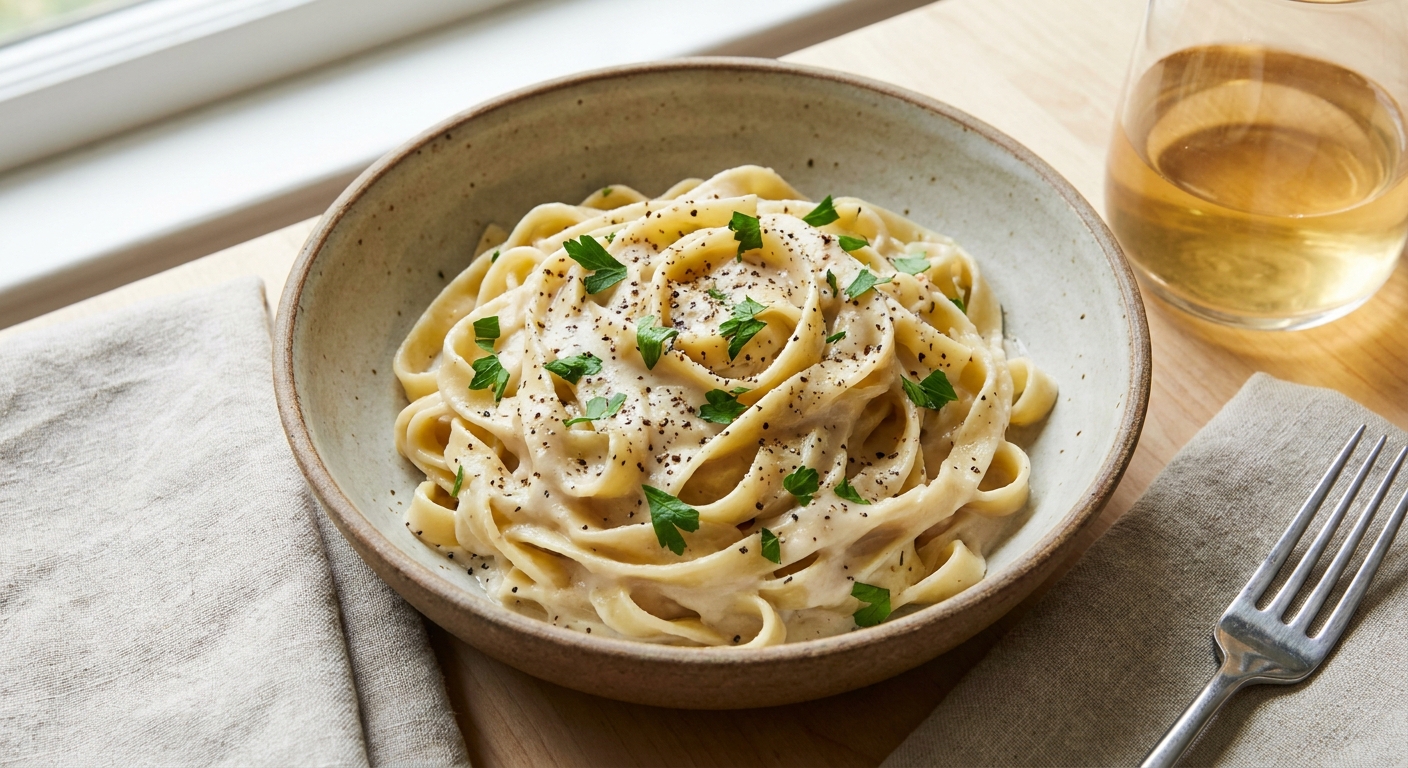
If you've ever stood over a casserole dish thinking, “I just want that creamy, cozy vibe without dairy,” I'm right there with you. The good news is you don't need specialty products or complicated techniques. You need one good base, a blender (or a pot and a spoon), and a couple of smart flavor boosters.
Today I'm walking you through three of my most-used creamy dairy-free sauces for pasta and casseroles:
- Cashew cream sauce for the richest, most restaurant-style results
- Oat cream sauce for the quickest, budget-friendly weeknight option
- Cauliflower cream sauce for a lighter, veggie-forward creamy base
I'll give you a dependable master recipe for each one, plus variations and troubleshooting. Pick the one that fits your pantry and your mood.
Before you start: silky sauce rules
- Blend longer than you think. Most “grainy” sauce problems are just under-blending. Give it time to turn glossy.
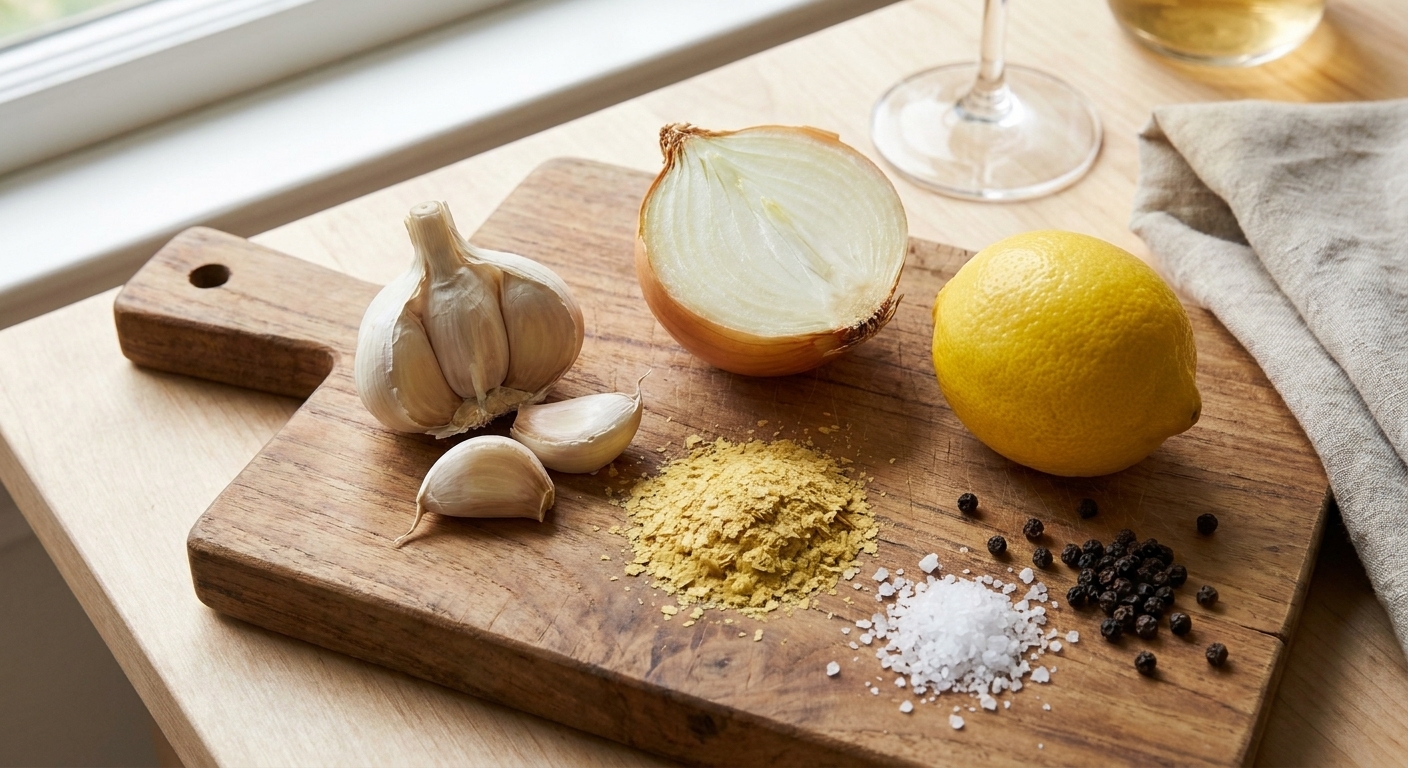
- Add flavor in layers. A creamy base needs salt, acidity (lemon or vinegar), and something savory (garlic, miso, mustard, nutritional yeast) for that rounded, umami finish.
- Thin with hot liquid. Warm water, broth, or pasta water helps the sauce get smooth and clingy.
- Heat gently. Dairy-free sauces can thicken fast. Keep it at a low simmer and stir often.
Method 1: Cashew cream sauce
This is my go-to when I want a sauce that tastes like it belongs in a cozy Italian restaurant booth. Cashews blend into a naturally sweet, neutral cream that carries garlic, lemon, and parmesan-like flavors beautifully.
Best for
- Fettuccine-style creamy pastas
- Tuna-free “tuna” noodle casseroles with chickpeas
- Broccoli and rice bakes, cauliflower gratin-style dishes
Yield
Makes about 1 3/4 to 2 cups sauce, enough for 8 to 12 ounces of pasta (or one cozy casserole).
What you need
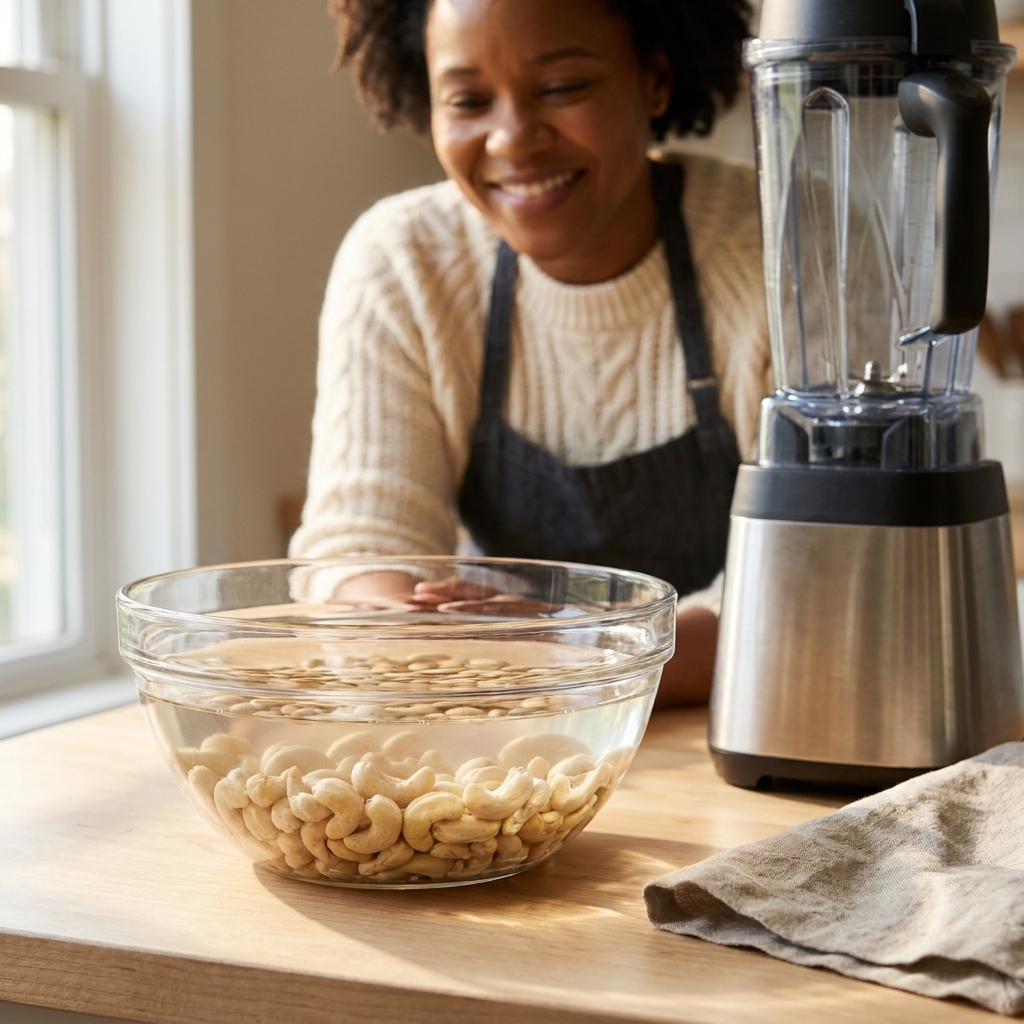
- 1 cup raw cashews
- 1 to 1 1/4 cups hot water or vegetable broth, plus more to thin
- 2 to 3 cloves garlic (my vote is 3, always)
- 2 tablespoons nutritional yeast (optional but highly recommended)
- 1 tablespoon lemon juice
- 3/4 teaspoon kosher salt, plus more to taste
- 1/4 teaspoon black pepper
- Optional: 1 teaspoon Dijon mustard or 1 teaspoon white miso for extra savoriness
How to make it
- Soak the cashews. For the smoothest sauce, soak in hot water for 20 to 30 minutes (or overnight in the fridge). Drain.
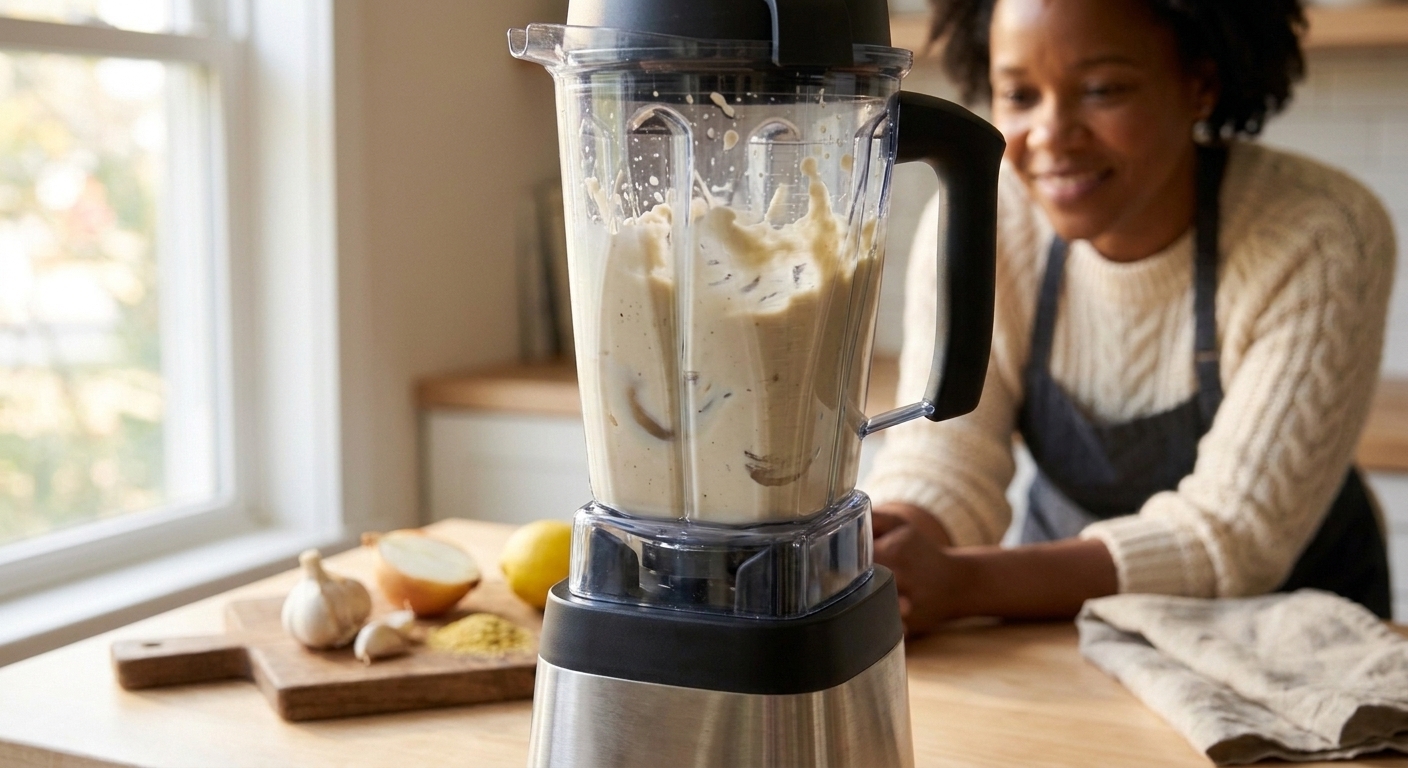
- Blend. Add soaked cashews, 1 cup hot water or broth, garlic, nutritional yeast, lemon juice, salt, pepper, and any optional boosters. Blend 60 to 120 seconds until completely silky.
- Heat to thicken. Pour into a saucepan and simmer on low 2 to 5 minutes, stirring, until it coats the back of a spoon. Thin with more hot water or pasta water as needed.
Easy flavor variations
- Garlic Alfredo: sauté minced garlic in olive oil first, then whisk in the blended sauce.
- Cheesy bake sauce: add 1/2 teaspoon smoked paprika and an extra 1 to 2 tablespoons nutritional yeast.
- Herb cream: blend in fresh basil or parsley at the end, then warm gently.
- Spicy: add a pinch of cayenne or a spoonful of Calabrian chile paste.
Troubleshooting
- Too thick: whisk in hot water, broth, or pasta water a tablespoon at a time.
- Not “cheesy” enough: add nutritional yeast, a tiny spoon of miso, and a bit more salt.
- Grainy: soak longer and blend longer. A high-speed blender helps, but time is your friend either way.
Method 2: Oat cream sauce
If cashews feel pricey or you just want something you can whip up with what you've already got, oats are the move. Oat cream sauce is mild and cozy, and it thickens nicely when warmed. This is my weeknight “I need dinner to happen” sauce.
Best for
- Quick mac and “cheese” style bakes
- Chicken-free pot pie filling or creamy veggie casseroles
- Simple creamy pastas with mushrooms or peas
Yield
Makes about 2 cups sauce, enough for 8 to 12 ounces of pasta or a small casserole.
What you need
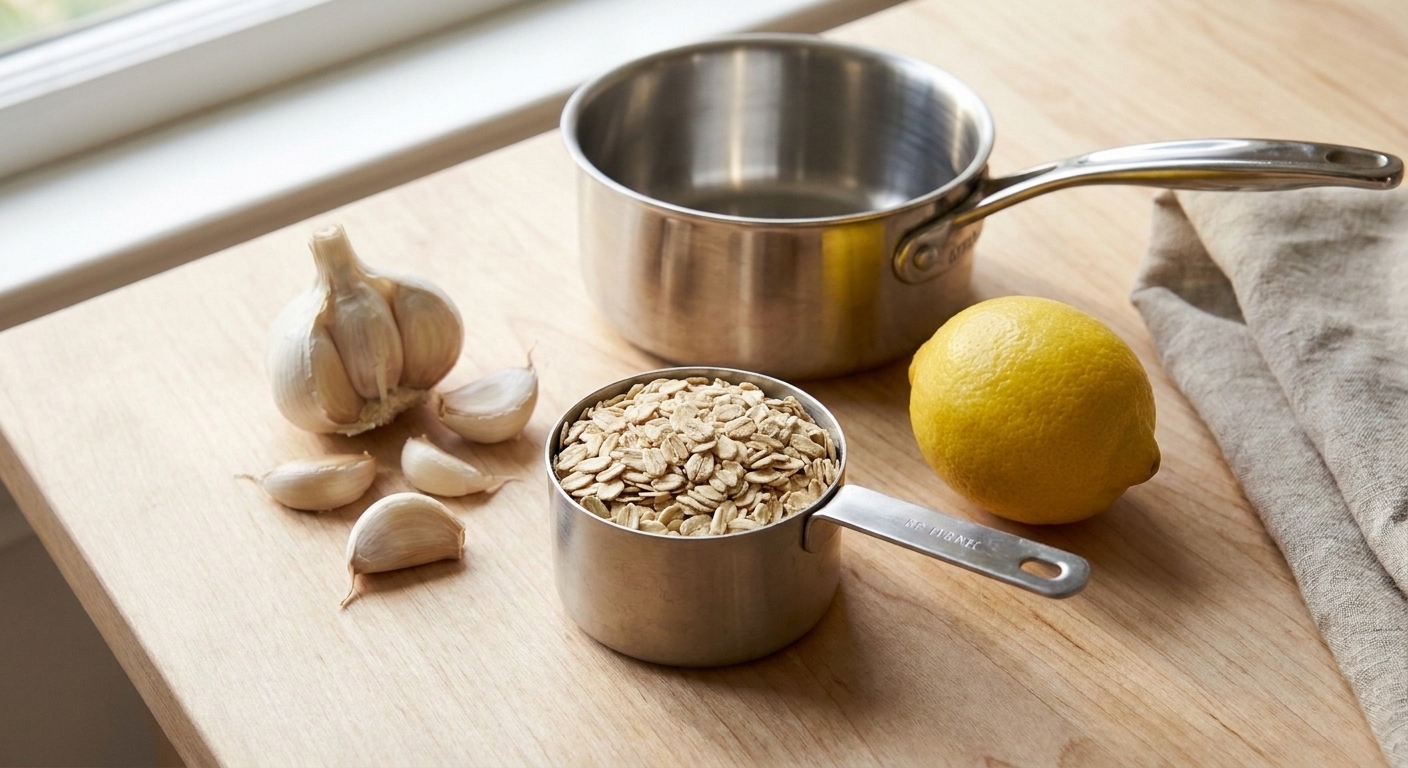
- 1/2 cup rolled oats (or quick oats)
- 1 1/2 cups water or unsweetened non-dairy milk
- 1 clove garlic (or 1/2 teaspoon garlic powder)
- 1 tablespoon lemon juice or apple cider vinegar
- 1 to 2 tablespoons nutritional yeast (optional)
- 3/4 teaspoon kosher salt, plus more to taste
- 1 to 2 tablespoons olive oil (for richness)
How to make it
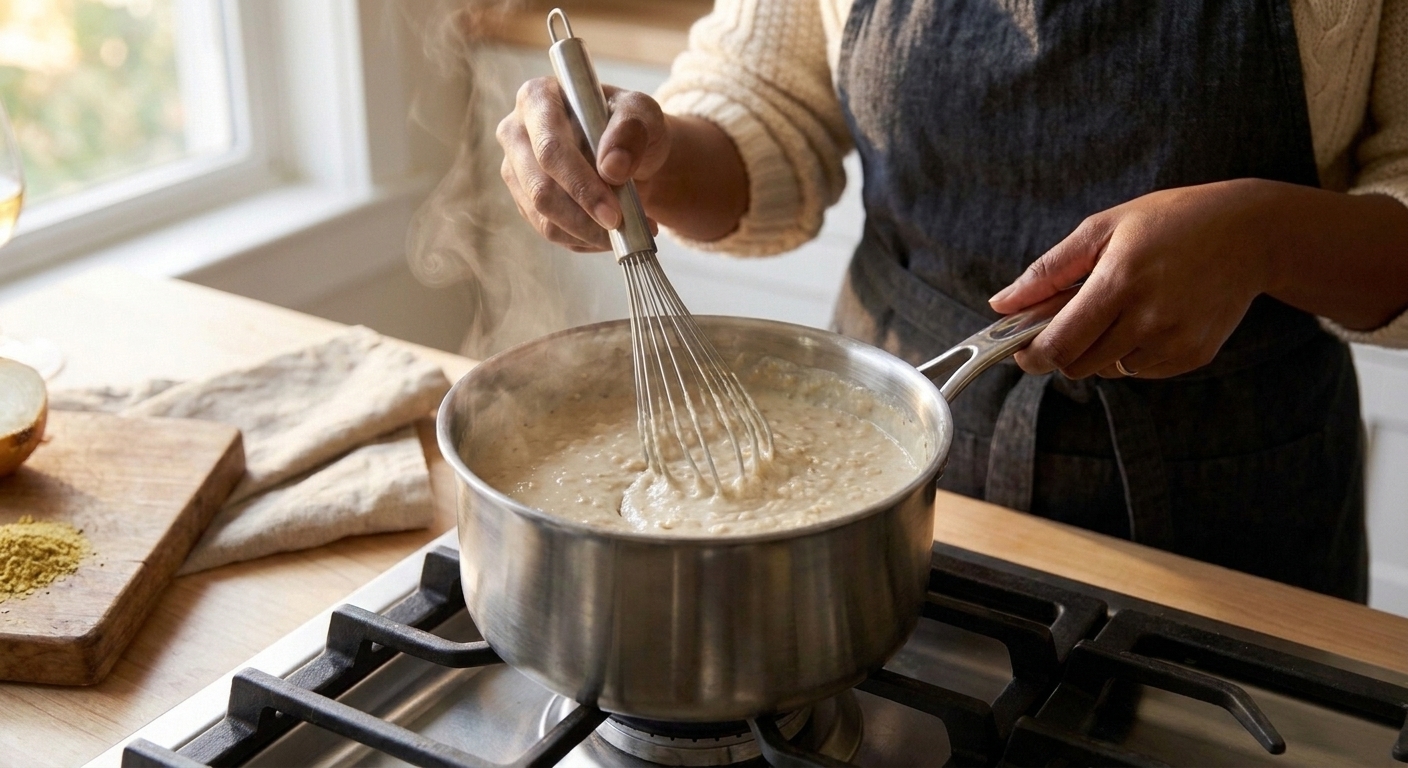
- Soften the oats. Simmer oats with water or non-dairy milk for 3 to 5 minutes, just until tender.
- Blend until smooth. Carefully transfer to a blender. Add garlic, lemon juice, nutritional yeast (if using), salt, and olive oil. Blend just until smooth, 30 to 60 seconds.
- Return to the pot. Pour back into the saucepan and warm on low 1 to 3 minutes, stirring, until glossy and thick enough to coat pasta. Don't boil it, since high heat can make oat sauce go a little slick or gummy.
Oat note (so it doesn't get gummy)
Oats thicken as they sit. That's great for casseroles, but for pasta sauce you might need to loosen it with warm broth or pasta water right before serving. Keep the heat gentle, whisk often, and avoid over-blending.
Easy flavor variations
- Roasted garlic: blend in a few roasted garlic cloves for sweetness.
- Mushroom cream: sauté mushrooms and thyme, then stir in oat cream and a splash of soy sauce.
- “Nacho” vibe: add smoked paprika and a pinch of cumin, plus extra nutritional yeast.
Method 3: Cauliflower cream sauce
Cauliflower makes a beautiful creamy base when it's cooked until very tender and blended with a little fat and seasoning. It's lighter than cashew sauce, and it's a sneaky way to add veggies to pasta bakes without announcing it.
Best for
- Creamy tomato-cauliflower pasta sauce
- Veggie casseroles and baked ziti-style dishes
- “Creamed” spinach or creamy soups that you want to keep dairy-free
Yield
Makes about 3 cups sauce (depending on how much broth you add), enough for 12 to 16 ounces of pasta or a bigger casserole.
What you need
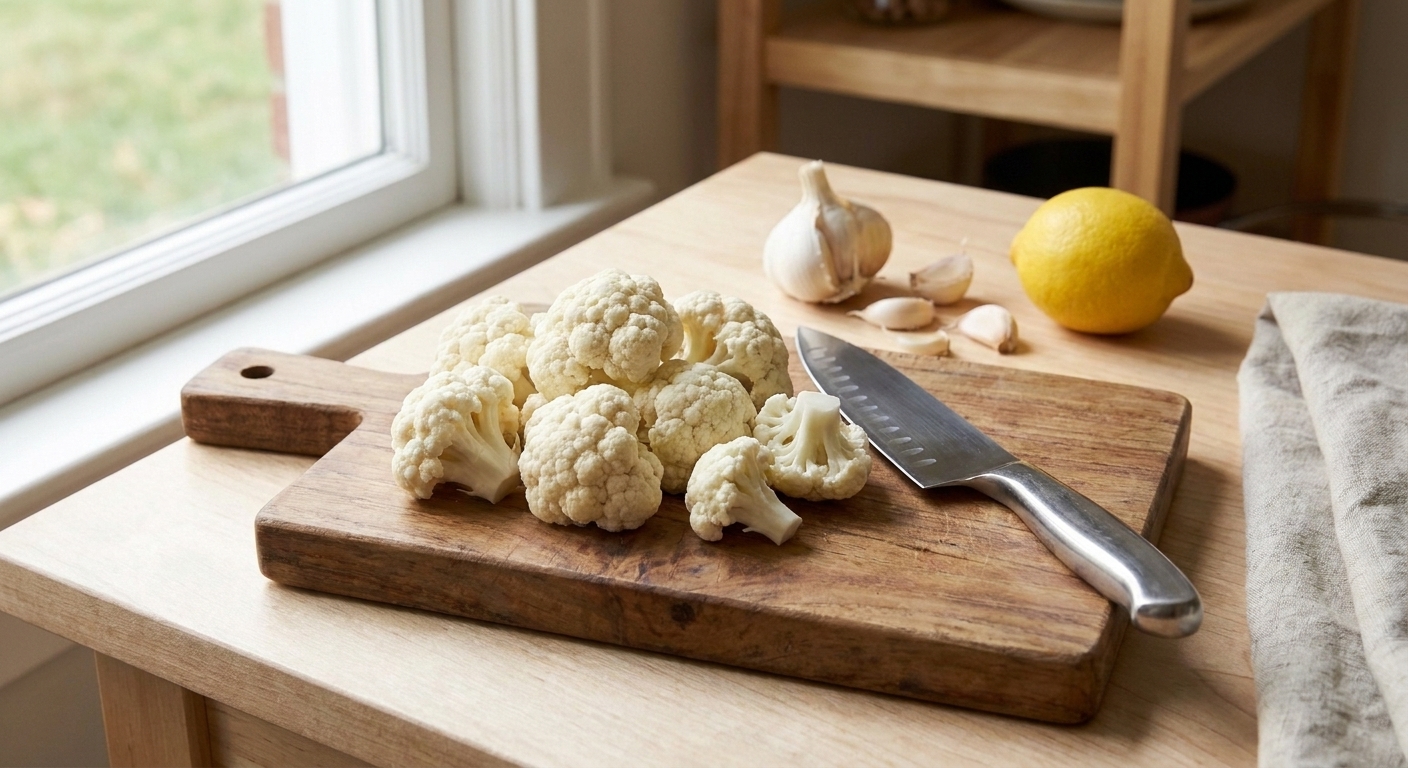
- 1 medium head cauliflower, cut into florets (about 5 to 6 cups, give or take)
- 1/2 to 1 cup vegetable broth (or cooking water), plus more as needed
- 2 cloves garlic
- 2 tablespoons olive oil or vegan butter
- 1 tablespoon lemon juice
- 1 teaspoon kosher salt, plus more to taste
- Black pepper to taste
- Optional: 1 to 2 tablespoons nutritional yeast, or 1 teaspoon miso
How to make it
- Cook the cauliflower until very soft. Steam or boil 10 to 12 minutes. You want it easily mashed with a fork.
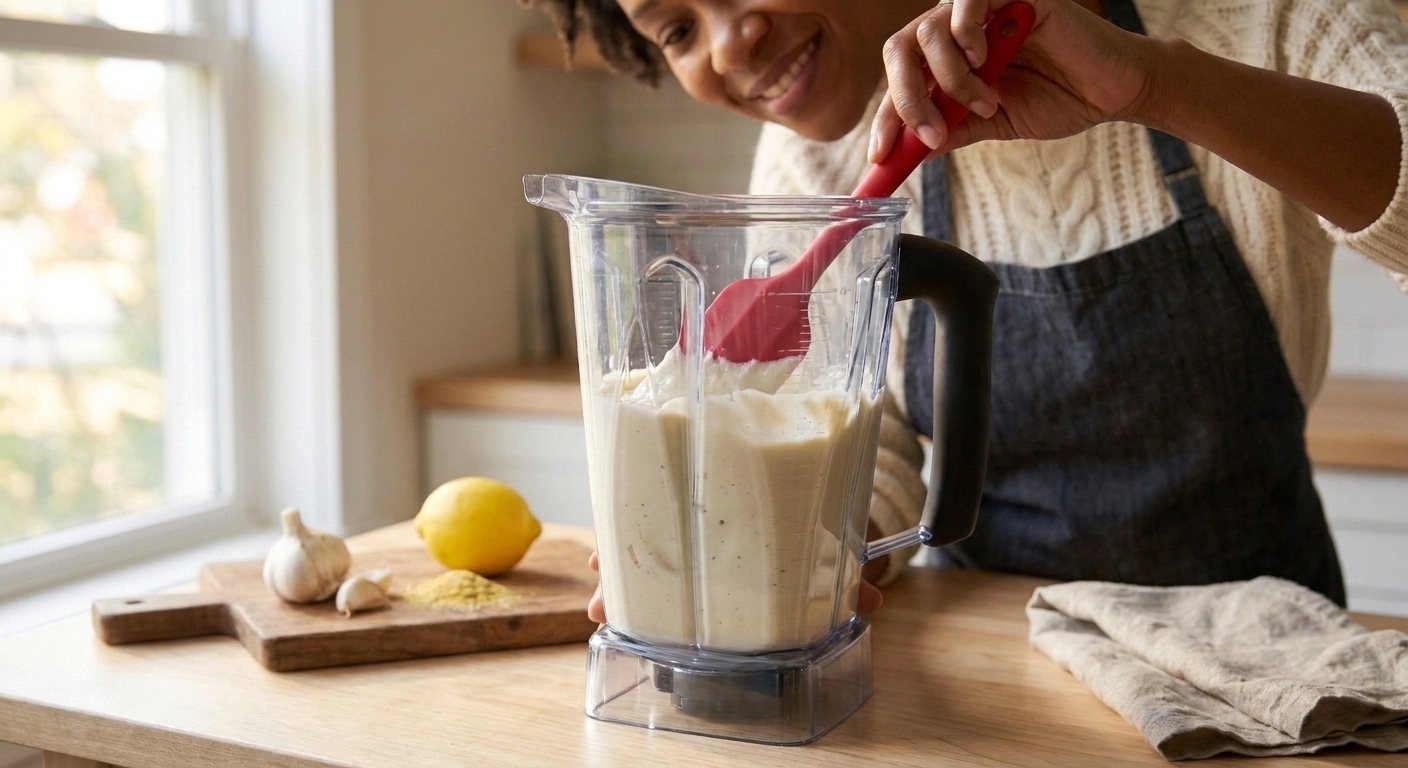
- Blend. Add cauliflower to a blender with 1/2 cup broth, garlic, olive oil, lemon juice, salt, pepper, and any optional boosters. Blend until totally smooth. Add more broth as needed.
- Warm and season. Simmer on low 2 to 4 minutes. Taste and adjust salt and lemon.
Flavor variations
- Creamy marinara: stir 1 to 2 cups warm marinara into the cauliflower sauce for a rosy, mellow cream sauce.
- Roasted cauliflower: roast florets until caramelized for deeper flavor, then blend.
- Lemon herb: add zest and a handful of parsley or dill.
If it tastes a little flat
Cauliflower sauce can read a bit “cabbagey” if it's under-seasoned. A little extra lemon, more garlic, and a small spoon of miso fixes it fast.
How to pick your base
- Want the richest sauce: cashews
- Need the cheapest and fastest: oats
- Want a lighter, veggie-heavy option: cauliflower
And remember, you can mix them. A small handful of cashews blended into cauliflower sauce is a really lovely middle ground.
Make it pasta-ready
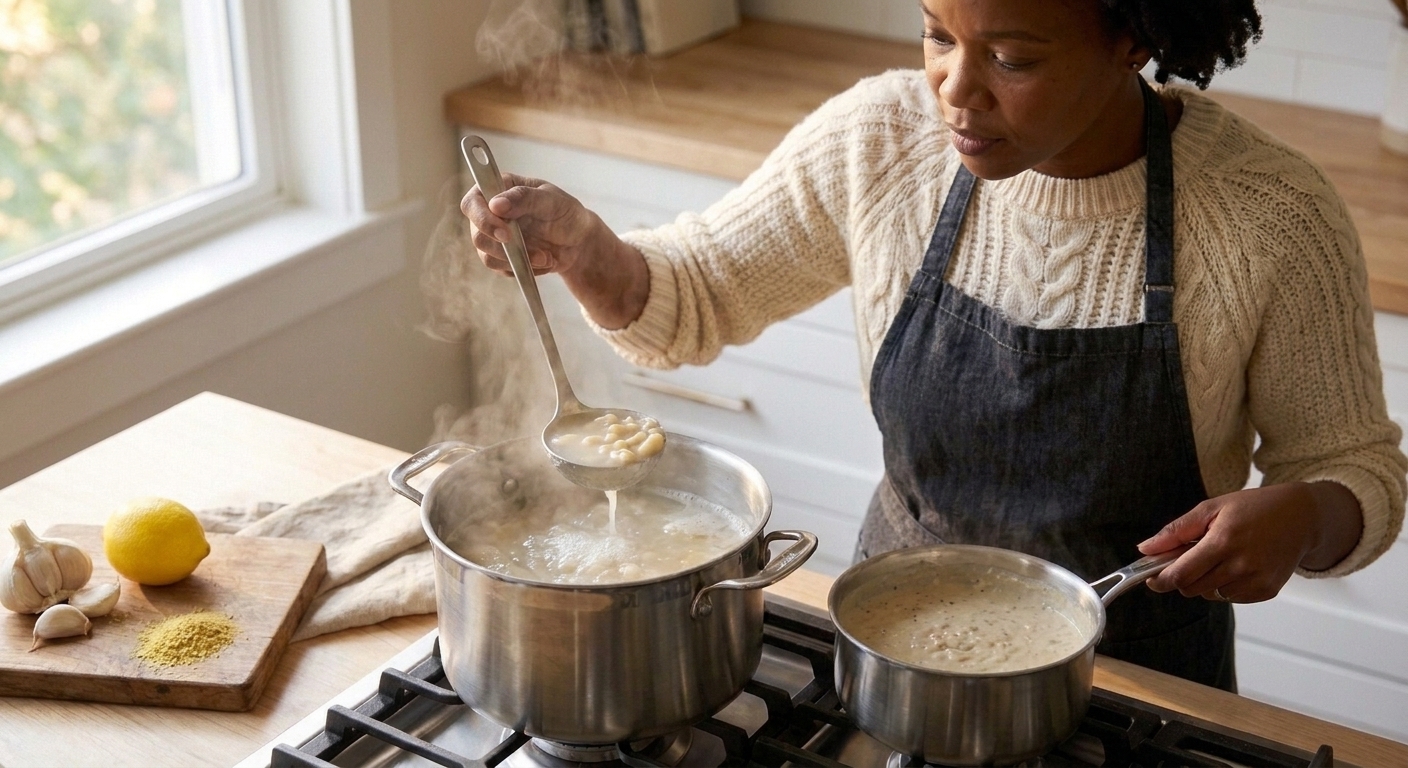
- Use pasta water: That starch helps dairy-free sauces cling to noodles and turn glossy.
- Finish pasta in the sauce: Toss cooked pasta with the warm sauce in a skillet for 1 to 2 minutes.
- For baked casseroles: Keep the sauce slightly thinner than you think. It'll thicken in the oven.
My favorite flavor boosters
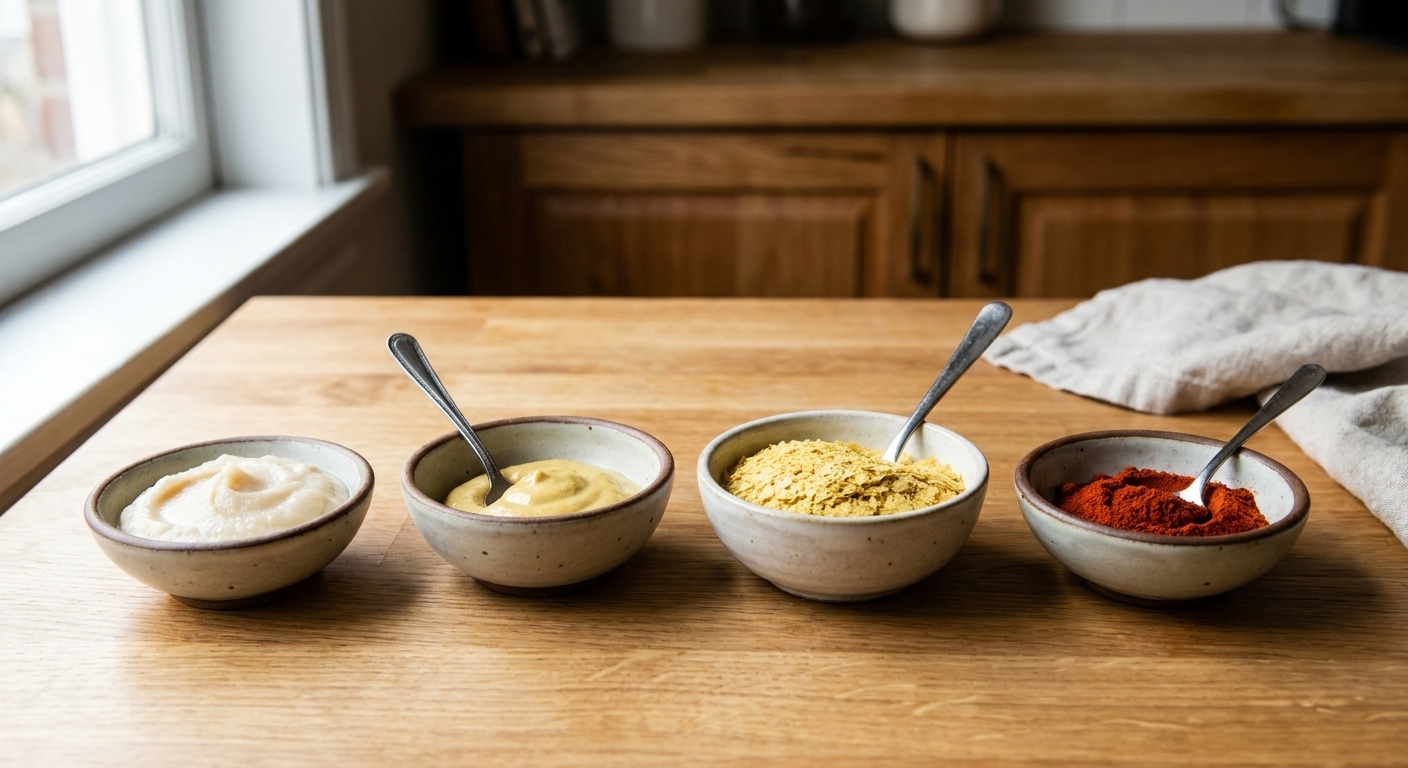
- Nutritional yeast: savory, cheesy vibes
- Miso paste: deep umami in a tiny spoonful
- Dijon mustard: adds tang and rounds out “creaminess”
- Lemon juice or vinegar: makes the flavor pop
- Garlic: yes, and then a little more
- Smoked paprika: cozy depth, especially for casseroles
Allergen notes and swaps
- Cashews: If you're avoiding tree nuts, try sunflower seeds (soaked like cashews) or a white bean base (cannellini blended with broth, lemon, and garlic).
- Oats: Oats are naturally gluten-free, but cross-contamination happens. If you need gluten-free, look for certified gluten-free oats.
Storage and reheating
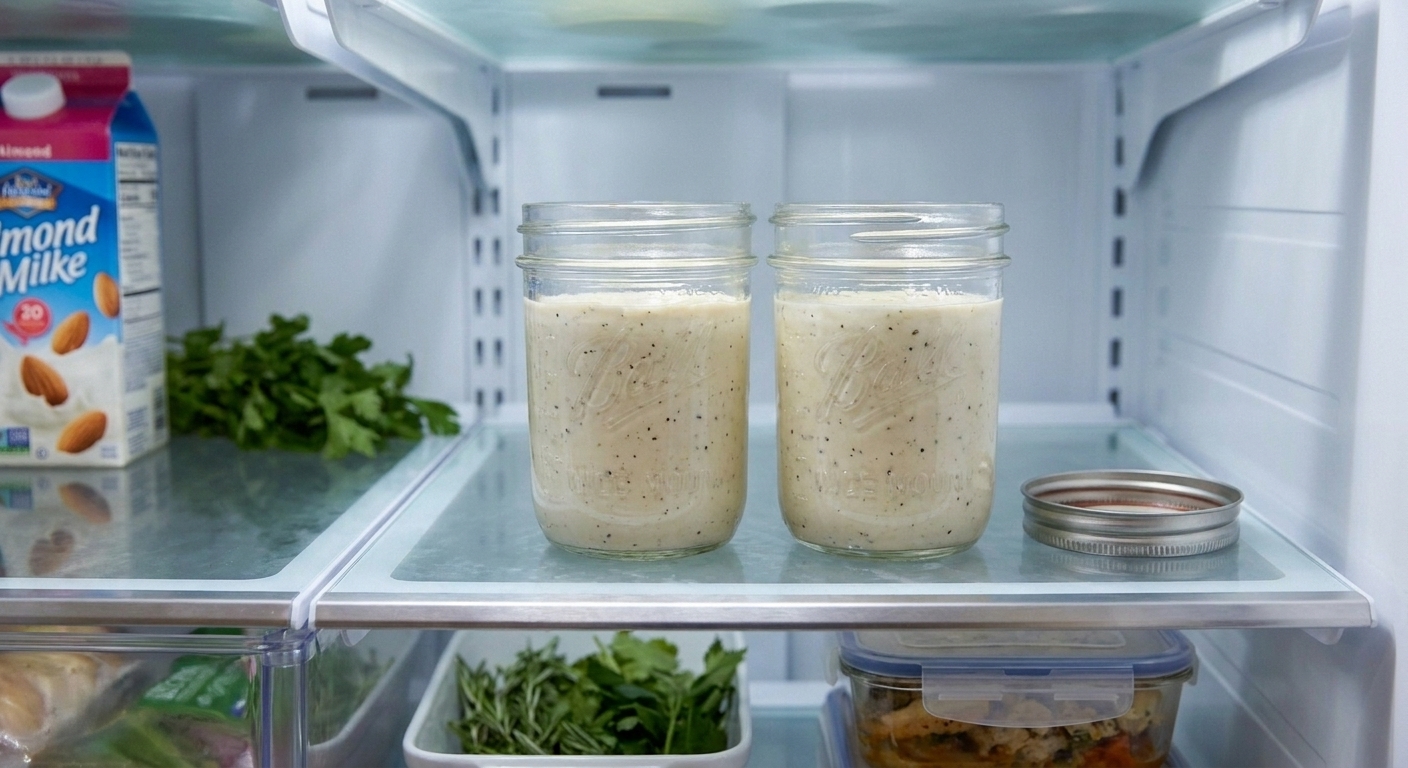
- Cool first: Let sauce cool to room temp before refrigerating or freezing.
- Fridge: Store sauces in an airtight container for up to 4 days.
- Reheat: Warm gently on the stove, whisking often. Add a splash of broth or water to loosen.
- Freeze:
- Cashew sauce: freezes well for up to 2 months. Thaw in the fridge and re-blend if needed.
- Cauliflower sauce: generally freezes well. Texture can loosen slightly, but a quick blend fixes it.
- Oat sauce: can freeze, but may get a little gummy. If you freeze it, plan to re-blend and thin after thawing.
Dinner ideas
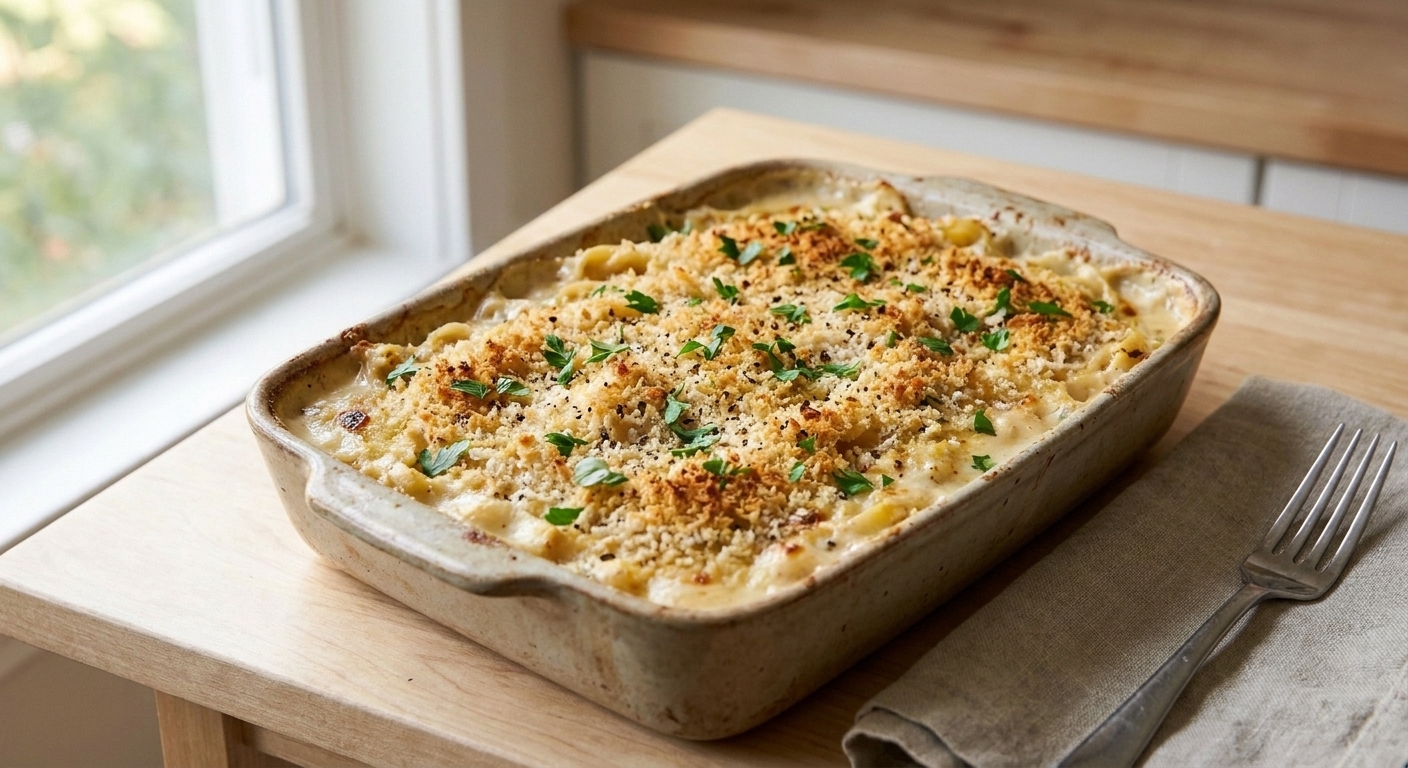
- Garlic cashew Alfredo bake: penne + steamed broccoli + cashew sauce + breadcrumbs, baked until bubbly.
- Oat cream veggie pot pie filling: sauté carrots, peas, onion, and mushrooms, stir in oat sauce, top with puff pastry or biscuits.
- Cauliflower rosy pasta: cauliflower sauce + marinara + spinach, tossed with rigatoni.
FAQ
Do I need a high-speed blender?
It helps most with cashews, but you can still get great results with a standard blender. Soak cashews longer (overnight is easiest), use hot liquid, and blend a full 2 minutes. For cauliflower and oats, most blenders do fine.
Why does my dairy-free sauce taste flat?
Almost always it needs more salt and a little acid. Add a pinch of salt, then a small squeeze of lemon. Taste again. A teaspoon of miso or Dijon can also add that missing “something.”
How do I keep sauce creamy in the oven?
Make it slightly thinner before baking and cover the casserole for the first half of baking time to help prevent drying. If it looks tight when it comes out, stir in a splash of hot broth and let it sit 5 minutes.
One last pep talk

If you try one of these and it's not perfect on the first go, don't panic. Creamy sauces are incredibly forgiving. Too thick? Add broth. Too bland? Salt and lemon. Not cheesy enough? Nutritional yeast and a tiny spoon of miso. You've got this, and your pasta bake is about to be very, very happy.