A beginner-friendly, step-by-step guide to making a tender, flaky pie crust with butter and shortening, plus chilling timelines, rolling techniques, blind ba...
Recipeva
Flaky Chicken Pot Pie Crust (Double Crust)
Make a buttery, flaky double crust chicken pot pie with a classic creamy filling. Step-by-step instructions, troubleshooting, make-ahead tips, and baking cues for a crisp crust.

Maya Reynolds
Maya Reynolds is a passionate home cook, recipe developer, and the creative voice behind Recipeva. With over a decade of experience translating complex culinary techniques into approachable weeknight meals, she focuses on creating dishes that bring joy to the dinner table without the stress.
Created September 21, 2026
Updated September 21, 2026
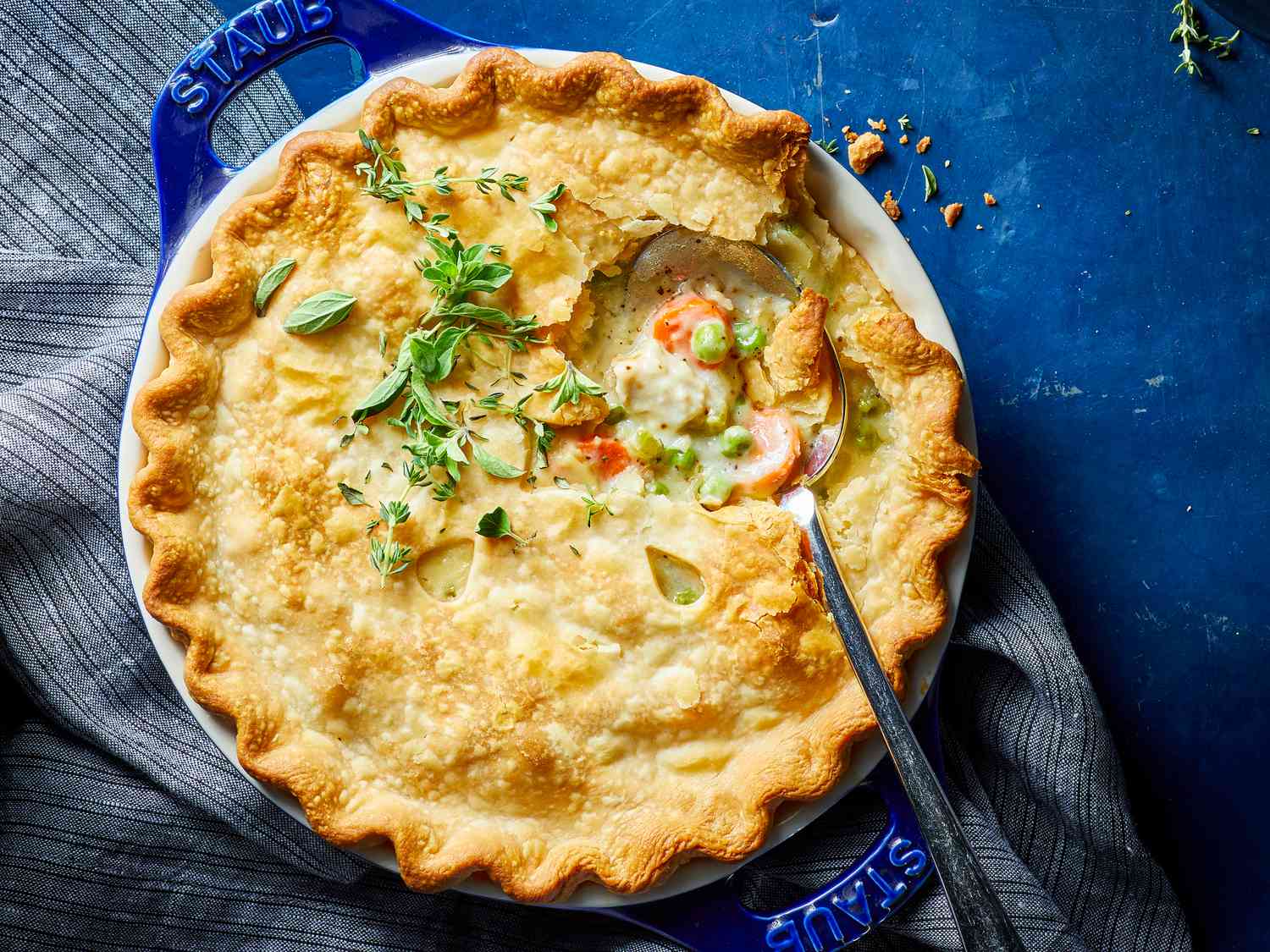
There are two kinds of chicken pot pie nights: the ones where you grab something convenient and the ones where you make the crust from scratch and feel like a cozy kitchen wizard. This is for the second kind. And I promise, you do not need fancy tools or pastry school confidence.
We are making a buttery, flaky double crust that bakes up crisp on top and sturdy on the bottom, plus a classic creamy chicken and vegetable filling that slices cleanly and tastes like a warm blanket.
Yield: 1 (9-inch) pot pie (about 6 to 8 servings)
Time: About 45 minutes active, plus 1 hour chilling, plus 50 to 60 minutes baking
What makes pot pie crust different
Pot pie asks a lot from crust. It needs to be flaky, yes, but it also needs to hold up to a rich gravy without turning soggy. Here is how we help it succeed:
- Cold fat for layers (tiny butter pieces melt in the oven and leave flaky pockets).
- Tender dough (a touch of vinegar can help limit gluten development, which keeps the crust tender, not tough).
- Smart assembly (cool filling plus venting keeps the top crisp and the inside perfectly saucy).
Ingredients you will need
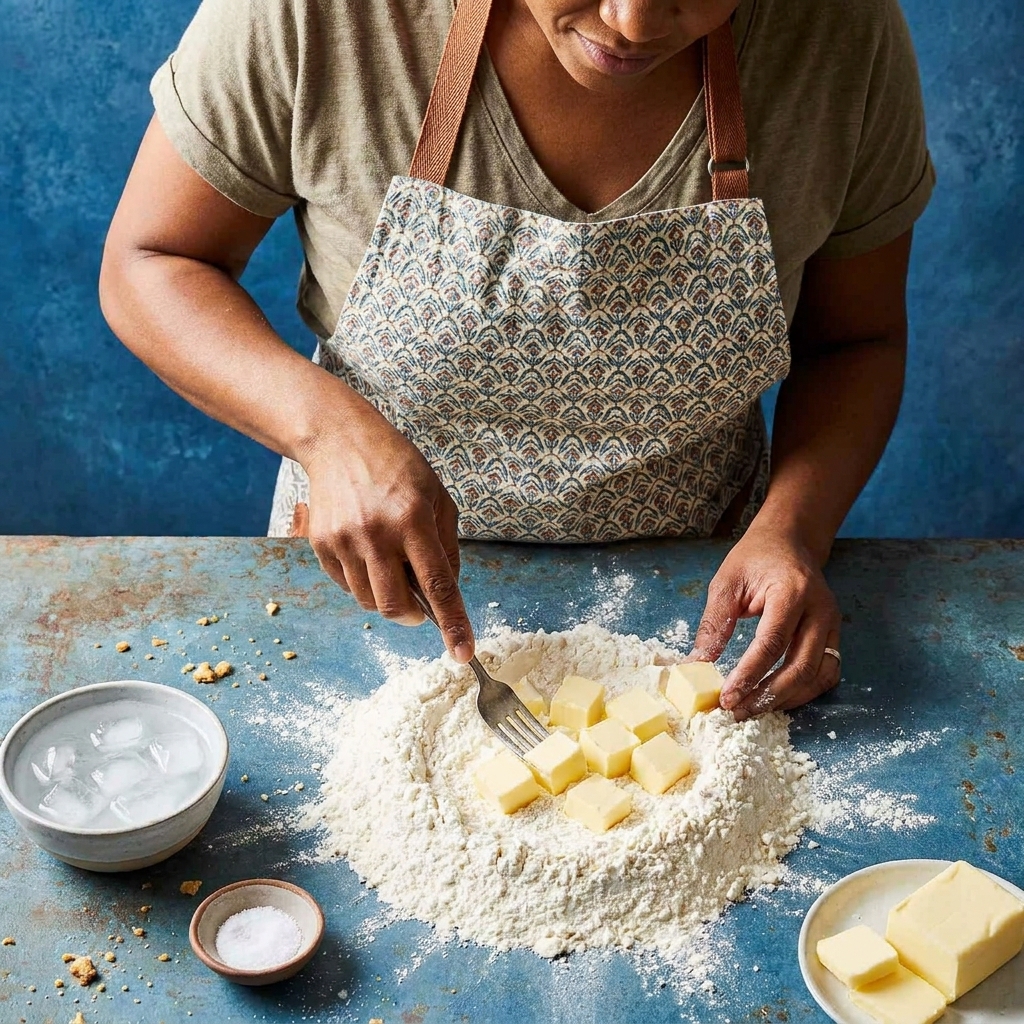
For the flaky double crust
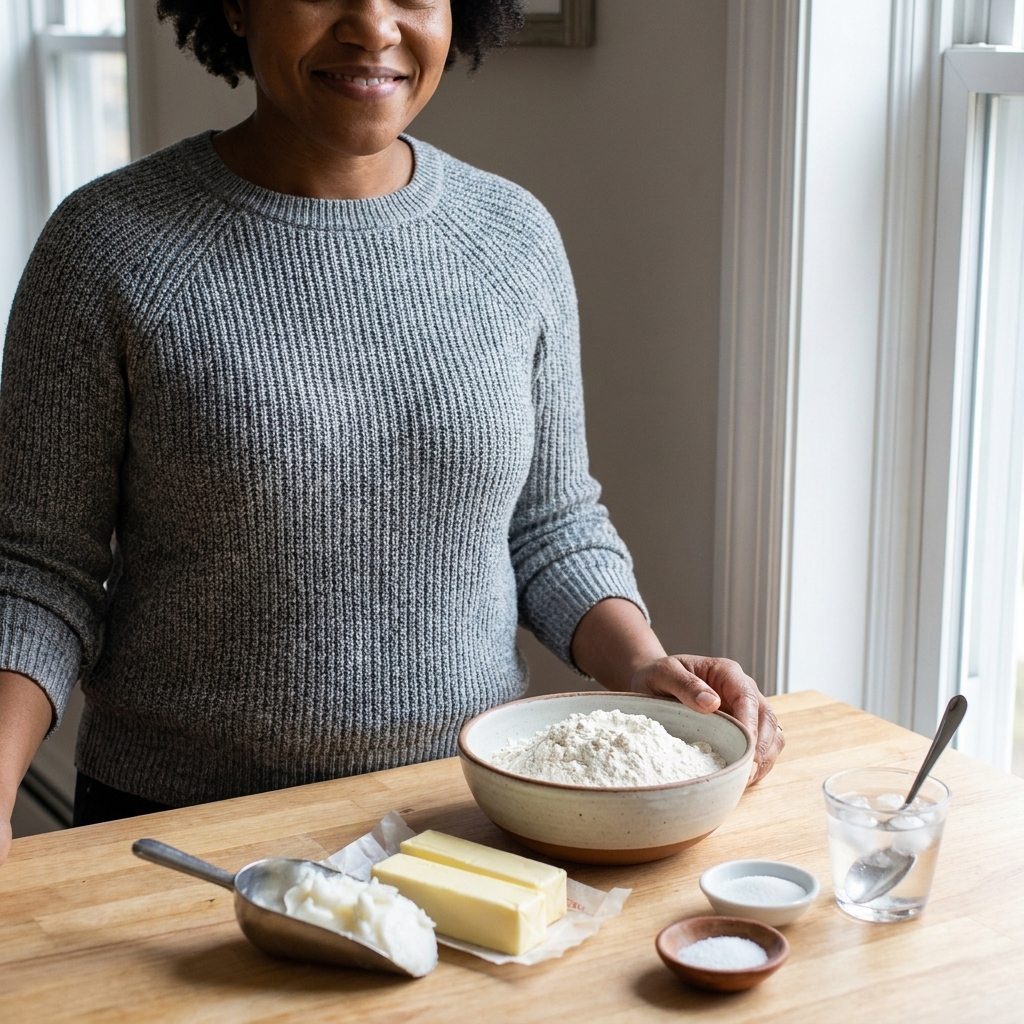
- 2 1/2 cups all-purpose flour, plus more for dusting
- 1 teaspoon fine salt
- 1 tablespoon sugar (optional, but helps browning)
- 1 cup (2 sticks) unsalted butter, very cold, cut into cubes
- 1/3 to 1/2 cup ice water (you will use what you need)
- 1 tablespoon apple cider vinegar or white vinegar
For the classic chicken pot pie filling
- 4 tablespoons butter
- 1 yellow onion, diced
- 2 carrots, diced small (about 1/4-inch)
- 2 celery stalks, diced small (about 1/4-inch)
- 3 cloves garlic, minced (or 4. You know me.)
- 1/3 cup all-purpose flour
- 2 cups chicken broth
- 1 1/2 cups whole milk or half-and-half
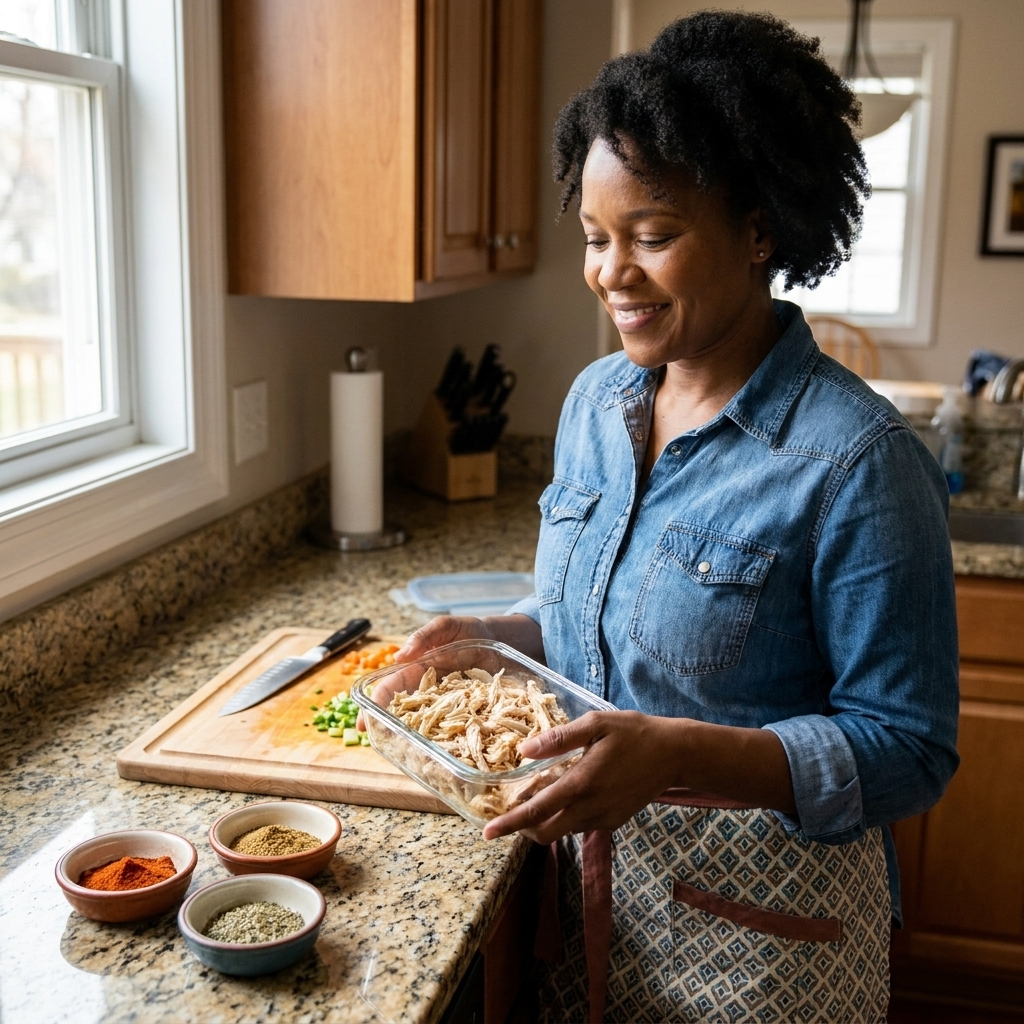
- 2 to 3 cups cooked chicken, shredded or diced (rotisserie is perfect)
- 1 cup frozen peas
- 1/2 cup frozen corn (optional but lovely)
- 1 teaspoon kosher salt, plus more to taste
- 1/2 teaspoon black pepper
- 1/2 teaspoon dried thyme (or 1 teaspoon fresh)
- 1 tablespoon chopped fresh parsley (optional)
- 1 egg + 1 tablespoon water for egg wash
Pan note: This recipe is written for a standard 9-inch pie dish.
Tools
- Large mixing bowl
- Pastry cutter or two forks (or your fingers, quickly)
- Rolling pin
- 9-inch pie dish
- Large skillet or Dutch oven for the filling
- Sheet pan (to catch drips in the oven)
Step-by-step: the crust
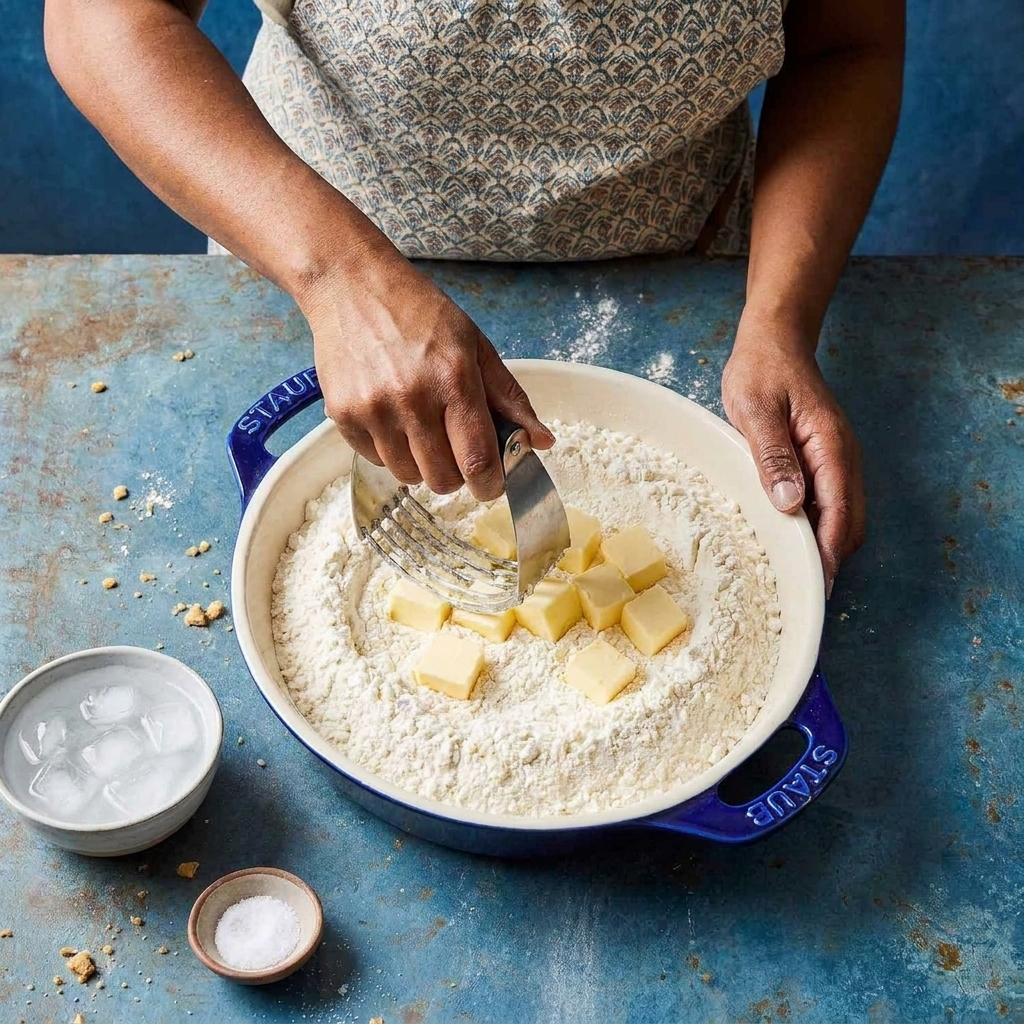
1) Mix the dry ingredients
In a large bowl, whisk together the flour, salt, and sugar (if using).
2) Cut in the butter
Add the cold butter cubes. Use a pastry cutter (or two forks) to cut the butter into the flour until you have a mix of:
- some pea-size pieces
- some almond-size pieces
- some crumbly bits
Those larger bits are not a mistake. They are the future flakes.
3) Add vinegar and ice water, slowly
Stir the vinegar into your ice water. Drizzle in about 1/3 cup of the liquid and gently toss with a fork. Add more 1 tablespoon at a time until the dough just holds together when you squeeze a handful.
Goal: shaggy dough with a few dry spots is better than sticky dough. We can always add a tiny splash more water, but we cannot take it back.
4) Divide and chill
Turn the dough onto the counter and gently press it together. Divide into two equal discs. Wrap each disc and chill for at least 1 hour (or up to 2 days).
5) Roll out the bottom crust
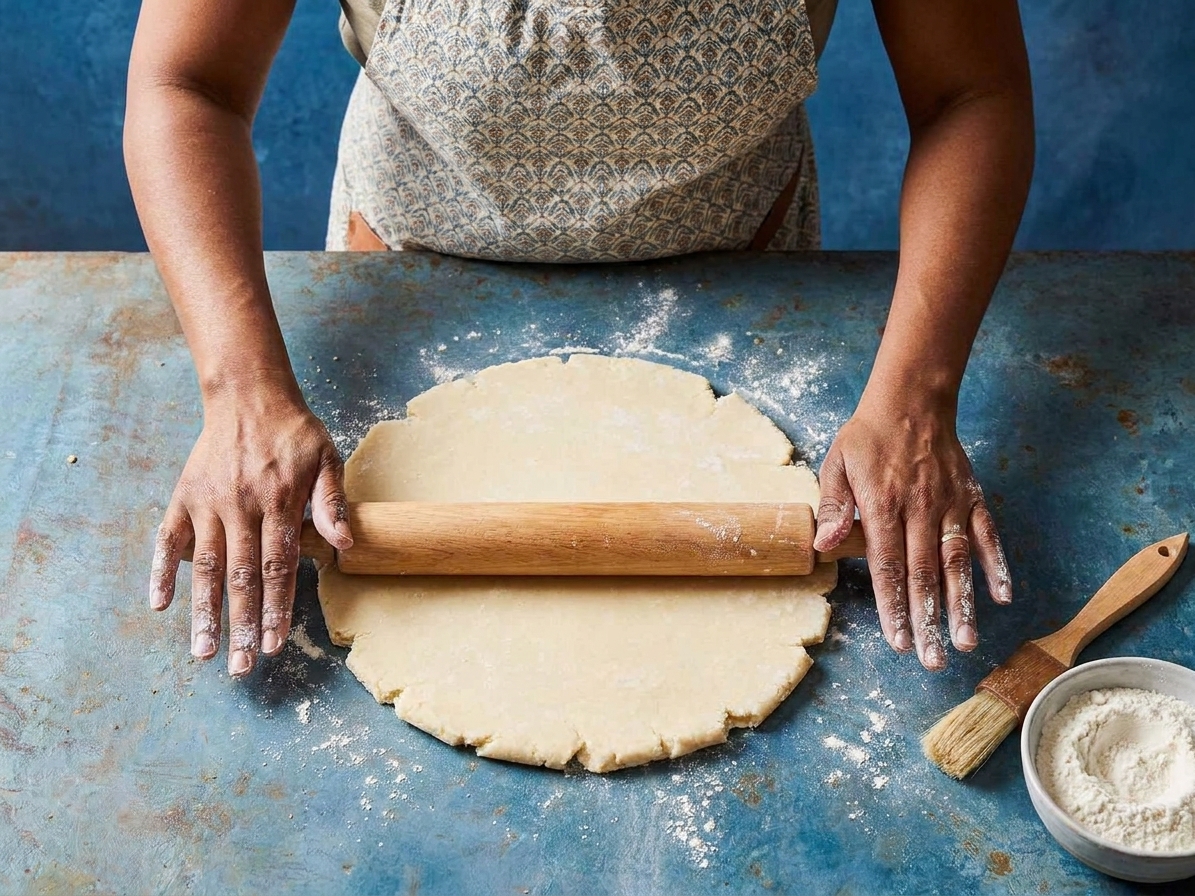
Lightly flour your counter and rolling pin. Roll one disc into a circle about 12 inches across. Transfer to your pie dish (fold the dough in half or roll it around the pin) and gently settle it into the corners without stretching.
Trim so you have about 1 inch overhang. Pop the pie dish into the fridge while you make the filling.
6) Roll out the top crust
Roll the second disc into another 12-inch circle. Transfer it to a parchment-lined sheet pan and refrigerate until you are ready to assemble.
My best crust tip: If at any point the dough feels soft or sticky, stop and chill it for 10 to 15 minutes. Cold dough equals flaky dough.
Step-by-step: the filling
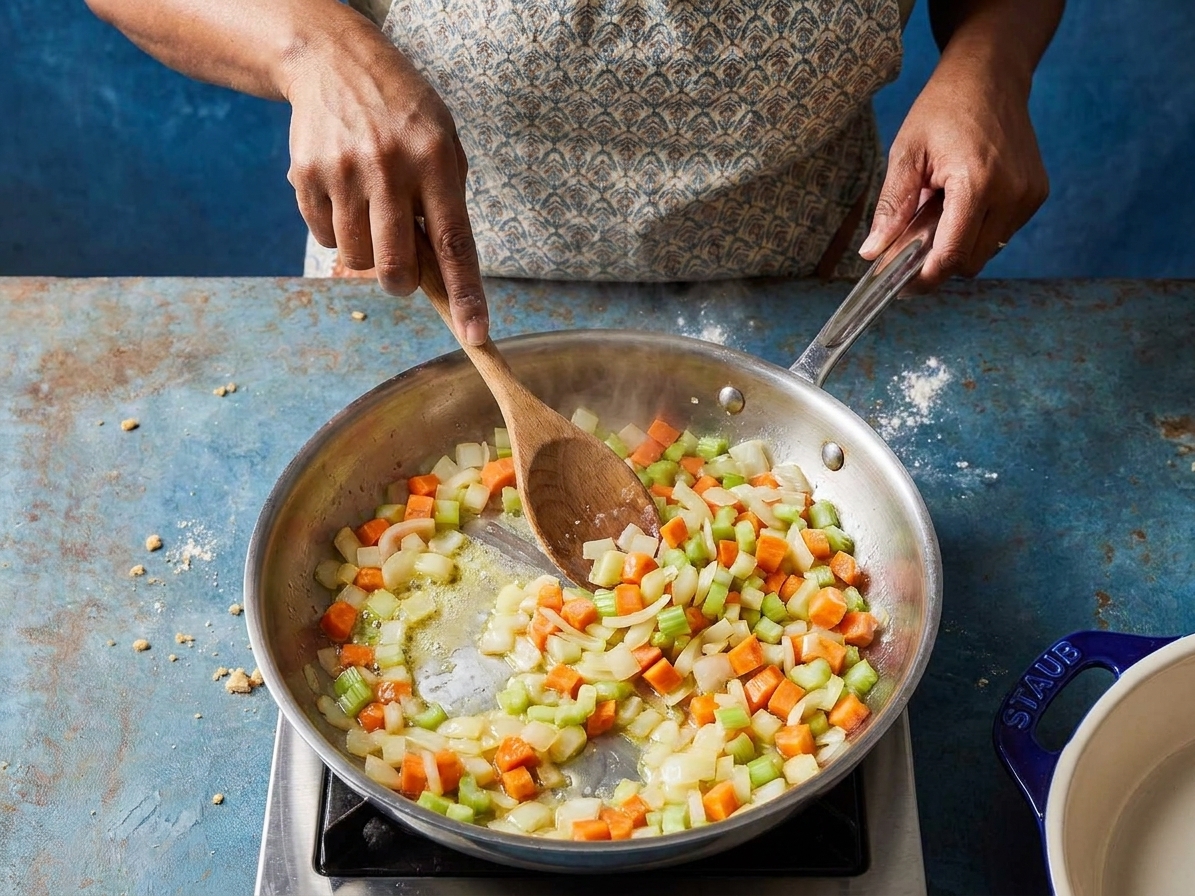
1) Sauté the aromatics
In a large skillet or Dutch oven, melt the butter over medium heat. Add onion, carrots, and celery. Cook 6 to 8 minutes until softened. Add garlic and cook 30 seconds.
2) Make a roux
Sprinkle the flour over the vegetables and stir constantly for 1 to 2 minutes. You want the flour to coat everything and lose that raw flour smell.
3) Whisk in liquids and thicken
Slowly pour in the chicken broth while stirring, then add the milk or half-and-half. Bring to a gentle simmer, stirring often, until thickened enough to coat the back of a spoon, about 3 to 5 minutes.
4) Add chicken and vegetables
Stir in the cooked chicken, peas, corn (if using), thyme, salt, and pepper. Simmer 1 minute, then remove from heat. Taste and adjust seasoning.
Important: Let the filling cool for 20 to 30 minutes before assembling, or chill it faster in a shallow dish. Hot filling melts the butter in your crust and can lead to a sad, slumpy bake.
Quick food-safety note: This is a dairy-based filling, so do not leave it sitting out for long stretches. Cool it, then refrigerate if you are not assembling right away.
Assemble and bake
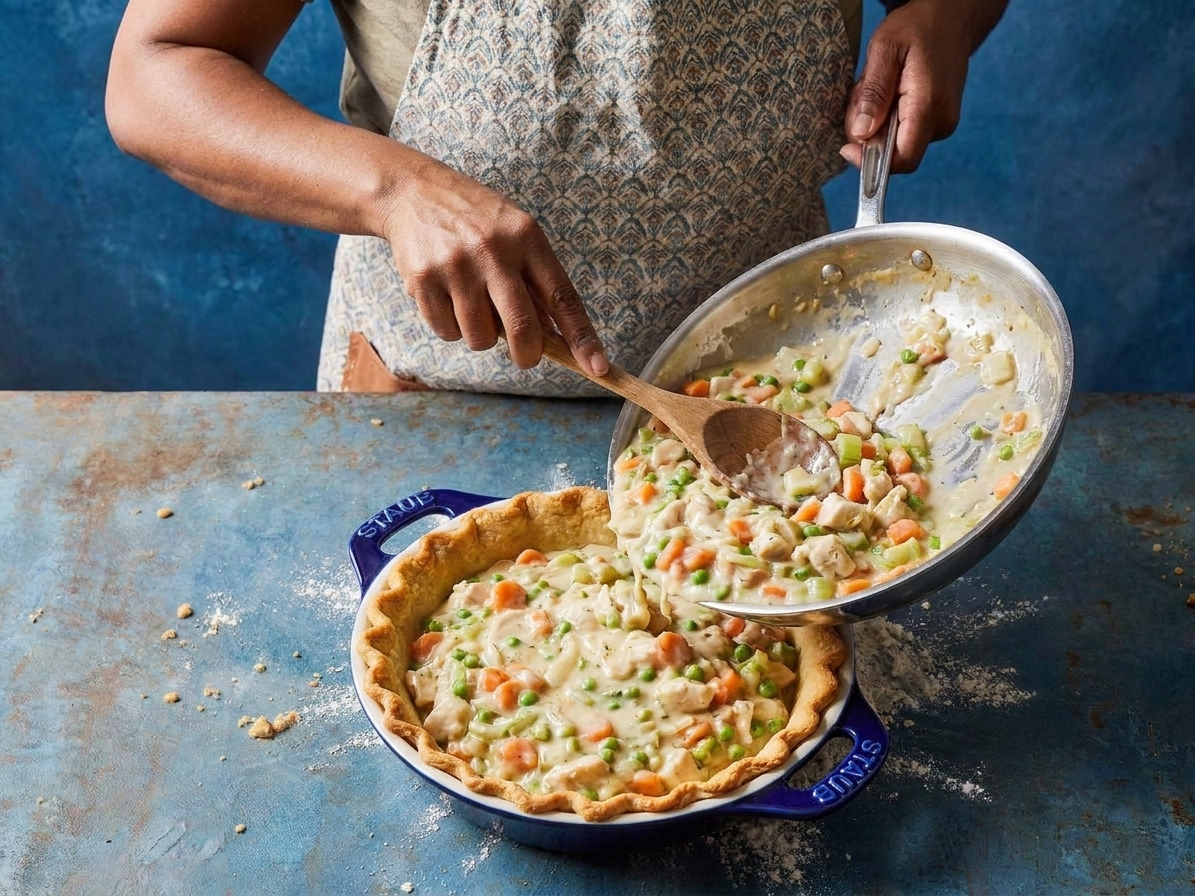
1) Heat the oven
Preheat to 400°F. For the best bottom browning, set a sturdy sheet pan on the lower rack while the oven preheats, then bake the pie on that hot sheet pan (and keep a second sheet pan under it if you are worried about drips).
2) Fill
Spoon the cooled filling into the chilled bottom crust and smooth the top.
3) Top crust, seal, and vent
Lay the top crust over the filling. Trim excess dough, leaving about 3/4-inch overhang. Fold the top and bottom overhang under, then crimp.
Cut 5 to 6 vents in the top. This keeps steam from building up and helps the crust stay crisp.
4) Egg wash
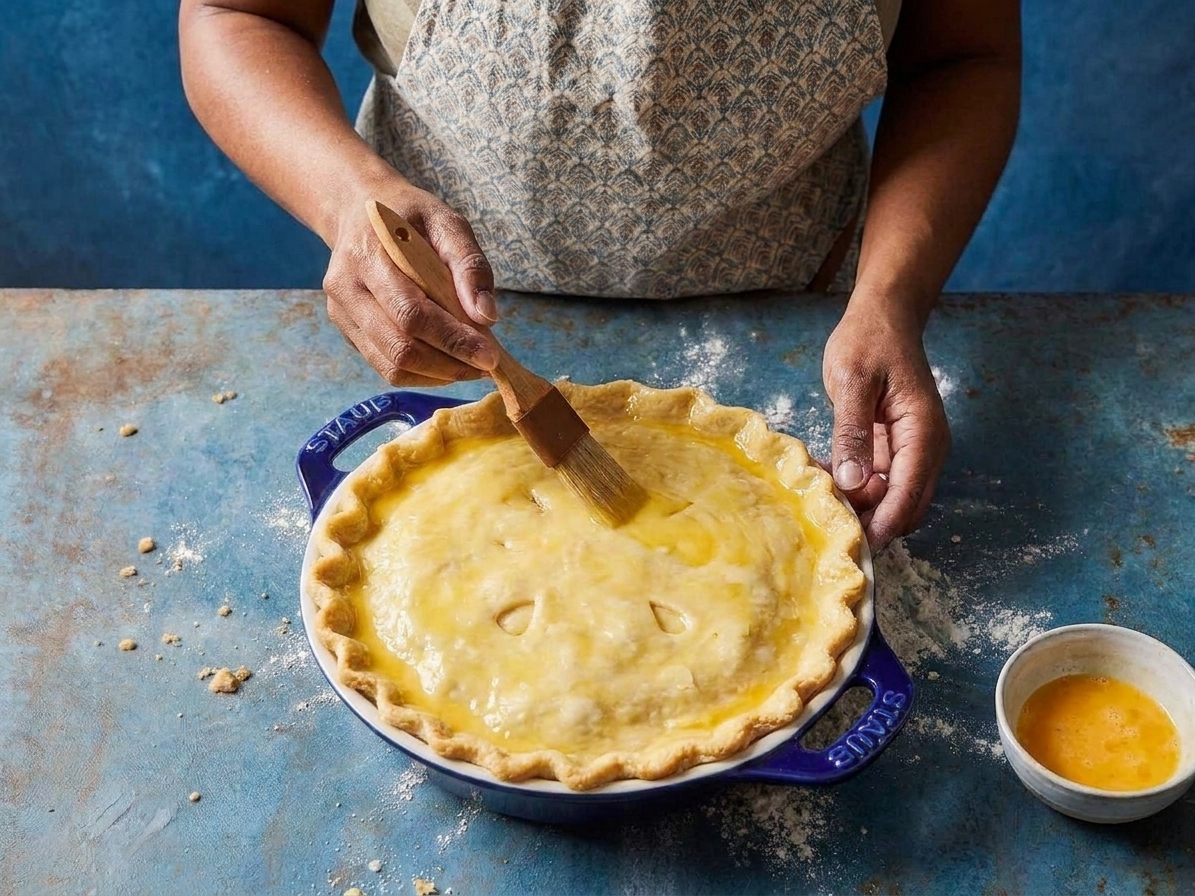
Whisk the egg with 1 tablespoon water. Brush over the top crust. If you like, sprinkle with a pinch of flaky salt and black pepper.
5) Bake
Bake at 400°F for 20 minutes, then reduce to 375°F and bake another 25 to 35 minutes, until the crust is deeply golden and the filling is bubbling through the vents.
Doneness cues: You want a steady bubble coming up through the center vents, not just a little edge simmer. That bubbling tells you the filling has reached a full simmer, which helps the roux thicken properly. If the top is golden but the center is quiet, give it a little more time.
If the edges brown too quickly, shield them with foil for the last 15 minutes.
6) Rest before slicing
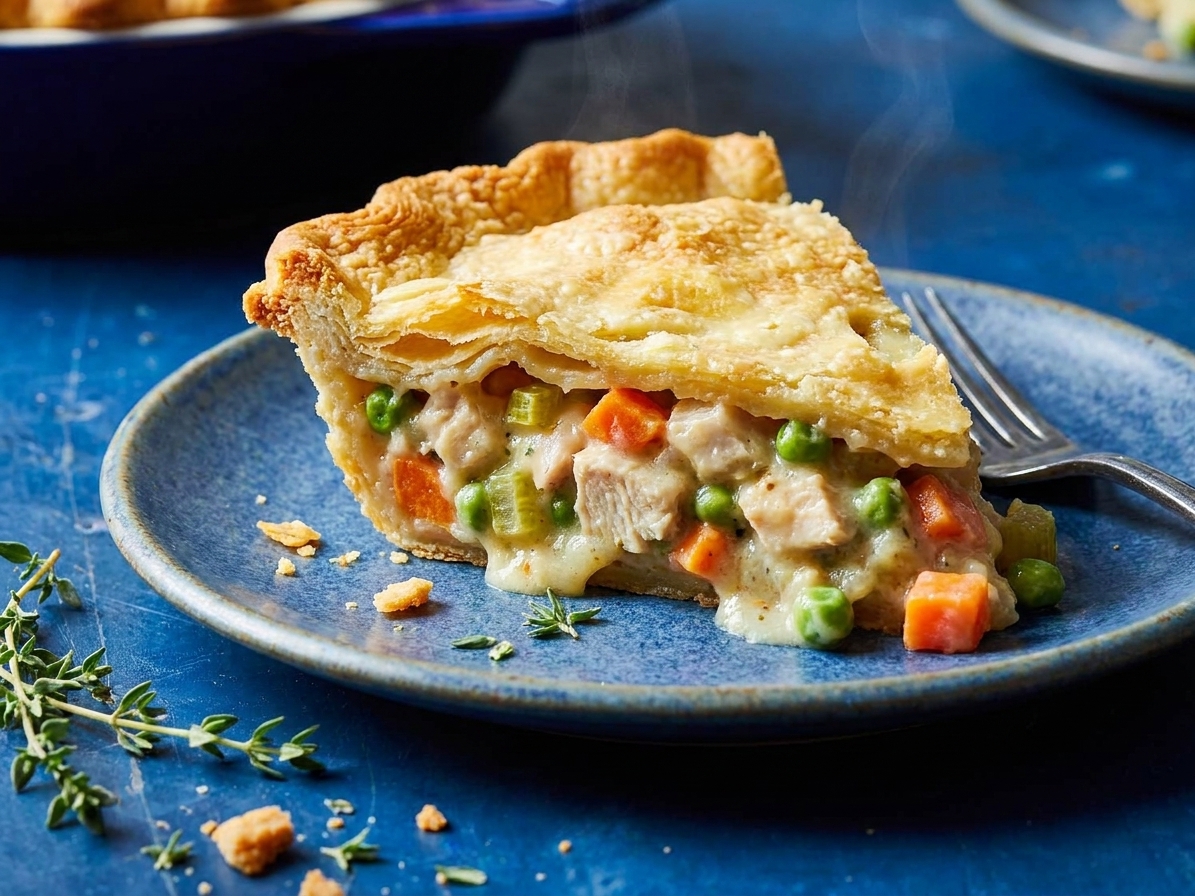
Let the pot pie rest 15 to 20 minutes. This helps the gravy set up so you get tidy slices instead of a lava flow situation.
Flaky crust tips
- Keep everything cold: cold butter, cold water, and chilled dough.
- Do not overwork: mix until it just comes together.
- Chill between steps: especially after rolling.
- Cool the filling: this is huge for texture.
- Bake long enough: pale crust equals underbaked crust, especially on the bottom.
Troubleshooting
My dough is crumbly and will not roll
It probably needs a bit more water. Sprinkle 1 teaspoon of ice water at a time, gently kneading just until it holds together. Then chill 15 minutes before rolling.
My dough is sticky
Too warm or too wet. Dust lightly with flour, wrap, and chill 20 to 30 minutes.
Soggy bottom crust
Three fixes: cool the filling, bake on a preheated sheet pan or lower rack, and make sure the pie bakes until the center is bubbling. You can also brush the bottom crust with egg wash before filling for extra insurance.
Filling is runny
It needs either a bit more simmer time on the stove to thicken, or more rest time after baking. In the oven, look for a full simmer bubbling through the vents, especially near the center. That is the cue the thickener has had a chance to do its job.
Make-ahead and freezer tips
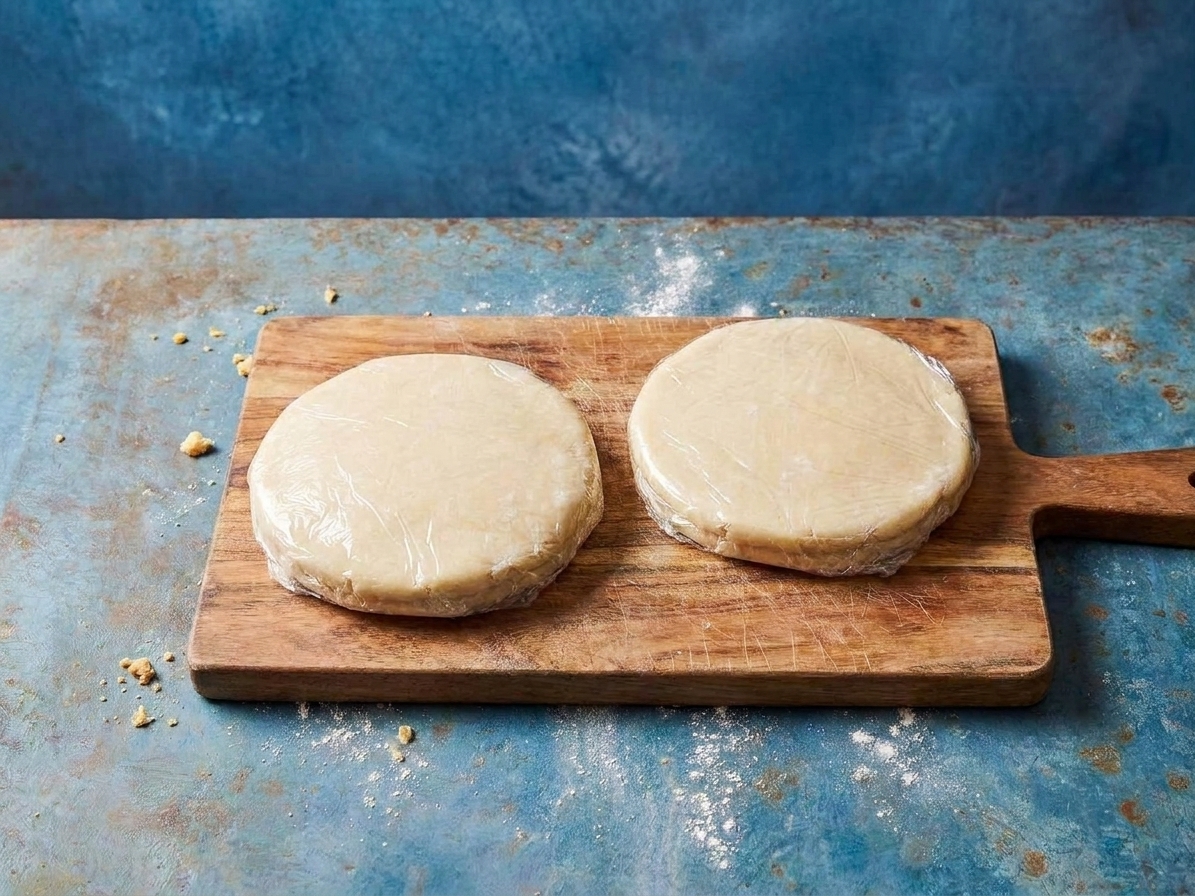
- Crust: Dough discs can chill up to 2 days. Freeze up to 3 months. Thaw overnight in the fridge.
- Filling: Make up to 2 days ahead and refrigerate. Let it sit 15 to 30 minutes until spoonable (still cool, not warm), then assemble.
- Whole pie: Assemble, freeze unbaked until firm, then wrap well. Bake from frozen at 400°F for 25 minutes, then 375°F for 50 to 70 minutes. Timing varies by dish (glass and deep ceramic can take longer). Bake until deeply golden and the filling is bubbling up through the center vents. If you want a numbers check, aim for an internal temp around 165°F in the center.
Crust variations
Butter + shortening
Use 1/2 cup butter plus 1/2 cup vegetable shortening. You will still get butter flavor, with a little extra forgiveness.
Herby crust
Add 1 tablespoon chopped fresh thyme or rosemary (or 1 teaspoon dried) to the flour. This is especially good if you are using rotisserie chicken.
Cheddar crust
Stir in 3/4 cup shredded sharp cheddar after cutting in the butter. Reduce salt slightly if your cheese is salty.
FAQ
Do I have to blind bake the bottom crust?
Not for this recipe. Cooling the filling and baking hot enough for long enough does the heavy lifting. If you struggle with soggy bottoms in your oven, you can blind bake 10 minutes with pie weights at 400°F, then fill and continue.
Can I use store-bought crust?
Absolutely. I will never stand between you and dinner. If you do, still cool the filling, vent the top, and bake until the center is bubbling.
What is the best chicken to use?
Rotisserie chicken is my weeknight hero. Leftover roasted chicken or poached chicken works great too. Just keep the pieces bite-size.
Can I swap the vegetables?
Yes. Mushrooms, green beans, diced potatoes (par-cooked), or chopped broccoli all work. Keep the total veggie volume similar so the filling stays creamy, not dry.
Storage and reheating
How long does it keep?
Cover and refrigerate leftovers for up to 3 to 4 days.
How do I reheat without a sad crust?
For the crispiest results, reheat in a 375°F oven until hot in the center, about 20 to 30 minutes (less for single slices). If the top is browning too fast, tent loosely with foil. The microwave works for speed, but the crust will soften, which is not a crime, just a different vibe.
Pep talk
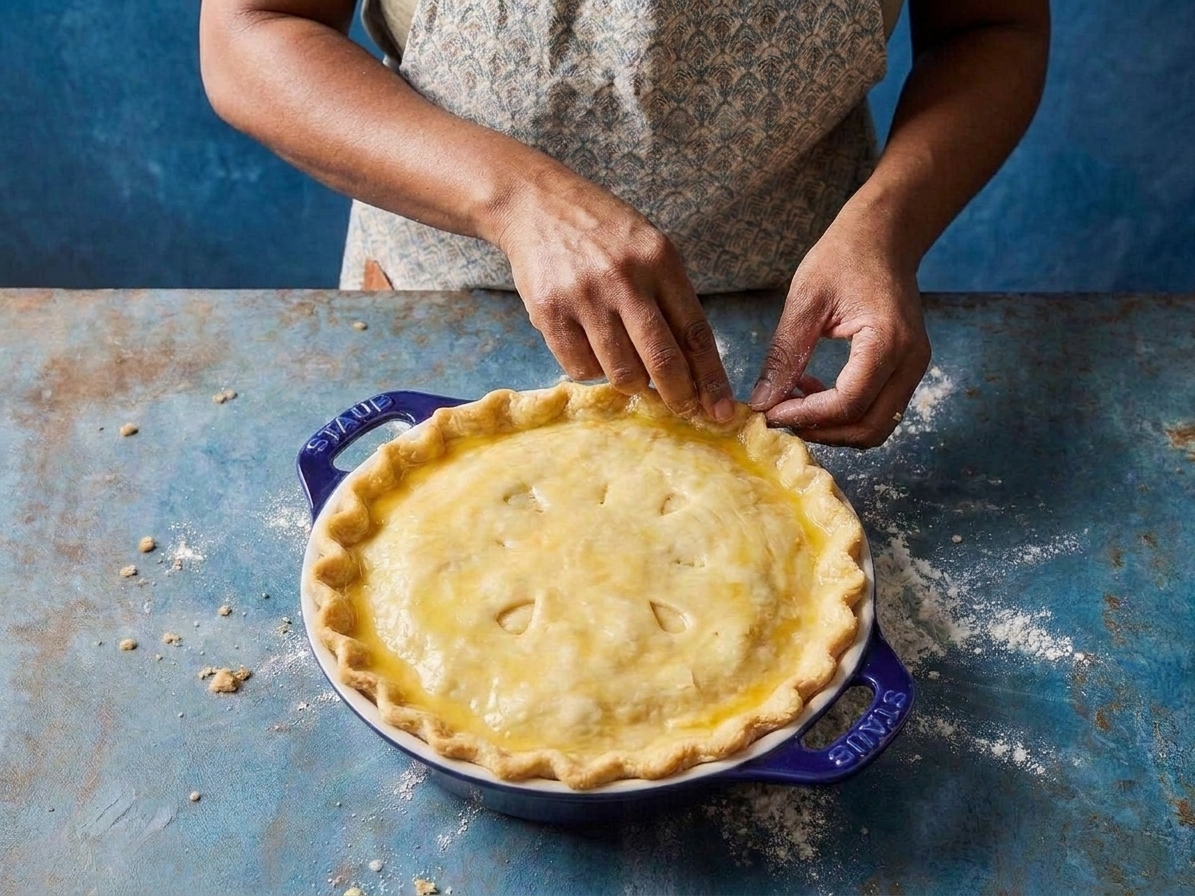
If you are nervous about homemade crust, start here: cold butter, gentle hands, and a quick chill when things feel messy. That is it. Your crust does not need to look perfect to bake up beautifully, and the first forkful of flaky layers in creamy gravy will convince you it was worth it.
When you make it, I would love to hear how you crimped your edges and how much garlic you used. I will not judge. I will be proud.