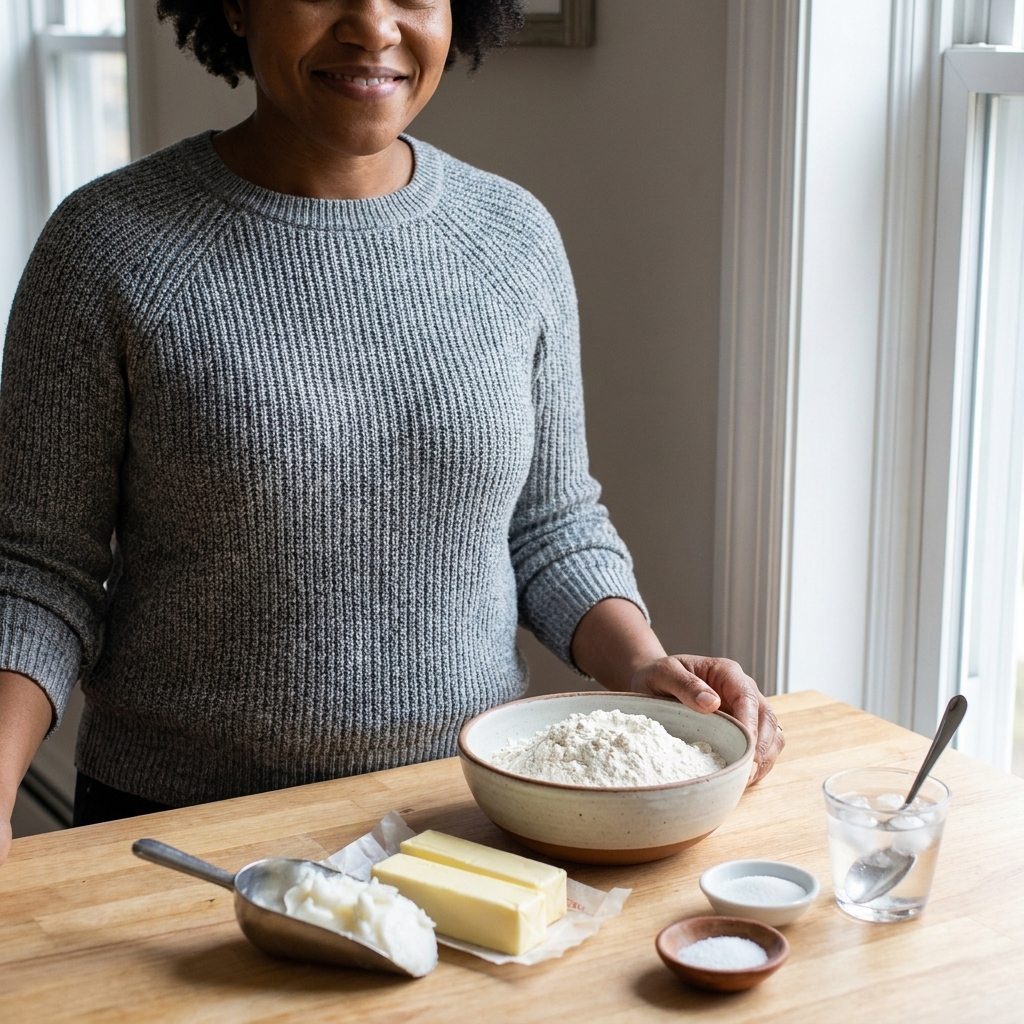
A beginner-friendly, step-by-step guide to making a tender, flaky pie crust with butter and shortening, plus chilling timelines, rolling techniques, blind ba...
Recipeva
All-Butter Pie Crust
A flaky, tender all-butter pie crust you can trust. Step-by-step tips for mixing, chilling, rolling, blind baking, and troubleshooting, with make-ahead options.

Maya Reynolds
Maya Reynolds is a passionate home cook, recipe developer, and the creative voice behind Recipeva. With over a decade of experience translating complex culinary techniques into approachable weeknight meals, she focuses on creating dishes that bring joy to the dinner table without the stress.
Created September 24, 2026
Updated September 24, 2026
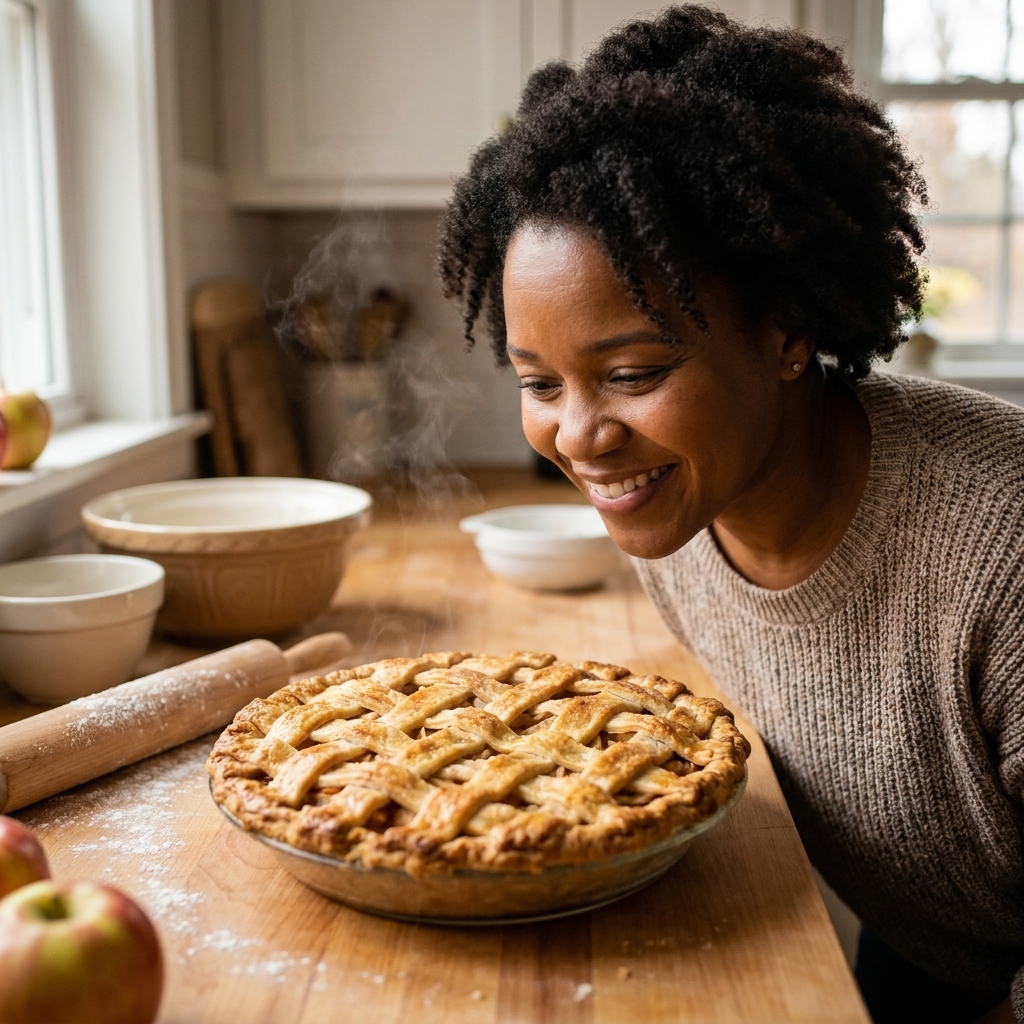
If there is one recipe I want you to feel totally fearless about, it is pie crust. This all-butter version bakes up flaky, crisp, and deeply flavorful, and once you learn the few key signals (cold butter, visible pieces, gentle mixing), you will have it on repeat for everything from apple pie to quiche.
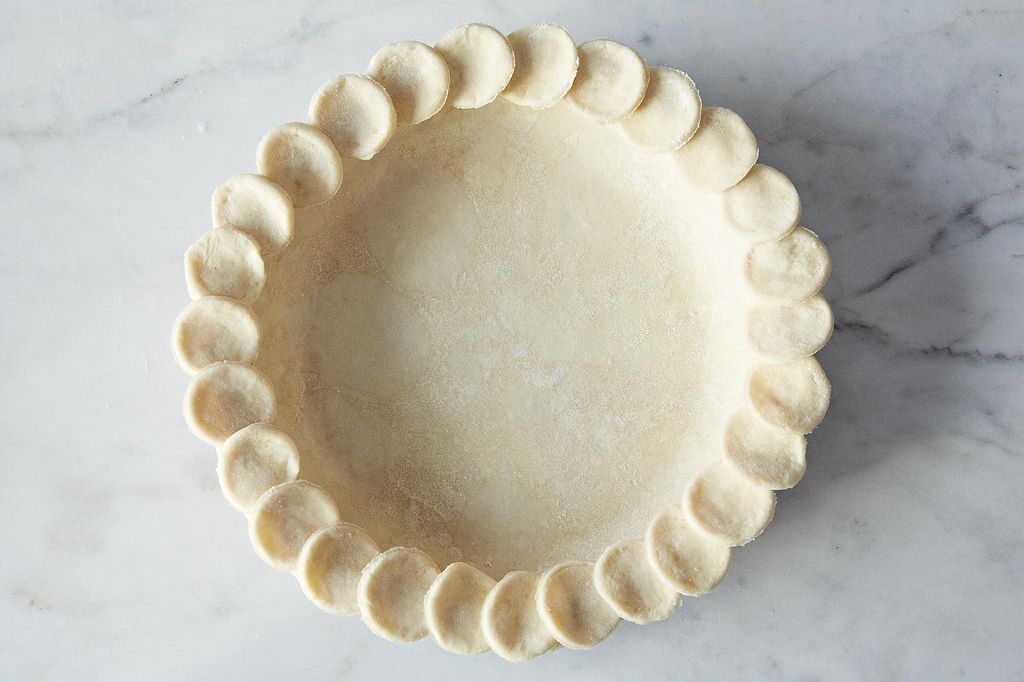
My promise: you do not need fancy equipment or pastry-school hands. You just need a little chill time and a light touch. And yes, you can absolutely make it ahead.
Why all-butter works
Butter does two important jobs in pie dough:
- Flavor: butter brings that rich, savory sweetness that shortening just cannot match.
- Flake: cold butter melts in the oven and releases steam, which lifts and separates layers of dough.
The goal is not perfectly blended dough. The goal is cold butter pieces still visible throughout. Those are your future flakes.
Ingredients
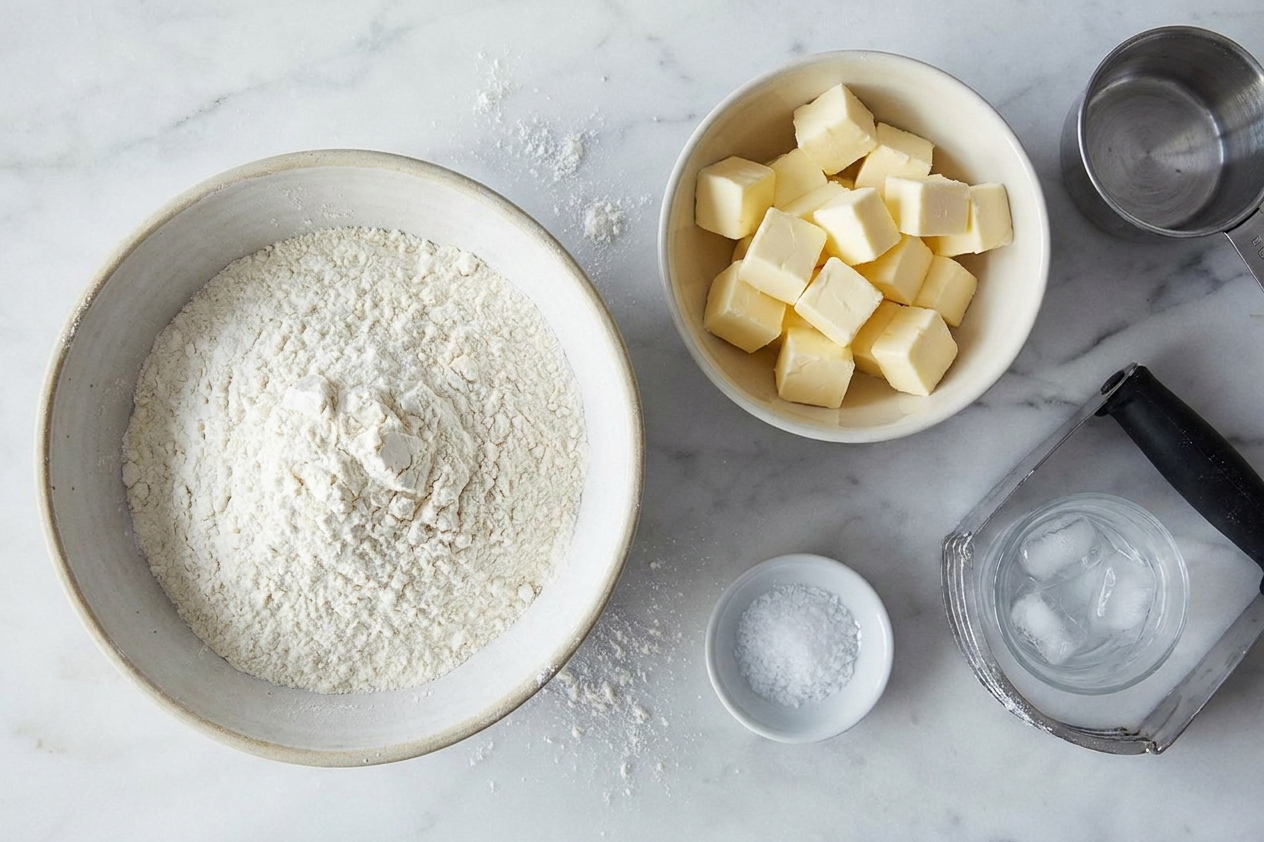
- All-purpose flour: reliable structure and easy handling.
- Fine salt: makes the crust taste like something, not cardboard. Do not skip it.
- Granulated sugar (optional): helpful for sweet pies, and it encourages gentle browning.
- Unsalted butter: the star. Use it cold, straight from the fridge.
- Ice water: brings the dough together without warming the butter.
Butter note: If your kitchen runs warm, cube the butter and pop it in the freezer for 10 minutes before you start. Cold is your best friend here.
All-butter pie crust (2 9-inch crusts)
This makes two 9-inch crusts (one double-crust pie, or two single-crust pies).
What you need
- 2 1/2 cups (300g) all-purpose flour
- 1 teaspoon fine salt
- 1 tablespoon sugar (optional, for sweet pies)
- 1 cup (226g) unsalted butter, cold, cut into 1/2-inch cubes
- 6 to 10 tablespoons ice water
Step-by-step
- Mix dry ingredients. In a large bowl, whisk the flour, salt, and sugar (if using).
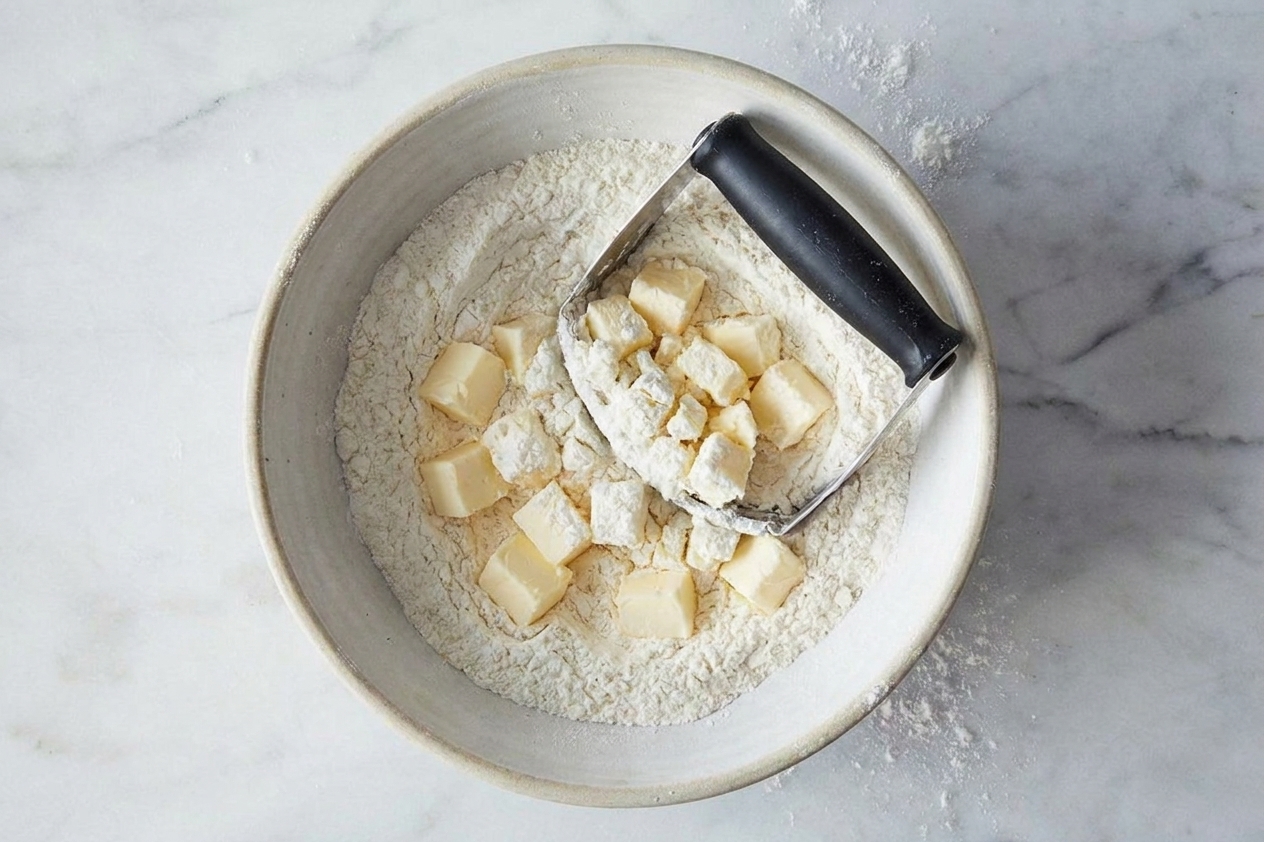
- Cut in the butter. Add cold butter cubes. Use a pastry cutter, two forks, or your fingertips to work butter into the flour until you have a mix of pieces from pea-sized to almond-sized. A few larger flakes are great.
- Add ice water gradually. Drizzle in 6 tablespoons of ice water and toss with a fork. Add more, 1 tablespoon at a time, just until the dough holds together when you squeeze a handful. It should look shaggy, not wet.
- Bring it together gently. Tip onto the counter and press into a rough mound. Do not knead. Divide into two equal portions, and shape each into a 1-inch thick disk.
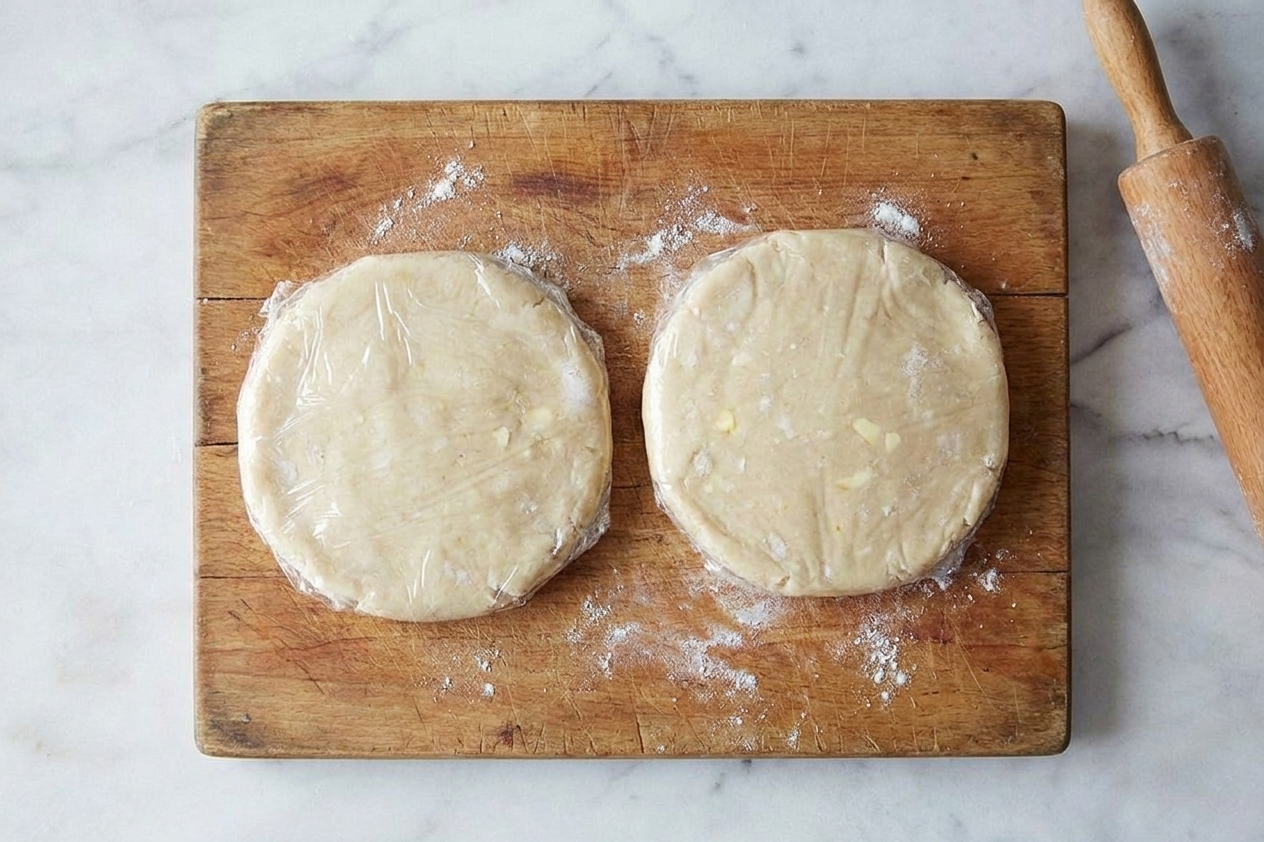
- Chill. Wrap each disk tightly and refrigerate for at least 2 hours (and up to 3 days). This relaxes gluten and re-chills the butter for maximum flake.
My teacher brain reminder: If you are tempted to keep mixing until it looks smooth, pause. Smooth dough usually means warm butter, and warm butter means less flake.
How to roll it out
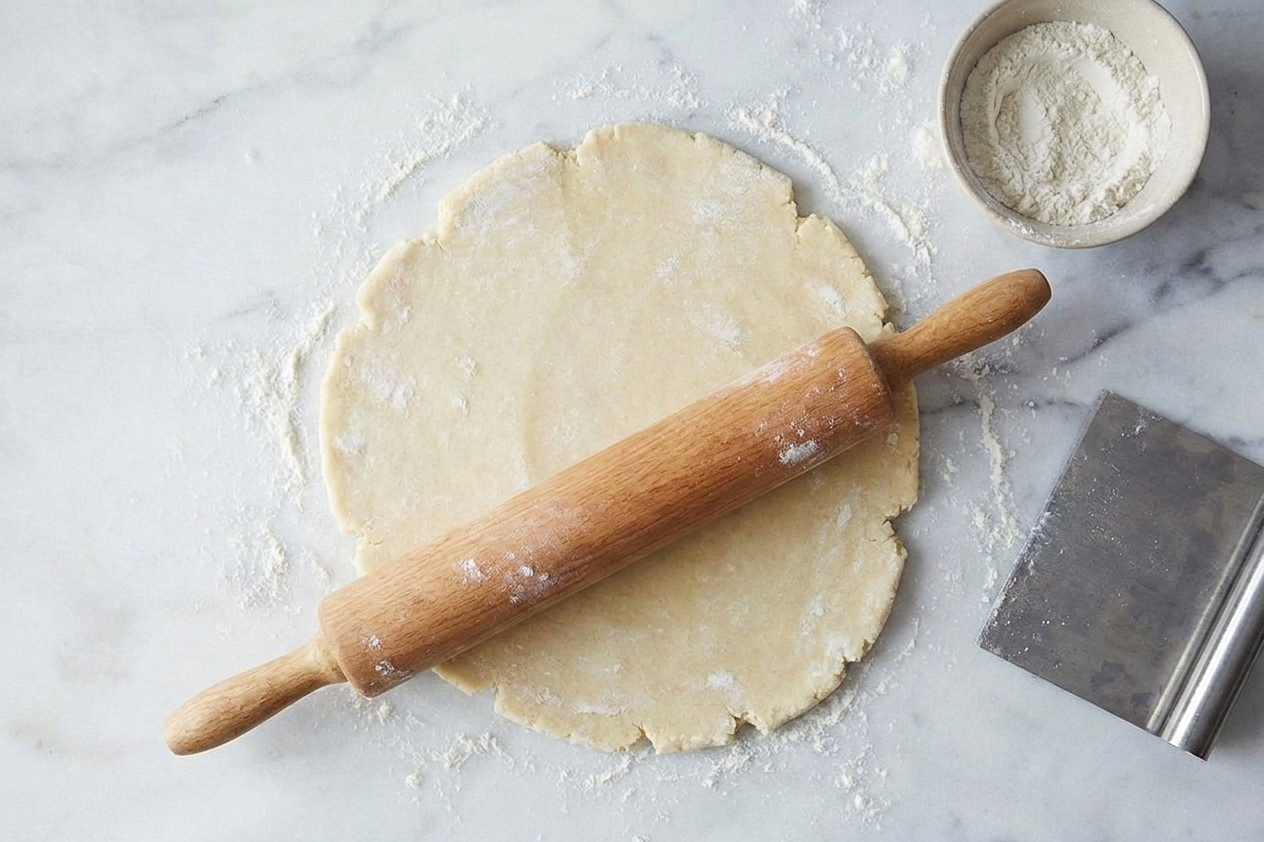
- Let it soften slightly. Pull one disk from the fridge and let it sit 5 to 10 minutes so it rolls without cracking.
- Flour lightly. Dust the counter and rolling pin. Too much flour can make the crust tough, so re-flour as needed in small amounts.
- Roll from the center out. Rotate the dough a quarter turn every couple of rolls to keep a round shape and prevent sticking.
- Aim for 1/8-inch thickness. For a 9-inch pie dish, roll to about 12 inches wide.
- Transfer confidently. Roll the dough loosely around the pin, then unroll into the dish. Lift edges to settle it into the corners without stretching.
If it cracks: Press cracks together with your fingertips. Pie dough is wonderfully forgiving.
If it warms up: If the dough starts to feel soft, glossy, or sticky, slide it onto a sheet pan and chill 10 to 15 minutes before continuing. Cold dough behaves better and bakes flakier.
Blind baking
Blind baking means baking the crust before filling, either partially or fully. This is the trick for pumpkin pie, lemon meringue, chocolate cream, and any filling that would otherwise make the bottom soggy.
How to blind bake
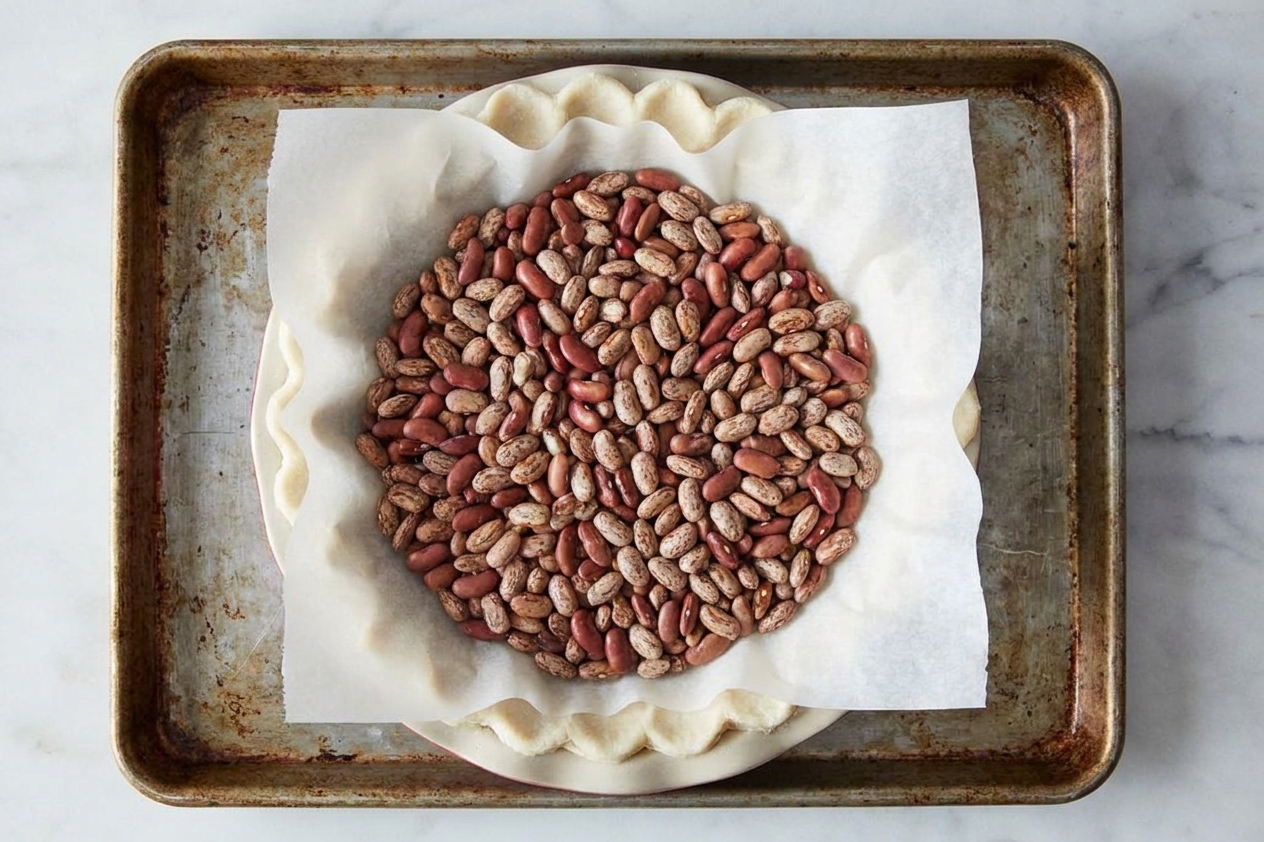
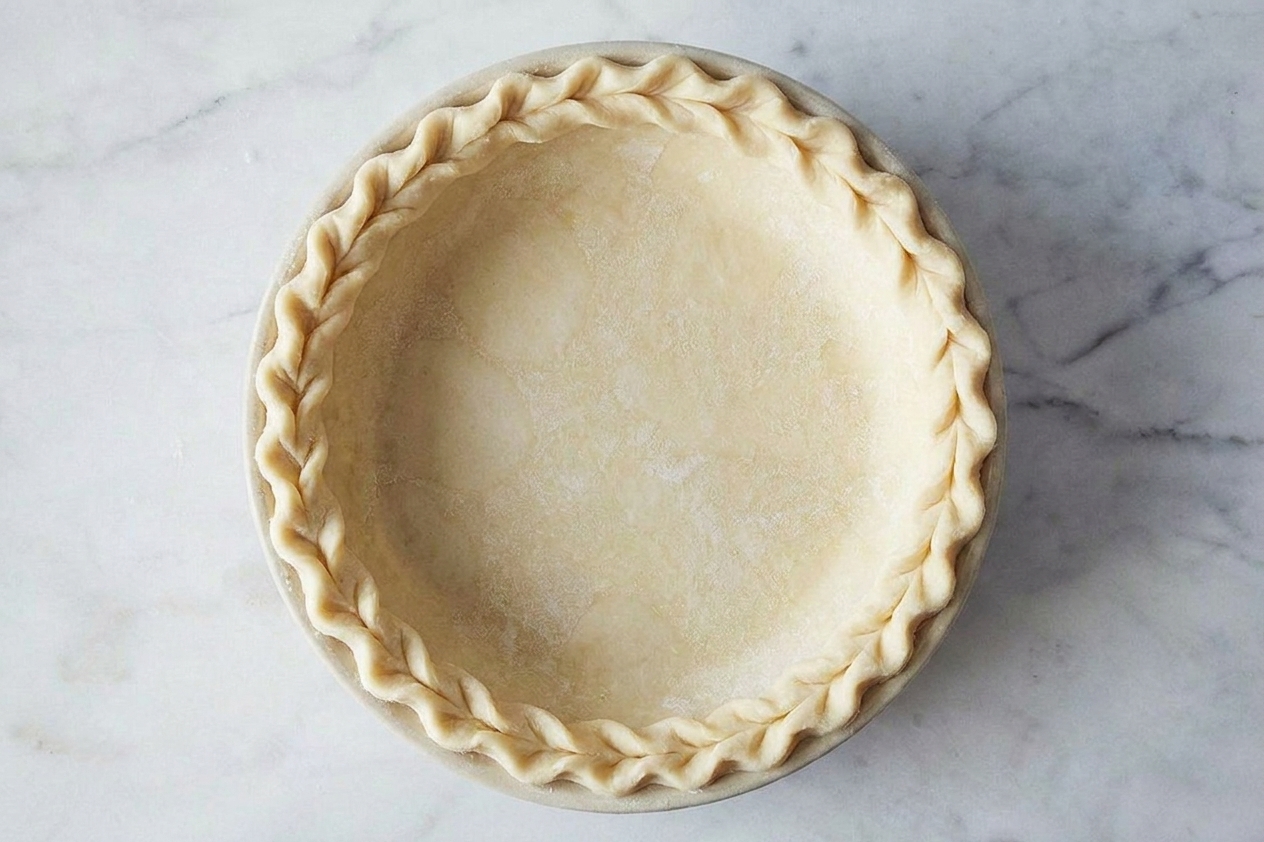
- Chill the shaped crust. Once the dough is in the pie dish, refrigerate or freeze it for 15 to 30 minutes. Cold dough holds its shape.
- Line (dock optional). Line the crust with parchment paper. If you like, give the bottom a few light fork pricks first, but do not overdo it, especially for custard pies where leaks are no fun.
- Add pie weights. Use pie weights, dried beans, or uncooked rice. Fill up the sides to prevent slumping.
- Bake at 375°F. Bake 18 to 22 minutes, until the edges look set and are just starting to turn pale gold.
- Remove weights. Lift out parchment and weights, then bake until the bottom looks matte and dry (not shiny). For a partially baked crust, start checking at 8 to 12 minutes. For a fully baked crust, it often needs 15 to 20 minutes more, or until the bottom is lightly golden.
Extra insurance: If you are worried about soggy bottoms, brush the warm crust bottom with beaten egg and bake 2 minutes. That thin egg layer helps seal it.
Top crust tips
If you are making a double-crust pie, these little finishing moves make it look (and bake) like you know what you are doing.
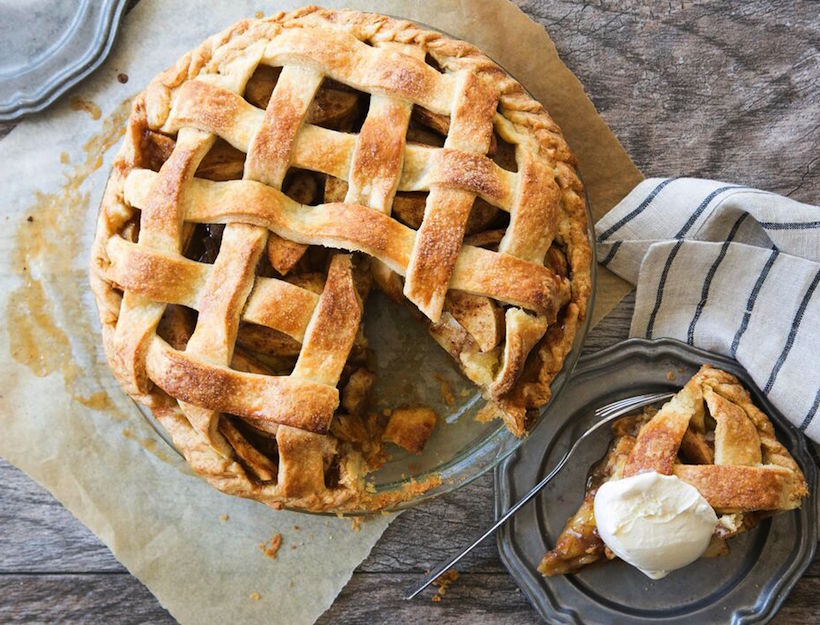
- Vent it: Cut a few slits in the top crust, or use small cutouts. Steam needs a way out.
- Chill before baking: Once your pie is assembled, chill it 15 to 30 minutes so the butter is cold going into the oven.
- Egg wash (optional): Brush the top crust with beaten egg (or egg plus a splash of water). For sweet pies, add a sprinkle of coarse sugar for sparkle and crunch.
- Crimp with confidence: Press top and bottom crusts together firmly at the edge, then crimp. A good seal helps prevent bubbling juices from sneaking out.
Baking note: Follow your specific pie recipe for oven temperature and total bake time. Whatever the numbers, the big idea is the same: keep the crust cold until it goes into a hot oven.
Make-ahead and freezing
- Dough disks: refrigerate up to 3 days.
- Freeze dough disks: wrap tightly, then place in a freezer bag. Freeze up to 3 months. Thaw overnight in the fridge.
- Freeze a shaped crust: fit dough into the pie dish, wrap well, freeze for 1 to 2 months. Bake from frozen, adding a few minutes.
- Par-bake ahead: blind bake partially, cool completely, then wrap and freeze. Great for holiday prep.
Common problems
My dough is too crumbly
It needs a bit more water. Sprinkle 1 tablespoon ice water over the dough and gently toss or press. Repeat only as needed.
My dough is sticky
Either it is too warm or too wet. Chill it 20 to 30 minutes, then use a light dusting of flour while rolling.
My crust shrank in the oven
This usually comes from stretching the dough when fitting it into the pan, or not chilling before baking. Next time: settle it in gently (lift, do not tug), and always chill the shaped crust before it hits the oven.
My crust is tough
Two usual suspects: too much water or too much handling. Mix only until it holds together, and stop there. Your future self will thank you.
My bottom is pale or soggy
Try baking the pie on a preheated sheet pan or a pizza stone. Also, blind bake longer for custard pies, and consider that quick egg wash seal.
Ways to use it
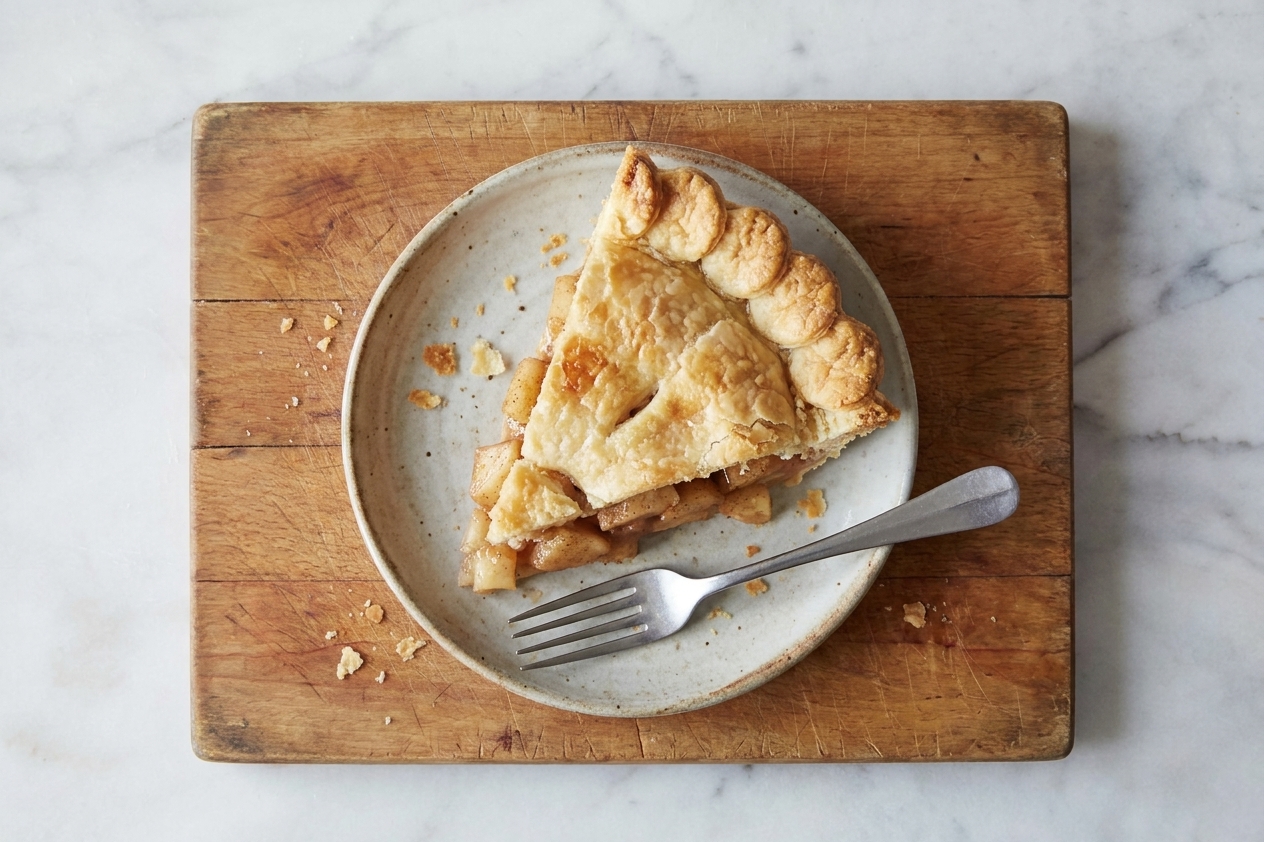
- Classic fruit pies: apple, cherry, blueberry, peach
- Cream pies: chocolate cream, coconut cream, banana cream (use fully baked crust)
- Custard pies: pumpkin, sweet potato, chess (blind bake)
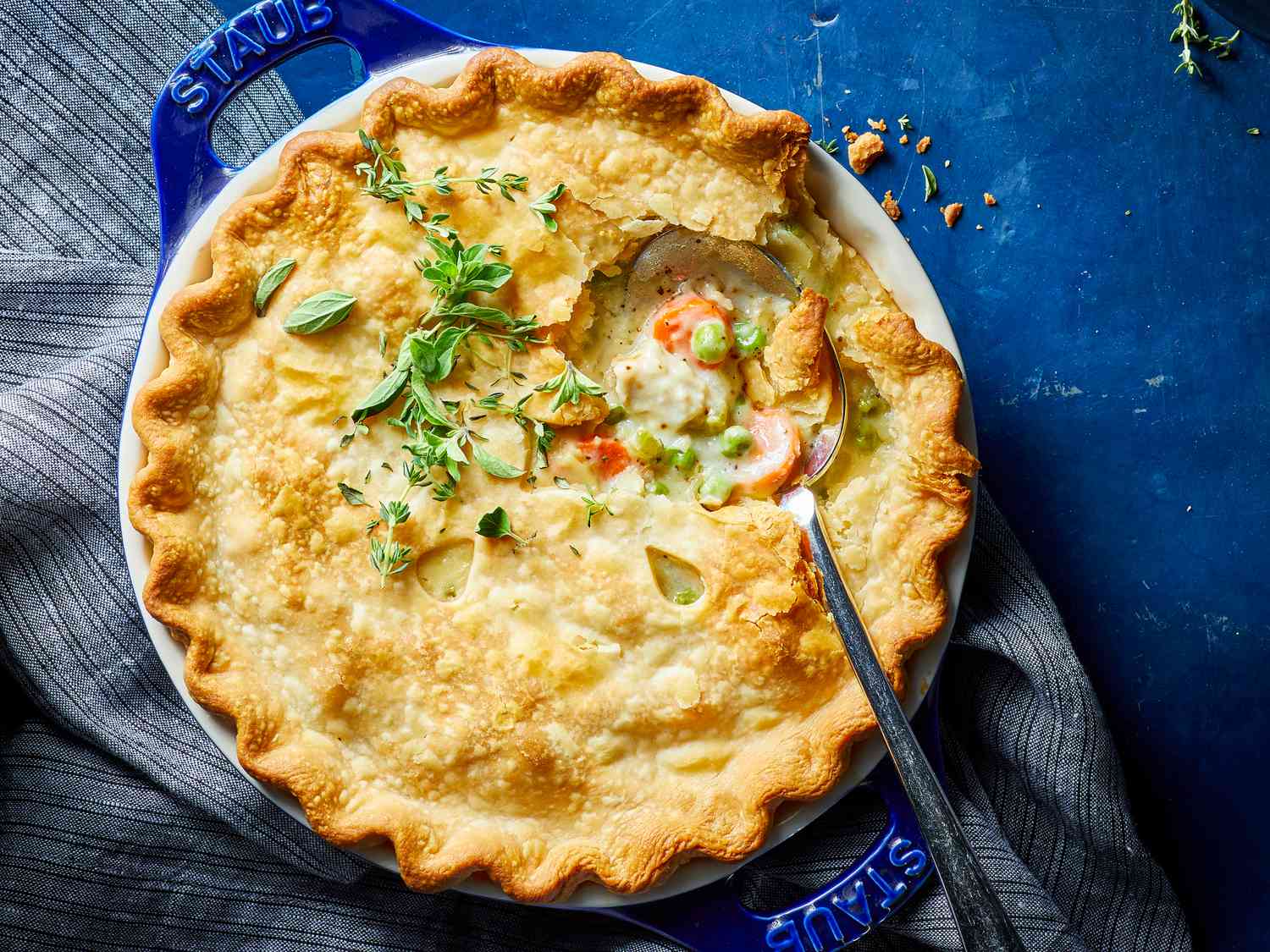
- Savory bakes: quiche, pot pie, tomato galette (skip sugar)
FAQ
Can I make this with a food processor?
Yes. Pulse dry ingredients together, add cold butter and pulse until you have pea to almond-sized pieces, then drizzle in ice water while pulsing just until the dough starts to clump. Tip out and press into disks. The key is short pulses, not a long blend.
Salted or unsalted butter?
I prefer unsalted so you control the seasoning. If you only have salted butter, reduce the added salt to 1/2 teaspoon.
Should I use vinegar or vodka?
You can, but you do not need to. A tablespoon of vinegar or vodka can make dough a touch easier to handle (less gluten formation). If you want to try it, replace 1 tablespoon of the ice water with vinegar or vodka.
How do I know I added enough water?
Squeeze a handful. If it holds together and does not crumble into dry flour, you are good. It should not feel wet or tacky.
A little pep talk
Pie crust is one of those skills that feels dramatic until you do it a couple times, and then it becomes a calm little ritual. Keep your butter cold, stop mixing sooner than you think, and give it the chill time it deserves. You have got this.