

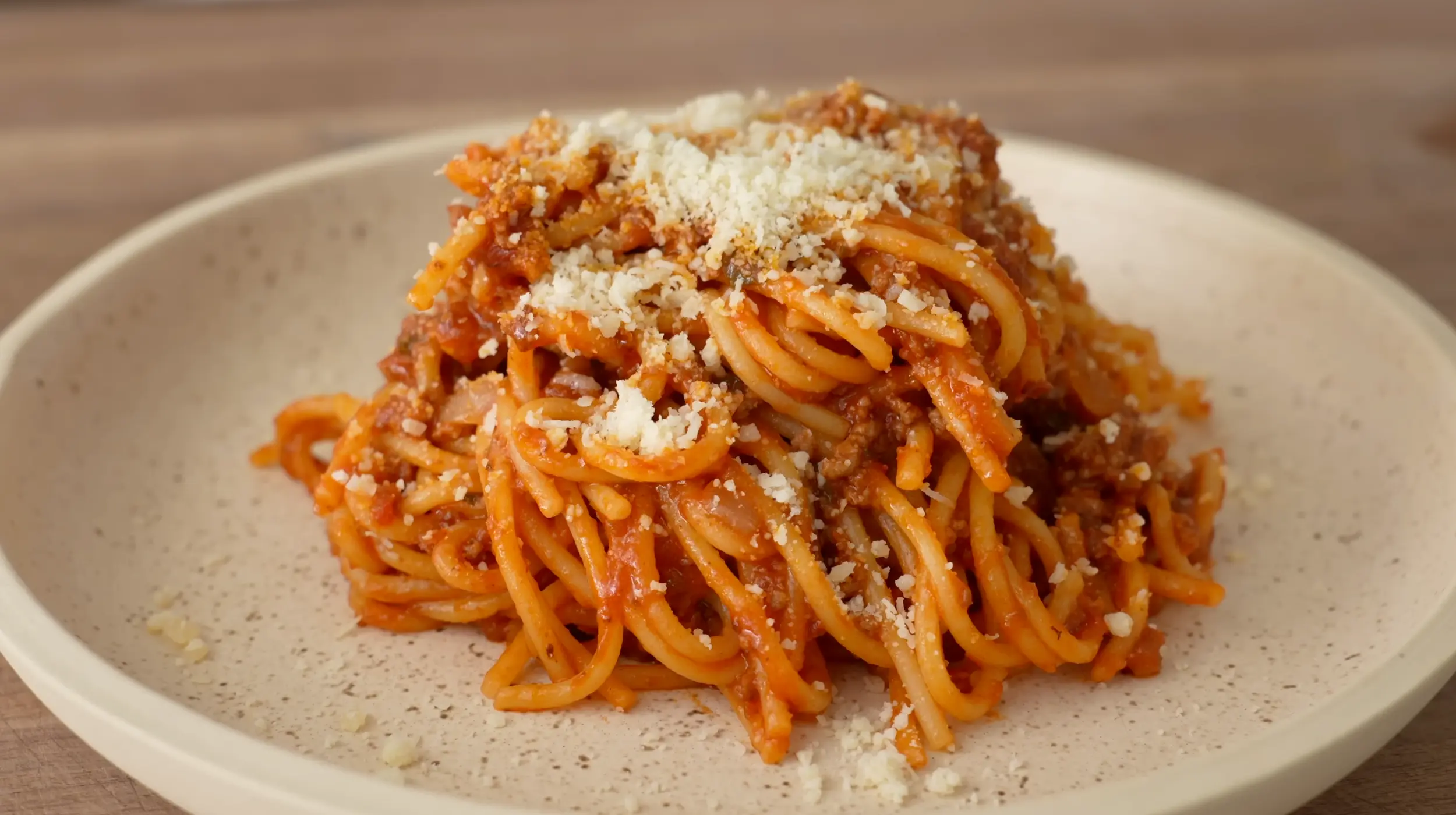
There are few dinners that feel as reliably comforting as a big pot of spaghetti meat sauce bubbling away on the stove. This is my go-to version when I want that slow-simmered taste without turning a Tuesday into a full-time job. It's hearty, deeply savory, and yes, unapologetically garlicky.

Below you'll find my tried-and-true method, plus the little fixes that matter, like how to thicken a sauce that went a bit watery, how to mellow acidity, and how to make it freezer-friendly for future you.
The idea
Why This Recipe Works
- Layered flavor, not complicated flavor: Browning the meat well and cooking the tomato paste for a minute makes everything taste richer.
- Weeknight flexible: It tastes great at 25 to 30 minutes, and even better at 45 to 60.
- Family friendly: You can keep it classic, add veggies, or spice it up without changing the whole recipe.
- Freezes beautifully: Make a double batch and call it a gift to yourself.
Shopping
Ingredient Notes
This is a classic supermarket-aisle list.
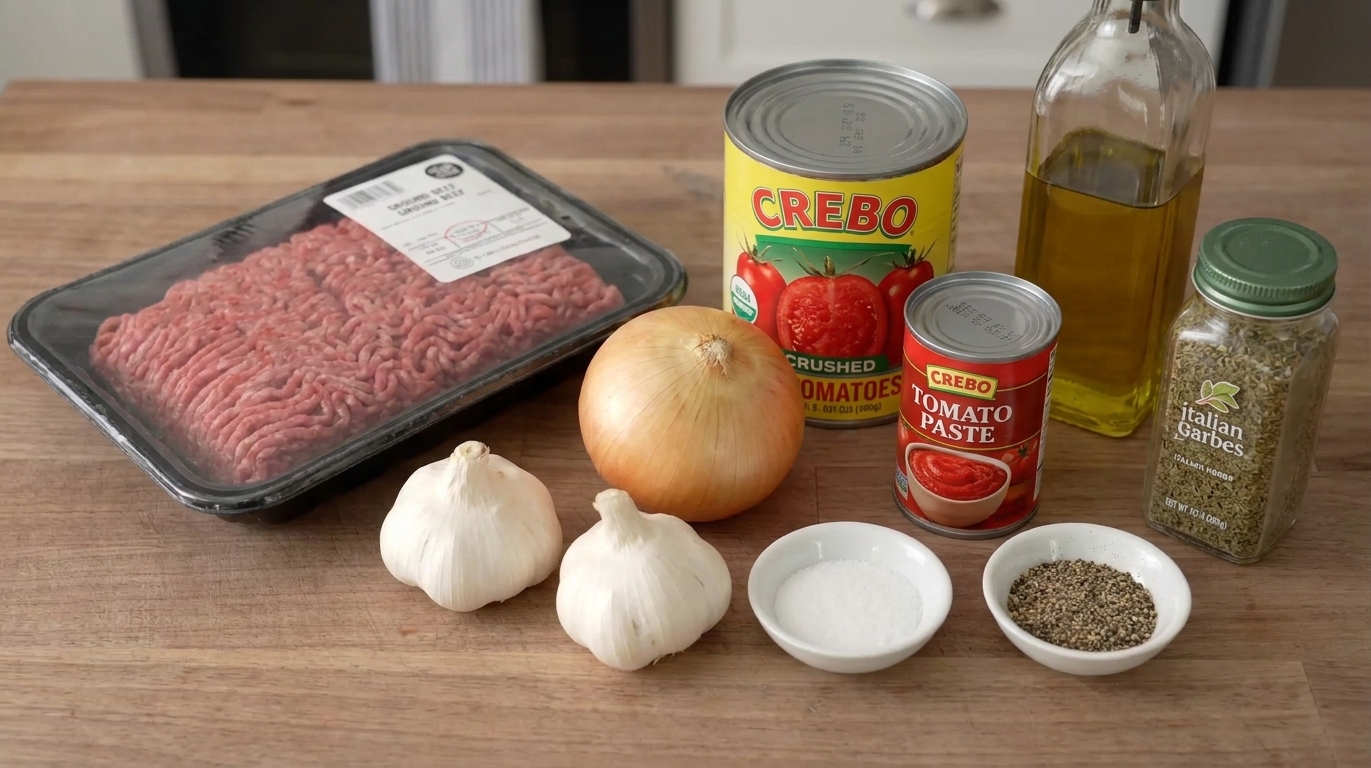
- Olive oil: Just enough to help the onion start softening.
- Onion: Yellow onion is perfect here.
- Garlic: 4 to 6 cloves, and I'll never judge you for more.
- Ground meat: Ground beef (85 to 90% lean) is classic. Italian sausage is a fantastic upgrade.
- Tomato paste: Adds deep tomato flavor fast.
- Canned crushed tomatoes: Or tomato sauce plus a can of diced tomatoes.
- Seasonings: Dried oregano or Italian seasoning, salt, black pepper, and a pinch of red pepper flakes if you want heat.
- Optional flavor boosters: A Parmesan rind, 1 tablespoon butter at the end, or a small splash of balsamic to wake everything up.
- To serve: Spaghetti, Parmesan, and chopped parsley or basil.
Get set up
Equipment You Will Need
- Large pot or deep skillet
- Sturdy spoon (for breaking up the meat)
- Measuring spoons and measuring cup
- Pot for cooking spaghetti
- Colander (to drain pasta)
- Tongs (for tossing spaghetti with sauce)
- Airtight containers (for storage and freezing)
Technique
Tips for Getting It Right
Let it simmer uncovered
Uncovered simmering concentrates the sauce and prevents that watery finish. If it's bubbling too fast, lower the heat. Gentle is the goal.
Use pasta water like seasoning
That starchy water helps the sauce hug the noodles. Add a splash at a time while tossing.
Salt in layers
Season the meat while browning, then re-taste near the end. Tomatoes vary a lot brand to brand.
Want restaurant-style richness?
- Add a Parmesan rind while simmering, then remove before serving.
- Finish with 1 tablespoon butter for a silky texture.
- Optional: Add 1/4 to 1/2 cup red wine after browning the meat, scrape up the browned bits, and simmer 1 to 2 minutes before adding tomatoes. Totally optional. This sauce is great without it.
Flexibility
Substitutes That Work
Easy swaps
- Ground turkey or chicken: Use dark meat if possible, and add an extra tablespoon of olive oil for richness.
- No crushed tomatoes: Use whole peeled tomatoes and break them up with a spoon, or blend briefly.
- Fresh herbs: Stir them in at the end so they stay bright.
Make it yours
Variations to Try
Add vegetables
- Finely dice carrot and celery and cook with the onion for a classic base.
- Stir in chopped mushrooms to boost savory flavor.
- Add a handful of spinach at the end until wilted.
Spicy
Use hot Italian sausage, plus an extra pinch of red pepper flakes.
Extra hearty
Stir in a handful of chopped pepperoni or add a can of drained white beans for a cozy, filling twist.
Smoother sauce
If your family prefers fewer chunks, use tomato sauce instead of crushed tomatoes, or blend briefly with an immersion blender before adding the meat back in.
On the table
What to Serve It With
If you want to turn spaghetti night into something that feels a little special without extra stress, here are my favorites:
- Garlic bread: Crisp, buttery, and perfect for swiping the bowl.
- Simple green salad: Lemony vinaigrette is a great contrast to the rich sauce.
- Roasted broccoli or zucchini: Easy sheet pan side while the sauce simmers.
- Extra toppings: Parmesan, chopped basil, and a drizzle of olive oil.
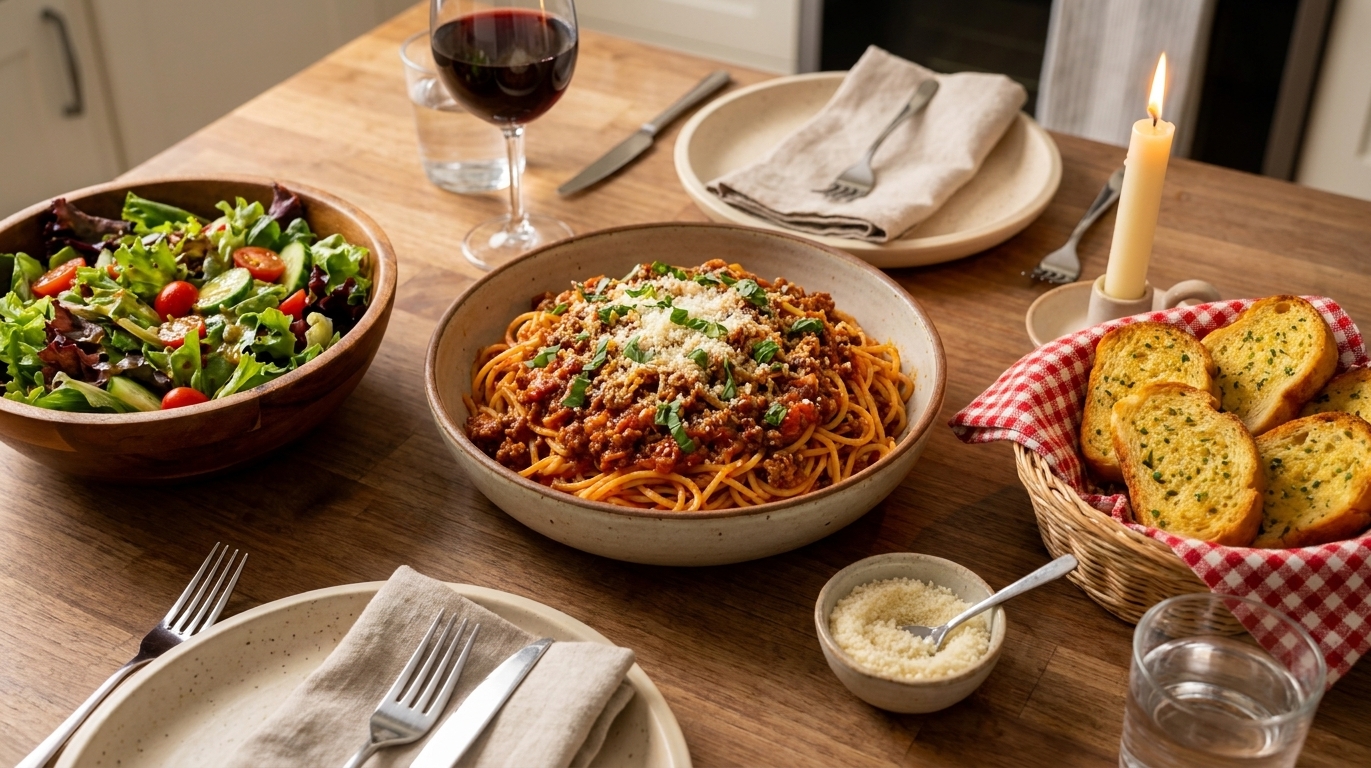
My favorite serving move: Sauce the pasta lightly in the pot, then spoon extra sauce on top of each bowl and finish with lots of Parmesan.
Later
Storage, Freezing and Reheating
Make ahead
Meat sauce is one of those magical dishes that often tastes even better the next day. Cool it, cover, and refrigerate overnight.
Refrigerator
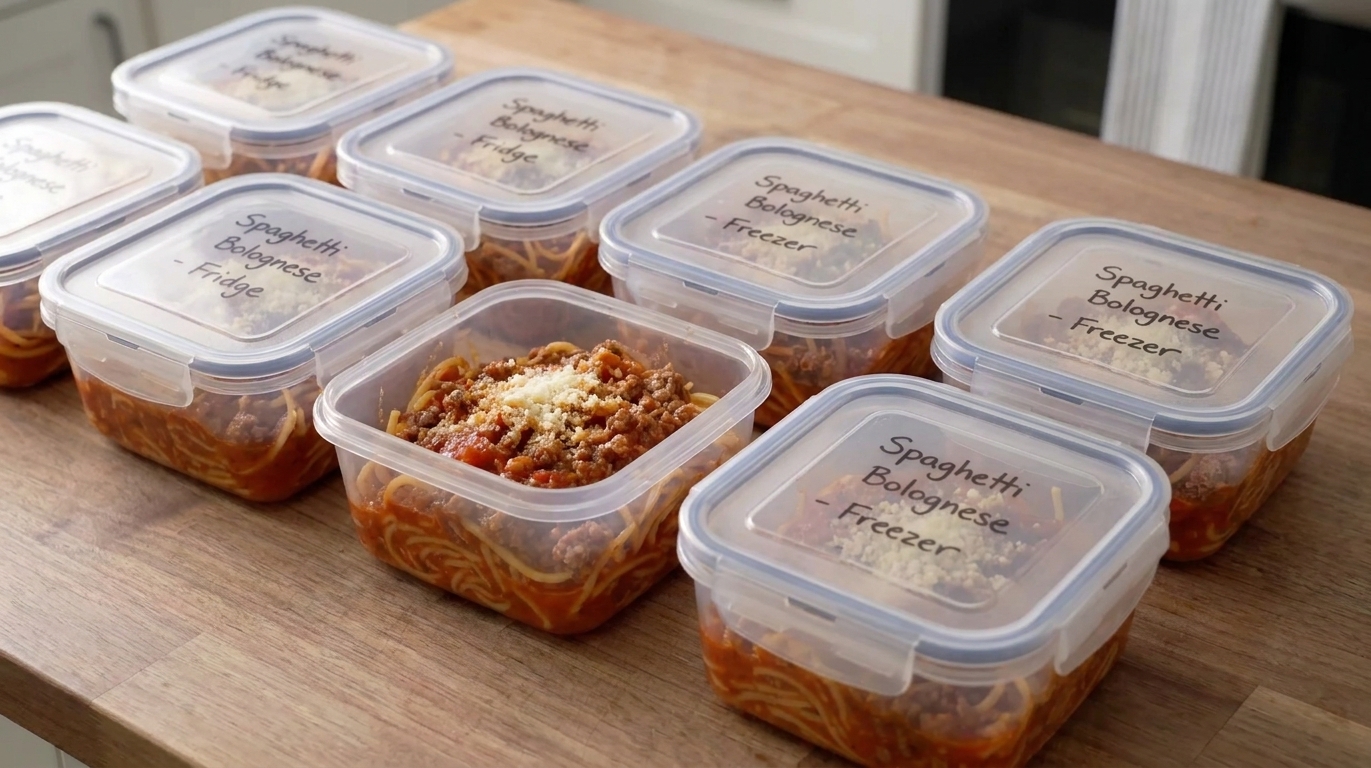
Store in an airtight container for 3 to 4 days.
Freezer
Freeze in portioned containers for up to 3 months for best quality. It can keep longer if continuously frozen, but 3 months is the sweet spot for flavor and texture.
Reheat (from frozen)
For the safest, least-scorched reheat: pop the frozen sauce into a saucepan with a splash of water, cover, and warm over low heat. Stir often as it thaws, then cook until it's heated through.
Best freezer tip
Freeze the sauce separately and cook fresh pasta when you serve. The texture stays so much better than freezing sauced noodles.
Doubling the recipe
Double it if you've got a big pot (at least 6 quarts). It may need a little extra uncovered simmer time to thicken, so plan on the longer end and stir more often.
Watch out
Common Mistakes to Avoid
My sauce is too thin
- Keep simmering uncovered 10 to 20 minutes, stirring more often.
- Check your heat: It needs a steady, gentle bubble to reduce.
- Last resort: Stir in 1 to 2 more tablespoons tomato paste and simmer 5 minutes to blend.
My sauce is too acidic
- Add 1 to 2 teaspoons sugar and re-taste.
- Or stir in a spoonful of ricotta for a gentler, rounder finish. This doesn't really neutralize acidity, it just softens how it tastes.
- Make sure it has enough salt. Under-salted tomato sauce tastes sharper.
My sauce tastes bland
- Add salt a pinch at a time.
- Add a little more dried oregano, or a small pinch of red pepper flakes.
- Finish with Parmesan. Cheese is seasoning.
My meat clumped up
Next time, add the meat to a hot pan and break it up early with a sturdy spoon. For today, just keep breaking it apart as it simmers. It'll still be delicious.
Questions
Frequently Asked Questions
Do I have to use sugar?
Nope. Some canned tomatoes are naturally sweet enough. I only add sugar if the sauce tastes sharp after simmering.
Should I drain the fat?
If you're using 80% lean beef, yes, I usually spoon off most of it after browning so the sauce doesn't get greasy. With 90% lean, you might not need to.
How long should I simmer meat sauce?
At least 25 to 30 minutes for good flavor. If you can give it 45 to 60 minutes, it gets thicker and more developed. Stir occasionally and keep the heat low.
Can I cook spaghetti in the sauce?
I don't recommend it for this one. Cooking pasta separately gives you more control over texture and lets you use pasta water to make the sauce cling.
What is the best meat for spaghetti sauce?
Ground beef is classic. My favorite best-of-both-worlds blend is half ground beef and half Italian sausage for extra seasoning built in.
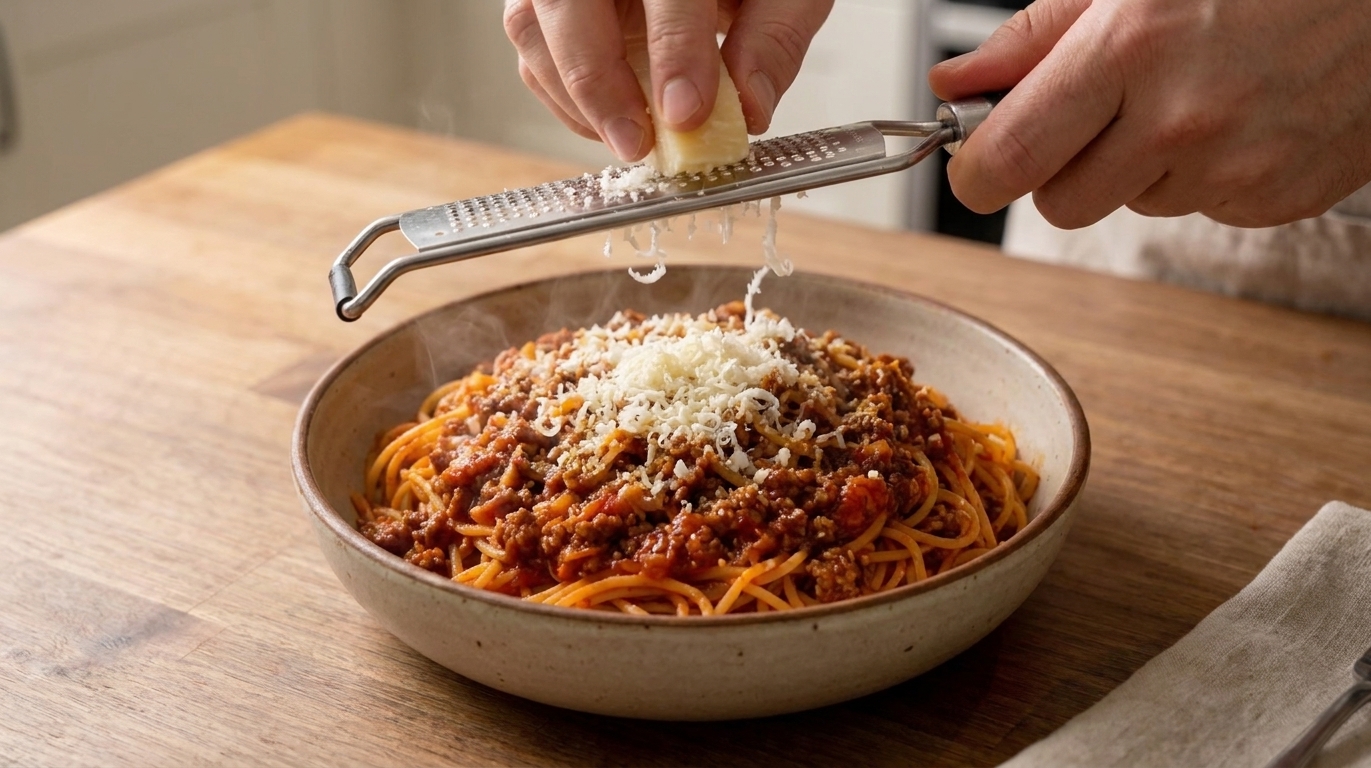
The recipe
Spaghetti Meat Sauce
A hearty, deeply savory spaghetti meat sauce with a weeknight-friendly simmer time (25 to 30 minutes) and an option to go longer (45 to 60 minutes) for even deeper flavor. Makes about 6 cups of sauce, enough for 1 pound of pasta.
Ingredients
- 1 tablespoon olive oil
- 1 yellow onion, finely chopped
- 4 to 6 garlic cloves, minced
- 1 to 1 1/2 pounds ground beef (or a mix of beef and Italian sausage)
- 1 teaspoon kosher salt, plus more to taste
- 1/2 teaspoon black pepper, plus more to taste
- 2 tablespoons tomato paste (plus 1 to 2 more tablespoons if needed to thicken, last resort)
- 1 can (28 ounces) crushed tomatoes
- 1/2 cup water (to rinse the can)
- 1 1/2 teaspoons dried oregano or Italian seasoning
- Pinch of red pepper flakes (optional)
- 1 to 2 teaspoons sugar (optional, to mellow acidity)
- Small splash of balsamic (optional, to wake it up)
- Parmesan rind (optional)
- 1 tablespoon butter (optional, for richness)
- 1/4 to 1/2 cup red wine (optional)
- 1 pound spaghetti (for serving)
- Parmesan (for serving)
- Chopped parsley or basil (for serving)
Instructions
- Soften the onion: Heat 1 tablespoon olive oil in a large pot or deep skillet over medium heat. Add 1 finely chopped onion and cook 5 to 7 minutes until soft and lightly golden.
- Add garlic: Stir in 4 to 6 minced garlic cloves and cook about 30 seconds, just until fragrant.
- Brown the meat: Add 1 to 1 1/2 pounds ground beef (or a mix of beef and sausage). Season with 1 teaspoon kosher salt and 1/2 teaspoon black pepper to get things started. You'll adjust at the end. Cook until browned, breaking it up well. If there's a lot of grease, carefully spoon off most of it.
- Toast the tomato paste: Push the meat aside and add 2 tablespoons tomato paste to the center. Cook 1 to 2 minutes, stirring, until it darkens slightly.
- Add tomatoes and season: Pour in 1 can (28 ounces) crushed tomatoes plus 1/2 cup water (use it to rinse the can). Stir in 1 1/2 teaspoons dried oregano or Italian seasoning and a pinch of red pepper flakes if you like.
- Simmer: Bring to a gentle bubble, then reduce heat to low. Simmer uncovered for 25 to 30 minutes for a great weeknight sauce, or 45 to 60 minutes for the deepest flavor. Keep it at a lazy simmer (small, occasional bubbles), not a hard boil. Stir occasionally.
- Finish and adjust: Taste and adjust salt. If it tastes a little sharp, add 1 to 2 teaspoons sugar. If it tastes flat, add a little more salt or a small splash of balsamic.
- Toss with spaghetti: Cook spaghetti in well-salted water until al dente. Reserve 1 cup pasta water, then drain. Toss spaghetti with some sauce, adding a splash of pasta water as needed so it clings.
Recipe notes
Yield: Makes about 6 cups sauce, enough for 1 pound pasta (serves 4 to 6).
Simmering: Keep it uncovered at a gentle bubble to concentrate the sauce. For deeper flavor, use the 45 to 60 minute simmer.
Optional richness: Add a Parmesan rind while simmering (remove before serving) and/or finish with 1 tablespoon butter for a silky texture. Optional: add 1/4 to 1/2 cup red wine after browning the meat; scrape up browned bits and simmer 1 to 2 minutes before adding tomatoes.
Adjusting acidity: If it tastes sharp after simmering, add 1 to 2 teaspoons sugar and re-taste. A spoonful of ricotta can soften how acidity tastes. Under-salted sauce tastes sharper, so check salt first.
If too thin: Simmer uncovered 10 to 20 minutes more. Last resort: stir in 1 to 2 tablespoons more tomato paste and simmer 5 minutes to blend.
Nutrition (per serving, approximate)
- Calories: ~640
- Fat: ~23 g
- Carbs: ~72 g
- Protein: ~34 g
- Fiber: ~6 g
- Sugar: ~10 g
- Sodium: ~820 mg
Nutrition values are approximate and will vary with the specific meat blend, pasta, and toppings used.