

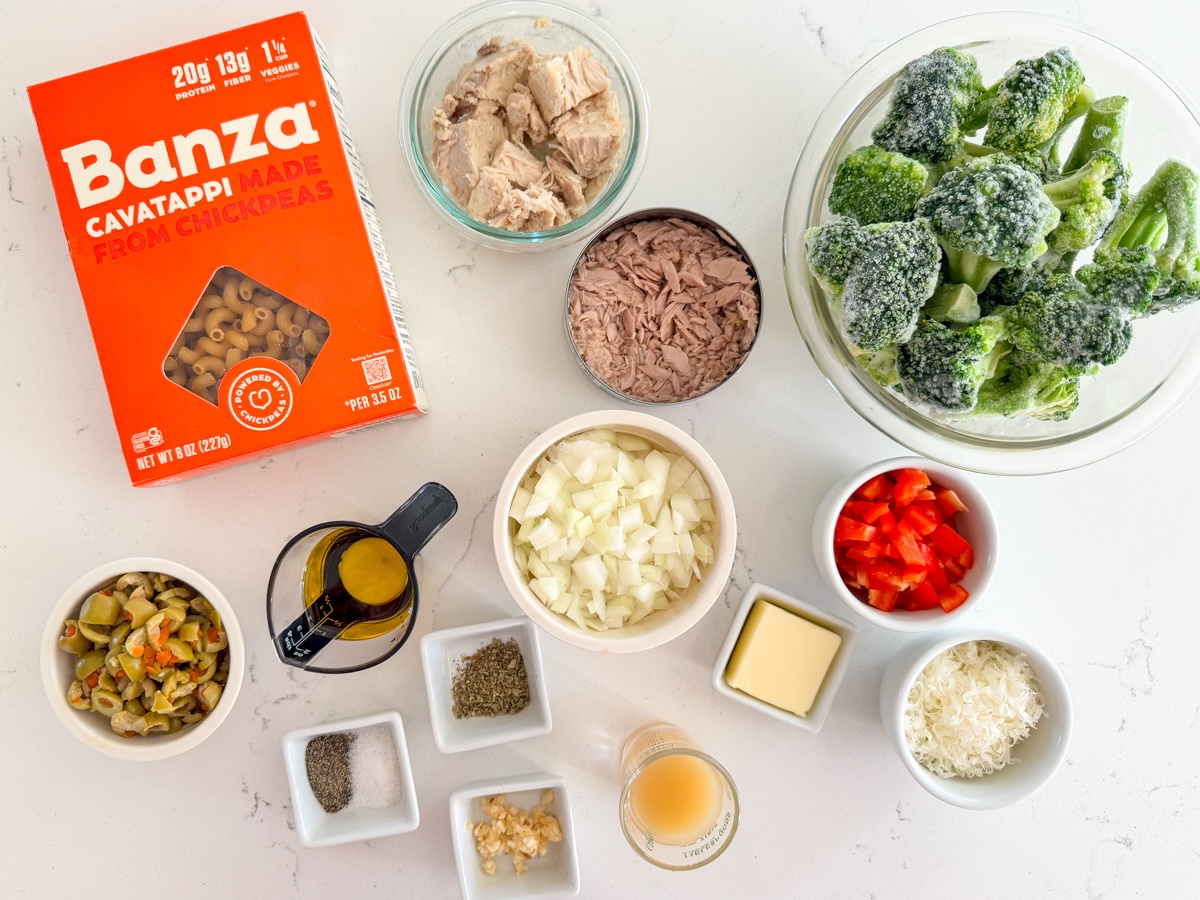
When life gets loud and the fridge looks a little bare, pasta is my favorite calm, reliable dinner plan. If you keep a few shelf-stable basics around, you can turn one box of noodles into multiple cozy meals without feeling like you’re eating the same thing on repeat.
These easy pantry pasta dinners land in the 20 to 30 minute zone, with lots of substitutions and smart tricks for stretching ingredients. Most are flexible with whatever pasta shape you have, so don’t overthink it.

The idea
Why This Recipe Works
This approach works because a few pantry staples can create multiple distinct, cozy dinners without feeling repetitive. Most sauces come together in the time it takes to boil noodles, keeping the whole meal in the 20 to 30 minute range.
The core technique is simple: start the water first, build the sauce while the pasta cooks, save pasta water to help the sauce turn glossy and cohesive, then finish the pasta in the pan so it absorbs flavor.
Shopping
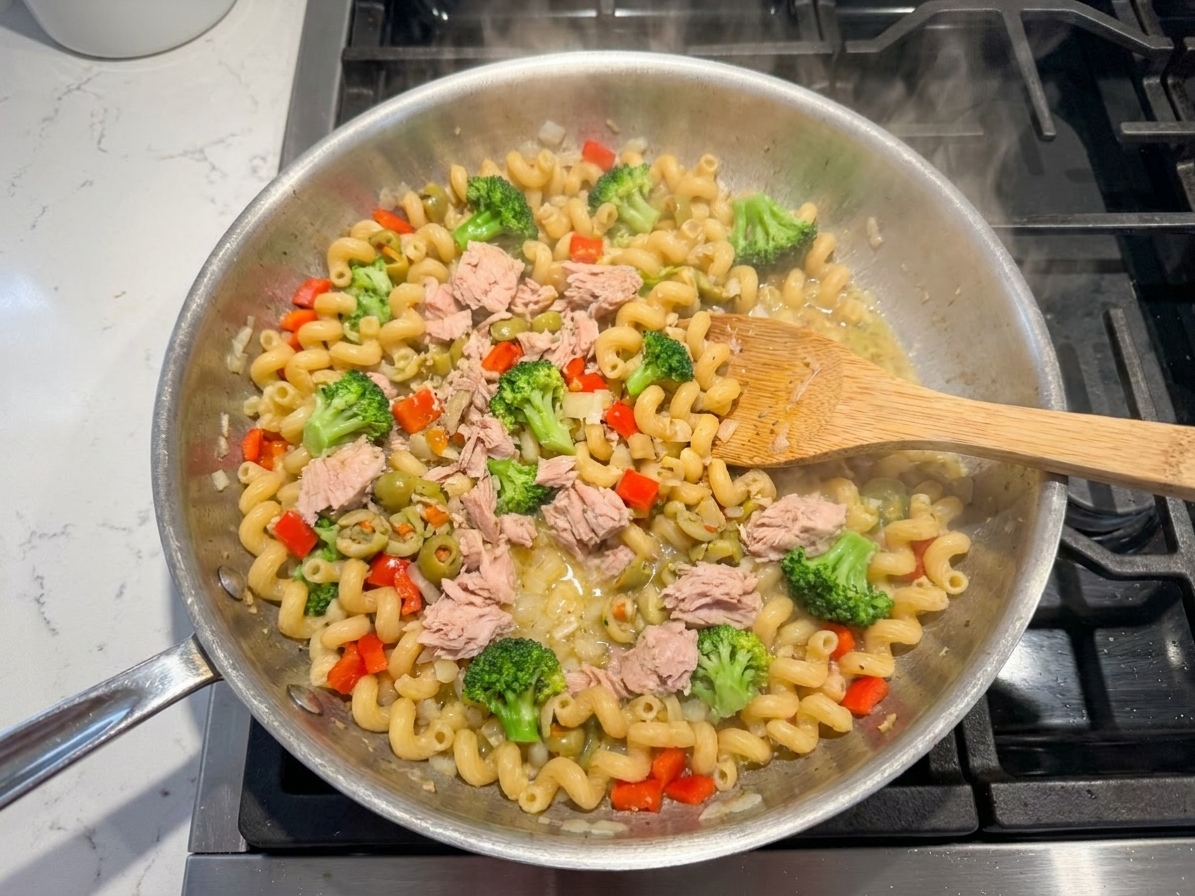
Ingredient Notes
These dinners are written around about 8 ounces dried pasta (half a standard 16-ounce box), which usually works out to 2 to 4 servings depending on appetites and add-ins.
- Pasta water: Scoop out 1 cup before draining. A splash or two makes sauces glossy and cohesive.
- Garlic: Garlic goes from golden to bitter fast. If it starts browning, lower the heat and keep things moving.
- Salt: Salt pasta water well until it tastes pleasantly salty. Also, canned fish, olives, capers, anchovies, and some broths are salty, so taste before adding more.
- Tomatoes: Many sauces use canned crushed tomatoes or tomato sauce; the amount can range from 14 to 28 oz depending on how saucy you like it.
- Stretch add-ins: Beans, canned fish, frozen peas, and frozen spinach are fast, weeknight-friendly add-ins that require basically no prep.
Get set up
Equipment You Will Need
- Large pot for boiling pasta
- Skillet or wide pan for sauce and tossing pasta
- Measuring cup (to reserve pasta water)
- Colander (for draining pasta)
- Wooden spoon or tongs (for tossing)
Technique
Tips for Getting It Right
- Start the water first: Getting the water going early makes everything feel effortless.
- Build the sauce while the pasta cooks: Most sauces are done by the time the noodles are.
- Save pasta water: Reserve 1 cup before draining; use splashes to loosen and bind the sauce.
- Finish in the pan: Toss drained pasta with sauce for 1 to 2 minutes so flavor sticks.
- Prevent bitter garlic: Cook garlic gently; if it starts browning, lower the heat and keep stirring.
- Stretch the meal: If feeding a bigger crew, double the sauce or add a can of beans to stretch it.
Flexibility
Substitutes That Work
This is your permission slip to stop running to the store.
- No garlic: Use onion powder, shallot powder, or a pinch of asafoetida if you keep it.
- No canned tomatoes: Use tomato paste plus pasta water, or jarred marinara thinned with water.
- No Parmesan: Toasted breadcrumbs, nutritional yeast, or extra black pepper.
- No broth: Water plus bouillon cube or bouillon paste.
- No capers or olives: A splash of vinegar or pickle brine for that bright, salty edge.
- Need more protein: Beans are the easiest pantry add. Stir them into tomato sauce or mash some into a brothy pasta.
Make it yours
Variations to Try
Use these ideas to remix what’s already in your pantry without changing the basic method.
- Change the pasta shape: Use what you have. Long noodles are great for oil-based sauces; short shapes are great for chunky tomato or bean-based sauces.
- Make it saucier or lighter: For tomato-based options, use 14 to 28 oz canned tomatoes depending on how saucy you like it.
- Make it heartier: Use 6 ounces pasta and add bulk with a can of beans, canned fish, 1 cup frozen peas or frozen spinach, a can of corn, or toasted breadcrumbs.
- Make it a pasta bowl: Serve a smaller portion of pasta over sautéed cabbage or greens, over warmed canned beans with garlic and olive oil, or alongside a big chopped salad with a vinaigrette.
- Cook once, remix twice: Cook the whole box, store it lightly oiled, then do two dinners (for example: Night 1 tomato-butter pasta; Night 2 quick pasta salad with canned tuna, olives, and bottled Italian dressing).
On the table
What to Serve It With
- Serve with a big chopped salad with a vinaigrette.
- Serve over sautéed cabbage or greens for a “pasta bowl.”
- Serve over a bowl of canned beans warmed with garlic and olive oil.
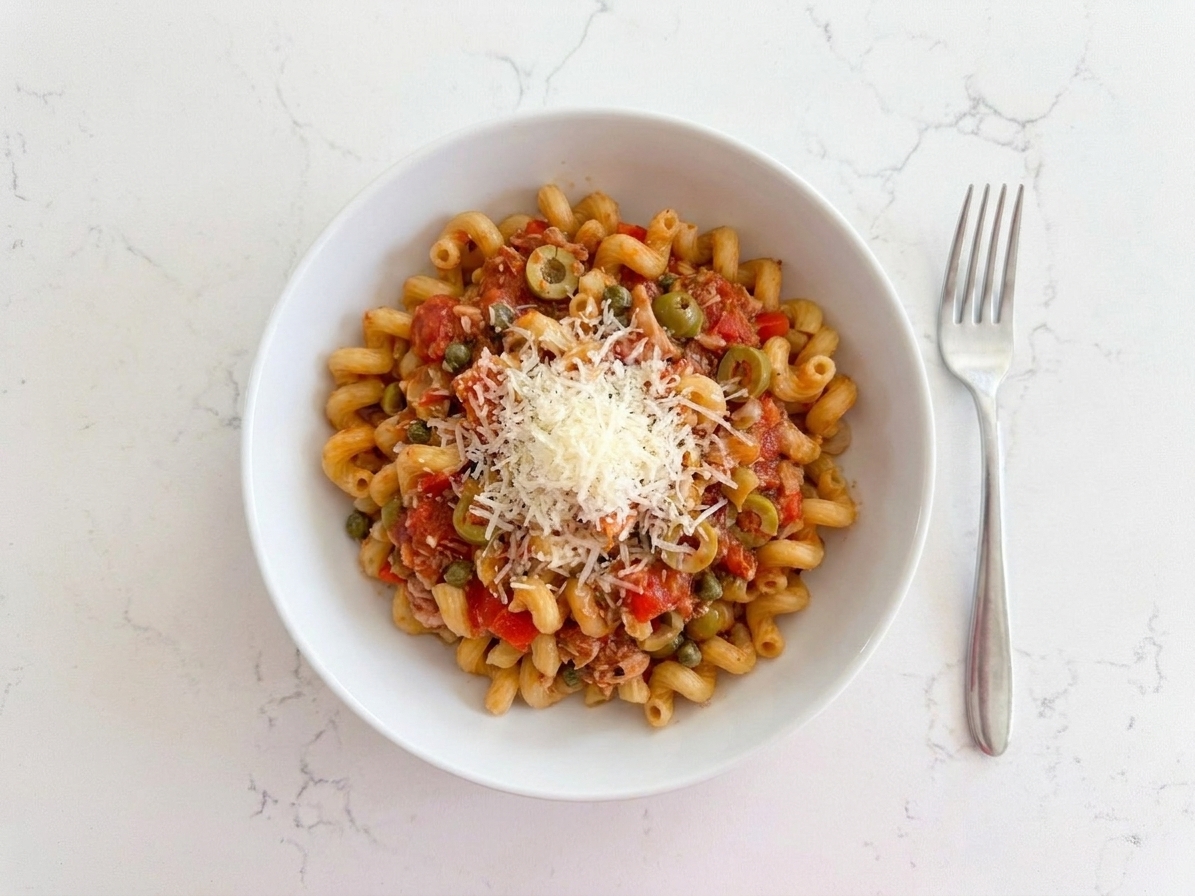
- Finish with grated Parmesan (optional) or use toasted breadcrumbs, lemon, herbs, and black pepper for a satisfying cheese-free finish.
Later
Storage, Freezing and Reheating
Cooked pasta storage: Cool cooked pasta quickly (spread it out if you can), refrigerate in a sealed container, and use within 3 to 5 days.
Reheating: Reheat with a splash of water or broth so it turns silky again.
Watch out
Common Mistakes to Avoid
- Under-salting the water: Salt the pasta water until it tastes pleasantly salty so the noodles have flavor from the start.
- Not saving pasta water: Skipping the reserved water makes it harder to get a glossy, cohesive sauce.
- Skipping the finish in the pan: Tossing pasta with sauce for 1 to 2 minutes is where flavor sticks.
- Browning the garlic: Garlic turns bitter fast. If it starts browning, lower the heat and keep things moving.
- Over-salting briny sauces: Tuna, capers, olives, and anchovies can be salty, so taste before adding salt.
Questions
Frequently Asked Questions
What pasta shape is best for pantry sauces?
Use what you have, truly. If you get to choose, long noodles are great for oil-based sauces, and short shapes are great for chunky tomato or bean-based sauces.
How do I keep pantry pasta from tasting bland?
Salt the pasta water until it tastes pleasantly salty, use enough garlic, and don’t skip the finishing step where you toss pasta with sauce and a splash of pasta water. That is where flavor sticks. Also, remember that canned fish, olives, capers, and anchovies bring salt, so taste before you add more.
Can I make these without cheese?
Absolutely. Lean into olive oil, toasted breadcrumbs, lemon, herbs, and black pepper. You’ll still get a satisfying, restaurant-style finish.
What can I add to make it feel like a full meal?
My fastest add-ins are a drained can of beans, a can of tuna, frozen peas, or frozen spinach. All are weeknight-friendly and require basically no prep.
The recipe
Easy Pantry Pasta Dinners
A flexible pantry pasta formula built around 8 ounces dried pasta, a fast sauce, and the key technique of reserving pasta water and finishing the noodles in the pan. Designed to hit the 20 to 30 minute weeknight zone and work with whatever pasta shape you have.
Ingredients
- 8 oz dried pasta
- Salt (for the pasta water)
- Olive oil (typically 2 to 4 tbsp, depending on the variation)
- Garlic (1 to 6 cloves, depending on the variation)
- Choose one sauce base (pick one):
- 1 can crushed tomatoes or tomato sauce (14 to 28 oz)
- 3 to 4 tbsp tomato paste
- 1 tbsp white or yellow miso plus 2 tbsp butter
- 2 to 3 cups broth or water (for brothy/bean versions)
- Optional flavor and add-ins (as desired): dried oregano or Italian seasoning; dried rosemary; paprika; red pepper flakes; black pepper; lemon (zest and juice); capers; chopped olives; anchovy paste or anchovy fillets; tuna; sardines; chickpeas; white beans; breadcrumbs; parsley; grated Parmesan; canned corn; toasted sesame seeds; dried seaweed strips; frozen peas or frozen spinach
Instructions
- Boil the pasta: Bring a pot of water to a boil, salt it well until it tastes pleasantly salty, and cook pasta until al dente.
- Reserve pasta water: Scoop out 1 cup pasta water before draining.
- Build a quick sauce while the pasta cooks: In a skillet, warm olive oil (or melt butter for miso-butter) and cook garlic gently over medium-low for about 30 seconds to 1 minute, just until fragrant (avoid browning).
- Simmer or whisk the sauce base: Add your chosen base (tomatoes, tomato paste plus pasta water, miso plus pasta water, or broth for a brothy bean pasta) and cook just long enough to meld (typically 5 to 10 minutes, depending on the variation).
- Finish in the pan: Add drained pasta to the skillet and toss for 1 to 2 minutes, adding splashes of reserved pasta water until the sauce looks glossy and cohesive.
- Taste and adjust: Season with pepper and salt as needed, keeping in mind tuna, capers, olives, anchovy, and some broths can be salty. Finish with any toppings (Parmesan or toasted breadcrumbs) and serve.
Recipe notes
- Portioning: These pantry pasta dinners are designed around 8 ounces dried pasta (half a 16-ounce box), typically 2 to 4 servings depending on appetites and add-ins.
- Stretching tip: For a bigger crew, double the sauce or add a can of beans to stretch it.
- Garlic tip: Garlic goes from golden to bitter fast; if it starts browning, lower the heat and keep things moving.
- Storage: Cool cooked pasta quickly, refrigerate sealed, and use within 3 to 5 days. Reheat with a splash of water or broth so it turns silky again.
Nutrition (per serving, approximate)
- Calories: ~520
- Fat: ~18 g
- Carbs: ~72 g
- Protein: ~15 g
- Fiber: ~4 g
- Sugar: ~6 g
- Sodium: ~550 mg
Approximate per-serving values (estimate based on 8 oz dried pasta, olive oil, garlic, and a typical tomato-based pantry sauce; toppings and add-ins will vary).