

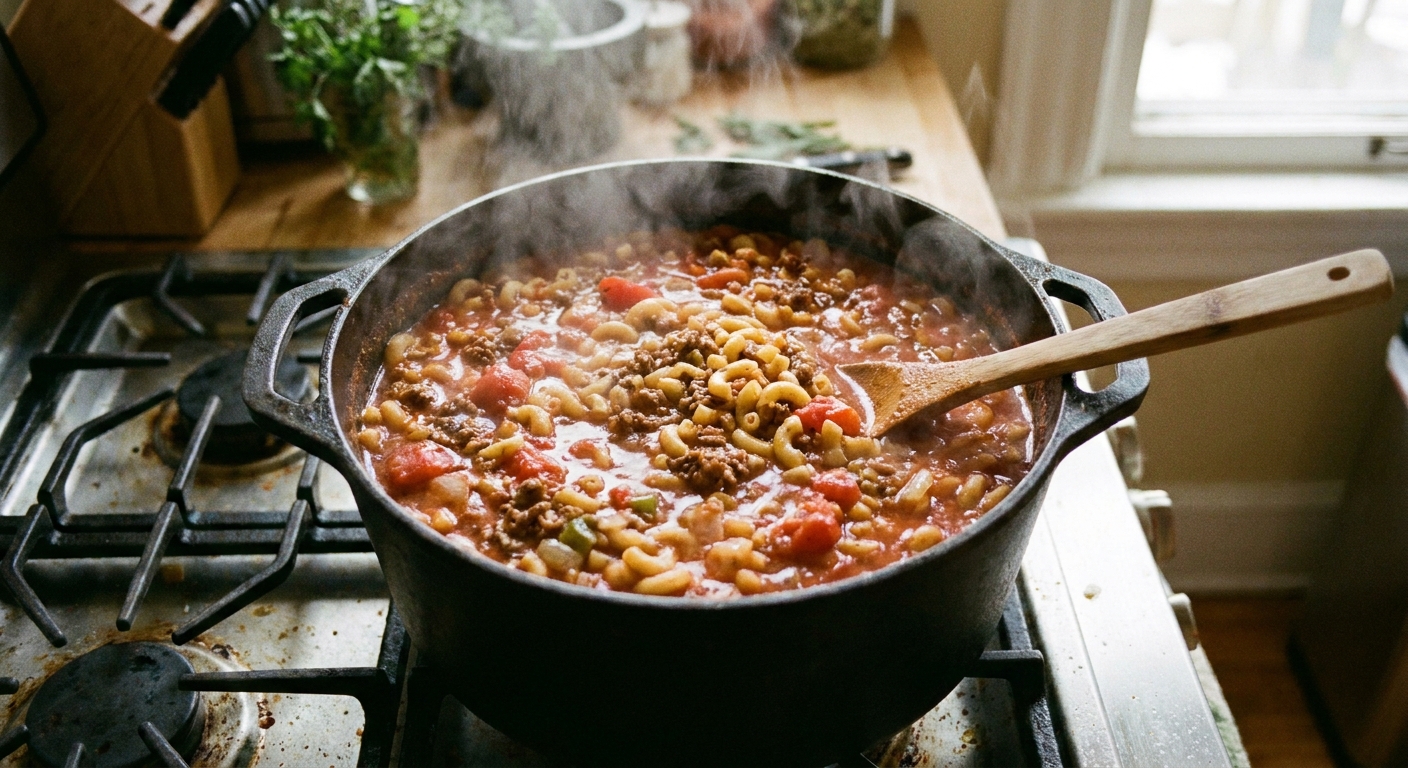
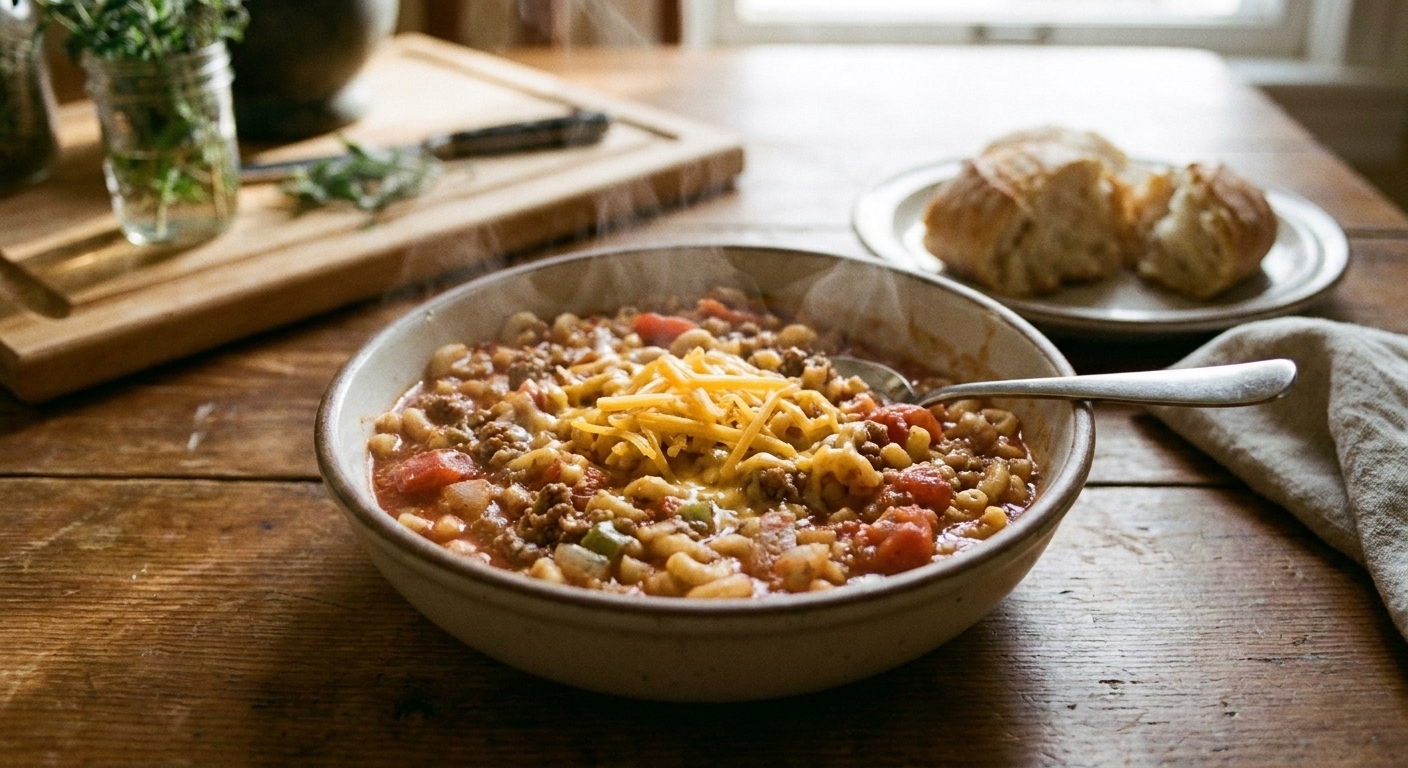
American goulash is one of those cozy, dependable dinners I learned to make in a loud, hungry kitchen where the goal was simple: feed everyone something warm and saucy without turning Tuesday night into a project. Traditionally, that meant ground beef. But these days, a lot of us open the fridge and find ground turkey staring back. The good news is both work. The even better news is that if you understand what each meat brings to the pan, you can make your goulash taste hearty either way.

How they brown
Browning is where goulash builds a lot of its savory backbone. This is the flavor you want in place before tomatoes and broth ever hit the pan.
Ground beef
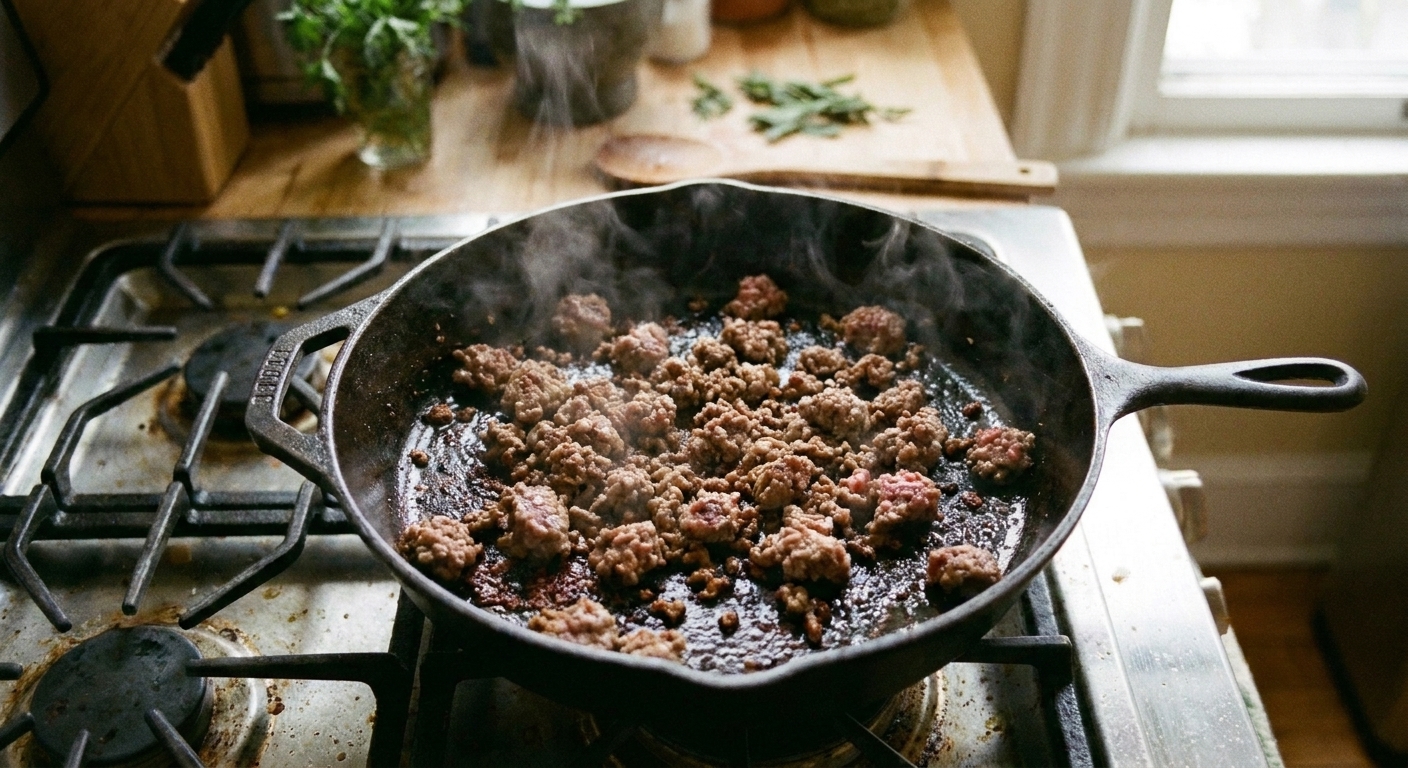
Ground beef usually browns faster and more deeply because it typically has more fat. That fat helps with heat transfer and can reduce sticking, and a properly heated pan encourages those browned bits (the tasty fond) to form. When you stir those bits into the sauce later, the whole pot tastes meatier.
If your beef renders a lot of fat, you can drain some. Just remember: if you pour off a bunch of seasoned fat, you may need to taste and adjust salt again once the sauce simmers.
Ground turkey
Ground turkey can brown, but it takes more intention. Turkey is often lean, so it can go from pink to gray without developing much caramelization. The fix is simple: give it time and space.
- Preheat the pan well before adding turkey.
- Do not constantly stir. Press it into an even layer and let it sit for 2 to 3 minutes at a time so it can actually take on color.
- Add a little fat if needed (more on that below).
One quick note: “ground turkey” can mean different blends (breast only vs a mix of light and dark meat), so check the label. The leaner it is, the more it benefits from oil and patient browning.
Sauce richness
American goulash is tomato-forward, but it is not supposed to taste like plain pasta with marinara. It should taste round, savory, and a little luxurious.
Ground beef naturally makes a richer sauce because the rendered fat carries flavor and gives the tomato base a fuller mouthfeel. Even after you drain some grease, beef still tends to taste “bigger” in this dish.
Ground turkey makes a lighter sauce that can be really pleasant if you want goulash that feels less heavy. The tradeoff is that it can read a bit thin or sharp if you treat it exactly like beef, especially with very lean turkey.
Salt and seasoning
This is the part that surprises people: ground turkey often needs more seasoning than ground beef to taste equally satisfying in a tomato sauce. Beef has a more pronounced “beefy” flavor, while turkey is milder and can get lost once you add tomatoes, pasta, and broth.
With turkey, I like to build flavor in layers:
- Salt the turkey early while it browns, not just at the end.
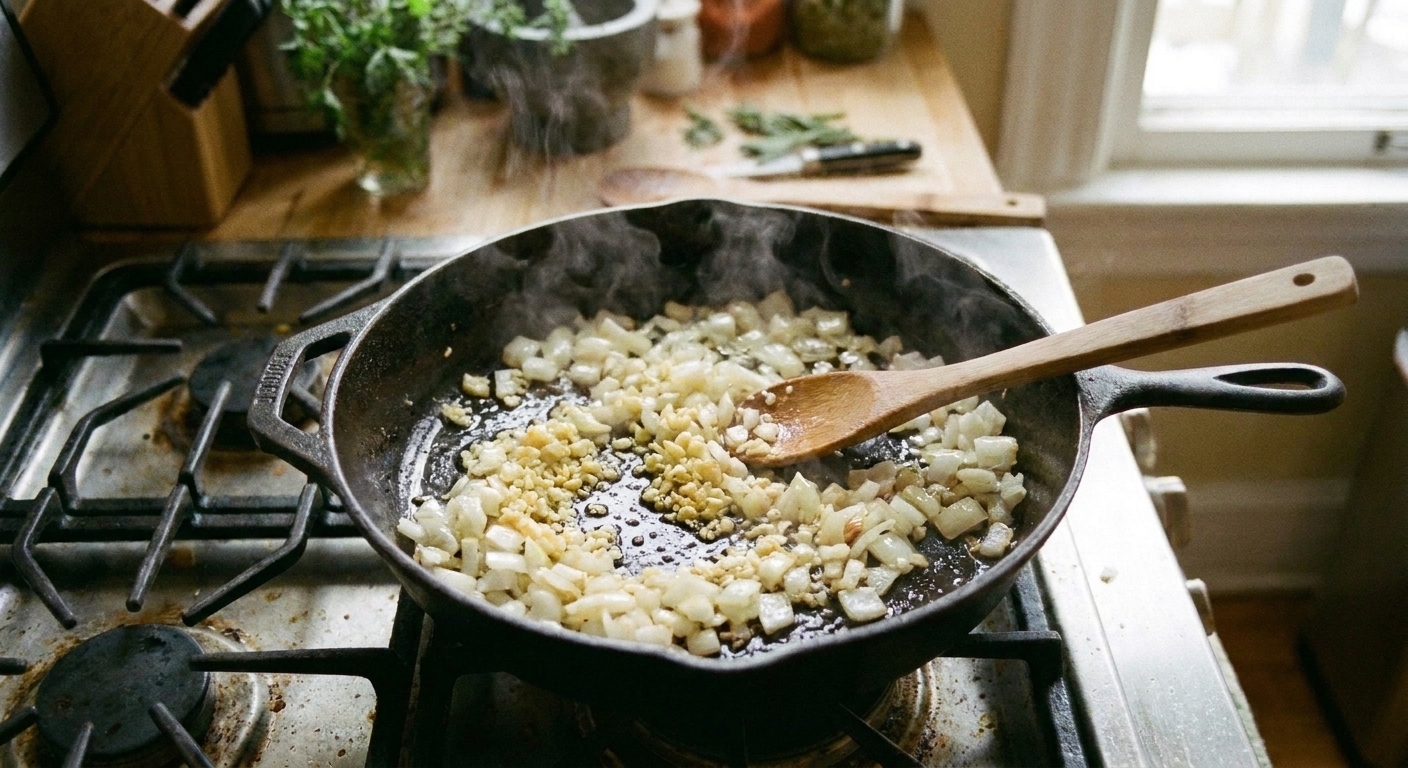
- Use aromatics generously (onion, lots of garlic, and a little bell pepper if you like).
- Add dried herbs (Italian seasoning, oregano, basil) and let them toast in the fat for 30 seconds before liquids go in.
- Taste and adjust after simmering, then adjust salt again. As tomatoes cook down, their acidity and concentrated flavors can make a dish taste less salty than you expect.
Does turkey need more fat?
Often, yes. Not a lot, but a little goes a long way.
If you are using 93% lean ground turkey, you can usually get away with just a bit of oil for sautéing onions, then brown the turkey well. If you are using 99% lean, I strongly recommend adding some fat so the flavor does not fall flat.
Easy ways to add richness
- Olive oil or butter: Add 1 to 2 tablespoons to the pan before browning turkey.
- A splash of Worcestershire sauce: Adds savory depth that mimics beefiness.
- Parmesan rind (if you keep them): Simmer it in the sauce and remove before serving.
- A little cheese at the end: Stir in a handful of shredded cheddar or Monterey Jack, or just top bowls as you serve.
Does turkey need tomato paste?
Not strictly, but tomato paste is my favorite “make turkey taste like comfort food” trick in goulash.
Here’s why it works: tomato paste brings concentrated sweetness and umami, and when you cook it briefly in the pan, it develops a deeper, almost roasty flavor. That added complexity makes turkey-based goulash taste more like the classic version.
If your usual goulash uses tomato sauce or crushed tomatoes, try this:
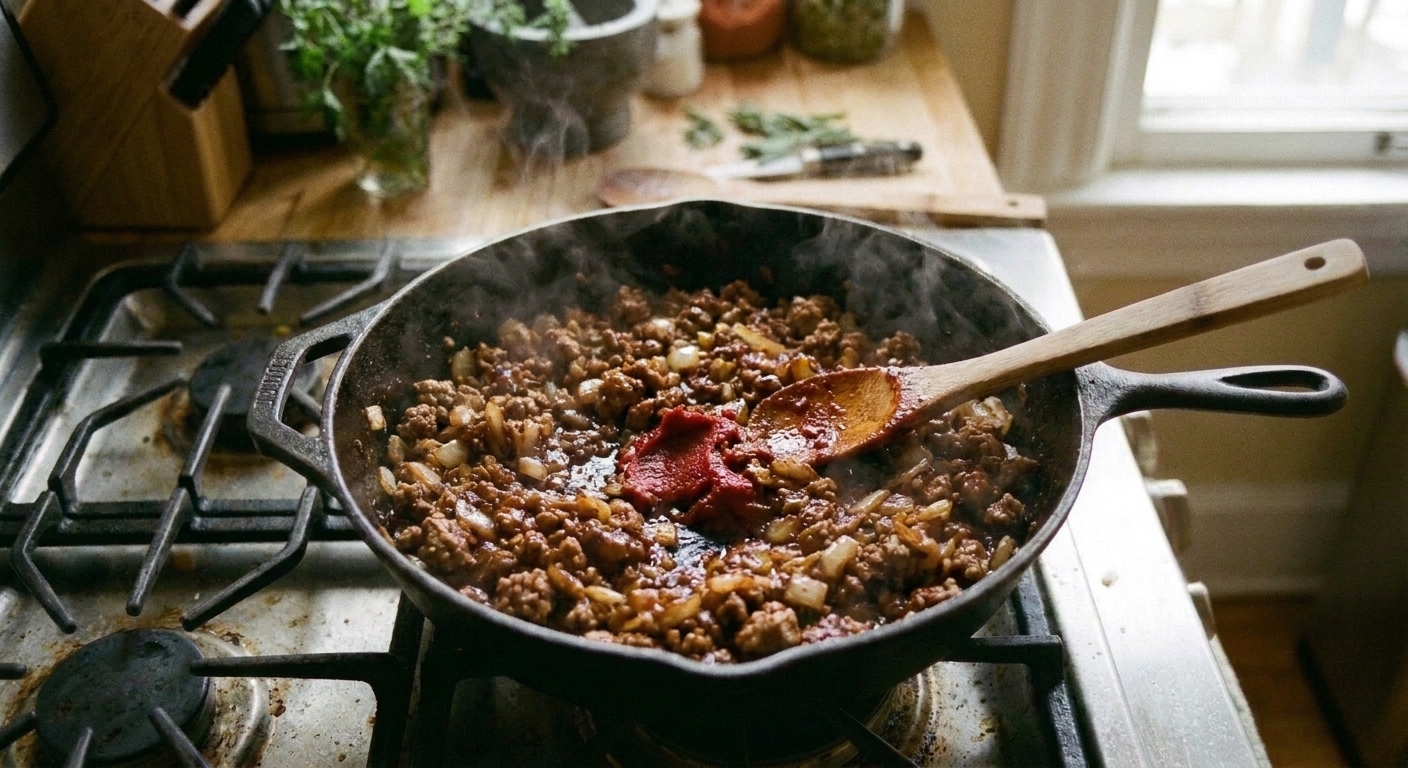
- Add 1 to 2 tablespoons tomato paste after the turkey browns and the onions soften.
- Cook it 60 to 90 seconds, stirring, until it darkens slightly and smells rich.
- Then add your tomatoes and broth.
Texture in the pot
Beef goulash tends to feel more cohesive because the fat gives the sauce more body and helps it cling to the pasta.
Turkey goulash can feel a bit looser, especially if you use very lean turkey and add pasta water or broth freely. That is not wrong, but if you want that classic thick, clingy comfort texture, use one or two of these fixes:
- Simmer the sauce a few minutes longer before adding pasta so it reduces slightly.
- Use tomato paste as mentioned above.
- Stir in a knob of butter at the end for a silky finish.
Doneness and safety
If you like a quick kitchen check, this is the one: ground turkey should reach 165°F and ground beef should reach 160°F. Both should be cooked until no longer pink, but a thermometer takes the guesswork out, especially with turkey.
My pick
If you want the most traditional, reliably rich, “hamburger-helper-but-better” style goulash, ground beef wins. It browns easily, brings built-in richness, and gives you that hearty flavor without extra steps.
That said, I reach for turkey plenty of nights. It is lighter, still super comforting, and honestly, it is often what is already thawed.
If you use turkey
You can absolutely make a pot of goulash you will be proud to serve with ground turkey. Here are the tweaks I recommend most:
- Add fat: Start with 1 tablespoon olive oil or butter (2 tablespoons if using 99% lean turkey).
- Brown patiently: Spread turkey out and let it sit in contact with the pan so it develops color.
- Boost umami: Add 1 to 2 tablespoons tomato paste and cook it for 60 to 90 seconds before adding liquids.
- Season in layers: Salt the turkey while browning, then taste again after simmering and adjust.
- Finish rich (optional but lovely): Stir in a small knob of butter or top bowls with cheddar.
Do those five things and your turkey goulash will still hit the whole point of goulash: a warm, saucy, no-stress dinner that tastes like you took way more time than you did.
Quick questions
Can I use a mix of beef and turkey?
Yes, and it is a great compromise. You get some beef richness with a lighter overall feel. Brown the beef first, then add turkey once some fat has rendered so the turkey browns better.
Which ground beef is best for goulash?
I like 85% to 90% lean. It has enough fat for flavor without leaving the sauce greasy. If you use 80% lean, you may want to drain some fat after browning.
Why does my turkey goulash taste bland?
The usual culprits are not enough browning, not enough salt, or skipping that little hit of umami (tomato paste, Worcestershire, or a bit of cheese). Taste after simmering and adjust seasoning before serving.