

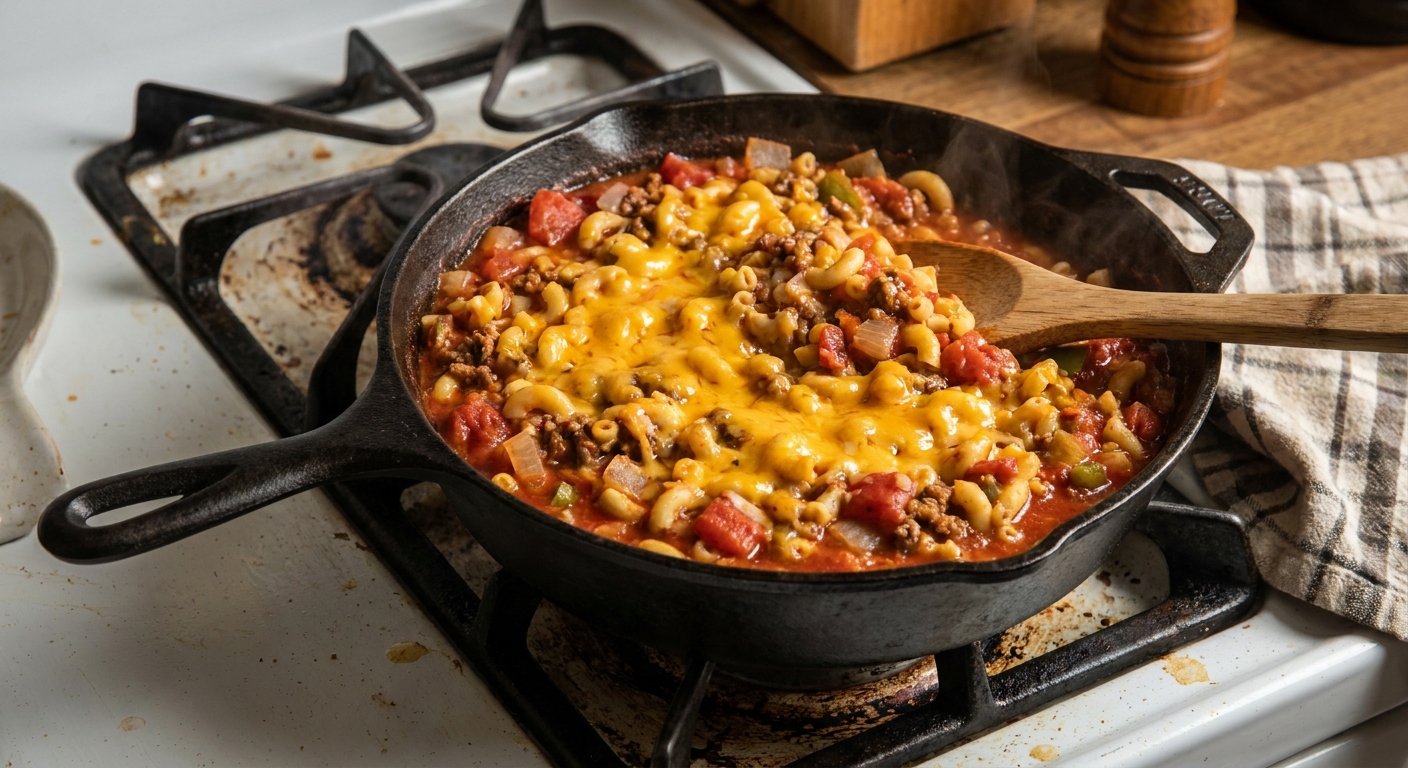
If you grew up in a loud kitchen like I did in the Pacific Northwest, you probably have a comfort-food memory attached to both of these dinners. American goulash is the big, saucy skillet that feeds a crowd and somehow tastes even better the next day. Hamburger Helper is the box in the pantry that promises dinner with minimal thinking.
They live in the same weeknight universe, but they are not exactly the same dish. Let’s walk through the differences that actually matter when you are standing at the stove, hungry, and maybe a little tired.

Are they the same thing?
They are cousins, not twins.
American goulash is typically a homemade one-pot meal built from browned ground beef, onions and garlic, a tomato base (tomato sauce, diced tomatoes, or both), simple pantry seasonings, and macaroni cooked right in the sauce. The vibe is hearty, cozy, and slightly “stewy” in the best way.
Hamburger Helper is a boxed dinner kit: dried pasta plus a powdered seasoning mix designed to turn ground beef, water, and often milk (depending on the variety) into a creamy or saucy skillet meal. It is engineered for speed and consistency.
One quick clarification, because the internet loves to confuse people: American goulash is not Hungarian goulash. Hungarian goulash is a paprika-forward stew, usually without macaroni.
So if you are asking, “Will it taste like the goulash I remember?” the honest answer is: it depends on the specific Helper flavor, but it is usually a different style of sauce and a different seasoning profile than classic homemade goulash.
Pasta shape: elbows vs. box variety
Pasta is one of the quickest ways to spot the difference.
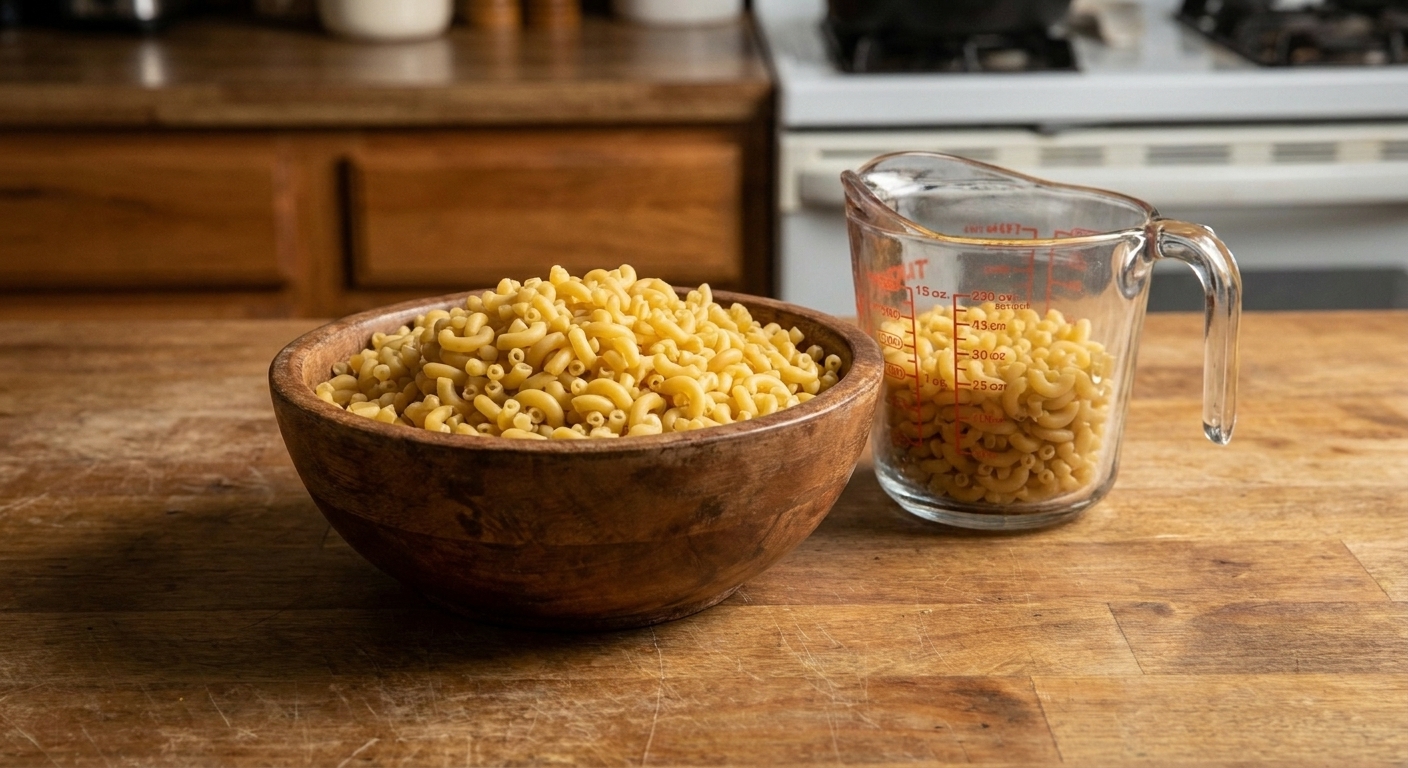
- American goulash is most often made with elbow macaroni. The little curves catch sauce, and the bite stays pleasantly tender even after the dish sits for a bit.
- Hamburger Helper varies by variety. Some use elbows, but plenty use shells, spirals, or other short shapes chosen to work with that specific sauce mix.
If you want that classic goulash texture, elbows are part of the point. You can absolutely make goulash with other shapes, but when someone says “American goulash,” elbows are the default mental picture for a lot of us.
Seasoning: packet mix vs. pantry spices
This is the biggest “why do these taste different?” factor.
What homemade goulash usually tastes like
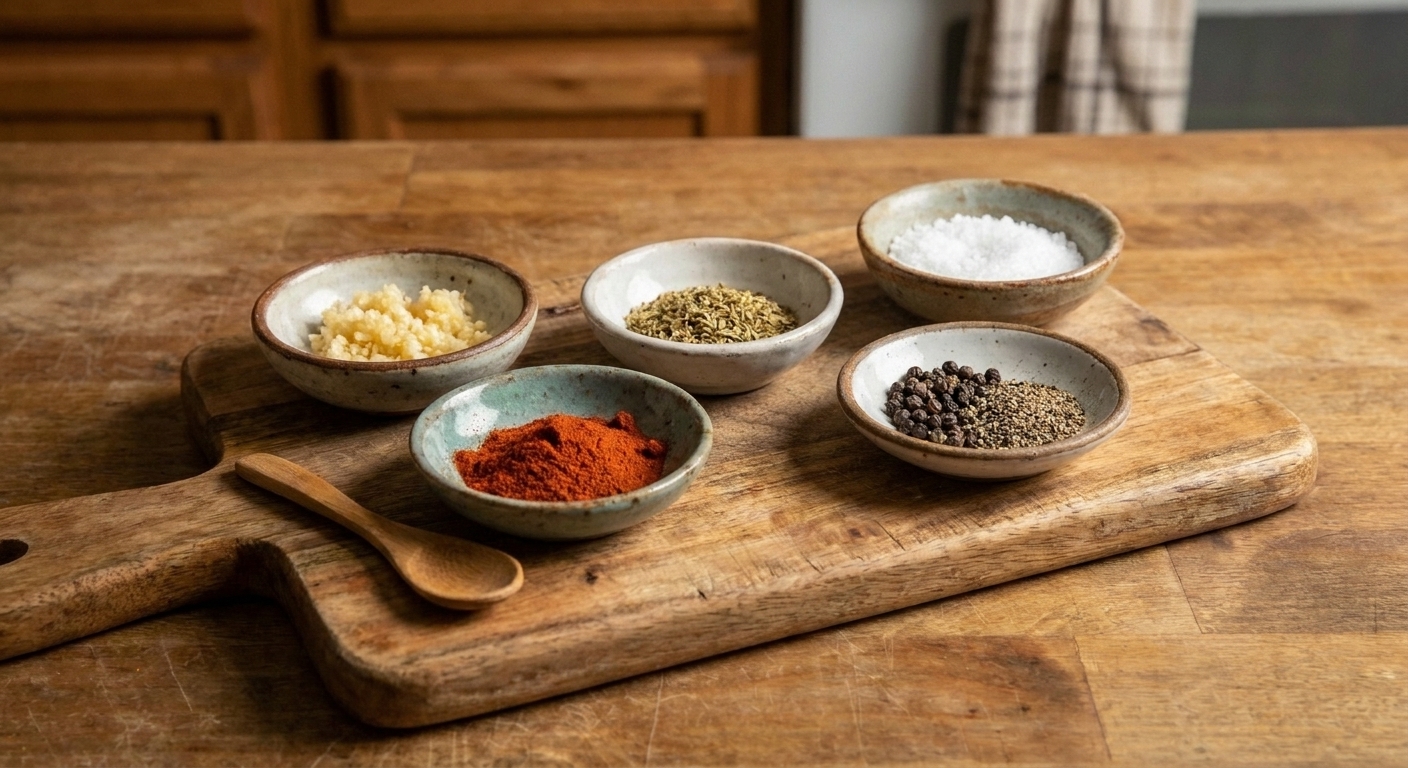
Homemade American goulash is typically seasoned with everyday pantry staples: garlic (yes, lots), onion, paprika or chili powder in small amounts, oregano or Italian seasoning, bay leaf if you are feeling fancy, plus salt and pepper. It leans tomato-forward, savory, and gently herby.
Because you control it, you can make it brighter (more tomato), deeper (a little Worcestershire sauce), or spicier (red pepper flakes). It is forgiving and flexible.
If you want a simple “goulash vibes” starting point without turning this into a full recipe, try this per pound of beef: 1 teaspoon paprika + 1 teaspoon oregano (or Italian seasoning), plus plenty of garlic and black pepper.
What a Hamburger Helper packet is doing
A seasoning packet is designed to do a few jobs at once: flavor the dish, thicken the sauce, and deliver a very consistent “signature” taste. In many varieties, that means you will notice more of these elements:
- Thickeners for a quick, clingy sauce
- Powdered dairy in creamy varieties
- More assertive saltiness right out of the gate
- Uniform seasoning notes that do not change much from batch to batch
Neither approach is “bad.” It is just a different cooking goal. Homemade goulash tastes like ingredients simmering together. Boxed kits taste like a finished, dialed-in product.
Texture: stewy vs. creamy
Even when both are “beef and pasta in a skillet,” the texture tends to land in different places.
- American goulash usually has a looser, more spoonable tomato sauce. It thickens as it sits, but it still reads more like a saucy pasta-stew hybrid.
- Hamburger Helper is often thicker and creamier, especially the cheese-forward varieties. The packet is built to set up quickly, so the sauce clings to the pasta sooner with less simmer time.
If you have ever wondered why goulash feels cozier and Helper feels richer, that is a big part of it.
Cheese: optional topping vs. baked in
Cheese is another place where people talk past each other.
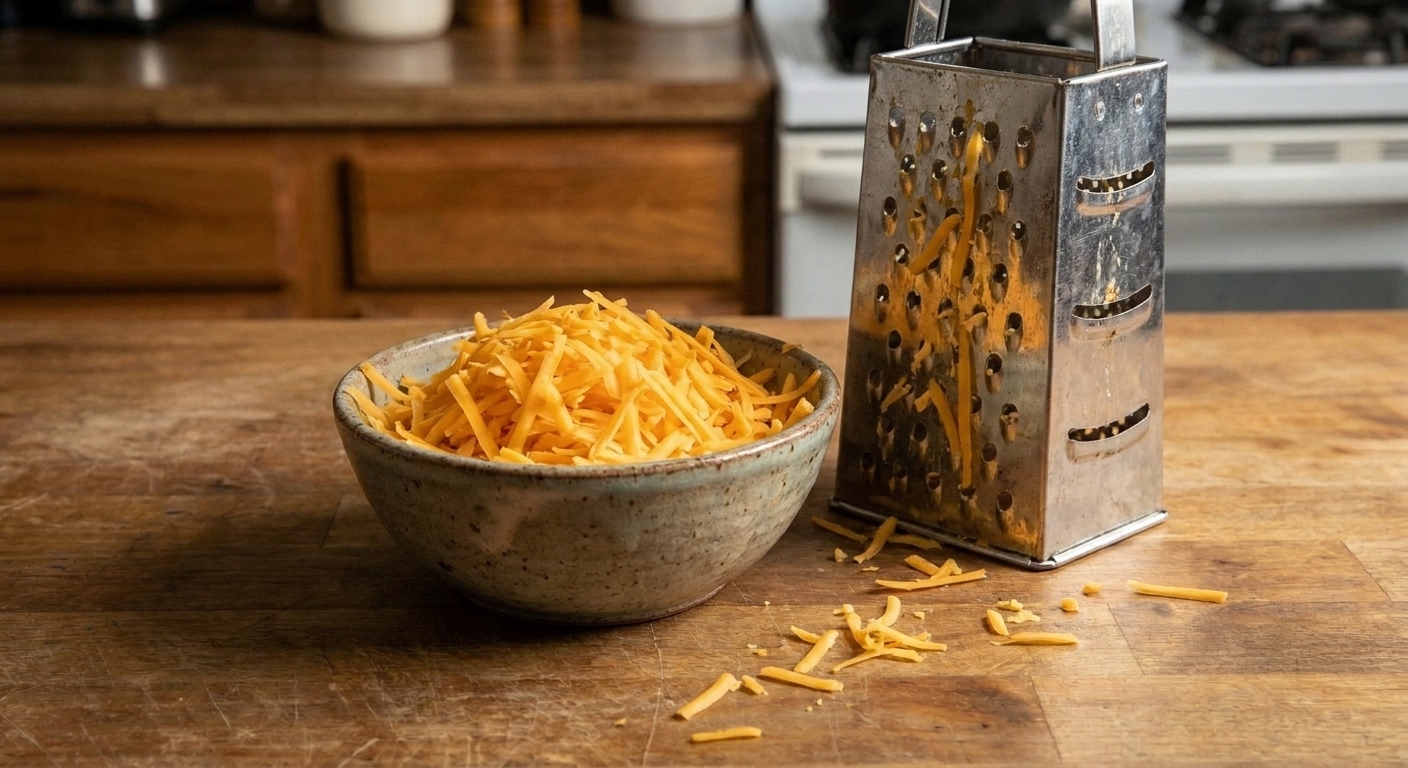
- American goulash can be served with cheese on top, but it is often optional. When I make it, I usually add a handful of shredded cheddar at the end or let everyone top their own bowl. The base is still tomato-meaty-saucy.
- Hamburger Helper varies by variety, but many popular boxes are cheese-forward or creamy by design. Even when you add shredded cheese yourself, the seasoning mix is aiming you toward a cohesive “cheesy skillet” experience.
If what you want tonight is “tomatoey beefy pasta with maybe a little cheese,” goulash is the bullseye. If you want “creamy, cheesy, salty-satisfying skillet pasta,” that is where many Helper flavors shine.
Cost: which is actually cheaper?
Cost depends on what is already in your pantry, how many people you are feeding, and how you define “cheap” (money only, or money plus time).
Hamburger Helper cost strengths
- Predictable: you know the price of a box plus the meat.
- Low waste: no half-used cans if you are cooking for one or two.
- Time savings: fewer decisions and fewer ingredients to measure.
Homemade goulash cost strengths
- Often stretches further: a pot built from pasta, canned tomatoes, and pantry seasonings can be easier to scale up for a family or for leftovers.
- Built-in leftovers: goulash is a champion at next-day lunches.
- Flexible ingredients: you can stretch it with extra pasta, add beans or veggies, or use ground turkey when it is on sale.
In my kitchen, homemade goulash is usually cheaper per serving when I am feeding a group or I want leftovers. But if you are cooking for one or you do not want to buy multiple pantry items up front, a box can absolutely be the budget-friendly choice in the moment.
Which dish are you trying to make?
This is the deciding question I use when a reader asks, “Can I swap one for the other?”
You are trying to make American goulash if you want:
- A tomato-based, hearty, cozy skillet
- Elbow macaroni cooked in the sauce
- Flavor that tastes like real onions, garlic, and simmered tomatoes
- A dish that gets even better after it sits
You are trying to make Hamburger Helper if you want:
- A specific boxed flavor you already love
- A faster path with almost no measuring
- A skillet dinner that is often creamier or cheesier
- Consistency, even on nights when your brain is done for the day
To be super clear: you can absolutely make a “goulash-ish” homemade version that scratches the Helper itch (especially if you go heavier on cheese and keep the seasoning bold). And you can pick a Helper variety that feels closer to a tomato-based beef and pasta dinner. But if your goal is to match a specific childhood taste memory, it helps to name which memory you are chasing.
If you only have a box
If Hamburger Helper is what you have, you can still steer the flavor closer to homemade goulash without turning it into a whole project.
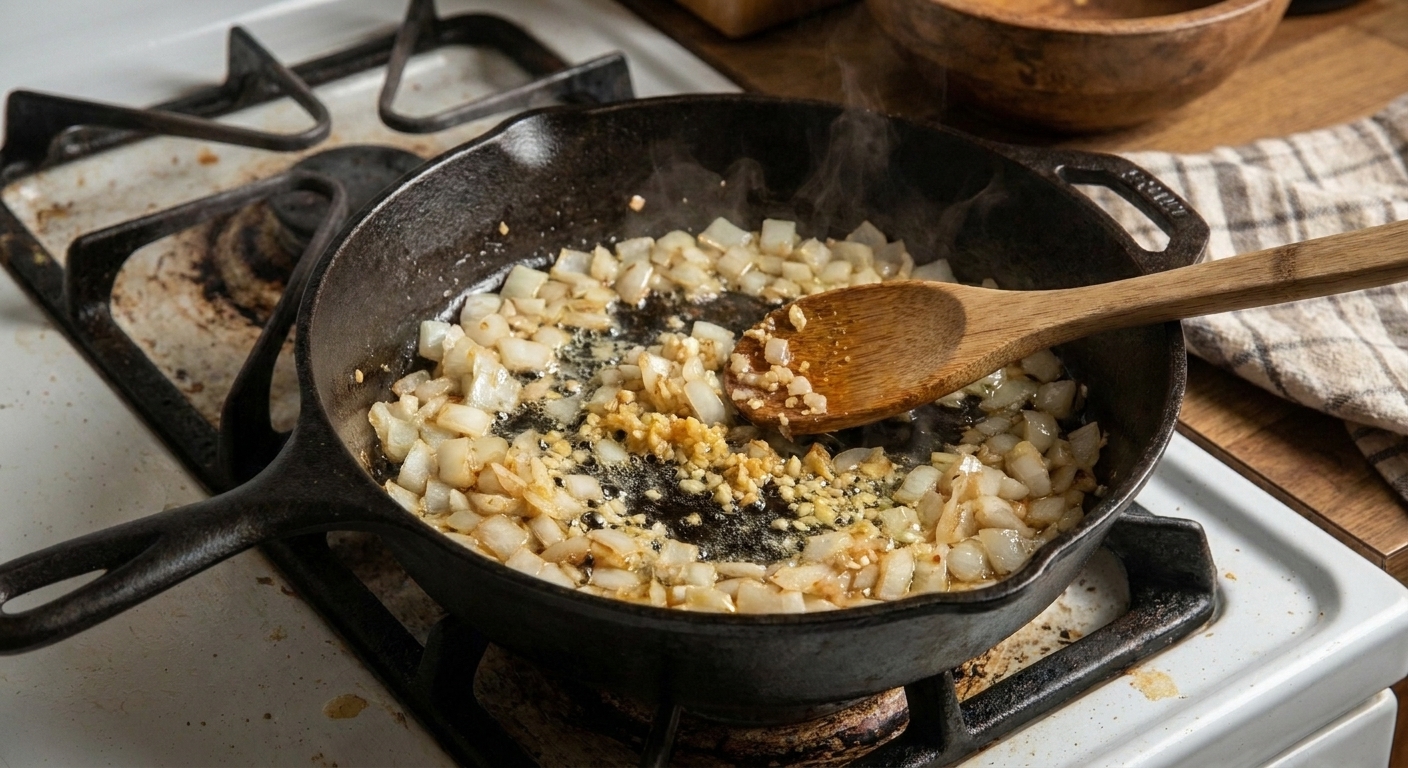
- Add aromatics: sauté diced onion and extra garlic in the pan before browning the beef.
- Boost the tomato: stir in a few tablespoons of tomato paste or a small splash of tomato sauce if the variety is not very tomato-forward.
- Use gentle herbs: a pinch of oregano or Italian seasoning can bring that homemade simmered taste.
- Finish like goulash: top bowls with shredded cheddar and a little black pepper instead of trying to melt everything into the sauce.
I am not here to take the convenience away from you. These are 30-second upgrades that make dinner taste more like you cooked on purpose, even if you absolutely did not.
Quick questions
Is American goulash always cheesy?
No. Many home cooks serve it with cheese as a topping, but the core flavor is usually beef, tomatoes, and pantry spices. If you love cheese, go for it, but it is not required for it to be “real” American goulash.
Can I use the pasta from Hamburger Helper and skip the packet?
You can. The pasta is just pasta. If you skip the packet, you will need to season the dish yourself and add your own sauce base (tomatoes, broth, milk, or a combination) because the packet also helps thicken and flavor the liquid.
Which one makes better leftovers?
Homemade American goulash usually wins. The flavors deepen overnight, and it reheats well with a splash of water or broth. Boxed skillet meals can be great the next day too, but creamy ones may thicken more dramatically and need extra liquid when reheating.
So, should I stop calling Hamburger Helper “goulash”?
In your own kitchen, call it whatever gets dinner on the table. But if you are following a recipe or trying to match a specific taste, it helps to use the names accurately: American goulash is a tomato-based homemade skillet, and Hamburger Helper is a boxed kit with its own signature seasoning and texture.