

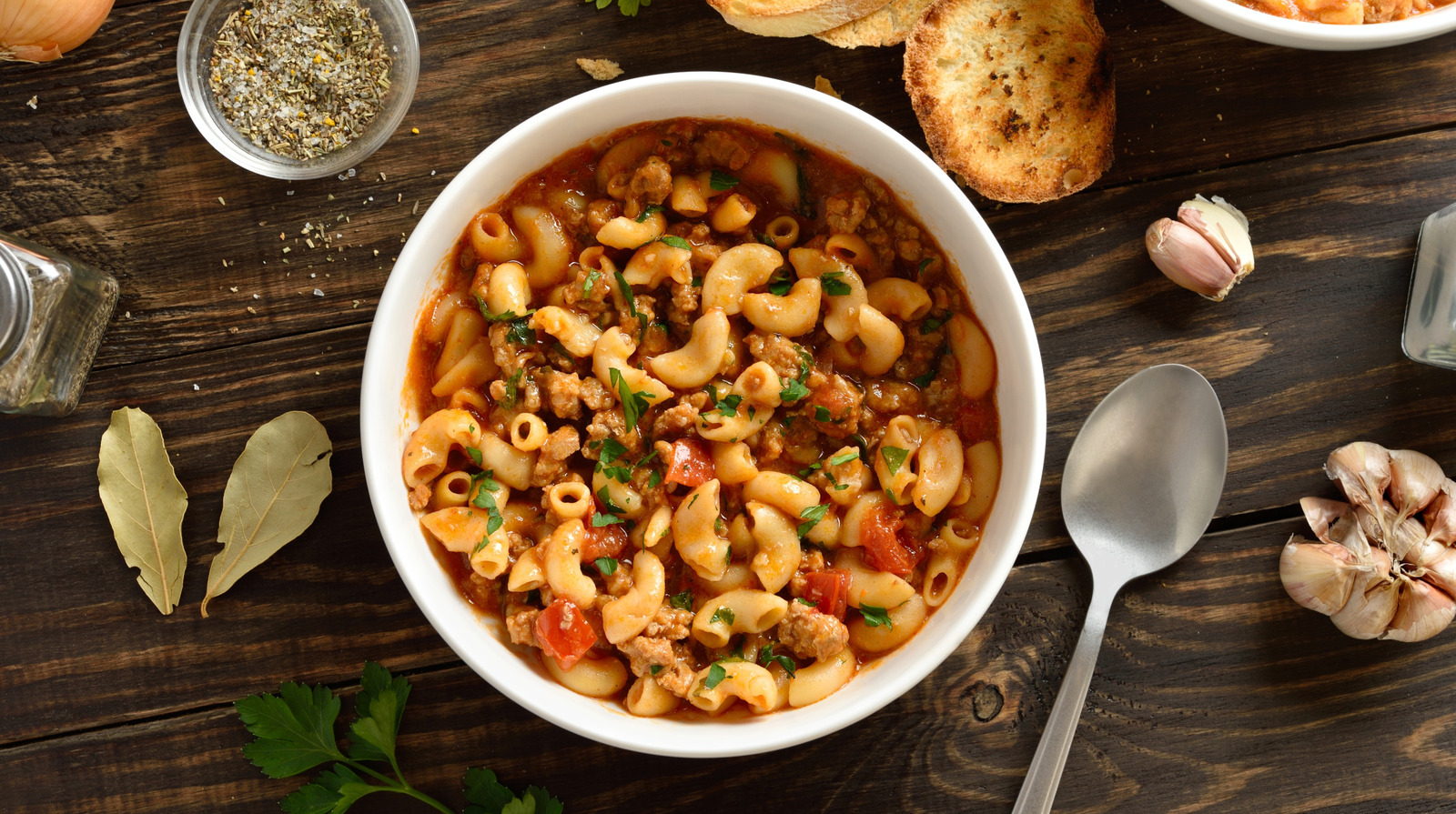
I have made this mistake so you do not have to: I once invited friends over for “goulash,” picturing a big pot of paprika-scented beef simmering away… and my sweet neighbor arrived expecting a cozy, cheesy skillet with elbow macaroni. We still ate well (because goulash is goulash in the comfort-food sense), but if you want the right shopping list, it helps to know you are talking about two very different dishes.
Here’s the quick truth: American goulash is usually elbow macaroni in a tomato-beef sauce. Hungarian goulash (gulyás) is a paprika-forward beef and onion soup-stew, often served with bread and sometimes potatoes or small dumplings, not pasta.

The biggest difference
American goulash is a one-pot pasta dinner. Hungarian gulyás is a paprika beef soup-stew.
If a recipe calls for elbow macaroni, it is almost certainly American goulash. If it calls for a generous amount of sweet Hungarian paprika and lots of onions, you are in Hungarian gulyás territory.
American goulash: what it is
American goulash is the weeknight hero I grew up eating in the Pacific Northwest: ground beef, onion, garlic (never too much), a tomato-forward sauce, and elbow macaroni simmered right in the pot. Depending on the family, you might also see bell pepper, Worcestershire sauce, cheddar cheese, or a little chili powder.
Typical ingredients
- Meat: ground beef (sometimes ground turkey)
- Pasta: elbow macaroni is classic
- Sauce base: tomato sauce, diced tomatoes, or tomato paste plus broth
- Aromatics: onion and plenty of garlic
- Seasonings: Italian seasoning, bay leaf, paprika (sometimes), Worcestershire sauce, salt and pepper
- Optional: shredded cheddar for a melty finish
Texture and vibe
Think saucy, hearty, and spoonable, like a cross between chili mac and meaty marinara. It is usually done in about 30 to 45 minutes, and it is built for leftovers.
Common pitfall: Pasta keeps soaking up sauce as it sits. If your leftovers look thick, just splash in a little broth or water when reheating.
Hungarian gulyás: what it is
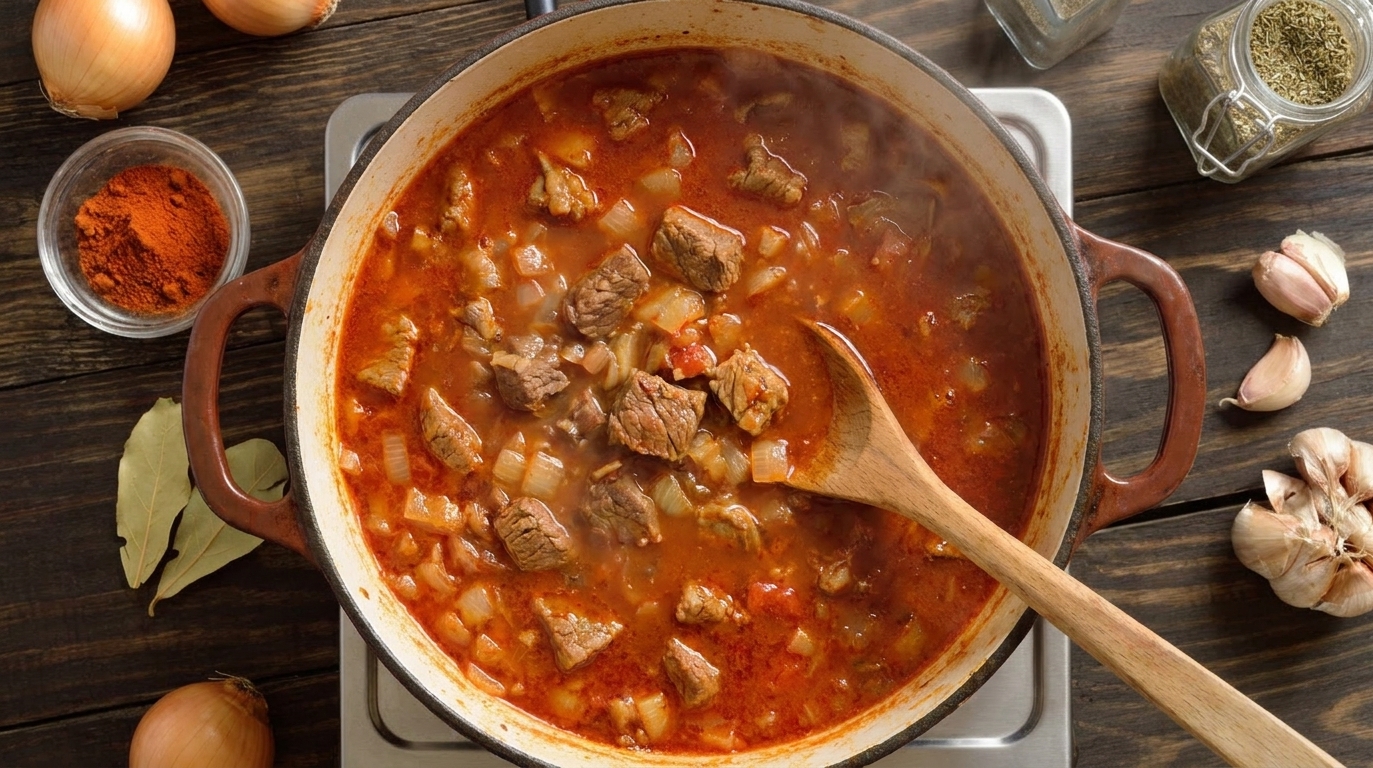
Hungarian gulyás is a traditional Hungarian beef dish that lands somewhere between a hearty soup and a stew, built around lots of onions cooked down until sweet, beef, and a generous amount of sweet Hungarian paprika. Many versions also include caraway, peppers, tomatoes, and sometimes potatoes. The paprika is not just a garnish here. It is the backbone of the flavor.
Typical ingredients
- Meat: stew beef, chuck roast, or shin, cut into cubes
- Aromatics: onions (often a lot), plus garlic
- Spices: sweet Hungarian paprika (key), caraway seeds are common
- Vegetables: bell peppers, tomatoes, sometimes carrots
- Starch: sometimes potatoes in the pot, or served with bread (and occasionally small dumplings)
- Liquid: broth or water, simmered low and slow
Texture and vibe
Gulyás is warming and deeply savory with a distinct paprika aroma. It is typically cooked longer than American goulash because you are tenderizing cubes of beef, not browning ground meat. Depending on the household, it may be more brothy (closer to soup) or thicker (closer to stew).
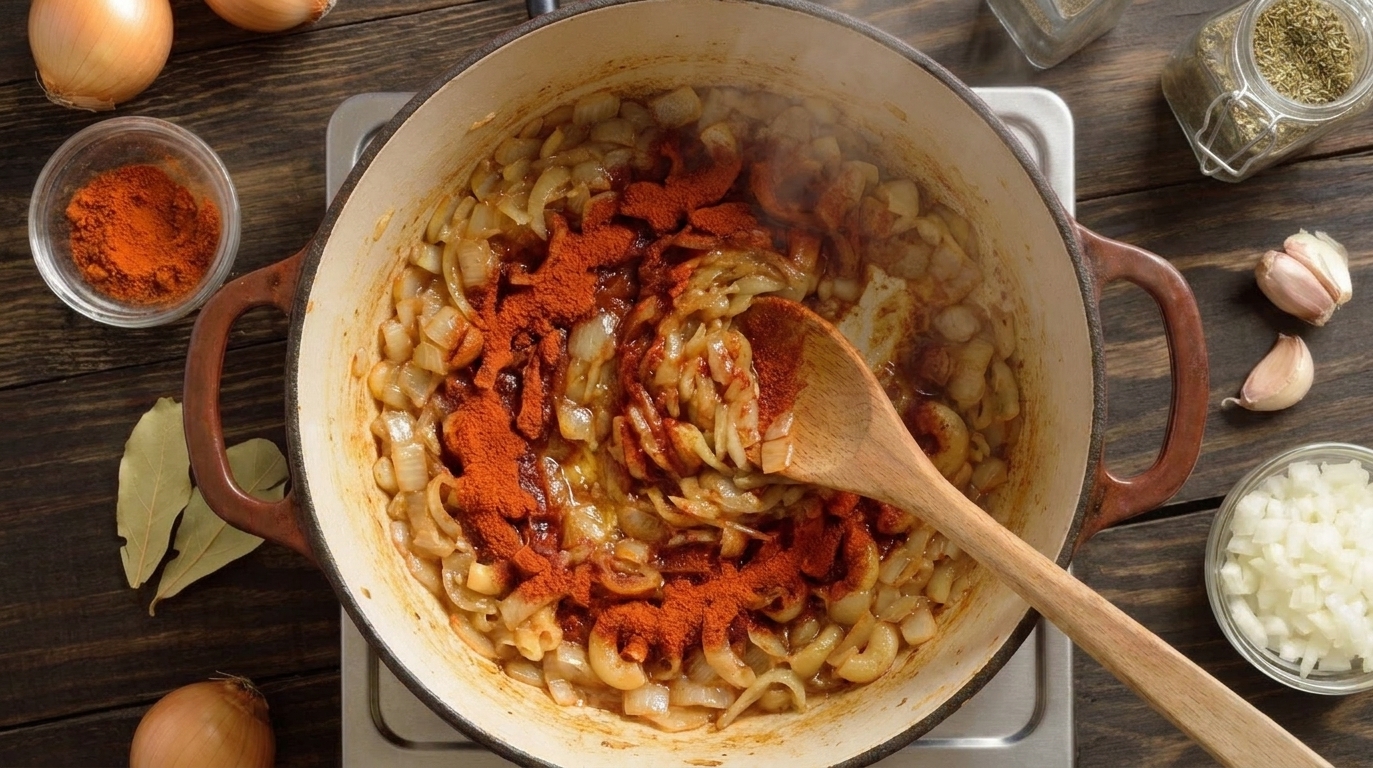
Common pitfall: Paprika can turn bitter if it scorches. Take the pot off the heat for a moment, stir it in to bloom, then add liquid and return to a gentle simmer.
Shopping list
If you are standing in the grocery store trying to decide what goes in your cart, use this as your cheat sheet.
Buy this for American goulash
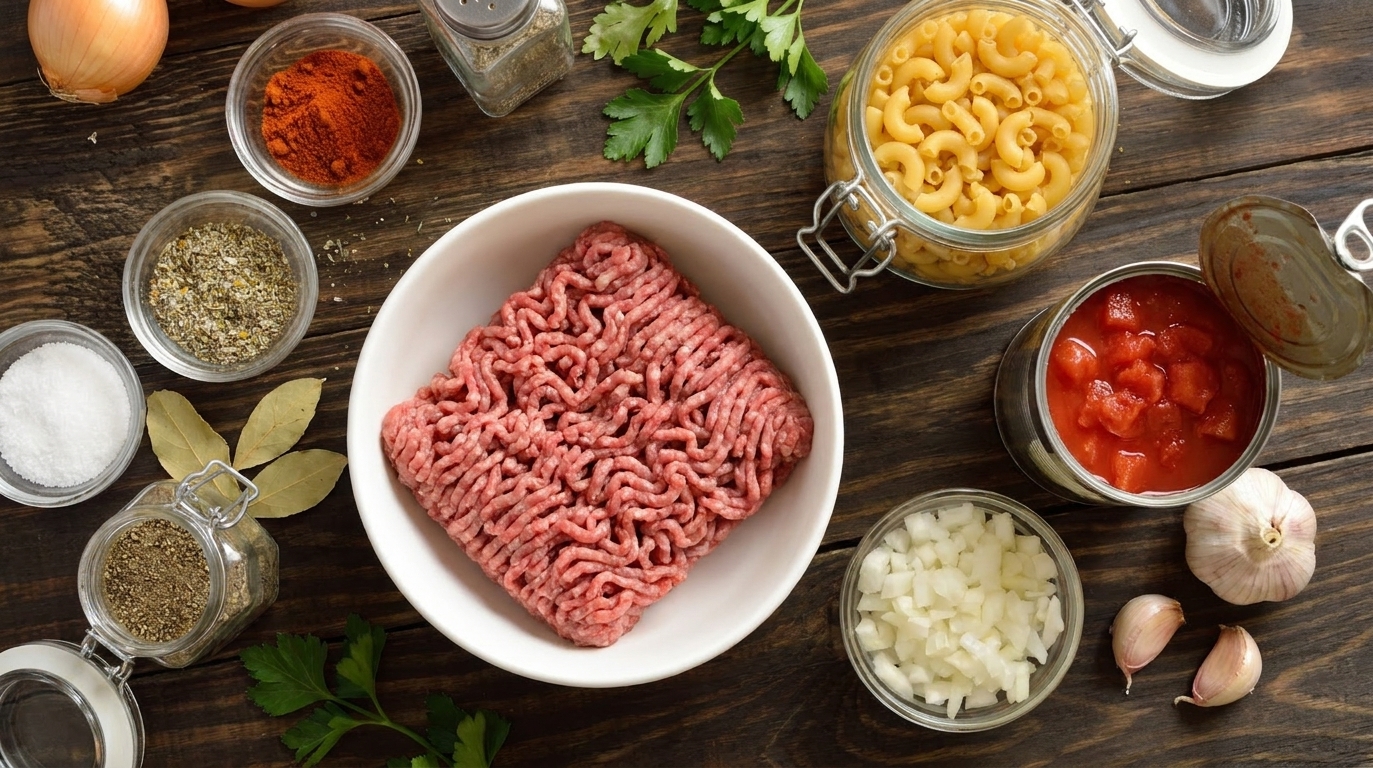
- Ground beef (or ground turkey)
- Elbow macaroni
- Canned tomato sauce and/or diced tomatoes
- Onion
- Garlic
- Broth (beef or chicken) or water for simmering pasta
- Optional: cheddar cheese, Worcestershire sauce, bell pepper
Buy this for Hungarian gulyás
- Beef chuck or stew meat (cut for stew)
- A lot of onions
- Garlic
- Sweet Hungarian paprika (this is the one to prioritize)
- Caraway seeds (optional but traditional)
- Bell peppers and tomatoes (fresh or canned)
- Potatoes and/or crusty bread for serving
Maya tip: If you are only buying one “special” ingredient, make it sweet Hungarian paprika for gulyás. Regular grocery store paprika can be fine for many recipes, but gulyás tastes flatter without that signature paprika character.
How the cooking differs
American goulash method
- Brown ground beef with onion and garlic.
- Stir in tomatoes, seasoning, and liquid.
- Add macaroni and simmer until the pasta is tender.
- Finish with cheese if you like.
It is a one-pot pasta simmer, and the pasta thickens the sauce as it cooks.
Hungarian gulyás method
- Cook onions slowly until softened and sweet.
- Add paprika off the heat briefly (so it blooms without turning bitter).
- Add beef and liquid, then simmer gently until tender.
- Add vegetables and potatoes as the soup-stew finishes.
It is a slow simmer, and time is what creates the tenderness.
Why the names get confusing
Hungarian gulyás is the original, and as recipes traveled, the name “goulash” became a general comfort-food label in parts of the United States, especially for a tomato-beef-and-macaroni skillet. You will also hear American goulash called American chop suey in some regions.
A quick extra note, because this trips people up: in Hungary, gulyás is often more soup-like, while pörkölt is usually the thicker stew, and paprikás is paprika-rich and often finished with something creamy. In the US, you will sometimes see a thicker, stew-like dish labeled “Hungarian goulash” even when it is closer to pörkölt. No one is wrong for loving any of them. The names just shift a bit across borders.
Which one to make tonight
Choose American goulash if you want:
- A fast, budget-friendly weeknight dinner
- Something kid-friendly and pasta-based
- A one-pot meal that reheats like a dream
Choose Hungarian gulyás if you want:
- A cozy, slow-simmered soup-stew with deep paprika flavor
- A dinner that feels a little special (but still homey)
- Something to serve with bread, potatoes, or dumplings (sometimes)
FAQ
Does American goulash use paprika?
Sometimes, but it is not the star. In American goulash, paprika is usually a background note, if it shows up at all. In Hungarian gulyás, paprika is the main flavor and you typically use much more of it.
Can I use pasta in Hungarian gulyás?
You can serve it with whatever you love, but traditional gulyás is not a macaroni dish. It is more commonly served with bread, and sometimes potatoes or small dumplings. If a recipe is built around elbow macaroni cooked in the sauce, you are essentially making American goulash.
Is American goulash the same as chili mac?
They are cousins. American goulash is usually more tomato-forward and often uses Italian-style seasonings, while chili mac leans on chili spices like cumin and chili powder. Both are delicious and weeknight-friendly.
What cut of beef is best for Hungarian gulyás?
Chuck roast (cut into cubes) is a great choice because it gets tender and flavorful after a long simmer. Pre-cut “stew meat” can work too, but the pieces can be uneven, so you may get mixed tenderness.
What should I do if my gulyás tastes bitter?
Bitterness often comes from paprika that got too hot. A helpful habit is to take the pot off the heat for a moment, stir in the paprika to bloom it, then add your liquid and return to a gentle simmer. Also, make sure your paprika is fresh. Old paprika can taste dull or slightly harsh.