
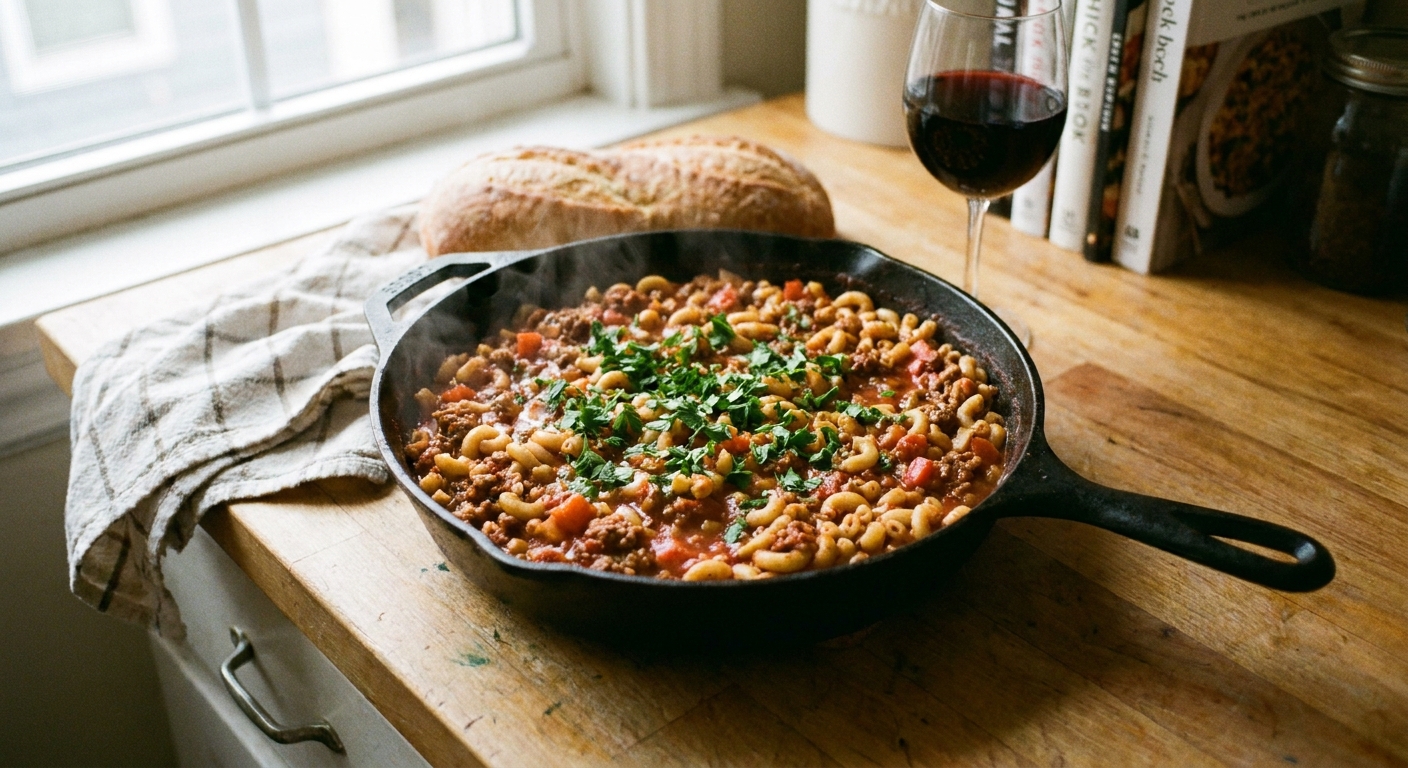
If you have ever stood over a pot of beefy, tomatoey pasta and thought, Wait, is this goulash or chili mac? you are in very good company. I grew up in a loud, hungry Pacific Northwest household where casseroles and big pots of comfort were basically a love language, and these two dinners showed up on the table all the time. They are both cozy, budget-friendly, and very weeknight-approved. But they are not the same dish.

At the simplest level, American goulash is macaroni in a mellow tomato-beef sauce. Chili mac is pasta tossed with chili-style seasonings, often with beans, and often finished with cheese. Below, I will break down the differences so you can pick the one that fits your mood and your pantry.
The quick difference
Here is my easiest way to remember it:
- American goulash: tomato-forward, lightly seasoned, usually no beans, cheese is optional.
- Chili mac: chili-spiced, often includes beans, cheese is a common part of the finish.
Both usually start with ground beef and onions, and both are one-pot friendly. The flavor direction is what changes the whole experience.
Flavor and spice
American goulash flavor
American goulash is all about savory tomato comfort. The seasoning is usually simple and familiar, like garlic, onion, Italian seasoning, oregano, basil, and maybe a little paprika. It is typically not spicy unless you choose to make it that way.
If you are cooking for kids, spice-sensitive eaters, or you just want that old-school, cozy bowl that tastes even better as leftovers, goulash is your friend.
Chili mac flavor
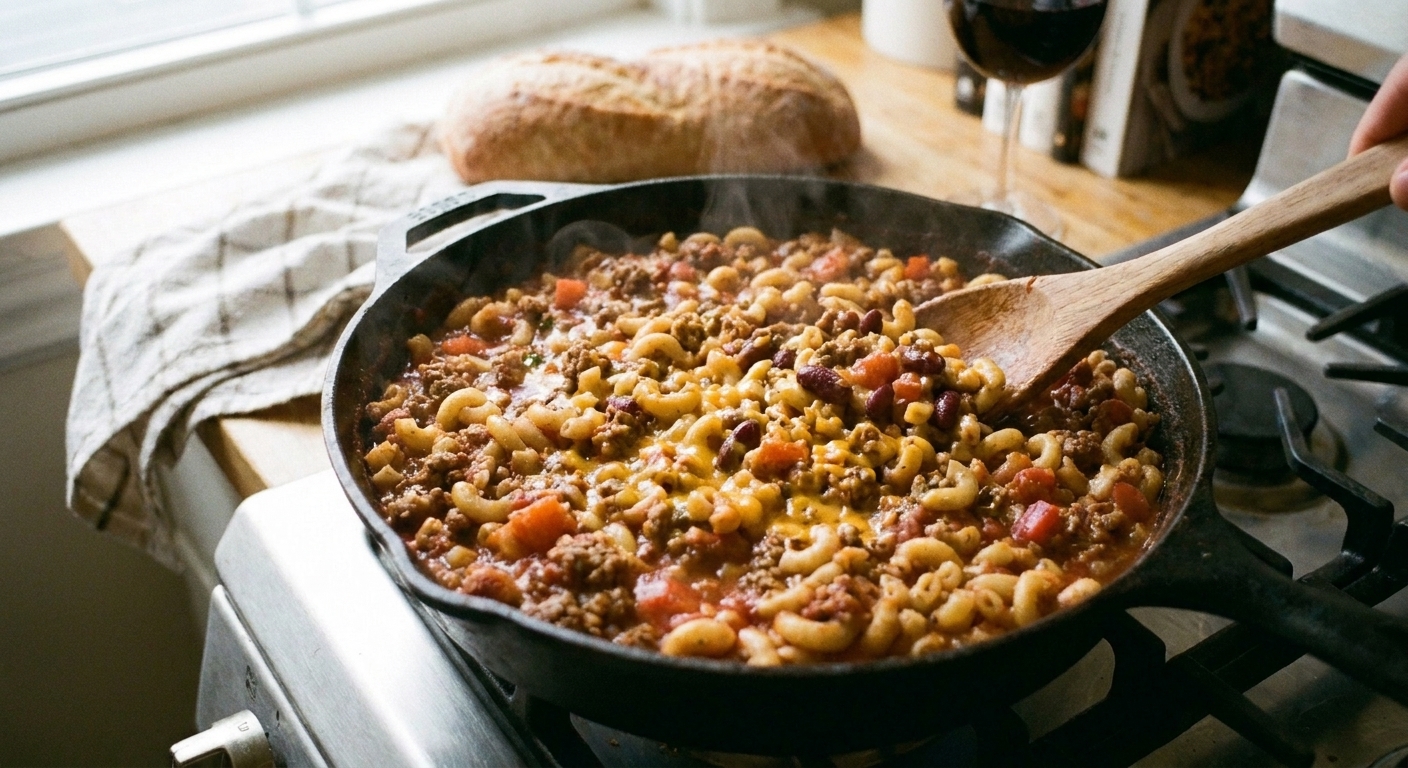
Chili mac leans into chili night flavors: chili powder, cumin, smoked paprika, and sometimes cayenne or hot sauce. Even when it is not truly hot, it tends to taste deeper and more spiced than goulash because cumin and chili powder bring that unmistakable chili vibe.
If you are craving something bold, a little smoky, or you want a dish that tastes like it belongs next to cornbread, go chili mac.
Beans
Beans in American goulash
Classic American goulash is typically bean-free. It is more like a hearty beef and tomato pasta situation. Could you add beans? Absolutely. Lots of families do, and dinner is dinner. I just consider beans more common in chili mac, so if you are trying to label what you made, beans can nudge it in that direction.
Beans in chili mac
Chili mac often includes beans, most commonly kidney beans, pinto beans, or black beans. Beans add creaminess and body, and they stretch the meal so you get more bowls out of the pot.
My practical rule: If you want beans, reach for chili mac. If you want a smoother, simpler tomato-beef sauce, stick with goulash.
Cheese
Cheese in American goulash
American goulash can be served just as it is, with maybe a sprinkle of Parmesan if you feel like it. Some families stir in shredded cheddar or top each bowl with cheese, but it is not the defining feature.
Cheese in chili mac
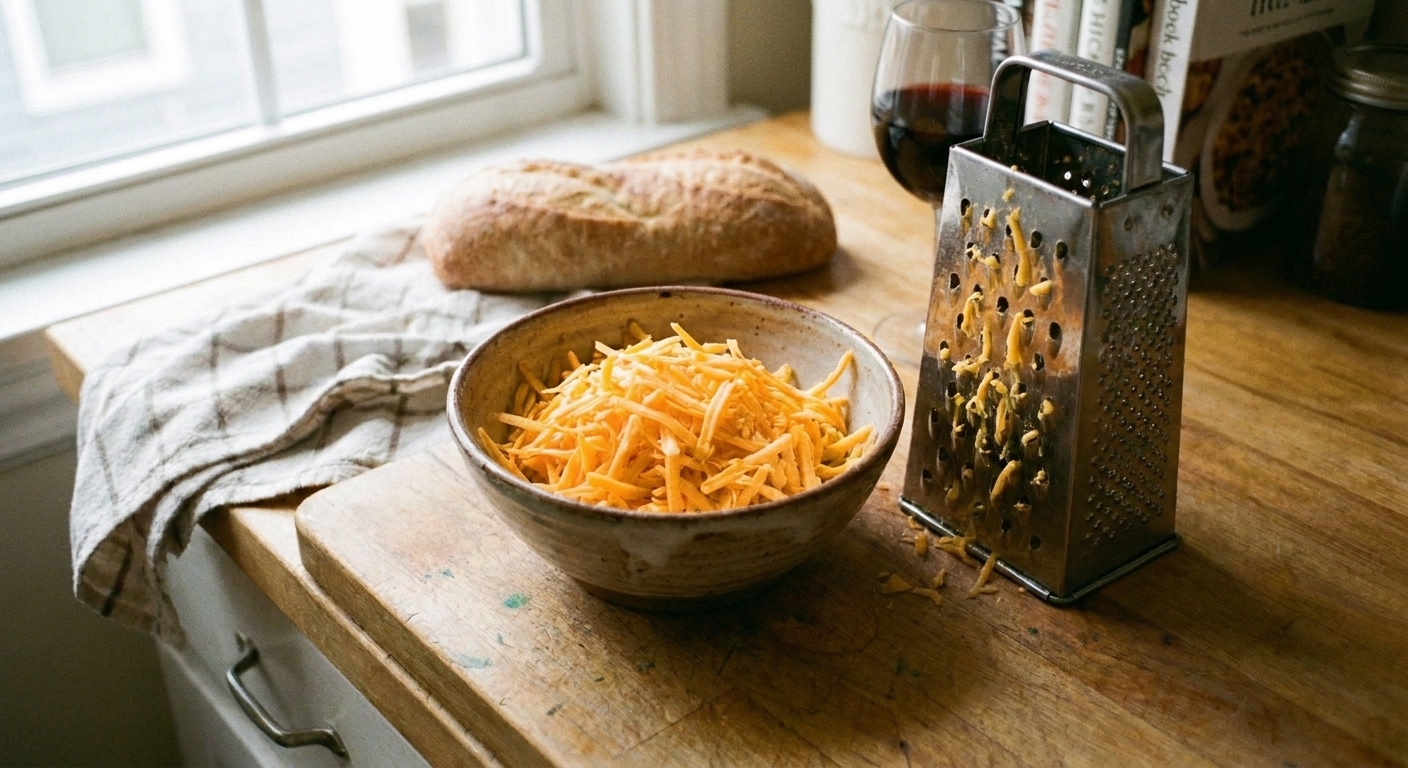
In chili mac, cheese is very common and often part of the point. You might stir in shredded cheddar, pepper jack, or a blend, then cover the pot for a minute so it gets melty and dramatic. That said, plenty of versions are simply chili plus macaroni, with cheese as an optional topping.
Cheese tip: For the smoothest melt, take the pot off the heat for 1 to 2 minutes before stirring in cheese. That small pause helps prevent grainy, oily cheese, especially if your chili mac is bubbling hard.
Texture and sauce
American goulash texture
Goulash tends to be saucier and more tomato-forward. The pasta is usually cooked right in the sauce, which makes everything taste integrated and cozy. Think spoonable, not dry.
Chili mac texture
Chili mac can go two ways:
- Chilier and thicker: more like actual chili with pasta folded in.
- Mac-and-cheesier: a little looser, with more cheese pull and a slightly creamier feel.
Either way, it typically eats heartier than goulash because of the chili spices and, often, beans.
Names and regions
Part of the confusion is that American goulash goes by other names depending on where you grew up. In New England, you will often hear American chop suey. In some places, people also call it slumgullion. The overall idea stays the same: ground meat, tomatoes, macaroni, and a cozy, clean-out-the-pantry spirit.
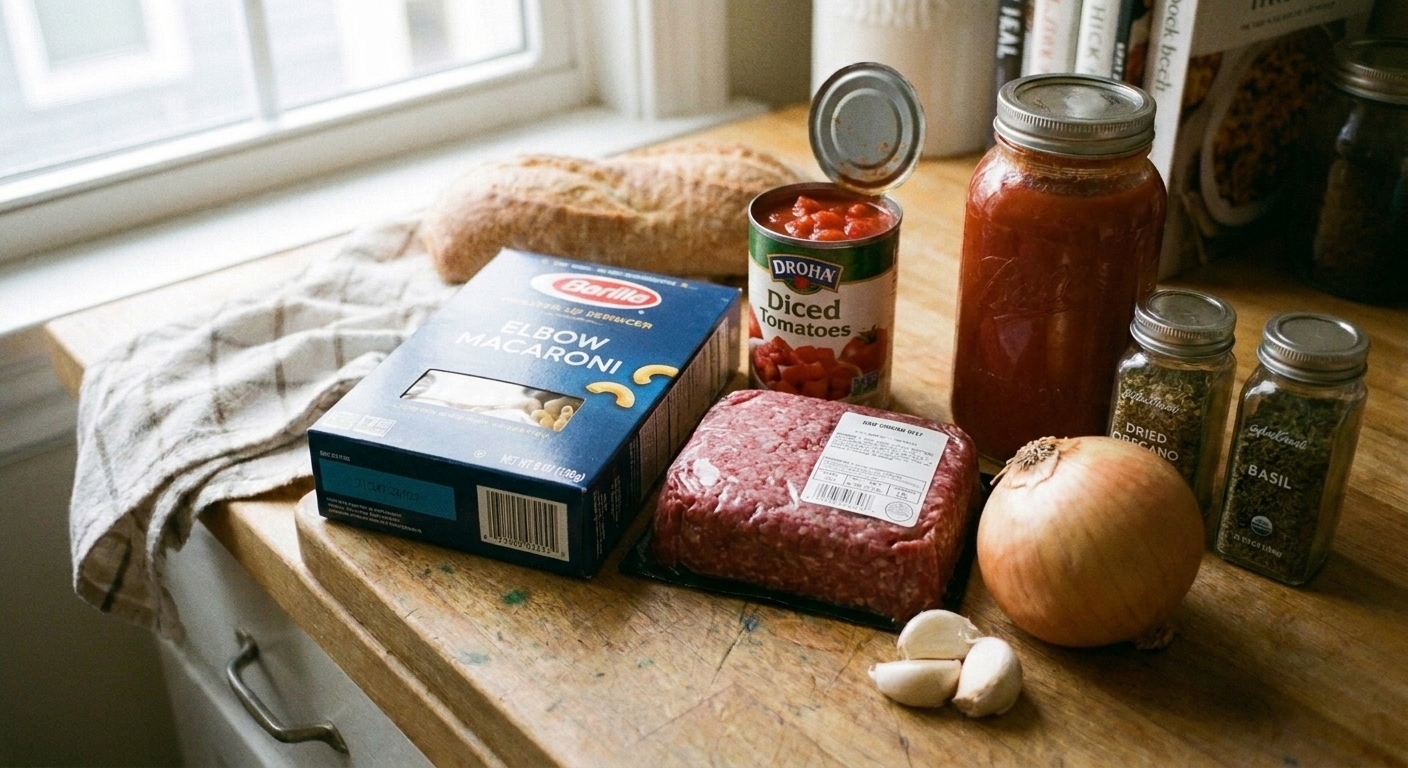
Grocery list for goulash
This is the straightforward, weeknight pantry-friendly list. Exact brands and ratios vary, but these are the usual building blocks.
Core ingredients
- Ground beef (or ground turkey)
- Elbow macaroni
- Onion
- Garlic (I vote generous)
- Canned tomato sauce and/or crushed tomatoes
- Canned diced tomatoes (optional but common for texture)
- Beef broth or water (for simmering the pasta)
Seasonings
- Salt and black pepper
- Italian seasoning, oregano, or basil
- Paprika (optional)
- Bay leaf (optional)
Optional add-ins
- Worcestershire sauce for extra savory depth
- Bell pepper
- Cheddar or Parmesan for serving
Grocery list for chili mac
Chili mac shares a lot of the same base items, but the spice rack and the add-ins are what shift the flavor.
Core ingredients
- Ground beef (or ground turkey)
- Elbow macaroni or small shells
- Onion
- Garlic
- Canned tomatoes (diced, crushed, or a mix)
- Tomato sauce (optional, depending on how saucy you like it)
- Beans (kidney, pinto, black, or a mix)
- Broth or water
Chili-style seasonings
- Chili powder
- Ground cumin
- Smoked paprika (optional but fantastic)
- Cayenne, chipotle powder, or hot sauce (optional, for heat)
- Salt and black pepper
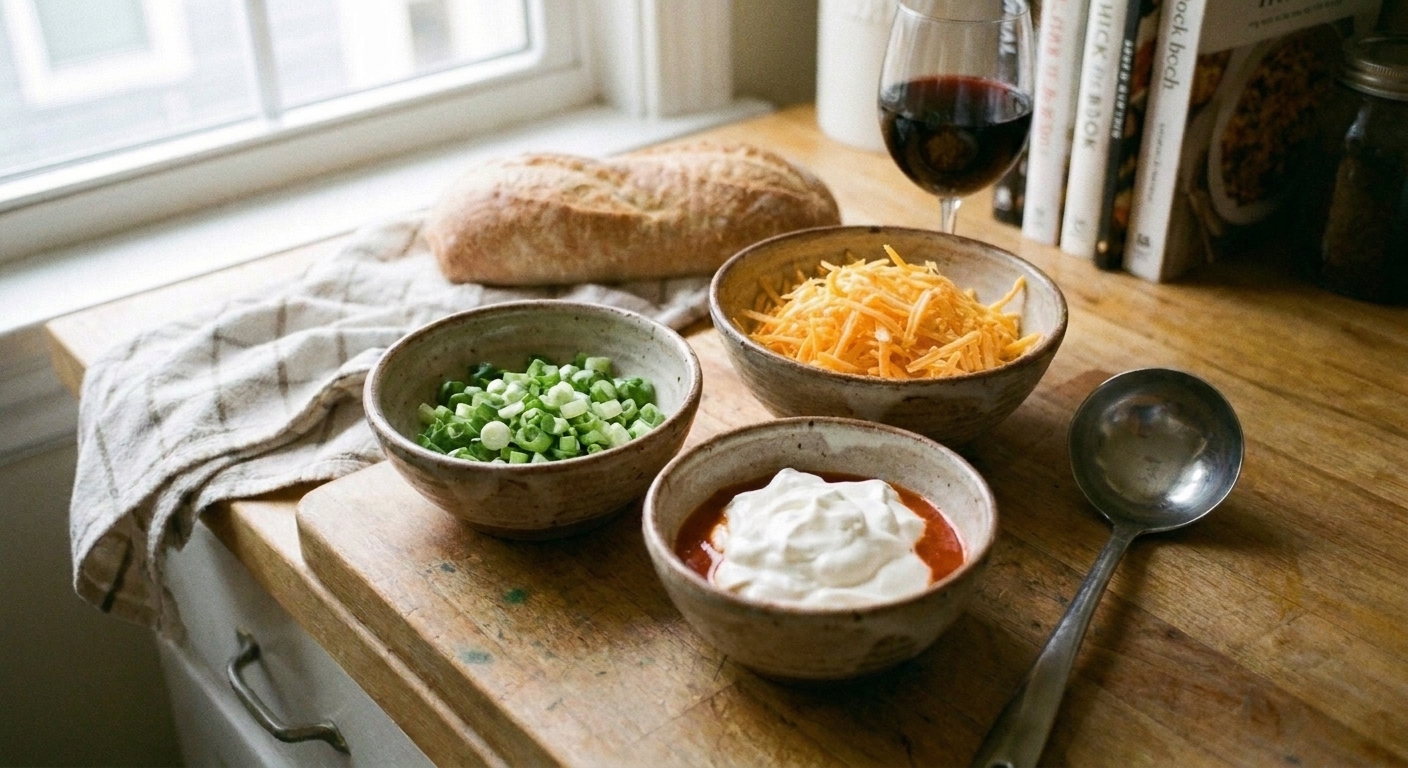
Cheese and toppings
- Shredded cheddar, pepper jack, or Mexican blend
- Sour cream (optional)
- Green onions or cilantro (optional)
Make-ahead and storage
Both dishes keep well, with one small catch: pasta keeps soaking up sauce.
- Fridge: Store in an airtight container and plan on 3 to 4 days.
- Reheat: Warm gently on the stove or in the microwave with a splash of broth or water to loosen the sauce.
- Freezer: You can freeze it, but the pasta will soften more when thawed. If you are making it specifically to freeze, slightly undercook the pasta and freeze in portions.
Which to make tonight?
- Make American goulash if you want mild, tomatoey comfort, minimal spice, and a dinner that pleases almost everyone.
- Make chili mac if you want bolder chili flavor, you love beans, and you want a cheesy finish or a toppings moment.
If you are truly stuck, here is my tiebreaker: Do you want it topped with cheese? If yes, chili mac. If no, goulash.
Common questions
Is American goulash the same as Hungarian goulash?
No. American goulash is a tomato-beef pasta with macaroni. Hungarian goulash is a paprika-forward beef stew with vegetables. The stew itself is not a pasta dish, although it is often served with dumplings, noodles, or bread depending on the region.
Can I make goulash spicy?
Definitely. Add a pinch of crushed red pepper flakes, a little cayenne, or even a spoonful of chili powder. Just know that once chili powder and cumin become the dominant flavors, you are sliding toward chili mac territory.
Can chili mac be made without beans?
Yes. It is still chili mac if the flavor profile is chili-forward, whether cheese is stirred in or simply offered at the table. Beans are common, but not required.
What pasta works best for both?
Elbow macaroni is the classic for both because it cooks evenly and holds sauce well. Small shells also work, and they are extra good in chili mac because they catch bits of beans and beef.
How do I keep the pasta from getting mushy in leftovers?
Pasta keeps absorbing liquid as it sits. If you know you want great leftovers, cook the pasta just to al dente, or store extra broth on the side to loosen it when reheating. A splash of water works in a pinch.