There is a moment I see all the time in home kitchens. Someone grabs “balsamic” from the pantry, pours with confidence, and then pauses mid-stream because what is coming out is either way too runny or way too thick. If you have ever wondered whether your dish needs balsamic vinaigrette or balsamic glaze, you are not alone.
They share that deep, tangy-sweet balsamic flavor, but they behave completely differently on food. Think of vinaigrette as a dressing that coats, and glaze as a finishing drizzle that sits on top.

At a glance: the big difference
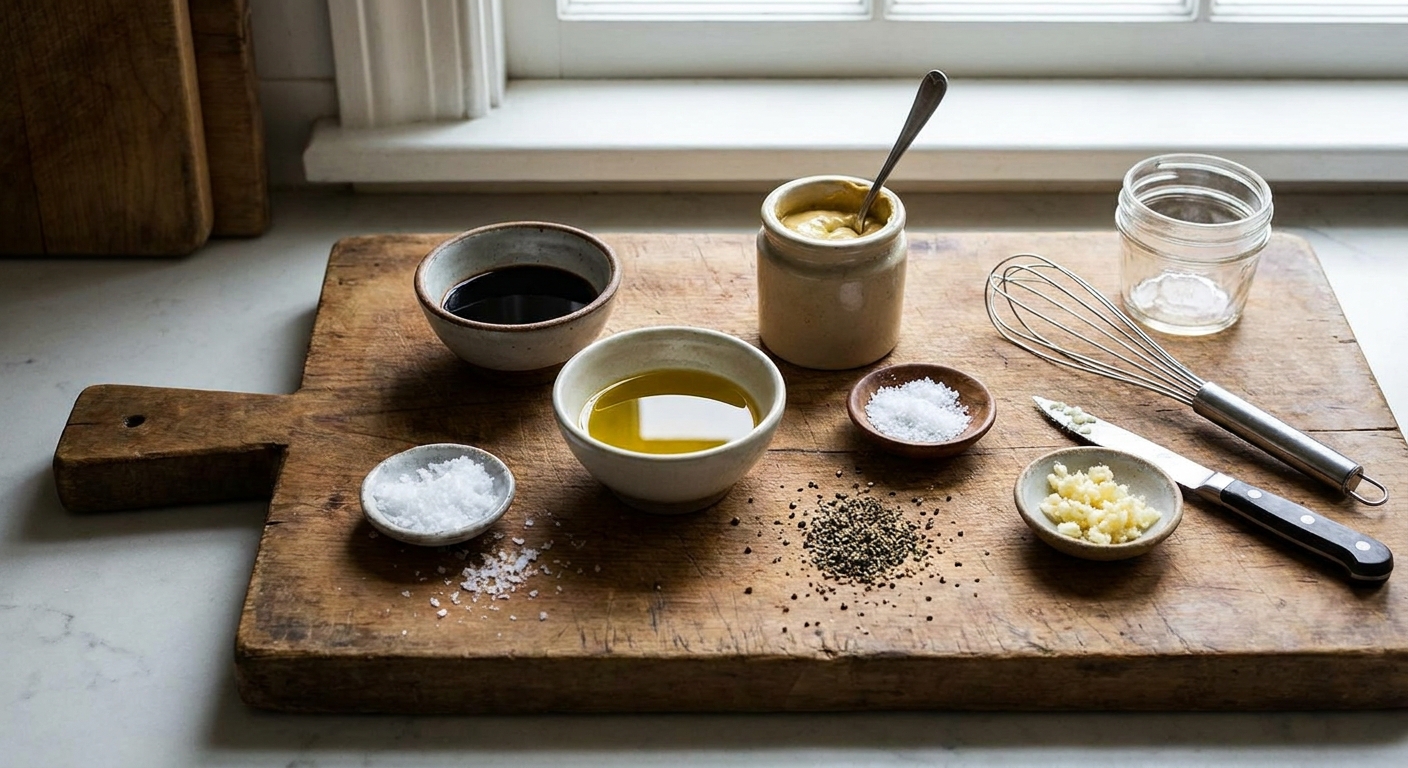
Balsamic vinaigrette is an emulsion of balsamic vinegar and oil, usually with mustard, garlic, and seasoning. It is pourable, designed to dress salads and lightly coat vegetables, grains, or proteins.
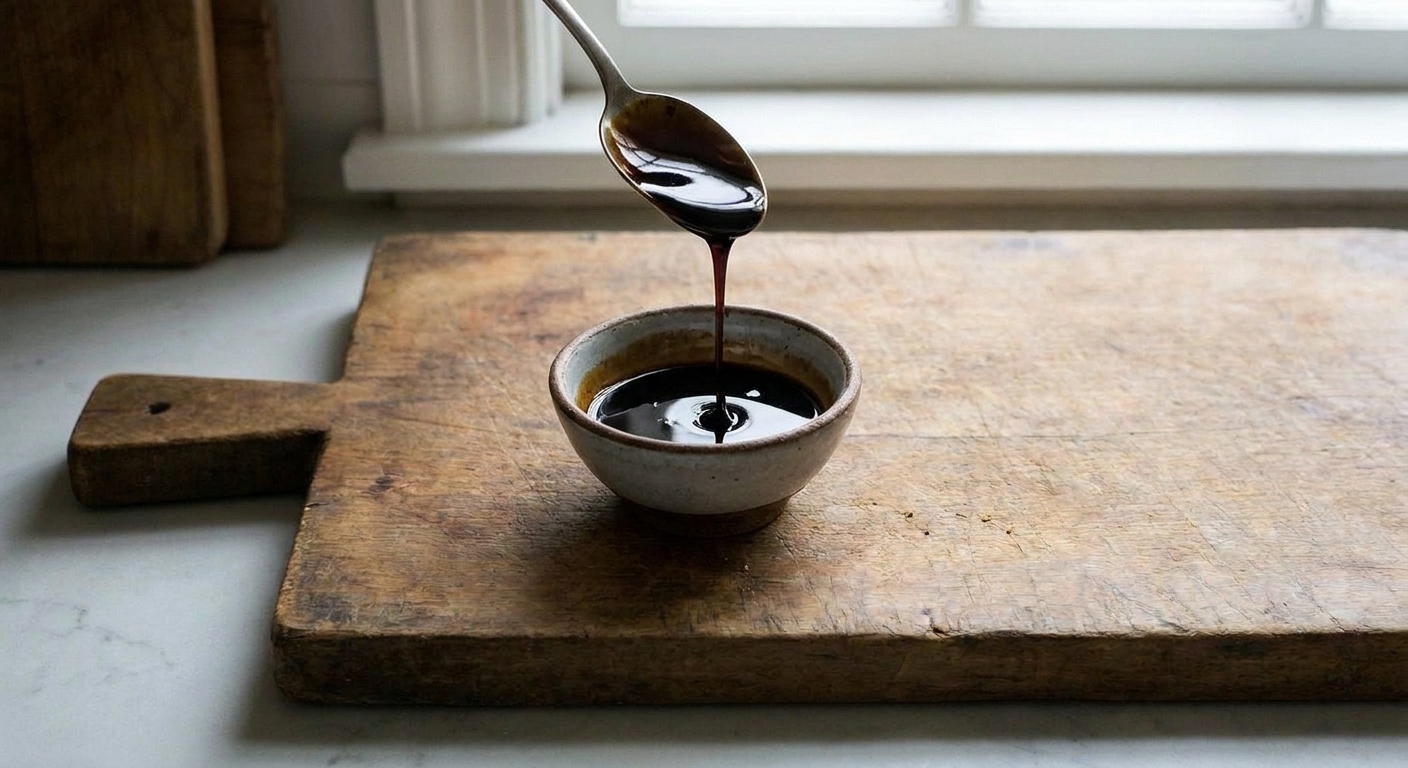
Balsamic glaze is balsamic vinegar that has been reduced until syrupy (sometimes with added sweetener or thickeners). It is thick, glossy, and meant to be used in small amounts as a finishing touch.
| Feature | Balsamic vinaigrette | Balsamic glaze |
|---|---|---|
| Texture | Thin and pourable | Thick and syrupy |
| Flavor balance | Tangy, savory, lightly sweet | Sweeter, more concentrated, tangy |
| Main ingredients | Balsamic vinegar + oil (often Dijon, garlic) | Reduced balsamic vinegar (sometimes sugar, honey, grape must, or thickeners) |
| Best role | Dressing and marinade | Finishing drizzle and garnish |
| How much to use | Tablespoons to 1/4 cup+ | Teaspoons to tablespoons |
What is balsamic vinaigrette?
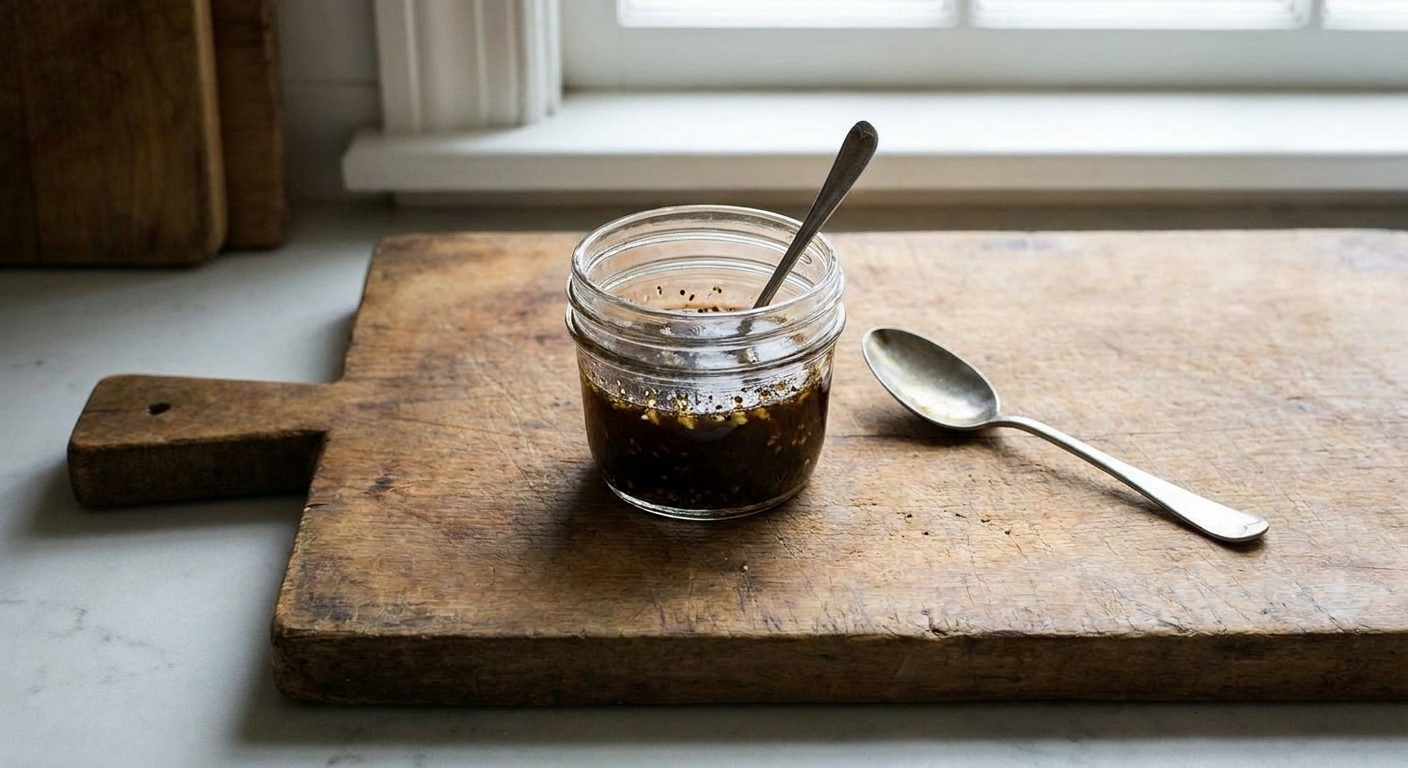
Balsamic vinaigrette is a classic salad dressing built on a simple ratio: acid + fat. The balsamic vinegar provides brightness and a little sweetness, and the oil provides richness so the dressing clings to greens instead of pooling at the bottom of the bowl. It is also totally normal for it to separate as it sits, so give it a quick shake or whisk before using.
Typical ingredients
- Balsamic vinegar
- Olive oil (or a neutral oil if you want it mild)
- Dijon mustard to help emulsify
- Garlic (I am generous here)
- Salt and pepper
- Optional: honey or maple syrup, shallot, Italian seasoning
How it behaves on food
Because it is thin and emulsified, vinaigrette is meant to coat. It seeps into leafy greens, lightly seasons warm roasted vegetables, and can act like a fast marinade for chicken or steak.
If you go the marinade route, keep in mind that vinegar is high-acid. I like balsamic vinaigrette for short marinades, roughly 30 minutes to a few hours depending on the protein, rather than an all-day soak.
What is balsamic glaze?
Balsamic glaze is balsamic vinegar that has been simmered down until it thickens into a glossy syrup. When you reduce vinegar, water evaporates and the flavor becomes more concentrated, and the natural sweetness becomes more noticeable.
Typical ingredients
- Balsamic vinegar
- Optional: sugar, honey, or brown sugar (some versions use this to speed thickening and boost sweetness)
- In many store-bought glazes: grape must and or thickening agents such as modified starch or xanthan gum
How it behaves on food
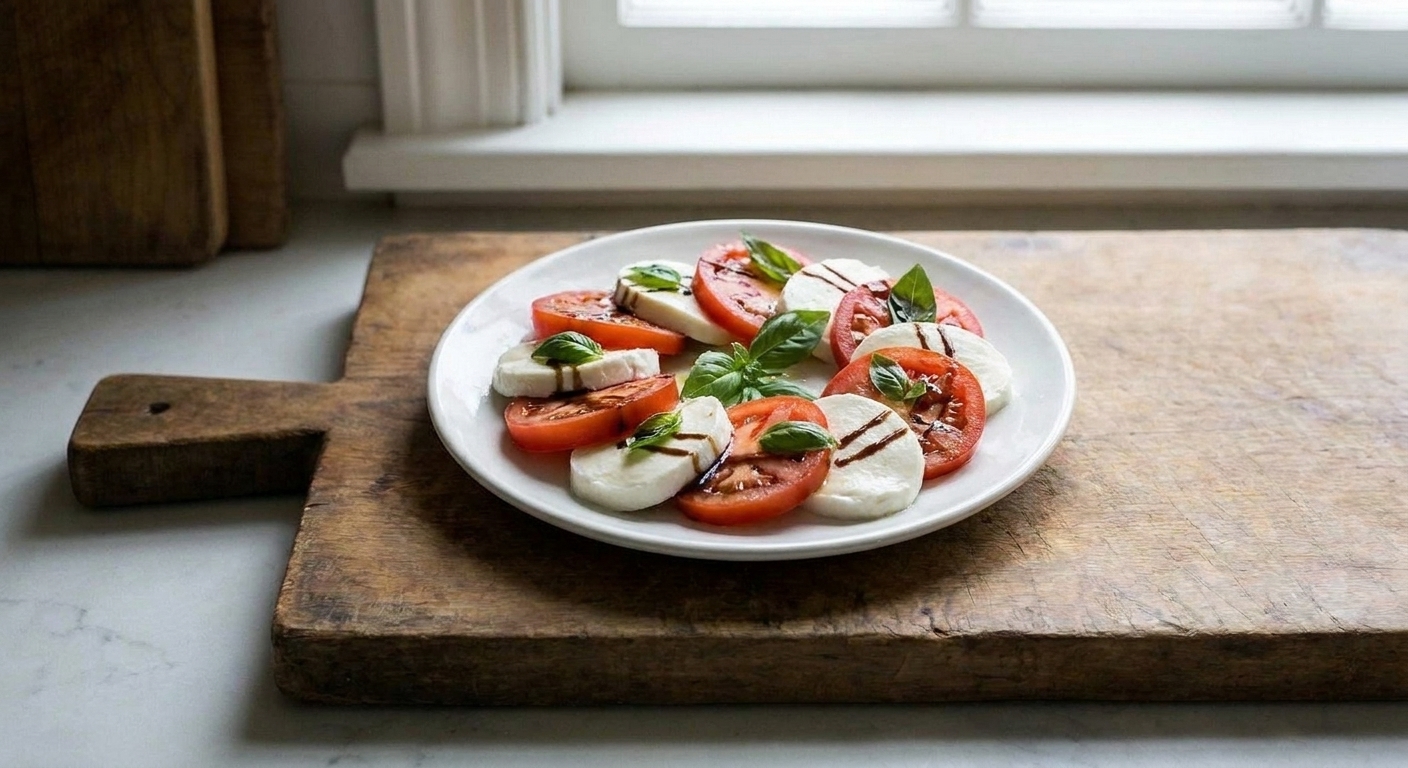
Glaze is not meant to soak in like a dressing. It sits on the surface and creates bright pops of sweet-tart flavor. It also adds shine, which is why it is so popular on caprese salads and roasted vegetables.
One important note: because it is concentrated, a little goes a long way. If you pour it like salad dressing, it can quickly dominate the dish.
When to use vinaigrette vs. glaze
Use balsamic vinaigrette for dressing
- Green salads: mixed greens, spinach, arugula, romaine
- Grain salads: farro, quinoa, couscous
- Roasted veggies: toss warm vegetables lightly so they absorb flavor
- Marinades: chicken, pork, mushrooms, tofu (short marinating times work best)
- Bean salads: chickpeas, white beans, lentils
Use balsamic glaze for finishing
- Caprese: tomatoes, mozzarella, basil
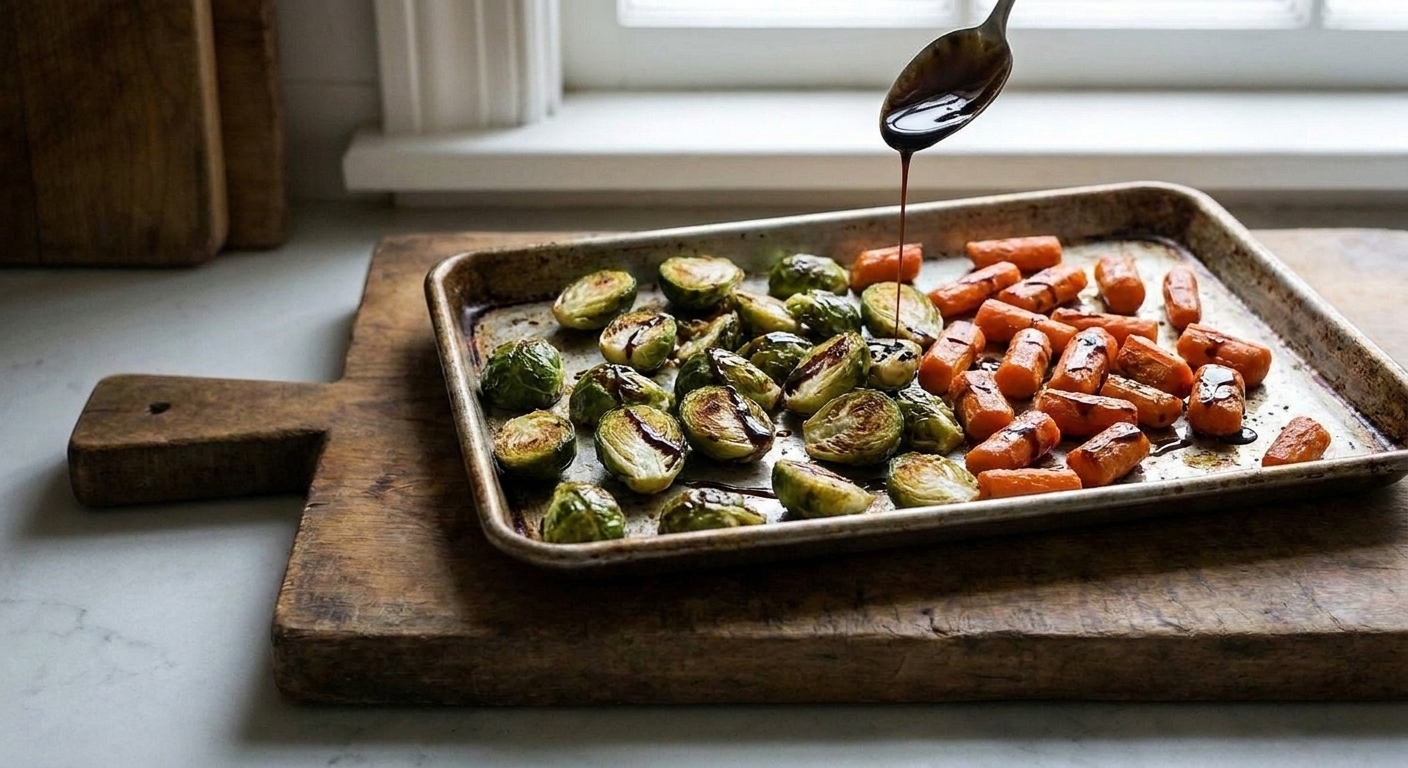
- Roasted Brussels sprouts or carrots: drizzle right before serving
- Strawberries (especially with whipped cream or yogurt)
- Grilled peaches or stone fruit
- Pizza: drizzle after baking, especially on veggie or prosciutto pizza
- Steak or chicken: a final ribbon for restaurant-style plating
My rule of thumb: If you want to season every bite evenly, go vinaigrette. If you want a punchy accent on top, go glaze.
Sweetness and tang: why glaze tastes different
Both are tangy, but glaze often tastes sweeter for two reasons:
- Reduction concentrates the natural sugars in the vinegar.
- Some store-bought glazes include added sweeteners or thickeners for a thicker, more candy-like finish.
Vinaigrette, on the other hand, is usually more savory and balanced because the oil softens the sharpness and the seasoning (salt, pepper, garlic, mustard) pulls it toward “dressing” instead of “syrup.”
Quick balsamic glaze at home
If you have plain balsamic vinegar, you can make a simple glaze in about 10 to 20 minutes.
- Pour 1 cup balsamic vinegar into a small saucepan.
- Simmer gently over medium to medium-low heat, stirring occasionally. Avoid a hard boil.
- Reduce by about half, until it coats the back of a spoon and still flows.
- Cool before using. It thickens as it cools.
If you want it sweeter, stir in a small spoonful of honey or brown sugar while it simmers, but taste first. Some vinegars are already pretty sweet.
Can you substitute one for the other?
You can, but it takes a small adjustment.
If you only have glaze but need vinaigrette
Glaze is too thick and intense to use straight as dressing. Instead:
- Whisk 1 to 2 teaspoons glaze with 1 tablespoon water (to thin it).
- Then whisk in 3 tablespoons olive oil, plus a pinch of salt and pepper.
- Optional but helpful: 1/2 teaspoon Dijon for better emulsifying.
This makes roughly 1/4 cup of quick dressing, enough for a small salad.
If you only have vinaigrette but want a glaze-like finish
Vinaigrette will not reduce nicely because of the oil. For a drizzle effect, do this instead:
- Pour a little vinaigrette into a bowl.
- Use it sparingly as a finishing spoonful, not a full drizzle.
- If you truly want a syrupy finish, reduce plain balsamic vinegar, not vinaigrette.
Store-bought shopping tips
How to spot balsamic vinaigrette
- It will list oil near the top of the ingredients.
- It should be pourable, and it may separate in the bottle (normal).
- Common label words: “dressing,” “vinaigrette.”
How to spot balsamic glaze
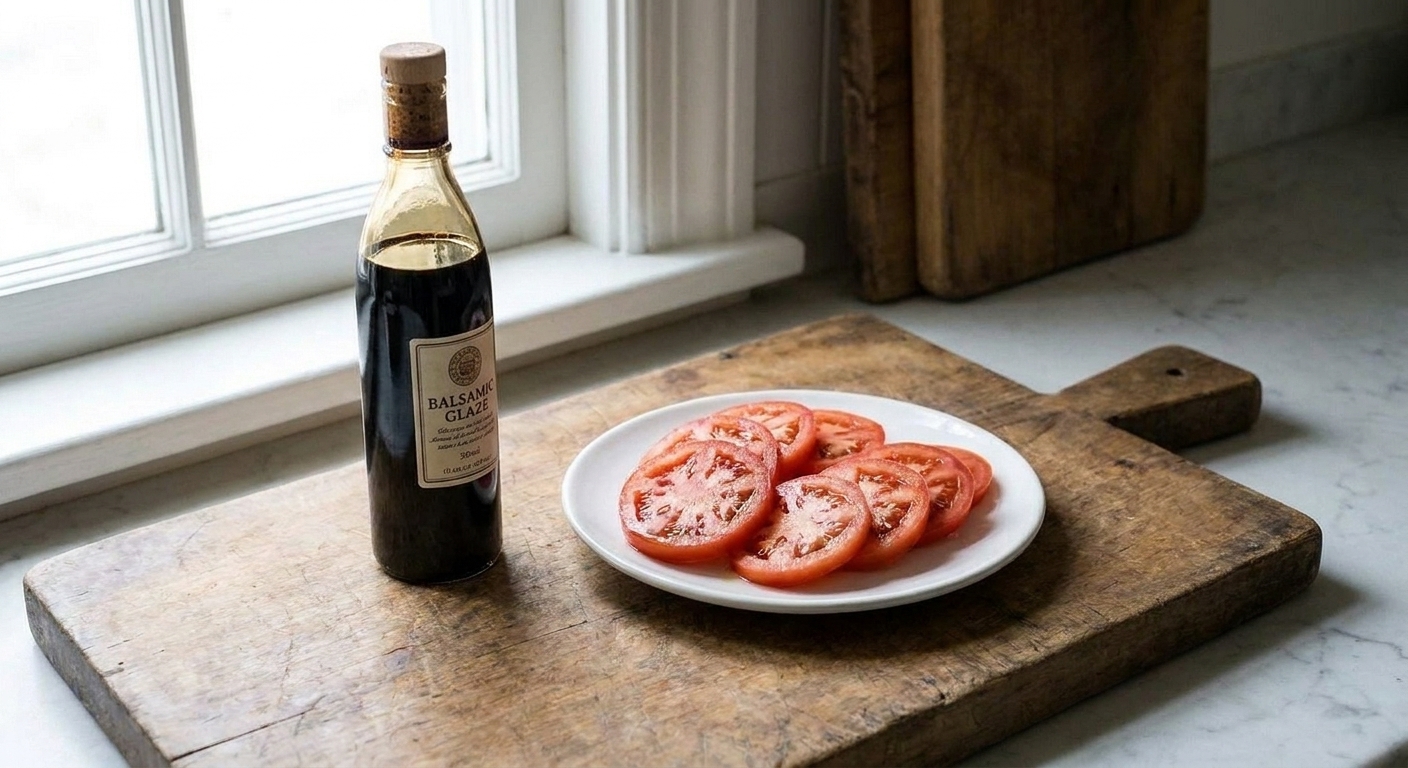
- It will look thick in the bottle and move slowly when you tilt it.
- Ingredients often include balsamic vinegar, plus sometimes sugar, grape must, caramel color, and or thickeners.
- Common label words: “glaze,” “reduction.”
If the bottle has a narrow nozzle meant for drizzling, that is a good clue you are holding a glaze.
Common questions
Is balsamic glaze the same as balsamic reduction?
They are related, but not always identical. Reduction describes the method of simmering vinegar until it thickens. In stores, glaze often means a reduction-style product that may include sweeteners or thickeners for a consistent syrupy texture. So most of the time they are used the same way, but the ingredient list and sweetness can vary.
Why did my balsamic glaze turn hard?
It likely reduced a bit too far. Glaze thickens as it cools, so stop simmering when it coats the back of a spoon and still flows. If it becomes too thick, warm it gently with a splash of water to loosen it.
How do you store balsamic glaze?
Most store-bought glazes can be kept tightly closed in the pantry. Homemade balsamic glaze does best in a sealed jar in the fridge. Either way, if it thickens too much, warm it gently or stir in a few drops of water until it loosens.
Does vinaigrette go bad?
Homemade vinaigrette generally keeps best in the fridge, especially if it contains fresh garlic or shallot. It may solidify slightly when cold because of the olive oil. Let it sit at room temperature for 10 to 15 minutes, then shake or whisk to re-emulsify.
Can I use balsamic glaze on salad?
You can, but treat it like a garnish, not the dressing. I like a light vinaigrette on the greens, then a small drizzle of glaze over tomatoes or strawberries for a sweet-tangy finish.
What if I accidentally dressed my salad with glaze?
Do not panic. Add more greens to dilute, then toss with a simple splash of olive oil and a pinch of salt. The oil helps smooth out the intensity, and extra greens spread the sweetness out.
Bottom line
Balsamic vinaigrette is your everyday workhorse dressing. It is pourable, savory-leaning, and built to coat.
Balsamic glaze is your finishing flourish. It is thick, sweet-tart, and meant to be drizzled in small amounts right before serving.
If you are standing in the kitchen holding a bottle and asking “Do I want dressing or a final drizzle?”, you already know which one to choose.