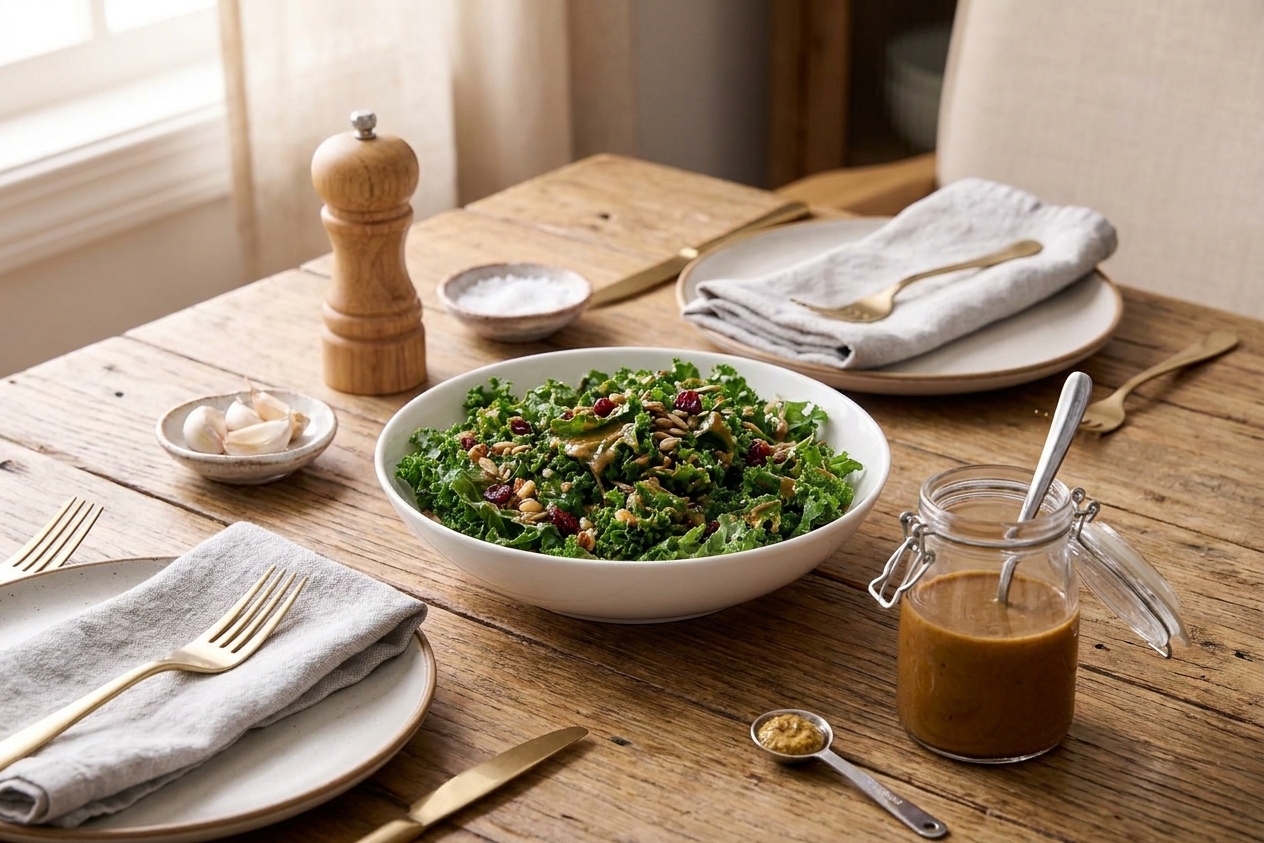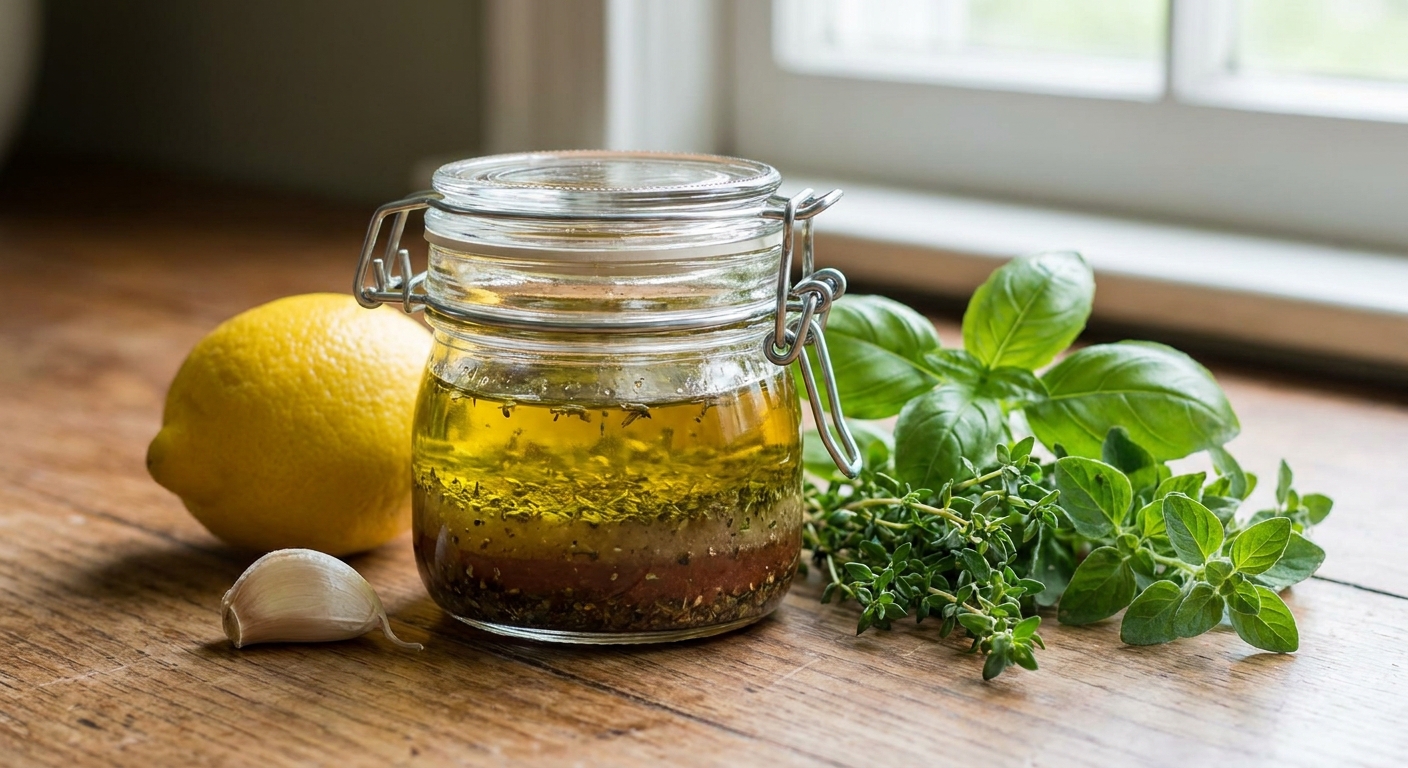
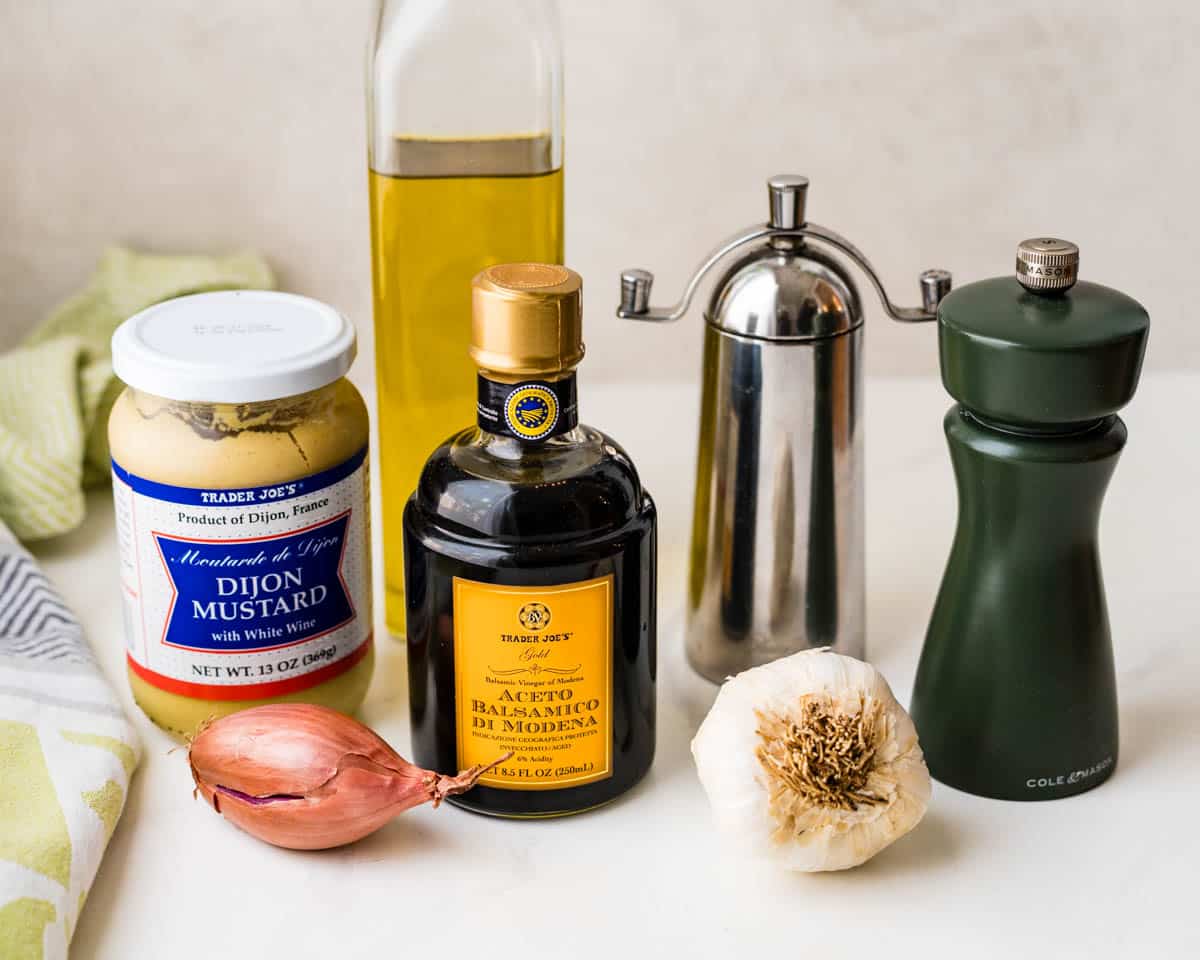
This silky, balanced balsamic vinaigrette is sweet, tangy, and garlicky in all the right ways. Simple ingredients, big flavor, and foolproof tips for perfect...
Recipeva
Balsamic Vinaigrette Dressing
A simple, flavorful balsamic vinaigrette you can whisk up in minutes. Learn the best ratio, how to emulsify, easy variations, and how to store it.

Maya Reynolds
Maya Reynolds is a passionate home cook, recipe developer, and the creative voice behind Recipeva. With over a decade of experience translating complex culinary techniques into approachable weeknight meals, she focuses on creating dishes that bring joy to the dinner table without the stress.
Created September 24, 2026
Updated September 24, 2026
If you've got five minutes and a jar with a lid, you can have a balsamic vinaigrette that tastes like you tried way harder than you did. This is my weeknight staple for salads, grain bowls, roasted veggies, and basically anything that needs a tangy little glow-up.
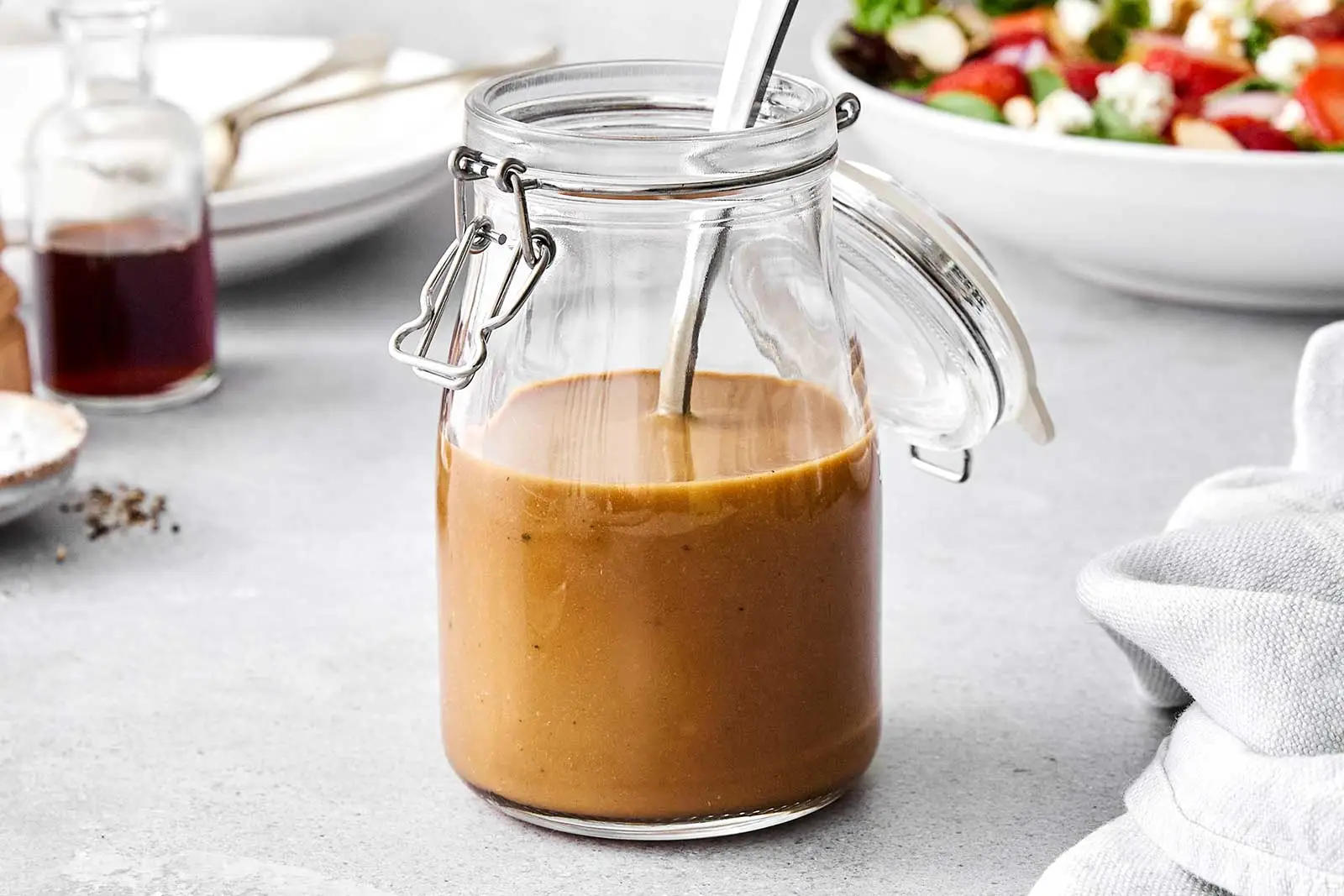
We're going for a dressing that's bold but balanced: tangy balsamic, a touch of sweetness, enough salt, and a smooth, clingy texture that sticks to your greens instead of pooling at the bottom of the bowl.
The foolproof base recipe
This makes about 1/2 cup (8 tablespoons), which is perfect for a few salads throughout the week.
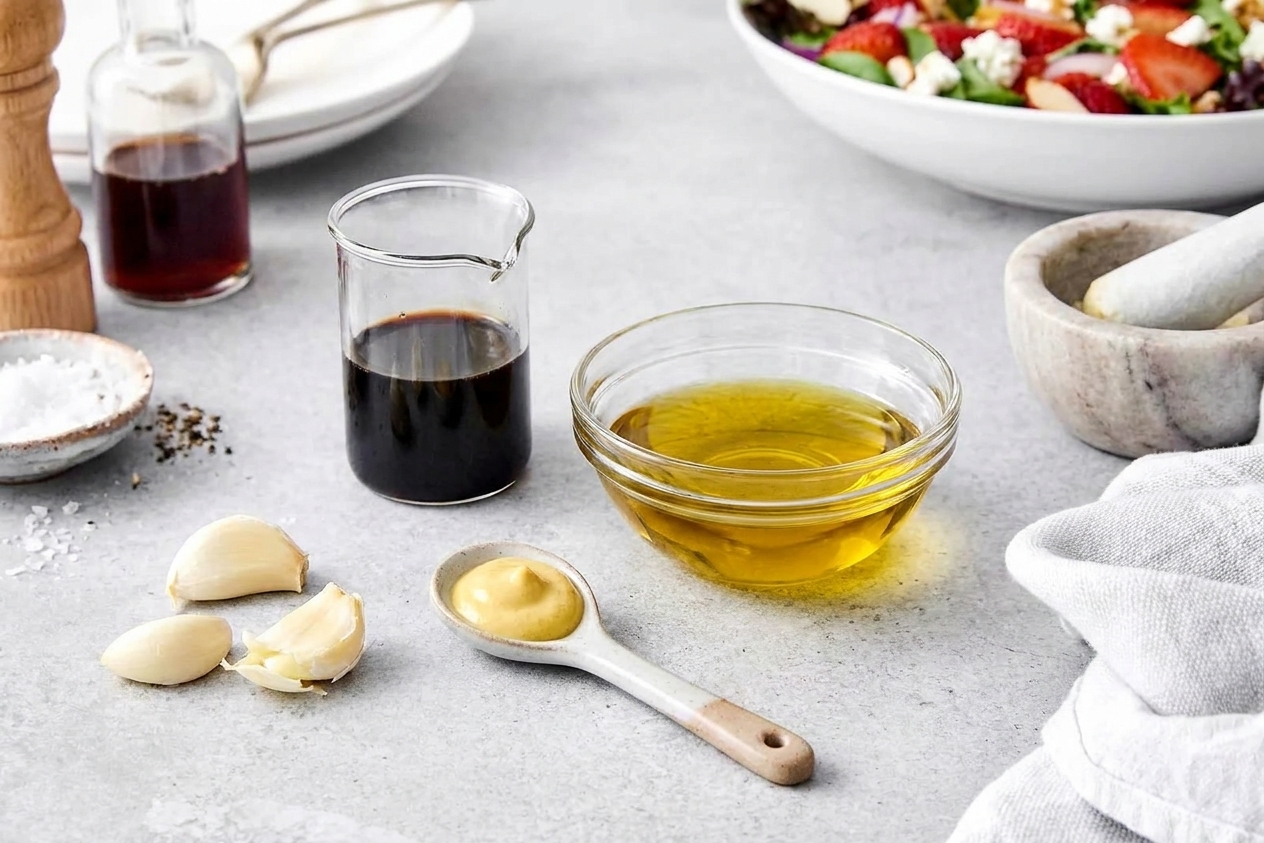
Ingredients
- 3 tablespoons balsamic vinegar
- 6 tablespoons extra virgin olive oil
- 1 to 2 teaspoons Dijon mustard (helps emulsify and adds flavor)
- 1 small garlic clove, finely grated or pressed (or more, because there's no such thing as too much garlic)
- 1/2 teaspoon kosher salt, plus more to taste
- Freshly ground black pepper, to taste
- Optional: 1/2 teaspoon honey or maple syrup if your balsamic is extra sharp
How to make it (two easy methods)
Method 1: Jar shake (my everyday method)
- Add vinegar, Dijon, garlic, salt, pepper, and honey (if using) to a small jar.
- Pour in the olive oil.
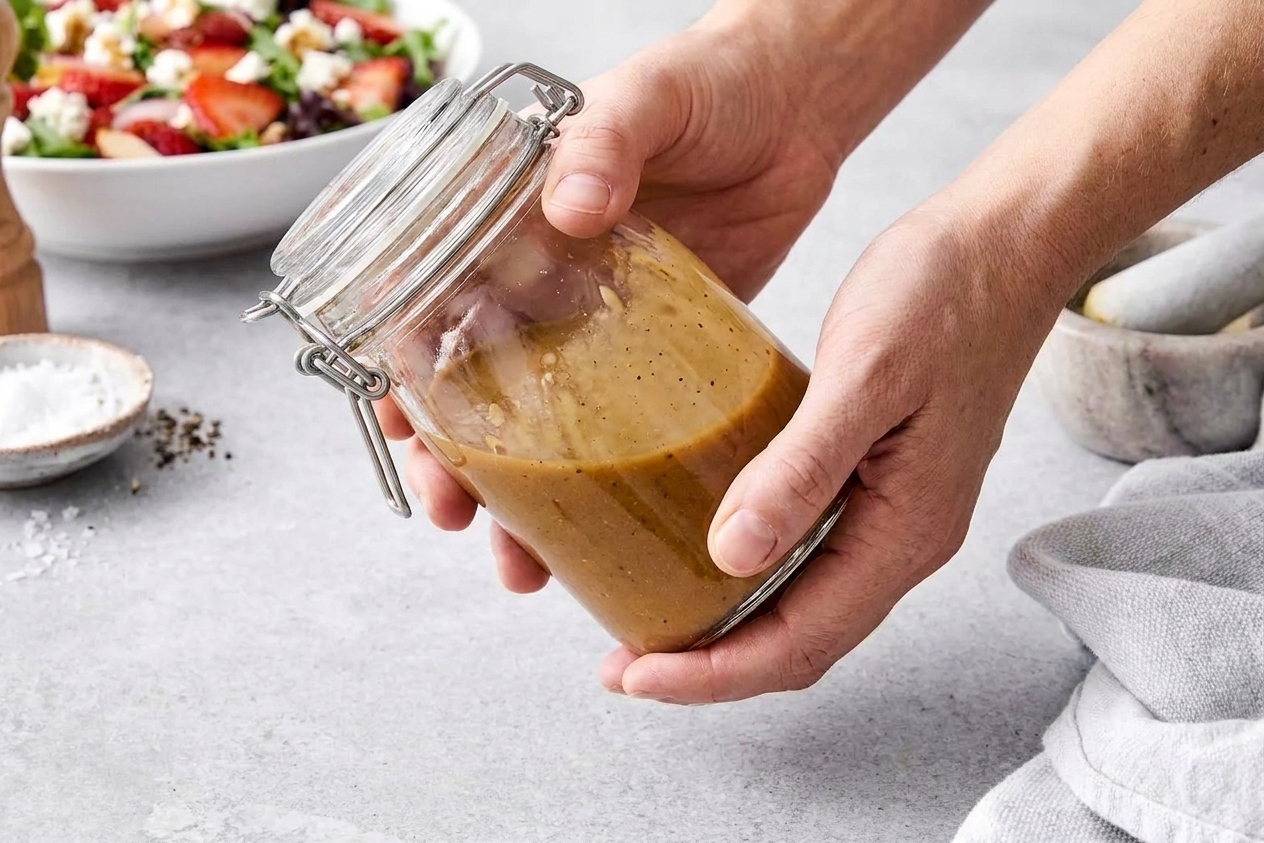
- Close the lid tightly (don't fill the jar to the brim) and shake for 15 to 20 seconds until the dressing looks slightly thickened and uniform.
Method 2: Whisk in a bowl (best for tasting as you go)
- In a small bowl, whisk together the vinegar, Dijon, garlic, salt, pepper, and honey (if using).
- While whisking steadily, drizzle in the olive oil in a thin stream until it's blended and glossy.
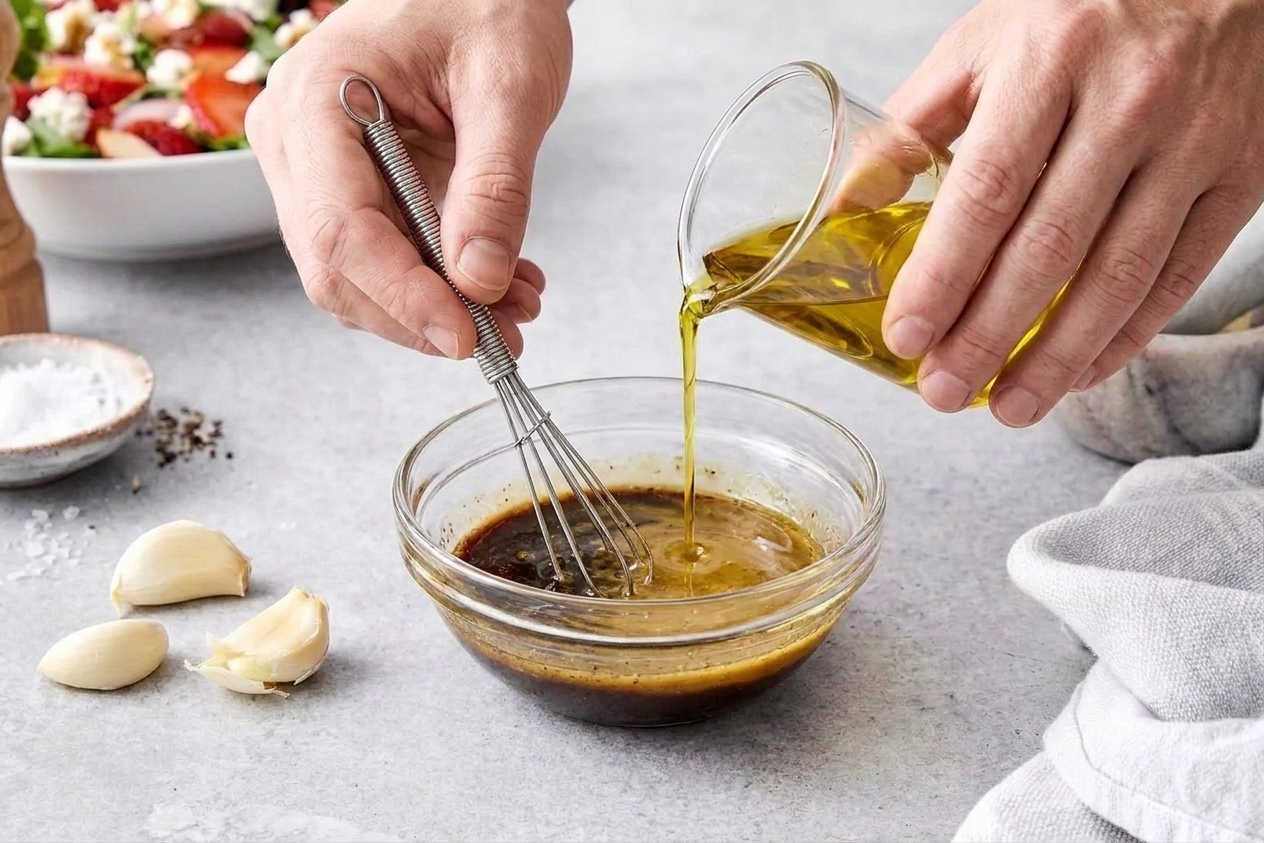
Taste, then adjust. If it's too tangy, add a tiny drizzle of honey or a bit more oil first, then check the salt. If it tastes flat, it almost always needs more salt or pepper. If it feels heavy, brighten it with a small splash of vinegar.
The ratio that works
If you remember one thing, make it this: vinaigrette is usually 1 part acid to 2 or 3 parts oil.
- 2:1 oil to vinegar (like this recipe) tastes bold and restaurant-y, great for sturdy greens like kale and romaine, or anything with roasted veg.
- 3:1 oil to vinegar tastes milder and more classic, great for delicate greens or if your balsamic is intense.
Balsamic vinegar varies a lot. Some bottles are syrupy and sweet, others are sharp. Start with the base recipe, then tweak the balance based on your vinegar.
How to make it creamy
That creamy texture comes from an emulsion, meaning the oil and vinegar stay blended longer instead of separating right away.
- Use Dijon. Even 1 teaspoon makes a noticeable difference.
- Grate the garlic. Very fine garlic helps the dressing feel more cohesive.
- Drizzle oil slowly if you're whisking. A slow stream helps the dressing thicken.
- Shake hard in a jar. It's not delicate. Really go for it.
And if it separates in the fridge, that's normal. Just shake or whisk again right before serving.
Easy variations
Once you've got the base down, it's fun to riff. Here are my most-used variations, all built from the same template.
Garlic herb balsamic
- Add 1 to 2 tablespoons chopped parsley, basil, or a pinch of Italian seasoning.
Shallot balsamic
- Swap garlic for 1 tablespoon finely minced shallot.
- Let it sit 10 minutes before serving to mellow the shallot.
Honey balsamic
- Add 1 to 2 teaspoons honey and a pinch of extra salt.
- Perfect for bitter greens or roasted Brussels sprouts.
Lemon balsamic
- Replace 1 tablespoon of the balsamic with 1 tablespoon lemon juice.
- Add a little lemon zest if you want it to sing.
Parmesan balsamic
- Whisk in 2 tablespoons finely grated Parmesan.
- Best used within a couple of days.
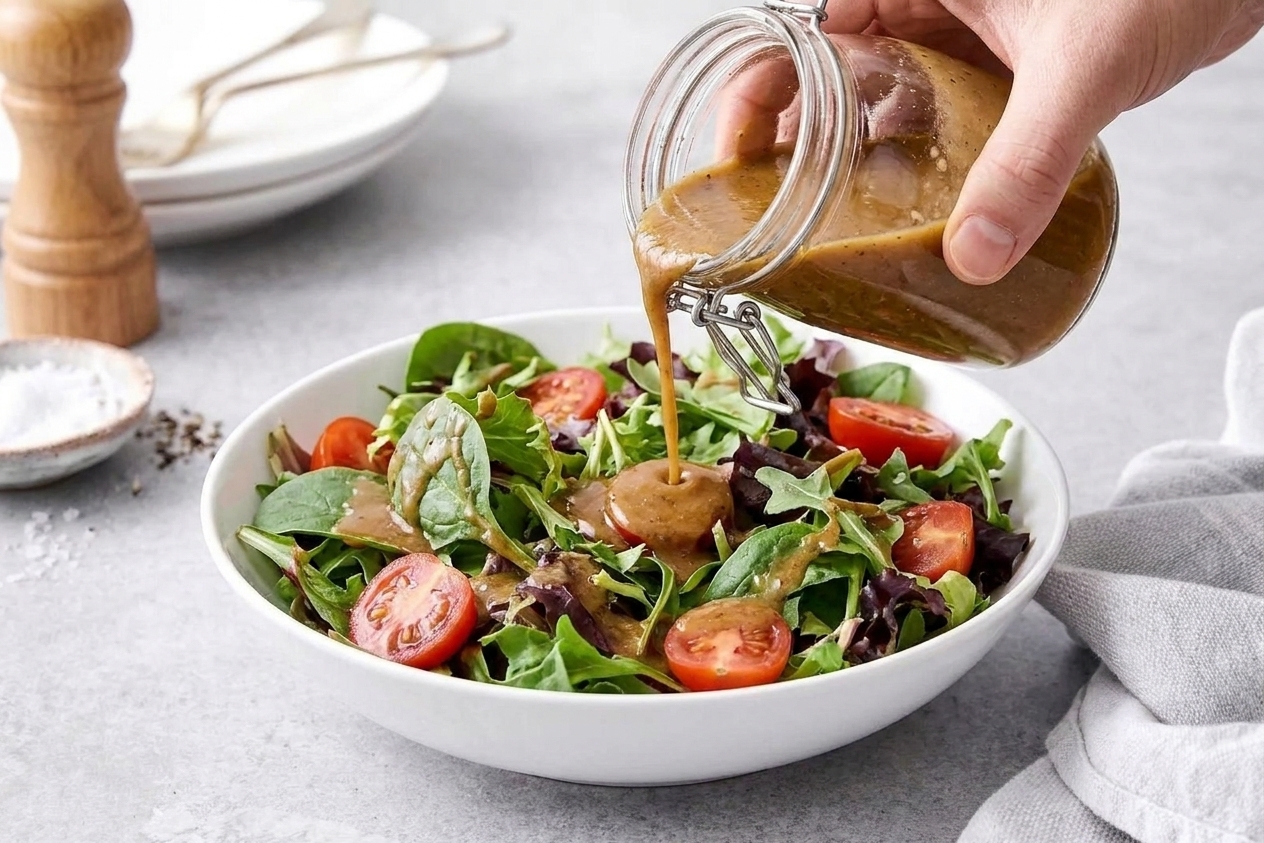
What to serve it with
This dressing isn't just for salads. I reach for it all week long.
- Simple green salad: romaine, mixed greens, arugula, spinach
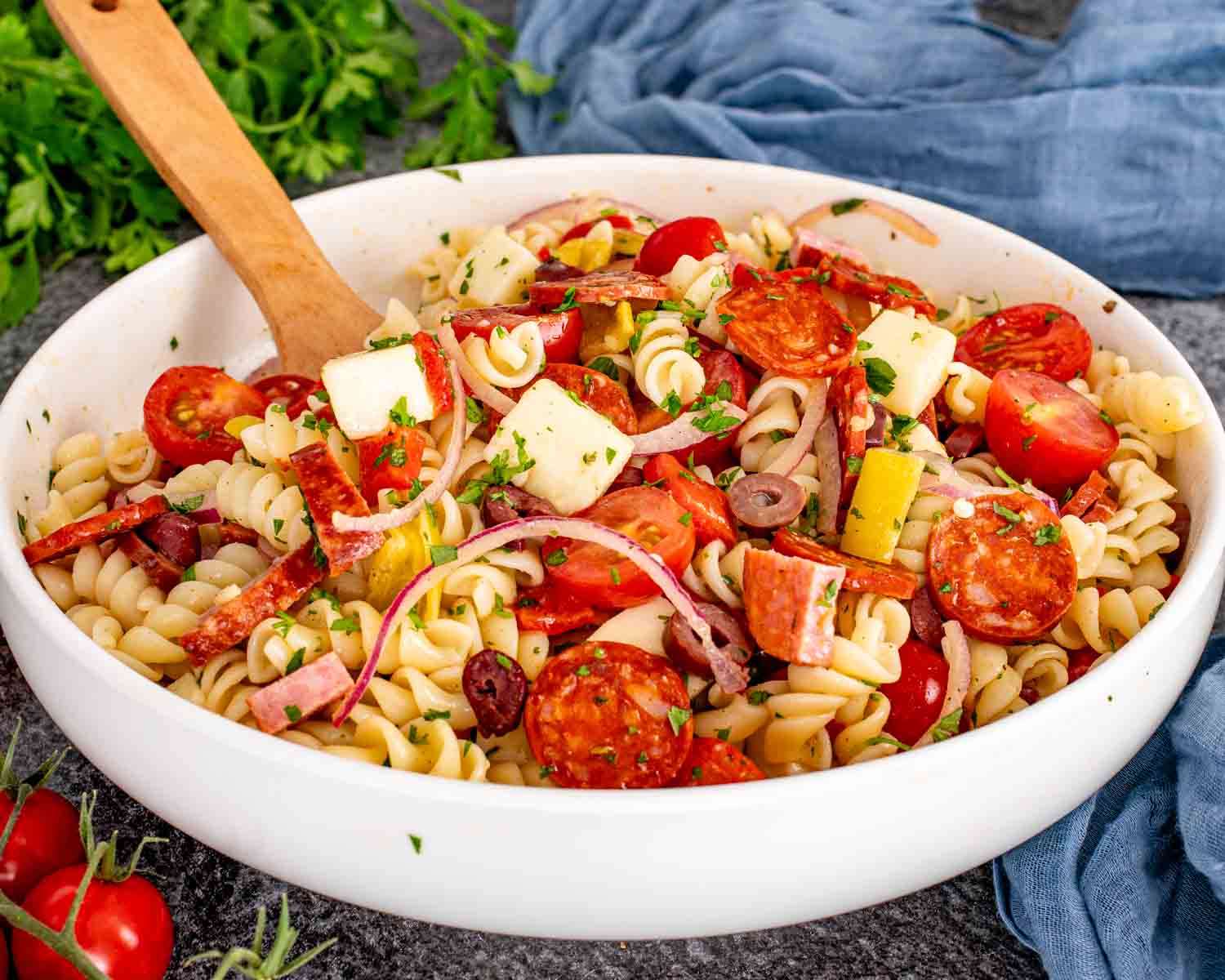
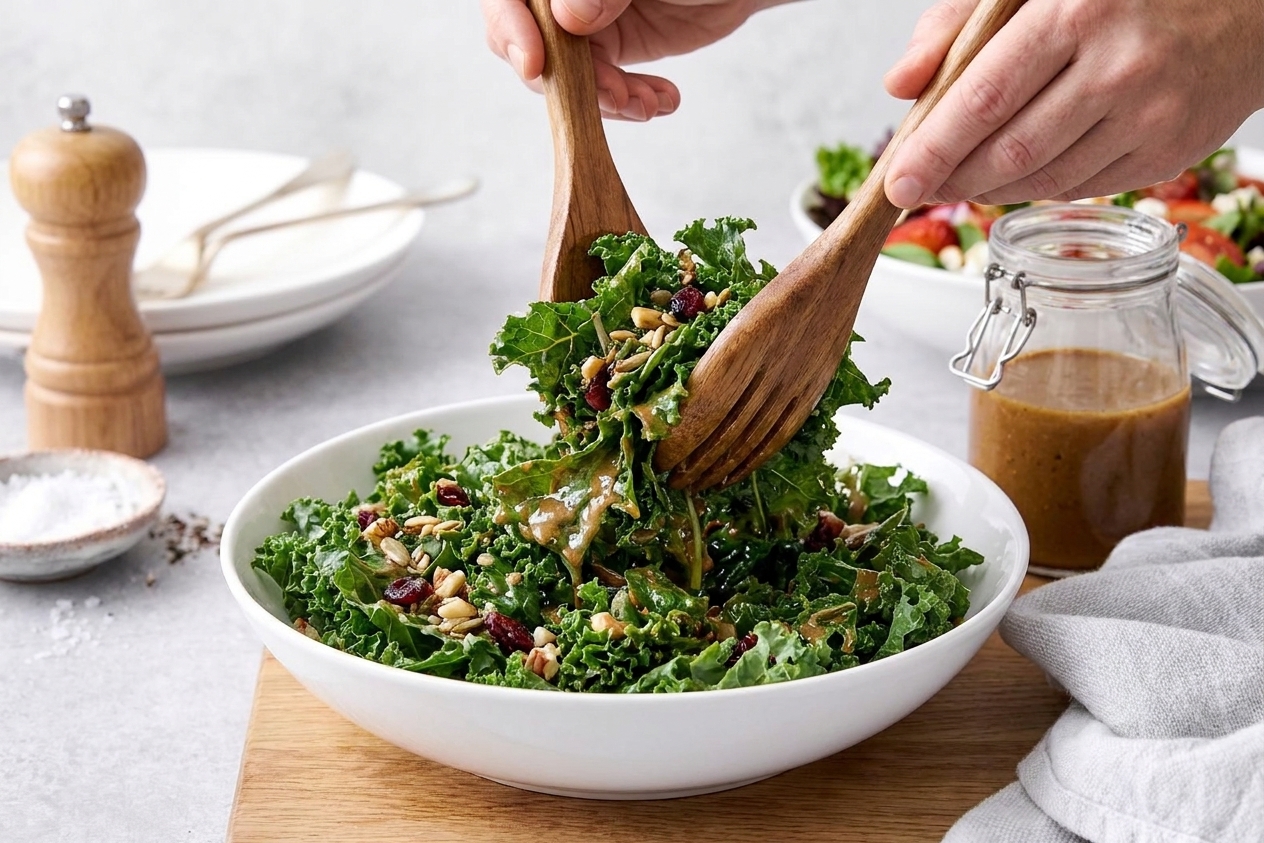
- Hearty salads: kale salads, lentil salads, chopped Italian salads
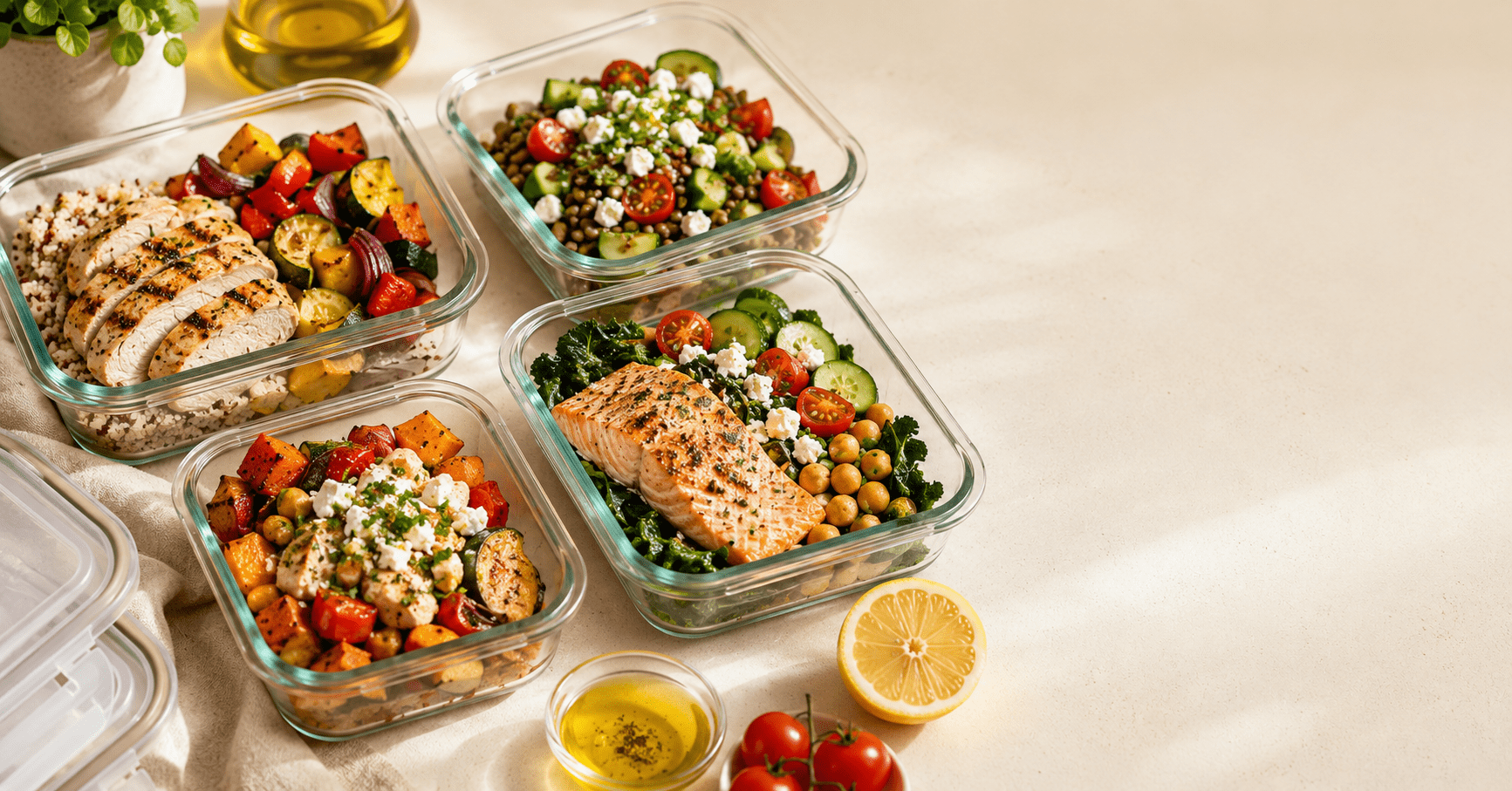
- Grain bowls: quinoa, farro, brown rice with roasted vegetables
- Roasted vegetables: Brussels sprouts, carrots, cauliflower, sweet potatoes
- Tomato and mozzarella: a Caprese moment that takes zero effort
- Marinade shortcut: toss with chicken thighs or portobello mushrooms before roasting
One tip: If you're dressing a kale salad, massage the kale with a teaspoon or two of vinaigrette and a pinch of salt first. It turns tender and glossy instead of chewy.
Storage tips
Homemade dressing is one of the best low-effort meal prep moves.
- Fridge: Store in a sealed jar for up to 5 to 7 days. For best flavor (especially with raw garlic), I try to use it within 3 to 5 days. Discard if anything smells or looks off.
- Room temperature: If your kitchen is cool and you'll use it the same day, it's fine on the counter. Otherwise, refrigerate.
- Olive oil solidifies: Totally normal. Let the jar sit at room temp for 10 to 15 minutes, then shake again.
- Garlic note: Raw garlic gets more assertive over time. If you want a softer flavor for make-ahead, use half a clove or swap in a little garlic powder.
Troubleshooting
It tastes too sharp
- Add 1 teaspoon honey or maple syrup, or increase the olive oil by 1 tablespoon.
- Add a pinch of salt. Salt can tame acidity more than you'd think.
It tastes bland
- Add more salt and pepper first.
- Add an extra 1/2 teaspoon Dijon or a tiny splash more vinegar.
It separated
- Shake again, or whisk in 1/2 teaspoon Dijon to bring it back together.
It's too oily
- Whisk in 1 to 2 teaspoons vinegar and a pinch of salt, then taste.
FAQ
Can I make balsamic vinaigrette without Dijon?
Yes. It'll still taste great, it just won't stay emulsified as long. If you have it, a small spoonful of mayo, Greek yogurt, or tahini can also help with creaminess.
What's the best olive oil for vinaigrette?
Use an extra virgin olive oil you like the taste of. If yours is very peppery or bitter, you might prefer a milder oil with balsamic, especially for delicate salads.
Is balsamic vinaigrette healthy?
In general, a homemade version is a great option because you control the ingredients. It's mostly olive oil, which is a classic source of unsaturated fat, plus vinegar and seasonings. If you're watching sodium or sugar, make small adjustments and taste as you go.
Can I use this as a marinade?
Absolutely. I like it for chicken thighs, pork tenderloin, tofu, and mushrooms. Because balsamic has sugar, keep an eye on browning. If you're grilling, you may want to pat the surface dry a bit before it hits the heat.
My weeknight habit
I keep a little jar of this in the fridge like a safety net. Dinner can be leftovers, a bag of greens, and some sliced cucumber, but if the dressing is good, the whole meal feels intentional. Make it once, then make it yours. And yes, you can add more garlic.