My reliable, bakery-style fresh sugar cookies: buttery, vanilla-scented, and easy to roll and bake. Tips for perfect edges, freezing, and keeping them soft f...
Recipeva
Vanilla Buttercream Frosting
My go-to vanilla buttercream frosting that pipes beautifully, spreads like a dream, and tastes like classic bakery cake. Includes troubleshooting, make-ahead tips, and flavor variations.

Maya Reynolds
Maya Reynolds is a passionate home cook, recipe developer, and the creative voice behind Recipeva. With over a decade of experience translating complex culinary techniques into approachable weeknight meals, she focuses on creating dishes that bring joy to the dinner table without the stress.
Created September 24, 2026
Updated September 24, 2026
If you have ever wished for that sweet, creamy bakery frosting that spreads smoothly but still holds a pretty swirl, this is the vanilla buttercream I keep coming back to. It is classic American-style buttercream, which means it is made with butter and powdered sugar, no eggs, no cooking, and no stress.
And yes, I am going to say it: add the salt. It makes the vanilla taste bigger and keeps the sweetness from feeling flat.
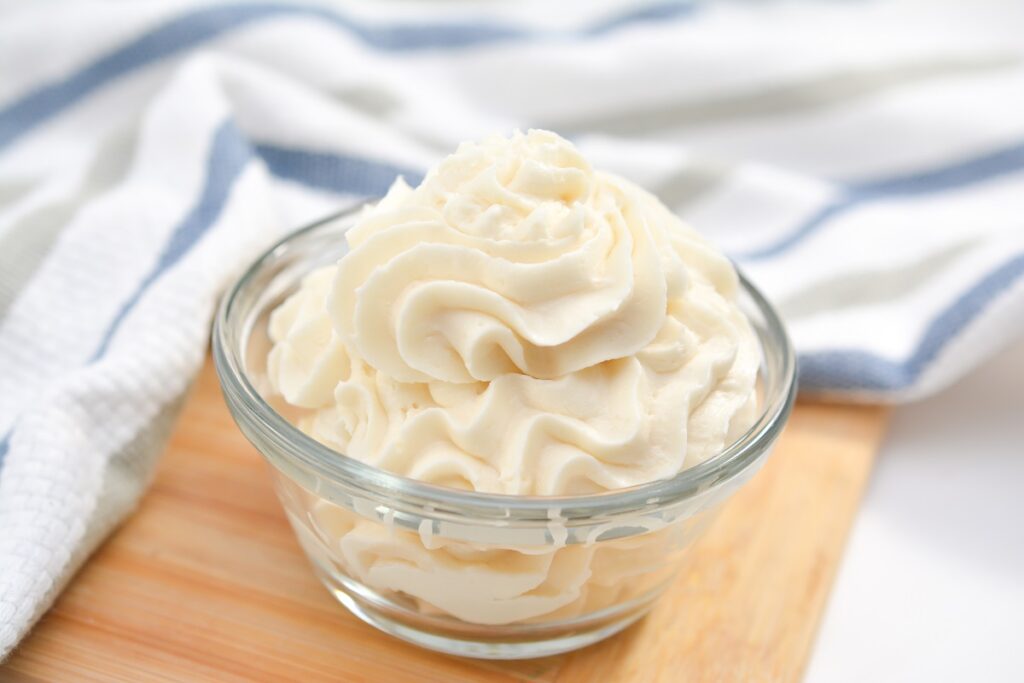
What makes this buttercream work
- Predictable texture: Easy to thicken or loosen depending on whether you are spreading or piping.
- Big vanilla flavor: Vanilla plus a pinch of salt gives you that bakery-style taste.
- Super versatile: Works on cakes, cupcakes, sugar cookies, and sandwiching between layers.
- Beginner-friendly: No candy thermometers, no tempering, just a mixer and a bowl.
Ingredients
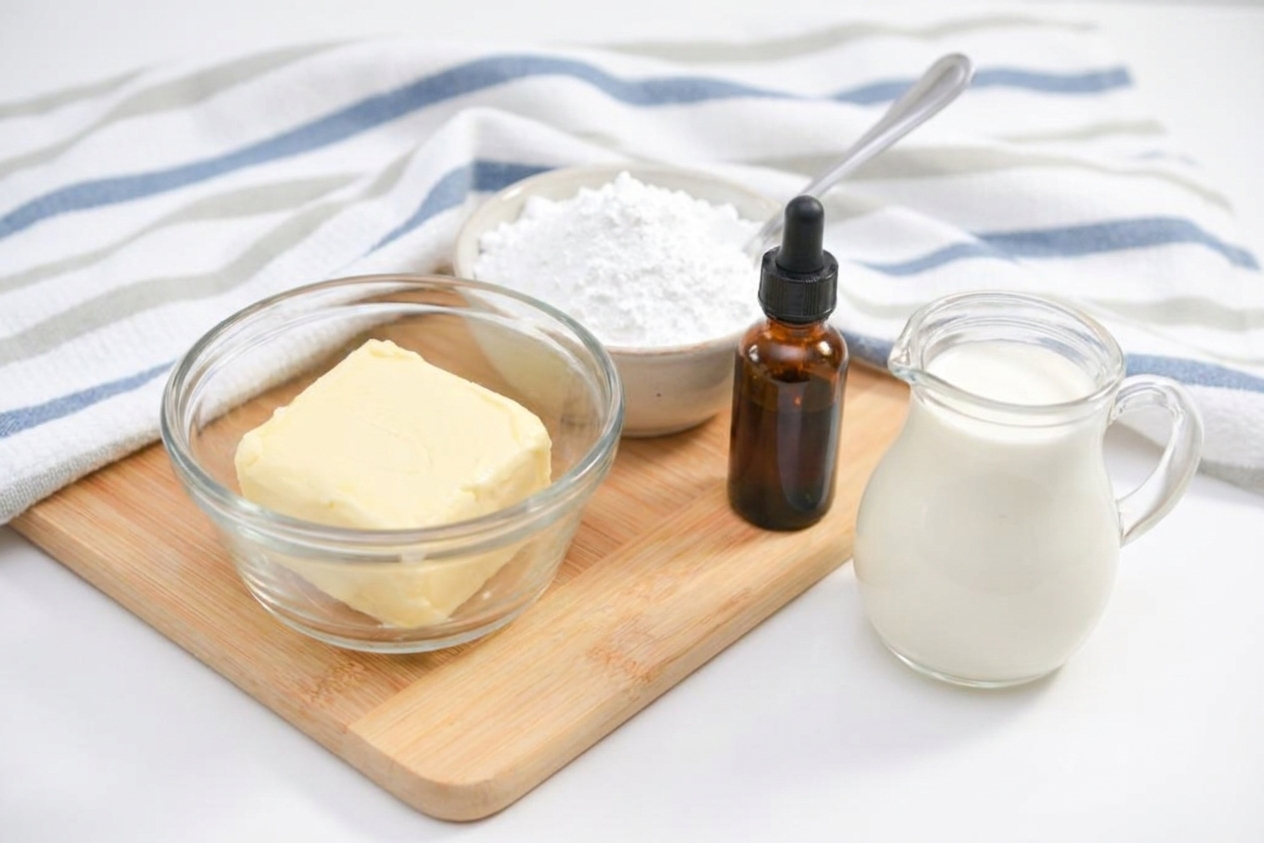
Here is what you need, and why each one matters.
- Unsalted butter, softened: Soft enough to mix easily but not melty. If you press it, your finger should leave an indent.
- Powdered sugar: Sweetens and thickens. Sift if yours is clumpy.
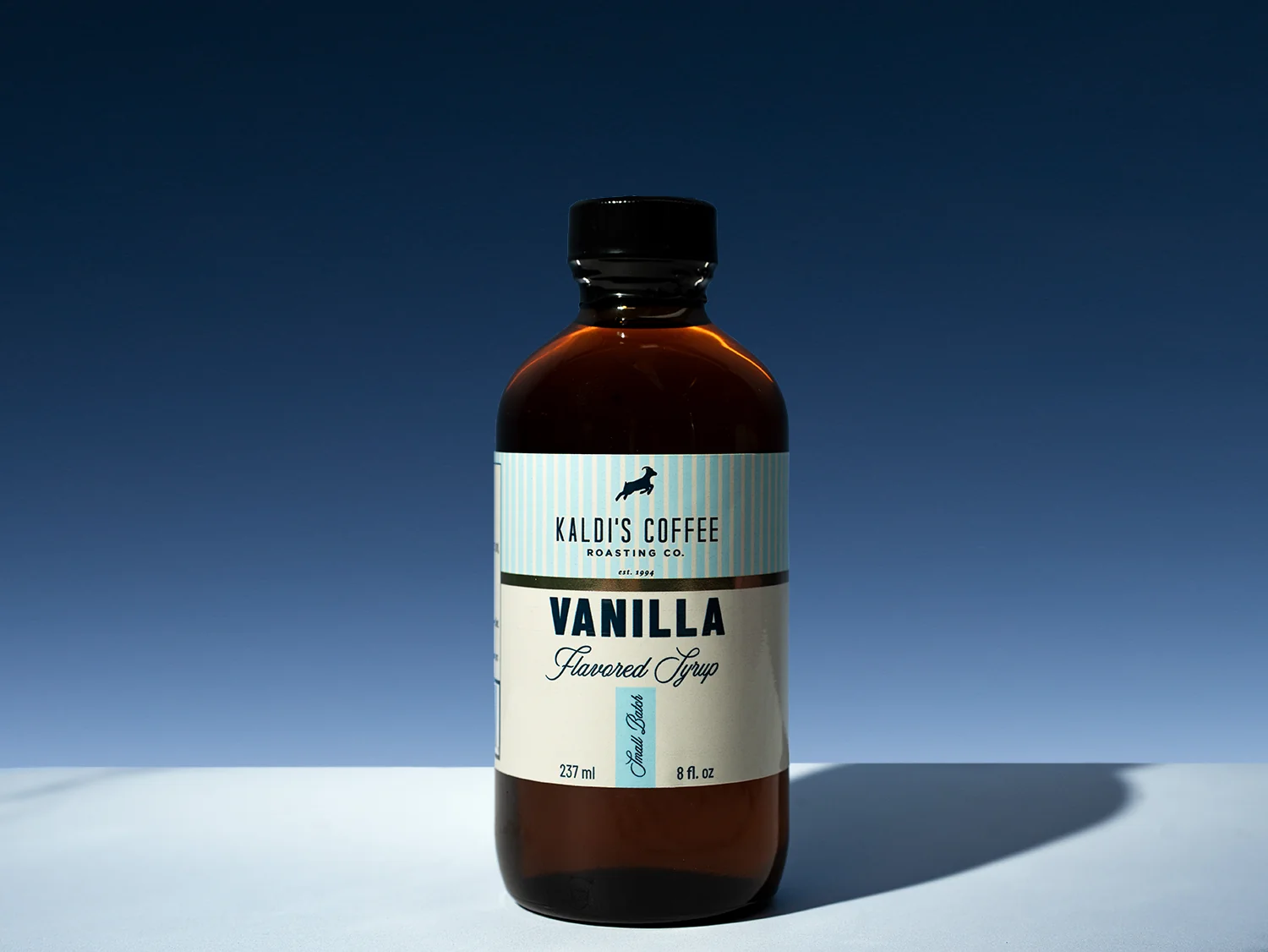
- Vanilla extract: Classic flavor. Use a good one because you will taste it.
- Heavy cream or milk: Adjusts consistency. Cream makes it richer, milk works fine.
- Fine salt: Balances sweetness and boosts vanilla.
Vanilla buttercream recipe
Amounts
- 1 cup (226 g) unsalted butter, softened
- 3 1/2 to 4 cups (420 to 480 g) powdered sugar
- 2 teaspoons vanilla extract
- 2 to 4 tablespoons heavy cream or milk
- 1/4 teaspoon fine salt
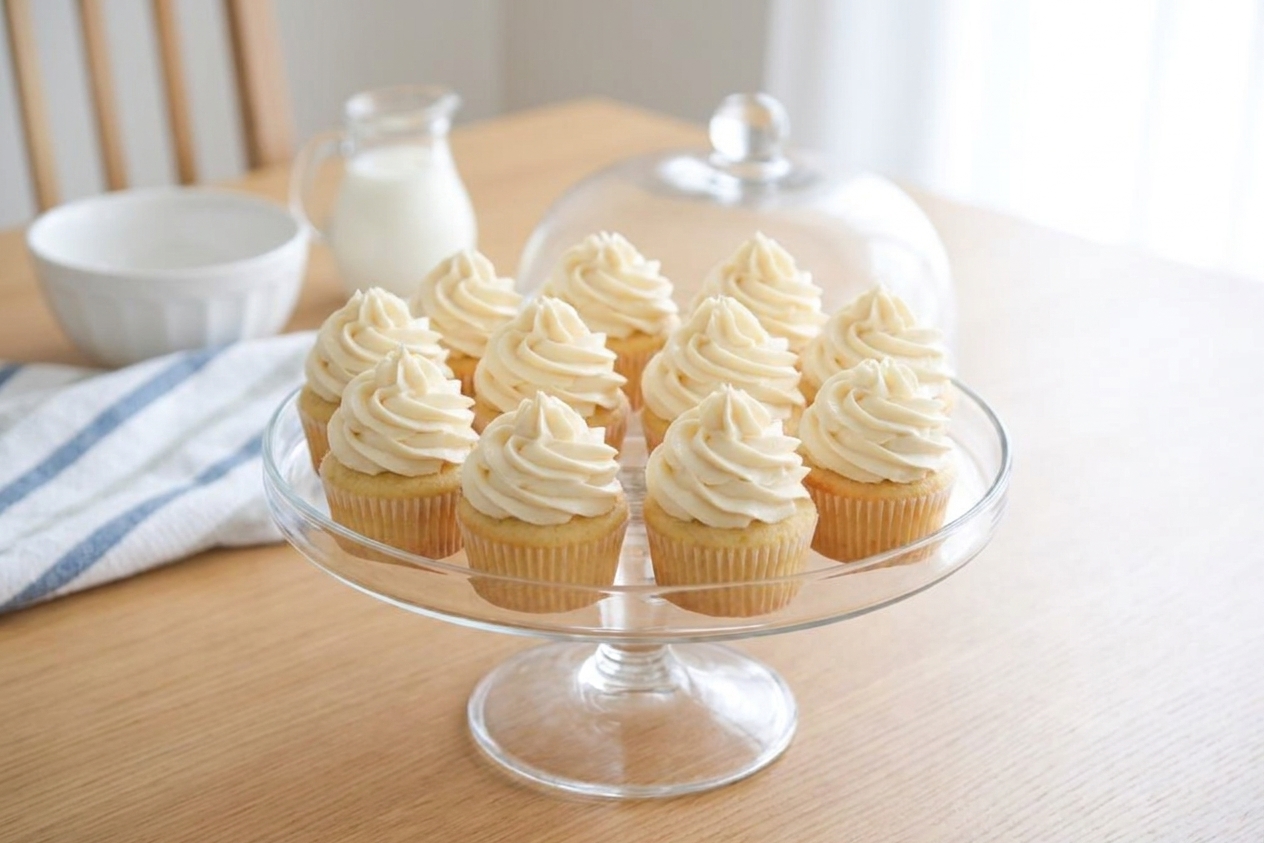
Yield: About 3 cups frosting (a little more or less depending on how much sugar you use and how long you whip it), enough for 12 to 18 cupcakes (depending on swirl size) or a thin coat and simple finish on a 2-layer 8-inch cake.
Step-by-step
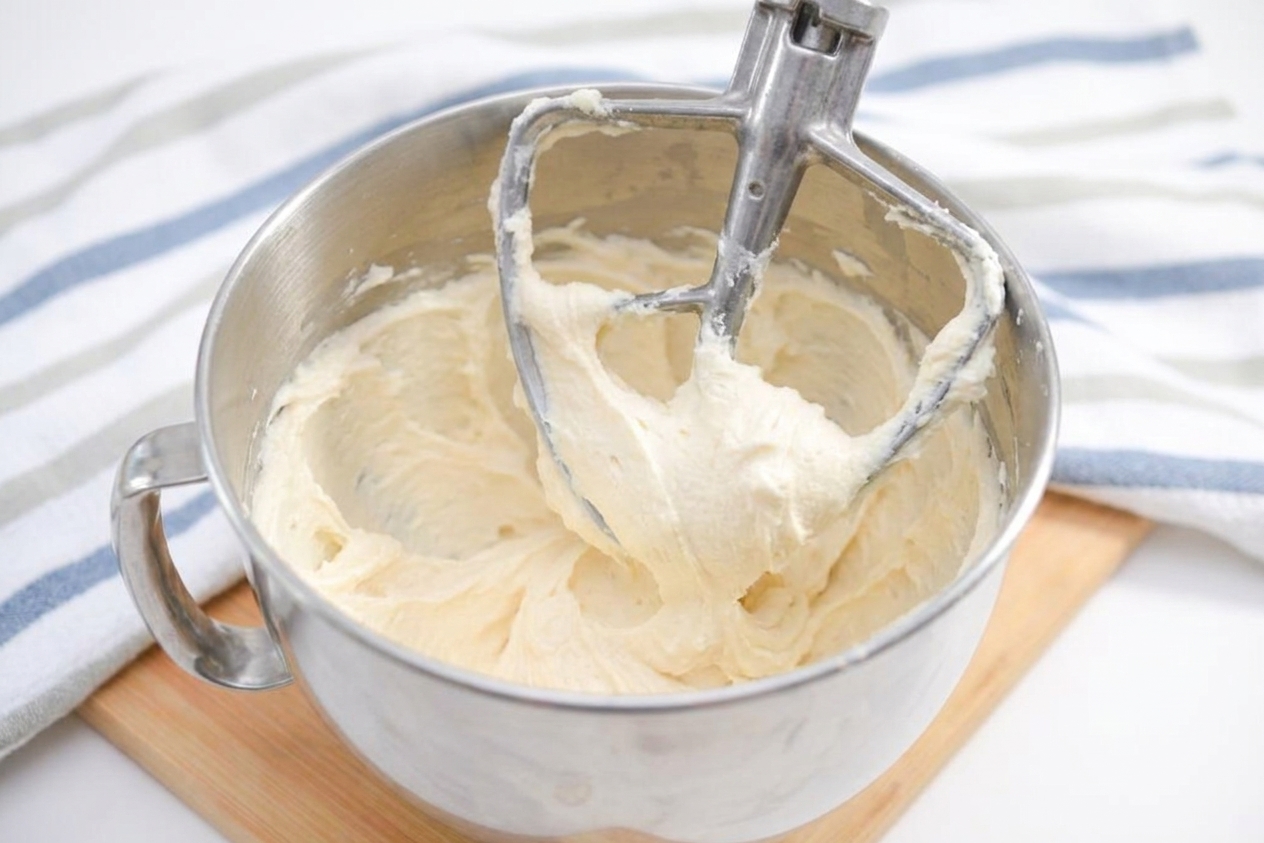
- Cream the butter: In a large bowl, beat the softened butter on medium speed for 2 to 3 minutes until pale and fluffy. This step builds the buttercream texture, so do not rush it.
- Add powdered sugar gradually: Add 3 1/2 cups powdered sugar, about 1 cup at a time, mixing on low so you do not get a sugar cloud. Scrape down the bowl as needed.
- Flavor it: Add vanilla and salt. Beat to combine.
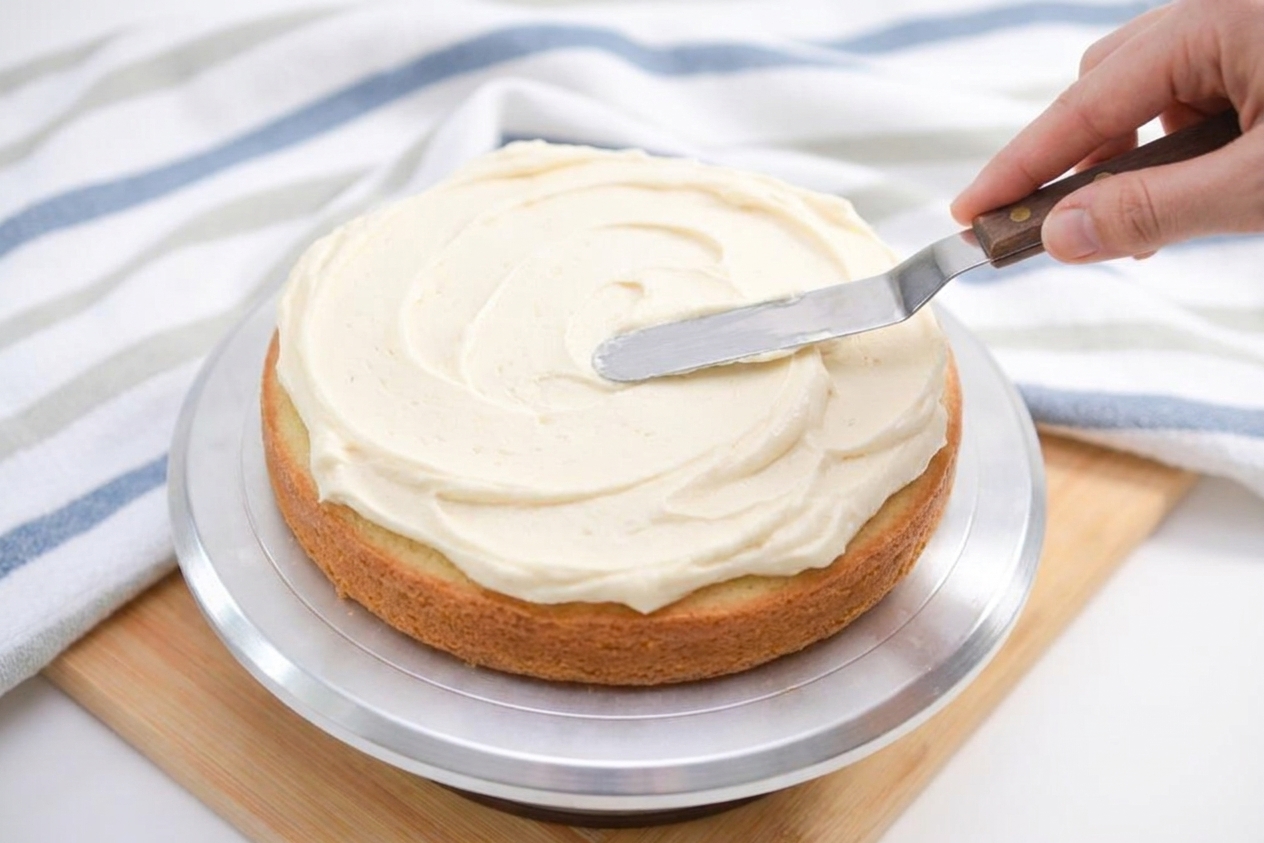
- Adjust consistency: Add cream or milk 1 tablespoon at a time until it is smooth and spreadable. For piping, keep it slightly thicker. For a spreadable, satin-smooth finish on a cake, add a touch more liquid.
- Whip briefly to finish: Beat on medium-high until it looks plush and smooth, usually 30 to 60 seconds. Depending on your mixer, it may take a little more or less. Stop once it is airy and creamy. Overmixing can make it look overly fluffy and introduce more air bubbles.
Consistency guide
This is the part that makes buttercream feel foolproof. You are always just one small adjustment away from perfect.
For cupcakes
- Use the full 4 cups powdered sugar if you want tall swirls with crisp ridges.
- Use 2 tablespoons cream to start, then add only if needed.
- Beat just until smooth and fluffy.
For cakes
- Stay closer to 3 1/2 cups powdered sugar.
- Add 3 to 4 tablespoons cream for a softer glide.
- Let it sit 5 minutes, then give it a quick stir to knock out big air pockets. If it softens as it sits (especially in a warm kitchen), re-check the consistency before final smoothing or piping.
Tips for the best texture
- Butter temperature matters most: Too cold and your frosting can look grainy. Too warm and it can feel loose and a little shiny.
- Start slow with powdered sugar: Your future self will thank you when your kitchen is not dusted in white.
- Scrape the bowl often: Butter loves to hide on the bottom and sides.
- Use salt even if you have a sweet tooth: It makes the frosting taste more like vanilla ice cream and less like plain sugar.
- If you want extra white frosting: Use clear vanilla extract. It is a little more bakery-style in flavor.
- Paddle vs whisk: A paddle attachment tends to make a smoother frosting with fewer bubbles. A whisk makes it lighter, but it can trap more air. If you plan to do super-smooth sides, the paddle is your friend.
- Crusting is normal: American buttercream forms a thin crust as it sits because of the powdered sugar. That is helpful for smoothing and decorating, but keep it covered when you are not using it.
Troubleshooting
My buttercream is too sweet
- Add another pinch of salt.
- Add 1 to 2 teaspoons lemon juice or a spoonful of cream cheese for a gentle tang.
- Make sure your vanilla is not shy. Another 1/2 teaspoon can help.
It is too thick
- Add cream or milk 1 teaspoon at a time until it loosens.
It is too thin
- Add powdered sugar 2 tablespoons at a time.
- Chill the bowl for 10 minutes if your kitchen is warm, then re-whip.
It looks curdled or grainy
- Your butter is likely too cold. Let the bowl sit at room temp for 10 to 15 minutes, then beat again.
- If the powdered sugar is lumpy, sift it next time.
There are lots of air bubbles
- Mix on low for 1 to 2 minutes to smooth it out.
- Press the frosting against the side of the bowl with a spatula to help pop bubbles before piping.
Flavor variations
Once you have vanilla down, the rest is just playful tinkering.
- Almond vanilla: Add 1/4 teaspoon almond extract along with the vanilla.
- Chocolate: Beat in 1/2 cup unsweetened cocoa powder and add an extra tablespoon of cream.
- Strawberry: Add 2 to 3 tablespoons freeze-dried strawberry powder.
- Citrus: Add 1 tablespoon fresh zest (lemon or orange) and 1 to 2 teaspoons juice.
- Espresso: Dissolve 1 to 2 teaspoons instant espresso powder in 1 tablespoon cream, then beat in.
Make-ahead and storage
Room temperature
If your kitchen is cool (around 70°F/21°C or below), you can keep buttercream at room temperature for up to 1 day, tightly covered. If your home runs warm, or if the frosting is on a cake with perishable fillings, follow local food-safety guidance and refrigerate.
Refrigerator
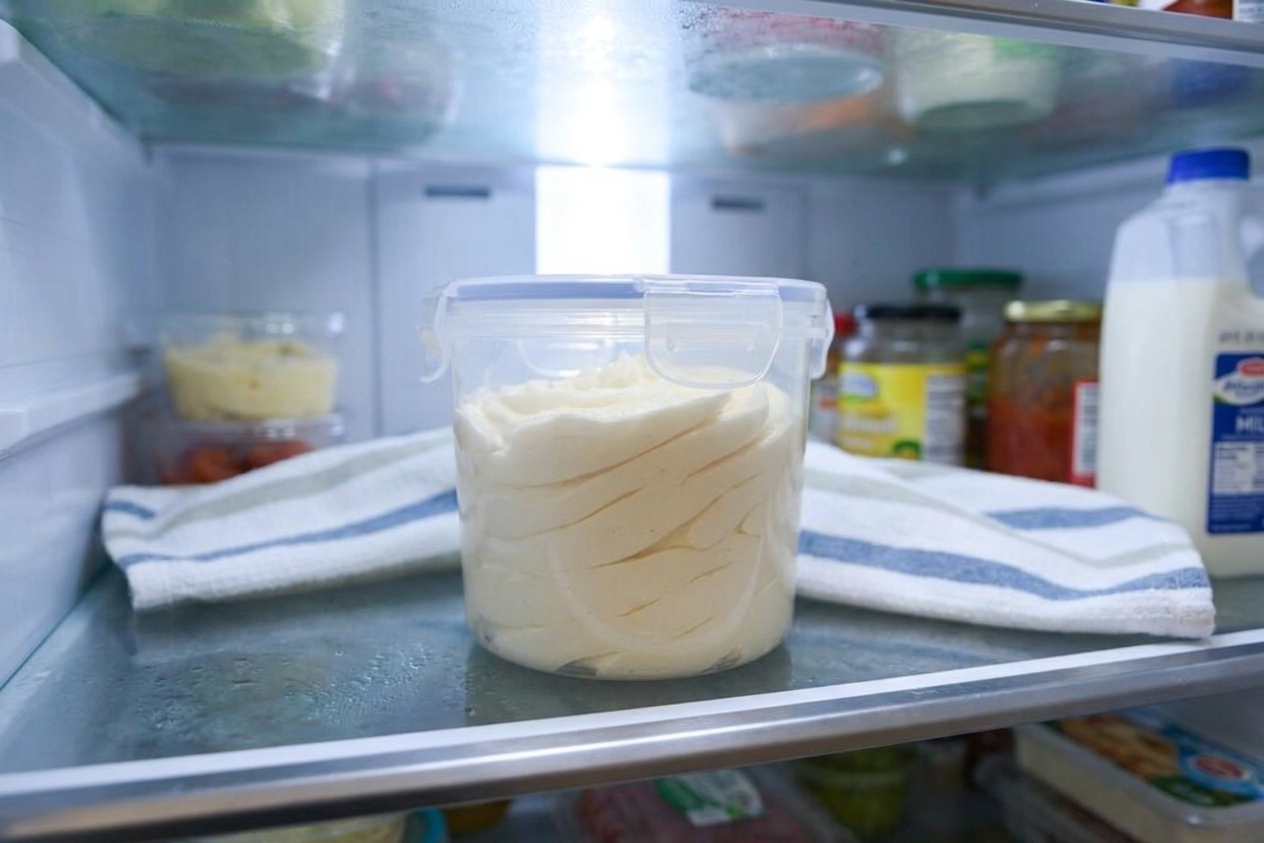
Store in an airtight container up to 1 week. When ready to use, let it sit at room temperature until soft, then re-whip briefly to bring back the fluff.
Freezer
Freeze up to 2 months. Thaw overnight in the fridge, then bring to room temp and re-whip.
How much frosting do I need?
- 12 cupcakes, modest swirl: About 2 cups
- 12 cupcakes, tall bakery swirl: About 3 cups
- Two-layer 8-inch cake, thin coat: About 3 cups
- Two-layer 8-inch cake, generous coat and simple piping: 4 to 5 cups
If you are unsure, I always recommend making a little extra. Leftover buttercream freezes beautifully and future you will be thrilled.
Scaling notes
You can double this recipe with no changes to the method. Just make sure your mixer bowl has enough room, because buttercream likes to climb. If you have a smaller stand mixer (or you are using a hand mixer), it is often easier to make two separate batches for the fluffiest, least messy results.
FAQ
Can I make vanilla buttercream without heavy cream?
Yes. Milk works, even non-dairy milk. Heavy cream just gives a richer mouthfeel and slightly better structure for piping.
Can I use salted butter?
You can. Reduce the added salt to a tiny pinch, then taste and adjust at the end.
Why is my frosting not fluffy?
Usually the butter was not beaten long enough at the start, or it was too cold. Give the butter a full 2 to 3 minutes to get pale and airy, then proceed.
Can I color this frosting?
Absolutely. Gel food coloring works best because it does not thin the frosting much. Add a little at a time and mix thoroughly.
Does buttercream need to be refrigerated on a cake?
If the cake is going to sit out for a few hours at a cool room temperature, it is typically fine. For longer storage, refrigerate, then bring slices to room temperature before serving for the best flavor and texture. If your cake has perishable fillings or you are in a warm space, refrigerate sooner.
My favorite finishing touch
When I frost cakes at home, I like to do a thick swoosh of vanilla buttercream and then sprinkle on flaky salt or crushed freeze-dried berries. It is simple, a little fancy, and it makes the vanilla taste even more like itself.