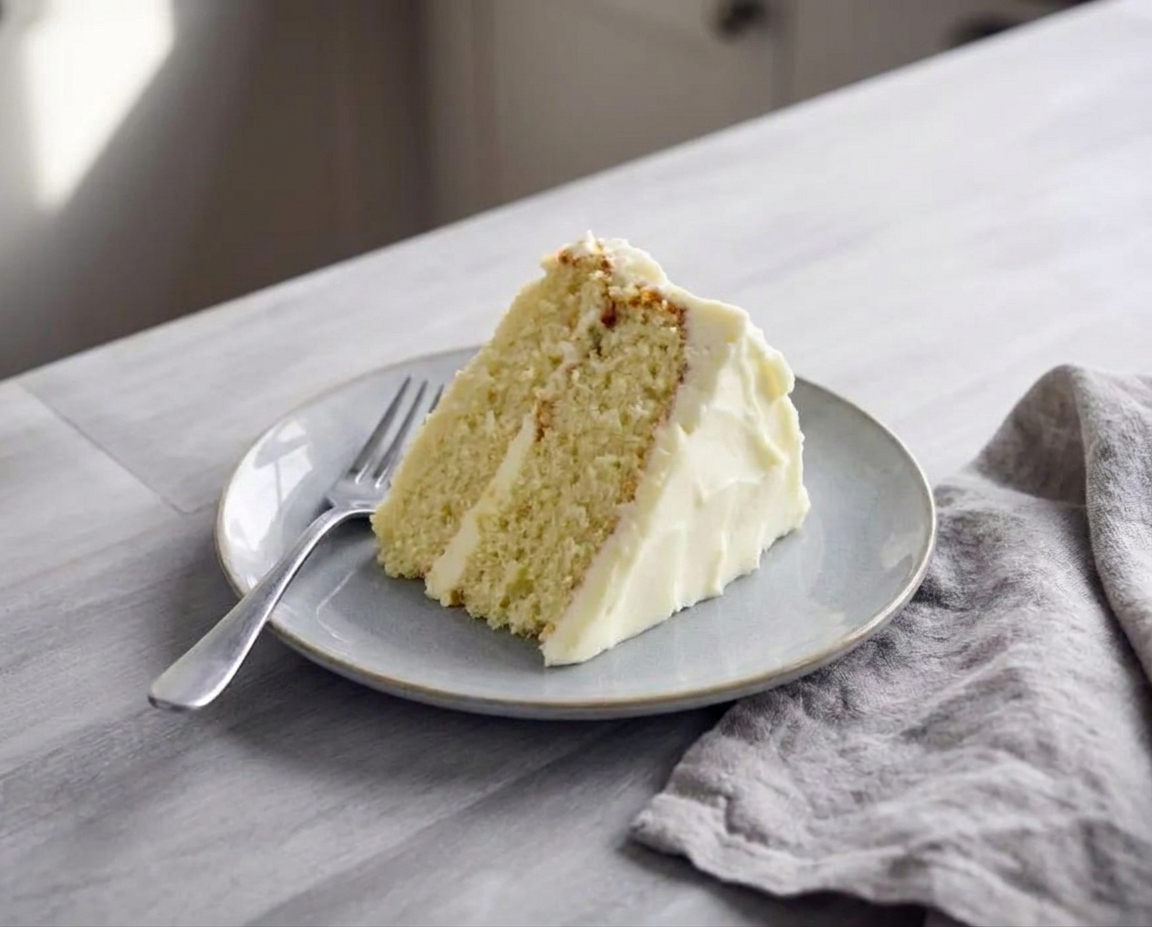

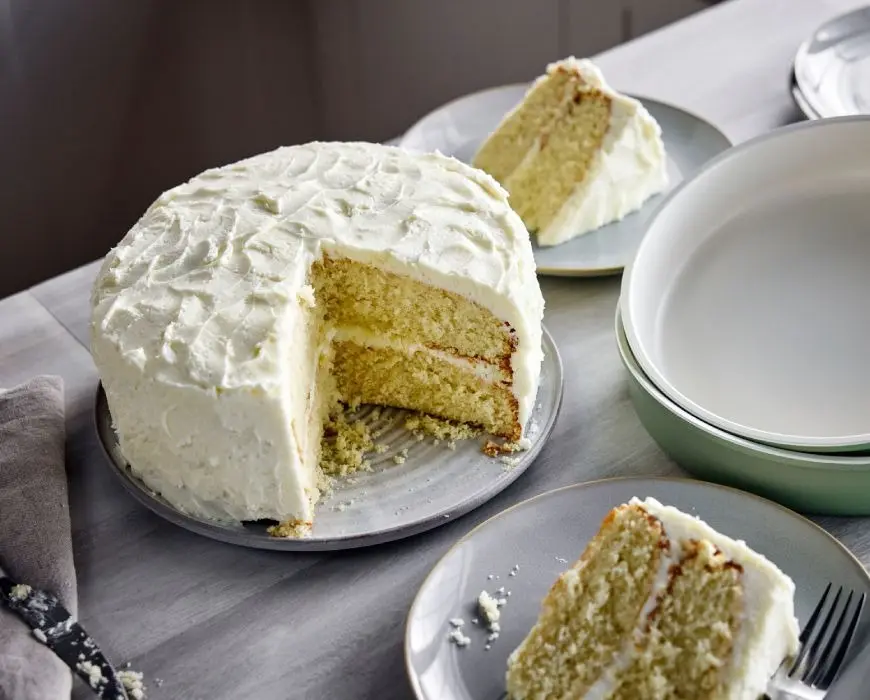
When you want that bakery-style, impossibly smooth buttercream that glides onto cakes and holds a perfect swirl on cupcakes, the secret is not a fancy ingredient. It is the method. With the right butter temperature, a smart mixing order, and one tiny (optional but powerful) step, you can make buttercream that feels plush, looks polished, and tastes balanced instead of sugary, like buttery vanilla with a clean finish.
This is my go-to smooth buttercream for birthdays, school bake sales, and those weeknights when you just need a little joy on a plate. If you have ever ended up with grainy frosting, air bubbles, or a bowl of buttercream that suddenly looks broken, you are in very good company. I will walk you through it like I am standing right next to you at the mixer.
What bakery-style means
In most American bakeries, “buttercream” usually means a variation of American buttercream that is whipped long enough to become light and smooth, then finished so it spreads like satin and pipes cleanly. Compared to a basic powdered sugar and butter frosting, bakery-style buttercream is:
- Smoother: less gritty, fewer bubbles, more of that creamy mouthfeel.
- Less aggressively sweet: balanced with salt and a touch of dairy.
- More stable for piping: stiff enough to hold shape, soft enough to look plush.
- Cleaner-looking: easier to smooth on cakes and better for sharp edges.

Ingredients you need
You can make gorgeous buttercream with supermarket basics. Here is what I recommend and why.
- Unsalted butter: buttery flavor and full control of salt. Use butter that is softened but still cool to the touch.
- Powdered sugar: also called confectioners’ sugar or icing sugar. Sift if yours is clumpy.
- Fine salt: non-negotiable for bakery-level flavor. It makes the sweetness taste intentional.
- Vanilla extract: classic. Use a good one if you can. Clear vanilla keeps the frosting whiter, if that matters for your design.
- Heavy cream or whole milk: for silky texture and spreadability.
- Optional: meringue powder: adds structure and stability for piping. Some decorators also find it can help the frosting crust or set slightly faster once piped.
About the butter: If your butter is too cold, it will not cream smoothly and you will fight little lumps. If it is too warm, your buttercream can look greasy and slump off the spatula. I aim for butter that leaves a slight indent when you press it, but does not look shiny or melty. (In many kitchens, that is roughly 65°F to 68°F. Depending on your room temperature, butter may need 30 to 90 minutes to soften.)
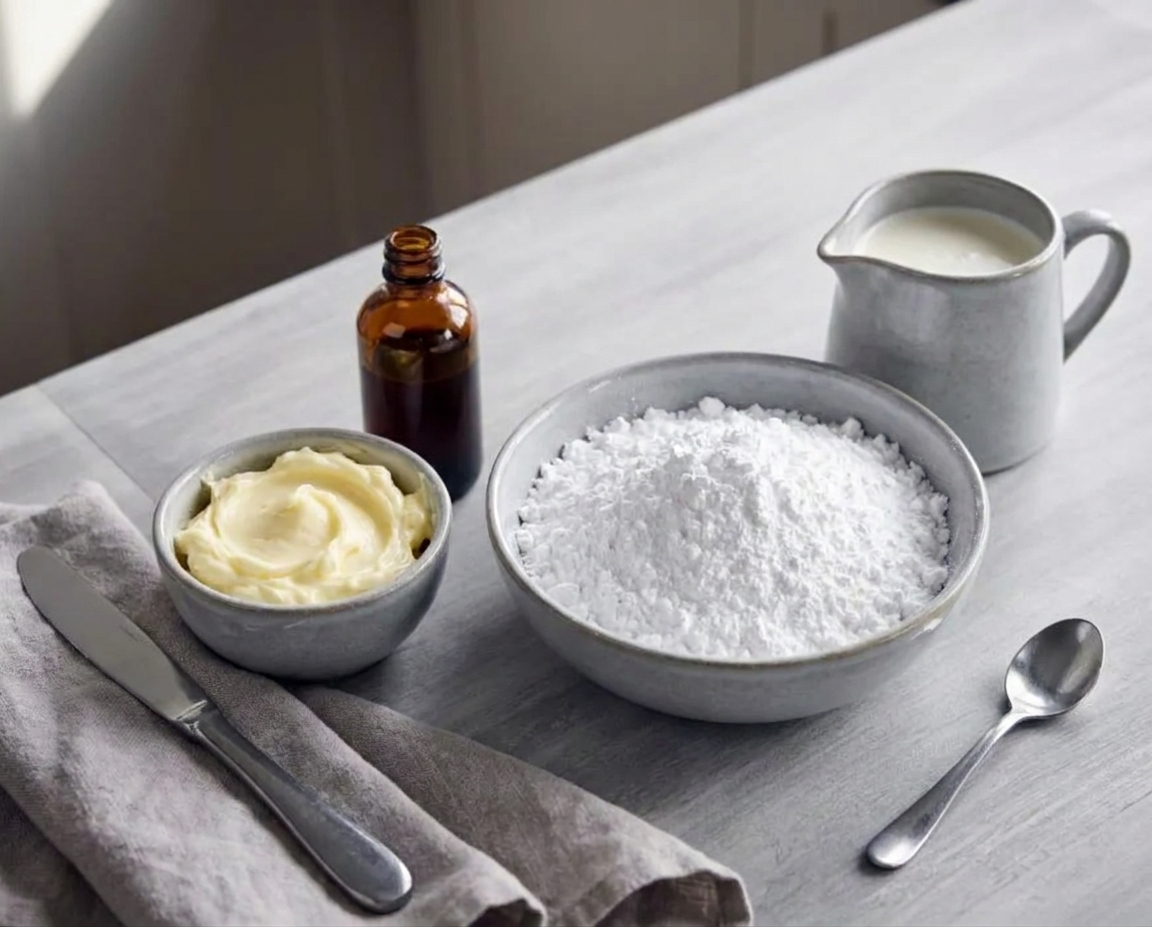
Bakery-Style Smooth Buttercream Recipe
This makes about 850 to 950 g of buttercream, depending on how much cream you add and how long you whip it. That is typically enough for about 12 to 18 cupcakes (depending on swirl size) or one 8-inch two-layer cake with a thin layer of filling and a smooth outer coat. For thicker filling layers, heavy borders, or a taller cake, plan on 1.5 batches.
Ingredients
- 1 cup (226 g) unsalted butter, softened (cool room temperature)
- 4 cups (480 g) powdered sugar, sifted if clumpy
- 2 to 4 tablespoons (30 to 60 ml, about 30 to 60 g) heavy cream or whole milk
- 2 teaspoons vanilla extract
- 1/4 teaspoon fine salt (plus more to taste)
- 1 tablespoon meringue powder (optional, for stability and smoother piping)
Instructions
- Cream the butter: In a stand mixer with the paddle attachment (or a large bowl with a hand mixer), beat the butter on medium speed for 3 to 5 minutes until very pale and fluffy. Scrape the bowl halfway through.
- Add powdered sugar gradually: Reduce speed to low. Add the powdered sugar in 3 to 4 additions, mixing until each addition is mostly incorporated. This keeps the frosting from turning into a sugar cloud and helps it blend smoother.
- Finish with flavor and dairy: Add vanilla, salt, and meringue powder (if using). With the mixer on low, drizzle in 2 tablespoons cream. Mix until combined.
- Whip for lightness, then smooth it: Increase to medium speed and beat for 2 minutes to build a fluffy structure. Scrape the bowl well, then switch to low speed for 2 to 3 minutes to knock out air bubbles and get that bakery-smooth finish.
- Adjust consistency: Add more cream a teaspoon at a time for a softer frosting. Add more powdered sugar a few tablespoons at a time for a firmer frosting. Taste and add a tiny pinch more salt if it tastes overly sweet.
My #1 smoothing trick: That final low-speed mix is what most people skip. It makes a surprisingly big difference in how your buttercream spreads and how clean your piped edges look.
How to make it smooth
Sift only if you need to
If your powdered sugar is fresh and not clumpy, you can often skip sifting. If it is lumpy, sift it. Those little lumps will not beat out easily and can drag through your cake finish.
Use the paddle
The whisk adds more air, which can make buttercream look bubbly and pockmarked once you start smoothing. The paddle attachment gives a denser, silkier buttercream that still pipes beautifully.
Mix on low at the end
After whipping, mixing on low reduces air pockets. If you are aiming for crisp edges on a cake, this step is your best friend.
Hand-smooth finish
If your buttercream looks a little rough, stir it by hand for 30 to 60 seconds with a flexible spatula, pressing it gently against the bowl to pop bubbles and smooth any last bits. If your kitchen is cool and the frosting feels tight, wrap the outside of the bowl only with a warm towel for 15 to 30 seconds, then mix again on low just until the frosting relaxes. Stop before it turns shiny or loose.
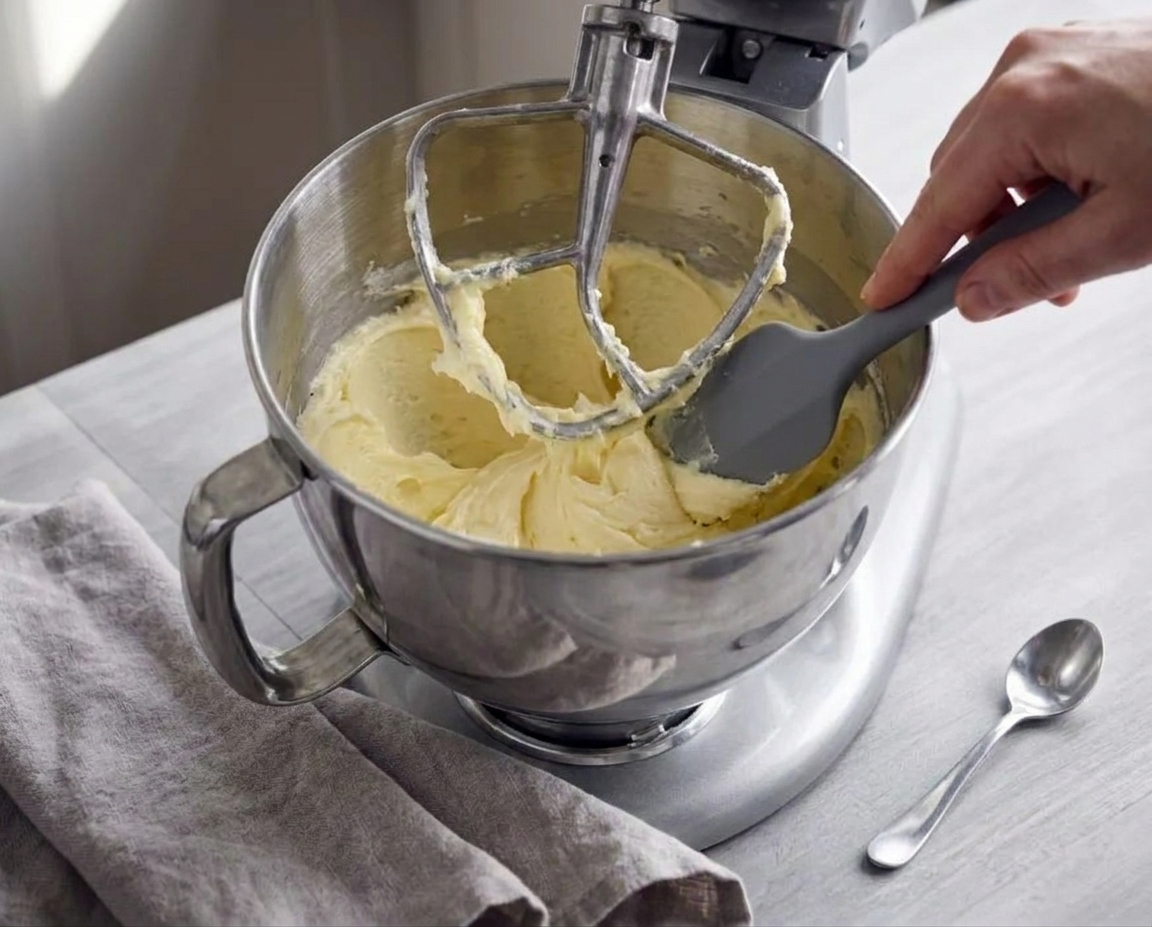
Consistency guide
Buttercream is forgiving, but the right texture depends on what you are doing.
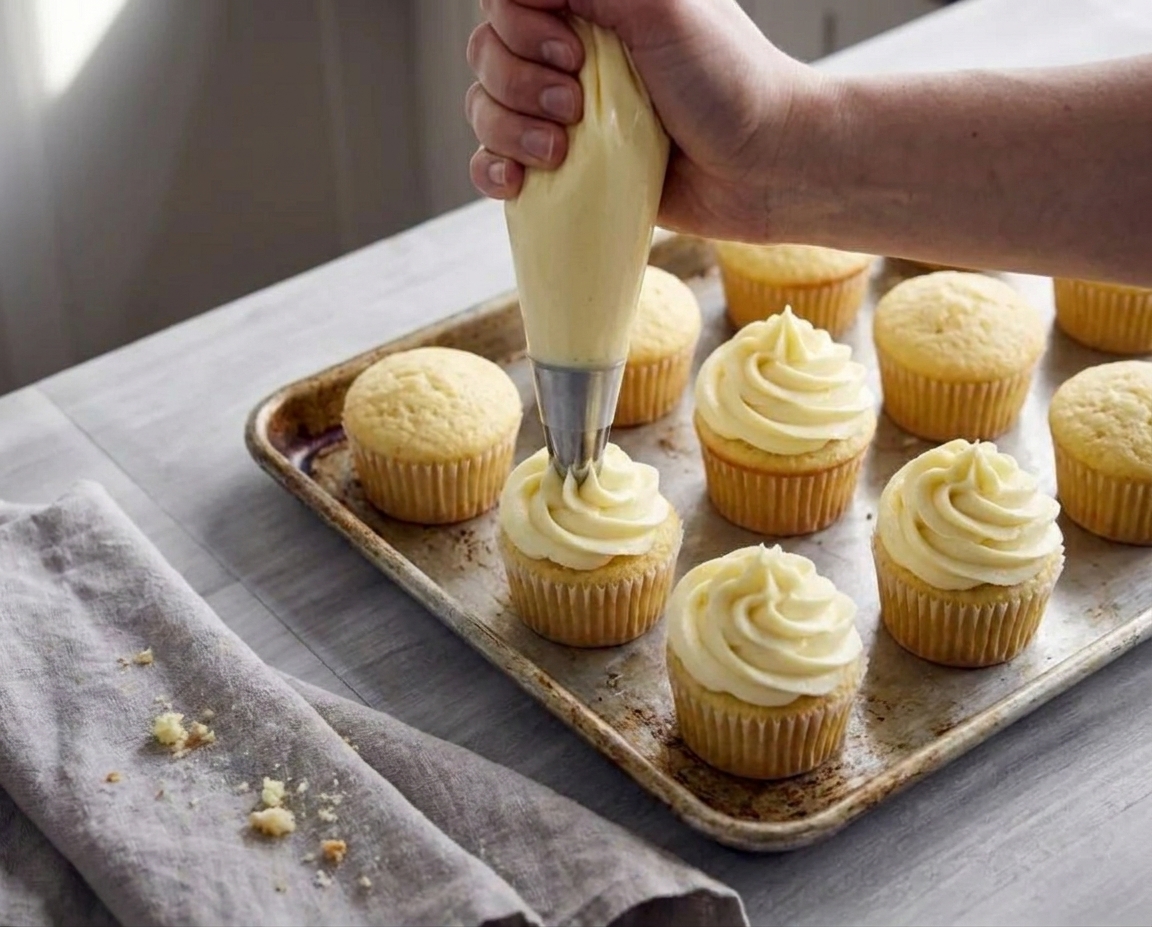
- For cupcake swirls: Soft and fluffy. It should hold a peak, but the peak tip should gently bend.
- For smooth cake coating: Medium-soft. It should spread easily without tearing cake crumbs.
- For borders and flowers: Medium-firm. You want definition and clean ridges.
One crumb-saving note: If you want the cleanest finish, do a thin crumb coat first, chill the cake for 15 to 30 minutes, then apply your final coat. Even perfect buttercream cannot fully hide a warm, extra-tender cake shedding crumbs.
Quick rule: To firm up, add powdered sugar in small increments. To loosen, add cream in very small splashes. A tablespoon too much cream can turn buttercream soupy fast.
Flavor variations
Once your base is silky, you can take it in a lot of directions without breaking the texture.
Chocolate
- Replace 1/2 cup of powdered sugar with 1/2 cup unsweetened cocoa powder (sift the cocoa).
- Add an extra 1 to 2 tablespoons cream as needed.
- Optional: a pinch of espresso powder to deepen the chocolate flavor.
Cream cheese swirl
- Beat in 4 oz (113 g) full-fat cream cheese, softened but cool.
- Reduce cream slightly at first and adjust later.
Lemon or orange
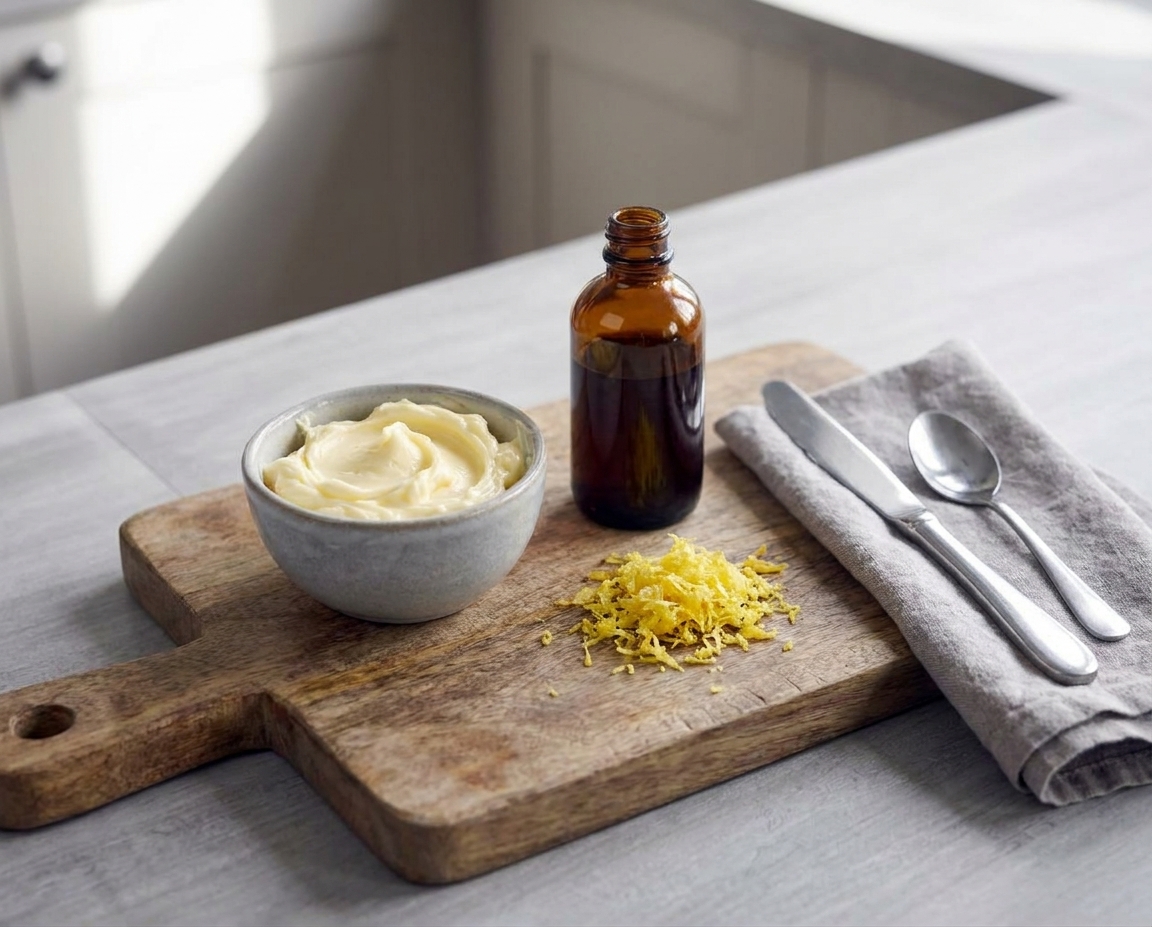
- Add 1 tablespoon finely grated zest.
- Swap 1 tablespoon cream for 1 tablespoon fresh juice (more than that can thin it too much).
Almond vanilla
- Use 1 teaspoon vanilla plus 1/2 teaspoon almond extract. Almond is potent, so go slow.
Troubleshooting
My buttercream is grainy
- Most common cause: powdered sugar lumps. Sift next time, or push the frosting against the side of the bowl with a spatula to break them up.
- Another cause: butter too cool. Let the bowl sit at room temperature for 10 to 15 minutes, then mix on low for 30 to 60 seconds.
It is full of air bubbles
- Mix on low for 2 to 3 minutes to smooth it out.
- Switch to a paddle if you used a whisk.
- Press and fold with a spatula for 30 seconds to pop stubborn bubbles.
It looks lumpy or broken
- Usually a temperature issue. If the butter was too cool, the frosting can look uneven or broken-looking. Warm the bowl slightly (warm towel around the outside of the bowl for 15 to 30 seconds), then mix on low until it comes back together.
- If it is too warm and looks greasy, chill the bowl for 10 minutes, then mix again on low for 30 to 60 seconds.
It is too sweet
- Add a tiny pinch of salt, taste, repeat if needed.
- Add 1 to 2 tablespoons cream and a little more vanilla to round it out.
- Chocolate, espresso powder, or citrus zest can also balance sweetness.
It is too runny
- Chill for 10 to 15 minutes, then mix on low for 30 to 60 seconds.
- Add powdered sugar in small amounts if chilling alone does not fix it.
It is too stiff
- Add cream 1 teaspoon at a time.
- Let it sit at room temperature for a few minutes if your kitchen is cool.
Storage and make-ahead
How long it keeps
- Room temperature: 1 to 2 days in a cool kitchen (about 70°F or below), tightly covered. If your kitchen is warm, it is safer to refrigerate.
- Refrigerator: up to 1 week in an airtight container.
- Freezer: up to 2 months. Thaw overnight in the fridge.
One important exception: If your cake or cupcakes have perishable fillings or toppings (like fresh fruit, pastry cream, or whipped cream), follow storage guidance for those ingredients and refrigerate as needed.
How to use it after chilling
Cold buttercream is stiff. Bring it to room temperature until it is spreadable, then re-whip briefly. I like to mix on low for 1 to 2 minutes at the end again to keep it smooth.
Can you color it?
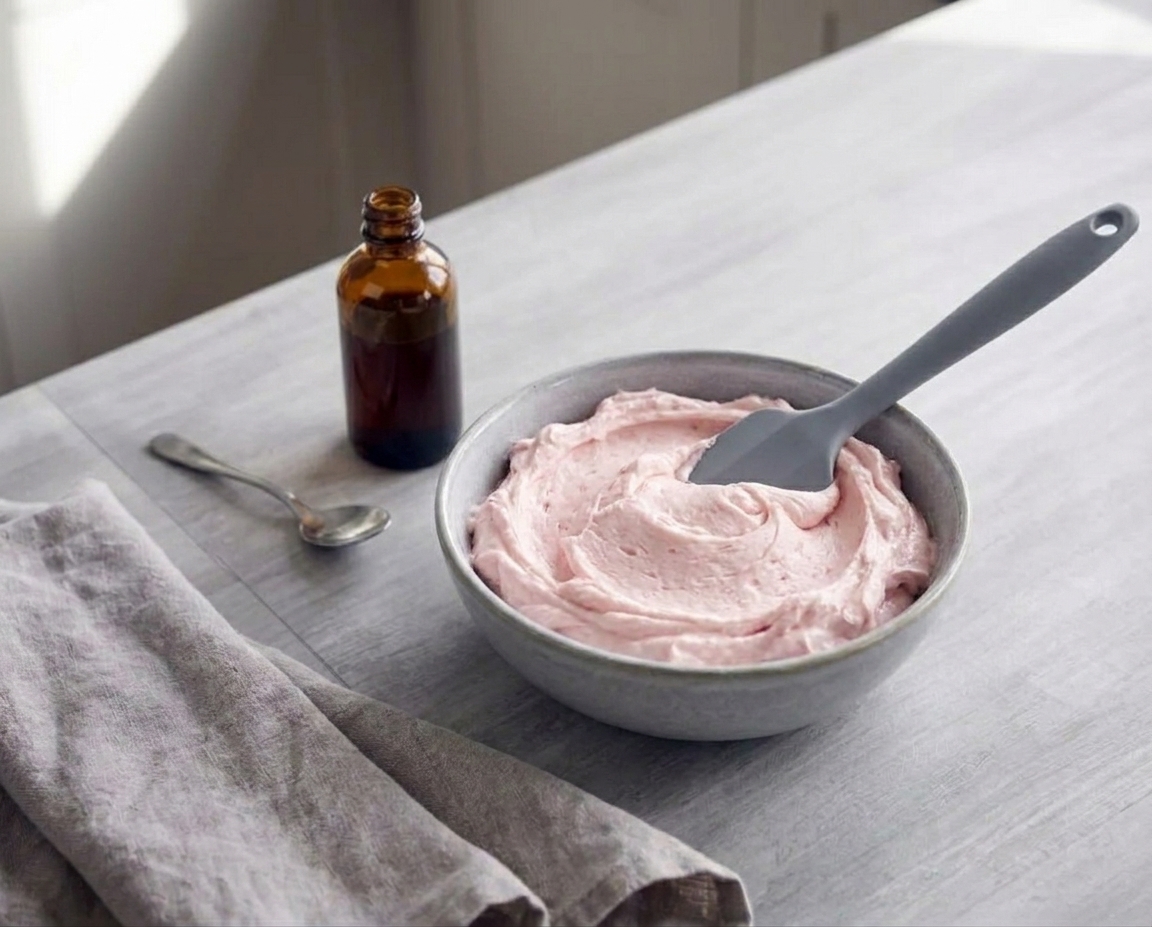
Yes. Gel food coloring is easiest because it does not thin the frosting. Add a little at a time and let it mix fully before adding more. Buttercream is naturally a little ivory, so colors can skew warm. If you want a brighter white base, use clear vanilla and a tiny dot of violet gel coloring to cancel the yellow tone.
FAQ
Is this Swiss meringue buttercream?
No. Swiss meringue buttercream starts with warmed egg whites and sugar, then butter is added. It is less sweet and very silky, but it is more technical. This bakery-style version is an American buttercream method that aims for a similar smooth finish using a simpler approach.
Do I have to use heavy cream?
Heavy cream gives the plushest texture, but whole milk works well. Use whatever you have, then adjust a little at a time so you do not accidentally over-thin the frosting.
Why does my buttercream crust?
American-style buttercream can crust because of the powdered sugar. Humidity can slow crusting, and extra cream can soften it. If you like a bit of crust for decorating, keep the cream on the lower end. If you prefer less crusting, use a touch more cream and keep the frosting covered when not in use.
How much frosting do I need for a cake?
Coverage varies a lot based on how thick you frost and how much piping you add. As a rough guide, one batch is usually enough for an 8-inch two-layer cake with a thin filling and a smooth outer coat. For a three-layer cake, thicker filling, sharp edges with generous height, or heavier piping, plan on 1.5 to 2 batches. This recipe yields about 850 to 950 g total, depending on how much cream you add and how much air you whip in.
What is the best attachment for smooth frosting?
A paddle attachment is ideal for smooth, less bubbly buttercream. If you only have a whisk, you can still get a great result, but do not skip the final low-speed mix to knock out air.
A little pep talk
Buttercream is one of those things that looks intimidating because it is the finishing touch, and finishing touches feel high-stakes. They are not. If the texture is off, you can almost always fix it with time, temperature, and a tiny adjustment in cream or sugar.
And if you take nothing else from this page, take this: beat it fluffy, then mix it smooth. That is the bakery trick that turns homemade frosting into the kind of buttercream you want to swipe straight off the spatula.