

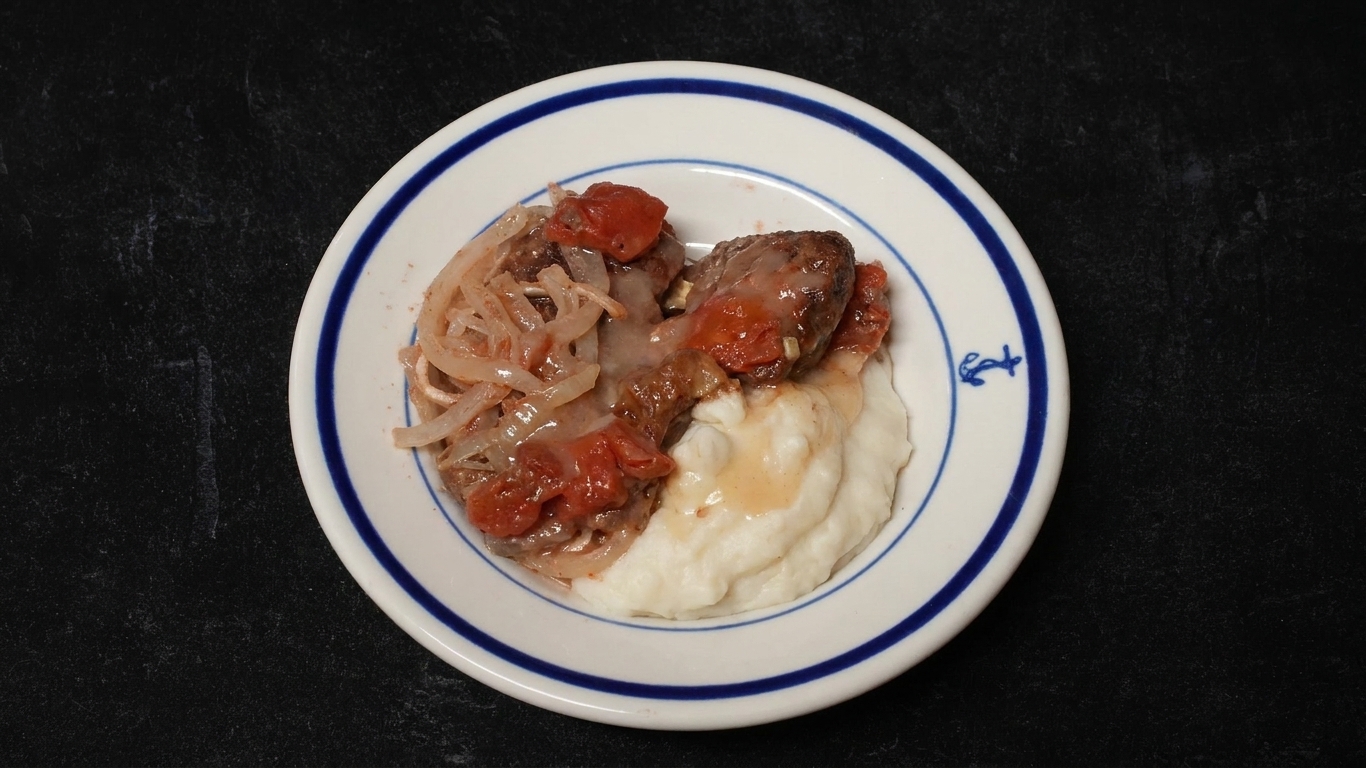
Swiss steak will always have a spot in my weeknight comfort-food hall of fame. It is not a broiled steak, and it is not beef stew. It is something cozier and, honestly, a little more forgiving: a tenderized steak (cube steak is the common grocery-store shortcut, but swissed round steak works too) lightly dredged in flour, browned for flavor, then gently braised in a tomato-onion gravy until it turns spoon-tender.
I grew up in a loud, hungry Pacific Northwest family where “gravy” was basically a love language, and this is the kind of dinner that makes everyone wander back into the kitchen to sneak a taste. The best part is that you can braise Swiss steak either on the stovetop or in the oven, whichever fits your evening. I will walk you through both paths, how to tell it is safely cooked (and why tenderness comes from time in the braise, not just temperature), and exactly what to do if your gravy ends up thinner than you wanted.

The idea
Why This Recipe Works
- Cube steak is built for braising. It is mechanically tenderized, then the slow simmer finishes the job, turning it fork-tender without needing a fancy cut.
- Flour does double duty. A light dredge helps the steaks brown beautifully and also gives the gravy body as it braises.
- Tomato plus onions equals deep flavor. The tomatoes bring acidity and sweetness, while the onions melt into the sauce for that classic Swiss steak “gravy” vibe.
- Two reliable cooking paths. Stovetop simmering works great, and an oven braise gives steady, even heat with less babysitting.
- Easy to fix at the end. If the gravy is thin, you can reduce it or thicken it with a simple slurry without compromising the meat.
Shopping
Ingredient Notes
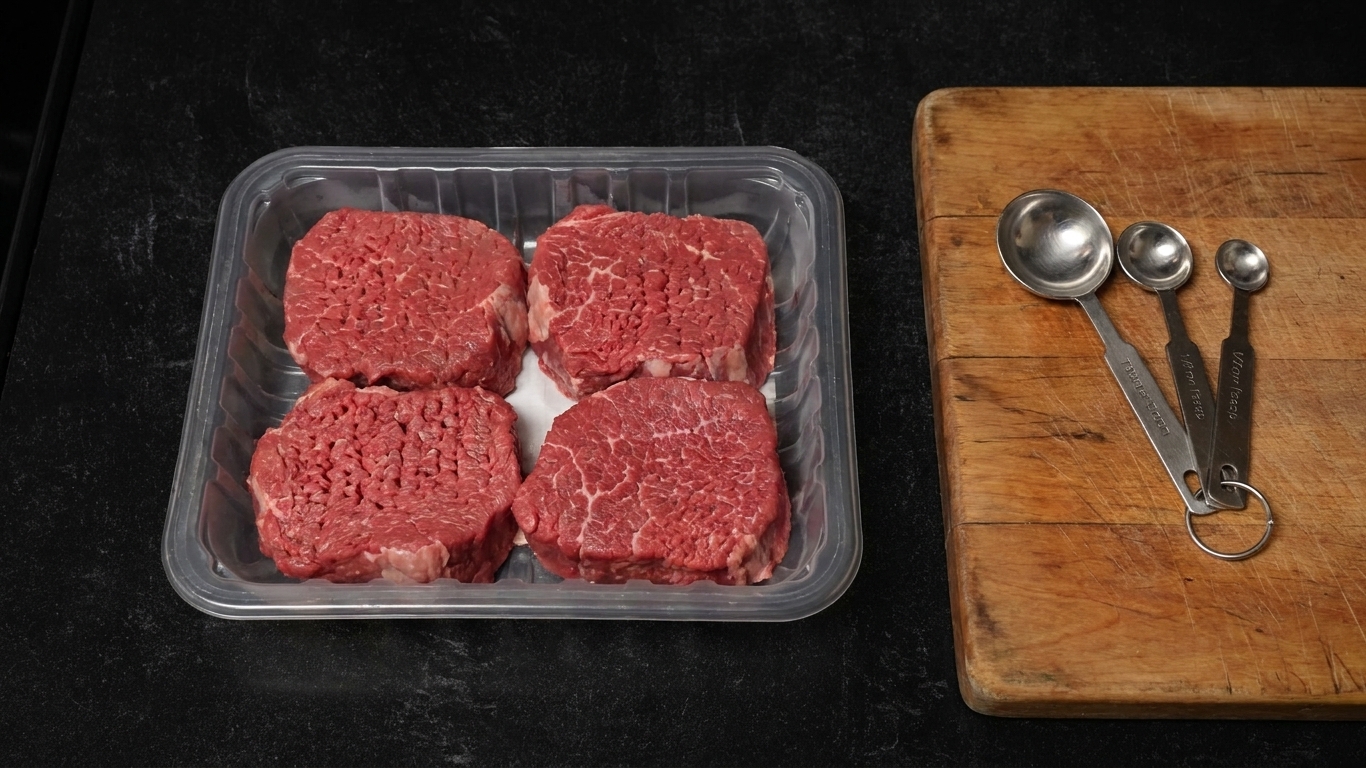
Cube steak
Look for cube steak (often top round or sirloin) that has visible tenderizing marks. It cooks quickly when pan-seared, but for Swiss steak we want a longer, gentle braise to make it truly tender.
Flour
All-purpose flour is perfect. Season it well so the crust tastes like something, not just “flour.”
Tomatoes
This recipe uses canned diced tomatoes and tomato sauce for a gravy that is both chunky and smooth. If you only have crushed tomatoes, you can use them and skip the diced.
Onion and garlic
Onion is non-negotiable for that classic flavor. And yes, I am going to say it: there is no such thing as too much garlic. If you love it, add an extra clove.
Beef broth
Broth keeps the braise savory and prevents the tomato from tasting flat. Low-sodium broth gives you better control over salt.
Get set up
Equipment You Will Need
- Large, heavy skillet or Dutch oven with a lid (12-inch skillet works well)
- Tongs
- Shallow bowl or plate for dredging
- Wooden spoon
- Meat thermometer (for the safest finish)
Technique
Tips for Getting It Right
Brown in batches and do not rush it
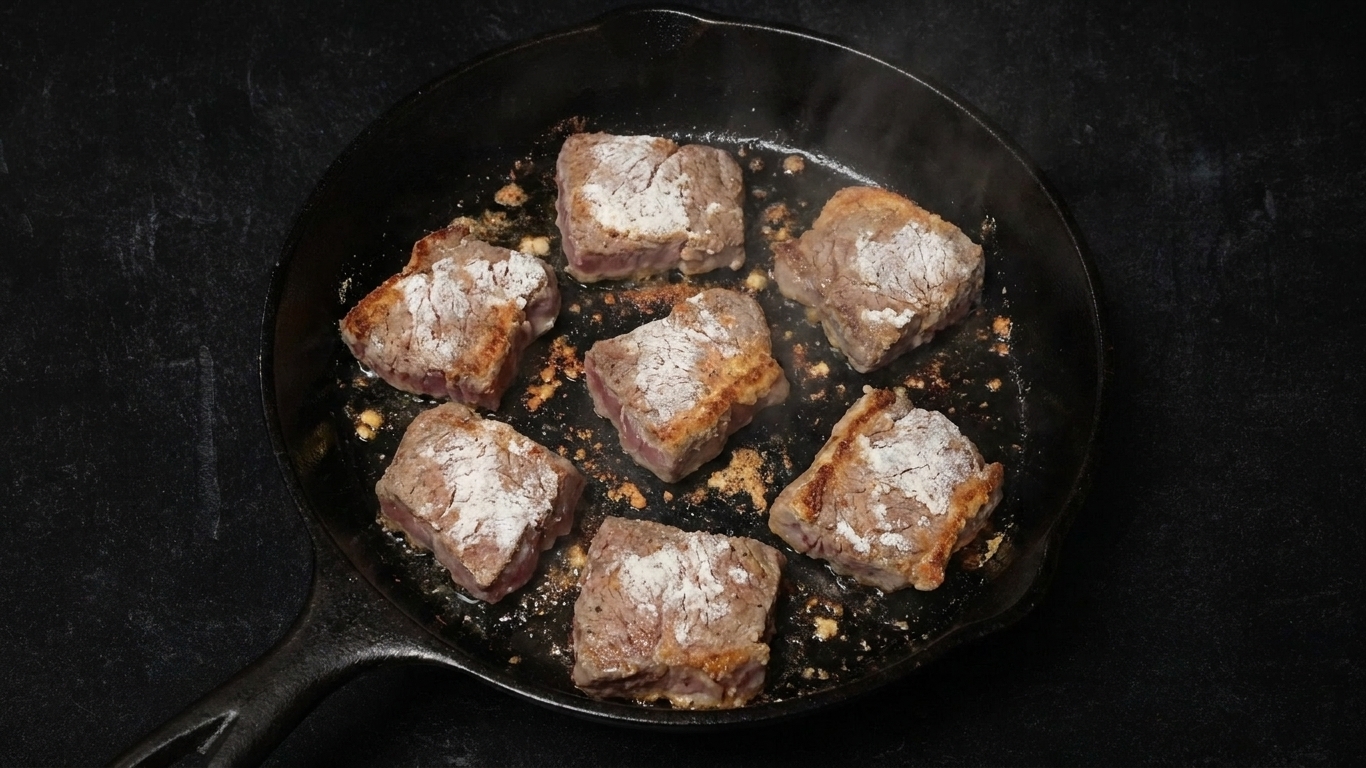
That golden crust is where a lot of the “why does this taste like my grandma made it” flavor comes from. If the pan is crowded, the steaks steam instead of brown.
Keep the braise gentle
You want a low simmer, not a rolling boil. Boiling can tighten the meat and can also break your sauce.
Oven path is hands-off and steady
If you hate hovering over the stove, use the oven method. The heat is even, and the sauce reduces more gradually.
Safe finish, the practical way
Swiss steak is best when it is tender, not when it hits a specific “steak” doneness. That said, for safety, use a thermometer and make sure the thickest part of the meat reaches at least 145 F, then let it rest a few minutes in the hot gravy.
If the gravy is thin
- Reduce: Remove the steaks to a plate, then simmer the sauce uncovered for 5 to 10 minutes until thickened.
- Slurry: Mix 1 tablespoon cornstarch with 1 tablespoon cold water. Stir into simmering gravy and cook 1 to 2 minutes, repeating as needed.
- Flour paste option: Mash 1 tablespoon softened butter with 1 tablespoon flour into a paste, whisk into simmering gravy, and cook 2 to 3 minutes.
Flexibility
Substitutes That Work
- No cube steak: Use thin-cut bottom round steaks, top round steaks, or even chuck steaks. You may need a slightly longer braise for thicker pieces.
- No tomato sauce: Use crushed tomatoes, or blend diced tomatoes briefly for a smoother gravy.
- No beef broth: Chicken broth works in a pinch. Add an extra pinch of salt and a splash of Worcestershire to keep the flavor beefy.
- Gluten-free: Dredge with a gluten-free all-purpose flour blend. For thickening, use cornstarch slurry at the end instead of relying on flour.
Make it yours
Variations to Try
Mushroom Swiss steak
Sauté 8 ounces sliced mushrooms after the onions soften, then continue with the tomatoes and braise.
Bell pepper and onion
Add 1 sliced bell pepper with the onions for a sweeter, more colorful gravy.
A little heat
Add a pinch of red pepper flakes or a few dashes of hot sauce to the tomato gravy.
Extra savory
Stir 1 to 2 teaspoons Worcestershire sauce into the braising liquid for a deeper, roastier vibe.
On the table
What to Serve It With
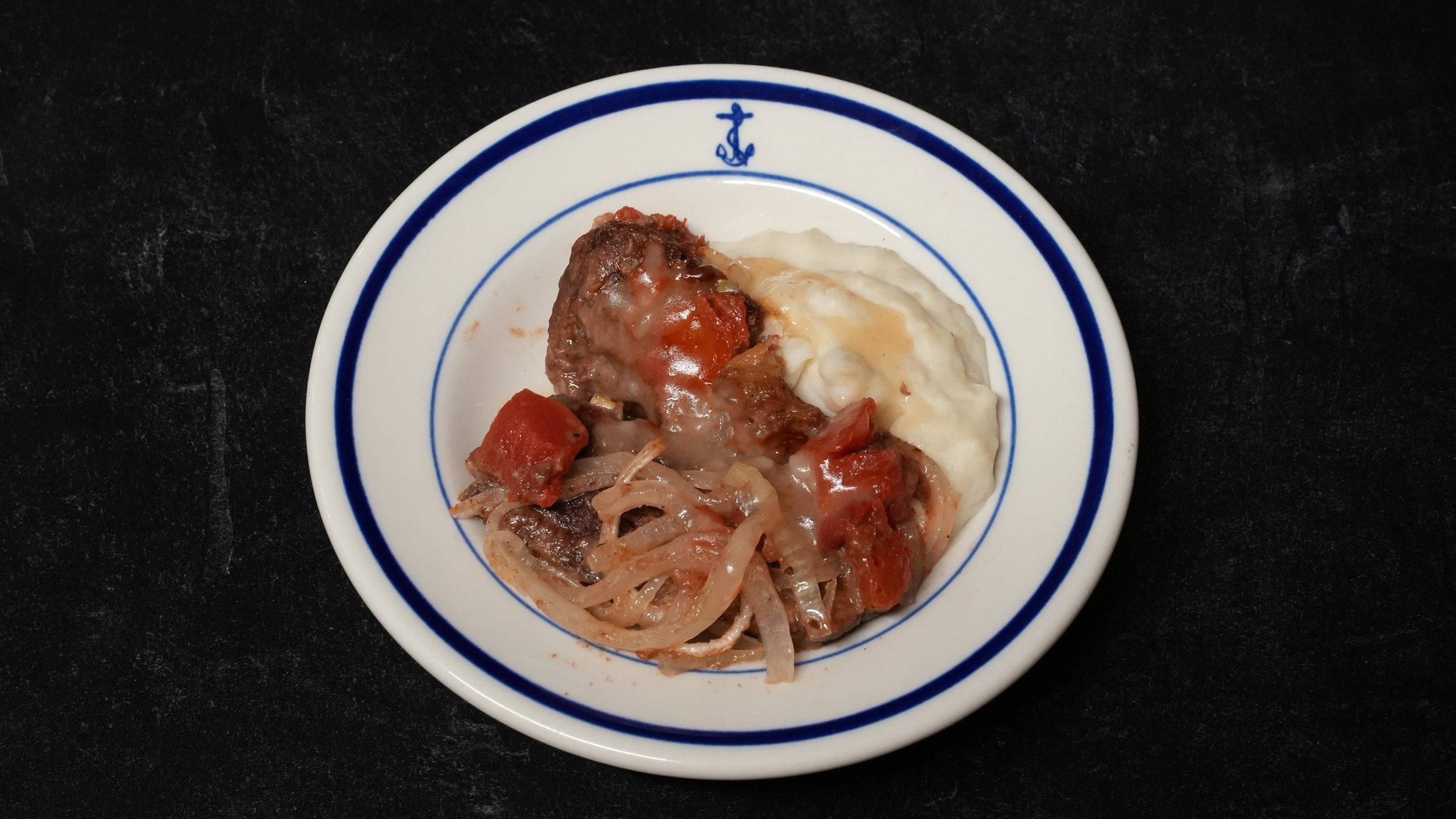
- Mashed potatoes are the classic. That gravy was made for them.
- Egg noodles for a cozy, pantry-friendly option.
- Rice, especially if you like to soak up every last bit of sauce.
- Buttered green beans or a simple salad to balance the richness.
- Crusty bread if you are in a dipping mood.
Later
Storage, Freezing and Reheating
- Refrigerate: Store cooled Swiss steak with gravy in an airtight container for up to 4 days.
- Freeze: Freeze in a freezer-safe container for up to 3 months. Thaw overnight in the fridge.
- Reheat: Warm gently on the stovetop over low heat, adding a splash of broth or water if the gravy has thickened too much. You can also microwave in short bursts, stirring the gravy between rounds.
Watch out
Common Mistakes to Avoid
- Skipping the browning step: You can braise without browning, but the flavor will be flatter. Take the extra 8 minutes. It is worth it.
- Overcrowding the pan: Brown in batches so you get color, not steam.
- Boiling the gravy hard: Keep it at a gentle simmer to protect texture and keep the meat tender.
- Not giving it enough time: Swiss steak is done when it is tender. If it is still chewy, keep braising and check every 10 to 15 minutes.
- Trying to make it “steak night”: This is a braise. Lean into the gravy, the tenderness, and the comfort-food energy.
Questions
Frequently Asked Questions
Why is it called Swiss steak?
It is not Swiss and there is no cheese involved. The name is generally linked to “swissing,” a method of tenderizing meat by pounding or rolling. Cube steak is already tenderized, which makes it perfect here.
Is Swiss steak the same as Salisbury steak?
No. Salisbury steak is usually ground beef patties in brown gravy. Swiss steak uses whole pieces of (tenderized) steak braised in a tomato-based gravy.
Can I make Swiss steak in the oven instead of on the stove?
Yes, and it is one of my favorite ways. After you build the gravy in an oven-safe pot, cover and braise at 325 F until tender.
How do I know when it is done?
You are looking for fork-tender texture. For safety, check that the thickest part reaches at least 145 F, then continue braising if it still is not tender.
My gravy is thin. Did I mess it up?
Not at all. Thin gravy is common depending on pan size and simmer strength. Reduce it uncovered, or use a cornstarch slurry for a quick, reliable fix.
The recipe
Swiss Steak
Flour-dredged cube steaks browned, then braised low and slow in a savory tomato-onion gravy until tender. Includes both stovetop and oven options and simple ways to thicken the gravy if needed.
Ingredients
- 4 cube steaks (about 1 1/2 pounds total)
- 1 teaspoon kosher salt, plus more to taste
- 1/2 teaspoon black pepper
- 1/2 teaspoon paprika
- 1/2 cup all-purpose flour
- 2 tablespoons neutral oil (like avocado or canola)
- 1 large yellow onion, thinly sliced
- 3 cloves garlic, minced
- 1 (14.5-ounce) can diced tomatoes (with juices)
- 1 (8-ounce) can tomato sauce
- 1 cup low-sodium beef broth
- 1 tablespoon Worcestershire sauce (optional but recommended)
- 1 teaspoon dried thyme (or 1 tablespoon chopped fresh thyme)
- 1 bay leaf
- 1 tablespoon cornstarch + 1 tablespoon cold water (optional, for thickening if needed)
Instructions
- Prep and season. Pat the cube steaks dry with paper towels. In a shallow dish, combine the salt, pepper, paprika, and flour. Dredge each steak in the seasoned flour, shaking off the excess.
- Brown the steaks. Heat the oil in a large, heavy skillet or Dutch oven over medium-high heat. Add the steaks in a single layer (work in batches if needed) and brown 2 to 3 minutes per side, until nicely golden. Transfer browned steaks to a plate.
- Sauté the onions. Reduce heat to medium. Add the sliced onion to the same pan and cook 5 to 7 minutes, stirring and scraping up browned bits, until softened. Add the garlic and cook 30 seconds, just until fragrant.
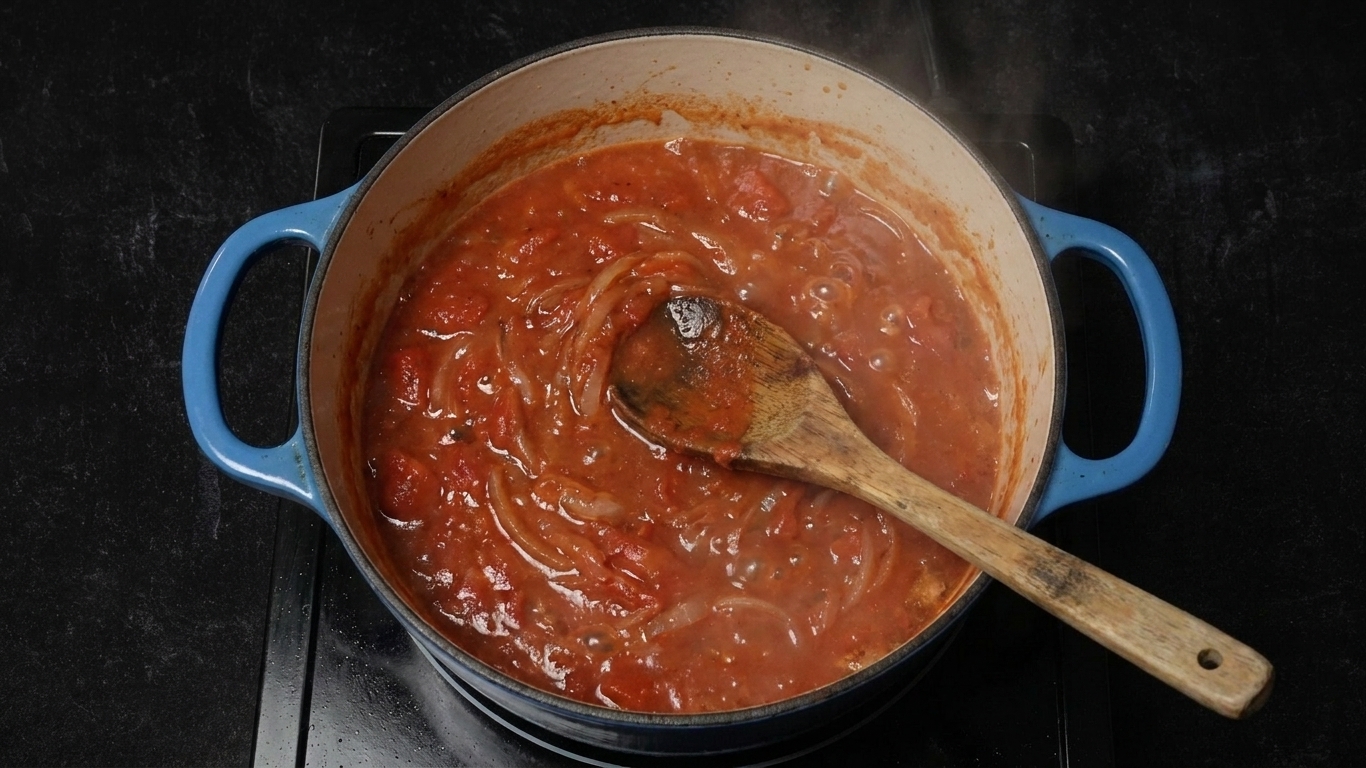
- Build the tomato-onion gravy. Stir in the diced tomatoes, tomato sauce, beef broth, Worcestershire sauce (if using), thyme, and bay leaf. Bring to a gentle simmer, scraping the bottom of the pan to fully release any browned bits.
- Add the steaks back in. Nestle the browned steaks (and any juices on the plate) into the gravy. The liquid should come about halfway up the steaks. If your pan is wide and the sauce looks low, add a splash more broth.
- Choose your braise path.
- Stovetop: Cover and maintain a very gentle simmer over low heat for 60 to 75 minutes, flipping the steaks halfway through, until fork-tender.
- Oven: Heat oven to 325 F. Cover the oven-safe pot and braise for 75 to 90 minutes, flipping the steaks halfway through, until fork-tender.
- Safe finish check. Check the thickest part of a steak with a thermometer. It should reach at least 145 F. If it is safe but not tender yet, keep braising and check every 10 to 15 minutes.
- Fix thin gravy if needed. If the gravy is thinner than you like, transfer steaks to a plate and tent with foil. Simmer the gravy uncovered 5 to 10 minutes to reduce. For faster thickening, whisk together cornstarch and cold water, stir into simmering gravy, and cook 1 to 2 minutes until thickened. Return steaks to the pan to warm through.
- Serve. Discard the bay leaf. Taste the gravy and season with salt and pepper as needed. Serve the steaks with plenty of tomato-onion gravy spooned over the top.
Recipe notes
Make-ahead friendly: Swiss steak often tastes even better the next day. Reheat gently so the gravy stays smooth and the meat stays tender.
Pan size matters: A wider pan reduces sauce faster, which is great if you like thicker gravy. A smaller Dutch oven keeps more liquid, so you may want to reduce at the end.
Do not skip the scraping: Those browned bits on the bottom of the pan dissolve into the gravy and make everything taste richer.
Nutrition (per serving, approximate)
- Calories: 430
- Protein: 39 g
- Carbohydrates: 19 g
- Fat: 22 g
- Saturated Fat: 5 g
- Fiber: 3 g
- Sodium: 780 mg