
A practical, baker-friendly comparison of almond flour and coconut flour, including measuring tips, cautious conversion ranges, moisture guidance, and the be...
Recipeva
Stevia vs Monk Fruit vs Erythritol
A cook-friendly guide to stevia, monk fruit, and erythritol for keto baking and everyday sweetening, including taste notes, baking behavior, label tips, and easy conversions.

Maya Reynolds
Maya Reynolds is a passionate home cook, recipe developer, and the creative voice behind Recipeva. With over a decade of experience translating complex culinary techniques into approachable weeknight meals, she focuses on creating dishes that bring joy to the dinner table without the stress.
Created September 21, 2026
Updated September 21, 2026
If you have ever stood in the baking aisle holding two bags of “keto sweetener” and wondered why none of them seem to act like sugar, come on in. We are going to make sense of the three big names you will see over and over: stevia, monk fruit, and erythritol. I will walk you through how they taste, what they do in baking, and how to swap them into recipes without ending up with gritty cookies or a cheesecake that never quite sets.
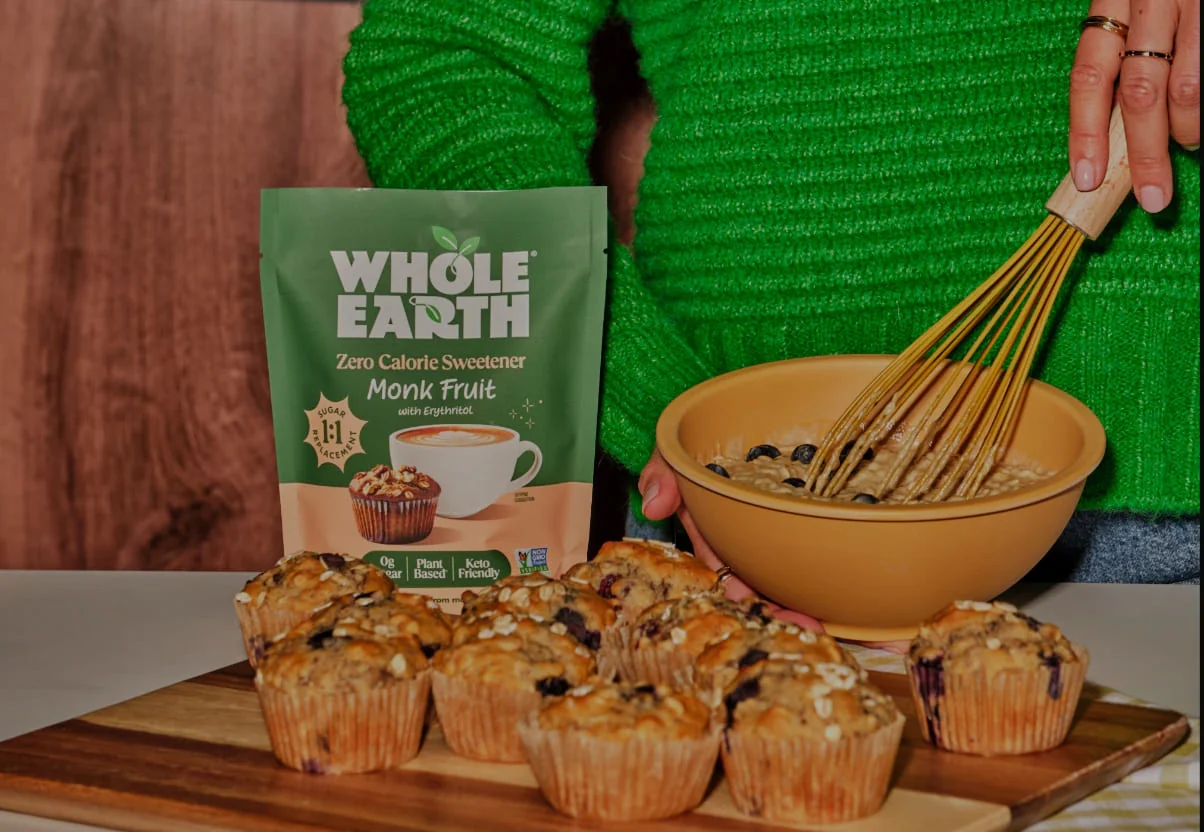
Quick note before we dive in: many products are blends (monk fruit + erythritol, stevia + erythritol, etc.). The blend matters as much as the name on the front, especially for baking.
Also check the ingredient list: some “stevia” and “monk fruit” sweeteners use carriers like dextrose or maltodextrin, especially in packets and some 1:1 blends. They can add carbs and sometimes a little blood sugar drama. If you are strict keto, read labels like it is your job.
At a glance
- Stevia: Ultra-sweet, used in tiny amounts. Great for drinks and no-bake treats. Can have a bitter or licorice edge if you use too much.
- Monk fruit: Clean sweetness when blended well. Pure monk fruit is very potent, but most pantry products are monk fruit + erythritol for 1:1 swapping.
- Erythritol: Sugar-like bulk and structure with a cooling sensation. Excellent for crispness and volume, but it recrystallizes easily (hello, grit) and can be drying in cakes.
Sweetness quick check (compared to sugar):
- Erythritol: about 60 to 70% as sweet as sugar.
- Stevia extract: hundreds of times sweeter than sugar (varies by extract type).
- Monk fruit extract: also hundreds of times sweeter than sugar (varies by mogroside concentration).
- 1:1 blends: formulated to taste like sugar cup-for-cup, but the exact sweetness still varies by brand.
If you want the shortest answer: for most my typical keto desserts, a monk fruit + erythritol 1:1 blend is the easiest starting point, then you tweak from there.
Stevia
What it is
Stevia comes from the leaves of the Stevia rebaudiana plant. The sweet compounds (steviol glycosides like Reb A) are extracted and purified. You will see it as liquid drops, powder, and stevia blends that add bulk with other sweeteners.
How it tastes
Stevia sweetness can hit fast and linger. Depending on the brand and your taste buds, it may read as slightly bitter or licorice-like, especially at higher amounts. My rule: if you can clearly identify “stevia taste,” you probably used a touch too much.
Best uses
- Coffee, tea, lemonade, smoothies
- No-bake cheesecake fillings, whipped cream, chia pudding
- Recipes where you do not need sugar for structure
Baking behavior
Stevia provides sweetness without bulk. Sugar does a lot more than sweeten: it holds moisture, helps batters thicken, supports browning, and influences texture. If you replace a cup of sugar with “a pinch” of stevia, you just removed a whole cup of volume from the recipe. That is why stevia-only swaps can lead to flat cakes, rubbery muffins, and custards that bake oddly.
My practical fix: if you want to use stevia in baking, choose a recipe designed for it or use a stevia blend that measures cup-for-cup like sugar.
Conversion tips
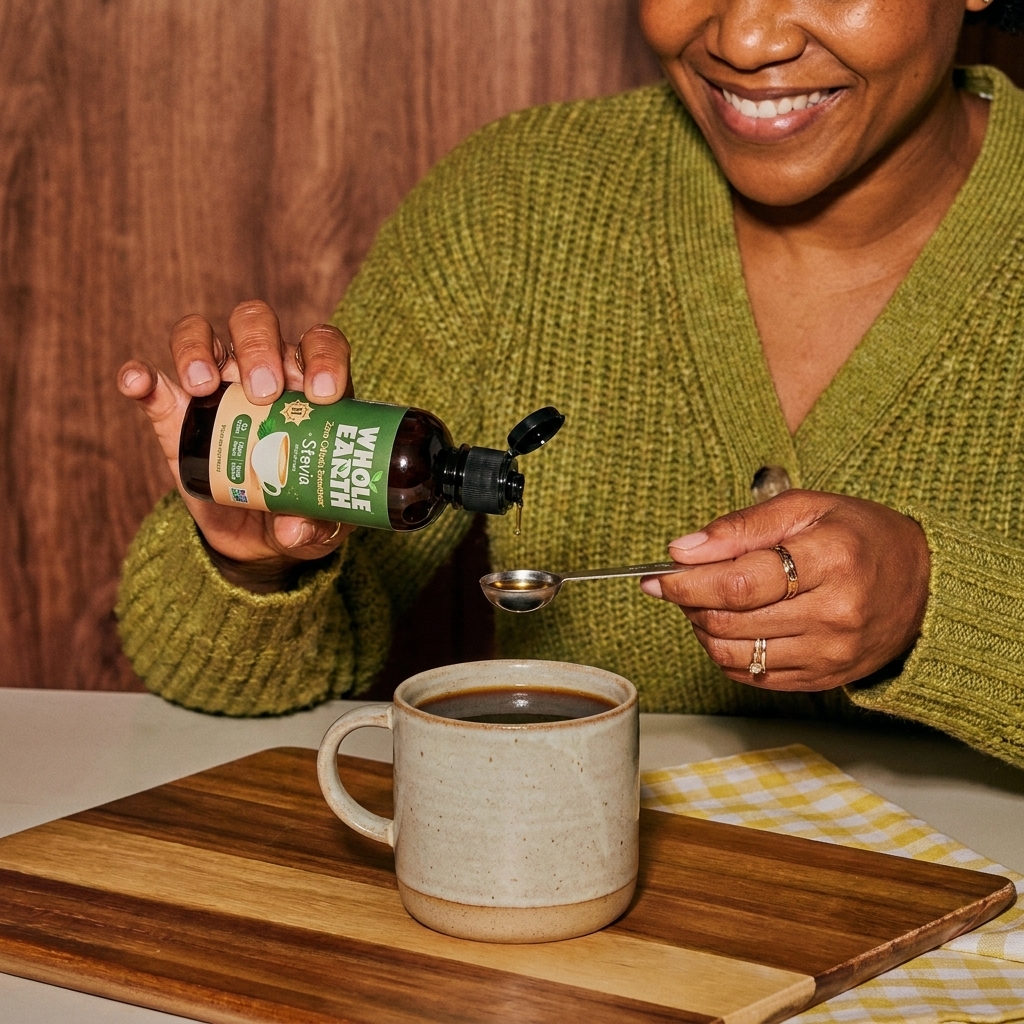
- Liquid stevia varies wildly by brand. Start with a few drops, taste, and add gradually.
- Pure stevia powder is extremely concentrated. If a recipe calls for “1 teaspoon stevia,” confirm whether it means a blend or pure extract.
- If you are adapting a sugar-based baked recipe, plan to replace missing bulk with something like erythritol, allulose, almond flour, coconut flour (carefully), Greek yogurt, or extra egg, depending on the recipe. This is why tested recipes are your best friend.
Monk fruit
What it is
Monk fruit (luo han guo) is sweetened by compounds called mogrosides. Like stevia, it is very sweet on its own, so most grocery-store products add a bulking sweetener to make it easy to measure.
How it tastes
Good monk fruit products taste pleasantly sweet and fairly sugar-like. Some people notice a light fruity note. If a monk fruit sweetener tastes gritty or “cold,” that is usually the erythritol in the blend, not the monk fruit itself.
Best uses
- Everyday sweetening for coffee and tea
- Keto baking when sold as a 1:1 sugar replacement
- Ice cream and frozen desserts when paired with the right ingredients (more on that below)
Baking behavior
Most “monk fruit” granulated sweeteners are actually monk fruit + erythritol, which means they behave a lot like erythritol in baking. You get bulk and structure, but you can also get recrystallization as desserts cool.
What I reach for most: a monk fruit erythritol blend for cookies, bars, and quick breads, plus a powdered version for frostings and cheesecake fillings.
Conversion tips
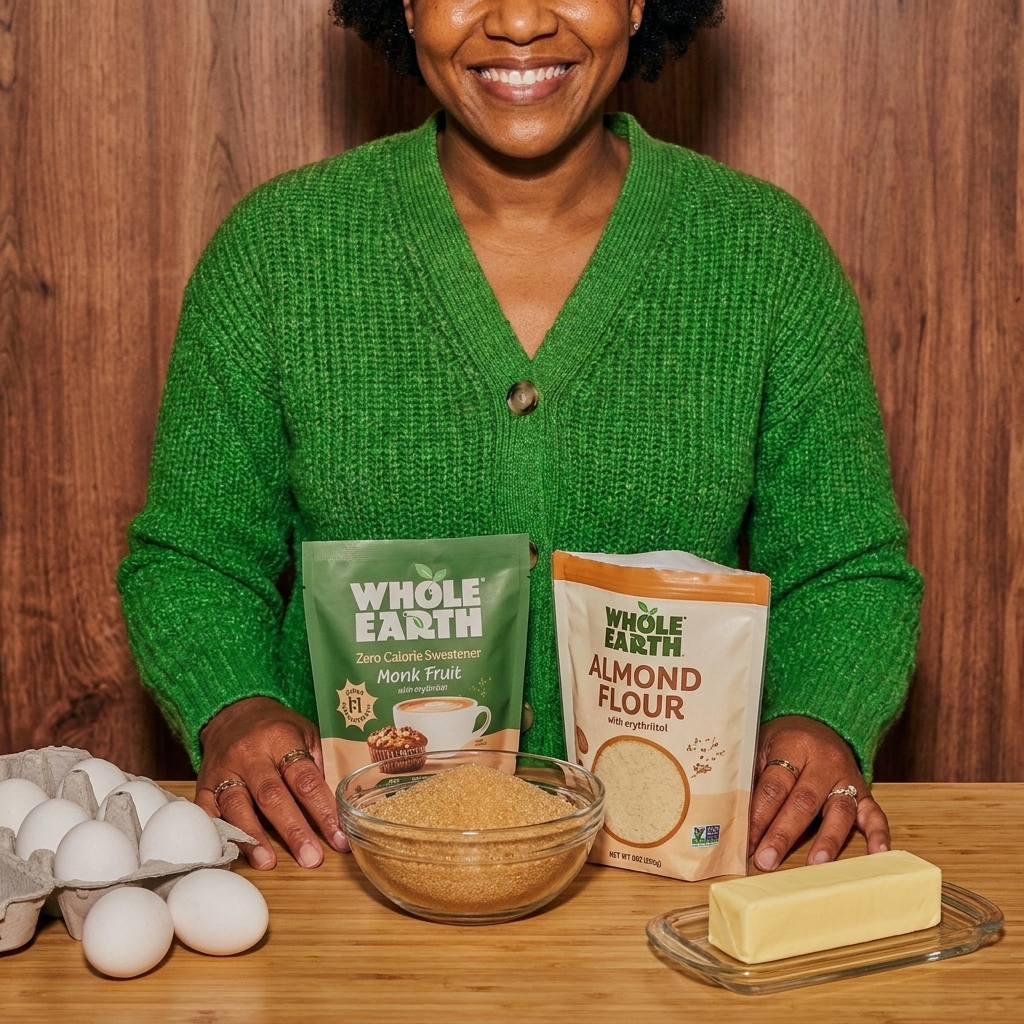
- Check the label. If it says “measures like sugar,” you can usually swap 1:1 by volume.
- For powdered monk fruit blends, sift first for the smoothest frostings and glazes.
- If a product is pure monk fruit extract, treat it like stevia: tiny amounts, not cup-for-cup.
Erythritol
What it is
Erythritol is a sugar alcohol commonly made by fermenting glucose. It is low-carb, very low-calorie, and it behaves more like sugar than stevia does because it has bulk.
How it tastes
Erythritol is about 60 to 70% as sweet as sugar on its own. Many people notice a mild cooling sensation, especially in minty desserts, chilled drinks, or anything with a lot of erythritol concentration (like candy).
Best uses
- Cookies where you want crisp edges
- Granola, crumble toppings, and baked streusels
- “Candied” nuts (with a few technique tweaks)
Baking behavior
This is where erythritol gets both its fan club and its critics.
- It dissolves and can melt, but it recrystallizes easily. It can dissolve in hot liquids and it does melt at high heat, but it tends to recrystallize as it cools. That can make cheesecakes, custards, and sauces feel grainy after chilling.
- It can dry out cakes. Sugar is hygroscopic, meaning it holds onto water. Erythritol does not do that as well, so baked goods can taste drier the next day.
- It will not caramelize like sugar. In practice, bakes often come out paler and less “caramel-y.”
My gritty-texture rescue: use powdered erythritol for smooth fillings and frostings, and for chilled desserts consider a recipe that uses a blend or includes other texture helpers like cream cheese, sour cream, or gelatin.
Conversion tips
- Granulated erythritol is usually not as sweet as sugar. Many brands suggest using about 1 1/3 cups erythritol for 1 cup sugar, but check your product.
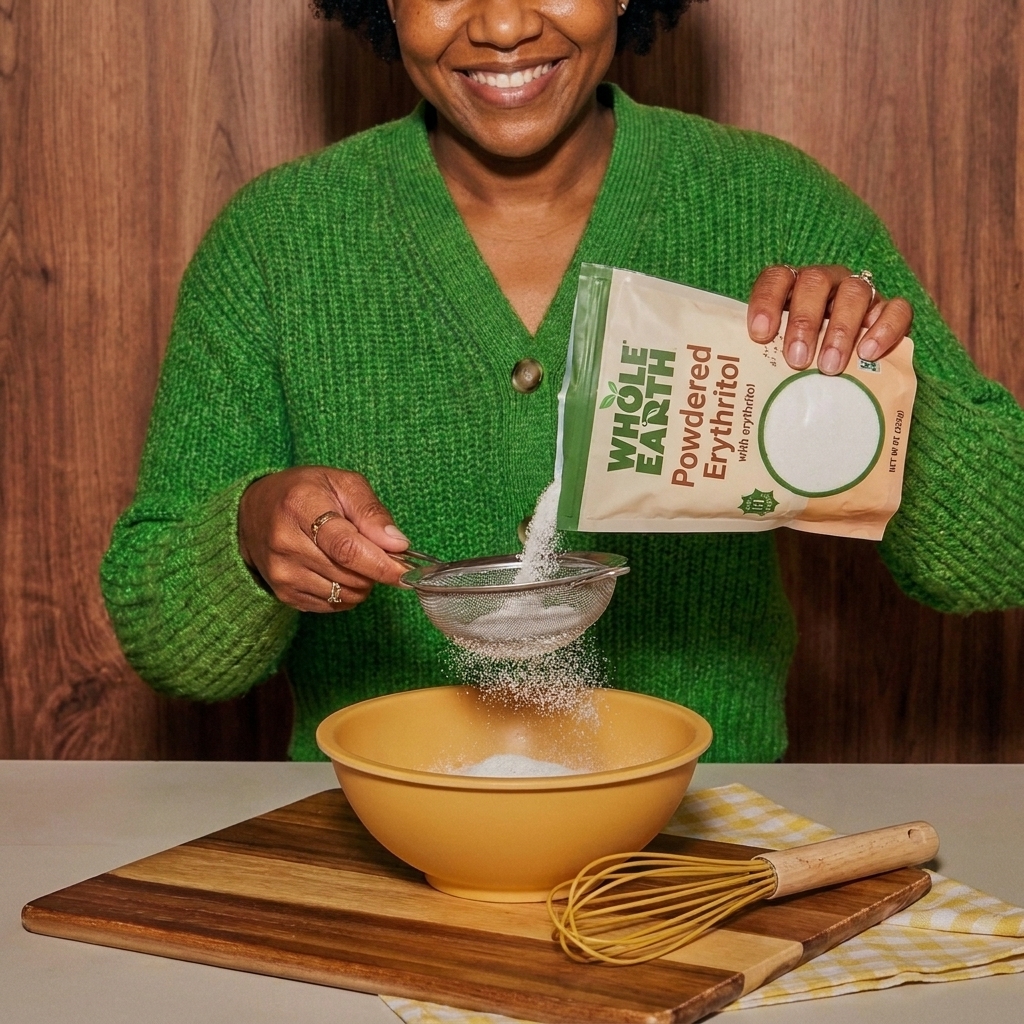
- For frostings and cheesecake, use powdered to reduce graininess.
- If you want less cooling effect, choose a blend rather than pure erythritol.
Allulose (quick sidebar)
If you hate erythritol’s cooling effect or the occasional crunch, allulose is worth knowing about. It behaves closer to sugar in many desserts.
- Texture: softer, less likely to recrystallize than erythritol.
- Browning: tends to brown more readily than erythritol, so keep an eye on bake time.
- Sweetness: less sweet than sugar, so recipes often use a bit more.
- Comfort note: some people get GI upset with larger amounts, so start small.
- Label reality: “net carb” treatment varies by brand and by how people track it. Use the approach that matches your goals.
Pick by what you are making
Drinks
- Best: liquid stevia (easy to control) or monk fruit drops
- Also good: powdered monk fruit blend (whisk well)
- Trick: if you taste cooling, reduce erythritol-based sweeteners in cold drinks
Cookies
- Best: monk fruit erythritol blend (1:1), or erythritol with a little stevia or monk fruit to boost sweetness
- Expect: more crispness and less chew than sugar cookies
- Tip: let dough rest 10 to 15 minutes so sweetener dissolves more before baking
Cakes and muffins
- Best: blends that measure like sugar, plus recipes designed for keto flours
- Watch for: dryness with erythritol-heavy formulas
- Tip: a touch more fat (butter, oil, sour cream) and not overbaking makes a huge difference
Cheesecake, custard, pudding
- Best: powdered monk fruit blend, powdered erythritol, or allulose (if you tolerate it)
- Avoid: large amounts of granulated erythritol unless the recipe is tested for it
- Tip: whisk sweetener into room-temp cream cheese thoroughly, then taste before adding eggs
Ice cream and frozen desserts
- Best: allulose or a monk fruit blend in moderation, plus ingredients that prevent iciness
- Watch for: erythritol can recrystallize and feel crunchy when frozen
- Tip: choose recipes that include a small amount of alcohol, glycerin, or certain fiber syrups for a softer scoop. If fiber syrups bother your stomach or do not fit your carb tracking, skip them and use a recipe built around allulose instead.
Granulated vs powdered vs liquid
- Granulated: best for cookies, crumbles, and anything where a little crunch is welcome.
- Powdered (confectioners style): best for frosting, cheesecake filling, whipped cream, glazes, and smooth sauces.
- Liquid drops: best for drinks, yogurt bowls, and quick sweetness adjustments without adding texture.
If you bake often, I like having one granulated 1:1 blend and one powdered sweetener. That covers most keto desserts without extra stress.
Easy conversion rules
When the bag says 1:1
Use the same amount called for in the recipe. Then taste the batter or filling where it is safe to do so. The easiest move is to taste and adjust before adding eggs.
When using erythritol alone
Because it is less sweet than sugar, you may need a bit more. Start by replacing sugar cup-for-cup, then add gradually if needed. If you go much higher, expect more cooling effect and more recrystallization.
When using pure stevia or pure monk fruit extract
Do not swap cup-for-cup. Use them to sweeten to taste, and keep in mind you still need bulk for baked goods. In other words, pure extracts are fantastic for beverages and no-bake recipes, but tricky in classic baking unless the recipe was written for them.
Do you need to add bulk?
Sometimes yes. If your recipe depends on sugar for structure (think cakes, brownies, and certain cookies), you may need a sweetener that provides volume (erythritol, allulose, or a blend) or additional ingredients that support moisture and texture.
Common problems
“My frosting is gritty.”
- Use powdered sweetener.
- Beat longer, and let it sit 10 minutes, then beat again.
- Choose a monk fruit blend designed for powdered use.
“My cookies are too crisp and dry.”
- Reduce bake time by 1 to 3 minutes.
- Add a tablespoon of fat (butter, coconut oil) or a spoonful of cream cheese in the dough if the recipe allows.
- Use a blend rather than straight erythritol, or consider allulose for a softer bite.
“There is a weird aftertaste.”
- Back off the stevia, even slightly.
- Try a different brand. Aftertaste varies a lot by formulation.
- Balance with vanilla, cinnamon, cocoa, citrus zest, and salt. Salt is the unsung hero here.
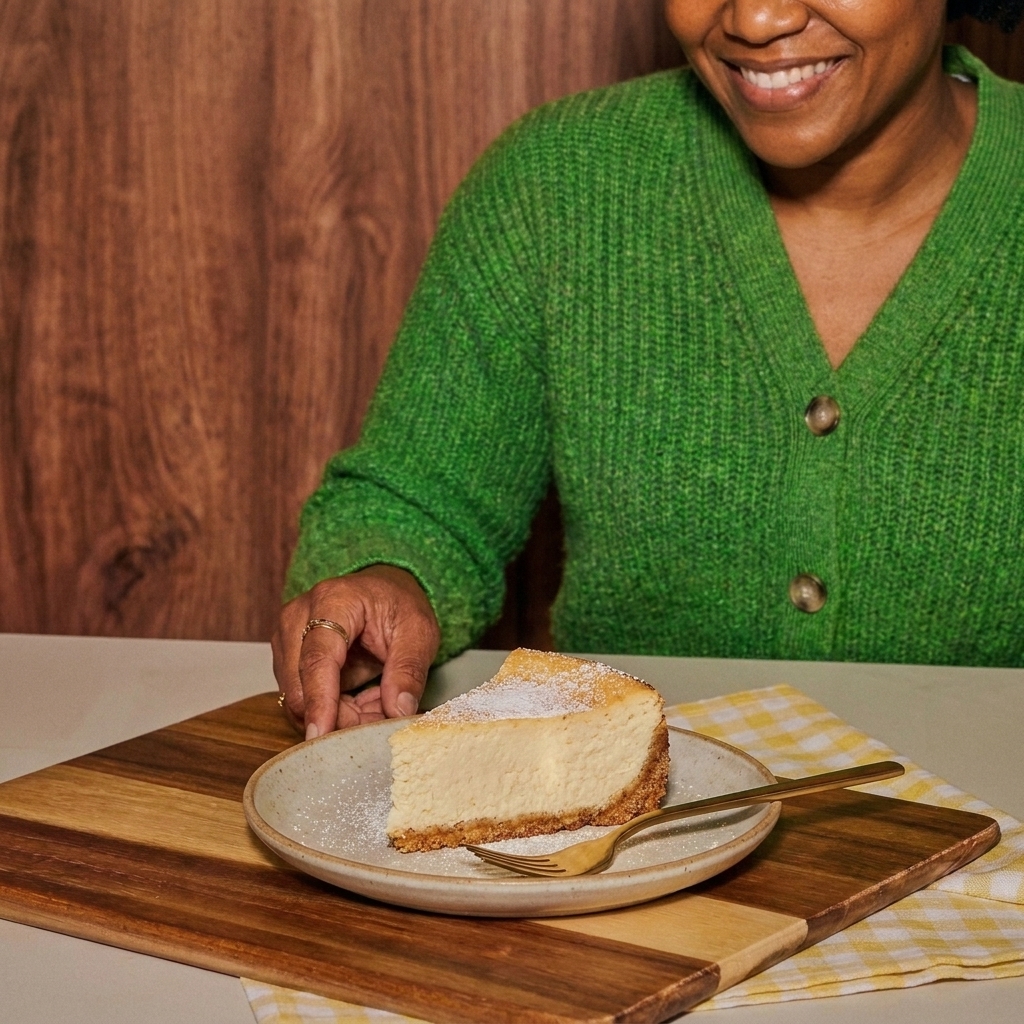
“My cheesecake tastes cold or crunchy after chilling.”
- Switch to powdered sweetener.
- Use less erythritol overall, choose a blend, or swap part (or all) to allulose if you like it.
- Let cheesecake sit at room temp 15 to 20 minutes before serving for a smoother bite.
Safety and comfort notes
Most people tolerate these sweeteners well in moderate amounts, but everyone is different.
- Erythritol is generally better tolerated than many other sugar alcohols, but large amounts can still cause digestive upset for some people.
- Stevia and monk fruit are very sweet, so you typically use less, which can be helpful if you are sensitive.
- Not covered here: xylitol. It is extremely dangerous to dogs, so keep it out of the house if that is a concern for you.
If you are new to sugar substitutes, start small and see how you feel. Your future self will thank you.
My go-to pantry picks
- Granulated monk fruit erythritol blend (1:1) for most baking
- Powdered version for cheesecake, frosting, and whipped cream
- Liquid stevia for coffee and quick sweetness adjustments
And yes, I keep them right next to the vanilla and cinnamon. They are part of the routine now.
FAQ
Which is best for keto?
All three can fit a keto approach because they are very low in net carbs in their pure forms. In real life, “best” comes down to how you are using it and what is in the bag: stevia for drinks, monk fruit blends for easy baking, and erythritol for structure and crunch when you can tolerate it. Always check for added sugars or carb-heavy fillers like dextrose or maltodextrin.
Why do some monk fruit sweeteners taste like erythritol?
Because many are mostly erythritol with a small amount of monk fruit extract added for sweetness. That is not a bad thing, it just explains the cooling effect and why they behave like erythritol in baking.
Can I replace sugar 1:1 in any recipe?
Only if your sweetener is labeled as a 1:1 replacement and the recipe is forgiving. For classic wheat-flour cakes and candy-making, sugar chemistry matters a lot, so I recommend using recipes developed for keto sweeteners whenever possible.
What is the least “weird tasting” option?
Many people find monk fruit blends the most sugar-like. If stevia tastes bitter to you, try a monk fruit blend or a different stevia brand and use less.
One last tip
When you test a new sweetener, start with a simple recipe you know well, like a basic keto mug cake or whipped cream. That way you can learn the flavor and the “sweetness level” without guessing in a big batch. Then you can bake confidently, with dessert that actually feels like dessert.