A cozy, practical comparison of Dutch oven and slow cooker pot roast, with tips for browning, timing, gravy, and getting truly tender results every time.
Recipeva
Smoky and Earthy Sauerbraten
A cozy, smoky twist on German sauerbraten with a tangy marinade, fork-tender beef, and rich gingersnap gravy. Make-ahead friendly and perfect for a weekend dinner.

Maya Reynolds
Maya Reynolds is a passionate home cook, recipe developer, and the creative voice behind Recipeva. With over a decade of experience translating complex culinary techniques into approachable weeknight meals, she focuses on creating dishes that bring joy to the dinner table without the stress.
Created September 22, 2026
Updated September 22, 2026
Sauerbraten has a reputation for being fussy. I get it. It is a marinated roast that turns into a deeply flavored, fork-tender dinner with a glossy, tangy gravy. That said, once you understand the rhythm, it is one of the most relaxing “let it do its thing” meals you can make.
This version leans smoky and earthy without drifting away from what makes sauerbraten sauerbraten: a vinegar-forward braise, warm spices, and that signature gravy often thickened with crushed gingersnaps. Think cozy pot roast, but with a bright, German-accented zing and a little campfire whisper in the background.
What makes it smoky
Classic sauerbraten is all about the interplay of tang, spice, and slow-cooked beef. Here is what I do to bring in smoke and earthiness while keeping it true to its roots.
- Smoked paprika: Adds a gentle, savory smoke that reads like depth, not barbecue.
- Dried porcini (optional but amazing): A small amount steeped into the braising liquid gives that forest-like, earthy bass note.
- Tomato paste: Not traditional in every region, but a tablespoon helps round out acidity and builds a darker gravy.
- A dark beer or strong beef stock: Either one reinforces the roasty backbone.
If you are smoke-sensitive, use half the smoked paprika and half sweet paprika. You will still get complexity without feeling like the roast sat next to a smoker.
Ingredients
There are two parts: the marinade and the braise. The marinade is where the magic starts, so do not skip the time. Also, because vinegar is involved, use a nonreactive container for marinating (glass, ceramic, or food-safe plastic). Skip metal.
Yield: About 6 to 8 servings, depending on the cut and how generous everyone gets with seconds.
For the marinade
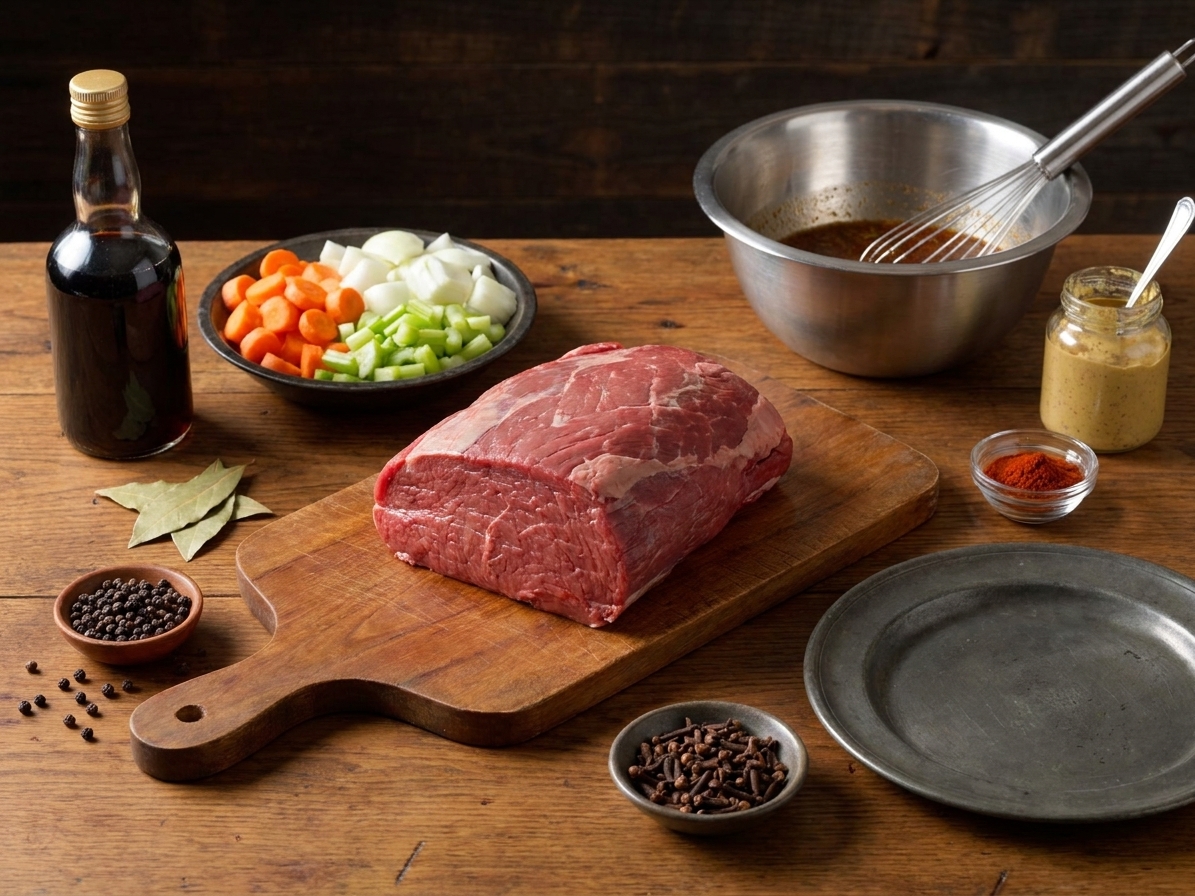
- Beef roast: 3 to 4 pounds bottom round, chuck roast, or rump roast. Chuck gets you the most tenderness.
- Vinegar: 1 1/2 cups red wine vinegar or apple cider vinegar.
- Water: 1 1/2 cups.
- Onion: 1 large, sliced.
- Carrot: 1 large, sliced.
- Celery: 2 ribs, sliced.
- Garlic: 6 cloves, smashed. (Yes, six. No, it is not too much.)
- Bay leaves: 3.
- Peppercorns: 1 tablespoon.
- Whole cloves: 6.
- Juniper berries (optional): 6 to 8, lightly crushed for a classic gin-like pine note.
- Brown sugar: 2 tablespoons, or to taste.
- Dijon mustard: 1 tablespoon.
- Smoked paprika: 1 to 1 1/2 teaspoons.
- Kosher salt: 2 teaspoons.
For the braise and gravy
- Neutral oil: 1 to 2 tablespoons.
- Tomato paste: 1 tablespoon.
- Beef stock or dark beer: 2 cups.
- Dried porcini mushrooms (optional): 1/2 ounce.
- Gingersnaps: 6 to 8 cookies, crushed (about 1/2 to 3/4 cup). Use plain, not chocolate-dipped.
- Raisins (optional): 2 tablespoons, for an old-school sweet-tart finish.
- Salt and black pepper: to taste (go easy at first, since the marinade is seasoned).
How to make it
Plan for two phases: marinate, then braise. Most of the work is hands-off, and the flavor payoff is huge.
1) Make the marinade
In a medium saucepan, combine vinegar, water, onion, carrot, celery, garlic, bay leaves, peppercorns, cloves, juniper (if using), brown sugar, mustard, smoked paprika, and salt. Bring to a simmer for 3 to 4 minutes, just to dissolve the sugar and bloom the spices. Cool completely.
Tip from my teacher-brain days: hot marinade can start cooking the exterior of the beef in a weird way. Cool it first. Patience now means better texture later.
2) Marinate the beef
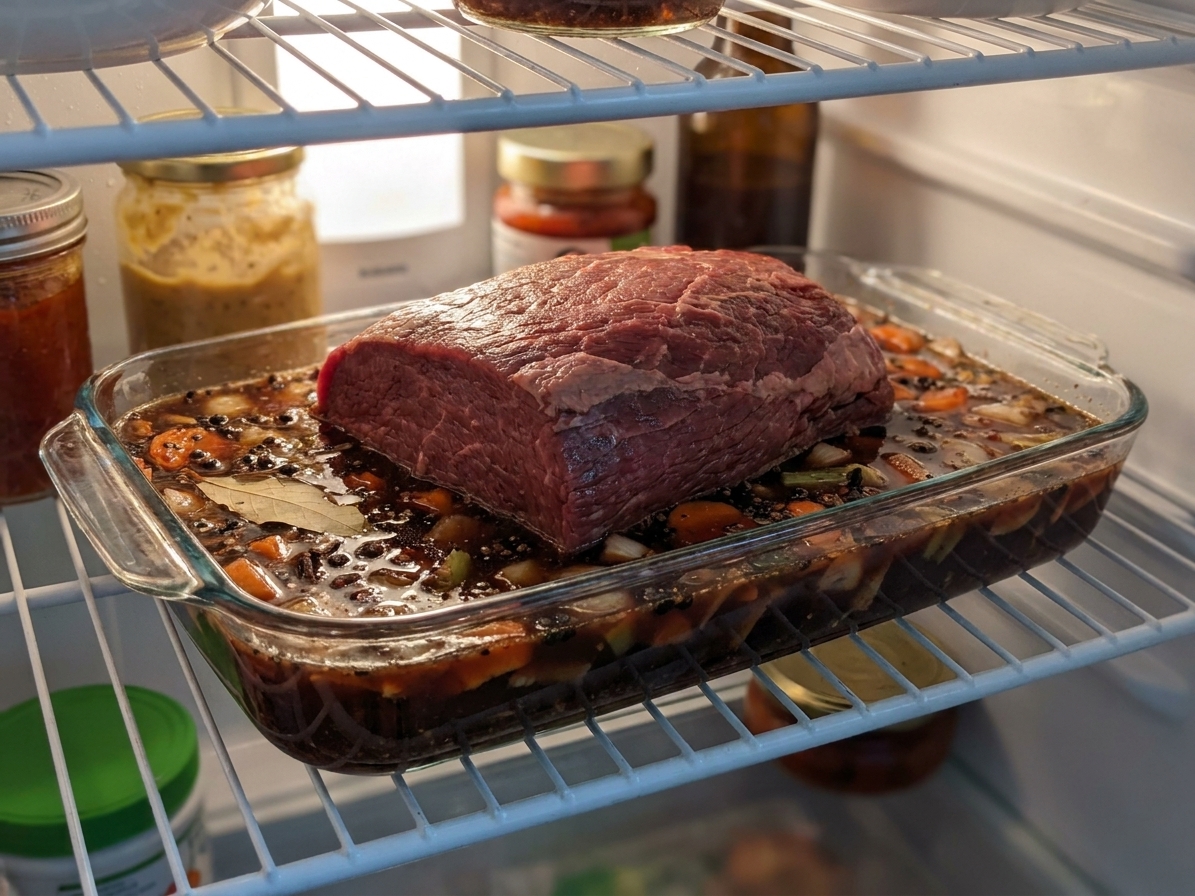
Place the beef in a nonreactive container (glass, ceramic, or food-safe plastic). Pour the cooled marinade over the roast, cover, and refrigerate. Turn the roast once a day so everything marinates evenly.
- Often best: 3 to 5 days
- If you are short on time: 48 hours can still taste great
- Upper limit: around 6 days (especially with more acidic vinegar or a smaller roast) before the outside can start to go too soft
3) Sear for flavor
Remove the roast from the marinade and pat it very dry. Strain the marinade, reserving the liquid and the vegetables separately.
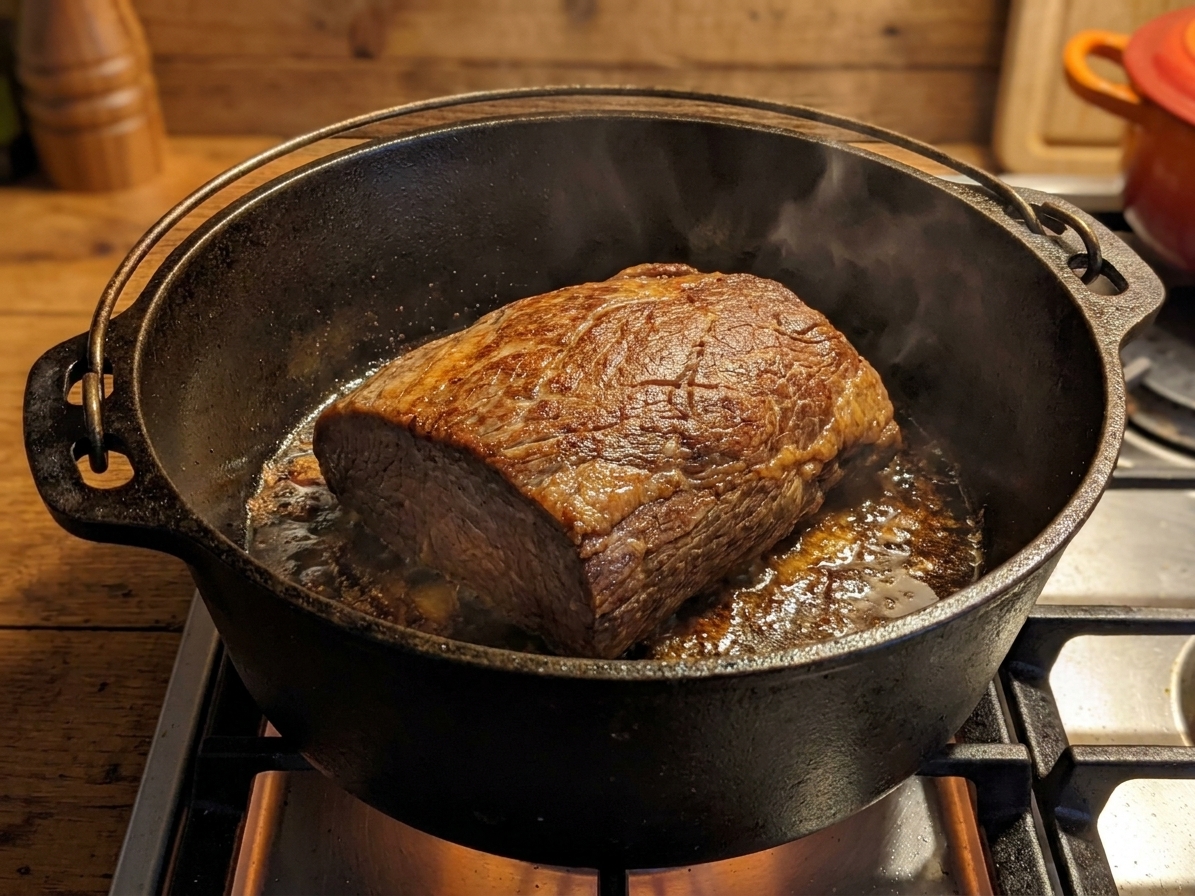
Heat oil in a Dutch oven over medium-high heat. Sear the roast on all sides until deeply browned, 3 to 5 minutes per side. Transfer to a plate.
4) Build the braise
Lower heat to medium. Add the reserved vegetables to the pot and cook 5 minutes, scraping up browned bits. Stir in tomato paste for 30 seconds.
Add the reserved marinade liquid and beef stock or dark beer. If using porcini mushrooms, add them now. Bring to a gentle simmer.
Return the roast to the pot, cover, and braise:
- Oven method: 325°F for 3 to 3 1/2 hours
- Stovetop method: very low simmer for 3 to 3 1/2 hours
The roast is done when a fork twists easily and the meat feels yielding, not tight.
5) Make the gingersnap gravy
Transfer the roast to a cutting board and tent with foil.
Strain the braising liquid into a saucepan, pressing on the vegetables to extract maximum flavor. Simmer the liquid 10 minutes to concentrate.
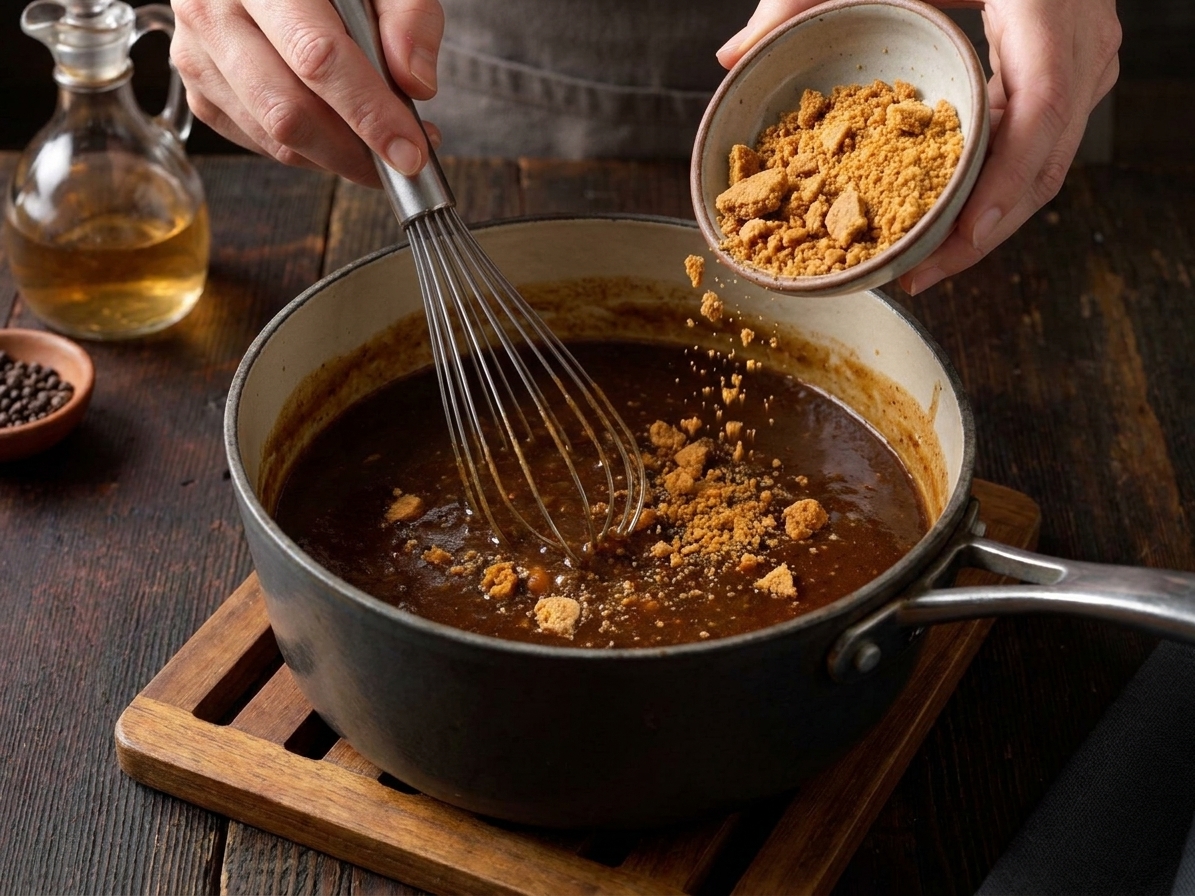
Whisk in crushed gingersnaps a little at a time until the gravy thickens and turns glossy. Add raisins if using. Then taste and adjust. The gingersnaps change how you perceive salt, so this is the moment to fine-tune seasoning.
- Too sharp? Add a pinch more brown sugar.
- Too sweet? Add a splash of vinegar.
- Too thick? Thin with stock or water.
- Needs more smoke? Add a tiny pinch of smoked paprika, then stop and taste.
- Flat? Add a small pinch of salt and a few grinds of black pepper.
6) Slice and serve
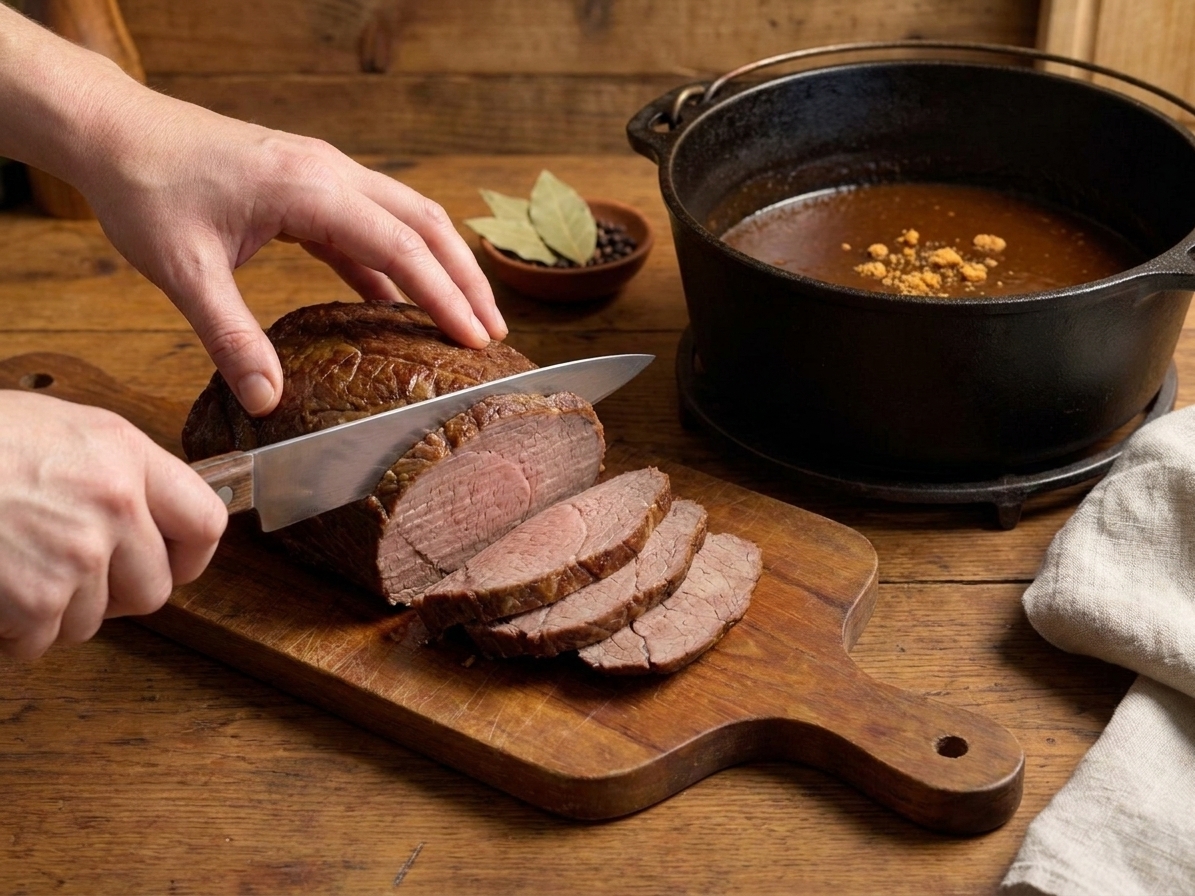
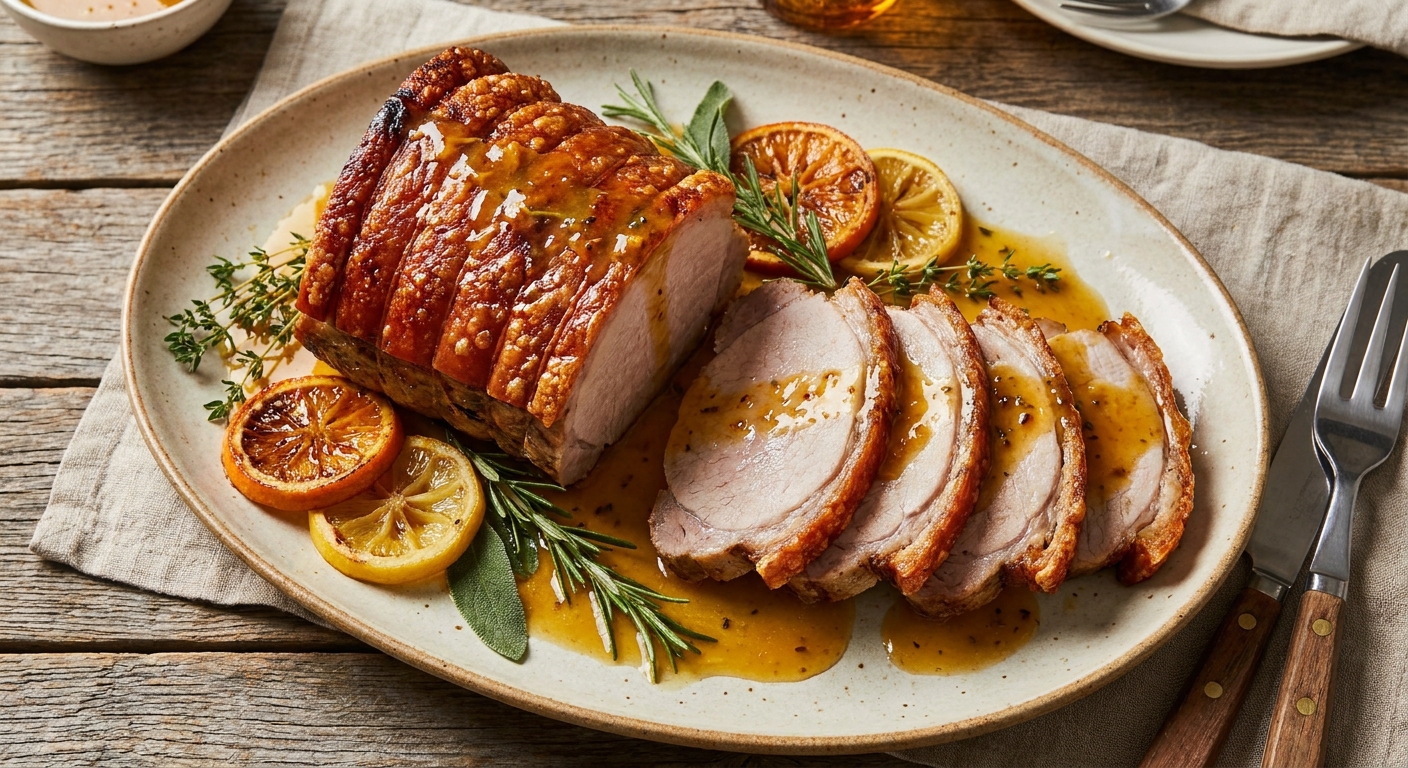
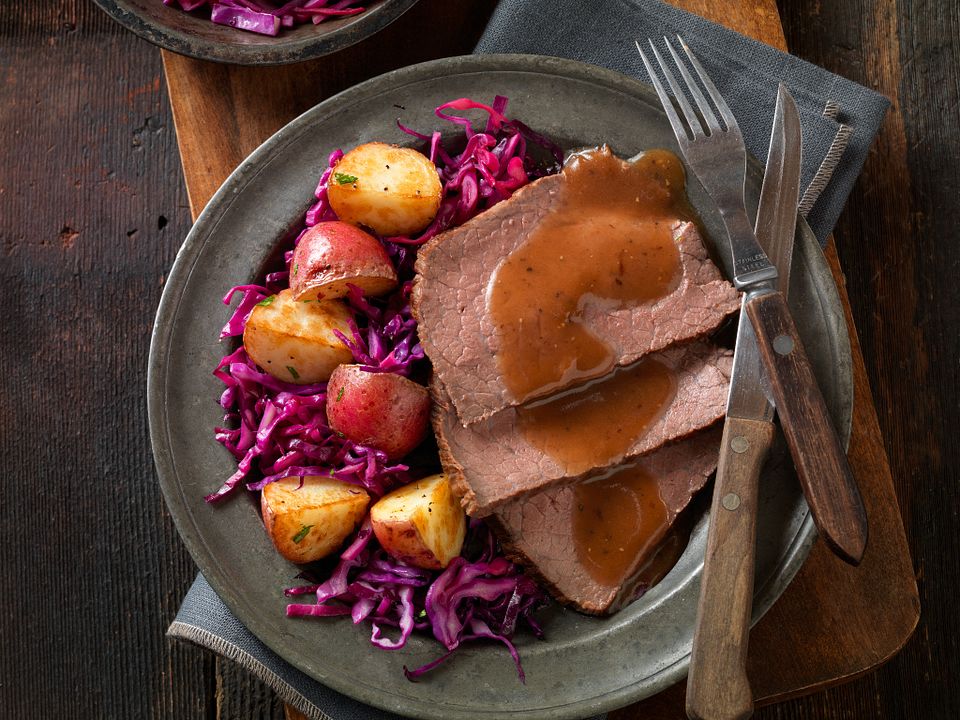
Slice the roast against the grain. Spoon over the gravy and bring it to the table while it is still piping hot and aromatic.
Make-ahead and storage
Sauerbraten is an absolute dream for make-ahead cooking. In fact, it is better after a rest.
- Make ahead: Braise the roast a day early, cool it in its liquid, refrigerate overnight, then rewarm gently. The flavors settle and the slicing is cleaner.
- Store: 4 days in the fridge in an airtight container, ideally with some gravy.
- Freeze: Up to 3 months. Freeze sliced meat with gravy for easiest reheating.
- Reheat: Low and slow on the stovetop with a splash of stock or water.
What to serve with it
My favorite pairings balance the tangy gravy with something starchy and something bright.
- Potato dumplings or buttered egg noodles
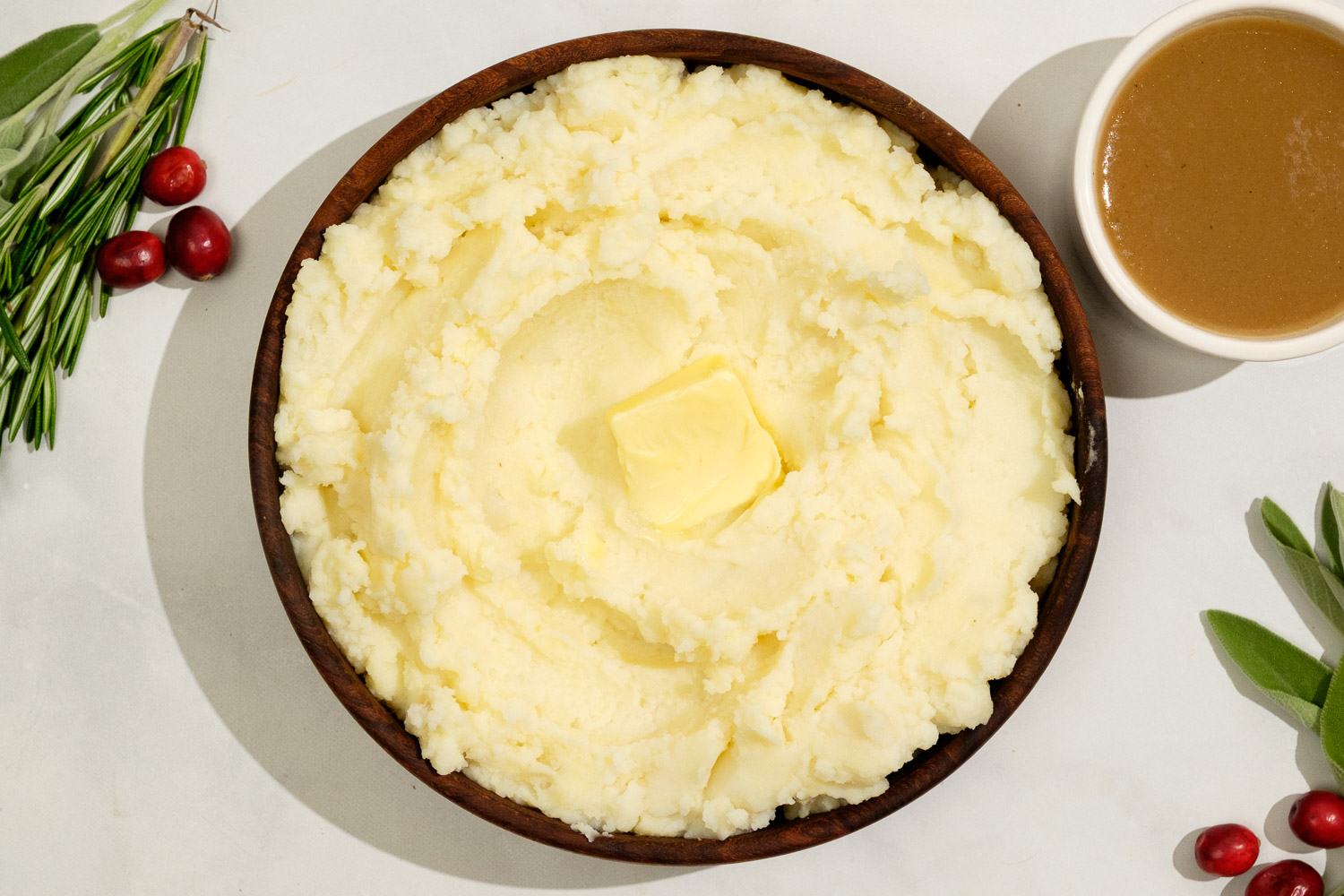
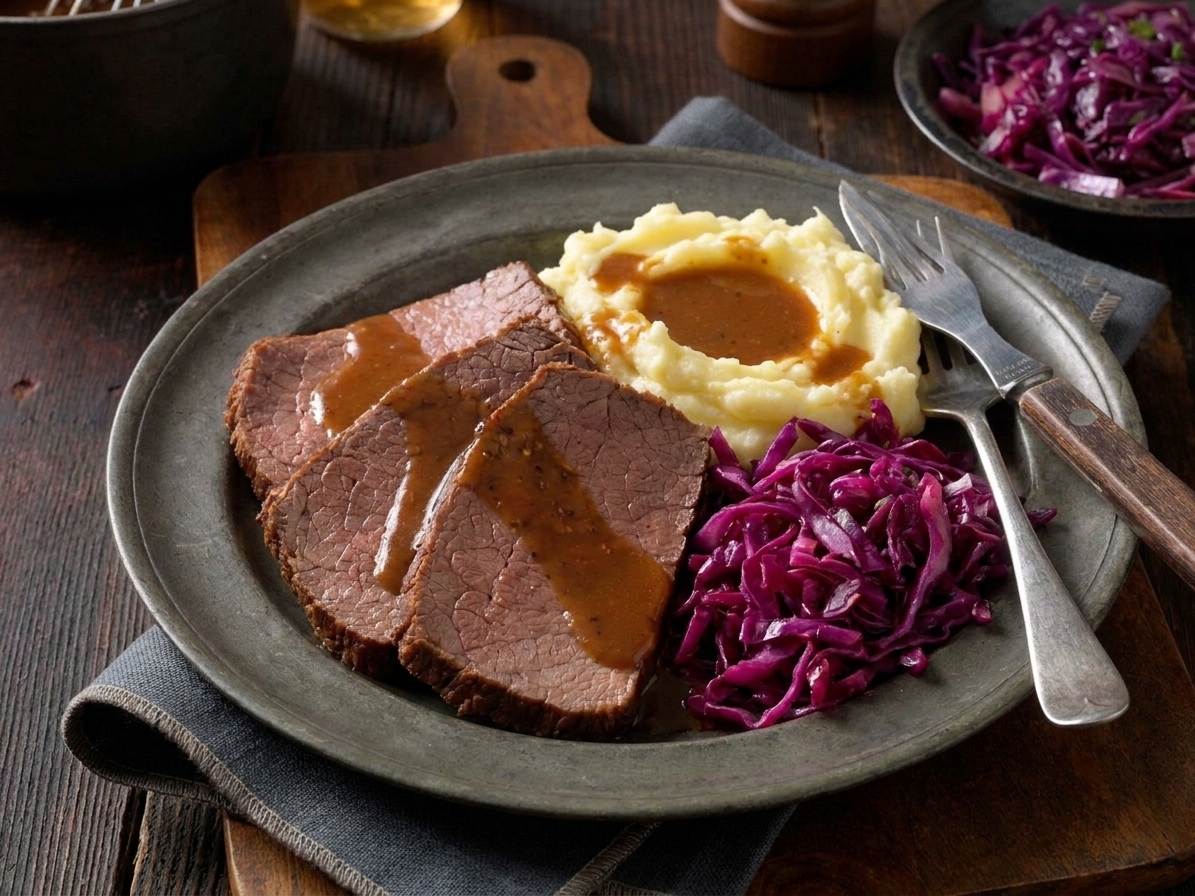
- Mashed potatoes with lots of black pepper
- Red cabbage (sweet-sour braised rotkohl is perfect)
- Cucumber salad for something crisp and cooling
- Roasted carrots or mushrooms to keep the earthy theme going
Common questions
Is it supposed to taste like vinegar?
It should taste tangy, not harsh. Harshness usually means the gravy needs more simmer time, a touch more sweetness, or a richer base (stock instead of water, or a bit more tomato paste). A tablespoon of butter whisked in at the end can also soften the edges.
Do I have to use gingersnaps?
They are classic for certain styles (Rhineland-style is the one most people cite), and they do three jobs at once: thicken, sweeten, and add warm spice. If you cannot do gingersnaps, use a slurry of cornstarch and cold water to thicken, then add a pinch of cinnamon and cloves plus a teaspoon or two of brown sugar to mimic the vibe.
What cut of beef is best?
Chuck roast is the most forgiving and tends to shred-tender. Bottom round slices beautifully and feels classic, but it needs attentive braising so it does not dry out. If you are nervous, choose chuck.
Can I use a slow cooker?
Yes. Still sear the beef first, then add everything to the slow cooker and cook on low until fork-tender, usually 8 to 10 hours depending on the roast and your cooker. Bottom round can go from sliceable to shreddy quickly, so start checking earlier if that is the cut you chose. Make the gravy on the stovetop at the end so you can reduce it properly before adding the gingersnaps.
How do I keep the smoke from taking over?
Use smoked paprika sparingly and avoid liquid smoke here. The goal is a background note. If you accidentally overdo it, add more vinegar-braise liquid or stock and a little extra crushed gingersnap to rebalance.
Serving note
This is one of those meals that makes your home smell like you have been cooking all day, even if you mostly just let the oven handle it. Invite someone over, set out a bowl of red cabbage, and do not be shy with extra gravy. Sauerbraten is comfort food with a little swagger, and this smoky, earthy spin is my favorite way to bring it to the table.